Review
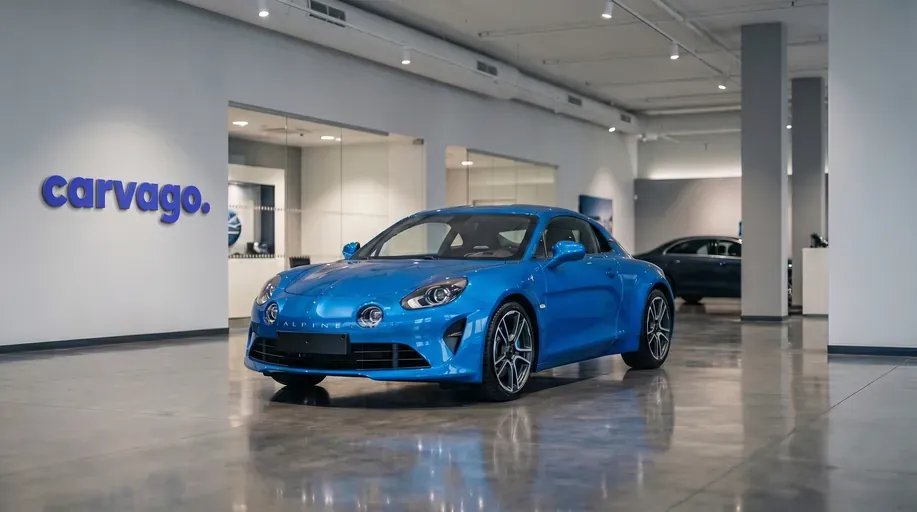
Review Alpine A110: What do owners and experts really say?
Alpine A110 review: real owner experience, common faults, running costs and trim picks — our definitive buyer's guide to the lightweight coupe.
Oct 25, 2026
Articles
Review
Mercedes-AMG C 63 Coupé review: real owner experiences, running costs, common faults, and used prices for the 2015–2023 C 205 generation.
November 1, 2026
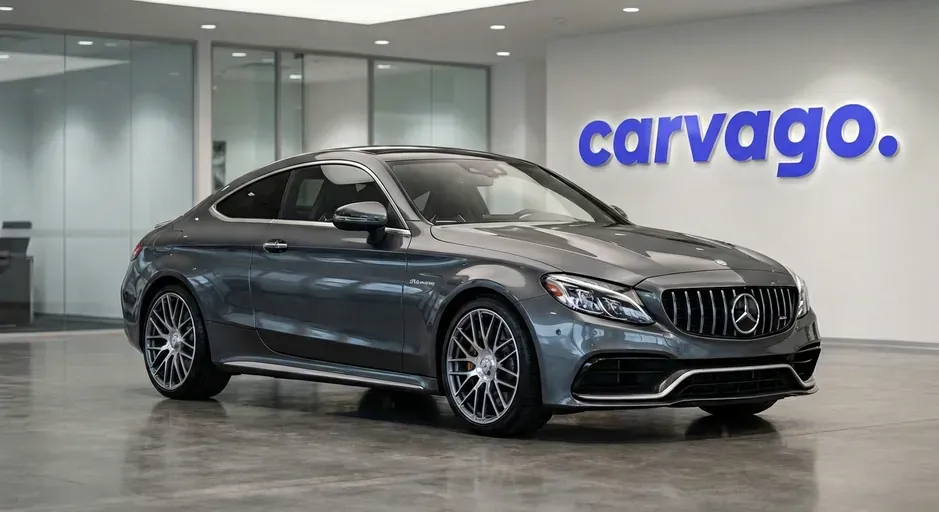
The Mercedes-AMG C 63 Coupé occupies the high-performance tier of the premium mid-size two-door segment. This review focuses on the C 205 generation, which entered production in late 2015, began first European customer deliveries in March 2016, and concluded assembly in April 2023. Because Mercedes-Benz did not produce a two-door variant for the subsequent C-Class generation, the C 205 served as the model line's final dedicated coupé before two-door ranges were consolidated under a new nameplate.
Sold as a four-seat coupé in both standard and higher-output S configurations, the model received an update premiered in March 2018, with European order books opening in June 2018 and production starting in July 2018. This revision introduced updated styling, revised digital cockpit controls, and an updated automatic transmission. In April 2021, the base variant was withdrawn from several European catalogues, leaving the S version as the sole offering until the model's production run ended.
The Mercedes-AMG C 63 Coupé appeals primarily to buyers seeking a traditional rear-wheel-drive performance car that combines long-distance grand touring capability with dedicated sports coupe dynamics.
European owner reports and specialist workshop records indicate that the Mercedes-AMG C 63 Coupé is mechanically robust when serviced rigorously, though its complex performance hardware requires diligent preventative care. The biturbo V8 powertrain has established a reputation for mechanical resilience, but ancillary electronic and cooling components generate recurring discussion on specialist forums.
Official service bulletins and owner reports highlight that the electronically controlled coolant thermostat can stick in an open position or fail to actuate within pre-programmed temperature thresholds. When this fault occurs, the check-engine warning illuminates, the radiator cooling fan defaults to maximum speed, and the engine management system enters a reduced-power mode. Resolving the issue requires installing an updated thermostat housing assembly and renewing the seals.
On the higher-output S variant, active magneto-rheological engine mounts are standard fitment. Owners report that these active mounts can develop internal electrical circuit breakdowns or sensor signal faults across thermal cycles, triggering an instrument cluster warning. While the car remains driveable, the mounts revert to their stiffest mechanical setting, which transmits noticeable vibration into the cabin at idle and during low-speed manoeuvres. Rectification requires replacing the affected engine mount assemblies.
Specialist workshops and owner communities also note warnings indicating that the electronic rear axle differential lock is inoperative on vehicles fitted with it (standard on S variants and on all post-facelift models). In some cases, this stems from external wiring issues or an electric actuator motor failure on the differential carrier. However, it can also signal mechanical wear on the internal bearings and friction discs if an owner skipped the mandatory initial running-in fluid change prescribed early in the car's life. Additionally, tests describe and owners report persistent creaking or ticking noises from the optional panoramic glass roof when navigating ramps or uneven pavement under chassis flex, which typically requires cleaning, specialised lubrication, or retorquing the cassette rails.
Several official safety recalls have affected the Mercedes-AMG C 63 model line across European markets. Buyers should ensure all applicable remedial work has been documented by an authorised dealer.
| Affected Build Window | Scope & Reach | Official Defect Description | Workshop Remedy |
|---|---|---|---|
| 02 March 2022 – 23 July 2025 (across wider C-Class range) | European Union / Multimarket | Screw connection of the steering coupling may loosen between the steering wheel and steering box, increasing accident risk. | Inspect steering coupling screw connection; retorque or replace fasteners to specification. |
| 2021 – 2023 | Worldwide (589,799 vehicles across ranges) | Fuel pump impeller may deform and contact the housing, causing the fuel delivery unit to shut down and loss of propulsion. | Replace the in-tank low-pressure fuel delivery module with an updated unit. |
| 02 July 2012 – 21 October 2020 (across various Mercedes-Benz models) | Worldwide / European Union | Polycarbonate roof panel between windscreen and panoramic roof may detach if incorrectly bonded during prior repair. | Inspect adhesive joint; remove and re-bond or replace panel using approved adhesive. |
| 01 February 2015 – 31 July 2016 | Worldwide / European Union | Sudden torque spikes on low-grip surfaces could lead to rear driveshaft failure and loss of propulsion. | Update software for the electronic stability program control unit. |
Before purchasing a pre-owned performance vehicle, commissioning an independent physical inspection through CarAudit can help verify whether recall campaigns were completed and confirm the integrity of high-wear chassis components.
Under the bonnet of the Mercedes-AMG C 63 Coupé, buyers find exclusively a twin-turbocharged eight-cylinder petrol engine paired with rear-wheel drive. Across its production life, it was offered in two output tunes, transitioning from a seven-speed to a nine-speed automatic transmission with the mid-cycle revision.
| Engine | Fuel | Power | Gearbox | Model years |
|---|---|---|---|---|
| 4.0 V8 (C 63) | Petrol | 350 kW (476 hp) | 7-speed automatic | 2015–2018 |
| 4.0 V8 (C 63 S) | Petrol | 375 kW (510 hp) | 7-speed automatic | 2016–2018 |
| 4.0 V8 (C 63) | Petrol | 350 kW (476 hp) | 9-speed automatic | 2018–2021 |
| 4.0 V8 (C 63 S) | Petrol | 375 kW (510 hp) | 9-speed automatic | 2018–2023 |
Short trips in townThe eight-cylinder engine is poorly suited to frequent urban hops. The high thermal demands of the twin-turbocharged configuration take considerable time to reach steady operating temperatures. Furthermore, the wet start-off clutch in both the seven-speed and nine-speed automatic gearboxes can develop judder, snatching, or hesitation during low-speed crawling and stop-and-go parking manoeuvres.
Mixed everyday useFor drivers balancing regular commuting with open-road driving, the standard base model provides more than enough real-world performance as a used car. The post-facelift edition equipped with the nine-speed automatic is preferable for mixed driving, as its tighter intermediate gear ratios deliver smoother power transitions when merging or accelerating away from roundabouts.
Long motorway journeysBoth versions serve well as high-speed touring cars, but post-facelift models hold a distinct advantage on the motorway. The taller top gear of the nine-speed gearbox lowers engine revs at cruising speeds, keeping the cabin quieter over vast distances. The higher-output Mercedes-AMG C 63 S Coupé adds active dynamic engine mounts that firm up during high-speed directional changes.
TowingTowing is not permitted under any circumstances. Mercedes-AMG homologated the Coupé without towing approval due to the rear aerodynamic diffuser packaging and lack of chassis towing certification, so towbars cannot be retrofitted.
For detailed information on common mechanical and thermal issues reported by drivers over time, refer to the owner experiences section.
| Body style | Dimensions (L × W × H, mm)* | Wheelbase (mm) | Boot capacity (upright / folded, l) |
|---|---|---|---|
| Coupé | 4,750–4,751 × 1,877 × 1,400–1,402 | 2,840 | 355 / 1,280 |
| Saloon | 4,756–4,757 × 1,839 × 1,426 | 2,840 | 480 / — |
| Estate | 4,771–4,772 × 1,839 × 1,441 | 2,840 | 490 / 1,510 |
| Cabriolet | 4,750–4,751 × 1,877 × 1,400–1,404 | 2,840 | 355 / — |
*Exterior width measured excluding door mirrors.
As a dedicated four-seater, the Mercedes-AMG C 63 Coupé prioritises front-cabin packaging and body rigidity over rear-seat utility. Accessing the second row requires patience, as the wide-bolstered front performance bucket seats slide forward slowly and leave a tight aperture. Once in the back, knee room is acceptable for shorter trips, but the sloping roofline severely pinches headroom for average-height adults, leaving the two sculptured rear positions best suited to children. In daily running, the boot benefits from a standard three-piece split-folding rear backrest that allows longer items to slide through without folding both outer seats. The cargo aperture is restricted by the high loading sill and tapered boot lid, and underfloor volume is consumed by the rear sports exhaust and differential packaging, yet the flat floor accommodates luggage and everyday shopping without unnecessary compromise.
Professional road tests describe the Mercedes-AMG C 63 Coupé as an uncompromisingly firm sports car. While cruising speeds settle vertical body motions on smooth tarmac, low-speed compliance over broken surfaces is rigid, with Comfort mode providing little genuine cushioning. In corners, wider tracks and a dedicated rear axle deliver decisive turn-in bite and composed high-speed stability. The steering carries natural weighting, while the differential yields progressive, easily caught breakaways. Tyre roar intrudes on coarse asphalt, yet the vocal V8 exhaust note dominates cabin acoustics.
Inside, heavily bolstered sport seats provide secure lateral support, though testers note they turn unforgiving on long journeys. The dashboard architecture appears dramatic, yet lower centre-console plastics feel somewhat brittle and can creak under chassis twist. Ergonomics drew mixed verdicts: the digital displays offer clear graphics, but the steering wheel's touch-sensitive controls proved fiddly to operate on the move.
Testers universally praise the chassis for its accessible throttle adjustability and track composure, but divide on ride comfort: some consider the unrelenting damping appropriate for a track-capable flagship, while others deem it too harsh for scarred roads. The July 2018 update brought a nine-speed gearbox that shifts with less low-speed hesitancy than the earlier seven-speed unit, alongside revised sealing that subdued high-speed wind noise around the windscreen pillars.
All market data and charts in this section are drawn from Carvago listings of the entire Mercedes-AMG C 63 Coupé and wider C 63 model family, including other generations represented in the data, rather than exclusively the reviewed generation. Because the underlying sample combines these different models, this data does not establish a separate price level for the reviewed generation alone. In today's market snapshot, the median asking price sits at €60,000 for 2019 models, €84,600 for 2023 models, and €103,900 for 2026 builds.
Between April and September 2026, the volume of advertised Mercedes-AMG C 63 Coupé models moved from 948 down to a low of 795 in August before rising to 856, as detailed in the chart below.
Active listings over time
| Month | Mercedes-AMG C 63 Coupé |
|---|---|
| 2026-04 | 948 |
| 2026-05 | 888 |
| 2026-06 | 848 |
| 2026-07 | 811 |
| 2026-08 | 795 |
| 2026-09 | 856 |
Source Carvago
Buyers have consistently had several hundred vehicles to choose from across these six months, with active listings remaining between 795 and 948.
The median asking price of cars advertised today built in 2019 is €60,000, while the median asking price of cars advertised today built in 2026 is €103,900. Overall asking prices generally climb across newer production years, though listings built in 2025 show a slight dip compared to 2024, as detailed in the chart below.
Median advertised price by year of manufacture
| Model year | Mercedes-AMG C 63 Coupé |
|---|---|
| 2019 | 60 000 |
| 2020 | 64 000 |
| 2021 | 70 000 |
| 2022 | 81 500 |
| 2023 | 84 600 |
| 2024 | 88 600 |
| 2025 | 87 000 |
| 2026 | 103 900 |
Source Carvago
Buyers considering earlier model years face a median asking price of €60,000 for cars advertised today built in 2019, whereas stepping up to a 2022 build corresponds to a median asking price of €81,500. For the newest models, the median asking price of cars advertised today reaches €103,900 for 2026 builds, with 2025 cars sitting at €87,000 compared to €88,600 for 2024.
Across the six months from April to September 2026, petrol models formed the bulk of the market, beginning with 776 petrol listings and 171 hybrids in April. The chart below tracks how advertised vehicles were distributed by fuel type over this period.
Supply composition by fuel type
Petrol
Diesel
Hybrid
| Month | Petrol | Diesel | Hybrid |
|---|---|---|---|
| 2026-04 | 776 | 1 | 171 |
| 2026-05 | 736 | 0 | 152 |
| 2026-06 | 681 | 0 | 167 |
| 2026-07 | 648 | 0 | 163 |
| 2026-08 | 613 | 0 | 182 |
| 2026-09 | 646 | 0 | 210 |
Source Carvago
In September 2026, petrol cars remained the primary option with 646 listings, alongside 210 hybrid listings and zero diesel or electric options. Buyers will find their realistic choices concentrated entirely in petrol and hybrid power, with other fuel types essentially absent from active listings.
The chart shows the average asking price from April 2026 to September 2026, opening at €61,400.
Average price development over time
| Month | Mercedes-AMG C 63 Coupé |
|---|---|
| 2026-04 | 61 400 |
| 2026-05 | 60 200 |
| 2026-06 | 59 100 |
| 2026-07 | 59 100 |
| 2026-08 | 60 200 |
| 2026-09 | 60 100 |
Source Carvago
Prices moved within a narrow range across the six months, bottoming at €59,100 before ending at €60,100, an overall change of just over two percent.
Mechanically robust biturbo V8 powertrain suited to high-speed grand touring
Composed handling balance with natural steering weighting and accessible throttle adjustability
Smoother gear transitions and quieter motorway cruising on facelifted nine-speed models
Rigid low-speed ride comfort that provides minimal cushioning over broken tarmac
Severely pinched rear headroom and slow front-seat access for second-row passengers
Hesitant clutch engagement during low-speed urban crawling and parking manoeuvres
The V8 powertrain is mechanically robust when diligently maintained, though ancillary electronic and cooling components require preventative care. Buyers should also verify by vehicle identification number that all safety recall campaigns have been completed by an authorised workshop.
Facelifted models built from July 2018 onwards are preferable because the nine-speed automatic transmission improves low-speed drivability and reduces cruising revs. Earlier seven-speed cars remain capable, but their gearbox behaves more abruptly in urban traffic.
Verify in the digital records that the mandatory running-in rear differential service was carried out, as skipping it leads to premature wear. A pre-purchase inspection should also check the low-mounted front heat exchangers for stone damage and confirm smooth transmission take-up from cold.
The Mercedes-AMG C 63 Coupé functions well for two occupants with its folding rear seats and practical boot, but it is poorly suited to family duties. Rear passenger space is restricted by the sloping roofline, and access through the front bucket seats is tight.
Sources: mercedes-benz-media.co.uk, media.mercedes-benz.it, adac.de, ec.europa.eu, autocar.co.uk
This article was prepared using artificial intelligence tools. The section guarantor is Petr Dušek.
Alpine A110 review: real owner experience, common faults, running costs and trim picks — our definitive buyer's guide to the lightweight coupe.
Oct 25, 2026
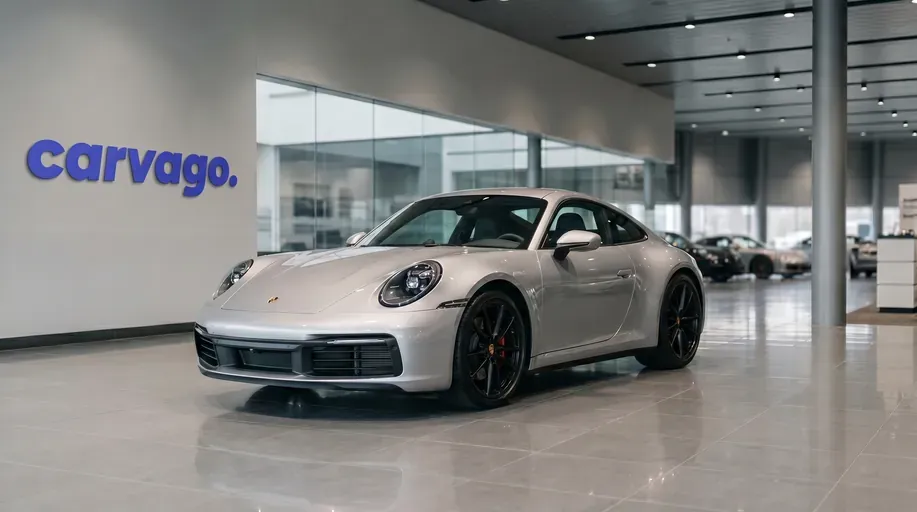
Porsche 911 (992) review: real owner experience, 992.1 vs 992.2 changes, running costs, reliability and prices — everything before you buy.
Oct 25, 2026
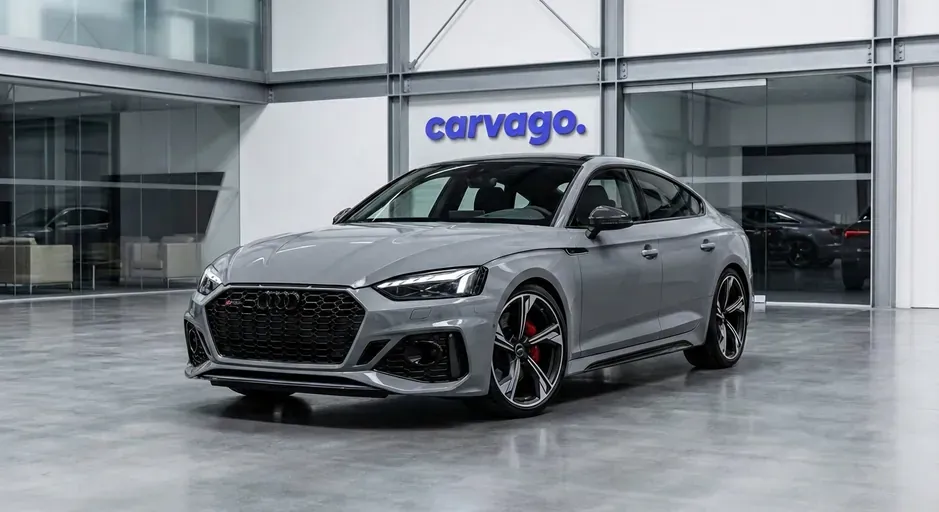
Audi RS 5 review: early owner feedback, plug-in hybrid performance, estate and sedan practicality, running costs, and expert verdict.
Oct 31, 2026