Audi R8 vs. Lamborghini Huracán: Complete comparison 2026
Detailed comparison of Audi R8 vs Lamborghini Huracán. We reveal the real differences, performance, and driving characteristics of these V10 supercars. Which one to choose?
Apr 14, 2026
Articles
Car battle
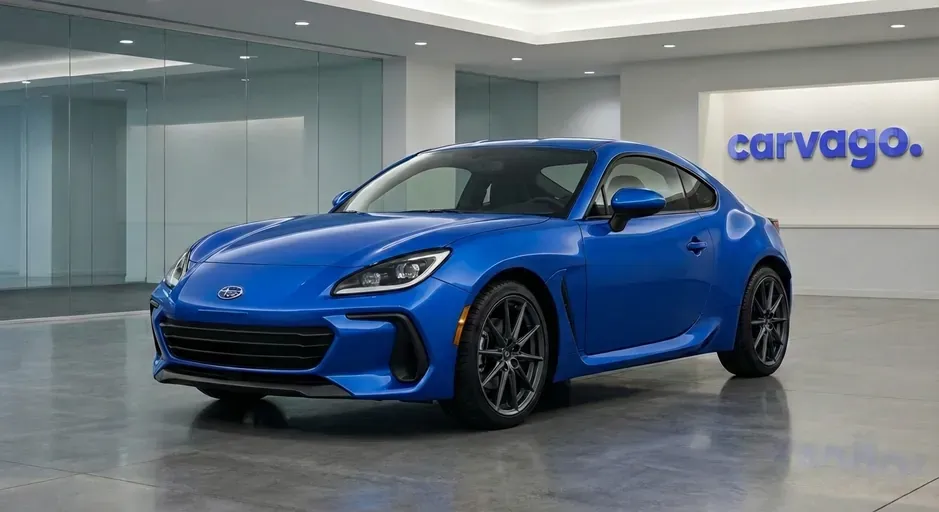
Subaru BRZ vs. Toyota GR86. Which of these sports twins is better? Our detailed comparison will help you choose the right coupe for you.
April 13, 2026


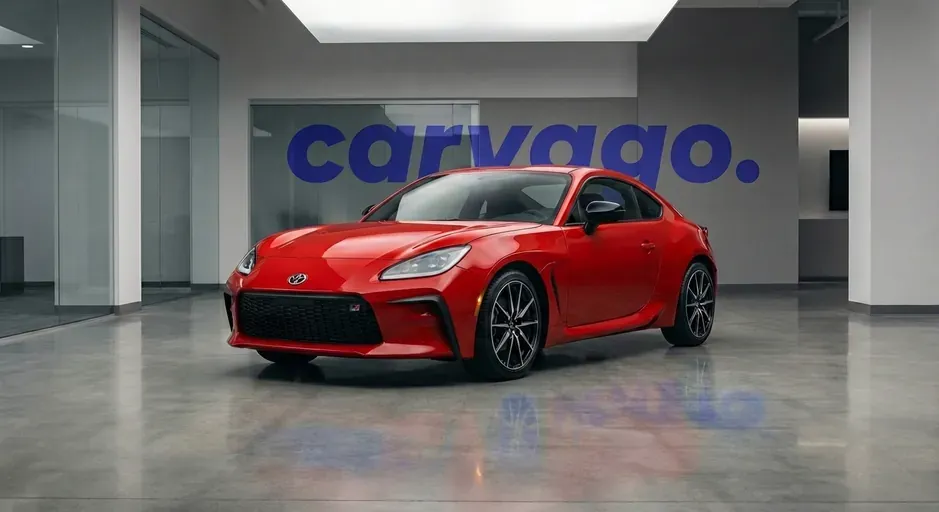
Subaru BRZ is a celebration of the purist sports car, enticing drivers with its boxer engine and rear-wheel drive for maximum driving pleasure. The Toyota GR86, formerly known as the GT86, is its sibling born from the same collaboration, promising a similarly raw and engaging experience behind the wheel. Although these two Japanese coupés may seem like identical twins, in this comparison, we'll look at the subtle but all-important differences that could determine your favourite.
Looking at the exterior dimensions table, it's immediately clear that the Subaru BRZ and Toyota GR86 are like identical twins. Both cars share the same platform and bodywork, meaning their length, width, height, and wheelbase are exactly the same for the generations being compared. This approach allows the carmakers to reduce development and production costs, while the customer gets a technically almost identical car with minor differences in design and chassis tuning.
With a length of 4265 mm and a wheelbase of 2575 mm, both coupés are classified as compact sports cars. These dimensions are key to their renowned agility and playful handling characteristics. The short wheelbase allows for quick changes of direction and contributes to a feeling of immediate connection with the road. On the other hand, the compact build means limited interior space, especially in the rear seats, which are more for emergency use. However, for drivers looking for a pure driving experience who don't need to carry more passengers often, these proportions are ideal.
The width of 1775 mm and, above all, the low height of just 1310 mm emphasise the sporty character of both models. The low silhouette not only looks dynamic but also contributes to a low centre of gravity, which is crucial for stability in corners. The car's wider stance adds to its visual aggressiveness and confidence on the road. The choice of these dimensions is a clear compromise, where practicality is subordinated to maximum driving pleasure and handling.
| Parameter | Subaru BRZ Coupé | Toyota GR86 Coupé |
|---|---|---|
| Length (mm) | 4265 | 4265 |
| Width (mm) | 1775 | 1775 |
| Height (mm) | 1310 | 1310 |
| Wheelbase (mm) | 2575 | 2575 |
For sports cars like the Subaru BRZ and Toyota GR86, boot space is not usually the main selection criterion. Yet, both models offer a surprising degree of practicality for their category, setting them apart from many competitors. Although they are technically related twins, we find an interesting difference in their boot volume.
When comparing the latest generations available on the used car market, the Toyota has a slight edge. The Toyota GR86 offers a basic boot capacity of 276 litres, which is a very respectable figure for a small coupé. In contrast, the second-generation Subaru BRZ has a slightly smaller space of 237 litres. The 39-litre difference is not dramatic, but in practice, it can mean space for an extra small sports bag or backpack. Interestingly, the previous generation of the Subaru BRZ (and its sibling, the Toyota GT86) offered 243 litres, so while the GR86 has improved between generations, the BRZ has slightly worsened.
However, the key advantage of both cars is the ability to fold down the rear seatbacks (which are more for emergency use). This creates a space that, although not precisely quantified in litres by the manufacturers, is defined by a very practical promise: the car can fit a complete set of four spare wheels and tools. For enthusiasts who enjoy track days, this is an absolutely essential feature that makes these sports cars unexpectedly versatile machines.
| Parameter | Subaru BRZ Coupé | Toyota GR86 Coupé |
|---|---|---|
| Basic volume (litres) | 237 | 276 |
| Maximum volume with seats folded (litres) | N/A (space for 4 tyres) | N/A (space for 4 tyres) |
When comparing the Subaru BRZ and Toyota GR86, the topic of trailer weight is very straightforward. Neither of these cars is designed or approved for towing a trailer from the factory. They are thoroughbred sports coupés where all development has been focused on the best possible driving characteristics, low weight, and the joy of driving. The installation of a tow hitch is not anticipated, and the manufacturer's technical data does not account for this possibility at all.
For potential buyers, this means one thing – if you need a car that can pull even a small trailer, you'll have to look elsewhere. The BRZ and GR86 are cars for enthusiastic drivers who prioritise agility and a sporty experience over the practicality of towing capacity. Their mission is on country roads and race tracks, not hauling cargo.
The table below confirms this, as no official data on permissible trailer weight is available for either model.
| Model and Engine | Braked trailer weight (kg) | Unbraked trailer weight (kg) |
|---|---|---|
| Subaru BRZ 2.4 | N/A | N/A |
| Toyota GR86 2.4 | N/A | N/A |
In the Subaru BRZ and Toyota GR86, the engine is the key element that defines their character. Both models adhere to a purist concept with a naturally aspirated boxer engine and rear-wheel drive, a rarity in today's world of turbocharged engines. The main difference for a used car buyer lies in the choice between two generations of engines. While the older BRZ relied on a two-litre unit, the new generation BRZ and the GR86 come with a larger and more powerful 2.4-litre engine that addresses the main criticism of its predecessor – a lack of mid-range torque.
The Subaru BRZ offers two different engine options on the used car market, tied to its generational change. The first generation, produced from 2012 to 2020, is known for its high-revving two-liter boxer engine, which requires the driver to actively work the gearbox to extract maximum performance. The newer generation, available from 2023, brings a significant improvement in the form of a 2.4-liter engine that provides not only more power but, more importantly, noticeably higher torque available across a wider rev range. This results in better flexibility and a more pleasant driving experience overall.
| Engine Type | Fuel | Power (kW) | Torque (Nm) | Gearbox |
|---|---|---|---|---|
| 2.0 Boxer | Petrol | 147 | 205 | 6-speed manual / 6-speed automatic |
| 2.4 Boxer | Petrol | 172 | 250 | 6-speed manual / 6-speed automatic |
Note: The 2.0 Boxer engine was used in the first generation (2012–2020), while the 2.4 Boxer engine is reserved for the second generation (from 2023).
The Toyota GR86, as the successor to the GT86, is available exclusively with the more modern and powerful 2.4-liter boxer engine. This means that, unlike the BRZ, you won't find the older two-liter variant in the GR86. Every GR86 thus offers the best engine this platform has ever had. The performance figures are practically identical to its sibling, the second-generation Subaru BRZ, guaranteeing great dynamics and fun behind the wheel. Just like the BRZ, there is a choice between a precise six-speed manual gearbox and a comfortable six-speed automatic.
| Engine Type | Fuel | Power (kW) | Torque (Nm) | Gearbox |
|---|---|---|---|---|
| 2.4 Boxer | Petrol | 172 | 250 | 6-speed manual / 6-speed automatic |
The choice of engine is directly linked to the choice of the car's generation.
Choosing the right engine is key to long-term satisfaction with a car. In the case of the Subaru BRZ and Toyota GR86, the choice seems simple at first glance, as both models in the latest generation share the same power unit. Our recommendations are based on real-world performance, operational reliability, and owner feedback, focusing on the generation most relevant to the used car market. While the first generation BRZ (and its sibling, the Toyota GT86) relied on a two-liter engine, the new generation brought a fundamental improvement in the form of a larger and more powerful unit.
For the second-generation Subaru BRZ, produced from 2023, there is only one engine option available, but it's an excellent one. The naturally aspirated 2.4-liter four-cylinder engine with horizontally opposed pistons (boxer) is exactly what this sports coupe was missing. Compared to the previous two-liter, it solves its biggest weakness – a noticeable torque dip in the mid-rev range. The new engine, with the internal designation FA24D, provides much more linear power delivery, and its peak torque of 250 Nm is available from just 3,700 rpm, which dramatically improves flexibility and the driving feel in everyday traffic. Real-world fuel consumption ranges between 8 and 10 liters per 100 km, which is an acceptable figure given the performance. The engine is ideal for drivers who love a high-revving character and the instant throttle response typical of naturally aspirated units. The only known risk, which mainly concerns enthusiasts who drive on the track, is isolated cases of oil pressure drops during long, high-G right-hand turns. However, for both regular and spirited road driving, its reliability is exemplary.
As with the Subaru BRZ, the Toyota GR86 (from 2022) also has only one engine on offer, and it's the best one possible. It is the identical 2.4-liter boxer engine developed in collaboration with Subaru. Toyota has only tuned it to its own preferences, which is mainly reflected in the chassis setup, not the engine's character. Here too, the biggest benefit is the increase in displacement, which eliminated the criticized lack of power in the mid-rev range that plagued the previous GT86 model. The engine, combining both direct and port fuel injection (Toyota D-4S), is refined, revs eagerly, and its power curve is beautifully predictable. This makes the car much more fun and faster, not just at the limit, but also during normal dynamic driving on country roads. The engine is intended for driving purists who appreciate mechanical feedback and the absence of turbo lag. The potential risks are identical to the Subaru BRZ and mainly concern extreme track use. For the vast majority of owners, this unit represents a reliable and characterful heart that makes the GR86 one of the best driver's cars in its category.
When looking at the fuel consumption tables for sports cars, it's necessary to take the official figures with a large grain of salt. Real-world numbers from daily use, which drivers share on portals like Germany's Spritmonitor.de, reveal a much more realistic picture. For the BRZ and GR86 twins, this is doubly true – their appetite depends almost exclusively on driving style, not on the logo on the bonnet.
Given the technical affinity of the two latest-generation models, it is not surprising that their real-world fuel consumption is practically identical. Both cars share the same 2.4-litre naturally aspirated boxer engine, and minor deviations in the order of tenths of a litre are more of a statistical error than a real difference. For comparison, we have also included the older generation Subaru BRZ with a two-litre engine in the table, which is still a relevant choice on the used car market.
| Model and Engine | Average Consumption (l/100 km) |
|---|---|
| Toyota GR86 2.4 | 8.8 |
| Subaru BRZ 2.4 (2nd generation) | 8.8 |
| Subaru BRZ 2.0i (1st generation) | 8.5 |
As the data shows, the newer and more powerful 2.4-litre engine requires only slightly more fuel than its predecessor. This is great news, as the increase in power and torque is noticeable, while the impact on running costs is minimal. In practice, both cars can be driven at under eight litres per 100 km during calm drives outside the city, but that is not the style for which they were created. On the contrary, if you succumb to their character and start using the engine's potential on country roads or a circuit, the consumption will easily exceed 12 l/100 km.
For a potential buyer, the message is clear: fuel consumption should play absolutely no role in the decision between the Subaru BRZ and the Toyota GR86. Both cars offer essentially identical running costs. The choice between them will come down to personal preferences in design, availability, and perhaps slight differences in chassis tuning, but definitely not how often you will have to visit the petrol station.
When searching for a used second-generation Subaru BRZ or Toyota GR86, you will encounter a market that is limited in the number of units but offers interesting opportunities for enthusiastic drivers. In terms of price, the two twins are in a very similar range, with key differences often stemming from the condition of the specific car, its mileage, and the level of equipment.
The supply of used second-generation Subaru BRZ cars (from 2021) is quite rare, which indicates that owners tend to hold on to their cars. When a unit does appear, its price usually starts at around €29,000.
Older first-generation models (2012-2020) are, of course, more affordable, where well-maintained post-facelift units (from 2017) can be found for prices ranging from €19,000 to €27,000.
The Toyota GR86 is seen a bit more frequently on the used car market, which can give buyers a slightly wider selection. The price range is very similar to its Subaru sibling.
Both models hold their value very well thanks to their uniqueness, limited availability in Europe, and a strong fan community. It cannot be definitively said that one car depreciates significantly faster than the other. The key factors influencing the price are:
In conclusion, whether you choose the BRZ or the GR86, you are investing in a car that will likely hold its value better than most mass-produced vehicles. The differences in used car prices are minimal, and the final choice will depend more on the availability of a specific unit and personal preferences.
When comparing the safety of modern cars, it is standard practice to refer to the crash test results from the Euro NCAP organisation. In the case of the Subaru BRZ and Toyota GR86, however, we encounter an unusual situation: neither of these models has been tested in its current generation by this European authority. A direct comparison based on percentage ratings for the protection of adults, children, vulnerable road users, and safety assist systems is therefore not possible.
However, the absence of a European rating does not mean we know nothing about the safety of these sports twins. It is necessary to look at results from other regions and view them in context. While the first generation of both cars received five stars from the Australian ANCAP organisation in 2012, the methodology at that time was significantly less stringent, and this rating is not relevant for the current models.
For the Subaru BRZ (and by extension, the GR86), key data comes from the American IIHS (Insurance Institute for Highway Safety), which is known for its stringent tests. Here, the 2022 model received the highest possible award, Top Safety Pick+. This indicates excellent passive safety and top-tier occupant protection in various types of crashes. Versions with an automatic transmission, equipped with the EyeSight system, also achieved high ratings in accident prevention. In contrast, Japanese JNCAP tests gave the manual transmission version a low rating due to the absence of modern assistance systems, although the crash protection itself was rated well.
Just like the BRZ, the Toyota GR86 does not have a Euro NCAP rating. As it is a technically identical car, the same results from other markets apply to it. In the USA, it earned the prestigious Top Safety Pick+ title from the IIHS, which confirms the robust body structure and high level of passenger protection. For the European customer, this means that the car is at a top level in terms of passive safety. However, the difference in the overall perception of safety is again down to the equipment – models with an automatic transmission feature an advanced package of assistance systems, which is missing in the manual versions, and this would lead to a significantly lower score in Euro NCAP tests.
Although a direct comparison according to European standards is missing, data from other parts of the world paint a clear picture. Both the Subaru BRZ and the Toyota GR86 offer a top-tier level of passive safety and occupant protection in a crash, as evidenced by the highest rating from the American IIHS.
However, the decisive factor for the overall level of safety is the choice of transmission. While the automatic versions are equipped with modern assistance systems (autonomous braking, adaptive cruise control), which play a key role in accident prevention today and are crucial for achieving a high rating in tests, the manual variants lack this package. Therefore, if modern active safety is a priority for you, choosing the version with an automatic transmission is clearly the better and safer choice.
| Parameter | Subaru BRZ | Toyota GR86 |
|---|---|---|
| Euro NCAP Test Year | Not tested | Not tested |
| Adult Occupant Protection | Not tested | Not tested |
| Child Occupant Protection | Not tested | Not tested |
| Vulnerable Road User Protection | Not tested | Not tested |
| Safety Assist Systems | Not tested | Not tested |
In addition to the standard equipment, each model offers several unique features that can be decisive for the customer and that highlight the slightly different philosophy of each brand.
With the BRZ, Subaru focuses on technical details and functionality, which will be especially appreciated by drivers who want to understand their car perfectly.
Under its Gazoo Racing (GR) brand, Toyota has focused on emotion and direct driver involvement, which is reflected in details inspired by motorsport.
Advantages:
Disadvantages:
Advantages:
Disadvantages:
Based on our own CarAudit inspections, reliability statistics, and owner feedback, we have compiled an overview of the most common problems that buyers of used Subaru BRZ and Toyota GR86 cars should watch out for. Since both cars are technically almost identical, they share many of the same issues.
The first generation, internally designated ZC6 (Subaru) and ZN6 (Toyota), is widely represented on the used car market. Although they are considered reliable cars, they do have a few typical problems.
The new generation (ZD8/ZN8) brought a more powerful engine and a number of improvements, but also a few new, specific problems that began to appear shortly after its launch.
Both generations of the Subaru BRZ and Toyota GR86/GT86 are considered mechanically durable and reliable cars, provided they receive regular care. For the first generation, it is crucial to check the recall history, especially for the valve springs. Problems are more of a minor and cosmetic nature. For the second generation, the biggest scare is the problem with RTV sealant in the engine, which should not be underestimated, especially if you plan to use the car on the track. Overall, however, these are cars whose reliability is above average and any potential problems are well-documented and solvable within the owner community. A thorough, comprehensive vehicle inspection before purchase is always the best prevention.
A thorough inspection is absolutely essential when buying any used car. For sports cars like the BRZ and GR86, this is doubly true, as they often have a more demanding life behind them. Here are a few specific points to focus on with these two models to avoid potential problems.
Yes, fundamentally they are mechanically almost identical twins, created in a collaboration between Toyota and Subaru. They share the same platform, a 2.4-litre boxer engine, and gearboxes. The main differences lie in the design of the front bumper, the chassis tuning, and minor details in the equipment.
Both cars have the exact same output of 228 horsepower and 250 Nm of torque, which results in nearly identical acceleration times. Differences in the order of tenths of a second during tests are negligible and unnoticeable in the real world. The choice between them, therefore, does not depend on raw performance, but on preferences in driving characteristics.
The main difference is in the chassis tuning, which affects the car's behaviour. The Toyota GR86 has a stiffer rear axle and stabilisers, making it sharper, more precise, and more prone to oversteer when driving at the limit. The Subaru BRZ, on the other hand, is tuned slightly softer for more stable and smoother behaviour in corners, which some drivers perceive as more confident and predictable.
Both cars are built on shared technology and produced in the same Subaru factory, so their reliability is at a comparable level. In early second-generation models, there were discussions about the use of sealant (RTV) in the engine's oil pan, which was an issue affecting both models. Overall, however, they are reliable sports cars.
From a practical standpoint, both cars are equal, offering the same, rather small luggage space and a 2+2 interior layout. Thanks to its slightly softer suspension, the Subaru BRZ might be a bit more comfortable on poor-quality roads. However, the difference in comfort is minimal, and the choice depends more on the driver's personal preferences.
Price differences usually stem from different brand marketing strategies and equipment levels. Sometimes, one model may have features in its basic equipment that are paid extras in the other, and vice versa. Market demand and dealer margins, which can vary between brands, also play a role.
Deciding between Subaru BRZ and Toyota GR86 presents a pleasant dilemma, as both coupes share a fantastic foundation with a naturally aspirated boxer engine and rear-wheel drive. The key difference lies in the chassis tuning: Toyota GR86 is sharper and more agile, with a stiffer rear axle for more playful oversteer, ideal for experienced drivers and track days. Conversely, Subaru BRZ is tuned for greater stability and predictability with a more compliant chassis, which less experienced drivers or those who prefer a smooth ride and slightly higher comfort for daily use will appreciate. The choice depends on personal preferences, whether you are looking for a wild companion or a precise and stable tool. It's best to try both, as there's no wrong choice here, and both cars are among the most fun sports cars.
Sources: ADAC, svetmotoru.cz, idnes.cz, hybrid.cz, auto-mania.cz, autosvet.cz
This article was prepared using artificial intelligence tools. The section guarantor is Petr Dušek.

Detailed comparison of Audi R8 vs Lamborghini Huracán. We reveal the real differences, performance, and driving characteristics of these V10 supercars. Which one to choose?
Apr 14, 2026

Audi R8 or Maserati MC20? Comparing performance, design, and handling. Our detailed test helps you choose the perfect supercar.
Apr 13, 2026

Audi RS 5 vs. BMW M2. A detailed comparison of performance, driving dynamics, and practicality. Find out which sports coupe is the right choice for you.
Apr 14, 2026