Car battle
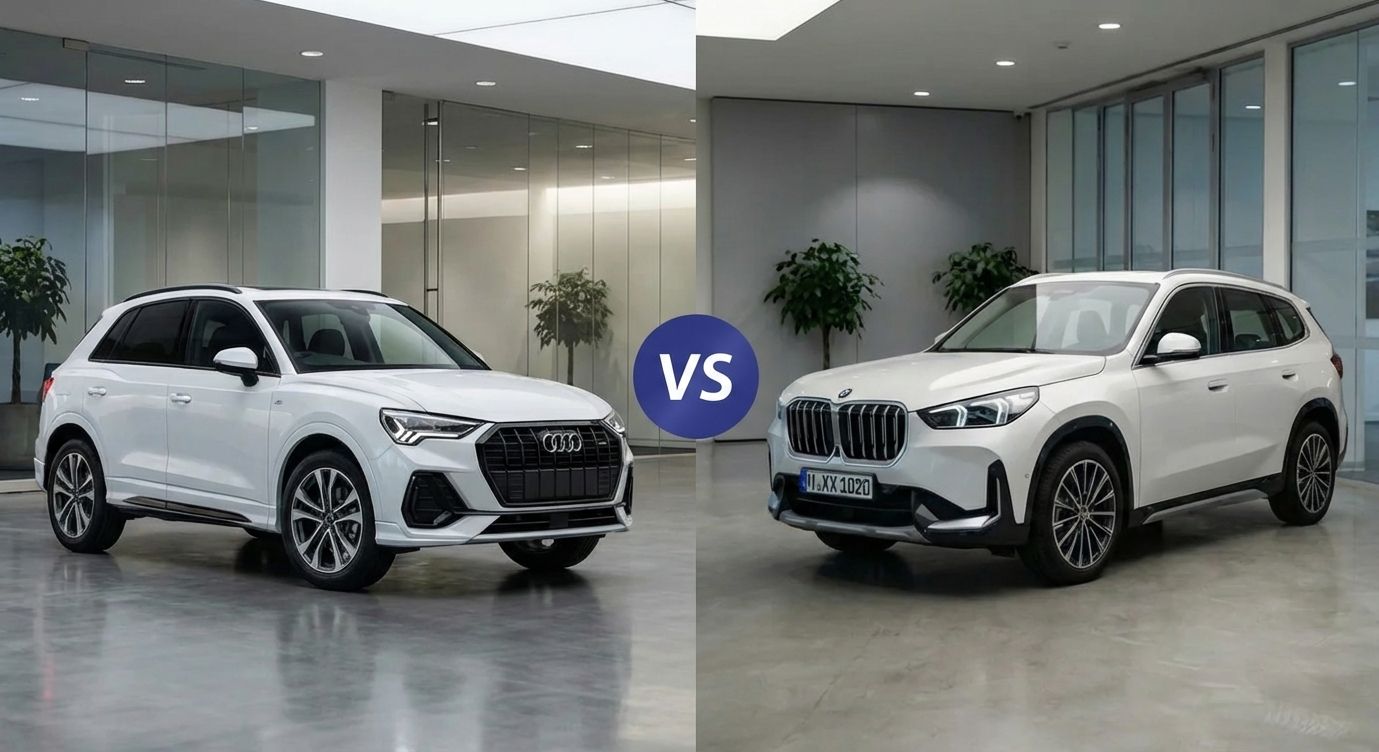
Audi Q3 vs. BMW X1: A Complete 2025 Comparison
Audi Q3 vs BMW X1: Detailed comparison of design, performance, and practicality. Find out which premium SUV is the right choice for you in our verdict.
Apr 14, 2026
Articles
Car battle
Peugeot 3008 vs Renault Austral. Which SUV is better? Detailed comparison, real-world data, and the final verdict will help you choose.
April 13, 2026
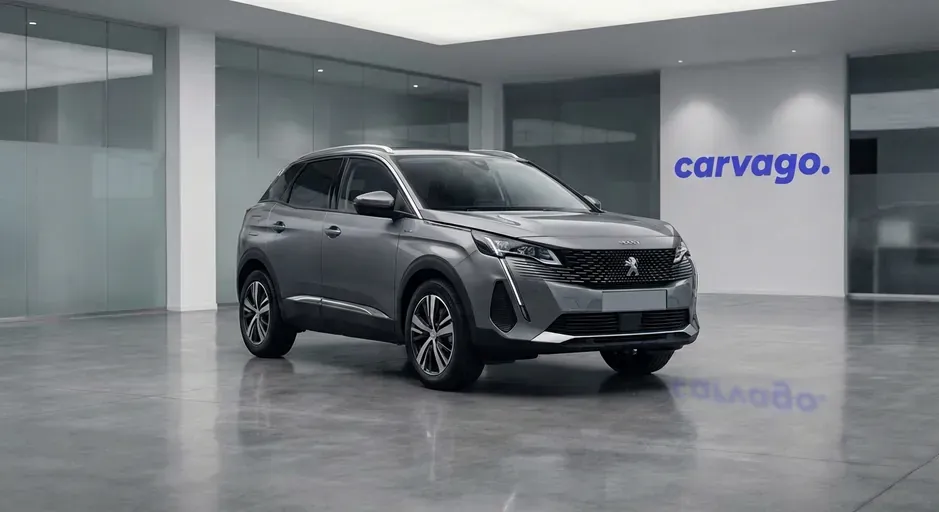
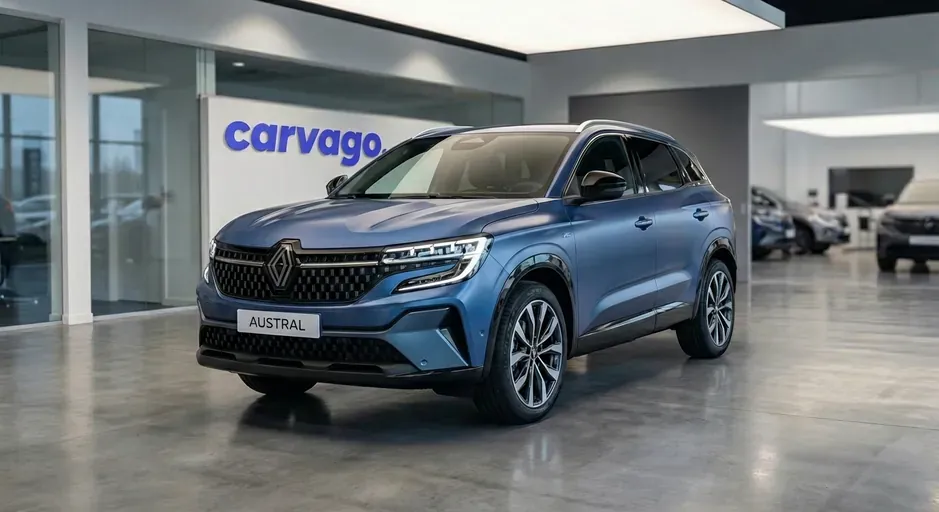
The Peugeot 3008 is a stalwart in the compact SUV market, having won over drivers with its bold design and innovative i-Cockpit interior. Facing it is a newer challenger, the Renault Austral, which has replaced the Kadjar model and brings a breath of fresh air to the segment with modern technology and elegant style. Let's see how these two French rivals fare in a head-to-head comparison and which one might be the right choice for you.
Although both cars fall into the same compact SUV category, their exterior dimensions reveal slightly different philosophies. The Renault Austral is longer overall, while the second-generation Peugeot 3008 (2016–2023) counters with slightly more width and height. These differences, though only a matter of a few centimetres, can play a role when it comes to parking, interior space, or the overall feel of the car.
The most significant difference is in the overall length, where the Renault Austral surpasses the Peugeot 3008 by a noticeable 63 mm. This gives the Austral a slightly more mature and elongated look on the road. For the driver, this might mean a little more space in the boot or rear seats, but also a slightly more challenging search for a parking spot in crowded city streets. Conversely, the more compact Peugeot 3008 fits more easily into tight spaces thanks to its shorter body.
In other dimensions, the cars are very similar. The Peugeot 3008 is 16 mm wider and 6 mm taller, giving it a more robust and muscular stance. The slightly longer wheelbase of 8 mm in favour of the Peugeot theoretically promises a touch more legroom for rear passengers. In practice, however, these differences are minimal, and the perception of interior space will depend more on the specific interior layout than on these minor deviations.
| Parameter | Peugeot 3008 SUV (2nd gen) | Renault Austral SUV (1st gen) |
|---|---|---|
| Length (mm) | 4447 | 4510 |
| Width (mm) | 1841 | 1825 |
| Height (mm) | 1624 | 1618 |
| Wheelbase (mm) | 2675 | 2667 |
Practicality and luggage space are key parameters for family SUVs. In this discipline, the Peugeot 3008 and Renault Austral are engaged in a tight contest, where the winner is decided by details and the specific preferences of the owner. While one model banks on a generous basic volume, the other counters with clever variability. The differences are also significant in the hybrid versions, where the batteries take up valuable litres.
The second-generation Peugeot 3008 (produced from 2016–2023), in its standard petrol and diesel versions, boasts one of the largest luggage compartments in its class. It offers an excellent 520 litres, which is ample for a family holiday or transporting bulkier items. When the rear seats are folded down, an almost flat loading area is created, and the volume increases to a solid 1482 litres. However, a major change occurs with the plug-in hybrid variants, where the batteries have taken their toll. The boot volume here has shrunk to 395 litres (1357 litres when folded), which is a noticeable difference that may be a deciding factor for some potential buyers of the electrified version.
The Renault Austral, which arrived on the market in 2022, approaches space a little differently. Its mild-hybrid versions offer a slightly smaller volume of 500 litres as standard. However, the Austral makes up for this slight handicap and surpasses it with its greatest weapon – a sliding rear bench. This allows the boot volume to be increased to 575 litres without folding the seats, at the expense of legroom for rear passengers. When the seats are folded, the Austral offers even slightly more than the 3008, with 1525 litres. In the E-Tech Full Hybrid version, the boot is smaller due to the battery, starting at 430 litres (up to 555 litres with the bench moved) and providing a maximum of 1455 litres when folded. Even in its hybrid variant, the Austral offers slightly more space and variability than its French rival.
| Parameter | Peugeot 3008 SUV (2nd gen) | Renault Austral SUV (1st gen) |
|---|---|---|
| Basic volume (litres) | 520 (395 for Plug-in Hybrid) | 500 (430 for Full Hybrid) |
| Maximum volume (litres) | 1482 (1357 for Plug-in Hybrid) | 1525 (1455 for Full Hybrid) |
The ability to tow a trailer is a key parameter for many SUV owners. In this respect, the two models differ significantly, and the choice will depend on your specific needs and preferred engine. The Renault Austral comes with a more consistent and generally higher towing capacity across its modern hybrid powertrains, while the second-generation Peugeot 3008 offers a wider range of options, where the older diesel engines reign supreme.
The second-generation Peugeot 3008 (2016-2023) can be a real workhorse, but also an average tower. The absolute peak is the 2.0-litre BlueHDi diesel engine, which can tow a braked trailer weighing up to 2000 kg. This is a figure that the Austral cannot match, making the diesel 3008 the clear choice for owners of large caravans or boat trailers. Other engine options are more modest. The 1.2 PureTech petrol engine can handle 1150 to 1400 kg, and the plug-in hybrid versions are limited to just 1250 kg due to the weight of the batteries.
The Renault Austral (from 2022) focuses on electrification and offers very solid values across its entire range. Even the base mild-hybrid version with 140 horsepower can tow up to 1800 kg, just like the more powerful 160-horsepower variant. The E-Tech full hybrid version with 200 horsepower can handle a trailer weighing 1500 kg. For common use, such as towing a small caravan or trailer, the Austral offers a higher standard capacity than most versions of the Peugeot 3008.
So, if you need maximum towing capacity, look for a used Peugeot 3008 with the 2.0 BlueHDi engine. However, if you are looking for a more modern car and a solid capacity for most situations is sufficient, the Renault Austral is a more reliable and versatile choice.
| Model and Engine | Braked trailer weight (kg) | Unbraked trailer weight (kg) |
|---|---|---|
| Peugeot 3008 (2nd gen) | ||
| 1.2 PureTech 130 | 1150 - 1400 | 680 - 750 |
| 1.5 BlueHDi 130 | 1300 - 1500 | 750 |
| 1.6 PureTech 180 | 1500 - 1550 | 750 |
| 2.0 BlueHDi 150/180 | 1640 - 2000 | 750 |
| 1.6 Plug-In Hybrid 225/300 | 1250 | 750 |
| Renault Austral (1st gen) | ||
| Mild Hybrid 140/160 | 1800 | 750 |
| E-Tech Full Hybrid 200 | 1500 | 750 |
When it comes to engine selection, the Peugeot 3008 and Renault Austral take completely different paths, which is a key difference for potential buyers. While the second-generation Peugeot 3008, relevant to the used car market, offers a wide and traditional range of petrol, diesel, and powerful plug-in hybrid powertrains, the Renault Austral has opted exclusively for modern electrified units. The choice is therefore clear: do you want a proven classic with a range of options, or do you want to dive straight into the world of mild-hybrids and full-hybrids?
The second generation of the Peugeot 3008 (2016–2023) scores points for its diversity, which can satisfy almost any driver. The basis is the award-winning turbocharged three-cylinder 1.2 PureTech, which provides sufficient power for everyday driving. For drivers with high annual mileage, the economical 1.5 BlueHDi diesel engine is an ideal choice. At the top of the range are the powerful plug-in hybrid versions, which combine a 1.6 PureTech petrol engine with one or two electric motors. The top HYBRID4 variant offers not only impressive performance but also all-wheel drive, which you won't find in the Austral.
| Engine Type | Fuel | Power (kW) | Torque (Nm) | Gearbox |
|---|---|---|---|---|
| 1.2 PureTech 130 | Petrol | 96 | 230 | 6-speed manual / 8-speed automatic |
| 1.5 BlueHDi 130 | Diesel | 96 | 300 | 6-speed manual / 8-speed automatic |
| 1.6 PureTech 180 | Petrol | 133 | 250 | 8-speed automatic |
| Plug-in Hybrid 225 | Petrol/Electric | 165 | 360 | 8-speed automatic |
| Plug-in Hybrid4 300 | Petrol/Electric | 220 | 520 | 8-speed automatic |
Note: Older models may have been equipped with 1.6 THP (petrol) or 1.6/2.0 BlueHDi (diesel) engines, which were gradually replaced by the units listed above.
The Renault Austral (from 2022) has taken the path of complete electrification of its range. You won't find a purely petrol or diesel engine here. The basis is the mild-hybrid units built on the turbocharged 1.3 TCe four-cylinder engine, which help reduce fuel consumption, especially in the city. However, the real star is the E-Tech Full Hybrid 200 system. It combines an innovative turbocharged 1.2-litre three-cylinder engine with two electric motors and a smart multi-mode gearbox. The result is exceptionally economical operation in the city, where the car often runs on pure electricity, while also providing sufficient power for dynamic driving.
| Engine Type | Fuel | Power (kW) | Torque (Nm) | Gearbox |
|---|---|---|---|---|
| Mild Hybrid 140 | Petrol | 103 | 260 | 6-speed manual |
| Mild Hybrid 160 | Petrol | 118 | 270 | X-Tronic automatic |
| E-Tech Full Hybrid 200 | Petrol/Electric | 147 | 410 (system) | Multi-mode automatic |
Note: The weakest Mild Hybrid 140 engine was only available in the first few years of production and is less common on the used car market.
Choosing the right engine is absolutely key to long-term satisfaction with a car. Our recommendations are based on a combination of performance, real-world fuel consumption, owner feedback, and mechanical reliability. While the second-generation Peugeot 3008 offered a traditional range of petrol and diesel engines, the newer Renault Austral has opted exclusively for electrified petrol powertrains, which clearly shows the different philosophies of the two manufacturers and a generational shift in the approach to powertrains.
Although the 1.2 PureTech petrol engine is a common choice, its reputation is marred by the risk associated with the wet timing belt, which can degrade and cause serious engine damage. Therefore, as a more reliable and economical option, we recommend the four-cylinder 1.5 BlueHDi diesel with 96 kW (130 horsepower).
The Renault Austral has completely avoided diesel engines. The basic choice is a mild-hybrid engine, while the top of the range is a more complex full-hybrid. In terms of simplicity, reliability, and running costs for a used car, we recommend the proven mild-hybrid.
Official fuel consumption figures, measured under laboratory conditions of the WLTP cycle, are one thing, but daily operation shows completely different numbers. To get the most accurate picture of the real demands of both SUVs, we turned to data from drivers themselves on the European portal Spritmonitor.de. It collects real data from thousands of users, providing valuable insight into what values owners can actually expect. In our comparison, we focus on the relevant engine versions of the second-generation Peugeot 3008 (post-facelift, from around 2021) and the first-generation Renault Austral (from 2022).
| Model and Engine | Average Real Consumption (l/100 km) |
|---|---|
| Peugeot 3008 1.2 PureTech 130 (petrol) | 7.1 |
| Peugeot 3008 1.5 BlueHDi 130 (diesel) | 5.8 |
| Peugeot 3008 1.6 Hybrid 225 (plug-in hybrid) | 2.5 - 6.5* |
| Renault Austral Mild Hybrid 160 (petrol) | 6.8 |
| Renault Austral E-Tech Full Hybrid 200 (petrol) | 5.4 |
*The consumption of plug-in hybrids is extremely dependent on the frequency of charging. The low value applies with regular charging, the high value when driving with a depleted battery.
Several key trends are evident from the table. In a direct comparison of the basic petrol engines, the Renault Austral Mild Hybrid 160 performs slightly better, being about 0.3 litres per 100 km more economical in real-world operation than the Peugeot 3008 1.2 PureTech. It's not a huge difference, but the mild-hybrid assistance in the Renault Austral demonstrably helps, especially in the city.
However, the biggest battle is between the most economical variants. Here, a traditional diesel engine faces off against a modern full-hybrid system. The Peugeot 3008 with the 1.5 BlueHDi engine averages 5.8 l/100 km, which is still an excellent figure for drivers who spend a lot of time on motorways. But it's up against the Renault Austral E-Tech Full Hybrid, whose real-world consumption of 5.4 l/100 km shows the strength of a modern hybrid. It can be more economical than diesel, especially in urban and suburban traffic, where it often uses purely electric power.
The plug-in hybrid Peugeot 3008 is a separate chapter. Its consumption can be fantastically low, but only if the owner charges it diligently and their daily routes fit within the electric range (around 50 km). Once the battery is depleted, petrol consumption increases due to the car's higher weight.
For the typical Czech user, this means that if they often drive long distances on the motorway, the diesel Peugeot 3008 is still a very rational choice. For those who mainly drive in and around the city, the clear winner in terms of running costs is the Renault Austral in the E-Tech Full Hybrid version. Consumption thus plays a significant role in this duel and can be a deciding factor for many buyers, with the choice depending purely on the preferred driving style and most frequent routes.
When comparing the prices of used Peugeot 3008 and Renault Austral cars, two key factors come into play: age and market position. While the 3008 is an established player with a wide range of older model years, the Austral is a newcomer, which is significantly reflected in their price tags on the Czech market.
The second-generation Peugeot 3008 post-facelift, i.e., cars from 2021 and 2022, represents an attractive choice for buyers. The prices of these models vary over a relatively wide range, reflecting their equipment, engine, and mileage.
The Renault Austral only entered the market in 2022, so you won't find older and cheaper units on the used car market yet. The offer mainly consists of nearly new cars, demonstration models, or one-year-old cars with low mileage.
From a price perspective, the difference between the two models is significant. For the price of the cheapest used Renault Austral, you can get a top-equipped Peugeot 3008 of the same category that will be only two to three years older. The choice thus depends on the buyer's preferences – whether to prefer the more modern but significantly more expensive Austral, or to bet on the proven and more affordable 3008 model with a wider range of available engines and equipment on the used car market.
Although both cars received a full five-star rating from Euro NCAP in their time, it is crucial to understand the context of when the tests were conducted. The methodology is constantly becoming stricter, so a direct comparison of percentage results from different years is not entirely conclusive. Newer tests place much greater emphasis on active safety assistants, which play a crucial role in accident prevention.
The second-generation Peugeot 3008 underwent Euro NCAP crash tests back in 2016. It received five stars, but under the then-milder rules. In adult occupant protection, the car performed well with a score of 86%, and child protection was even excellent (85%). However, what reveals the age of the test is the score in the categories of vulnerable road user protection (67%) and especially in the assessment of safety assistance systems, where it scored only 58%. This rating has since expired, which means that the car would likely not achieve a full star rating under today's stricter criteria, mainly due to the absence of more modern assistants.
The Renault Austral is a significantly younger model, and its testing took place in 2022 according to a much more demanding and modern methodology. It also earned five stars, but with results that better reflect current standards. Adult occupant protection reached an excellent 88%, and child protection was still very good at 83%. The key difference, however, is seen in the safety assist systems category, where the Austral achieved 87%. This indicates the presence of advanced technologies, such as more sophisticated autonomous emergency braking and lane-keeping systems, which were still in their infancy for the Peugeot in 2016.
Although both models provide a high level of passive safety, the Renault Austral clearly has the upper hand thanks to a more modern and comprehensive package of safety features. Its 2022 rating confirms that it meets the strictest current demands not only for occupant protection in a crash but also for the technologies that actively prevent it. For a buyer for whom safety is an absolute priority, the Austral is the clear choice.
| Parameter | Peugeot 3008 | Renault Austral |
|---|---|---|
| Year of testing | 2016 | 2022 |
| Adult Occupant Protection | 86 % | 88 % |
| Child Occupant Protection | 85 % | 83 % |
| Vulnerable Road User Protection | 67 % | 69 % |
| Safety Assist Systems | 58 % | 87 % |
In addition to standard equipment, each model offers several unique features that may be decisive for the customer. While Peugeot focuses on a futuristic and driver-oriented cockpit, Renault counters with an advanced infotainment system and practical solutions for the crew.
The second-generation Peugeot 3008 (produced from 2016 and updated in 2020) is distinguished primarily by its innovative interior concept and a range of advanced technologies.
The Renault Austral, launched as the successor to the Kadjar in 2022, brings a breath of fresh air with state-of-the-art technologies and smart, practicality-focused solutions.
Advantages:
Disadvantages:
Advantages:
Disadvantages:
Based on our own CarAudit inspections, breakdown statistics, and service reports, we have compiled an overview of the most common problems that buyers of used Peugeot 3008 and Renault Austral cars should watch out for. A thorough technical inspection of the car before purchase is always crucial.
The second-generation Peugeot 3008 is a stylish and popular SUV, but several recurring problems require attention, especially with the engines.
The Peugeot 3008 has undergone several recalls. More significant ones included checks related to the risk of engine overheating, possible cracking of the front axle control arm bolts, or improperly routed starter wiring. Before buying, it is essential to verify whether any recall applied to the specific vehicle and if it was carried out.
Summary for Peugeot 3008: The main risks concern the 1.2 PureTech engine and the AdBlue system in diesels. A thorough inspection of the used car and its service history is an absolute necessity here. Other problems are of a more minor nature.
The Renault Austral has been on the market for a much shorter time, and therefore, data on long-term reliability is more limited. Nevertheless, some typical problems, often associated with new models, have already appeared.
Despite its short time on the market, the Austral has not avoided several recalls. These concerned, for example, checking and possibly tightening wheel bolts, problems with the software controlling the electric parking brake, or the risk of the seat contacting wiring during automatic adjustment. It is important to check with the dealer or in the manufacturer's databases whether all relevant actions have been performed on the vehicle.
Summary for Renault Austral: The problems so far seem to be predominantly software-related and are linked to the complexity of modern technologies. Mechanical faults are less common. Since most cars on the market will still be under factory warranty, the risk for the buyer is lower, but it is good to inquire about the history of warranty repairs. A comprehensive vehicle inspection before purchase is also recommended here.
When buying a used car, a thorough inspection is key, and you should not underestimate it even with these two modern SUVs. Both models have their specifics that are good to focus on when choosing.
The Renault Austral offers a more spacious interior overall, especially in the rear seats, thanks in part to the sliding bench. However, the Peugeot 3008 has a slightly larger basic boot volume – 520 litres compared to the Austral's 500 litres. For hybrid versions, however, the tables turn, and the Austral offers more space.
The Peugeot 3008 offered a wider range of engines, including very economical diesels, which the Austral does not have. The Renault Austral, on the other hand, relies on modern hybrids that are particularly efficient in the city. In terms of performance, the top versions of both models (plug-in hybrid for Peugeot, full-hybrid for Renault) are quite similar.
The Peugeot 3008 is often praised for its comfortable chassis and agile steering with the small i-Cockpit steering wheel. The Renault Austral focuses on modern technology and offers the 4Control all-wheel steering system, which improves maneuverability in the city and stability at higher speeds. The choice, therefore, depends on the driver's preferences.
Both brands have had a similar level of reliability in recent years, and specific data for these new models is still being collected. Some user reviews mention occasional minor issues with the infotainment system in the Renault. For the Peugeot, it is a good idea to check the history of the PureTech engines, although newer versions have been improved.
The Renault Austral scores points with its modern OpenR Link infotainment system developed in collaboration with Google, which is intuitive and fast. The Peugeot 3008 counters with its futuristic i-Cockpit, which consists of a raised digital instrument cluster and a separate central display. Both interiors feel very modern, but each relies on a different philosophy.
Sources: ADAC, lidovky.cz, idnes.cz, chytreauto.cz, emobility.cz, motorsportrevue.cz
This article was prepared using artificial intelligence tools. The section guarantor is Petr Dušek.
Audi Q3 vs BMW X1: Detailed comparison of design, performance, and practicality. Find out which premium SUV is the right choice for you in our verdict.
Apr 14, 2026
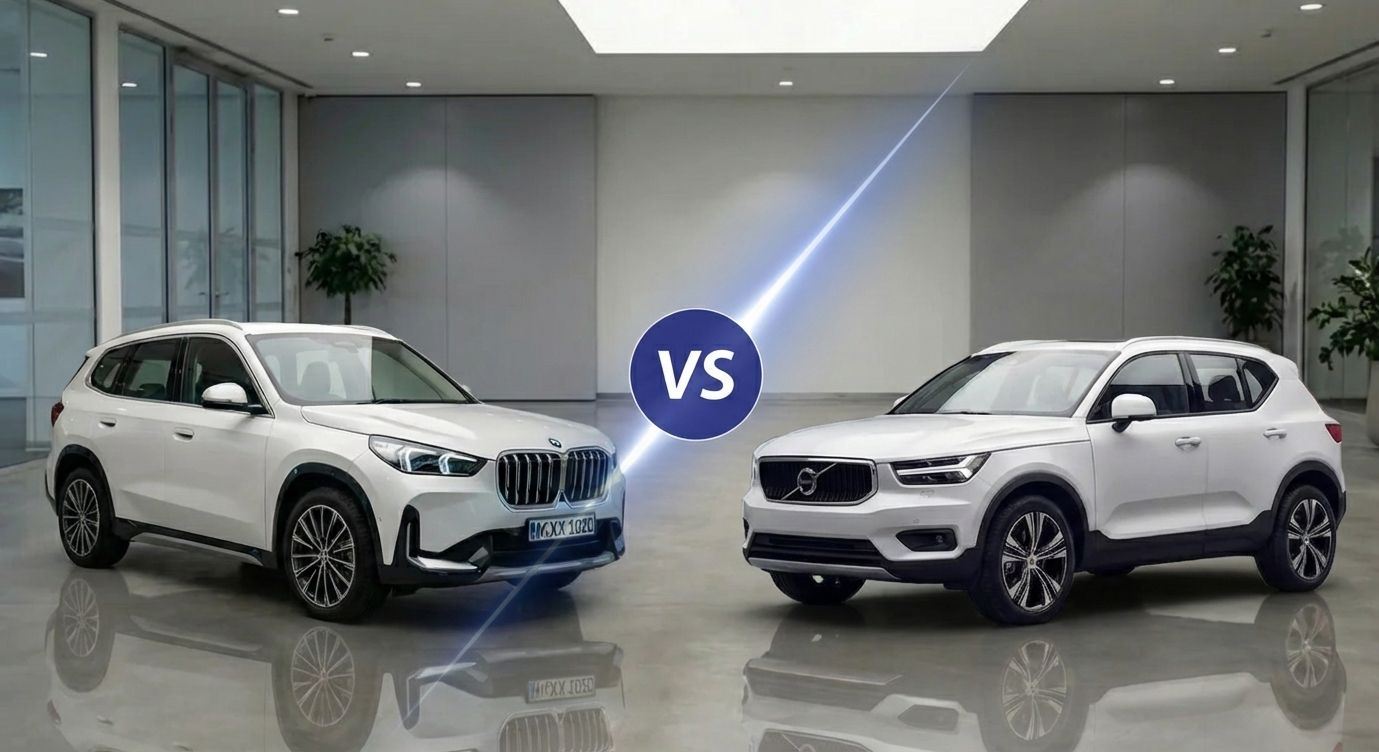
BMW X1 vs. Volvo XC40: Which premium SUV is better for you? Our detailed comparison and verdict will help you make the final decision.
Apr 14, 2026
Detailed comparison of used SUVs Citroën C3 Aircross and Suzuki Vitara. Find out the differences in engines, equipment, or reliability and read our final verdict.
Apr 13, 2026