Articles

Car battle

Mercedes-Benz EQA vs. Volvo C40 Recharge: Complete comparison 2026

Mercedes-Benz EQA vs. Volvo C40 Recharge. Which premium electric SUV is better? A detailed comparison of range, performance, and price will help you decide.

April 14, 2026

VS
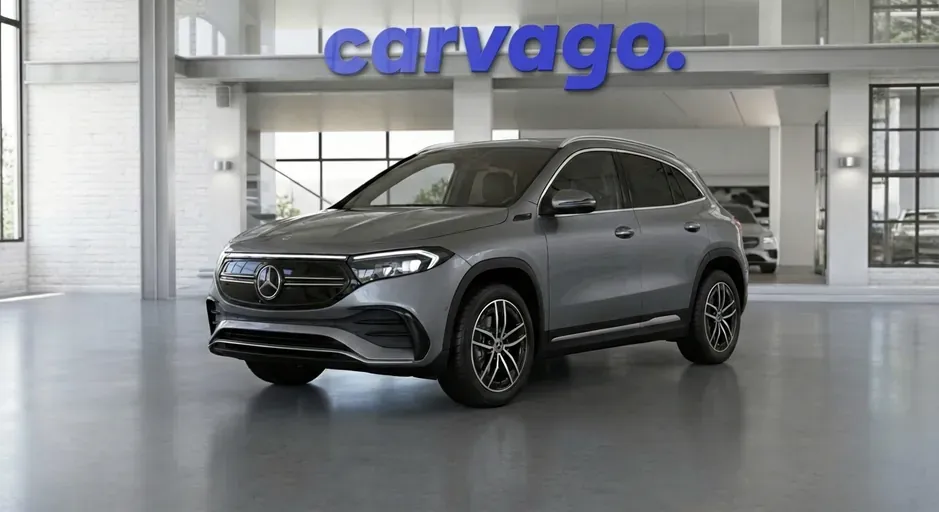
Mercedes-Benz EQA

Mercedes-Benz EQA

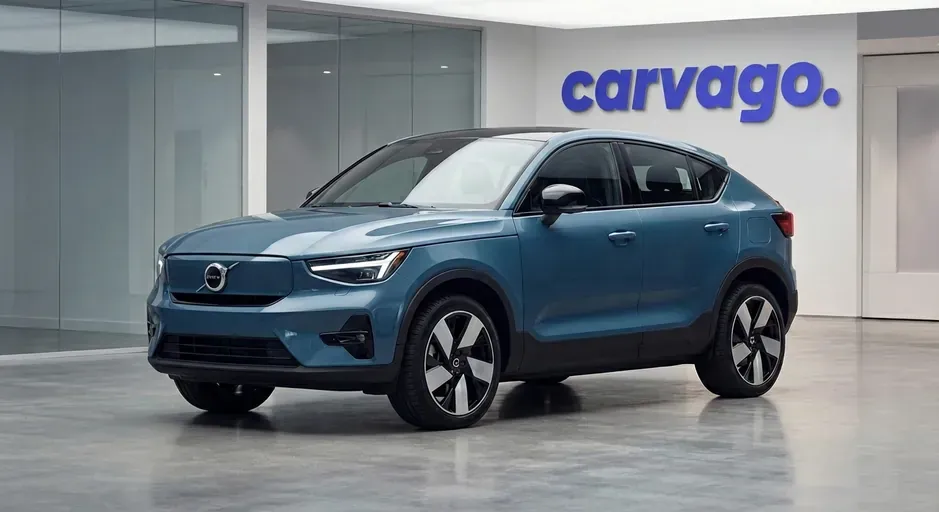
Volvo C40 Recharge

Volvo C40 Recharge

Introduction

The gateway to the world of premium compact electric SUVs from Mercedes is the EQA model, which is based on the popular GLA model and emphasizes luxury, comfort, and modern technology. Competing against it is the Volvo C40 Recharge, recently renamed the EC40, which attracts with its distinctive SUV-coupe design, impressive performance, and traditionally high level of safety. Both vehicles represent an appealing but different vision of accessible electric premium mobility, so let's see which one is the better choice.

Comparison of External Dimensions

Dimensions: Classic SUV vs. Stylish Coupe

Looking at the Mercedes-Benz EQA and the Volvo C40, it's clear that both cars target the same compact electric SUV segment but take a different design approach. While the EQA maintains a more classic and upright stance, the C40 opts for a more dynamic coupe-style silhouette. These philosophies are directly reflected in their exterior dimensions, which affect both appearance and practicality.

The biggest differences are in height and width. The Volvo C40 is a noticeable 39 mm wider, giving it a more muscular and stable stance on the road. On the other hand, it is 29 mm lower, which is the price for its elegant sloping roofline. In contrast, the Mercedes EQA is narrower but taller, promising more generous headroom and an overall airier feel in the interior, typical of a traditional SUV. The choice thus depends on whether you prefer a sporty look or maximum practicality and interior height.

The Mercedes is a negligible 23 mm longer and has a 27 mm longer wheelbase. Although these are small differences, the longer wheelbase of the EQA usually indicates slightly more legroom for rear-seat passengers and contributes to a feeling of a more spacious cabin. However, the overall length of the cars differs so little that the differences in parking or maneuvering in the city are negligible.

ParameterMercedes-Benz EQA (SUV)Volvo C40 Recharge (SUV)
Length (mm)44634440
Width (mm)18341873
Height (mm)16201591
Wheelbase (mm)27292702

Trunk Volume

Boot Space: A Clash of Two Philosophies

Although both the Mercedes-Benz EQA and the Volvo C40 Recharge fall into the compact electric SUV category, their approach to practicality and luggage space differs significantly. This aspect can be a deciding factor for many buyers, especially families. While one model prioritizes volume in its basic configuration, the other counters when the seats are folded down.

At first glance, the Volvo wins in the discipline of everyday usability. The C40 Recharge offers a luggage capacity of 413 litres in its standard five-seat configuration. This is a significant 73 litres more than the Mercedes EQA, which provides 340 litres. In practice, this difference makes it easier to store a baby stroller, a weekend's shopping, or luggage for a family holiday. Additionally, the Volvo adds a small bonus in the form of a front trunk (or "frunk") with a volume of 31 litres, which is ideal for storing charging cables and keeping them separate from other luggage.

However, the situation changes dramatically when you need to transport bulkier cargo and fold down the rear seats. Here, the Mercedes-Benz EQA takes the lead, with a maximum transport capacity of 1320 litres. The Volvo C40 offers 115 litres less in this configuration, specifically 1205 litres. Thus, for the occasional moving of furniture or sports equipment, the Mercedes paradoxically serves better.

ParameterMercedes-Benz EQA SUVVolvo C40 Recharge SUV
Basic volume (litres)340413
Max. volume with seats folded (litres)13201205

Leave it to Carvago CarAudit™

Order CarAudit™

Trailer Weights

Towing Capability: Significant Differences

Towing capacity may not be the top priority for compact electric SUVs, but for many buyers, it is a key factor for practical use, whether for weekend trips with a caravan or transporting sports equipment. It is here that significant differences emerge between the Mercedes-Benz EQA and the Volvo C40 Recharge, which can fundamentally influence your decision.

The Volvo C40 Recharge has offered consistent and solid values since the start of production. The single-motor variants (Single Motor) can handle a braked trailer weighing up to 1500 kg. If you opt for the more powerful version with two motors (Twin Motor), you get an even higher capacity of up to 1800 kg. These figures are more than sufficient for most common needs, from smaller caravans to a trailer with a motorcycle.

With the Mercedes-Benz EQA, the situation is more complicated and depends on the specific model year and version. While the more powerful EQA 300 and EQA 350 variants have matched the stronger Volvo from the start of production and can handle 1800 kg, caution is needed with the basic EQA 250 version. Models produced until 2023 had a very limited towing capacity of just 750 kg, which is barely enough for a light unbraked trailer. A major improvement came with the 2024 facelift, when the capacity of the EQA 250 version increased to a competitive 1500 kg.

For those interested in a used car, this means one thing: if you are considering a basic Mercedes-Benz EQA and plan to tow a trailer, it is absolutely crucial to check the year of manufacture. The Volvo C40 is a safe bet in this regard, offering excellent and consistent towing capacity across all model years.

Model and PowertrainBraked Trailer Weight (kg)Unbraked Trailer Weight (kg)
Mercedes-Benz EQA 250 (2021-2023)750750
Mercedes-Benz EQA 300 / 3501800750
Volvo C40 Recharge Single Motor1500750
Volvo C40 Recharge Twin Motor1800750

Overview of Most Common Motorizations

Powertrain Comparison: Comfort vs. Sporty Character

When choosing between the Mercedes-Benz EQA and the Volvo C40 Recharge, the nature of their electric powertrain plays a key role. Both models offer purely electric powertrains, but their philosophies differ. Mercedes-Benz provides a wider range of power variants with front-wheel or all-wheel drive, emphasizing comfort and efficiency. Volvo, on the other hand, opts for a simpler but highly focused offering, which, after a 2023 update, switched its single-motor versions from front-wheel to rear-wheel drive, highlighting sportier ambitions and better driving dynamics.

Mercedes-Benz EQA: A Wide Range for Everyone

The Mercedes-Benz EQA, built on the GLA model's platform, offers a diverse range of powertrains. The base model is the EQA 250 with front-wheel drive, which is ideal for city driving and daily commuting. For those seeking maximum range, there is the EQA 250+ version with a larger battery. The top of the range is represented by the 300 4MATIC and 350 4MATIC models with all-wheel drive, which combine superior performance with confidence on any surface. The facelift for the 2024 model year brought slight aerodynamic improvements and software optimization, resulting in an extended range for all variants.

VersionDrive TypePower (kW)Torque (Nm)Transmission
EQA 250Front-wheel140375Single-speed
EQA 250+Front-wheel140385Single-speed
EQA 300 4MATICAll-wheel168390Single-speed
EQA 350 4MATICAll-wheel215520Single-speed

Volvo C40 Recharge: A Bet on Performance and Driving Experience

From the outset, the Volvo C40 Recharge has impressed with its bold design and two main powertrain variants. A major change came in 2023 when the single-motor version switched from front-wheel drive (FWD) to rear-wheel drive (RWD). This move not only improved efficiency and range but, above all, enriched the driving experience with agility and better traction during acceleration. The lineup thus includes a base version with rear-wheel drive, an Extended Range variant, and the top-tier Twin Motor model with all-wheel drive, which offers stunning acceleration and dynamics.

VersionDrive TypePower (kW)Torque (Nm)Transmission
Single Motor (until 2023)Front-wheel170330Single-speed
Single Motor (from 2023)Rear-wheel175420Single-speed
Single Motor Extended RangeRear-wheel185420Single-speed
Twin MotorAll-wheel300670Single-speed

For drivers who prefer comfort, luxury, and a wider selection, the Mercedes-Benz EQA is the clear choice. Conversely, the Volvo C40 Recharge will appeal to those looking for a minimalist design, top-notch performance, and a more engaging driving experience, especially in the rear-wheel-drive versions or the powerful Twin Motor variant.

Choosing the right powertrain is crucial for long-term satisfaction with electric vehicles. Our recommendations for the EQA and C40 Recharge models are based on a combination of real-world range, performance, reliability, and owner feedback to best meet the needs of drivers in the used car market.

For the Mercedes-Benz EQA, we recommend: EQA 250 (140 kW)

For most buyers interested in a used Mercedes-Benz EQA, the base EQA 250 version with 140 kW (190 hp) and front-wheel drive is the most sensible and balanced choice. It offers perfectly adequate dynamics for daily use both in and out of the city, while being the most efficient in the lineup. Models from 2021-2023 use a battery with a usable capacity of 66.5 kWh, which allows for a real-world range of between 300 and 350 km, depending on driving style and outside temperature. Consumption averages around 18-20 kWh/100 km, which is an acceptable figure for a premium SUV. Compared to the more powerful 300 4MATIC and 350 4MATIC versions, it lacks all-wheel drive, but thanks to its lower weight and fewer components, it is potentially more reliable and economical. For calmer drivers who primarily drive in the city and only occasionally embark on longer trips, the EQA 250 represents the ideal combination of comfort, prestige, and running costs.

For the Volvo C40 Recharge, we recommend: Single Motor (170 kW)

For a used Volvo C40 Recharge buyer, the best choice is the Single Motor version with a single electric motor producing 170 kW (231 hp), which drives the front wheels (on models until 2023) or the rear wheels (on newer models from 2023). This variant offers an excellent compromise between performance and efficiency. Cars manufactured until 2023 have a battery with a usable capacity of 67 kWh, providing a real-world range of around 330-380 km. Compared to the top-tier and significantly more expensive Twin Motor version, the "single-motor" is lighter and therefore more economical in real-world driving, where consumption ranges between 17-19 kWh/100 km. Although it lacks the breathtaking acceleration of the all-wheel-drive model, its dynamics are more than sufficient for everyday driving. For drivers looking for a stylish, safe, and efficient electric SUV-coupe for daily commuting and weekend trips, who don't necessarily need all-wheel drive, the Single Motor version is the most rational and economically advantageous path.

Real Fuel Consumption

Consumption Comparison: Efficiency as a Key Factor

Official consumption figures provided by manufacturers in the WLTP cycle are one thing, but real-world operation is another. The actual consumption of electric vehicles varies significantly depending on driving style, temperature, route profile, and the use of comfort features. To get a better idea, we looked at data from drivers themselves, for example, from the European portal Spritmonitor.de, and compared it with available technical data for models relevant to the used car market.

Both models offer different power versions and drive systems, which has a fundamental impact on consumption. In the table below, we provide an overview of the average real-world consumption for the most common variants you will encounter on the market for cars that are approximately four years old.

Mercedes-Benz EQA 250 / 250+17.0 - 19.5
Mercedes-Benz EQA 300 / 350 4MATIC18.5 - 21.0
Volvo C40 Single Motor (front-wheel drive, until 2023)18.0 - 20.5
Volvo C40 Single Motor (rear-wheel drive, from 2023)16.5 - 18.5
Volvo C40 Twin Motor (AWD)19.5 - 22.5

Several interesting trends are clear from the data. The Mercedes-Benz EQA, in its basic front-wheel-drive versions (250 and 250+), is generally slightly more economical than its Swedish rival, especially when compared to the first model years of the Volvo C40. The more aerodynamically efficient body shape of the EQA plays a role here.

A major turning point for Volvo came in the 2023 model year, when the single-motor version switched from front-wheel drive to rear-wheel drive. This move dramatically reduced consumption and made the C40 a much more efficient car. For a used car buyer, this is key information – the newer rear-wheel-drive C40 is fully comparable to the EQA in terms of consumption. In contrast, the thirstiest variant in this comparison is clearly the powerful all-wheel-drive Volvo C40 Twin Motor, especially in its pre-facelift version.

For drivers who primarily drive in the city, the differences will not be as significant. For long-distance travelers, however, even a difference of 1–2 kWh/100 km means dozens of extra kilometers of range and tangible cost savings. In the end, consumption is not a negligible factor. While the EQA offers consistently low consumption across model years, with the Volvo C40, it is necessary to go for the updated rear-wheel-drive version to achieve the best efficiency.

Price Range and Used Car Offerings

Price Range: Which premium electric SUV is more affordable as a used car?

When looking at the used car market, interesting price differences emerge between the Mercedes-Benz EQA and the Volvo C40 Recharge. The choice between them may not just be a matter of taste and preference, but also of budget. Generally, older and higher-mileage EQA units can be purchased for a lower price than comparable C40s.

Mercedes-Benz EQA: Wider selection and a more accessible start

The Mercedes-Benz EQA, which appeared on the market a bit earlier, offers a wider price range. The oldest 2021 models with higher mileage can be found on the market with a price tag starting at around €27,000. These cars represent the most affordable entry ticket into the world of premium compact electric SUVs.

However, if you are looking for newer models (2022–2023) with low mileage and more attractive equipment, such as the AMG Line package or the more powerful EQA 350 4MATIC version, be prepared for prices ranging from €35,000 to €47,000. The price is strongly influenced by the specific configuration, mileage, and overall condition of the vehicle.

Volvo C40 Recharge: Newer and with a higher residual value

The Volvo C40 Recharge is a slightly newer commodity on the used car market, which is reflected in its prices. The cheapest used units, typically from 2022, start at around €33,000. The price difference compared to the EQA is due not only to its more recent production date but also to its bolder design and often richer standard equipment.

Prices vary mainly according to the powertrain. Versions with a single electric motor and front- or rear-wheel drive will logically be more affordable. In contrast, the more sought-after and powerful Twin Motor variants with all-wheel drive and a higher equipment level (Plus, Ultimate) are priced well above the €41,000 mark.
ModelApproximate Price Range (Used Cars 2021-2023)
Mercedes-Benz EQA€27,000 – €47,000
Volvo C40 Recharge€33,000 – €50,000

Verdict

  • For buyers on a tighter budget, the Mercedes-Benz EQA is clearly the more accessible choice, especially if they are willing to opt for an older model year with higher mileage.
  • In the nearly-new car category with low mileage, the prices of both models converge and overlap more. Here, the decision will depend more on the specific equipment, motorization, and personal preference. Volvo generally holds a slightly higher residual value, which can be an advantage or disadvantage depending on whether you are buying or planning a future sale.

Safety and Euro NCAP Rating

Safety and Euro NCAP Results

When choosing a premium electric car, safety is a key factor, and both the Mercedes-Benz EQA and the Volvo C40 Recharge can boast the highest five-star rating from Euro NCAP. However, it is crucial to view these results in context. Euro NCAP's testing protocols are constantly evolving and becoming stricter, which means that percentage scores from different years are not directly comparable. Newer tests place greater emphasis on advanced assistance systems and the protection of vulnerable road users.

Mercedes-Benz EQA

The Mercedes-Benz EQA received its five-star rating in 2019. It is important to note that this rating is largely derived from the technically related Mercedes-Benz B-Class model, which was tested in the same year. The car achieved excellent results in occupant protection, with 97% for adult protection and 90% for child protection. In the categories of vulnerable road user protection and safety assist systems, it scored 81% and 75%, respectively. Although these figures are impressive, it should be taken into account that the tests were conducted according to older, less demanding criteria.

Volvo C40 Recharge

The Volvo C40 Recharge underwent Euro NCAP crash tests in 2022, and therefore according to significantly more modern and stringent protocols. Even under these more demanding conditions, it comfortably took home five stars. It scored 92% for adult occupant protection and 89% for child protection. The score for vulnerable road user protection was 70%. The key difference, however, is seen in the safety assist systems category, where the C40 Recharge excelled with a score of 89%, reflecting its modern and extensive suite of active safety features.

Verdict

Although both cars are at the top of their class in terms of safety, the Volvo C40 Recharge has an advantage due to more recent testing. Its five-star rating from 2022 was achieved under stricter standards that place a greater emphasis on advanced assistance technologies capable of preventing accidents. The Mercedes-Benz EQA offers phenomenal passive safety and occupant protection, but its score in assistance systems reflects older testing standards. For a buyer who prioritizes the latest active safety technologies, the Volvo C40 Recharge represents a slightly more current and comprehensive safety package.

ParameterMercedes-Benz EQAVolvo C40 Recharge
Year of testing20192022
Adult Occupant Protection97 %92 %
Child Occupant Protection90 %89 %
Vulnerable Road User Protection81 %70 %
Safety Assist75 %89 %

Comparison of Interesting Equipment Features

In addition to standard equipment, each model offers several unique features that may be decisive for the customer, as each manufacturer takes a different approach to technology and comfort.

Mercedes-Benz EQA: Digital Luxury and Smart Navigation

The Mercedes-Benz EQA brings the brand's traditional luxury into the electric era, focusing on a sophisticated digital interface and maximum crew comfort. Its strength lies in technologies that facilitate daily life with an electric car.

  • MBUX Infotainment with Augmented Reality: The heart of the car is the MBUX (Mercedes-Benz User Experience) system with two widescreen displays. Its most interesting feature is the augmented reality navigation, which projects directions directly onto the image from the front camera, significantly simplifying orientation at complex intersections.
  • Navigation with Electric Intelligence: The system plans the route not only according to the traffic situation but also considering topography, outside temperature, and necessary charging stops. It automatically calculates the ideal locations and duration of charging, thus eliminating the stress of long journeys.
  • Active Ambient Lighting: The EQA's interior is brought to life by sophisticated ambient lighting with 64 colors. It's not just a decorative element – the lighting is linked to assistance systems and can visually warn, for example, of a vehicle in the blind spot or signal a change in the air conditioning temperature.
  • Remote Pre-conditioning: Through the Mercedes me app, the owner can pre-heat or cool the car while it is still connected to the charger. This saves battery energy and ensures you always enter a pleasantly tempered interior.
  • Acoustic Comfort Package: For those who insist on absolute silence, Mercedes offered a special package with highly effective sound insulation that minimizes noise from the road and surrounding traffic.

Volvo C40 Recharge: Scandinavian Minimalism and Sustainability

The Volvo C40 focuses on simplicity, safety, and an ecological approach. Its features are not ostentatious, but very practical and focused on ease of use and a responsible lifestyle.

  • Infotainment with Android Operating System: Volvo was one of the first brands to integrate Google's system. This means the presence of Google Maps, Google Assistant, and access to the Google Play Store directly in the car. The operation is as intuitive as on a smartphone, and the system is constantly improved through over-the-air (OTA) updates.
  • Leather-free Interior: In line with its philosophy of sustainability, the C40 comes standard with an interior completely free of animal leather. Instead, it uses innovative and recycled materials, such as Nordico textile or carpets made from recycled PET bottles.
  • Pixel LED Headlights: The top versions are equipped with intelligent headlights with 84 individually controlled LEDs in each light. These headlights can precisely "mask" other vehicles to avoid dazzling them, while the rest of the road remains illuminated by the high beams.
  • One-Pedal Drive: The C40 offers significantly strong regeneration, allowing you to control both acceleration and deceleration with a single pedal. When the accelerator pedal is released, the car brakes smoothly and efficiently to a complete stop, which is ideal for city traffic.
  • Backlit Decorative Panels: A unique interior feature is the backlit decorative trim inspired by the topography of the Abisko National Park in Sweden. During the day, they act as a subtle decoration; at night, they create a soft, ambient light.

Key Advantages and Disadvantages

Mercedes-Benz EQA

Advantages:

  • Premium and comfortable interior: Inside, the EQA presents itself with high-quality materials, comfortable seats, and the top-notch workmanship you expect from the Mercedes-Benz brand. The ambient lighting adds a luxurious atmosphere to the cabin.
  • Excellent soundproofing and ride comfort: The ride is exceptionally quiet and smooth, even for an electric car. The chassis is tuned for comfort and effectively filters out most road imperfections.
  • Advanced MBUX infotainment: The system with two large displays is graphically sophisticated, offers wide personalization options, and intuitive controls, including a voice assistant.
  • Efficient recuperation: The adjustable level of recuperation using paddles behind the steering wheel is practical and allows for efficient energy return to the battery, extending the range, especially in the city.
  • Elegant design: The car is based on the popular GLA model but adds specific design elements of the EQ series, such as the connected line of front and rear lights, which give it a modern and luxurious look.

Disadvantages:

  • Smaller luggage compartment: With a volume of 340 liters, the trunk is below average in its class. It also lacks a front trunk (frunk) for storing charging cables.
  • Limited space in the rear seats: The platform, originally designed for an internal combustion engine car, means that the battery in the floor restricts legroom for rear passengers.
  • Average dynamics of the base version: The basic EQA 250 model offers a rather calm driving experience, and its acceleration is not as impressive as is customary with some competitors.
  • Real-world range sensitive to temperature: Especially in the winter months, the real-world range drops significantly, often hovering around only 250–300 km, which is less than some competitors.

Volvo C40 Recharge

Advantages:

  • Impressive performance and dynamics: Especially in the Twin Motor version with two electric motors, the C40 offers breathtaking acceleration (0-100 km/h in 4.7 s) and confident flexibility.
  • Excellent infotainment with Google: The integrated Android Automotive system with Google Maps and Assistant is fast, intuitive, and works without needing to connect a phone.
  • Stylish and sustainable design: The unique SUV-coupé silhouette attracts attention, and the interior with leather-free materials shows a modern approach to luxury and ecology.
  • Practicality with a front trunk: In addition to a solid rear luggage compartment of 413 liters, the C40 also offers a practical storage space under the front bonnet, ideal for charging cables.
  • High level of safety: As is typical for Volvo, the C40 is equipped with top-of-the-line safety systems and has received 5 stars in Euro NCAP tests.

Disadvantages:

  • Limited rear visibility: The sloping roofline, typical for a coupé body, significantly restricts rear and diagonal visibility.
  • Stiffer chassis setup: The ride is sportier and stiffer, which means that comfort may be slightly lower on poor-quality roads.
  • Less confident behavior in limit situations: In extreme avoidance maneuvers, such as the "moose test," the chassis shows less stability than some competitors.
  • Minimalist digital instrument cluster: The display in front of the driver offers very limited display and customization options.

Common Problems and Owner Complaints

What to Watch Out For: Common Problems and Reliability

Based on long-term user feedback, service reports, and recall campaigns, we have compiled an overview of the most common problems that used car buyers should be aware of. Although both models are built to the high standards of their brands, neither is flawless.

Mercedes-Benz EQA

The Mercedes-Benz EQA, built on the platform of the combustion model GLA, is generally considered a reliable car. Nevertheless, it does experience some recurring problems, mostly of a software and electronic nature.

  • MBUX infotainment system: Some owners report occasional freezing or slow responses from the MBUX system. The problems may appear after a software update and are usually resolved by restarting the system (by holding the power button) or by getting a newer software version from an authorized service center.
  • Problems with the 12V battery: Similar to other electric vehicles, the EQA can also experience draining of the 12V battery, which powers the onboard systems. This problem occurs more often in cars that are driven mainly on short routes, where the battery does not have enough time to fully recharge from the high-voltage battery. In some cases, users received a low battery warning message that prevented the car from starting.
  • Electronic faults: More rarely, there are reports of a "Battery fault" error, which can make it impossible to drive. Although this is not a widespread problem, its solution requires a visit to a service center. Some cars also experienced creaking sounds from the wipers or rattling in the interior, for example, from the ceiling grab handles.
  • Recalls: A significant recall was issued for EQA (and related EQB) models manufactured between 2021 and 2024 due to a potential risk of an internal short circuit in the high-voltage battery, which could theoretically lead to a fire. When buying a used car, it is crucial to verify that this inspection, and any necessary repair, has been carried out.

Overall, the problems with the Mercedes EQA are more of an annoyance than critical, with the exception of the battery-related recall, the status of which must be thoroughly checked. A thorough technical inspection of the car before purchase is absolutely essential here.

Volvo C40 Recharge

The Volvo C40 prides itself on safety and robustness, but even its owners face several typical problems, mainly centered around the onboard software and specific mechanical characteristics.

  • Infotainment with Google Android Automotive: The most frequently mentioned shortcoming is the infotainment software. Users complain about slow system startup, freezing, random reboots, or the non-functionality of some apps like Spotify or Google Maps. A common problem is the parking camera not loading quickly enough when reversing. Although Volvo releases regular Over-The-Air (OTA) updates that fix many bugs, the system's stability is still not one hundred percent.
  • Connectivity issues: Some drivers report LTE connection dropouts, which limit the functionality of online services, including navigation and voice control. Restarting the system (by holding the button below the display) often helps, but the problem can recur.
  • Vibrations in the steering wheel: A minor but recurring complaint concerns subtle vibrations in the steering wheel at speeds between 90 and 110 km/h. This is not a wheel balancing issue but likely a characteristic of the drivetrain. For some, this phenomenon can be annoying on longer highway journeys.
  • Minor quality defects: There have been reports of moisture entering the rear lights or of interior trim panels coming loose. These are rather isolated cases, but they are worth paying attention to during a physical inspection of a used car.
  • Recalls: Several recalls have been issued for the C40. One concerned the brake control module software in the 2023 model year, which could cause a loss of braking function when driving in one-pedal mode. Another focused on a non-functional reversing camera in models from 2022-2024.

With the Volvo C40, the biggest source of frustration is software glitches, which can spoil the otherwise premium feel of the car. Mechanical problems are less common, but it is important to verify the complete history and participation in all recall campaigns.

Tips for Buying a Used Car

Tips for Buying a Used Car

When buying a used car, a thorough inspection is key, and you shouldn't underestimate it even with premium electric vehicles. Here are a few specific points to focus on with these two models to make your investment as safe as possible.

When choosing a Mercedes-Benz EQA:

  • Check the MBUX infotainment system: During the test drive, spend time with the MBUX system. Try entering a destination into the navigation, pairing your phone via Bluetooth, and switching between functions. The system should be smooth. Occasional freezing or restarting may indicate the need for a software update, which an authorized service center should resolve.
  • Monitor the estimated range: Have the car fully charged before the test drive. Observe the range shown by the onboard computer and how quickly it decreases during normal driving. A significant and rapid drop that doesn't correspond to your driving style may signal reduced battery capacity.
  • Check the headlight function: Occasional malfunctions of the LED headlights, specifically the daytime running lights or low beams, have been reported on the EQA. Make sure all light functions work flawlessly and that there are no warning messages on the dashboard.
  • Listen to the chassis on uneven surfaces: Although the ride is comfortable, focus on sounds from the chassis when driving over bumps. Any knocking or creaking deserves a closer look as part of a comprehensive vehicle inspection, as it may indicate worn-out bushings or other axle components.
  • Verify the history and recall actions: Ensure the vehicle has undergone all manufacturer recalls, which may have concerned control unit software or cooling system sensors, for example. A complete service history is an absolute must for such a technologically advanced car.

When choosing a Volvo C40 Recharge:

  • Test the infotainment with Android Automotive: This system is generally reliable, but older software versions may have had issues with internet connectivity (LTE), occasional sound dropouts (e.g., turn signals), or a slow response from the reversing camera. Check that the latest software version is installed.
  • Feel for vibrations during acceleration: On all-wheel-drive models (Twin Motor) from the first years of production (around 2022), there were complaints of vibrations or clicking during hard acceleration. The problem was often with the drive shafts, and Volvo addressed it under warranty. During the test drive, accelerate hard several times and feel whether the drive is completely smooth.
  • Monitor battery health and charging speed: Check the battery status in the infotainment menu if this option is available. Ideally, test the car at a DC fast-charging station to verify that charging is smooth and reaches the expected power output. Some users have reported a slowdown in charging after reaching about 70%.
  • Focus on the build quality: Although the Volvo's interior is minimalist and high-quality, pay attention to the details. Check the panel fit, the functionality of the door seals, and any potential rattling from the dashboard when driving on a rough road. These are minor details, but they shouldn't be present in a premium car.
  • Perform a thorough physical inspection of the used car: Look under the car for any signs of damage. Although it is a crossover, its ground clearance is not intended for heavy off-roading. Any damage to the underbody covers or sills should be a warning sign.

FAQ: Most Frequently Asked Questions

The Volvo C40 Recharge has significantly higher performance; in its top dual-motor version, it offers up to 408 horsepower and 670 Nm of torque, allowing it to accelerate from 0 to 100 km/h in 4.7 seconds. In contrast, the Mercedes-Benz EQA in its base version provides 188 horsepower and 375 Nm of torque, with an acceleration time of 8.9 seconds. The Volvo thus targets drivers looking for a more dynamic and sportier driving experience.

The Volvo C40 Recharge has a slightly longer maximum range, reaching up to 584 km, while the Mercedes-Benz EQA offers a range of up to 561 km. However, the EQA is slightly more economical, with consumption ranging between 14.4 and 16.9 kWh/100 km, compared to 16.2 to 17.3 kWh/100 km for the Volvo. In real-world use, the differences in range may vary depending on driving style and conditions.

The Volvo C40 Recharge offers a slightly larger basic luggage compartment volume, specifically 413 liters compared to 340 liters in the EQA. However, the Mercedes-Benz EQA provides a larger maximum transport capacity when the rear seats are folded down, up to 1320 liters. As for the interior, Mercedes focuses on a more traditional concept of luxury, while Volvo opts for a minimalist design and an infotainment system built on the Google platform.

For DC fast charging, the Volvo C40 Recharge is slightly better, managing to charge from 10 to 80% in about 27 minutes. The Mercedes-Benz EQA needs approximately 32 minutes for the same task. For home AC charging, both cars are very similar.

The choice depends on the customer's preferences. The Volvo C40 Recharge will appeal to those looking for top performance, dynamic driving characteristics, and modern infotainment. The Mercedes-Benz EQA, on the other hand, is more suitable for drivers who prioritize comfort, a traditional luxury interior, and slightly higher operating efficiency.

Conclusion: Which Model to Choose?

Our Verdict

Deciding between Mercedes-Benz EQA and Volvo C40 Recharge is a choice between comfort and dynamics in premium electromobility. EQA is ideal for drivers seeking maximum driving comfort, a luxurious interior, and a quiet, refined ride with the feel of a classic Mercedes. In contrast, the Volvo C40 Recharge will appeal to those who prefer breathtaking acceleration, agile handling, and a bold, modern design with intuitive infotainment. Choose EQA for a relaxed ride and luxury, or C40 for dynamics and style. When choosing a used car, it is advisable to consider the specific model year and particular features, such as the towing capacity of the EQA or the rear-wheel drive of newer C40s.

Find your ideal car

Sources: ADAC, forbes.cz, idnes.cz, autoexpress.cz, elektromobil.cz, powerfan.cz

This article was prepared using artificial intelligence tools. The section guarantor is Petr Dušek.

Related articles

Car battle

Audi Q4 e-tron vs. Mercedes-Benz EQA: Complete comparison 2026

Comparison: Audi Q4 e-tron vs. Mercedes-Benz EQA. Discover the real-world range, differences in equipment, and our clear verdict for choosing the right premium used SUV.

Apr 13, 2026

Car battle

Audi Q8 vs. Volkswagen Touareg: Complete comparison 2026

They share the same platform, but which one is better? A detailed comparison of the Audi Q8 and Volkswagen Touareg. We have evaluated the features and prices, and we provide a clear final verdict.

Apr 2, 2026

Car battle

BMW iX3 vs. Tesla Model Y: Complete comparison 2026

BMW iX3 vs Tesla Model Y: A detailed comparison of electric SUVs. Discover real-world range, differences in equipment, and read our verdict for an easier choice.

Apr 14, 2026

We accept online card payments as well as wire transfers.

visa payment provider logovisa-electron payment provider logomastercard payment provider logomaestro payment provider logodiners-club payment provider logodiscover payment provider logo