Articles

Car battle

Lamborghini Huracán vs. Maserati MC20: Complete comparison 2026

Detailed comparison of the Lamborghini Huracán and Maserati MC20. We compared real-world performance, driving characteristics, and reliability. Read our verdict before you buy!

April 20, 2026

VS
Lamborghini Huracán

Lamborghini Huracán

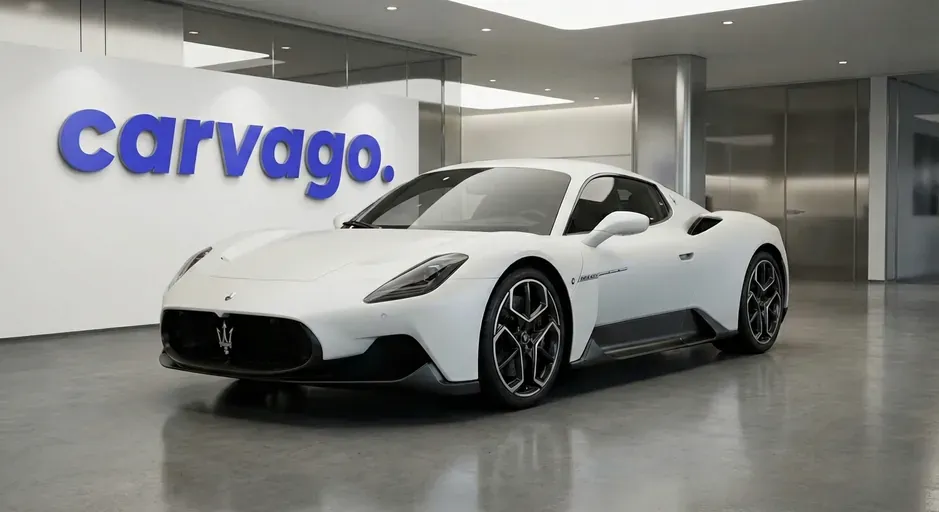
Maserati MC20

Maserati MC20

Introduction

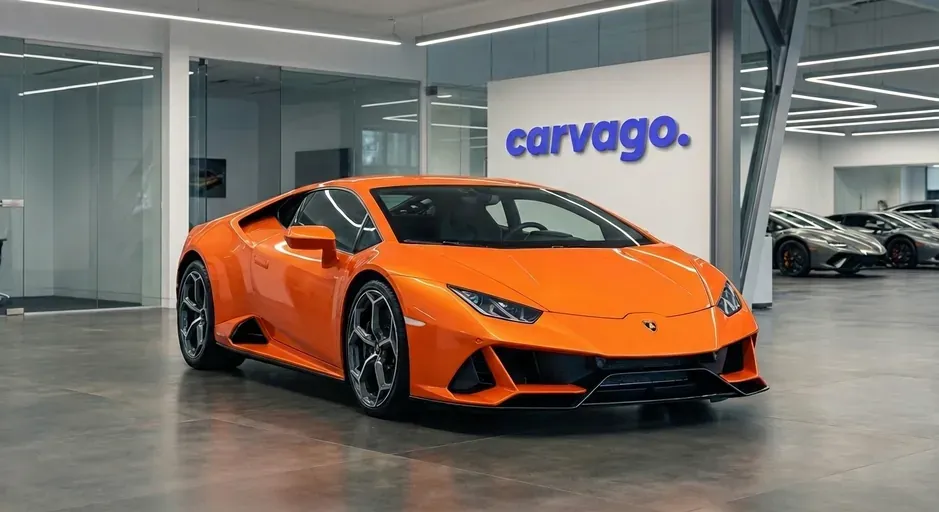
The iconic Lamborghini Huracán is a masterpiece from Italy's Sant'Agata that captivates automotive enthusiasts with its aggressive wedge-shaped design and the unmistakable roar of its naturally aspirated V10 engine. Standing proudly against it is the Maserati MC20, whose name is the official abbreviation for Maserati Corse 2020 (with the open-top version sold as the MC20 Cielo), symbolizing the modern rebirth of the Modena-based brand thanks to its lightweight carbon monocoque and revolutionary twin-turbocharged Nettuno V6 engine. Let's now take a detailed look at how these two exceptional Italian supercars fare in a head-to-head battle and which one represents a more tempting choice on the current market for roughly four-year-old nearly new used cars.

Comparison of External Dimensions

Looking at the exterior dimensions of both Italian supercars, you quickly find that although they share a mid-engine layout, their physical presence on the road differs quite fundamentally. The Maserati MC20 is a larger car overall. With a uniform length of 4669 mm, it is roughly 15 centimeters longer than the typical Lamborghini Huracán Evo (4520 mm), whose dimensions vary slightly depending on the specific edition (from 4459 mm for older models to 4567 mm for the Tecnica version). This difference gives the Maserati a more elegant, elongated silhouette, while the Huracán bets on a maximally compact, wedge-shaped form. The Lamborghini's smaller footprint and shorter wheelbase mean that the Huracán feels a bit more agile and aggressive in tight corners and on narrow backroads.

As for width, both models require a steady hand and a good deal of caution in narrow streets and city garages. At 1965 mm, the Maserati MC20 is slightly wider than the standard version of the Huracán (typically 1933 mm), which only enhances its wide stance. However, the most significant practical and visual difference is the height. The classic Lamborghini Huracán in coupe body style measures an extreme 1165 mm in height (with the exception of the specific raised off-road Sterrato version, which reaches 1248 mm). The "Lambo's" extremely low roof enhances the feeling of flying a fighter jet and lowers the center of gravity, but at the same time makes getting in and out significantly more difficult. At 1224 mm, the Maserati is almost 6 centimeters taller, contributing to overall better daily usability and a slightly airier cabin.

In terms of exterior proportions and wheelbase, the choice between these two cars is therefore a matter of your preferences and driving style. Thanks to its longer wheelbase (2700 mm compared to 2620 mm for the Lamborghini) and overall more generous dimensions, the Maserati MC20 offers better directional stability at high speeds and more relaxed highway behavior, approaching the GT category. In contrast, the Lamborghini Huracán remains true to the philosophy of an extremely low, wide, and as compact as possible supercar, whose undisputed domain is uncompromising agility.

ParameterLamborghini Huracán CoupéMaserati MC20 CoupéLamborghini Huracán CabrioletMaserati MC20 Cabriolet
Length (mm)4459 - 456746694459 - 45204669
Width (mm)1924 - 195619651924 - 19331965
Height (mm)1165 - 1248122411801224
Wheelbase (mm)2620270026202700

Trunk Volume

When it comes to choosing a thoroughbred mid-engine supercar like the Lamborghini Huracán and Maserati MC20, luggage space is usually not among the most important parameters. However, for buyers in the market for nearly-new used cars who plan to use these roughly four-year-old models for weekend trips or occasional grand touring, everyday practicality becomes a very real factor. Differences in total volume and storage layout fundamentally affect the car's user-friendliness. They determine whether you take only the most essential personal items or can afford to pack enough clothes for a longer holiday for two.

While the 1st generation Lamborghini Huracán (especially in the very popular 2019–2024 versions like the Evo) offers a modest storage space under the front hood of just 100 liters for both Coupé and open-top Cabriolet (Spyder) models, the Maserati MC20 (2021–2024) provides its owners with significantly more space. Specifically, in the MC20, you will find a total of 150 liters of usable space. This is cleverly divided into 100 liters in the rear trunk and an additional 50 liters in the shallow front trunk. Since both brands are pure two-seater supercars, neither offers rear seats that could be folded down – the base volume is thus logically equal to the maximum volume. Be careful when choosing specific variants; for example, the extreme track-focused Lamborghini Huracán STO sacrificed storage space in favor of advanced aerodynamics, reducing the front trunk to just 38 liters. In contrast, for Maserati, the usable capacity remains fully preserved even for the open-top MC20 Cielo version.

These paper differences have a clear impact on everyday life with the car. The additional 50 liters in the Maserati represent real space for several extra bags, making the Maserati MC20 a supercar sufficient for weekend shopping and longer holidays. Although the division into two smaller trunks means you won't fit one bulky hard-shell suitcase, you can pack flexible soft travel bags much more easily than into the single tight front compartment of the Huracán. So, if you are deciding between these Italian icons and plan to travel longer distances occasionally, the Maserati MC20 profiles itself as a much more versatile choice. The Lamborghini Huracán, on the other hand, requires strict minimalism when packing, confirming that practicality is entirely secondary to the pure driving experience.

ParameterLamborghini Huracán CoupéMaserati MC20 CoupéLamborghini Huracán CabrioletMaserati MC20 Cabriolet
Base volume (liters)100150100150
Max volume with seats folded down (liters)100150100150

Practicality for weekend travelers 🧳

Thanks to its total capacity of 150 liters and clever layout, the Maserati MC20 provides significantly better usability for longer trips, while the modest front trunk of the Lamborghini Huracán will please die-hard minimalists instead.

Discover the true condition of the car thanks to an independent inspection

Order CarAudit™

Trailer Weights

In the purebred supercar segment, which includes the compared models available on the used car market at around four years of age (Lamborghini Huracán, predominantly Evo and STO versions from 2020–2024, and the first-generation Maserati MC20 from 2021–2024), towing capacity is more of a humorous theoretical parameter than a real decision-making factor. Normally, the presence of a tow bar is a major draw for buyers, as it can create space for several extra suitcases and instantly makes the vehicle suitable for weekend shopping or a longer holiday. Here, however, we are talking about high-performance machines with low ground clearance, massive rear diffusers, and lightweight construction, where any towing of cargo is technically and legally excluded.

The standard and maximum weight of both braked and unbraked trailers for both Italian cars is exactly 0 kg. Factory databases clearly show that these models are not homologated for the installation of a tow hitch at all. No exceptions apply here for specific versions; you cannot get a tow bar for the Maserati MC20, and surprisingly, it is not offered even for the off-road-oriented Lamborghini Huracán Sterrato derivative, where increased practicality might be expected. Unlike other segments, there are no differences stemming from batteries in the chassis, which often mean reduced capacity in conventional cars – both the Huracán and MC20 rely on pure internal combustion engines, and any hybrid drive with its associated limitations is completely absent in this generation.

From a practical standpoint, this zero capacity has uncompromising consequences for owners. When packing for a weekend, both crews are reliant solely on the onboard luggage compartments (so-called "frunks" under the front hood), which are traditionally very cramped in mid-engine cars. Forget about attaching a small trailer with spare tires for a track day or heavier luggage for an Alpine road trip behind the car. For such purposes, you simply have to use a support vehicle.

In conclusion, when choosing between these two supercars, the towing weight parameter is irrelevant. Neither car can be turned into a towing workhorse; both have uncompromisingly sacrificed all utility in favor of maximum driving pleasure and perfect driving dynamics. Since official homologation data for trailer weights for these models is completely absent, the table below remains consistent with reality without numerical values.

Model and motorizationBraked weight of trailer (kg)Unbraked weight of trailer (kg)
Lamborghini Huracán All versions00
Maserati MC20 All versions00

Overview of Most Common Motorizations

The engine comparison between the Lamborghini Huracán and the Maserati MC20 represents a fascinating clash of two completely different engineering philosophies, catering to different types of demanding drivers. While Lamborghini relies on its iconic and naturally aspirated 5.2-liter ten-cylinder (V10), which offers a raw sound profile and absolutely instant throttle response, Maserati enters the fray with a modern, twin-turbocharged 3.0-liter six-cylinder (V6) called "Nettuno." This engine benefits from Formula 1-inspired technologies and, thanks to its pair of turbochargers, possesses much more massive torque. From the perspective of a buyer in the four-year-old used car market, choosing a Huracán means betting on absolute purity of emotion, linear power delivery, and a dramatic high-rev scream that suits track enthusiasts and purists. In contrast, the Maserati MC20 will appeal to those looking for brutal pull right from the mid-range, the efficiency of modern turbocharging, and a significantly lower powertrain weight.

Lamborghini Huracán on the market for roughly four-year-old used cars is primarily represented by the updated generation designated as Evo and its various derivatives from 2019 to 2024 (older versions from 2014–2018 no longer fit our age focus). At the heart of all models is the fantastic 5.2-liter V10 petrol engine. The standard for the entry-level rear-wheel-drive model (Evo RWD) is an output of 449 kW (610 hp) with 560 Nm of torque, which is more than enough for an adrenaline-filled drive and the joy of controlled oversteer. If a buyer is looking for all-wheel drive or the absolute maximum performance for track driving, the Evo (AWD), Tecnica, and the extreme lightweight STO versions are available. These specifications offer an increased output of 470 kW (640 hp). Torque varies slightly – from 565 Nm for the purist RWD STO and Tecnica to a respectable 600 Nm for the classic AWD Evo. All power is lightning-fastly transmitted through a 7-speed dual-clutch transmission (LDF).

Engine TypeFuelPower (kW)Torque (Nm)Transmission
5.2 V10 (Evo RWD)Petrol4495607-speed dual-clutch (LDF)
5.2 V10 (Evo AWD)Petrol4706007-speed dual-clutch (LDF)
5.2 V10 (STO / Tecnica)Petrol4705657-speed dual-clutch (LDF)

The Maserati MC20, which arrived on the market slightly later, with models from the first years of production (from 2021) fully fitting the four-year-old criteria, offers a much more straightforward yet technologically immensely advanced engine lineup. The heart of both the coupé and the open-top Cielo model is a single unit: the all-new 3.0-liter V6 Nettuno Twin-Turbo petrol engine. Despite having almost half the number of cylinders and displacement compared to the Lamborghini, it produces a massive 463 kW (630 hp) and, above all, a crushing 730 Nm of torque. The engine is unique for its pre-chamber combustion system with two spark plugs per cylinder, ensuring great efficiency and explosiveness of the power unit. This immense torque is sent exclusively to the rear axle via a smooth and precise 8-speed dual-clutch transmission. Thanks to the support of the turbochargers, the Maserati feels much more explosive and flexible in the low and mid-rev range than its ten-cylinder Italian rival.

Engine TypeFuelPower (kW)Torque (Nm)Transmission
3.0 V6 Nettuno Twin-TurboPetrol4637308-speed dual-clutch

Naturally Aspirated Passion or Turbo-Driven Power 🏎️

While the Lamborghini Huracán offers the absolute pinnacle of driving emotions underscored by the unforgettable roar of a naturally aspirated V10, the Maserati MC20 counters with advanced F1 innovations and the staggering torque of a V6 Twin-Turbo that pins you to your seat the moment you step on the gas.

Choosing the right engine is crucial for long-term satisfaction, with our recommendations based on real-world performance experience, actual fuel consumption, owner feedback, and mechanical reliability. When comparing the Lamborghini Huracán and Maserati MC20, we face a fascinating duel between two completely different engineering approaches. Roughly four-year-old cars on the used market offer us a choice between a purist naturally aspirated ten-cylinder with unmistakable old-school character and a state-of-the-art twin-turbocharged six-cylinder with technologies born in the pinnacle of motorsport.

For the Lamborghini Huracán, we recommend: 5.2 V10 Evo (640 hp / 471 kW)

The 5.2-liter naturally aspirated ten-cylinder from the Huracán Evo version (produced between 2019–2024) represents an absolute gem and a definitive farewell to the era of non-turbocharged supercars. The all-wheel-drive variant is the ideal choice, as it combines a crushing 640 horsepower with immense confidence and handling, making the car surprisingly usable even in poor grip conditions. The engine's main technical advantage is its immediate throttle response, a sharp power curve peaking beyond 8,000 rpm, and a phenomenal sound profile that no turbo engine can match. In terms of reliability, it is a highly mature piece of engineering with a robust foundation that, with proper maintenance, covers tens of thousands of kilometers without serious failures. When purchasing a roughly four-year-old unit, however, it is necessary to carefully check the wear of the LDF dual-clutch transmission. It is always worth having a diagnostic readout to find the number of starts using the Launch Control function – if the previous owner overused this feature, there is a risk of extreme clutch wear, which you can recognize during a test drive by unpleasant jerking and stuttering during slow starts. Also, check the engine for leaks; oil seepage around the valve covers occasionally occurs. This engine is intended for true purists who love high revs, mechanical rawness, and primarily want a car for emotive weekend drives, conquering Alpine passes, or track days.

For the Maserati MC20, we recommend: 3.0 V6 Nettuno (630 hp / 463 kW)

For the Maserati MC20 (available since 2021), the choice is clearly dictated by the only available power unit, which is, however, a true engineering masterpiece. The 630-horsepower 3.0-liter Twin-Turbo V6, dubbed Nettuno, hides a unique patented pre-chamber combustion system with a twin-spark plug (MTC – Maserati Twin Combustion), thanks to which the engine can operate incredibly efficiently even under enormous load. A strong weapon of this engine is the massive 730 Nm of torque available from the mid-range, which guarantees explosive in-gear acceleration in any situation without the need for constant downshifting, while the car's lightweight construction (thanks to the carbon chassis) keeps fuel consumption within acceptable limits during calm cruising. Given the high complexity of this power unit, however, maintenance requirements are uncompromising. When choosing a used car, study the service book in detail – the special spark plugs have a shortened replacement interval and must not be underestimated, as neglecting maintenance can lead to fatal failure of the pre-chamber system. During the test drive, focus on the smoothness of the engine at low revs; any misfiring or irregular idling may indicate an expensive problem with the spark plugs or injectors. This engine will appeal to dynamic drivers with a passion for the latest technology, who are impressed by the relentless pull of a turbocharged unit and who appreciate that the Maserati MC20 can be surprisingly refined as a gran turismo, only to transform into an uncompromising supercar a second later.
Real Fuel Consumption

In the category of purebred supercars, it is truer than anywhere else that official paper fuel consumption figures can differ drastically from the real world. Homologation cycles rarely account for the dynamic potential for which customers primarily purchase these cars. To get a more accurate picture, we have compared official manufacturer data with real-world user insights from community platforms such as Spritmonitor.de and Fuelly. With regard to the used car market, where we focus on approximately four-year-old vehicles (produced mainly between 2020 and 2022), Lamborghini features the popular updated Huracán Evo variants, while for Maserati, these are the very first model years of the brand-new MC20.

Data source: Spritmonitor.de, Fuelly, and industry consumption tests

Model and EngineAverage Consumption (l/100 km)
Maserati MC20 3.0 V6 Twin-Turbo Nettuno11.5
Maserati MC20 Cielo 3.0 V6 Twin-Turbo Nettuno11.7
Lamborghini Huracán Evo 5.2 V1013.8
Lamborghini Huracán Spyder 5.2 V1014.2
Lamborghini Huracán Tecnica 5.2 V1014.5

Looking at the figures, the influence of the modern downsizing trend is clearly visible. The twin-turbocharged 3.0-liter Nettuno V6 in the Maserati shows a consumption more than two liters lower than the massive, naturally aspirated 5.2-liter V10 in the Lamborghini. However, real-world practice brings interesting findings – while the smaller turbo engine actually operates more efficiently and can approach paper values during smooth driving at a steady speed, its appetite grows steeply during a more aggressive pace or sharper acceleration. The consumption of a small turbo engine is thus significantly more dependent on driving style, meaning that at a fast pace, the theoretical advantage of the Maserati quickly evaporates and both cars easily exceed the 18 to 20 liters per hundred kilometers mark. The naturally aspirated V10 simply takes its "due" at all times, while the V6 offers savings only with gentler handling.

For the typical user of these vehicles, these differences do not represent a problem in terms of financial budget, but they do affect overall comfort and driving range. During weekend travel on longer routes (in Grand Touring mode), the Maserati MC20 will offer a slightly longer range per tank thanks to its lower consumption, meaning fewer unwanted stops at filling stations. However, if we are talking about heavy city traffic or outright track driving, the fuel in the tanks will disappear at a lightning pace for both rivals without major differences.

In conclusion, it can be clearly summarized that for four-year-old used cars in this exotic class, fuel consumption is not a factor that would decide the final purchase. The choice between these two masters of Italian engineering will therefore depend purely on personal preference and emotion – specifically whether you prefer the immediate response, linear power delivery, and enchanting scream of a naturally aspirated V10, or rather the massive torque and technological sophistication of a turbocharged V6.

Price Range and Used Car Offerings

When searching for an exclusive supercar on the used market (focusing on four-year-old cars from the 2021 and 2022 model years), not only the initial purchase price but also the depreciation curve plays a key role. While the Maserati MC20 represents relatively fresh blood on the market with modern technology, the Lamborghini Huracán (primarily represented by the EVO version in these years) benefits from its cult status and irreplaceable naturally aspirated V10 engine.

Price Range and Depreciation

Italian cars with the trident emblem have historically suffered from a slightly steeper drop in value during their first years of operation. The Maserati MC20 from 2021 and 2022 is no exception. Although it is a top-tier carbon-fiber supercar, it offers a significant discount on the used market compared to its original list price. Four-year-old examples with reasonable mileage now represent an interesting opportunity to acquire modern technology much more affordably.

In contrast, the Lamborghini Huracán holds its value with unexpected vigor. The main reason is that it is one of the last purely gasoline naturally aspirated V10 engines on the market. Demand for this uncompromising acoustic and driving experience remains high on the secondary market, keeping the prices of used EVO versions – and even more so special models like the STO – very confidently high.

Model (2021–2022)Approx. used price (CZK)Approx. used price (€)Depreciation rate
Maserati MC204,100,000 – 5,500,000 CZK€169,000 – €226,000Moderate
Lamborghini Huracán (EVO)5,500,000 – 7,500,000 CZK€226,000 – €309,000Very slow

What to Look Out for When Choosing

When comparing both models from the perspective of a used car buyer, it is wise to consider the equipment and service requirements:

  • Optional Equipment: For a used Lamborghini, specific options like the hydraulic front-axle lift system (Lift System), carbon-ceramic brakes, or bucket seats significantly increase the resale price. For Maserati, buyers are often attracted by expensive exterior and interior carbon packages and the premium Sonus faber audio system.
  • Technology and Service: After years of production, the Huracán has a reputation as a reliable car with very robust mechanics; however, the prices of spare parts and labor at authorized dealers are extreme. The Maserati MC20 relies on the technologically advanced but more complex Nettuno engine with pre-chamber combustion. This engine requires strict and meticulous adherence to service intervals, which must be carefully verified before purchase.
  • Drivetrain Versions: In the case of the Huracán from these years, you will find both all-wheel drive (AWD) and more purist rear-wheel drive (RWD) models on the market, which, paradoxically, are often highly valued by fans despite a lower original list price. The MC20 is available exclusively as a rear-wheel drive.

From a purely financial perspective, the Maserati MC20 is a significantly more affordable entry into the world of mid-engine supercars on the market for three- to five-year-old cars. However, Lamborghini scores with a more stable residual value and investment potential, thanks to which the invested funds can be returned with much less loss in a future sale.

Reason vs. V10 Emotions 💸

The Maserati MC20 represents a very tempting buy on the used market due to faster price depreciation and its modern carbon-fiber foundation, while the Lamborghini Huracán requires a higher investment, which is balanced by slow depreciation and its rare V10 engine.

Safety and Euro NCAP Rating

When evaluating the safety of used vehicles, we commonly rely on five-star ratings from crash tests. In such cases, it is always crucial to take into account the context and the year the tests took place. The methodology of the Euro NCAP organization is constantly evolving and becoming stricter – percentage results from older tests cannot be fairly compared with newer ones. Modern protocols today place much greater emphasis on sophisticated frontal crash simulations, more accurate cyclist detection, or complex crisis scenarios at intersections. In the world of low-volume exclusive supercars, such as today's rivals, the situation from the perspective of obtaining this data is completely different.

Lamborghini Huracán

Due to its high purchase price and low sales figures, the Lamborghini Huracán has never been officially tested by Euro NCAP laboratories. Although no exact percentage scores exist for this model, its passive safety stands on exceptionally solid foundations. The construction uses an extremely rigid aluminum-carbon platform, which it shares with its sibling model, the Audi R8, and a full set of airbags is also present. However, since the Huracán is a purist supercar focused primarily on a raw driving experience, it lacks most modern active assistants. Features such as autonomous emergency braking or active lane keeping simply cannot be found in its equipment.

Maserati MC20

The Maserati MC20 shares exactly the same fate in terms of safety testing – due to the car's high exclusivity, Euro NCAP crash tests have never been performed on it either. Instead of tabular data, extreme occupant protection in the event of an accident is guaranteed here by a top-tier carbon monocoque. This gives the car exceptional structural strength and integrity. A fundamental advantage over the Lamborghini lies in significantly more advanced electronic equipment for the protection of vulnerable road users and driving assistance. As part of its optional equipment, Maserati offers advanced safety systems such as autonomous emergency braking with pedestrian and cyclist detection, blind spot monitoring, or rear cross-traffic alert.

Who offers better protection?

Even though neither car has detailed Euro NCAP test results, both manufacturers take care to ensure flawless structural protection using the best composite materials. However, the Maserati MC20 benefits from its much younger pedigree with the presence of a wider range of modern safety assistants. If you are looking for more advanced protection from the perspective of active accident prevention according to today's standards, the Maserati is objectively the better and better-equipped choice.

ParameterLamborghini HuracánMaserati MC20
Year of testingNot testedNot tested
Adult occupant protection--
Child occupant protection--
Vulnerable road user protection--
Safety assist systems--

🛡️ Carbon monocoque vs. assistance systems

Although neither car has undergone Euro NCAP testing due to its exclusivity, the more modern Maserati MC20 offers much more advanced active safety features that the older and more purist Lamborghini completely lacks.

Comparison of Interesting Equipment Features

In addition to standard equipment, each model offers several unique features that can be decisive for the customer, with both cars approaching the concept of a modern supercar in completely different ways. While the Italian bull relies on atmospheric roar and sophisticated aerodynamics, the representative with the trident in its emblem brings purist carbon and technology from the pinnacle of motorsport.

Lamborghini Huracán: Atmospheric extreme and predictive technology

  • Powertrain and dynamics: Atmospheric ten-cylinder (V10) with an iconic sound that provides instant throttle response without turbo lag. In today's world of turbocharged engines, this is a very rare and valued characteristic that brings an unmistakable driving experience.
  • Electronics and chassis: Advanced LDVI (Lamborghini Dinamica Veicolo Integrata) system. This central control unit acts as the car's brain. It can predict the driver's intentions and adjust the behavior of the adaptive suspension, torque vectoring, or rear-axle steering in real time.
  • Infotainment and connectivity: A vertically oriented 8.4-inch touchscreen located on the center tunnel offers an advanced telemetry system. This allows track enthusiasts to analyze driving data directly in the car. Modern model years also brought full integration of the Amazon Alexa assistant for easy voice control of climate and navigation.
  • Driving modes: The ANIMA switch located on the bottom of the steering wheel allows for lightning-fast selection between Strada (street), Sport, and Corsa (track) modes. Thanks to it, the electronics can dramatically change the car's behavior from a relatively compliant companion to a ruthless racing machine.
  • Sport derivatives and packages: A huge advantage of the Huracán on the used car market lies in the breadth of versions. From the everyday usable EVO model, through more fun rear-wheel-drive (RWD) variants, to radical track versions like the STO (Super Trofeo Omologata) or Tecnica with redesigned aerodynamics.

Maserati MC20: Innovative carbon and Formula 1 technology

  • Engines and combustion process: The revolutionary V6 engine named Nettuno uses unique pre-chamber combustion technology (Maserati Twin Combustion), which was derived directly from Formula 1 cars. Thanks to this, the engine generates massive power and ensures great efficiency despite the smaller displacement and twin turbocharging.
  • Construction and bodywork: The car's foundation is an ultra-light carbon monocoque developed in collaboration with experts from Dallara. Combined with butterfly doors, this not only gives the car incredible rigidity and an exclusive look but also significantly facilitates entry over wide sills.
  • Camera systems and visibility: The MC20 elegantly solves the typical problem of mid-engine cars – poor rear visibility. Instead of a classic mirror, the car features a digital interior mirror that transmits a sharp image from a wide-angle camera located on the rear hood.
  • Infotainment and digitalization: The interior is dominated by two 10.25-inch screens – one for the digital instrument cluster and the second for the multimedia system. Maserati uses a modern operating system here with support for over-the-air software updates (OTA), keeping the system smooth and up-to-date.
  • Ergonomics and details: The cabin is intentionally minimalist so that nothing distracts the driver's attention from the road. The center tunnel is equipped only with essential buttons and a premium rotary driving mode selector, whose design is inspired by luxury watch faces. The car also surprises with solid sound insulation, which significantly increases travel comfort during longer journeys.

Key Advantages and Disadvantages

Lamborghini Huracán

Pros

Naturally aspirated V10 engine with an absolutely iconic and inimitable sound

Extremely emotional and raw driving experience with instant throttle response

Proven technology with Audi roots, ensuring decent reliability by supercar standards

Very slow depreciation and high attractiveness on the used car market

Aggressive, unmistakable, and sharp-edged design

Cons

Outdated infotainment architecture that significantly lags behind modern standards

Very cramped cabin, which presents significant discomfort for taller drivers

Stiffer and less compliant suspension, which worsens daily usability in the city

Minimal luggage space, even within the supercar category

The Lamborghini Huracán is the embodiment of purebred automotive emotion and raw power, captivating especially lovers of classic naturally aspirated engines. It is the ideal choice for buyers seeking an uncompromising driving experience, who love attention, and appreciate excellent value retention over time.

Maserati MC20

Pros

Innovative V6 Nettuno engine with Formula 1-inspired pre-chamber combustion technology

Extremely stiff and lightweight carbon fiber monocoque ensuring top-tier dynamic performance

Elegant, aerodynamically clean design enhanced by spectacular "butterfly" doors

Surprisingly compliant and comfortable suspension, making it suitable even for longer trips

Modern digital interface and overall better ergonomics for daily use

Cons

The sound of the turbocharged V6 lacks the drama and depth of the rival V10

As yet unproven long-term reliability of the highly sophisticated and specific engine

Significantly steeper depreciation on the used car market compared to Lamborghini

Some minor interior controls visually reference standard Stellantis group production

The Maserati MC20 represents a modern and highly sophisticated approach to Italian supercar development, skillfully combining track technology with unexpected touring comfort. It will appeal primarily to drivers who demand carbon exclusivity, an elegant look without unnecessary aggression, and a car that can be taken on longer trips without hesitation.

Common Problems and Owner Complaints

Based on long-term owner experience, service bulletins, and insights from our comprehensive car audit service, we have compiled an overview of the most common issues that potential buyers of these supercars should watch out for.

Lamborghini Huracán

The Lamborghini Huracán with its naturally aspirated V10 is unexpectedly reliable for a supercar, thanks to shared technology within the VW Group. However, it still requires meticulous maintenance and has its typical weak points.

  • Chassis and suspension: MagneRide adaptive dampers (if the car is equipped with them) can show fluid leaks over time, which requires a relatively expensive replacement. Seal fatigue typically occurs in cars whose potential has been frequently pushed to the limit.
  • Transmission: The seven-speed dual-clutch LDF (Lamborghini Doppia Frizione) transmission performs superbly during sporty driving, but can jerk uncomfortably in stop-and-go traffic. Strict adherence to oil and filter change intervals is crucial; otherwise, there is a real risk of damage to the mechatronics.
  • Electronics and infotainment: In newer models (EVO generation), users occasionally complain about the central touchscreen freezing or the entire system responding slowly. This issue is resolved through software updates at authorized service centers.
  • Brakes: Carbon-ceramic brakes have an extreme lifespan under normal driving conditions, but if the previous owner frequently pushed the car on track days, the discs may be prematurely worn out. Their complete replacement is astronomically expensive.

Lamborghini Huracán: Solid mechanics with expensive servicing

The naturally aspirated V10 and precise engineering make the Huracán a very reliable supercar, but it is necessary to check the condition of the dampers in detail and strictly monitor the transmission's service history.

Maserati MC20

The Maserati MC20 is a technologically brand-new model with the complex Nettuno engine, which, as "fresh blood" on the market, exhibits more of the so-called teething troubles from early production.

  • Electronics and sensors: The new electrical architecture brought occasional false error reports in the first years of production – most commonly regarding tire pressure sensors or unjustified illumination of the Check Engine light. Often, these messages disappear on their own after restarting the car or uploading newer software.
  • Nettuno Engine: The three-liter V6 with pre-chamber ignition derived from F1 is a masterpiece, but there have been isolated cases of minor oil leaks and the need to recalibrate combustion chamber pressure sensors. The unit is also extremely sensitive to the quality of premium fuel.
  • MIA Infotainment: The multimedia system built on the Android Automotive platform occasionally restarts spontaneously in early models, suffers from slight system lags, or unexpected Bluetooth connection drops.
  • Transmission: The eight-speed dual-clutch gearbox from Tremec can feel slightly clunky at low speeds and during maneuvering. The manufacturer is gradually releasing software updates to smooth out the operation and improve shifting logic during steady driving.

Maserati MC20: First-class technology and teething troubles

The MC20 offers a revolutionary powertrain, but as a relatively young model, it suffers primarily from software imperfections and occasional electronic gremlins, which the manufacturer is continuously fine-tuning through updates.

Tips for Buying a Used Car

When buying a used supercar, a thorough inspection is absolutely crucial, as any overlooked defects can climb to astronomical amounts for these models. Both of these exceptional cars have their specifics and weak points to focus on, which is why a comprehensive car inspection is an essential protection before purchase.

When choosing a Lamborghini Huracán:

  • Front axle lifting system: Try activating and deactivating the system several times while stationary and during slow driving. The front must rise smoothly, quickly, and without the loud whining of the hydraulic pump. Failure of this system means a very expensive repair, and without it, navigating a city full of speed bumps is very risky.
  • Condition of carbon-ceramic brakes: Visually check the discs for chipping on the edges or signs of excessive wear patterns. Although a mechanic can only determine the exact condition by weighing them, a visual inspection reveals a lot. Replacing these brakes costs hundreds of thousands of crowns, so any doubts should be a warning.
  • LDF dual-clutch transmission operation: During the test drive, focus on the smoothness of shifting at low speeds, crawling, and parking. Jerking, excessive delays, or significant metallic sounds when downshifting can indicate worn clutches or the need for expensive transmission software calibration.
  • Cold start of the naturally aspirated V10: Insist that the car must not have been running before your arrival. During a completely cold start, listen carefully for any inappropriate rattling of the timing chain or sharp mechanical clicking. This could indicate neglected maintenance and the need for a very costly service intervention.
  • MagneRide dampers: Check for fluid leaks from the special magnetorheological dampers. You can try bouncing them in different driving modes (Strada vs. Corsa) – the change in stiffness must be clearly noticeable. The lifespan of these dampers on frequently stressed or track-driven units is not infinite.

When choosing a Maserati MC20:

  • Smoothness of the Nettuno V6 engine: This engine uses very specific pre-chamber combustion technology derived from F1. At idle and immediately after a cold start, the RPMs must not fluctuate. Any hesitation during acceleration or a lit Check Engine light can point to injector problems or missing software updates in early model years (around 2021).
  • Butterfly doors: Test whether both doors open smoothly, without rubbing or creaking hinges. More importantly, check if the gas struts hold them securely in the maximum upright position. Given the weight of the doors, the struts can weaken in three- to four-year-old units, which can lead to the doors falling unexpectedly.
  • Condition of the carbon monocoque: The Maserati MC20 is built on a carbon tub. During a detailed physical inspection of the car on a lift, it is absolutely essential to carefully check the floor and the lower parts of the sills. Look for signs of damage from hitting a curb, cracks, or unprofessional repairs. Damage to the carbon structure is often a fatal problem.
  • Infotainment and onboard software: The multimedia system based on Android Automotive could suffer from freezing and slow responses in the first years of production. During the test drive, try switching driving modes, enter a route into the navigation, and play with the menus. Observe whether the system responds briskly, does not reset, and whether the air conditioning follows touch commands without delay.
  • Tremec transmission behavior during maneuvering: The eight-speed dual-clutch transmission in the MC20 can be a bit unrefined when cold. Focus specifically on the transition from Drive (D) to Reverse (R) and back. If the car jerks noticeably and hard when shifting, or hesitates to transfer power to the wheels for more than a second, it could be clutch plate wear or a software error in the transmission module.

FAQ: Most Frequently Asked Questions

The Lamborghini Huracán relies on the iconic naturally aspirated 5.2-liter ten-cylinder (V10) engine, which offers over 600 hp and an absolutely unmistakable sound. The Maserati MC20, on the other hand, utilizes the innovative 3.0-liter twin-turbocharged six-cylinder (V6) Nettuno engine, which produces an impressive 630 hp. Both cars can handle acceleration from 0 to 100 km/h in less than three seconds, but the turbocharged Maserati engine provides higher and more accessible torque at lower RPMs.

Thanks to its sophisticated adaptive suspension, the MC20 offers a surprisingly comfortable ride that filters out road imperfections very well. The Huracán is noticeably stiffer and rawer, which you will appreciate most on a race track, but it can be less compliant for daily commuting. Therefore, for longer trips and regular use, the car with the trident emblem is generally more suitable.

The Maserati boasts spectacular "butterfly" doors that open upwards and forwards, making it significantly easier to get into the low-slung cabin over the wide carbon sills. Its competitor from Lamborghini uses traditional conventional doors with horizontal opening, as the brand reserves its iconic "scissor" doors exclusively for its V12 flagships. In tight parking spaces, the specific upward opening of the MC20's doors can provide an unexpected practical advantage.

In this regard, the different ages of the two platforms are fully evident, as the more recently developed MC20 features a modern digital interface with fast response. The Huracán has its multimedia display positioned lower on the center console, and its system feels somewhat outdated despite later updates. If digital connectivity and intuitive onboard controls are your priority, the Maserati representative is the clear winner.

Large-displacement naturally aspirated engines without electrification are slowly disappearing from the market, making the Huracán a highly desirable commodity with excellent value retention. While the Maserati MC20 is an extraordinary technical gem, turbocharged V6 models historically lose their initial price a bit faster than emotional V10s. From the perspective of a future long-term investment or minimizing depreciation, purchasing a Lamborghini currently makes slightly more sense.

Conclusion: Which Model to Choose?

Our Verdict

Choosing between the Lamborghini Huracán and the Maserati MC20 on the four-year-old used car market represents a fascinating decision between raw automotive emotions and sophisticated innovations. While the Huracán enchants purists with the unbeatable roar of its naturally aspirated V10, aggressive design, and stable value retention, the MC20 counters with better touring comfort, a modern carbon fiber chassis, and the massive pull of its twin-turbocharged V6 born from F1 technology. If you are looking for an uncompromising track tool with huge investment potential, the Italian bull is the clear favorite; however, for drivers who prefer a technologically advanced, elegant, and more daily-usable supercar for weekend trips, the more affordable car with the trident emblem represents a more tempting choice.

Find your ideal car

Sources: ADAC, idnes.cz, e15.cz, autojournal.cz, hybrid.cz, racinglife.cz

This article was prepared using artificial intelligence tools. The section guarantor is Petr Dušek.

Related articles

Car battle

Audi R8 vs. McLaren Artura: Complete comparison 2026

Audi R8 vs McLaren Artura: A detailed comparison of supercars. Discover the real differences in performance, equipment, and reliability, and read our verdict before you buy.

Apr 17, 2026

Car battle

Audi R8 vs. Lamborghini Huracán: Complete comparison 2026

Detailed comparison of Audi R8 vs Lamborghini Huracán. We reveal the real differences, performance, and driving characteristics of these V10 supercars. Which one to choose?

Apr 14, 2026

Car battle

Subaru BRZ vs. Toyota GR86: Complete comparison 2026

Subaru BRZ vs. Toyota GR86. Which of these sports twins is better? Our detailed comparison will help you choose the right coupe for you.

Apr 13, 2026

We accept online card payments as well as wire transfers.

visa payment provider logovisa-electron payment provider logomastercard payment provider logomaestro payment provider logodiners-club payment provider logodiscover payment provider logo