Articles

Car battle

Kia Ceed vs. Opel Astra: Complete comparison 2026

Detailed comparison of the Kia Ceed and Opel Astra. We compared real-world fuel consumption, reliability, and equipment. Find out which popular hatchback is worth buying.

April 14, 2026

VS
Kia Ceed

Kia Ceed

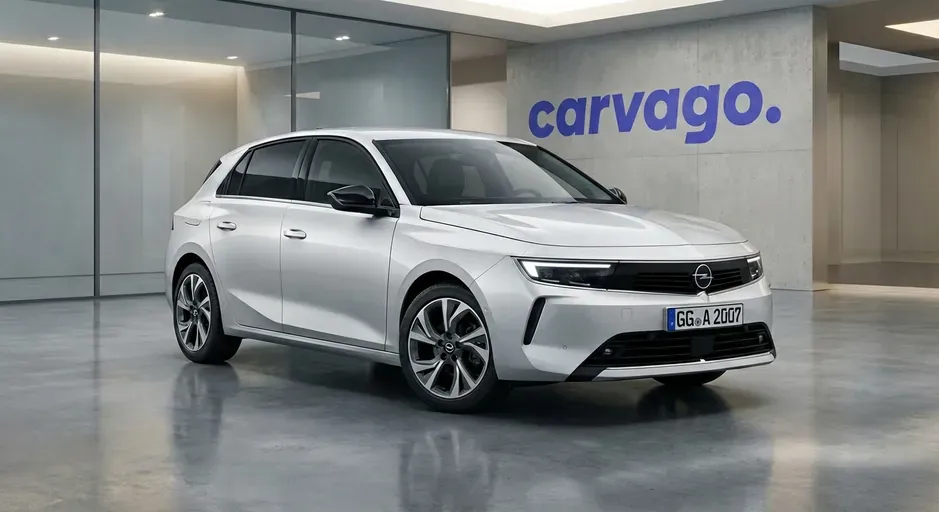
Opel Astra

Opel Astra

Introduction

The South Korean Kia Ceed, known until 2018 under the stylistically unconventional name Kia cee'd, has firmly established itself as an exceptionally popular representative of the compact class designed and manufactured directly in Europe. Its strong traditional competitor is the Opel Astra, which is sold in the British Isles under the sister brand Vauxhall Astra, and which brings a rich German history and modern technology to the same segment. Let's take a detailed look at how these two evenly matched rivals fare in a head-to-head battle and which of them represents a better choice as a slightly used car for a potential buyer.

Comparison of External Dimensions

Battle of Millimeters: Compactness vs. Generous Wheelbase

When choosing a used compact car, exterior dimensions play a key role, both in terms of interior spaciousness and for everyday city parking. If we look at the models available on the market of roughly four-year-old used cars (i.e., the current Kia Ceed generation designated CD and the Opel Astra generation L), we find that both automakers approached body construction differently. While Kia maintains more traditional compact proportions oriented towards versatility, Opel was not afraid to slightly "inflate" the car in its latest iteration, especially in terms of width and wheelbase length.

In classic five-door hatchbacks, the Opel Astra is roughly 50 to 65 mm longer than the Kia Ceed, whose length ranges from 4310 to 4325 mm. However, a fundamental difference can be found in the width of both cars. The Astra, with its 1860 mm, surpasses the Ceed (1800 mm) by a noticeable 60 mm. In practice, this manifests not only in a visually more stable stance on the road but also in a greater sense of airiness in the interior, specifically in the elbow-room width. The wheelbase of the Opel hatchback is 25 mm longer (2675 mm vs. 2650 mm). This gives the German representative a slight advantage in terms of rear legroom, while the narrower Kia offers easier maneuverability in crowded city parking lots.

Even more striking differences are brought by the comparison of the extremely popular estate versions (referred to as Sports Tourer by Opel and Sportswagon by Kia). The Astra Sports Tourer measures 4642 mm in length, making it 37 to 42 mm longer than its South Korean competitor (4600–4605 mm). But Opel's biggest trump card here is clearly the wheelbase, which engineers stretched to an impressive 2732 mm for the estate variant. Compared to the 2650 mm value of the Ceed model, which remains the same as the hatchback, it is a staggering 82 mm more. This difference has a positive effect on the generous space for rear passengers and an overall smoother ride on long highway journeys. So, if you regularly carry adult passengers or older children in the back seats, the Astra will offer significantly more travel comfort. For those looking for maximum agility and a slightly better view when parking in narrow underground garages, the somewhat more subtle Kia will be more appealing.

ParameterKia Ceed HatchbackOpel Astra HatchbackKia Ceed EstateOpel Astra Estate
Length (mm)4310 - 432543744600 - 46054642
Width (mm)1800186018001860
Height (mm)1442 - 14471441 - 14881460 - 14651443 - 1498
Wheelbase (mm)2650267526502732

Trunk Volume

The luggage compartment often plays a decisive role when choosing a compact car, because models like the Kia Ceed and Opel Astra often serve as the main family car. For buyers in the used car market looking for roughly four-year-old cars (represented here by the current generations Ceed CD and Astra L), it is important to find the right balance between everyday agility and overall practicality. Both models offer enough space for crew and cargo, but their approach to utilizing the interior space differs in details, which can tip the scales one way or the other depending on your specific lifestyle needs.

When comparing the basic five-door hatchbacks, the Opel Astra with a volume of 422 liters offers a slight advantage over the Kia Ceed, which has 395 liters. In practice, this 27-liter difference means space for one extra small backpack or shopping bag. The situation is even more interesting with the popular estate body versions. Here the tables turn, and the Kia Ceed Sportswagon clearly wins, beating the Opel Astra Sports Tourer with its 608 liters with a basic volume of 625 liters. Both family estates nevertheless offer excellent transport capacity, which is perfectly sufficient for weekend shopping and longer family vacations. Furthermore, after fully folding the rear seats, the space increases to a generous 1694 liters for the Kia and 1634 liters for the Opel, which will significantly facilitate the transport of bulkier sports equipment or small furniture.

When choosing, however, it is essential to also consider the chosen engine, because popular plug-in hybrid (PHEV) variants from both brands take a toll on trunk volume due to the placement of traction batteries under the floor. In the Kia Ceed estate, the trunk capacity of the PHEV version drops from 625 to a more modest 437 liters. The Opel Astra offers plug-in hybrid technology for the hatchback, where the basic volume drops from 422 to 352 liters, and for the estate, where the space decreases from 608 to 548 liters. In conclusion, it can be summarized that if you are looking for the absolute maximum space for family luggage, the purely internal combustion Kia Ceed in the estate version will be a slightly better and more practical choice. Conversely, for compact hatchbacks, the Opel Astra will offer more utility and a larger trunk.

Standard capacity (litres)395422625608
Max. capacity with seats folded (litres)1,2911,3391,6941,634

Leave it to Carvago CarAudit™

Order CarAudit™

Trailer Weights

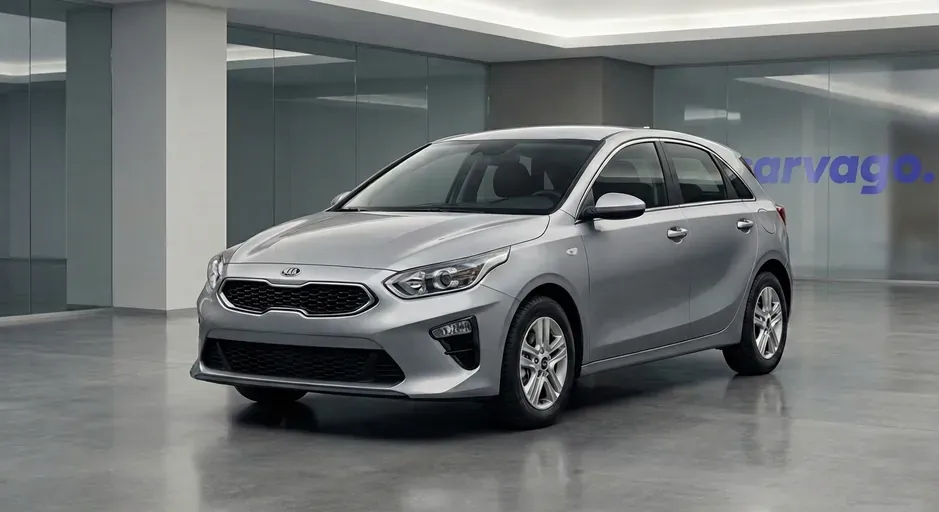
Towing capacity is a key parameter for drivers who regularly transport larger loads, whether it's attaching a trailer with materials, a caravan for a family holiday, or just a bike rack. When looking at models suitable for the used car market (approximately four years old – the Kia Ceed CD and Opel Astra L generations or the older K), we encounter quite significant differences.

While the Kia Ceed in standard petrol engines, such as the 1.0 T-GDI, can tow a braked trailer weighing 1,000 to 1,200 kg, the more powerful 1.5 T-GDI variant can handle 1,210 to 1,410 kg. The maximum for the Ceed model is represented by the 1.6 CRDi diesel version, which offers a towing capacity of 1,500 kg. In contrast, the Opel Astra (in the more modern L generation) starts with the 1.2 Turbo engine at 1,200 to 1,400 kg, but with the 1.5 Diesel, it reaches up to 1,550 kg. The previous Astra K generation (with the 1.6 CDTI engine), which is very common on the used car market, even managed an impressive 1,700 kg, which is significantly above average in this class.

However, it is necessary to be very careful with some specific versions, especially electrified ones, which tend to have significantly reduced values. A typical example is the mild-hybrid Kia Ceed 1.0 T-GDI 48V, which offers a towing capacity reduced to just 700–710 kg. Conversely, the plug-in hybrid Opel Astra 1.6 Turbo Hybrid is noticeably better off and can tow a solid 1,330 to 1,450 kg.

In practice, these values mean that while the basic or even hybrid versions of both cars can easily handle a smaller trailer sufficient for weekend shopping or hauling garden waste, for towing a heavier caravan on a longer holiday (where you will definitely appreciate the space for a few extra suitcases), a diesel engine with a higher limit will be a much safer and more comfortable choice.

Conclusion: If you plan on frequently towing heavier trailers, the Opel Astra emerges from this comparison as a slightly more versatile and capable workhorse than the Kia Ceed, thanks to its higher maximum limits (up to 1,700 kg for the K generation and 1,550 kg for the L generation).
Model and engineBraked trailer (kg)Unbraked trailer (kg)
Kia Ceed 1.0 T-GDI (gen. CD)1,000 - 1,200Not specified
Kia Ceed 1.0 T-GDI 48V (gen. CD)700 - 710Not specified
Kia Ceed 1.5 T-GDI (gen. CD)1,210 - 1,410Not specified
Kia Ceed 1.6 CRDi (gen. CD)1,500Not specified
Opel Astra 1.2 Turbo (gen. L)1,200 - 1,400Not specified
Opel Astra 1.5 Diesel (gen. L)1,500 - 1,550Not specified
Opel Astra 1.6 Turbo Hybrid (gen. L)1,330 - 1,450Not specified
Opel Astra 1.6 CDTI (gen. K)1,500 - 1,700Not specified

Overview of Most Common Motorizations

When choosing a used car around four years old (manufactured around 2022), the Kia Ceed (post-facelift CD generation) and the Opel Astra (modern L generation) represent two different approaches to the range of powertrains. While the Kia Ceed still relies on a wide range of proven internal combustion engines with optional mild-hybrid assistance and reliably covers the spectrum from economical petrol three-cylinders to an agile 150 kW four-cylinder, the Opel Astra clearly signals a lean towards modern electrification in its top versions. The shared platform within the Stellantis group provides the Astra with advanced plug-in hybrid systems in addition to an efficient petrol three-cylinder and a diesel engine. Both cars thus target a slightly different audience – the Ceed will please with more traditional mechanics and the presence of a refined petrol four-cylinder for standard versions, while the Astra scores with attractive hybrids and the option of using a very smooth eight-speed torque converter automatic.

Kia Ceed Engines (CD Generation)

The range of engines for the Kia Ceed model is very diverse and will suit practically any buyer interested in an affordable hatchback or family estate. The base consists of 1.0 T-GDI petrol three-cylinders, followed by the versatile 1.5 T-GDI four-cylinder with 118 kW. This appears very frequently on the used car market, often paired with a responsive seven-speed dual-clutch transmission (7DCT). Older used cars up to 2021 were equipped with the predecessor 1.4 T-GDI (103 kW), which was permanently removed from the range in favour of the more dynamic and economical 1.5-litre.

For fans of truly fast driving, there is the sporty GT version, powered by a turbocharged 1.6 T-GDI engine (150 kW). A significant advantage for drivers with high annual mileage remains the presence of the 1.6 CRDi diesel four-cylinder. In later production stages, this relied on efficient mild-hybrid technology (48V) and an unconventional smart manual transmission (iMT) equipped with an electronically controlled clutch without a mechanical link. Exclusively for the extended estate version (Sportswagon), Kia kept an economical Plug-in Hybrid variant with a six-speed dual-clutch unit.

Engine typeFuelPower (kW)Torque (Nm)Transmission
1.0 T-GDIPetrol74 / 881726MT / 7DCT
1.5 T-GDIPetrol1182536MT / 7DCT
1.6 T-GDI (GT)Petrol1502657DCT
1.6 CRDiDiesel / MHEV85 / 100280 / 3206MT (iMT) / 7DCT
1.6 GDI PHEVPetrol / PHEV1042656DCT

Opel Astra Engines (L Generation)

The current generation of the Opel Astra (designated as L, on the market since early 2022) benefits in detail from advanced powertrains shared within the Stellantis Group. The cornerstone of the petrol range is the popular 1.2 Turbo three-cylinder, which can be found as a used car with an output of 81 or 96 kW. Although the diesel engine range has been limited to a single displacement, the 1.5 Diesel turbocharged engine is characterised by exemplary highway efficiency and a diesel torque of 300 Nm. While you may also come across the older Astra K generation in advertisements (1.2 DI Turbo and 1.4 DI Turbo engines until 2021), for the category of vehicles around four years old, it makes sense to focus primarily on the attractive L series.

A large part of marketing and customer attention for the Astra is devoted to the 1.6 Turbo Hybrid engine. This sophisticated plug-in hybrid system offers a solid system output of 133 kW, and even 165 kW for the most dynamic GSe version introduced in 2023. A fundamental difference compared to the Ceed is the automatic transmission technology. For traditional internal combustion versions, the Astra relies on an eight-speed torque converter automatic (the so-called eEAT8 for the PHEV version), which guarantees velvety smooth shifting. The youngest cars from 2024 onwards may also hide the brand-new 1.2 Turbo Hybrid 48V mild-hybrid under the hood, which is instead paired with a specific dual-clutch gearbox (eDCT).

Engine TypeFuelPower (kW)Torque (Nm)Transmission
1.2 TurboPetrol81 / 96205 / 2306MT / 8AT
1.5 DieselDiesel963006MT / 8AT
1.6 Turbo HybridPetrol / PHEV133 / 1653608AT
1.2 Turbo Hybrid 48VPetrol / MHEV1002306DCT (eDCT)

Summary and Recommendations for Buyers

The engine range of the Kia Ceed scores points with buyers primarily for its long-term reliability, its commitment to classic internal combustion variants, and overall mechanical robustness without excessive complications. The excellent 1.5 T-GDI four-cylinder represents the absolute golden middle ground for everyday use with an excellent ratio of dynamics and fuel consumption, while the classic 1.6 CRDi diesel reliably serves those who spend a lot of time on long highway routes. A minor compromise from the Ceed's perspective is only the absence of a standard Plug-in Hybrid for those interested in short city trips, as this option is only available with the larger estate body style.

The Opel Astra, on the other hand, is an attractive choice for innovative-minded drivers, fans of modern technology, and corporate customers who want to combine local emission-free driving with the peace of mind of long-distance travel. Its top-of-the-line plug-in hybrid models impress with their flexibility, and the implemented eight-speed automatic offers unrivalled comfort. However, an obstacle for more conservative clients with the Astra may be the composition of the purely petrol offering – the internal combustion petrol versions rely exclusively on a 1.2-litre three-cylinder concept, which may not always be the preferred option for fans of quiet four-cylinders in the lower-medium class.

Choosing the right engine is absolutely crucial for long-term satisfaction with a used car. The following recommendations are based on real owner experiences, mechanical reliability ratings, actual fuel consumption, and the overall driving performance of both cars. Both manufacturers have introduced innovations in recent years to meet strict emission standards. While Kia relies on a reliable, powerful four-cylinder, Opel (under the wings of the Stellantis Group) has applied a very efficient, but slightly more maintenance-intensive three-cylinder. If you are choosing a used car approximately four years old (manufactured around 2022), you will encounter these advanced power units in dealerships.

For the Kia Ceed, we recommend: 1.5 T-GDI, 118 kW (160 hp)

This modern petrol four-cylinder replaced the older 1.4 T-GDI unit (which is no longer in the range from that date) during 2021 and represents by far the best choice in the Ceed model range (CD generation). It excels with a great compromise between dynamics, refinement, and acceptable operating costs.

  • Why it's the best choice: Compared to three-cylinder alternatives on the market, this unit offers smooth and quiet operation with a reserve of power for safe overtaking even with a fully loaded car. It works perfectly with the manual transmission, as well as with the seven-speed dual-clutch 7DCT automatic.
  • Technical advantages: A solid torque of 253 Nm is available from low revs, which facilitates acceleration. Real-world fuel consumption stays at very nice values between 6.0 and 6.5 l/100 km during calm and combined driving.
  • Known risks and weaknesses: Like any direct-injection engine, the 1.5 T-GDI is prone to carbon buildup on the intake valves. This is especially true in cases where the car is used exclusively for "crawling" in city traffic jams. Furthermore, with the manual transmission, owners occasionally mention slight jerking when moving in slow second gear, which is caused by stricter emissions software.
  • Who it's suitable for: It's an excellent all-rounder. It will serve families well for longer weekend highway trips as well as drivers commuting to work every day. In short, it will suit anyone who prefers an honest four-cylinder with a long service life.

For the Opel Astra, we recommend: 1.2 Turbo, 96 kW (130 hp)

If you are looking for an Astra approximately four years old (generation L, from 2022), the backbone of the petrol range is the 1.2 Turbo three-cylinder from the Stellantis workshop (known as 1.2 PureTech in other vehicles). It is important to mention here that if you come across a slightly older Astra K model (production until 2021), under whose hood features an engine designated 1.2 DI Turbo, this is a completely different unit developed by GM, which uses a timing chain. However, the newer Astra L was fitted with a Stellantis engine with a timing belt, which rewards you with a very brisk and economical drive if approached correctly.

  • Why it's the best choice: Compared to plug-in hybrid versions, this engine is significantly lighter, does not strain the front axle, and gives the car agile handling characteristics without unnecessary complexity, which you will especially appreciate in a used car.
  • Technical advantages: The three-cylinder is unexpectedly agile and surprisingly well-insulated acoustically. Torque of 230 Nm, available from just 1750 rpm, makes the Astra a flexible car. Real consumption at a calm pace easily drops towards 5.5 liters per 100 km.
  • Known risks and weaknesses: The main (and absolutely key) design peculiarity is the use of a timing belt that runs directly in an oil bath (the so-called wet belt). Any neglect of maintenance, refueling with low-quality fuel (which dilutes the oil), or exceeding oil change intervals will cause the belt material to degrade rapidly.
  • Who it is suitable for: This engine will serve drivers well who can be meticulous about regular and careful servicing. It shows its qualities both on a standard motorway journey and in suburban commuting, where it can reward the owner with exceptionally low consumption.

Real Fuel Consumption

When choosing a used car, one of the most important parameters is often real fuel consumption, which frequently differs from the paper (homologation) values. Paper can handle a lot, which is why it is always useful to look into independent databases that collect data directly from drivers themselves. For the most accurate comparison of four-year-old used cars (predominantly the Kia Ceed CD generation and Opel Astra K or the incoming generation L), we used user data from the well-known portal Spritmonitor.de, supplemented by our own testing findings and available real data for the most popular engines.

Model and engineAverage consumption (l/100 km)
Opel Astra 1.2 Turbo (Petrol)5.4
Opel Astra 1.4 DI Turbo (Petrol)5.6
Kia Ceed 1.5 T-GDI (Petrol)6.2
Kia Ceed 1.0 T-GDI (Petrol)6.4
Opel Astra 1.5 Diesel (Diesel)4.8
Kia Ceed 1.6 CRDi 48V (Diesel)4.9

A look at the numbers shows several very interesting trends. While small-displacement three-cylinders usually have dazzling values on paper, in the real world, the driver has to step on the gas more to keep up the pace, which inevitably reflects in fuel bills. This is beautifully shown with the one-liter three-cylinder Kia Ceed 1.0 T-GDI, which in reality asks for an average of 6.4 l/100 km. Paradoxically, the larger and more refined 1.5 T-GDI four-cylinder is more economical with a value around 6.2 l/100 km, making it the clear favorite among the Korean brand's petrol engines. On the other hand, the Opel Astra with its petrol units achieves slightly more favorable figures overall (5.4 to 5.6 l/100 km). For diesel units, there is agreement – modern diesels in both models oscillate just below the five-liter mark, confirming their innate ability to save fuel on long journeys.

What does this mean for the average user? If you spend most of your time in the city and on suburban routes, the petrol versions from Opel will likely save you a few tenths of a liter of fuel compared to the Ceed. However, if you often undertake long motorway journeys with a fully loaded car, you will do best in both cases with a reliable diesel, whether it's the Opel 1.5 Diesel or the mild-hybrid 1.6 CRDi in the Kia. Budget-minded buyers who do not drive extreme annual mileages and desire petrol power should definitely reach for the more powerful 1.5 T-GDI four-cylinder in the Kia. Its consumption does not rise as steeply as the weaker three-cylinder even with more dynamic driving.

In conclusion, although the differences in consumption between the Kia Ceed and Opel Astra are not exactly vast, the German representative can offer slightly more economical petrol engines, while for diesel versions, the situation is almost absolutely balanced. Fuel consumption itself will therefore probably not be the only and main deciding factor when choosing between these two competitors, but for detail-oriented buyers looking for the lowest possible operating costs with a petrol engine, the Astra has a slight objective advantage.

Price Range and Used Car Offerings

When looking for a used car with a production year around 2021 to 2022, you will encounter a different situation for both models, which significantly affects their market selling prices. While the Kia Ceed during this period benefited from its gradually refined and highly stable third generation (CD), the Opel Astra at the turn of 2021 and 2022 was undergoing a completely fundamental generational change.

Kia Ceed (3rd generation, 2021–2022)

Prices of used Kia Ceed models maintain above-average stability, thanks primarily to the generous seven-year factory warranty. A four-year-old used car still has up to three years of worry-free coverage ahead, which is a huge draw for buyers on the secondary market, driving up residual value.

  • Base models: Units with the 1.0 T-GDi three-cylinder engine or retired fleet vehicles with the 1.6 CRDi diesel currently start in a relatively favorable range of €11,000 to €13,000.
  • The sweet spot: The most sought-after and widespread petrol engine on the market, the 1.5 T-GDi (118 kW), in higher and very well-equipped versions (e.g., TOP, Exclusive, or Fresh), most often ranges between €14,000 and €17,000.
  • Top-tier versions: The sporty GT-Line trim or efficient plug-in hybrid models reliably approach, and occasionally slightly exceed, the €20,000 mark.

Opel Astra (Transition between generations K and L, 2021–2022)

For the Astra, the price range is much wider given the age analyzed. Four-year-old used cars represent the transition point between the popular outgoing K generation and the newly arriving L generation, which already fully utilizes the modern platform and technology of the Stellantis Group.

  • Great value "run-out" models (Astra K): Former fleet vehicles from the very end of the fifth generation's production, most often powered by the 1.5 CDTi (90 kW) diesel engine with slightly higher highway mileage, can be purchased very advantageously. Prices start as low as €9,000 to €11,000, making them a discreet tip for drivers on a tighter budget.
  • New generation (Astra L): Completely modern, bolder in design, and technologically more advanced units of the sixth generation with the 1.2 Turbo (96 kW) petrol engine logically hold a significantly higher price. Well-maintained cars sell for an average of €14,000 to €18,000.
  • Premium and electrified versions: The new generation in the top sporty GS trim or in the advanced plug-in hybrid version (PHEV) confidently maintains its value between €20,000 and €22,000.

Price Level Comparison Overview

ModelGenerationEstimated Price (approx. 4 years old)Main Factor Influencing Price
Kia CeedCD (3rd gen.)€11,000 – €20,000Remaining factory warranty increases attractiveness and overall price
Opel AstraK (5th gen.)€9,000 – €12,000Significant price drop caused by the arrival of the new model
Opel AstraL (6th gen.)€14,000 – €22,000New modular platform, innovative design, and rich equipment

While the Kia Ceed represents a highly rational safe bet with a transparent technical history and the bonus of a long warranty, the Opel Astra plays an exceptionally interesting game of contrasts on the used car market. You can save extensively by buying a discreet but proven older generation, or conversely, treat yourself to a very stylish and modern car at a price approaching more premium competitors.

Safety and Euro NCAP Rating

When looking at the history of both model lines, you may come across information that the vehicles achieved the prestigious five-star Euro NCAP rating. However, it is absolutely crucial to view this data in the context of the specific year the crash tests were performed. Euro NCAP's testing methodology and protocols are constantly evolving, and the criteria are becoming radically stricter. New frontal impact simulations, more advanced cyclist detection, or crisis scenarios at complex intersections are regularly included in the evaluation. For this reason, percentage scores from different years cannot be directly and fairly compared.

  • The third-generation Kia Ceed underwent testing in 2019. Its five-star score applies exclusively to versions equipped with the optional advanced driver assistance systems package (standard equipment without this package achieved four stars).
  • The sixth-generation Opel Astra underwent crash tests in 2022, under much tougher and more modern rules. Although the car received "only" four stars – primarily missing out on the maximum rating due to the absence of a center airbag protecting against mutual collision of front passengers – it was subjected to noticeably stricter limits.

From today's perspective, this methodology means that older certifications gradually lose their relevance compared to current safety requirements. While the Kia Ceed carries fantastic percentages for adult and child protection from 2019, the Opel Astra features a more modern architecture. The lower score for the Opel's assistance systems does not mean the car is poorly equipped; it is a direct reflection of the fact that the requirements for the speed and accuracy of automatic braking or lane keeping were on a completely different level in 2022.

ParameterKia CeedOpel Astra
Year of testing20192022
Adult occupant protection88%80%
Child occupant protection85%82%
Vulnerable road user protection68%67%
Safety assistance systems73%66%

Final Evaluation: If you are focusing on the most modern technology when buying a four-year-old used car, the Opel Astra offers a more up-to-date and comprehensive standard of active safety thanks to its newer construction, even though it formally lost one star. However, the Kia Ceed remains an exceptionally safe choice, especially if you go for a unit equipped with the optional assistance systems package.

Comparison of Interesting Equipment Features

In addition to standard equipment, each model offers several unique features and technologies, through which they take a different approach to added value and everyday user comfort.

Kia Ceed: Advanced Connectivity and Sporting Spirit

The South Korean representative bets on rich equipment even in lower trim levels and adds a dynamic look and smart technologies that make life on the road easier.

  • Infotainment and connectivity: In higher trim levels, the interior is dominated by a 10.25-inch touchscreen navigation display, complemented by the Kia Connect system. This provides remote access to the vehicle via a mobile app, cloud-based navigation with real-time traffic data, and support for wireless OTA (Over-The-Air) map updates. A premium audio experience is provided by the JBL sound system in selected versions.
  • Sporty variants and design: The range is visually enhanced by the highly sought-after GT-Line trim, which gives the car more aggressive bumpers and sporty interior details. True driving enthusiasts can opt for the top-of-the-line GT version with a more powerful engine, tuned sports suspension, and the specific sound of dual exhaust tips.
  • Smart solutions and comfort: Kia excels in optional equipment that is often the preserve of premium classes. You can find units equipped not only with heated but also ventilated front seats, driver's seat memory settings, or a heated steering wheel and rear seats. For daily use, the smart electric tailgate is a welcome feature, opening automatically if you approach it with the key in your pocket.
  • Assistance systems and electronics: The Drive Wise safety package includes Highway Driving Assist (HDA), which combines adaptive cruise control with Lane Following Assist (LFA) and can respond smoothly to speed limits.
  • Drivetrain and gearboxes: Many mild-hybrid (MHEV) versions use a specific intelligent Manual Transmission (iMT) with an electronically controlled clutch (clutch-by-wire). This allows the car to "coast" with the engine off even while in gear, which effectively reduces fuel consumption while maintaining the feel of driving a manual. Other versions rely on a precise seven-speed dual-clutch transmission (7DCT).

Opel Astra: Clean design, healthy backs, and pixel headlights

The German hatchback emphasizes an innovative design approach, ergonomics, and top-tier lighting borrowed from higher automotive segments.

  • Infotainment and dashboard: Opel introduced the so-called Pure Panel to the compact class – a minimalist, fully digital cockpit integrated into a single unit. This "digital detox" intentionally limits the excess of information on the displays to the essentials and offers wireless Apple CarPlay and Android Auto mirroring, while retaining practical physical buttons for climate control.
  • Iconic features and comfort: A clear trump card for the Astra is the ergonomic front seats with independent AGR medical certification (Campaign for Healthier Backs). In higher trims, they feature not only a wide range of adjustments, including seat cushion length, but also a massage function, bringing an unprecedented level of comfort on long journeys.
  • Electronics and lighting: The icing on the cake of the technological equipment is the Intelli-Lux LED Pixel Light adaptive headlights. A total of 168 LED segments can constantly mask oncoming vehicles with immense precision, providing a glare-free night driving experience for others, which is still exceptional equipment for used cars at this price point.
  • Sporty versions and chassis: For customers seeking dynamics, there is the GS Line trim with specific wheels and a black roof. However, the true technological and sporty pinnacle is the plug-in hybrid version labeled GSe, which features a specially tuned chassis with Koni FSD adaptive dampers that mechanically adjust their stiffness based on the frequency of bumps.
  • Assistance systems and telematics: The Intelli-Drive system combines long-range blind-spot monitoring, rear cross-traffic alert, and advanced lane-keeping with a semi-automatic lane change assistant. Furthermore, the front grille called Opel Vizor cleverly hides the radars and sensors for these assistance systems into one elegant unit.

Key Advantages and Disadvantages

Kia Ceed

Advantages:

  • Excellently tuned chassis that offers confident and predictable handling, supported by an advanced multi-link rear axle on most engine versions.
  • Exemplary dashboard ergonomics, retaining classic physical buttons for climate control and main functions.
  • Very attractive ratio between purchase price, utility value, and offered equipment.
  • Long 7-year factory warranty (or up to 150,000 km), which still represents significant security and financial savings for the new owner of a four-year-old used car.
  • Reliable and dynamic petrol engines, led by the very popular and flexible 1.5 T-GDI four-cylinder.

Disadvantages:

  • Poorer cabin soundproofing, with more noticeable noise from the wheel arches and aerodynamic whistle reaching the passengers at highway speeds.
  • Wide center tunnel, which can restrict the right knee space for taller drivers.
  • Relatively aggressive lane-keeping assistant system, which in many versions must be turned off after every start.
  • Basic trunk volume for the hatchback version is only average for its class (the SW estate version, however, is excellent in this regard).

Opel Astra

Advantages:

  • Excellent front seats with AGR orthopedic certification (often an optional extra), which are exceptionally comfortable and ideal for long highway journeys.
  • Superbly tuned chassis focused on comfort, which filters bumps excellently and ensures a smooth ride.
  • Top-tier IntelliLux LED Matrix adaptive headlights (if the vehicle is equipped with them), whose performance and obstacle rendering are among the best in the segment.
  • Wide range of refined and economical engines, including very efficient diesel units for high-mileage drivers.
  • Attractive and confident exterior design of the newer Generation L, which visually widens the car and gives it a dynamic stance.

Disadvantages:

  • More limited space for rear-seat passengers – especially in the leg and head area, people over 185 cm tall will feel cramped.
  • Abundant use of glossy black plastics (so-called piano lacquer) in the interior, which are extremely prone to scratches, dust, and visible fingerprints.
  • Slower responses and occasionally less intuitive menu structure of the multimedia system (especially in newer models with Stellantis software).
  • Poorer rear-diagonal visibility due to massive C-pillars and a smaller rear glass area, which slightly complicates maneuvering in tight spaces without camera assistance.

Common Problems and Owner Complaints

Based on breakdown statistics, long-term user experiences, and data from our independent CarAudit inspection, we have compiled an overview of the most common problems that buyers of roughly four-year-old used cars should watch out for. A precise physical inspection of the car before purchase shows that while one of the cars is considered a benchmark of reliability, the other requires a bit more caution during selection.

Kia Ceed (3rd generation, CD)

The third generation of the Kia Ceed model (produced since 2018, facelifted in 2021) is among the most reliable representatives of the lower-middle class on the used car market. Most potential issues are minor ailments rather than fatal failures, making it a very safe choice.

Engines

  • 1.4 T-GDi and 1.5 T-GDi (Petrol): These petrol four-cylinders are highly reliable. Very rarely, minor issues with ignition coils occur, manifesting as fluctuating RPMs or rougher running.
  • 1.0 T-GDi (Petrol): With frequent short city trips, carbon deposits can build up on the intake valves of this three-cylinder engine. This leads to irregular engine operation and gradual loss of power. Experienced mechanics recommend using fuel additives and occasionally "stretching" the car on the highway.
  • 1.6 CRDi (Diesel): The diesel unit is mechanically very durable, but with long-term use on short routes, it suffers from typical modern diesel ailments – clogging of the diesel particulate filter (DPF) and fouling of the EGR valve.

Transmissions

  • 7DCT (Automatic dual-clutch): If the previous owner drove primarily in heavy city traffic, the dry clutches may be prematurely worn. This manifests as jerking when starting or hesitation when shifting at low speeds. Replacing the clutch set in this transmission tends to be more financially demanding.
  • Manual transmissions: Practically trouble-free, requiring only routine checks of the clutch condition corresponding to the mileage.

Electronics and infotainment

  • Infotainment freezes: Some units from the first years of production experienced occasional freezing of the central screen or connection issues with Apple CarPlay and Android Auto. Usually, this problem was reliably solved by a free software update at an authorized service center.
  • Assistance systems: Drivers often complain about overly aggressive and sometimes confusing interventions from the Lane Keep Assist system. However, this is not a mechanical failure but rather a characteristic of the factory tuning.

Chassis

  • Rear axle: The chassis is robust, but on models that often drive fully loaded or on very poor-quality roads, play in the rear anti-roll bar links may appear earlier, manifesting as knocking when driving over bumps.

Summary for the Kia Ceed:
The Kia Ceed generation CD is an exceptionally reliable used car. Identified problems are mostly marginal, easily solvable, and the car primarily requires adherence to standard service intervals. For a buyer looking for peace of mind and certainty, it is an excellent choice.

Opel Astra (5th generation, K – post-facelift)

The Opel Astra generation K (produced until the turn of 2021/2022) underwent a significant facelift in 2019, which brought completely new powertrains. Although it is a comfortable car with great driving characteristics, for roughly four-year-old used cars, it requires a much more thorough inspection, as some engines and onboard systems can hide expensive faults.

Engines

  • 1.2 Turbo and 1.4 Turbo (Petrol): Some of these units more frequently show premature turbocharger wear (sometimes as early as between 80,000 and 120,000 km). The problem first announces itself with a characteristic whistling sound, increased oil consumption, and subsequent loss of power.
  • Timing mechanism: Older four-cylinders, but also newer engines (e.g., 1.5 Diesel), can exhibit timing chain rattling after a cold start once they exceed 100,000 km. In such cases, timely replacement is necessary, otherwise, extensive engine damage is risked.
  • 1.5 Diesel: These three-cylinder diesel units from the post-facelift years may experience reduced performance due to DPF clogging, especially if the car does not regularly drive longer intercity routes.

Transmissions

  • Automatic transmissions: Whether it's the continuously variable transmission (CVT) paired with the 1.4 Turbo engine or the 9-speed torque converter automatic, delayed shifting reactions occasionally appear in cars approaching 100,000 km. A thorough transmission oil change (ideally every 60,000 km) is a necessity, which previous owners often underestimate.
  • Manual transmissions: Leaks in the hydraulic clutch line can appear in older and some newer models. This manifests as the clutch's reluctance to smoothly disengage gears or a sticking, slowly returning pedal. Replacement of the clutch cylinder is usually required.

Electronics and infotainment

  • IntelliLink and displays: Astra owners quite often deal with radio outages and random infotainment freezes. In some cases, the radio remained on even after the engine was turned off and the car locked, which subsequently led to a complete discharge of the 12V car battery.
  • IntelliLux LED Matrix headlights: When they work, they give the Astra fantastic nighttime visibility. However, individual LED segments occasionally fail. The only solution is usually to replace the entire headlight, which represents an item in the range of tens of thousands of crowns.
  • Start-Stop system: Due to sensitivity to battery condition or software bugs, the Start-Stop system often stops working entirely (especially after reaching 50,000 km).

Chassis

  • Mechanically, the Astra's chassis (using a Watt's linkage on the rear axle in higher versions) is very durable and gives the car excellent road holding. Weak points tend to be slightly earlier brake wear and faster corrosion of the exhaust system on units driven exclusively on short city routes.

Summary for the Opel Astra model:
Opel Astra K offers a great price-to-value ratio, refinement, and above-average comfort on long journeys. However, it carries a slightly higher risk of expensive faults (turbochargers, transmissions, Matrix LED lights). A professional technical inspection of the car and a documented service history are an absolute necessity here before signing the purchase agreement.

Tips for Buying a Used Car

When buying a used car, a thorough physical inspection of the used vehicle is key. Although both manufacturers have been producing very reliable cars in recent years, here are a few specific points to focus on for these two models.

When choosing a Kia Ceed:

  • 7DCT automatic transmission behavior: With the seven-speed dual-clutch automatic, focus on smoothness during slow crawling in traffic and when pulling away during the test drive. Jerking, hesitant throttle response, or bangs during gear changes indicate worn clutches or mechatronics issues, which usually means an expensive repair.
  • T-GDI petrol engine behavior: For the 1.0 T-GDI and 1.5 T-GDI petrol engines, pay close attention to sounds and vibrations during a cold start. There should be no noticeable RPM fluctuations, and you shouldn't feel any power drops, delays, or jerking during smooth acceleration from lower speeds.
  • Chassis and axle noise: Even though the Ceed has an advanced chassis with excellent driving characteristics, test it on a rough road. Listen for dull thuds from the axles. These are often caused by worn stabilizer links or tired bushings. An independent inspection of the car's technical condition should always include a lift to detect any play in time.
  • Infotainment stability: Carefully test the speed and responsiveness of the central touchscreen, mobile phone connectivity, and the loading of the parking camera. Occasional system freezes or slow loading after startup are common ailments in older model years. Sometimes a free software update solves the problem, but other times it indicates the need to replace a hardware module.

When choosing an Opel Astra:

  • Timing belt in an oil bath (1.2 Turbo three-cylinders): If you are choosing a car with the PureTech turbocharged three-cylinder, it is essential to check the condition of the timing belt. After the engine has warmed up and been turned off, unscrew the oil filler cap and shine a light inside. If the belt is visibly cracked, crumbling, or there are bits of rubber in the oil, there is a risk of the oil pickup getting clogged and fatal engine seizure. A technical inspection of the car and verification of the regular oil change history is an absolute necessity here.
  • Matrix LED headlights (IntelliLux): Top-of-the-line adaptive lights are a huge benefit of the Astra, but their potential replacement costs thousands of euros. Therefore, check whether all LED segments work reliably, whether the headlights show error messages on the trip computer, and whether they are fogged up from the inside.
  • Jerking under load in 1.4 Turbo engines (older models): If you are choosing an older four-cylinder version from the end of the previous generation, test flexible acceleration in a higher gear (e.g., fourth) from low RPMs. If the car jerks unpleasantly under load or a metallic knocking is heard, it may be a sign of low-speed pre-ignition (LSPI), which can lead to serious piston damage.
  • Traction battery health in the PHEV version: For the plug-in hybrid version, focus on the estimated pure electric range when fully charged. Test how smoothly the system switches between electric and combustion power during a test drive. We strongly recommend requesting a diagnostic report of the traction battery's health (State of Health).
  • Flickering displays and electronic glitches: The Astra's onboard electronics can sometimes be troublesome. Test whether the sound cuts out on the center display, whether the screen responds with a delay, flickers, or restarts spontaneously while driving. Also, watch for any warning messages from parking sensors and other driving assistants.

FAQ: Most Frequently Asked Questions

In the hatchback body style, the Opel Astra offers a luggage capacity of 422 liters, while the Kia Ceed has a slightly smaller 395 liters. However, if you choose the more practical estate versions, the Kia Ceed SW clearly wins with a value of 625 liters. The Opel Astra Sports Tourer lags only slightly behind in this popular body style with 597 liters.

Kia has long scored points with its excellent 7-year or 150,000-kilometer factory warranty, making it a very attractive used car with coverage still in effect. Opel standardly offers only a two-year warranty, which the first owners could extend for an additional fee. In terms of long-term reliability, the Korean representative is at the top of its class, while the German competitor represents a solid average after switching to Stellantis group technology.

The latest generation of the Astra model brings a futuristic design with a fully digital panel that bets on minimalism and extensive touch controls. The Ceed, on the other hand, will please more conservative drivers as it maintains excellent ergonomics with plenty of classic physical buttons for air conditioning and radio. The infotainment in both cars works very smoothly and supports smartphone mirroring via Apple CarPlay and Android Auto without issues.

Opel benefits from lightweight engines and great aerodynamics, thanks to which the 1.2 Turbo petrol three-cylinder can normally be driven with a consumption of around 5.5 l/100 km. The turbocharged petrol engines in the Kia model achieve similar values, but at highway speeds and with more dynamic driving, they require slightly more fuel. On the used car market, you will also come across economical diesel versions and plug-in hybrids for both brands, whose real consumption depends heavily on the frequency of charging.

Kia is characterized by a more advanced chassis, which uses a multi-link rear axle as standard, ensuring great stability and comfort even on broken roads. Opel, on the other hand, relies on a simpler torsion beam axle, but its chassis tuning is very confident and pleasantly firm for highway travel. Overall, the Asian car feels slightly more precise and predictable during sportier driving on country roads.

Conclusion: Which Model to Choose?

Our Verdict

The choice between a used Kia Ceed and an Opel Astra represents a battle of pragmatism and modern technologies. The Kia Ceed appeals with its mechanical robustness, remaining factory warranty, and classic ergonomics, ideal for practically-minded families seeking carefree operation and simplicity. In contrast, the Opel Astra scores with its bold design, premium features, top-tier AGR seats, and modern technologies like Matrix LED headlights, targeting highway travelers and innovation enthusiasts. If carefree operation, a long warranty, and user-friendliness are priorities, the Kia Ceed is a rational choice. However, if you prefer maximum comfort, cutting-edge technologies, and innovative design, the Opel Astra will reward you with a more sophisticated experience, albeit with the need for more thorough care.

Find your ideal car

Sources: ADAC, aktualne.cz, svetmotoru.cz, autotechnik.cz, autoweb.cz, carfans.cz

This article was prepared using artificial intelligence tools. The section guarantor is Petr Dušek.

Related articles

Car battle

Renault Mégane vs. Toyota Corolla: Complete comparison 2026

Detailed comparison: Renault Mégane vs Toyota Corolla. Discover the differences in engines, equipment, and reliability, and find out which used car is the best for you.

Apr 13, 2026

Car battle

Mazda 3 vs. Toyota Corolla: Complete Comparison 2025

Mazda 3 vs. Toyota Corolla: Which bestseller is better? Our detailed comparison of engines, features, and handling will help you make your final choice.

Apr 13, 2026

Car battle

Mazda 3 vs. Peugeot 308: Complete comparison 2026

Mazda 3 vs. Peugeot 308: A detailed comparison of engines, interior, and reliability. Find out which stylish hatchback is the best choice for you.

Apr 13, 2026

We accept online card payments as well as wire transfers.

visa payment provider logovisa-electron payment provider logomastercard payment provider logomaestro payment provider logodiners-club payment provider logodiscover payment provider logo