Car battle
Hyundai Tucson vs. Peugeot 3008: A Complete 2025 Comparison
Hyundai Tucson vs Peugeot 3008: A detailed comparison of design, engines, and features. Find out which SUV is the better choice for you in our big test.
Apr 13, 2026
Articles
Car battle
Isuzu D-Max vs. Nissan Navara: Which pick-up is better? Our detailed comparison, tests, and verdict will help you choose the right vehicle.
April 14, 2026
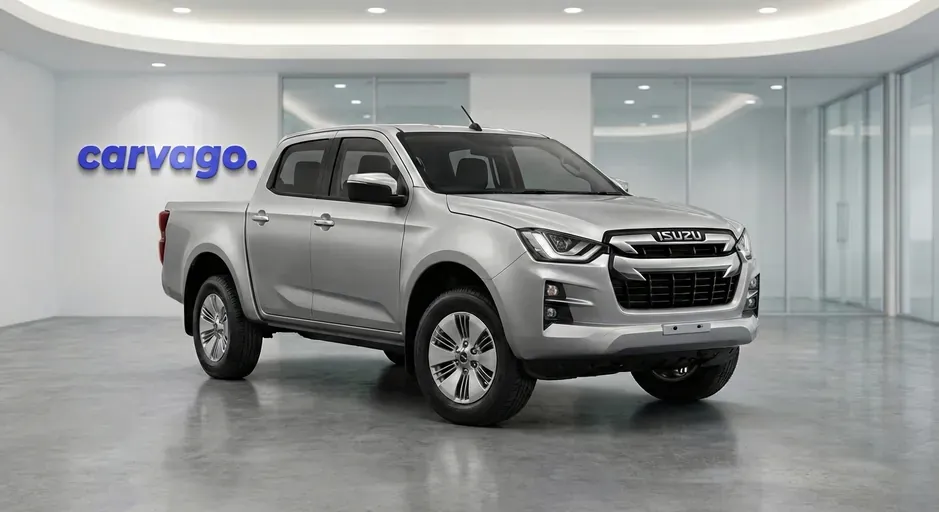
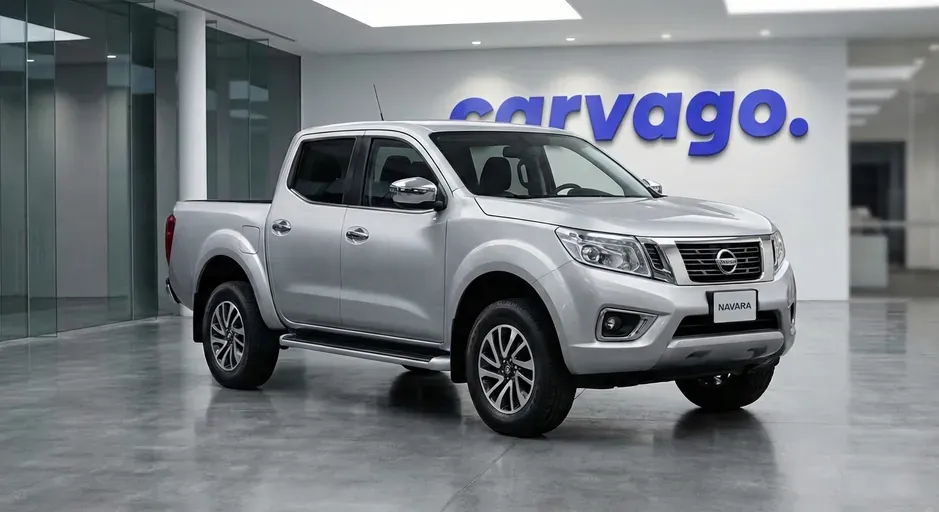
The Isuzu D-Max is a pickup truck that builds on its reputation as an indestructible and reliable workhorse for the toughest conditions. It faces the Nissan Navara, known in some markets as the Frontier or NP300, which tries to combine work capabilities with the comfort and technology of passenger cars. Let's see how these two Japanese rivals fare in a head-to-head comparison and which one will better suit your needs.
When comparing pickup trucks like the Isuzu D-Max and the Nissan Navara, every millimetre counts. These vehicles are not just for show, but primarily for hard work and adventure, where exterior dimensions directly affect their capabilities off-road, in the city, and when carrying cargo. Although both models fall into the same category, there are differences between them that can be key for a potential owner.
A fundamental difference is in length and wheelbase. The Nissan Navara in the Double Cab version is slightly longer than the D-Max, which can result in slightly more space in the bed. Its wheelbase is also longer, which usually brings better stability and comfort on the motorway. Conversely, the Isuzu D-Max, with its slightly shorter wheelbase, can offer slightly better agility and manoeuvrability in tight spaces or on winding roads, which you'll appreciate both when parking in the city and in challenging terrain.
In terms of width and height, the vehicles are very similar. The Isuzu is two centimetres wider, which can contribute to a feeling of greater stability and robustness. The Nissan, on the other hand, is slightly taller, giving the driver a more commanding position behind the wheel and a better view of the surroundings. These minor differences shape the overall character of both vehicles – the Navara feels like a road cruiser, while the D-Max emphasizes its robustness and agility.
| Parameter | Isuzu D-Max (RG, from 2019) | Nissan Navara (D231, from 2016) |
|---|---|---|
| Length (mm) | 5265 | 5225–5330 |
| Width (mm) | 1870 | 1850 |
| Height (mm) | 1790 | 1780–1805 |
| Wheelbase (mm) | 3125 | 3150 |
When choosing a pickup truck, practicality and the size of the cargo area are paramount. In this regard, the Isuzu D-Max and the Nissan Navara, both from generations sold around 2021, are very capable rivals. This isn't about a classic "boot" measured in litres, but about the dimensions of the load bed, which must accommodate everything from work tools to weekend adventure gear. Although at first glance their beds may seem almost identical, small differences can play a decisive role for some buyers.
Both models offer two main cab variants that directly affect the length of the load bed: the more spacious Double Cab (five-seater) and the extended King Cab (Nissan) or Space Cab (Isuzu) with less space for rear passengers but a longer bed. In the more popular Double Cab versions, the Nissan Navara has a slight edge, with its bed being about a centimetre longer. Conversely, in the more work-oriented extended cab variants, the Isuzu D-Max offers a load bed that is almost two centimetres longer. The width of the bed is almost identical on both models.
The differences are therefore minimal and almost imperceptible in practice. Both pickups can easily handle a Euro pallet, and their payload capacity is typically around one tonne, which is more than sufficient for most tasks. The choice between them, in terms of pure transport dimensions, thus depends on the preference for a specific cab configuration and personal preference, as in practical use, both vehicles are extremely similar.
| Parameter | Isuzu D-Max (Double Cab) | Nissan Navara (Double Cab) | Isuzu D-Max (Space Cab) | Nissan Navara (King Cab) |
|---|---|---|---|---|
| Load bed length (mm) | ~ 1571 | ~ 1585 | ~ 1805 | ~ 1788 |
| Load bed width (mm) | ~ 1530 | ~ 1560 | ~ 1530 | ~ 1560 |
| Width between wheel arches (mm) | ~ 1120 | ~ 1130 | ~ 1120 | ~ 1130 |
For many pickup truck buyers, towing capacity is one of the most important parameters. In this discipline, the Isuzu D-Max and Nissan Navara prove to be exceptionally capable workhorses that can handle even the toughest tasks. Both models, in their relevant generations for the used car market, offer top-tier figures that will satisfy both professionals and adventurers.
The Nissan Navara D231 generation (produced from around 2016) boasts an impressive maximum braked towing capacity of up to 3500 kg. This figure applies across most versions with the 2.3 dCi engine, whether it's the King Cab or Double Cab variant. This makes the Navara a reliable partner for towing large caravans, boats, or heavy construction equipment.
The third-generation Isuzu D-Max (on the market since 2020) keeps pace with the competition, offering an identical maximum towing capacity of 3500 kg for a braked trailer. This makes it an equal competitor and confirms its reputation as an indestructible workhorse. For both models, the standard unbraked trailer weight is 750 kg, a common figure in this vehicle class. The choice between these two vehicles in terms of towing power, therefore, does not lie in the numbers but rather in personal preferences, as both models offer the absolute maximum in the segment.
| Model and Engine | Braked trailer weight (kg) | Unbraked trailer weight (kg) |
|---|---|---|
| Isuzu D-Max (from 2020) | 3500 | 750 |
| Nissan Navara D231 (2.3 dCi) | 3500 | 750 |
When choosing an engine for these two pickups, the decision comes down to two different philosophies. The Isuzu D-Max relies on a single, proven, smaller-displacement unit that emphasizes simplicity and reliability. In contrast, the Nissan Navara, in the compared D231 generation (produced until 2022), offered a wider selection with two power variants of the same engine. For the buyer, this means a choice between Isuzu's straightforward and time-tested technology and a more powerful, technically advanced, but also more complex alternative from Nissan.
The Isuzu D-Max, in the generation sold around 2020 and newer, relies exclusively on a single diesel engine. It is a 1.9-litre four-cylinder designed for maximum durability and low running costs. Although its on-paper figures may not be as dazzling as the more powerful versions from the competition, in practice, its 120 kW is perfectly sufficient for both work and everyday driving. Its strength lies in its simplicity and its reputation as a reliable workhorse that does not require excessive maintenance.
| Engine Type | Fuel | Power (kW) | Torque (Nm) | Transmission |
|---|---|---|---|---|
| 1.9 D-di | Diesel | 120 | 360 | 6-speed manual / 6-speed automatic |
The Nissan Navara in its last European generation, the D231 (production for Europe ended in 2022), was powered exclusively by a 2.3 dCi diesel engine, which was available in two variants. The less powerful version with a single turbocharger was a direct competitor to the D-Max but offered slightly more torque. The real advantage of the Nissan was the more powerful version with two turbochargers (twin-turbo), which delivered 140 kW and, most importantly, a massive 450 Nm of torque. This made the Navara an ideal partner for towing heavy trailers and for drivers demanding superior dynamics.
It is important to mention that the Nissan Navara is no longer sold new in Europe and is therefore only available on the used car market.
| Engine Type | Fuel | Power (kW) | Torque (Nm) | Transmission |
|---|---|---|---|---|
| 2.3 dCi (Single-Turbo) | Diesel | 120 | 425 | 6-speed manual |
| 2.3 dCi (Twin-Turbo) | Diesel | 140 | 450 | 6-speed manual / 7-speed automatic |
The choice of engine clearly defines who each vehicle is more suitable for.
Choosing the right engine is key to long-term satisfaction with a pickup truck. It's not just about performance in absolute numbers, but also about reliability, real-world fuel consumption, and overall running costs. In the case of the Isuzu D-Max and Nissan Navara, it's a battle of two different philosophies. While Isuzu, as a renowned manufacturer of diesel engines, opted for a smaller but tough and economical unit, Nissan offered a larger engine with two turbos, promising superior power and the comfort of an SUV.
Although a 1.9-litre displacement might seem insufficient for a large pickup, the RZ4E-TC engine from Isuzu is a surprisingly capable and reliable choice. With 120 kW (164 hp) and 360 Nm of torque, it rivals even larger-displacement competitors and is an ideal choice for those primarily looking for a workhorse with low running costs.
The 2.3 dCi engine in its more powerful twin-turbo variant is the heart that moves the Navara closer to the SUV segment without losing its work capabilities. With 140 kW (190 hp) and 450 Nm of torque, it offers superior dynamics and comfort on long journeys.
The on-paper consumption figures provided by manufacturers are one thing, but real-world operation and owner experiences are another. For work pickups like the D-Max and Navara, this is doubly true – their consumption changes significantly depending on the load, driving style, and terrain. To get the most accurate picture, we looked at data from the German portal Spritmonitor.de, where real users keep detailed records of their refuelling.
For comparison, we chose generations relevant to the market for used cars around four years old: the third-generation Isuzu D-Max (from 2020) with the 1.9 D engine and the Nissan Navara D231 generation (2016–2022) with the 2.3 dCi engine.
| Model and Engine | Average Real-World Consumption (l/100 km) |
|---|---|
| Isuzu D-Max 1.9 D (120 kW) | 8.5 |
| Nissan Navara 2.3 dCi (120 kW) | 9.1 |
| Nissan Navara 2.3 dCi (140 kW) | 9.5 |
The data clearly shows that the Isuzu D-Max is slightly more fuel-efficient in real-world operation. Its smaller 1.9-litre engine consumes, on average, about half a litre less diesel than the weaker version of the 2.3-litre unit in the Navara. The difference compared to the more powerful, twin-turbocharged variant in the Nissan is then close to one litre per 100 km.
For a driver who travels mostly without a load or over longer distances, the lower consumption of the D-Max can be an interesting factor. In contrast, with the Navara, it is clear that the more powerful 140 kW version demands noticeably more fuel for its higher performance, which is particularly evident with frequent use of its dynamics or when driving in the city. For both vehicles, however, it must be taken into account that as soon as you put a heavy load in the bed or attach a trailer, consumption will easily exceed 10 to 12 litres per 100 km.
Although the Isuzu D-Max is the slight winner in this discipline, the difference is not dramatic. For a buyer who drives tens of thousands of kilometres a year, it could be a noticeable saving, but for most users, fuel consumption will probably not be the main deciding factor when choosing between these two robust and capable pickups.
A look at the used car market reveals a clear price difference between these two Japanese pickups. Although both models are sought after for their reliability and utility value, one of them holds its value slightly better.
The Nissan Navara, especially after the D23 generation facelift, generally represents a more affordable choice. For models around four years old (from 2021-2022), prices on the Czech market most often range from €25,000 to €37,000.
The third-generation Isuzu D-Max holds its value on the used market much more tenaciously. The prices of comparably aged vehicles (from 2021-2022) are higher on average and usually range from €29,000 to €39,000.
For both models, the final price strongly depends on the specific specification. The deciding factors are the cabin type (Double Cab is usually more expensive), trim level, mileage, and above all, the overall condition of the vehicle. Vehicles that have demonstrably not been driven in difficult terrain and have a clear service history will logically be more expensive.
When comparing safety, it is easy to be guided by the Euro NCAP stars at first glance, but the context and the year in which the tests were conducted are key. The protocols are constantly becoming stricter, and therefore it is not possible to directly compare the percentage results of cars tested several years apart.
The Isuzu D-Max boasts a full five-star rating from 2020. This is crucial as it was achieved under significantly stricter testing protocols that place greater emphasis on modern driver-assistance systems (ADAS), protection in far-side impacts, and the protection of vulnerable road users. The D-Max achieved impressive and balanced results across all key categories, testifying to its modern design and comprehensive safety package. Standard equipment includes an autonomous emergency braking system, lane-keeping assist, and a center airbag between the front seats, which enhances protection in side impacts.
The Nissan Navara, tested in 2015 as the NP300 Navara, received four stars. However, it is absolutely crucial to emphasize that this result comes from tests conducted under much older and more lenient standards. The 2015 methodology did not place as much emphasis on advanced assistance systems and did not evaluate certain collision scenarios that are now a standard part of testing. Its results at the time were solid for adult and child occupant protection, but its score for assistance systems is low by today's standards. Although the result was respectable for its time, this rating no longer fully reflects current safety demands.
A direct comparison of the results clearly shows a generational difference in the approach to safety. The Isuzu D-Max underwent the more demanding and modern Euro NCAP tests in 2020 and earned a full five stars, which is particularly reflected in its excellent rating for assistance systems (83%). In contrast, the Nissan Navara's four stars from 2015, while a good result at the time, no longer meet current standards, a fact confirmed by its significantly lower score for safety assistants (68%). For a buyer who prioritizes the latest safety technologies and proven protection according to current standards, the Isuzu D-Max is unequivocally the more modern and safer choice.
| Parameter | Isuzu D-Max | Nissan Navara |
|---|---|---|
| Year of testing | 2020 | 2015 |
| Adult Occupant Protection | 86 % | 79 % |
| Child Occupant Protection | 86 % | 78 % |
| Vulnerable Road User Protection | 69 % | 78 % |
| Safety Assist Systems | 83 % | 68 % |
In addition to standard equipment, each model offers several unique features that can be decisive for a customer. While Isuzu bets on a massive technological and safety offensive, Nissan focuses on driving comfort and practical details.
The third-generation D-Max (from 2020) made a huge leap forward, especially in the area of assistance systems and smart technologies, which were groundbreaking in the pickup segment.
The Nissan Navara (D23 generation, especially after the 2021 facelift) distinguishes itself primarily with its chassis, which aims to bring its driving characteristics closer to those of passenger SUVs without losing its workhorse character.
Advantages:
Disadvantages:
Advantages:
Disadvantages:
Based on our own CarAudit inspections, breakdown statistics, and service data, we have compiled an overview of the most common problems that used car buyers should watch out for. Although both pickups are considered robust workhorses, neither is completely flawless.
The Isuzu D-Max has built a reputation as a reliable and durable vehicle, but even this generation has specific problems that are good to be aware of. These are mostly not fatal flaws, but rather annoyances that may require service intervention.
Summary for Isuzu D-Max: The problems mostly relate to specific usage conditions (heavy loads, short trips), and some have been addressed through recalls. The basic mechanics are considered very reliable.
The Nissan Navara underwent a modernization in 2020 that improved some aspects of the vehicle, but some older problems persisted and a few new ones appeared. Compared to the D-Max, we more often encounter issues with electronics and comfort features, which can be a source of trouble.
Summary for Nissan Navara: The Navara offers greater comfort, which also brings the risk of more complex and expensive repairs, especially concerning the automatic transmission and the twin-turbo engine. A meticulous service history and preventive maintenance are even more important here than with the simpler Isuzu.
When buying a used car, a thorough inspection is key, and these robust pickups are no exception. Here are a few specific points to focus on with these two models to avoid potential problems.
The third-generation Isuzu D-Max (from 2020) is known for its durability, yet it's worth checking a few key areas. Most of them are related to how the vehicle was used.
The Nissan Navara (D23/NP300 generation, especially post-facelift) introduced a more comfortable multi-link rear suspension, but it still requires a careful inspection of several known weaknesses.
Isuzu D-Max is generally seen as a synonym for reliability, mainly thanks to its robust, large-displacement engine and simpler construction. The Nissan Navara, especially the older D40 generation (2004-2015), has a reputation for a problematic frame prone to corrosion and cracking. This issue was resolved in the newer D23 generation (from 2015), but the D-Max still maintains its image as a more durable and reliable workhorse.
The Nissan Navara offers noticeably greater ride comfort on regular roads, mainly due to its multi-link rear suspension with coil springs (on Double Cab versions). This setup is more similar to passenger cars and filters out bumps better. The Isuzu D-Max, on the other hand, relies on traditional leaf springs, which are ideal for heavy loads, but the ride is harsher and less comfortable when unladen.
Both vehicles are capable off-road, but the Isuzu D-Max has a slight edge thanks to its higher ground clearance (up to 240 mm compared to approx. 220 mm for the Navara) and greater wading depth (up to 800 mm compared to 600 mm). Both models offer a 4x4 drivetrain with a low-range transfer case and a locking rear differential. The D-Max is therefore slightly better prepared for demanding off-road conditions.
The Isuzu D-Max relies on a 1.9-litre engine, while the newer Navara uses a smaller 2.3-litre engine, often with twin turbochargers. Despite the difference in displacement, both engines have comparable outputs of around 140 kW and 450 Nm. In real-world driving, the Nissan Navara has slightly lower fuel consumption, averaging around 8 l/100 km, while the D-Max uses about half a litre more.
Both pickups are at the top of their class in towing capacity, and both can handle a braked trailer of up to 3.5 tonnes. However, the Isuzu D-Max has a slight edge in payload capacity, often offering a payload exceeding 1 tonne, while the Navara's figure is just below that. This makes the D-Max a slightly better choice for regularly transporting very heavy loads in the bed.
Sources: ADAC, denik.cz, auto.cz, chytreauto.cz, autotechnik.cz, autohit.cz
This article was prepared using artificial intelligence tools. The section guarantor is Petr Dušek.
Hyundai Tucson vs Peugeot 3008: A detailed comparison of design, engines, and features. Find out which SUV is the better choice for you in our big test.
Apr 13, 2026
Hyundai Tucson vs. Kia Sportage: A detailed comparison of design, engines, and practicality to help you choose. Read our final verdict.
Oct 16, 2026
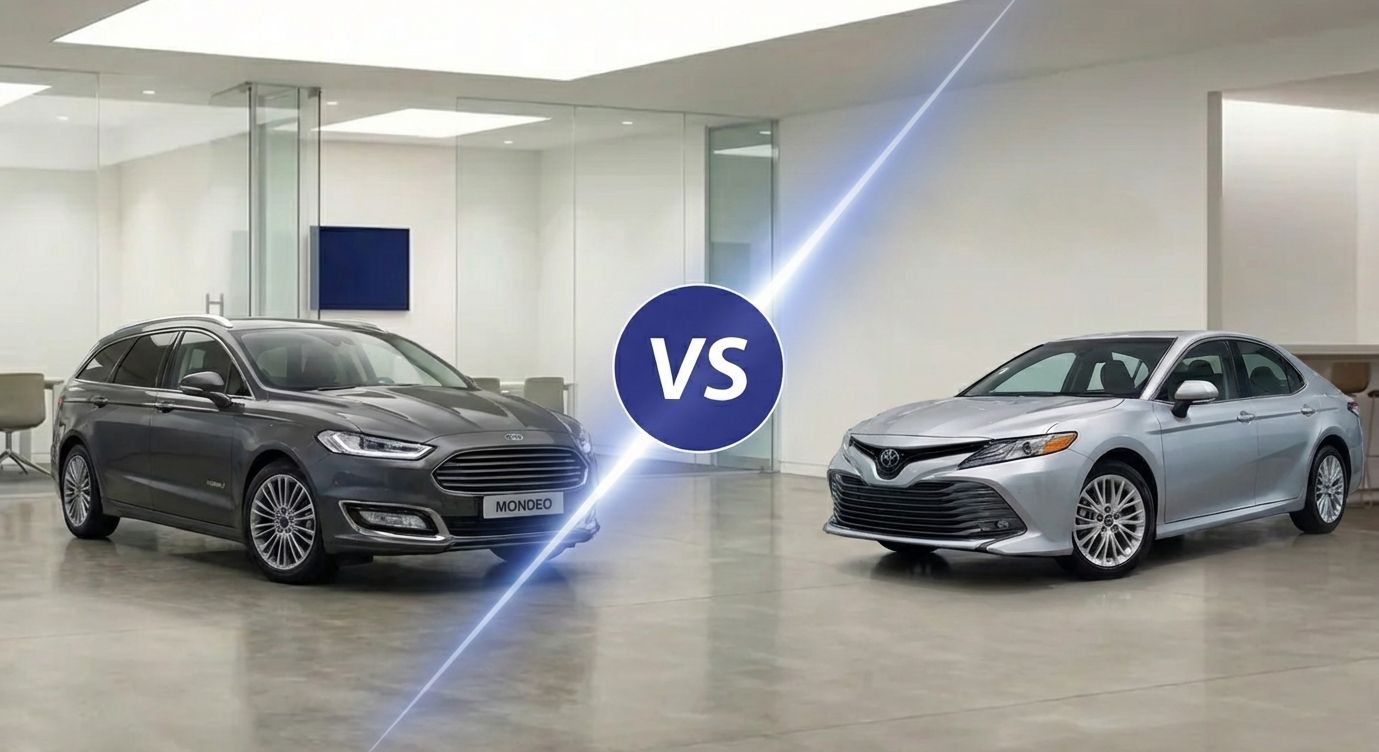
Ford Mondeo vs. Toyota Camry: Detailed comparison, tests, data, and verdict. Find out which sedan is the best choice for you on the used car market.
Apr 13, 2026