Choosing the right electric motor and battery capacity is key to long-term satisfaction, as it directly affects real-world range, dynamics, and time spent at charging stations. When comparing roughly four-year-old used cars from 2021 and 2022, we encounter a fundamental generational and technological difference. While the Volkswagen ID.4 relies on the proven and somewhat more conservative 400V MEB platform, which is optimized for smooth and efficient daily operation, the Hyundai IONIQ 5 entered the market as a visionary pioneer. Its revolutionary 800V architecture allows it to achieve performance on ultra-fast chargers that its German competitors from those years simply cannot match. Our recommendations below are based on a detailed evaluation of performance, daily usability, and mechanical reliability observed in practice.
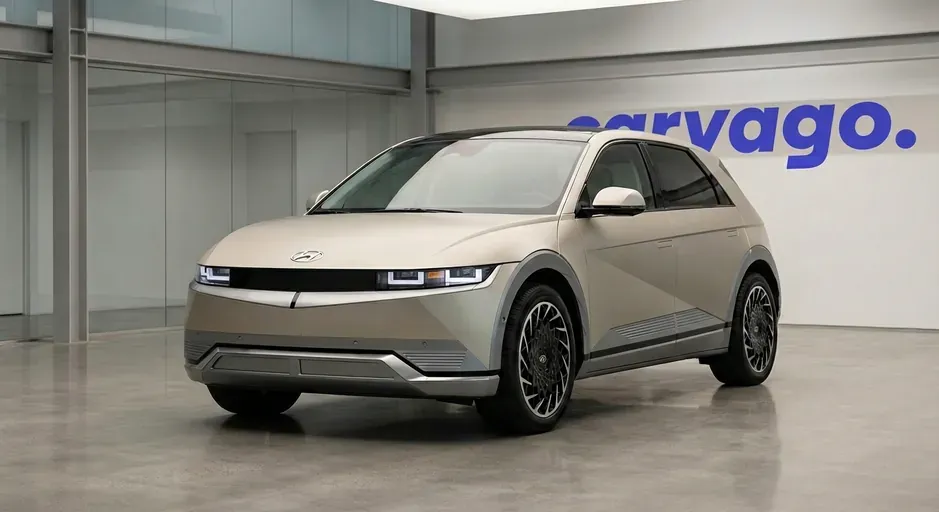
For the Hyundai IONIQ 5, we recommend: 72.6 kWh 2WD, 160 kW
For vehicles from the start of production, the rear-wheel-drive version with 160 kW (217 hp) is the clear "sweet spot" of the range. According to available data, the variant with this 72.6 kWh battery was produced for a relatively short time, only between 2021 and 2022, before the manufacturer replaced it with a slightly larger battery. This makes it a very attractive and time-limited opportunity on the used car market today, which you should definitely not overlook in advertisements. This specification provides perfectly smooth, brisk acceleration and, thanks to the absence of a heavy front electric motor, benefits from lower energy consumption and a larger front trunk (frunk), which is excellent for storing charging cables. The biggest trump card for long-distance travelers remains, of course, the ability to charge from 10 to 80% in a dazzling 18 minutes. However, when buying a used first-generation model, it is necessary to thoroughly check the service history, specifically the timely replacement of the so-called low-conductivity coolant for the battery. This special fluid insulates the battery system and prevents the risk of short circuits but is subject to degradation. Its periodic replacement, usually prescribed around 60,000 km, is one of the more expensive maintenance tasks. Neglecting it can gradually lead to battery management error messages or even limited charging performance; so be vigilant and always ask the seller for invoices confirming that maintenance of this critical point was performed on time.
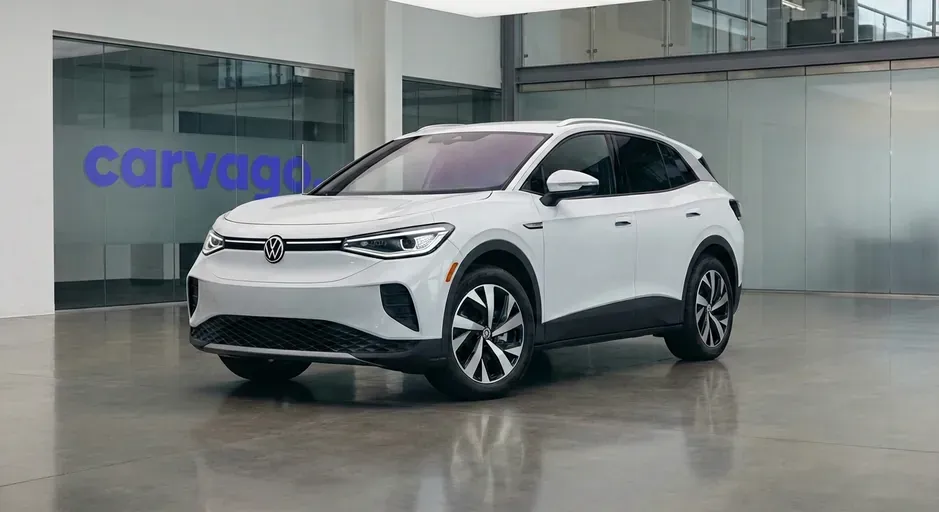
For the Volkswagen ID.4, we recommend: Pro Performance (77 kWh) 2WD, 150 kW
The most sensible and versatile choice for a used family ID.4 is clearly the Pro Performance powertrain with the larger 77 kWh battery and a 150 kW (204 hp) rear electric motor. This version, dating from the first years of production and dominating the market as 2021 to 2023 models, represents the ideal entry into the world of travel without constant worry about the remaining range percentage. The weaker 52 kWh versions often lack highway versatility for such a massive and heavy SUV, so it's better to avoid them when buying. Conversely, the 150 kW output harmonizes perfectly with the car's comfortable, quiet tuning and easily handles safe overtaking even when the car is fully loaded. However, the main risk of buying a used ID.4 from the early production stages lies not in the electric drive, but in the software. Early models suffered from slow, freezing infotainment systems with frequent connection drops; therefore, during a test drive, ask to see the system information menu and avoid units that do not have at least version 3.0 installed (which significantly stabilized the issues). Regarding mechanical pitfalls, focus on the rear drum brakes during the test drive. Due to the common heavy use of smooth motor recuperation, conventional brakes are used only minimally by most calm drivers, which can lead to noticeable surface corrosion of the drums on older vehicles. The easiest way to detect a potential problem is to try braking harder mechanically with the brake pedal on a safe and clear stretch of road from a higher speed – if you hear a significant, deep grinding or metallic hum from the rear axle, you will need to invest in cleaning or even a complete replacement of these components after purchase.