Articles

Car battle

Honda Accord vs. Škoda Superb: Complete comparison 2026

Detailed comparison of Honda Accord vs. Škoda Superb. Discover real-world experiences, equipment and driving characteristics comparisons, and read the verdict for the best choice.

April 21, 2026

VS
Honda Accord

Honda Accord

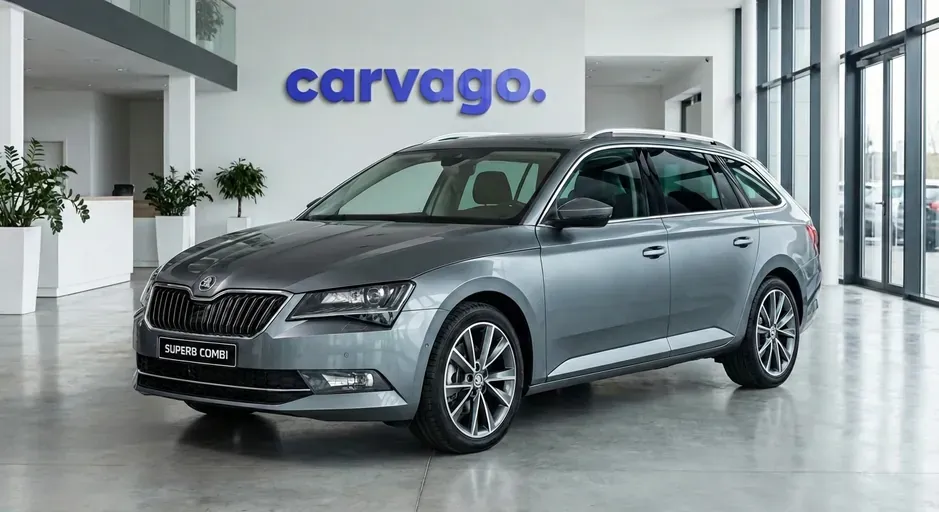
Škoda Superb

Škoda Superb

Introduction

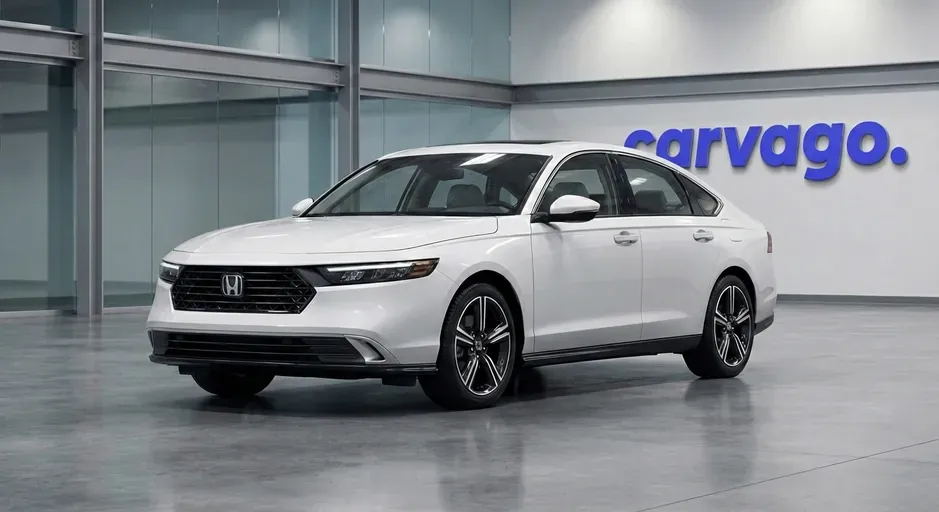
Honda Accord, also sold as the Honda Inspire in selected markets, is a globally recognized mid-size sedan that scores points primarily for its legendary reliability, efficient engines, and dynamically tuned driving characteristics. On the other side of the fence stands the Škoda Superb, the flagship of the Mladá Boleslav-based automaker, which has long won the hearts of drivers thanks to its unrivaled interior space, legendary practicality, and excellent value for money. In this detailed comparison, let's take a look at which of these two exceptionally popular executive and family cars represents the better choice for your next purchase.

Comparison of External Dimensions

When comparing the exterior dimensions of both vehicles, we encounter completely different approaches to design and the perception of the mid-size class. Given the used car market, where we target vehicles approximately four years old, we will compare the extremely popular 3rd generation of the Škoda Superb (produced between 2015–2023). In contrast, the European history of the Honda Accord ended with its 8th generation (available until 2015), which represents the youngest available alternative in the data for this comparison. The Škoda Superb traditionally balances on the very upper edge of its segment and commands considerable respect on the road with its proportions. On the other hand, the Honda Accord bets on a more athletic, sportily-cut silhouette.

In terms of specific numbers, the Škoda Superb in the liftback version is up to 4 869 mm long, making it 144 mm longer than the Honda Accord Sedan (4 725 mm). Even more significant, however, is the look at the wheelbase, which primarily determines the cabin size. The Superb boasts a value of up to 2 841 mm, which is a full 136 mm more than what the Japanese competitor offers (2 705 mm). In practice, this means only one thing – while the Honda is rather cozy in the rear seats and adult passengers may feel spatial limits here, the Superb offers literally royal legroom in the back, which often seeks competition in vain even among cars a class higher.

The wider body of the Škoda Superb (1 864 mm compared to 1 840 mm for the Accord) adds valuable shoulder comfort when traveling fully occupied. The price for these majestic dimensions, however, is more demanding maneuverability. In cramped underground garages or narrow city center streets, the slightly more compact Honda Accord will feel more confident and agile. Furthermore, the Honda benefits from a significantly lower body construction (sedan height is 1 440 mm vs. up to 1 476 mm for the Superb). The result is a lower center of gravity and a subjectively sportier seating position behind the wheel.

The decision in this category is thus clearly defined. If you are looking for uncompromising spaciousness, a representative appearance, and excellent highway cruiser capabilities, the Škoda Superb is the clear winner. But if you spend more time in corners, enjoy driving, and prefer agility over rear passenger knee room, the more compact and lower body of the Honda Accord will be a more attractive choice for you.
ParameterHonda Accord SedanŠkoda Superb LiftbackHonda Accord Tourer (Estate)Škoda Superb Combi
Width (mm)1840186418401864
Length (mm)47254861 - 486947504856 - 4863
Height (mm)14401468 - 147614701453 - 1496
Wheelbase (mm)27052839 - 284127052841

Trunk Volume

When choosing a used mid-size car, trunk volume is often one of the most important decision-making factors, especially if you are looking for a family car where maximum everyday usability plays a key role. In this regard, the Honda Accord and Škoda Superb take completely different paths. While the third-generation Škoda Superb (produced between 2015–2023, which ideally corresponds to the target market of approximately four-year-old used cars) is considered the unbeatable king of practicality with literally cavernous space, for the Honda Accord model, we must evaluate the last available eighth generation (until 2015) due to its earlier withdrawal from the European market. The Japanese representative clearly prioritizes a sporty silhouette and elegance over absolute transport maximalism.

The differences in numbers are truly vast. The third-generation Škoda Superb in the liftback body style offers a massive 625 liters in the basic configuration, which grows to 1760 liters after folding the seats. The even more desirable estate version (Combi) raises the bar to an incredible 660 liters and, with the seats folded, creates a loading area with a total volume of 1950 liters, approaching a small van in terms of interior space. However, watch out for one technical exception: if you come across the popular plug-in hybrid Superb iV version at a dealership, expect reduced space due to the placement of the traction batteries (485 liters for the liftback and 510 liters for the estate).

Conversely, the Honda Accord clearly shows that dynamic exterior design was the priority. The sedan body style offers a decent but rather average 467 liters. A slightly paradoxical situation occurs with the visually very attractive family version, the Tourer (estate), which surprisingly offers only 406 liters in the base configuration due to its sharply sloping rear. However, after folding the rear backrests, the Tourer creates a practical flat floor and a maximum transport volume of 1252 liters. In practice, these values mean that while the Honda's trunk is perfectly sufficient for weekend shopping and a typical family's longer vacation, the Superb offers uncompromising space for several extra suitcases and easily swallows even a large unfolded stroller.

So, who is each trunk intended for? If your absolute priority is hauling capacity and maximizing space for the family, the Škoda Superb represents a safe bet on the used car market. However, if standard transport volume is enough for you, you often drive as a pair, and you prefer a sportier body style, even the smaller trunk of the Honda Accord should not discourage you from buying it.

ParameterHonda Accord SedanŠkoda Superb LiftbackHonda Accord Tourer (Estate)Škoda Superb Combi
Basic volume (liters)467625406660
Max. volume with seats folded (liters)N/A176012521950

Head to Head: Trunk Volume 📦

If a giant and maximally practical trunk is your priority, the Škoda Superb is the clear winner, while the Honda Accord will appeal more to those for whom average volume is enough in exchange for a more attractive and sportier body design.

Discover the true condition of the car thanks to an independent inspection

Order CarAudit™

Trailer Weights

Towing capacity is a key parameter for drivers who plan to use their vehicle to its full potential – whether for towing a caravan, transporting heavier construction materials, or installing a robust bike rack on the tow bar. When looking at the market for roughly four-year-old used cars, we encounter a fundamental generational gap between these two models. While the Škoda Superb is available in its modern 3rd generation (produced until 2023), the Honda Accord withdrew from the European market back in 2015 with its 8th generation. This gap is logically reflected in the trailer weights as well. The standard towing capacity of the Honda Accord with a 2.0-litre petrol engine is 1500 kg, while the maximum braked trailer weight for the most powerful diesel version, the 2.2 i-DTEC, reaches 1700 kg. In contrast, the 3rd generation Škoda Superb starts with a weight of 1600 kg for the base petrol engines, but its absolute maximum reaches an impressive 2200 kg for the more powerful 2.0 TDI diesel versions and high-performance 2.0 TSI models.

An interesting exception to consider when choosing is the plug-in hybrid iV version of the Superb. Due to the installation of heavy batteries and a different weight distribution of the vehicle, its maximum braked trailer capacity drops to 1600 kg. The unbraked trailer weight for both vehicles remains mostly around the legislative maximum of 750 kg, although in older Accord versions, it can drop to the 500 kg mark for some variants. In practice, these figures mean a vast difference: the Honda's limits are fully sufficient for weekend shopping, transporting materials from a DIY store, or a small trailer, while the Škoda Superb opens up space for much more demanding use and longer holidays with a truly large family caravan. For a buyer looking for a reliable towing car for heavy loads, the overall verdict is clear – the technically more modern and dimensionally larger Superb wins by a wide margin.

Model and engineBraked trailer weight (kg)Unbraked trailer weight (kg)
Honda Accord 8th generation 2.0 (115 kW)1500500 - 750
Honda Accord 8th generation 2.4 (148 kW)1600500 - 750
Honda Accord 8th generation 2.2 i-DTEC (110 - 132 kW)1700500 - 750
Škoda Superb 3rd generation 1.5 TSI (110 kW)1600 - 1800750
Škoda Superb 3rd generation 1.4 TSI iV (115 kW)1600750
Škoda Superb 3rd generation 2.0 TDI (110 - 147 kW)2000 - 2200750

Overview of Most Common Motorizations

When choosing a used mid-size car, the range of engine options plays a crucial role, as it defines the vehicle's reliability, dynamics, and overall fuel efficiency. In this comparison, it is necessary to emphasize one key fact right at the beginning based on the available production years: the Honda Accord ceased sales on the European market with its 8th generation (production ended in 2015). Therefore, it is not found at all on the market for typical roughly four-year-old used cars, and potential buyers must settle for older models. In contrast, the 3rd generation Škoda Superb (2015–2023) is an ideal representative of the modern market and offers significantly broader and more sophisticated options. While the older Accord relies on the honest Japanese school of naturally aspirated petrol engines (2.0 i-VTEC and 2.4 i-VTEC) without complex technologies, the Superb brings a diverse range of advanced turbocharged TSI and TDI engines. The bestseller from Mladá Boleslav surpasses the Accord not only with its range of powerful models, such as the 2.0 TSI with 206 kW (compared to 148 kW for the top-of-the-line Accord), but also with modern efficiency. It includes technologies such as the innovative cylinder deactivation system (ACT), a modern iV plug-in hybrid, or 4x4 all-wheel drive, which is completely missing from the Honda on the old continent.

Honda Accord (8th generation, until 2015)

The eighth-generation Japanese Honda Accord represents the last available choice for European buyers. Although four-year-old cars no longer exist in its range on our market, decade-old examples still enjoy popularity for their legendary mechanical durability. Its engine range was narrow but exceptionally reliable. The petrol units consisted exclusively of naturally aspirated four-cylinders: the refined 2.0 i-VTEC (115 kW) and the more powerful 2.4 i-VTEC (148 kW). Due to the absence of a turbocharger, these engines require higher revs for sharper acceleration and have slightly higher fuel consumption; on the other hand, they reward you with near-indestructibility. For those who spent their lives on motorways, Honda offered an excellent all-aluminum 2.2 i-DTEC diesel four-cylinder in two power versions (110 kW and 132 kW). This engine excelled in smooth pull and refinement. Power delivery was handled by surgically precise six-speed manual transmissions, with the alternative being rather more deliberate classic five-speed automatics with a torque converter.

Engine TypeFuelPower (kW)Torque (Nm)Transmission
2.0 i-VTECPetrol1151926MT / 5AT
2.4 i-VTECPetrol1482346MT / 5AT
2.2 i-DTECDiesel1103506MT / 5AT
2.2 i-DTEC 180Diesel1323806MT

Škoda Superb (3rd generation, 2015–2023)

The third-generation Škoda Superb ideally covers the demand for modern used cars and features an uncompromising range of advanced power units for all driving styles. The golden mean for petrol engines is the efficient and agile 1.5 TSI (110 kW), which in more modern versions uses the cylinder deactivation system (ACT) for significant fuel savings during steady driving. You would find it difficult to find the weaker 1.4 TSI engine and the earlier economical 1.6 TDI (88 kW) diesel on the market for the youngest four-year-old used cars – production data shows that their use was gradually phased out around 2020 and they no longer appear in the most relevant model years. Given this, the standard petrol alternative for younger used cars is the powerful 2.0 TSI four-cylinder, which offers breathtaking dynamics across a wide power range (140 kW up to a motorway-munching 206 kW). Technological maturity is demonstrated by the 1.4 TSI iV plug-in hybrid (160 kW), which offers locally emission-free city driving. An absolute mainstay across generations is the 2.0 TDI diesel powerhouse (110–147 kW), which dominates sales and represents the perfect choice for high-mileage drivers with a range well over 1000 km. Furthermore, compared to the older torque-converter automatics in the Honda, the Škoda Superb deploys lightning-fast DSG dual-clutch gearboxes and a wide availability of the highly sought-after all-wheel drive.

Engine TypeFuelPower (kW)Torque (Nm)Transmission
1.5 TSI (ACT)Petrol1102506MT / 7DSG
2.0 TSIPetrol140 – 206320 – 4007DSG
1.4 TSI iVPlug-in Hybrid1604006DSG
1.6 TDIDiesel882506MT / 7DSG
2.0 TDIDiesel110 – 147340 – 4006MT / 7DSG

In conclusion, these two automotive philosophies can be easily distinguished. If you are a conservative driver focused on a purist experience and don't mind a significantly older car with higher operating costs, the honest and "immortal" naturally aspirated engine in the Honda Accord 2.4 i-VTEC is the perfect machine for peace of mind regarding maintenance. However, if you are looking for a representative and efficient four-year-old used car for longer distances with an emphasis on modern technology, economical pull at lower revs, 4x4 drive, or lightning-fast automatic shifting, the 2.0 TDI and the advanced turbocharged units of the Škoda Superb offer a more rational and modern choice for daily dynamic travel in every respect.

Naturally Aspirated Classic vs. Turbo Era ⚡

While the Honda Accord lives on the used car market through its excellent reputation for indestructible naturally aspirated engines of an older production date, the four-year-old Škoda Superb clearly dominates with a huge selection of economical diesels, plug-in hybrids, and extremely powerful turbocharged variants with fast DSG automatics.

Choosing the right engine is a critical step for long-term satisfaction, mechanical reliability, and maintaining reasonable operating costs. While with a roughly four-year-old used Škoda Superb (in its third, facelifted generation) you can choose from highly efficient units equipped with the most advanced emission systems, with the Honda Accord, you will encounter a major limitation on the European market. Available data clearly shows that the Honda Accord completely ended its journey in Europe with the eighth generation in 2015 and thus does not figure at all in the range of roughly four-year-old used cars. If you are still comparing these two cars in a used car dealership, you are pitting at least ten-year-old Japanese reliability against modern group efficiency, where, however, it is necessary to watch out for more expensive, delicate components.

Compared modelRecommended engineAvailability for age ~4 yearsFocus and strengths
Honda Accord2.0 i-VTEC (115 kW)❌ EU production ended in 2015Naturally aspirated simplicity, durability
Škoda Superb2.0 TDI SCR (110 kW)✅ 3rd generation (facelift)Massive torque, highway fuel consumption

For Honda Accord we recommend: 2.0 i-VTEC, 115 kW

Given the fact that the youngest available cars on the European market come from the years 2011–2015 (8th generation), the naturally aspirated four-cylinder 2.0 i-VTEC is by far the safest choice. This engine is famous for its practically indestructible mechanics. It is the best choice in the range because, unlike older diesel engines, it completely lacks expensive components to service – it contains no complex turbos, dual-mass flywheels, or delicate particulate filters. Technically, it benefits from an excellent variable valve timing system, thanks to which it offers a linear power delivery, a willingness to rev, and a perfectly smooth pull with a real combined consumption of around 7.5 to 8 l/100 km. The only known weakness in these used cars (which often have very high mileage today) is increased engine oil consumption. Therefore, physically check the oil dipstick before buying and watch the exhaust during the test drive – if blue smoke comes out during sharp acceleration after downshifting, the piston rings are already leaking oil, and you should avoid the car. Focus on units where the owner changed the oil ideally every 10,000–15,000 kilometers. The unit is a perfect choice for users looking for absolute service certainty, calm drivers, and people who combine shorter suburban routes that would quickly harm modern diesels.

For Škoda Superb we recommend: 2.0 TDI SCR, 110 kW

If you are looking for a roughly four-year-old used car (typically 2021/2022 models), the sophisticated 2.0 TDI SCR Evo generation diesel four-cylinder makes the most sense in the heavy Škoda Superb. It represents the absolute best compromise between purchase price, dynamics, and operating costs. Technically, it impresses with a robust torque of 360 Nm, which moves the large liftback or estate effortlessly even when fully loaded. Its dominant side is fuel consumption – the car can realistically handle highway trips even at values just under 5 liters per 100 km. Thanks to "Twin Dosing" technology (double AdBlue injection), it is also a very clean unit. The biggest service threat, as with any modern used car, remains diesel particulate filter (DPF) clogging, which occurs if the previous owner stressed the car on short trips with a cold engine for a long time. An initial warning before an expensive repair is checking the exhaust tip: stick your finger into the tailpipe – if there is a thick layer of black soot inside, the filter is leaking and its death is approaching. At the same time, have the car plugged into diagnostics before purchase to determine the filter's ash load values. This engine will make you a satisfied driver only if you are a highway mile-muncher, spend time on long business trips, or go on longer family outings. It is by no means suitable for daily school runs in the city.

Real Fuel Consumption

Official fuel consumption figures provided by manufacturers according to laboratory standards almost always differ in real-world driving. To get the most accurate idea of how much fuel these cars actually consume, we rely on data from real drivers on the community portal Spritmonitor.de. When comparing these two models, it is necessary to take into account the specifics of the used car market. While the popular 3rd generation (produced with minor updates until 2023) is the ideal four-year-old used car for the Škoda Superb, the Honda Accord officially stopped being sold in Europe after 2015. For a meaningful comparison, we must pit the more modern Superb against the youngest available 8th generation Accord, which, although older in design, still represents a direct and highly sought-after alternative in the used car market.

Model and engineAverage consumption (l/100 km)
Škoda Superb 2.0 TDI 110 kW5.7
Honda Accord 2.2 i-DTEC 110 kW6.3
Škoda Superb 1.5 TSI 110 kW6.8
Škoda Superb 2.0 TSI 140 kW7.6
Honda Accord 2.0 i-VTEC 115 kW8.2
Honda Accord 2.4 i-VTEC 148 kW9.0

A look at the numbers shows a clear generational and technological difference. Diesel engines (listed first in the table) are logically the most economical choice for both cars, but the newer 2.0 TDI unit in the Škoda Superb is slightly more efficient than the reliable but older Japanese 2.2 i-DTEC diesel, thanks to better emission systems and more effective aerodynamics. In the case of petrol engines, the technological gap is even more noticeable. The principle of downsizing and turbocharging helps the 1.5 TSI engine in the Superb keep average consumption below 7 litres. Conversely, while the larger naturally aspirated petrol engines in the Honda lose out to modern turbo engines in terms of fuel economy, requiring 8 to 9 litres, they compensate with linear power delivery and legendary mechanical indestructibility.

Clear recommendations follow from this data for typical users. If you are a driver who spends a lot of time on the motorway or commutes dozens of kilometres to work daily, the diesel Superb 2.0 TDI will ensure minimal operating costs and excellent range on a single tank. The petrol 1.5 TSI is then an ideal all-rounder for family travel with a higher share of city traffic, where a diesel wouldn't have time to warm up optimally. On the other hand, a Honda Accord with an i-VTEC petrol engine makes sense for people with lower annual mileage who fear expensive repairs of complex modern systems and are willing to pay for trouble-free operation by spending an extra litre or two of fuel at the filling station for every 100 km.

In conclusion, fuel consumption will be a very strong factor when deciding between these two cars, especially if you have a higher annual mileage. The 3rd generation Škoda Superb clearly wins in overall efficiency thanks to more modern technologies and lower air resistance. However, the older Honda Accord more than makes up for this handicap in the used car market with a lower purchase price and extraordinary resistance to serious mechanical failures.

Price Range and Used Car Offerings

The Used Car Market Situation: Availability vs. Exclusivity

When looking at the market for roughly four-year-old used cars (2021–2022 models), we encounter two completely different worlds with these two models. While the third-generation Škoda Superb (facelift) is the absolute king in the Czech Republic, with hundreds to thousands of units available, the Honda Accord is a great rarity. The Japanese automaker officially ended sales of the Accord in Europe with the 8th generation. Therefore, if you are looking for a four-year-old Accord today, you will be choosing exclusively from individual imports of the 10th generation, most often coming from the USA or Canadian markets.

Škoda Superb III Facelift (2021–2022 models)

The Superb is a staple of Czech used car dealerships. These vehicles often come from terminated operating leases, which guarantees a huge selection with a clear service history.

  • Price range: The cheapest units, usually with higher highway mileage over 150,000 km, start at approximately €19,000.
  • The middle ground: For a nice and well-maintained car in the popular Style trim with a 2.0 TDI engine (110 kW or 147 kW), prepare an amount between €23,000 and €27,000.
  • Premium pieces: Models in the top-tier Laurin & Klement trim, with 4x4 drive, or with the powerful 2.0 TSI petrol engine (206 kW), easily exceed the €31,000 mark, and significantly more for near-new conditions.

The Superb market is extremely liquid. Buying and subsequent resale are trouble-free, and the availability of spare parts and service is absolutely unrivaled.

Honda Accord 10th Generation (2021–2022 models)

Searching for a roughly four-year-old Accord in local Czech listings is like looking for a needle in a haystack. Most interested parties must therefore use the services of companies that specialize in importing cars from North America.

  • Price range: The prices of imported vehicles, after accounting for customs duties, VAT, transport, and necessary homologation adjustments for European traffic, most often range from €23,000 to €33,000 depending on the condition, equipment, and chosen engine (you will most often encounter the 1.5 VTEC Turbo or the more powerful 2.0 VTEC Turbo).
  • Purchase specifics: The main advantage of a used Accord is the high degree of exclusivity, attractive design, and very rich equipment of the American versions. However, you must account for the specifics of importing – it is absolutely essential to thoroughly check the vehicle's history (e.g., via the Carfax service), as cars damaged in accidents and sold at auctions are often imported across the ocean.

Price Comparison Overview (2021–2022 models)

ParameterŠkoda Superb III (facelift)Honda Accord (10th generation)
Base price (higher mileage)from €19,000from €23,000 (including import)
Average price (good condition)€23,000 – €27,000€27,000 – €31,000
Top trims (low mileage)€31,000 – €35,000+€33,000 and more
Market availabilityExcellent (hundreds of units ready for pickup)Extremely low (to order from the USA)
Resale liquidityImmediate buyer interestLooking for a narrow group of enthusiasts

From the perspective of an average used car buyer, the Škoda Superb represents the clear rational choice. It offers a huge selection, easily verifiable origin, and a car that holds its value very well in the long term. The Honda Accord, on the other hand, is a choice for individualists. If you want to stand out on the road and don't mind the more complex purchasing process through a specialized importer, the American Honda Accord model will offer you an exceptional driving experience and a look that won't get old on Czech roads.

Reason vs. Exclusivity ⚖️

While the Škoda Superb is a highly rational safe bet on the used car market with a huge selection and great residual value, acquiring an imported Honda Accord requires patience, caution during the purchase, and the heart of a true automotive enthusiast.

Safety and Euro NCAP Rating

Passive and Active Safety in the Context of Euro NCAP

When assessing the safety of both cars, it is important to view the crash test results in a broader temporal context. Historically, while both model lines achieved the maximum five-star rating from the independent Euro NCAP organization, the testing methodology is constantly evolving. Testing protocols become stricter every year – newer tests integrate complex simulations of collisions at intersections, advanced cyclist detection, and stricter rules for frontal barrier deformation. Percentage results from different years are therefore not directly comparable, and an older five-star result does not correspond to the rigor of today's tests.

In the case of the Honda Accord, if we focus on cars roughly four years old (tenth generation), we encounter a specific of the European market. This particular generation was not officially sold in Europe, and for that reason, it was not tested by Euro NCAP at all. Although the previous eighth generation sold on the old continent in 2009 received a full five stars and the modern Honda Accord holds absolute top ratings in American IIHS or NHTSA tests, European certification for a four-year-old used car is missing. For this reason, no data is listed for the Honda Accord in the table.

The third-generation Škoda Superb, which completely dominates the range of available four-year-old used cars, underwent Euro NCAP tests in 2015. At that time, the car easily achieved the maximum five stars. The Superb dominated thanks to excellent structural body rigidity, which is clearly confirmed by the high score of 86% for adult and child protection. From the perspective of today's strict standards, however, its official certification from 2015 is already considered technically expired. The 76% score for safety assistants reflects the level of technology at the time – although the car offers a reliable automatic braking system (Front Assist), contemporary tests did not yet evaluate modern scenarios such as reversing in front of an inattentive pedestrian or complex autonomous intersection maneuvers.

Which car is the safer choice?
While the Škoda Superb represents a total safe bet with a demonstrably massive body and traceable European crash tests (albeit according to an older methodology), the Honda Accord relies on exceptionally strong results from overseas. Its standard Honda Sensing package is among the most advanced on the market. Even without the Euro NCAP stamp, Honda can offer a more modern and comprehensive shield in the field of active accident prevention, while the Superb scores with clarity and proven passive protection for the whole family.

ParameterHonda AccordŠkoda Superb
Year of testingNot tested (in this generation)2015
Adult occupant protection-86 %
Child occupant protection-86 %
Vulnerable road users protection-71 %
Safety assist systems-76 %

🛡️ Safety Without Compromise

While the Škoda Superb offers a sturdy and proven construction backed by European data, the Honda Accord counters with one of the most advanced assistance packages on the market, despite lacking official Euro NCAP certification for this generation.

Comparison of Interesting Equipment Features

In addition to standard equipment, each model offers several unique features that can be decisive for the customer during the final selection. While Honda bets on engineering precision and the connection between driver and machine, Škoda traditionally excels in everyday practicality and maximizing user comfort.

Honda Accord: Technological Precision and Driving Enthusiasm

The tenth generation of the Honda Accord stands out from the competition with a strong focus on the driver and innovative technologies under the hood that you will appreciate every day.

  • Powertrains and transmissions: The Honda Accord impresses with its range of very lively and reliable VTEC Turbo turbocharged engines. The more powerful two-liter is also paired with an excellent and smooth-shifting ten-speed automatic transmission. To maximize fuel savings, there is a unique hybrid system with two electric motors, which often powers the car exclusively on electricity and uses the internal combustion engine as a generator.
  • Chassis and acoustics: The low and sporty silhouette is complemented by a perfectly tuned chassis. Higher trim levels feature adaptive dampers. For premium silence on the highway, the Accord uses an Active Noise Cancellation system, which sends opposing frequencies into the cabin through the speakers and effectively neutralizes tire hum and aerodynamic noise.
  • Infotainment and ergonomics: After previous generations where purely touch controls prevailed, Honda engineers returned to the most user-friendly solution – physical volume and climate controls with precise operation. Accurately and quickly finding buttons while driving significantly increases safety.
  • Electronics and assistance: The comprehensive Honda Sensing safety package is standard for all trims. It includes a very sensitive adaptive cruise control, lane keeping, and reliable traffic sign recognition.

Škoda Superb: Master of Space and Simply Clever Solutions

The third generation of the Škoda Superb (especially models after the significant facelift) represents a benchmark in the used car market for enormous interior space and added value for families and businesspeople alike.

  • Simply Clever details: The Škoda Superb is famous for small ideas that make everyday life easier. From umbrella compartments hidden in the front doors to an ice scraper in the fuel filler cap and cleverly designed bottle holders that allow them to be opened with one hand. In the rear seats, the unique Sleep package stands out – special headrests with fold-out side bolsters that hold the head while sleeping on long journeys.
  • Chassis and adaptivity: The DCC (Dynamic Chassis Control) adaptive chassis system is one of the model's greatest strengths. It offers drivers a huge range between modes – from a floating setting that irons out bumps like a flying carpet to a stiffer sport mode that eliminates body roll in corners.
  • Lighting and electronics: Higher specifications of the modernized Superb impress with excellent Matrix LED headlights, which allow permanent use of high beams while cleverly masking oncoming and leading vehicles. The Columbus infotainment system adds seamless wireless connection with smartphones and advanced remote vehicle control via an app.
  • Variety of versions and packages: The Superb can easily change its face. Available are the luxury-packed top-of-the-line Laurin & Klement trim with ventilated leather seats and premium Canton audio, the visually sharpened Sportline with Alcantara and black body accessories, or the iV plug-in hybrid version, which makes it possible to handle the daily commute purely on electricity.

Key Advantages and Disadvantages

Honda Accord

Pros

Excellent driving dynamics and precise steering, offering a high level of driver engagement

Renowned reliability of petrol engines and overall durability of hybrid powertrains

Very generous standard equipment, including the sophisticated Honda Sensing safety package

User-friendly interior controls thanks to the retention of traditional physical buttons for the air conditioning

High residual value and very slow depreciation on the used car market

Cons

Complete absence of a more practical estate body style (the car is available exclusively as a sedan)

More difficult availability and higher prices for some spare parts on the European market

The sloping roofline slightly limits headroom for taller rear passengers

The CVT transmission in some versions can feel monotonous and noisier during sharp acceleration

The Honda Accord is a great choice for more active drivers looking for a reliable sedan with a sophisticated and sportier chassis. It represents an interesting alternative to the European mainstream, ideal for those who don't mind the lack of an estate version and prioritize long-term mechanical durability and driving experience.

Škoda Superb

Pros

Unrivalled interior space in its class, especially the generous legroom in the rear seats

Huge and easily accessible luggage compartment with a choice of the popular liftback or estate body styles

A wide and flexible range of powertrains including economical TDI diesels, TSI petrol engines, and a plug-in hybrid version (iV)

Top-tier comfort for eating up motorway miles, enhanced by the optional DCC adaptive chassis

Excellent availability of affordable servicing and an extensive network of spare parts dealers

Cons

A more relaxed and less engaging driving experience compared to more dynamic competitors

Frequent complaints about slower response times and occasional glitches in the newer infotainment software (MIB3)

The DSG dual-clutch transmission can sometimes jerk unpleasantly in traffic jams and when crawling at low speeds

The market is saturated with ex-fleet cars with high mileage, requiring a more careful selection when buying used

The Škoda Superb remains the uncrowned king of practicality and is an ideal motorway cruiser for families or managers who regularly travel long distances. Thanks to its unrivalled spaciousness, availability of spare parts, and wide service network, it is an exceptionally rational and economically sensible choice on the used car market.

Common Problems and Owner Complaints

Based on failure statistics, service reports, and data collected over the long term by our detailed physical inspection of a used car, we have compiled an overview of the most common problems that buyers of roughly four-year-old models should watch out for.

The 10th generation Honda Accord (2018–2022) is globally considered a mechanically above-average reliable car, yet several characteristic weaknesses have emerged over the years.

  • Engine and fuel system: In the widely used 1.5 VTEC Turbo engine, a problem with oil dilution (fuel mixing with engine oil) appeared in the first years of production, especially during frequent short trips in cold weather. The automaker addressed this by optimizing the injection software. There was also a major recall for the fuel pump in the tank, which could seize and cause a sudden loss of power.
  • Air conditioning: A relatively common fault was the premature failure of the AC condenser, leading to refrigerant leaks and a complete loss of cooling performance.
  • Electronics and infotainment: Users quite often report the multimedia system screen freezing or suddenly going black. Some model years also had issues with the Body Control Module (BCM) software, which occasionally caused failures of the rear parking camera, central locking, or turn signals.
  • Bodywork: On the exterior, the thinner layer of eco-friendly paint is frequently criticized, as it is prone to stone chips, especially on the front hood and roof.
  • Hybrid system (for the i-MMD version): The hybrid drive itself is highly reliable, but it is recommended to ensure preventive cleaning and inspection of the battery cooling circuit to prevent overheating.

Honda Accord: A reliable foundation with minor flaws

The Honda Accord is a mechanically very durable car. If you keep an eye on shortened oil change intervals for the turbocharged engine and check the recall history, it will reward you with above-average reliability.

The 3rd generation Škoda Superb after the facelift (2019–2023), on the other hand, is a typical modern VW Group car, whose greatest weaknesses stem from more complex emission technology and advanced onboard electronics.

  • Infotainment and software (MIB3): One of the most common sources of frustration in facelifted models is the behavior of the multimedia system. Users complain about occasional screen freezes, spontaneous restarts, or stability issues with wireless Apple CarPlay and Android Auto.
  • Engines and cooling (2.0 TDI): In the immensely popular diesel engines, a very common fault is a prematurely failing or leaking water pump, which in extreme cases can lead to local engine overheating. A typical risk for used cars over time is also faults in the pumps, sensors, or injectors of the AdBlue emission system.
  • DSG transmissions: Seven-speed dual-clutch transmissions with dry clutches (typically paired with the 1.5 TSI engine) suffer from faster wear of the clutch linings and occasional jerking when starting off. Variants with wet clutches (in the 2.0 TDI and 2.0 TSI) are mechanically more reliable but strictly require an oil change every 60,000 km, otherwise you risk an expensive mechatronics failure.
  • Chassis and brakes: A well-known ailment of the heavier Superb is premature and rapid wear of the rear brake discs. Furthermore, cars equipped with adaptive chassis (DCC) may suffer from oil leaks from the shock absorbers or squeaking axle bushings during suspension travel at higher mileages.
  • Electronics and exterior: Minor but annoying faults concern the KESSY keyless entry touch sensors in the door handles, which stop responding. Internal fogging of the optional Matrix LED headlights also frequently occurs.

Škoda Superb: Service history as the key to success

The Superb offers unmatched utility and comfort, but its richer and more complex group technology requires very careful maintenance and uncompromising adherence to service intervals.

Tips for Buying a Used Car

When buying a used car, a thorough inspection is crucial. Here are several specific points to focus on for these two models at approximately four years of age:

When choosing a Honda Accord:

  • Transmission behavior and smoothness of starts: During the test drive, focus on starts and sharp acceleration. With both the CVT continuously variable transmission and the classic ten-speed automatic, there should be no jerking, hesitation, or slipping. Jerky operation often indicates wear or a neglected change of the specific transmission fluid.
  • 1.5 VTEC Turbo engine performance and oil dilution: Focus on the regularity of the engine's operation immediately after a cold start. With frequent short trips, this unit can experience engine oil dilution with gasoline. If the operation feels irregular or the engine misfires when cold, it may signal expensive injector problems or a damaged cylinder head gasket.
  • Functionality of Honda Sensing assistance systems: Check the trip computer to see if the adaptive cruise control or lane-keeping assist are throwing error messages. The radar in the front grille is very sensitive to poor calibration after minor parking collisions, and even slight damage to its mount means a financially costly repair.
  • Air conditioning system test: Turn the air conditioning to the lowest temperature and observe if it cools immediately and consistently. Accords are often plagued by refrigerant leaks and failing compressor clutches. If the air from the vents isn't icy right away, you're likely looking at an investment in a new A/C compressor.
  • Vibrations during braking: On a straight stretch, verify the car's behavior during harder braking from higher speeds. Warped front brake rotors are a relatively common issue, which will be signaled by vibrations transmitted to the steering wheel or pulsation of the brake pedal.

When choosing a Škoda Superb:

  • Battery health of the plug-in hybrid (Superb iV): If you choose the plug-in version, check the estimated pure electric range on the display and the smoothness of the transition from electric to combustion mode. In cars around four years old, degradation of the traction battery capacity may already be occurring, which only professional diagnostics can reliably and accurately reveal.
  • DSG dual-clutch transmission behavior: During the test drive, check the transmission's reactions, especially at low speeds and when crawling in traffic. Noticeable jerking when shifting between first and second gear, metallic sounds, or unnecessary clutch slipping point to excessive wear or an approaching problem with the expensive mechatronics.
  • Chassis knocking and DCC damper condition: Intentionally drive the car over a poor road or speed bumps and listen for dull thuds from the axles. These sounds can reveal worn control arm bushings or the approaching replacement of dampers on the optional DCC adaptive chassis, which will significantly strain your wallet.
  • Infotainment response and stability: The Amundsen and Columbus touch systems can sometimes freeze or take an inordinately long time to load. During the drive, test the screen's response speed, phone connectivity, and navigation stability. Problems can sometimes be solved with a software update, but if the system restarts spontaneously, failing hardware may be to blame.
  • Squeaking and operation of the electric tailgate: Repeatedly and smoothly open and close the trunk lid. If the tailgate squeaks, stutters, or drops during movement, it suggests neglected hinge lubrication or tired electric struts that will soon need replacement.

To avoid a financially painful surprise after purchase, the best solution is a thorough physical inspection of the used car. This is performed for you by the CarAudit service, whose certified mechanics inspect the car in detail across 270 points – from paint thickness measurement and chassis testing to diagnostics, history checks, and an extensive test drive. This gives you complete certainty about the car's actual technical condition.

FAQ: Most Frequently Asked Questions

The Škoda Superb clearly dominates in this regard with a trunk capacity of 625 liters for the liftback and 660 liters for the estate version. The Honda Accord Sedan offers approximately 473 liters, which is a decent value, but it simply falls short of its Czech competitor. Furthermore, the Superb benefits from a more practical tailgate, which significantly facilitates the loading of oversized or heavy items.

Honda has a worldwide reputation as one of the most reliable manufacturers, especially thanks to its time-tested gasoline and hybrid powertrains. Škoda is also reliable, but older used cars with TDI diesel engines or DSG transmissions may require slightly more expensive maintenance as mileage increases. Overall, the Japanese sedan ranks among the safer choices for long-term operation without unexpected service investments.

The Škoda is tuned primarily for maximum travel comfort, especially if equipped with the DCC adaptive chassis, which excellently dampens bumps on the road. In contrast, the Honda offers a noticeably sportier and more confident driving experience with more precise steering and a perceptibly lower center of gravity. The choice thus depends on whether you prefer undisturbed highway cruising or occasionally enjoy more dynamic cornering.

The fundamental difference is that Škoda offers extremely popular and economical diesel engines for the European market, which are an ideal choice for frequent highway travel. Honda, on the other hand, completely abandoned diesel years ago and relies primarily on its highly efficient hybrid systems or gasoline four-cylinder engines. If you spend most of your time in the city and on country roads, Honda's hybrid powertrain will offer you lower fuel consumption and a smoother ride.

For typical family use, the Superb is the better candidate, primarily due to the enormous space in the rear seats and the option to purchase the popular estate version. Although the Japanese representative offers very generous legroom for all passengers, the classic sedan naturally limits the transport of strollers or bulkier luggage. Furthermore, the Czech car features a range of practical "Simply Clever" elements that significantly facilitate daily travel with children.

Conclusion: Which Model to Choose?

Our Verdict

While the Škoda Superb represents a rational bet on the used car market for unrivaled utility, massive interior space, and economical highway driving thanks to proven TDI engines, the Honda Accord targets a completely different audience. The Japanese sedan is an ideal choice for enthusiastic drivers looking for exceptional mechanical reliability, a sportier driving experience, and who appreciate exclusivity, even at the cost of a more complex purchase of overseas imports or older generations. If your priority is everyday family practicality, the hauling capacity of the estate body style, and trouble-free availability of service and used cars themselves, the bestseller from Mladá Boleslav will be a logical and clear winner for you. On the other hand, individualists longing for something different, precise steering, and the long-term durability of petrol or hybrid engines will find the Honda Accord to be a highly attractive and engaging companion for the driver.

Find your ideal car

Sources: ADAC, novinky.cz, mdcr.cz, smartmania.cz, autotechnik.cz, powerfan.cz

This article was prepared using artificial intelligence tools. The section guarantor is Petr Dušek.

Related articles

Car battle

Renault Talisman vs. Toyota Camry: Complete comparison 2026

Detailed comparison of Renault Talisman vs. Toyota Camry. Discover the real differences in reliability, equipment, and fuel consumption. Find out which car to choose based on our verdict.

Apr 8, 2026

Car battle

Lexus IS vs. Volvo V60: Complete comparison 2026

Detailed comparison of Lexus IS vs Volvo V60. Discover the differences in driving characteristics, equipment, and reliability of used cars. Read our clear verdict before buying.

Apr 20, 2026

Car battle

Ford Mondeo vs Toyota Camry: Complete Comparison 2025

Ford Mondeo vs. Toyota Camry: Detailed comparison, tests, data, and verdict. Find out which sedan is the best choice for you on the used car market.

Apr 13, 2026

We accept online card payments as well as wire transfers.

visa payment provider logovisa-electron payment provider logomastercard payment provider logomaestro payment provider logodiners-club payment provider logodiscover payment provider logo