Articles

Car battle

Citroën C4 vs. Peugeot 308: Complete comparison 2026

Detailed comparison of Citroën C4 vs Peugeot 308. Real-world driving experience, equipment comparison, and a detailed verdict for the right choice of your next car.

April 19, 2026

VS
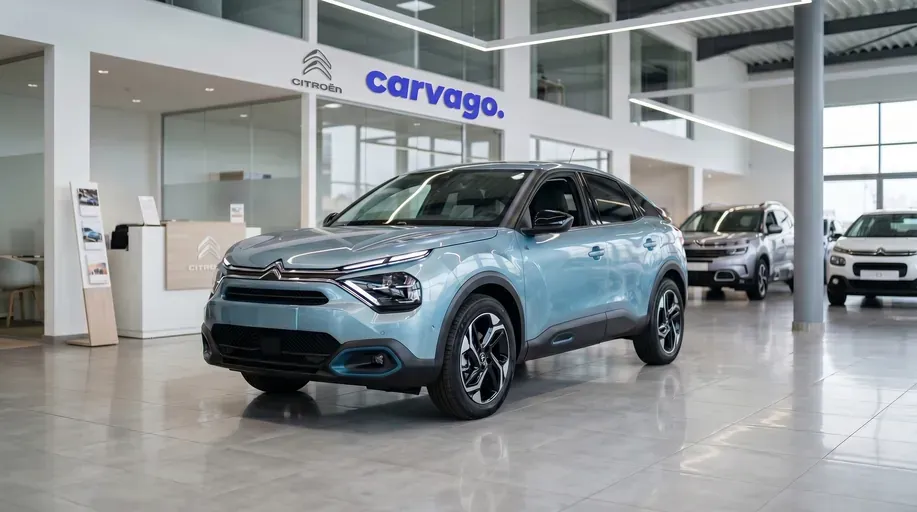
Citroën C4

Citroën C4

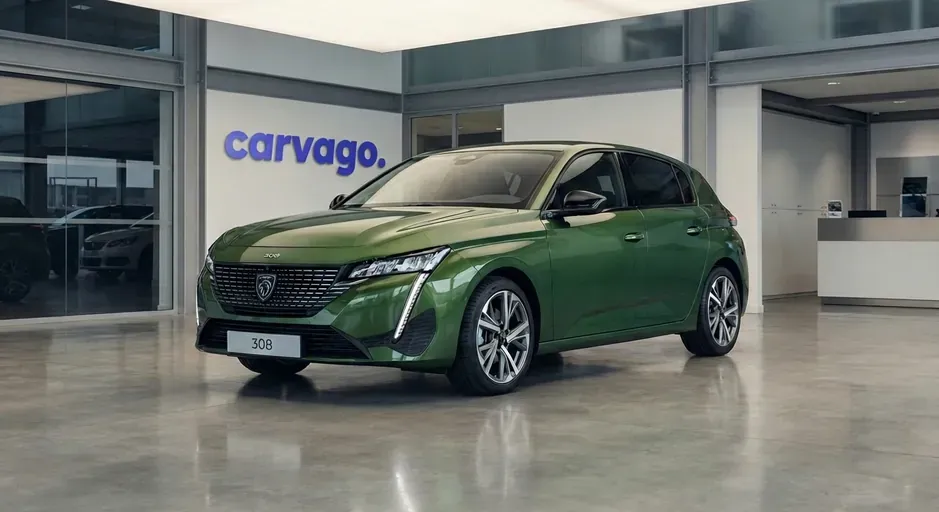
Peugeot 308

Peugeot 308

Introduction

The Citroën C4, which also appears on the market under alternative names such as the all-electric ë-C4 or the elongated C4 X fastback, represents an unusually tuned compact car with an extraordinary emphasis on maximum passenger comfort. Its challenger is the technically related Peugeot 308, also available under the derivative names 308 SW for the more practical estate version or e-308 for the all-electric variant, which instead bets on a bold design and a sports-oriented driving experience. The following comparison will detail the key differences between these two attractive French used cars and help you find out which model better suits your daily needs.

Comparison of External Dimensions

Looking at the exterior dimensions, the completely different approaches of the two French carmakers are fully evident. Focusing on the third-generation models, which make sense to compare in the context of four-year-old used cars (on the market since roughly 2021 and 2022), we see a clash of two different worlds. The Peugeot 308 bets on the traditional, sporty low-slung stance of a classic hatchback and a practical family estate. Conversely, the Citroën C4 has taken the path of fashionable and increasingly popular crossovers, which fundamentally changes its overall proportions. This differing approach is most reflected in the body height and overall silhouette.

With a height of up to 1525 mm, the Citroën C4 towers over the Peugeot 308 (height 1438–1441 mm depending on equipment) by a significant 84 to 87 millimetres. In practice, for the Citroën's occupants, this means much more comfortable entry and exit, but above all, a higher and more upright driving position. Drivers will appreciate this especially in the city thanks to a better view at intersections and a sense of greater safety. On the other hand, at 1852 mm, the Peugeot 308 is a noticeable 52 mm wider than the Citroën C4 (1800 mm). This greater width, combined with a lower centre of gravity, gives the Peugeot much more confident and stable handling in corners. It offers the average driver a sportier driving feel, although when manoeuvring in narrow underground car parks of shopping centres, the Citroën may feel somewhat more agile and compact.

In terms of overall length and wheelbase, the basic five-door models are very similar, although the car with the lion emblem maintains a slight lead. At 4367 mm, the Peugeot 308 Hatchback is 12 to 17 mm longer than the C4 and offers a wheelbase of 2675 mm (a negligible 5 millimetres more than the Citroën). The interior space for passengers in the longitudinal direction is thus de facto comparable for both five-door models. However, if your family requires maximum transport capacity, Peugeot pulls a strong trump card out of its sleeve in the form of the Estate version. With a length of 4636 mm and a generously extended wheelbase of 2732 mm, it outclasses the C4 in terms of interior and luggage space by a whole category.

The choice thus depends on your daily use: if you are looking for a comfortable car with a higher seating position for navigating city traffic or tackling broken country roads, the Citroën C4's design makes perfect sense. However, if you prefer a more dynamic drive and need to carry bulky items for a family holiday, the wider and more dimensionally versatile Peugeot 308 will be the better choice for you.

Comparison of exterior dimensions (3rd generation models)
ParameterCitroën C4 SUVPeugeot 308 HatchbackPeugeot 308 Estate
Length (mm)4350 - 435543674636
Width (mm)180018521852
Height (mm)1520 - 15251438 - 14411438 - 1442
Wheelbase (mm)267026752732

Trunk Volume

When choosing a roughly four-year-old used car, luggage capacity often plays a key role, especially if you are looking for a vehicle for a family or an active lifestyle. The third generations of both French representatives, which appeared on the market in 2020 and 2021, approach interior spaciousness differently. While the Peugeot 308 sticks to traditional body variants and aims for maximum practicality, the Citroën C4 has bet on an attractive crossover-style silhouette with a slightly higher build, which inevitably affects its transport capacities.

If we compare the base versions, the Peugeot 308 Hatchback offers an above-standard 412 liters, comfortably surpassing the Citroën C4, whose trunk holds 380 liters. The difference deepens slightly after folding down the rear backrests, when the space in the Peugeot increases to 1323 liters, while the C4 offers 1250 liters. However, the real champion for family moving is the Peugeot 308 Estate (the station wagon designated as SW). It boasts an excellent base volume of 608 liters, which can be expanded to a massive 1634 liters by folding the seats. This space is more than sufficient for weekend shopping or a longer holiday and easily offers room for several extra suitcases, a stroller, or bulky sports equipment.

When choosing on the used car market, it is also important to monitor the chosen type of drive, because in the Peugeot 308, plug-in hybrid versions take up some space due to the batteries stored under the floor. The trunk volume in the hybrid hatchback decreases to 361 liters and drops to 548 liters in the estate version. Conversely, the Citroën C4 has a great advantage in its cleverly designed platform. Whether you go for an internal combustion engine or the fully electric e-C4 version, the trunk volume remains an identical 380 liters, so you don't have to compromise on daily practicality for a greener drive.

ParameterCitroën C4 SUVPeugeot 308 HatchbackPeugeot 308 Estate
Base volume (liters)380 l412 l608 l
Max volume with seats folded down (liters)1250 l1323 l1634 l

Spaciousness or style? 🧳

While the Citroën C4 attracts with its appealing crossover style and clever battery placement without losing liters, the Peugeot 308 is the clear winner in overall utility value, especially in the incomparably spacious Estate version.

Discover the true condition of the car thanks to an independent inspection

Order CarAudit™

Trailer Weights

Towing capacity is a key parameter for anyone planning to tow a caravan, transport construction materials, or simply attach a trailer for the occasional transport of larger items. Here, a fairly clear difference emerges between the two French models, from which a driver looking for higher utility and a stronger workhorse will primarily benefit.

The current third-generation Peugeot 308 is significantly better in terms of towing capacity. Its maximum braked trailer weight reaches an impressive 1600 kg for the most powerful diesel versions (1.5 BlueHDi). This value can handle even a medium-sized caravan with room to spare. For standard petrol versions (1.2 PureTech) and powerful plug-in hybrid powertrains, the capacity ranges between a very good 1200 and 1500 kg.

In contrast, the third-generation Citroën C4 is designed with a different focus and offers noticeably more modest limits. Whether you opt for a petrol or diesel engine, the maximum braked trailer weight usually stops reliably at 1200 kg. For the new mild-hybrid variants, this capacity further drops to 1000–1100 kg.

Fully electric versions of both cars are a specific category. Both the Citroën e-C4 and Peugeot e-308 do not support conventional towing of heavy trailers from the factory (0 kg capacity), which is the price for the battery installation and electric drivetrain. Small differences also exist for unbraked trailers – while the Peugeot 308 handles the legislative maximum of 750 kg for the vast majority of combustion versions, the Citroën C4 is technically limited to a somewhat more modest 500 to 680 kg depending on the chosen equipment and engine.

In practice, this means that the Citroën C4 offers a towing capacity fully sufficient for a weekend trip to a DIY store or attaching a smaller trailer that provides space for a few extra suitcases on the way to a cottage. The Peugeot 308, on the other hand, will serve for significantly more demanding tasks without hesitation. The conclusion is therefore clear: if regularly attaching a trailer or towing heavier loads, even for a longer holiday, is an important criterion for you, the Peugeot 308 represents a much more practical and reliable choice in this duel.

Towing capacity parameters (3rd generation)

Model and engineBraked trailer (kg)Unbraked trailer (kg)
Citroën C4 1.2 PureTech 1301200640 - 680
Citroën C4 1.5 BlueHDi 1301200680
Citroën C4 Hybrid 1361100640
Citroën e-C4 (Electric vehicle)00
Peugeot 308 1.2 PureTech 1301200 - 1300680 - 750
Peugeot 308 1.5 BlueHDi 1301550 - 1600750
Peugeot 308 1.6 Plug-In Hybrid 1801450 - 1500750
Peugeot e-308 (Electric vehicle)00

Overview of Most Common Motorizations

Although the Citroën C4 and Peugeot 308 share a wide range of technologies within the Stellantis family, their engine offerings are surprisingly different, due to their different chassis platforms (CMP for the C4 and EMP2 for the 308). For buyers of approximately four-year-old used cars, this presents an interesting dilemma. From the start, the third-generation Citroën C4 bet on the purely electric e-C4 variant, complemented by classic 1.2 PureTech three-cylinder petrol engines and economical 1.5 BlueHDi diesels. In contrast, the third-generation Peugeot 308 entered the market with a heavy emphasis on powerful plug-in hybrid (PHEV) versions with a 1.6 engine, providing a total output of up to 165 kW (225 hp), while the electric variant appeared much later. The standard choice for both cars is the lively 1.2 PureTech petrol engine (typically 96 kW / 130 hp), but if you require dynamics, the Peugeot with its plug-in hybrids easily outclasses even the most powerful used Citroëns. Both cars rely exclusively on front-wheel drive.

Citroën C4: Emphasis on Comfort and Affordable Electromobility

The range of powertrains for the third-generation Citroën C4 (from the turn of 2020 and 2021) is assembled highly rationally and targets daily commutes. The foundation consists of turbocharged 1.2 PureTech three-cylinders in 74 kW and 96 kW versions, while on the used car market, you may very rarely come across a more powerful 114 kW version (its production was discontinued as early as 2022). Customers driving long distances will greatly appreciate the proven 1.5 BlueHDi four-cylinder turbodiesel, delivered with 81 kW (with a manual gearbox) or 96 kW (exclusively as a reliable eight-speed EAT8 automatic). However, the C4's biggest ace on the used market is the electric e-C4 version. It offers a 100 kW (136 hp) electric motor paired with a 50 kWh battery, making it a very affordable and quiet electric car for suburban commuting at this age. The latest mild-hybrid engines (Hybrid 136 and 100) were only introduced by the manufacturer in 2024, so you won't find them in four-year-old vehicles.

Engine typeFuelPower (kW)Torque (Nm)Gearbox
1.2 PureTech 100Petrol742056MT
1.2 PureTech 130Petrol962306MT / 8EAT
1.2 PureTech 155Petrol1142408EAT
1.5 BlueHDi 110Diesel812506MT
1.5 BlueHDi 130Diesel963008EAT
e-C4 136Electricity1002601AT

Peugeot 308: Sporty Genes and Top-Tier Plug-in Hybrids

The third-generation Peugeot 308 (on sale since late 2021) aims higher in terms of equipment and design, and the engine range reflects this. While the conventional pillars stand on the same foundations as the C4 – 1.2 PureTech three-cylinder engines (81 kW and 96 kW) and the excellent 1.5 BlueHDi diesel (96 kW) – the fundamental difference lies in electrification. For this generation, Peugeot fully deployed advanced plug-in hybrid systems. The combination of a 1.6 PureTech four-cylinder and an electric motor brought models with a combined output of 132 kW (180 hp) or a sporty 165 kW (225 hp). These variants feature an electrified e-EAT8 gearbox and can cover around 50 km on a full charge in pure electric mode with lightning-fast acceleration, aided by a great torque of 360 Nm. The fully electric Peugeot e-308 with 115 kW only arrived on the market just before 2024, and therefore does not yet feature much in the range of commonly available four-year-old used cars.

Engine typeFuelPower (kW)Torque (Nm)Gearbox
1.2 PureTech 110Petrol812056MT
1.2 PureTech 130Petrol962306MT / 8EAT
1.5 BlueHDi 130Diesel963008EAT
1.6 Plug-In Hybrid 180Plug-in hybrid1323608e-EAT
1.6 Plug-In Hybrid 225Plug-in hybrid1653608e-EAT

Final Evaluation and Recommendation

The final decision between the two French models largely depends on what you expect from the car and where you plan to use it. A weakness of both lines can be the more delicate wet timing belt (belt-in-oil) in older 1.2 PureTech models, which requires thorough inspection and adherence to prescribed oil change intervals in used cars. However, if you are looking for absolute silence for city traffic jams and the possibility of home charging, the Citroën e-C4 represents an extremely smart and affordable choice for the city and its surroundings. If, on the other hand, you are a driver who prefers sportier handling and requires a car that can handle a smooth electric drive through the city but won't disappoint when overtaking on the highway, the Peugeot 308 with its advanced plug-in hybrid is the right choice. For more economical high-mileage drivers, both models also offer an immortal classic – the 1.5 BlueHDi engine, whose real-world consumption often drops below 5 liters per 100 kilometers.

Electric Serenity vs. Hybrid Performance ⚡️

While a used Citroën C4 attracts with its affordable and comfortable fully electric drive, the Peugeot 308 counters with powerful premium plug-in hybrids that will also please sportier drivers.

Choosing the right engine is a crucial step towards long-term satisfaction and worry-free ownership of a used car. Although the Citroën C4 and Peugeot 308 share largely identical Stellantis group technology under the hood, their different focus and character require a slightly different approach when choosing a power unit. While the roughly 4-year-old third-generation Citroën C4 focuses primarily on extreme driving comfort and a higher chassis stance, the current Peugeot 308 (especially in the more practical extended SW version) is an excellent highway cruiser with a more stable center of gravity. The following recommendations are based on service practice, the mechanical durability of both generations, and which engine best suits the typical usage pattern.

For the Citroën C4, we recommend: 1.2 PureTech 130 (96 kW)

  • Why it's the best choice: The third generation of the C4 is designed as an exceptionally comfortable and distinctive crossover. The turbocharged 130 hp three-cylinder petrol engine (widely available in models produced since 2020) is absolutely ideal for this car. The unit handles the relatively light car very well, doesn't feel underpowered, and its pairing with the smooth and logical EAT8 eight-speed automatic is exemplary.
  • Technical advantages: This petrol engine will pleasantly surprise you with its mature performance. The pull from low revs somewhat resembles diesel units, with a strong torque of 230 Nm available from just 1750 rpm. In real-world combined driving, you can comfortably travel with a pleasant average consumption of 6 l/100 km, making it a great compromise between lively dynamics and operating costs.
  • Known risks and how to address them: For all engines in the PureTech family, prevention and honest servicing are the alpha and omega. The greatest attention is focused on the timing belt, which runs directly in an oil bath. If the previous owner extended service intervals or only drove the car on short city trips while cold (unburnt petrol then dilutes the oil and chemically degrades the belt material), there is a risk of the rubber crumbling, clogging the oil pump pickup strainer, and causing fatal failure. After purchase, have the belt condition visually checked (it is partially visible after unscrewing the oil filler cap) and then uncompromisingly shorten the oil change intervals to 10,000 to 15,000 km or a maximum of 1 year.
  • Who it suits best: Buy a petrol C4 if you drive around 15,000 kilometers a year, mostly for suburban or city commuting, and the highway isn't your daily bread. You'll get a refined, exceptionally smooth, and quiet partner for a relaxed driving style.

For the Peugeot 308, we recommend: 1.5 BlueHDi 130 (96 kW)

  • Why it's the best choice: The third generation of the Peugeot 308 (widely represented on the used car market by models from 2022 onwards) is a very precisely engineered car that proves its main strengths on longer journeys. Here, the 1.5 BlueHDi four-cylinder diesel makes the most sense by far, especially if you are looking for the practical estate (SW) version. With a robust torque of 300 Nm, it perfectly matches the nature of this French cruiser.
  • Technical advantages: The strongest weapon of the diesel version is its brilliant efficiency. Even when the car is loaded with family and luggage, real-world consumption rises only reluctantly and typically stays between 4.5 and 5 liters per 100 km. You can easily exceed the thousand-kilometer mark on a single tank of fuel. Furthermore, the overall soundproofing is excellent, as no disturbing vibrations penetrate the cabin on the highway.
  • Known risks and how to address them: A critical detail that every prospective buyer of the 1.5 BlueHDi engine must check is the timing chain tensioning mechanism that connects the camshafts in the upper part of the cylinder head. Older variants of the unit used a 7mm chain, which was prone to stretching and often snapping with devastating consequences. The manufacturer therefore implemented an improved housing and a reinforced 8mm chain in newer versions. For four-year-old used cars, verify with a specialist, based on the shape of the cylinder head cover or detailed records in the electronic service book, whether the car already has the new 8mm version or if it was addressed preventively under warranty. Also, keep in mind that the diesel particulate filter (DPF) and the AdBlue injection system suffer quite a bit from frequent cold starts in the city.
  • Who it suits best: The diesel "308" is without a doubt a car for long-distance drivers with an annual mileage of over 20,000 km. If you spend your working days cruising the highways or regularly head across Europe with your family, the economical and powerful BlueHDi will serve you with maximum satisfaction. However, do not choose it for short grocery runs around town.

Real Fuel Consumption

When choosing a used car, it is always important to take the official fuel consumption figures provided by manufacturers with a grain of salt. Laboratory "on-paper" values often differ from the reality of everyday driving. To get the most accurate picture possible, we used data from the independent community portal Spritmonitor.de, where drivers themselves record their actual refueling over the long term. We focused on the current third generations of both models, which are now commonly appearing on the market as roughly four-year-old used cars, allowing for an objective evaluation of long-term consumption.

Model and engineAverage consumption (l/100 km)
Citroën C4 1.2 PureTech 96 kW6,2
Citroën C4 1.5 BlueHDi 96 kW5,1
Peugeot 308 1.2 PureTech 96 kW6,4
Peugeot 308 1.5 BlueHDi 96 kW5,3

Looking at the real-world data, it is clear that both manufacturers use the same range of engines within the Stellantis group, which is reflected in very similar values. Nevertheless, a slight difference can be observed – the Citroën C4 shows slightly lower consumption for comparable engines than the Peugeot 308. This trend can be attributed to the different body design, slightly lower weight, and a different chassis tuning character. While the C4 is designed as a soft, comfortable crossover for a relaxed ride, the 308 presents itself as a more dynamic hatchback on wider tires, tempting the driver into a sharper pace. An interesting finding is that the small turbocharged 1.2 PureTech petrol three-cylinder engines do not deliver such dramatic fuel savings in the real world as their downsized displacement would suggest. Especially at highway speeds, their appetite grows rapidly. In contrast, the 1.5 BlueHDi diesel four-cylinders confirm their traditional position as highway fuel-savers, reliably staying around the five-liter-per-hundred-kilometer mark.

For the average user, these data lead to fairly clear recommendations. If you mostly drive in the city and on shorter suburban routes, it makes the most sense to go for the 1.2 PureTech petrol engine. Despite consumption exceeding the six-liter mark, it rewards you with more refined operation, and you avoid the potential risks associated with particulate filter clogging in diesel cars driven over short distances. However, for drivers who regularly commute hundreds of kilometers across the country or spend hours on highways, the 1.5 BlueHDi diesel unit is the clear and rational choice. A difference in consumption exceeding one liter per hundred kilometers can save a significant amount of money with high annual mileage and, as a bonus, offers a substantially longer range on a single tank.

In conclusion, although the Citroën C4 comes out slightly better in the consumption comparison by a few tenths of a liter, the overall differences between the two French cars are almost negligible in practice. Fuel costs should therefore certainly not be the main criterion for choosing a specific model in this head-to-head duel. Much more important will be your personal preference regarding the interior layout and the car's tuning – whether you appreciate the more relaxing approach of the Citroën or the more driver-oriented character of the Peugeot.

Price Range and Used Car Offerings

Used Car Price Comparison: Citroën C4 vs. Peugeot 308

When choosing a roughly four-year-old used car (production years around 2021 and 2022), a clear difference in market positioning emerges between the two French siblings from the Stellantis group. While Citroën attracts with more affordable and softer comfort in a package reminiscent of a crossover, Peugeot aims its third-generation 308 directly at the more premium representatives of the compact class. This is naturally reflected in the purchase prices on the used car market.

Price Range and Market Situation

  • Citroën C4 (3rd generation): Used C4 models from 2021 and 2022 represent a very attractive choice in terms of purchase costs. Basic petrol versions with the 1.2 PureTech engine (often in Feel or Life trim) can be purchased starting from approximately €10,000. If you are looking for more richly equipped cars, popular 1.5 BlueHDi diesel engines, or units with a smooth-shifting automatic transmission, you will be in the range of €12,000 to €16,000.
  • Peugeot 308: For this model in the given years, it is crucial to distinguish between generations. Final models of the outgoing 2nd generation from 2021 can be bought very cheaply, often well below the €12,000 mark. However, the much more appealing 3rd generation, which fully established itself on the market in 2022, holds its value significantly higher. Entry-level used models start at roughly €14,000. Desirable estate versions (SW) in Allure or GT trims with economical diesels or modern plug-in hybrid powertrains then easily exceed €21,000.

Overview of Estimated Prices (roughly 4-year-old vehicles)

ModelGenerationEstimated Price RangeMain Factors Affecting Price
Citroën C43rd generation€10,000 – €16,000Automatic transmission, higher trim levels (Shine)
Peugeot 3082nd generation (outgoing)€9,000 – €12,000Diesel engines for the estate version (SW), low mileage
Peugeot 3083rd generation€14,000 – €23,000Dynamic GT trim, plug-in hybrid technology, SW body style

What Do You Get for Your Money?

When deciding between these two models, you get different values for the same budget:

  • Maximum Value (Citroën): The Citroën C4 is the clear favorite if your primary goal is a reasonable budget and maximum ride comfort. You get a spacious and original-looking car with top-tier suspension tuning for a significantly lower amount than the sister model.
  • Premium Feel (Peugeot): The newer 3rd generation Peugeot 308 is noticeably more expensive, but it justifies its price gap with a much more high-quality interior featuring the i-Cockpit architecture, excellent cabin soundproofing, a sportier center of gravity, and more advanced multimedia functions.

Reasonable Budget or Premium Style? ⚖️

The Citroën C4 represents exceptional value on the four-year-old used car market for drivers seeking soft comfort at an affordable price, while the significantly more expensive third-generation Peugeot 308 justifies its price with higher-quality materials and a technologically more advanced interior.

Safety and Euro NCAP Rating

Safety and Euro NCAP Results

When choosing a used car, the level of passive and active safety is one of the most important criteria. Both compared cars come from the latest generations and entered the market at a time when the independent organization Euro NCAP began applying very strict testing protocols that place a huge emphasis on active accident prevention. Neither model achieved the maximum five-star rating, but both earned a solid four stars. It is necessary to take into account that a four-star car from 2021 or 2022 meets much more demanding standards than older five-star cars and, in terms of real-world safety, represents a modern and safe choice.

Citroën C4
The third generation of the Citroën C4 underwent crash tests in 2021. The car demonstrated a high level of structural safety, which was reflected in good ratings for adult protection (80%) and child passengers (83%). The reason the model did not reach the absolute top was primarily the results in the protection of vulnerable road users (57%). Test commissioners pointed out that the standard autonomous emergency braking (AEB) system showed average results in pedestrian detection and lacked a standard cyclist recognition function, which customers had to purchase as optional equipment when configuring a new car.

Peugeot 308
The third-generation Peugeot 308 underwent testing a year later, in 2022. It also received an overall four-star rating, but its results across categories are somewhat more balanced. The car achieved slightly better child protection (84%) and a noticeably better score for pedestrian and cyclist protection (68%) as well as assistance systems (65%) compared to its French competitor. In adult protection, it scored 76%, losing points mainly due to the lack of a center airbag (a new and increasingly required feature protecting front passengers from colliding during a side impact) and average driver chest protection.

Overall, both models offer a very similar level of structural safety with high-quality occupant protection during the impact itself. However, from today's perspective, the Peugeot 308 is better equipped for pedestrian and cyclist detection, while for a used Citroën C4, it is advisable to check if the original owner paid extra for a more advanced assistance package with cyclist recognition.

ParameterCitroën C4Peugeot 308
Year of testing20212022
Adult occupant protection80 %76 %
Child protection83 %84 %
Vulnerable road user protection57 %68 %
Safety assistance systems63 %65 %

Modern safety without a full score 🛡️

Both cars provide the crew with robust and highly above-standard protection, but the Peugeot 308 has a slight edge in pedestrian and cyclist protection thanks to better standard assistance equipment.

Comparison of Interesting Equipment Features

Beyond standard equipment, both models offer much more than just basic functions, each with its own distinct approach to added value. While Citroën focuses on uncompromising ride comfort and family practicality, Peugeot targets modern technology and a sportier character.

Citroën C4: Absolute comfort and clever details

  • Chassis and comfort: The Citroën C4 utilizes patented suspension with Progressive Hydraulic Cushions. This system smooths out road imperfections with an effect that the manufacturer aptly calls a "flying carpet" ride.
  • Advanced Comfort seats: Complementing the soft chassis are specially designed seats that feature a reinforced layer of unique high-density foam. They prevent the seats from sagging and guarantee excellent comfort even on long motorway journeys.
  • Clever interior solutions: A completely unique feature of the third generation is the retractable tablet holder (Smart Pad Support) integrated directly into the dashboard in front of the passenger. This allows the passenger to watch films without having to hold the tablet, and thanks to a special case, it does not affect safety during airbag deployment.
  • Design and ergonomics: The car cleverly balances on the borderline between a hatchback and a crossover. Increased ground clearance and a higher seating position make getting in and out easier, as well as handling child car seats. The C4 earns extra points for returning to physical buttons for climate control, which significantly simplifies operation while driving.
  • Electric alternative: In the used car market from this period, the fully electric ë-C4 variant frequently appears. Unlike more complex plug-in hybrids, Citroën offered a pure electric vehicle here, which is an ideal choice for smooth, quiet, and locally emission-free suburban driving.

Peugeot 308: Technological avant-garde and premium feel

  • i-Cockpit architecture: The specific driver's cockpit layout includes a compact sports steering wheel and a high-mounted instrument cluster. In higher trim levels (e.g., GT), this cluster offers an impressive 3D display that projects the most important information (such as speed or assistance alerts) spatially into the foreground for faster driver reaction.
  • Revolutionary infotainment: The i-Connect Advanced system introduced a completely new control element called i-Toggles. This is a fully customizable digital panel below the main screen where you can set shortcuts for your most frequent tasks – from navigating home to a specific climate control temperature or dialing a favorite contact.
  • Premium seats: For drivers seeking maximum body support, the Peugeot 308 offers seats with AGR (Aktion Gesunder Rücken) certification. Better-equipped models also feature multi-point pneumatic massage, which significantly reduces fatigue on long trips.
  • Lighting and assistance systems: Top-tier headlights with Matrix LED technology are available, which can keep the high beams on permanently and continuously mask out surrounding traffic to avoid dazzling other drivers. Furthermore, the telematics and Drive Assist 2.0 package include advanced semi-autonomous driving with a semi-automatic lane change function.
  • Powerful plug-in hybrids (PHEV): While Citroën offers a pure electric vehicle, the third-generation Peugeot 308 scores with powerful plug-in hybrid variants. These combine a real-world electric range of around 40-50 km with the dynamic combined power of an internal combustion engine, which will be appreciated by drivers who prefer a sharper pace on country roads while maintaining efficiency in the city.

Key Advantages and Disadvantages

Citroën C4

Pros

Extraordinary ride comfort thanks to special shock absorbers with hydraulic stops (Advanced Comfort)

Original design combining a hatchback with a crossover and a slightly higher driving position

Very comfortable and wide seats that minimize fatigue on long journeys

User-friendly retention of physical buttons and rotary controls for the air conditioning

Overall more affordable purchase price on the four-year-old used car market

Cons

Bouncier suspension and more pronounced body roll; the car is not built for dynamic driving

The sloping roofline limits headroom for taller passengers in the rear seats

Use of a simpler platform means the absence of more powerful plug-in hybrid powertrains

The interior contains a larger amount of hard plastics compared to its more premium sibling

The Citroën C4 is the perfect choice for drivers who prioritize absolute comfort, a calm ride, and an unconventional look with practical SUV features. Thanks to its softly tuned suspension and excellently shaped seats, it is an exceptionally relaxing companion for daily commutes on rough roads, which also attracts with a very reasonable price tag on the used car market.

Peugeot 308

Pros

Attractive, aggressive exterior design that gives the car a premium character

Excellent interior build quality with high-quality materials that are pleasant to the touch

Availability of a very practical and spacious estate (SW) body style

More confident and sportier driving characteristics with more precise steering

A wider range of powertrains, including powerful plug-in hybrid versions

Cons

The specific dashboard layout (i-Cockpit) with a small steering wheel does not suit every body type

More complicated control of the air conditioning and many functions via the touchscreen

Below-average legroom for rear passengers in the short hatchback version

Higher purchase price and slightly more expensive service tasks for electrified versions

The Peugeot 308 targets more demanding buyers looking for a premium cabin feel, advanced technology, and more engaging driving dynamics in a used car. It will primarily appeal to drivers who are comfortable with the avant-garde i-Cockpit concept and who appreciate the choice of an elegant estate version or a powerful and efficient plug-in hybrid.

Common Problems and Owner Complaints

Based on long-term user experience, service reports, recall campaigns, and results from our comprehensive vehicle inspection, we have compiled an overview of the most common problems you should watch out for when choosing either model on the used car market.

The third generation of the Citroën C4 (produced since 2020) is generally a reliable car for calmer drivers, but it shares the Stellantis group's corporate technology, which has its historically known weak points.

  • 1.2 PureTech engines: For the petrol three-cylinder, the most famous risk is the timing belt immersed in oil. If oil changes are not performed on time, the belt material can degrade, crumble, and subsequently clog the oil pump pickup screen, leading to fatal lubrication failure. The problem can be minimized by shortening the service interval (ideally to 10–15 thousand km).
  • 1.5 BlueHDi engines: In diesel versions from the first years of production of this generation, there were problems with the 7mm chain that connects the camshafts, which could result in engine destruction (later the group switched to a stronger 8mm chain). Another common ailment is a pump failure or urea crystallization in the AdBlue system tank.
  • Electronics and infotainment: Owners occasionally complain about the center touchscreen freezing, connectivity drops with mobile phones (Apple CarPlay/Android Auto), or an overall slower system response after starting. A software update at an authorized service center usually helps.
  • Chassis: Shock absorbers with progressive hydraulic cushions (Advanced Comfort) are highly comfortable, but on higher-mileage units, leaks or creaking from the front axle may appear when driving over larger bumps.

Citroën C4: Watch out for oil change intervals

The basic mechanics of the car are solid and comfortable, but if you are buying the 1.2 PureTech or 1.5 BlueHDi version, a documented service history and a shortened maintenance interval are absolutely key. Electronic gremlins in the infotainment are then mostly solved by the latest software.

The third generation of the Peugeot 308 (produced since 2021) is a step further in terms of technology and craftsmanship, which brings with it both shared corporate quirks and specific issues associated with richer digital equipment.

  • Internal combustion engines (1.2 PureTech and 1.5 BlueHDi): Since Peugeot shares power units with Citroën, it faces identical problems. There is a risk of timing belt degradation in the petrol version and a weaker camshaft chain or AdBlue system problems in the diesels. A thorough technical inspection of the car before the actual purchase is therefore absolutely essential for these engines.
  • Plug-in hybrids (PHEV): These versions, combining the proven 1.6 PureTech four-cylinder with an electric motor, are considered mechanically more durable. However, occasional software errors in the traction battery management have been recorded, and users sometimes report slight jerking of the e-EAT8 eight-speed automatic transmission when transitioning from pure electric to combustion mode.
  • Electronics (i-Cockpit): The more complex i-Connect Advanced onboard system with customizable digital buttons (i-Toggles) initially suffered from teething troubles. The most common included screen freezing, delays in loading user profiles, or delayed or missing images from the parking camera. Peugeot is gradually eliminating these errors with over-the-air (OTA) updates.
  • Interior and craftsmanship: Although the quality of materials used in the Peugeot 308 is at a top level, more dynamically minded drivers occasionally report creaking of harder plastics around the center tunnel or door panels, especially when driving on broken roads.

Peugeot 308: Top-tier interior with known risks under the hood

In terms of reliability, the Peugeot 308 pays the price primarily for the teething troubles of the new digital environment and known risks with the basic PureTech and BlueHDi engines. Plug-in hybrid versions are significantly more expensive, but they are a mechanically more durable choice.

Tips for Buying a Used Car

When buying a used car, a thorough inspection is key. Here are some specific points to focus on for these two models, although they share many common group technologies. Despite their related engineering, both cars have their own specifics, and a thorough used car inspection by an expert can save you a significant amount of money.

When choosing a Citroën C4:

  • Condition of the timing belt on the 1.2 PureTech engine: If you are choosing a petrol version, look through the oil filler cap at the timing belt. This engine has a "wet" belt (running in oil), and if the previous owner exceeded oil change intervals, the belt can degrade and fray. This results in a clogged oil pickup strainer and engine destruction.
  • Performance of Advanced Comfort shock absorbers: The Citroën C4 is famous for its comfort thanks to shock absorbers with hydraulic stops. During the test drive, drive over larger potholes or speed bumps. There should be no dull metallic thuds from the chassis, and the car should not bounce excessively. A physical inspection of the used car on a lift should then rule out any hydraulic fluid leaks from the shock absorbers.
  • Infotainment functionality and smoothness: Especially for the 2020 and 2021 model years, thoroughly test the center display. Click quickly between the navigation, radio, and climate control menus. Older software versions tended to freeze and required a service visit for an update. Also, try connecting via Apple CarPlay or Android Auto.
  • AdBlue system in 1.5 BlueHDi engines: For diesel versions, check if the trip computer reports an error in the emission system. Urea injection systems in diesel units are sensitive to AdBlue crystallization in the tank. If the engine warning light is on with a UREA warning, it could be a very expensive pump repair.
  • Battery health of the electric ë-C4 version: When buying the fully electric ë-C4 version, insist on a professional diagnostic that reads the SOH (State of Health) parameter. Also, try connecting the car to a fast charger and verify that the car communicates with the station and does not drop into emergency charging mode.

When choosing a Peugeot 308:

  • Ergonomics and visibility of the i-Cockpit system: Before you even start the car, carefully try to find your driving position. Peugeot's specific dashboard with a small, low-set steering wheel means that for some drivers, the upper rim of the steering wheel may obscure the digital gauges. It is crucial to find out if this layout suits you for everyday driving.
  • Operation of the EAT8 eight-speed automatic: During the test drive, test the behavior of the automatic transmission in different modes. Focus on downshifting when braking to a stop (for example, at traffic lights) and on hill starts. The transmission should shift perfectly smoothly; if the car jerks or tugs, it indicates at least the need for a flush and oil change in the unit.
  • Camshaft rattling (1.5 BlueHDi): Diesel models from the early production of this generation may suffer from a weaker 7mm chain connecting the camshafts (we are not talking about the main timing belt). Request an absolutely cold start – if a rattling sound is heard from the top of the engine, it's a sign of trouble that only an independent technical inspection of the car can detect in time.
  • Powertrain switching in the plug-in hybrid (PHEV): If you are targeting a hybrid Peugeot 308, try driving in pure electric mode and then floor the accelerator (kickdown). The transition from the electric motor to the petrol combustion unit must be fast and without harsh mechanical shocks. Don't forget to verify the real electric range and have the battery degradation measured.
  • Responsiveness of the i-Toggles virtual buttons: The touch bar under the main display (the so-called i-Toggles) looks great, but on used cars, check the sensitivity of the entire panel. Try to change a shortcut for a function to another by long-pressing. If the touch surface responds inaccurately or with a significant delay, it could be a defect of the entire display module.

FAQ: Most Frequently Asked Questions

Citroën C4 is focused on maximum comfort thanks to special shock absorbers with hydraulic stops and extra soft seats. Peugeot 308, on the other hand, has a stiffer and sportier chassis, which provides better feedback and greater confidence in fast corners. For a calm and smooth ride on rough roads, the Citroën is the better choice.

The Peugeot 308 in the hatchback version offers a luggage capacity of 412 liters, while the Citroën C4 has a trunk size of 380 liters. Additionally, Peugeot offers a highly practical estate (SW) variant with a generous volume of up to 608 liters. So, if you are looking for a car for family holidays and need more space, the Peugeot is the clear winner.

The Peugeot 308 uses the specific i-Cockpit with a small, low-set steering wheel and digital gauges at the top, which requires getting used to and may not suit taller drivers. The Citroën C4 has a more conventional dashboard layout, retains physical buttons for climate control, and offers a classic higher seating position in the spirit of crossovers. However, in terms of premium craftsmanship and modern appearance, the Peugeot's interior feels significantly more high-end.

Both cars belong to the Stellantis group and share identical technology, including the popular 1.2 PureTech petrol engines and economical 1.5 BlueHDi diesels. Fuel consumption and overall reliability are therefore almost identical for both models and primarily depend on the maintenance history of the specific vehicle. For the most common three-cylinder petrol engines, it is absolutely crucial for both cars to adhere to shortened oil change intervals.

You can usually buy a Citroën C4 on the market for roughly four-year-old used cars at a significantly lower price than a comparably equipped and aged Peugeot 308. This is due to the different targeting of both brands, where Peugeot is moving more into the premium segment and holds its residual value better. Citroën thus represents a more affordable choice with an excellent ratio between purchase price, utility value, and daily comfort.

Conclusion: Which Model to Choose?

Our Verdict

Choosing between these two French siblings depends primarily on your personal preferences, as despite shared group technology, they offer a completely different experience behind the wheel. A used Citroën C4 represents the ideal choice for drivers on a tighter budget who are looking for an original design with a higher seating position and require uncompromising driving comfort for calm daily travel. Conversely, the slightly more expensive Peugeot 308 will appeal to more demanding motorists who care about premium interior craftsmanship, sportier driving characteristics, and will also appreciate the availability of a highly practical estate or powerful plug-in hybrids. While the first model scores as a relaxed companion and an exceptionally affordable electric car for the city, the second excels as a more engaging driver's car for long distances with a more luxurious feel and incomparably higher transport capacity for the family.

Find your ideal car

Sources: ADAC, mdcr.cz, denik.cz, autoweb.cz, techfocus.cz, autospektrum.cz

This article was prepared using artificial intelligence tools. The section guarantor is Petr Dušek.

Related articles

Car battle

Citroën C4 vs. Škoda Octavia: Complete comparison 2026

Detailed comparison of the Citroën C4 vs Škoda Octavia. We compare the driving characteristics, space, and equipment of these used cars. Find out from our verdict which car to choose.

Apr 18, 2026

Car battle

Škoda Octavia vs. Volkswagen Golf: Complete comparison 2026

Detailed comparison of Škoda Octavia vs. VW Golf (Volkswagen Golf). Discover real-world experiences, differences in space, and our verdict on which car is more worth it.

Apr 15, 2026

Car battle

Kia Ceed vs. Mazda 3: Complete comparison 2026

Detailed comparison: Kia Ceed vs. Mazda 3. We compared the engines, equipment, and driving characteristics. Read our verdict and find out which hatchback to choose.

Apr 8, 2026

We accept online card payments as well as wire transfers.

visa payment provider logovisa-electron payment provider logomastercard payment provider logomaestro payment provider logodiners-club payment provider logodiscover payment provider logo