Articles

Car battle

Audi e-tron GT vs. BMW i5: Complete comparison 2026

Detailed comparison of Audi e-tron GT vs. BMW i5. Discover the differences in performance, range, and equipment. Read our verdict and choose the best electric car.

May 20, 2026

VS
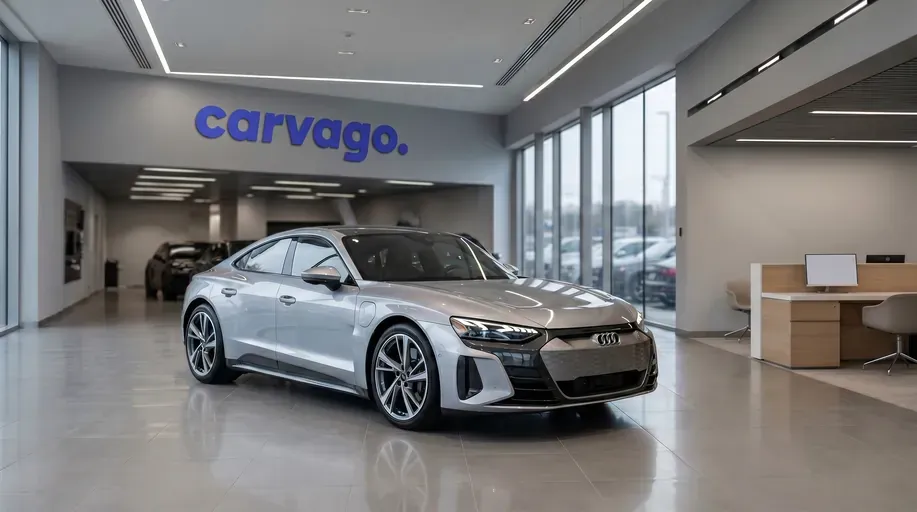
Audi e-tron GT

Audi e-tron GT

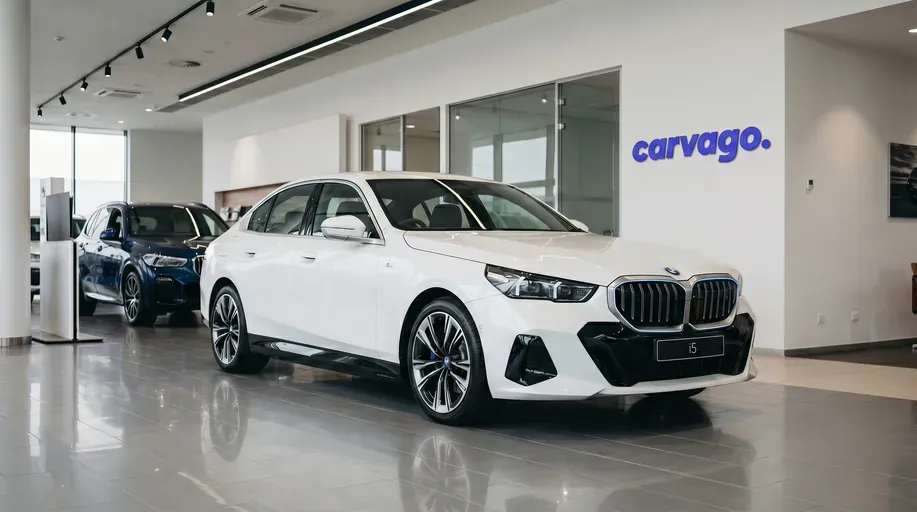
BMW i5

BMW i5

Introduction

The Audi e-tron GT, which is also known to customers in its high-performance version as the RS e-tron GT, is a purely electric grand tourer combining thrilling dynamics with an exceptionally elegant design. Standing against it is the BMW i5, available and often referred to as the purely electric variant of the eighth generation of the popular 5 Series (with the internal code name G60), which focuses on a perfect balance of traditional executive luxury and cutting-edge digital technologies. The following comparison will provide a detailed look at the key parameters, driving characteristics, and overall daily practicality of both models to make your decision when choosing a modern premium electric vehicle as easy as possible.

Comparison of External Dimensions

When you place the Audi e-tron GT and BMW i5 side by side, you immediately notice diametrically different approaches to proportions and body construction. While Audi bets on an aggressive, wide, and very low stance typical of a thoroughbred sports gran turismo, BMW sticks more to the traditional form of the established executive class. With a length of 5,060 mm, the Munich representative is slightly longer than the e-tron GT (whose length ranges from 4,989 to 5,004 mm depending on the version). While this slightly greater length in the BMW may represent a minor disadvantage when parking in narrow parallel spots in the city, on the other hand, it brings desired benefits for interior spaciousness.

The fundamental differences that define the overall feel of the car are found primarily in the height and width of both cars. Audi, with its impressive 1,964 mm in width, is a noticeable 64 mm wider than the BMW (1,900 mm). This above-standard width combined with a very low roofline (the height of the e-tron GT ranges only between 1,379 and 1,413 mm compared to more than 1,500 mm for the BMW) ensures the Ingolstadt model has top-tier stability in sharp corners, a lower center of gravity, and excellent aerodynamics. From a user perspective, however, the higher roof and more conventional proportions of the BMW i5 make daily entry much easier and guarantee adult passengers a much airier headroom.

Looking at the wheelbase, the BMW i5 offers a value of 2,995 mm, which is almost 10 centimeters more than the Audi (2,898 to 2,900 mm). Passengers in the rear seats will benefit most from this generous parameter, as the "five" will offer them more generous legroom. So, if you are looking for a more practical and representative daily car on the used market around four years old, the BMW i5 makes much more sense thanks to its proportions and the option of an estate body style. Conversely, the Audi e-tron GT will perfectly appeal to those drivers who are willing to sacrifice some interior space in exchange for an uncompromising sporty look and driving dynamics.
ParameterAudi e-tron GT SedanBMW i5 SedanBMW i5 Estate
Width (mm)196419001900
Length (mm)4989 - 500450605060
Height (mm)1379 - 14131505 - 15151505 - 1515
Wheelbase (mm)2898 - 290029952995

Trunk Volume

When choosing a premium electric vehicle on the used car market, practicality and luggage space often play a key role, especially if you are considering a car for family purposes or longer travel. The difference between a sporty grand tourer and a traditional executive car is quite fundamental in this discipline. While one model emphasizes aerodynamics and an elegant low silhouette, the other offers maximum everyday versatility and generous interior space that can easily accommodate the bulkier luggage of an entire family.

Looking at specific figures for cars suitable for today's used car market, the Audi e-tron GT (FW generation, 2021–2024), as a four-door sports coupé, has a basic boot capacity of 405 litres. However, it is important to mention that in sharper versions, such as the more modern RS e-tron GT Performance, this volume decreases to 350 litres. In contrast, the BMW i5 (G60/G61 generation introduced in 2023) benefits from a more traditional and boxier body concept and already offers a very solid 490 litres in the sedan version. If transport capacity is your absolute priority, the BMW i5 also offers a highly practical estate (Touring) variant. This offers 570 litres as standard, and once the rear seats are folded down, this space generously expands to an impressive 1,700 litres.

In practice, this means that the smaller boot of the Audi e-tron GT is perfectly sufficient for weekend shopping, short trips for two, or storing a few golf bags, but for a full family holiday, it may already require some compromises in luggage packing. The BMW i5 sedan provides valuable space for several extra suitcases and can comfortably handle longer holidays. The estate variant of the BMW is then the clear king for families – it easily swallows a bulky pram, large sports equipment, and supplies for a cottage trip. The decision between these cars will therefore primarily be a choice between an uncompromising sporty look and top-tier family logistics.

ParameterAudi e-tron GT CoupéBMW i5 SedanBMW i5 Estate
Basic volume (litres)405490570
Maximum volume with seats folded (litres)Not specifiedNot specified1700

💼 Sporty style vs. family practicality

If you are looking for a car for frequent family trips and transporting a pram, the more spacious BMW i5 (especially in the estate version) is the clear winner, while the Audi e-tron GT will appeal more to couples looking for a sporty drive with just enough space for a weekend.

Discover the true condition of the car thanks to an independent inspection

Order CarAudit™

Trailer Weights

Towing capacity and the ability to tow are key factors for many customers, whether they are planning a holiday with a family caravan or the occasional transport of heavier loads to a cottage. In this comparison, you will encounter a stark difference due to the different focus of both electric vehicles. The Audi e-tron GT (FW generation, 2021–2024) is designed as a purebred sports gran turismo, for which the manufacturer did not consider the installation of a tow bar at all. The car does not have factory homologation for towing, which is why you will not find this practical feature on it, and its towing capacity is an absolute 0 kg. In contrast, the BMW i5 (G60/G61 generation, sold since 2023) excels in everyday usability. Standard rear-wheel-drive electric versions like the eDrive40 can tow a braked trailer weighing 1,500 kg. However, if you opt for the all-wheel-drive variants (xDrive40 or the top-of-the-line sporty M60), you can reach a maximum braked trailer weight of an impressive 2,000 kg. The unbraked trailer weight is 750 kg for all engine versions of the Bavarian car. In practice, these differences mean that the BMW i5 serves as a workhorse – it frees up space for several extra suitcases in an additional trailer, easily handles a weekend purchase of building materials, and is perfectly sufficient for a longer holiday with a medium-sized caravan. With the Audi e-tron GT, you are purely dependent on the car's luggage compartment itself. In terms of choice, the conclusion is quite clear: if you plan on any towing with your electric car, the BMW i5 is the clear winner, while Audi completely omits this discipline at the expense of perfect aerodynamics and sportiness.

Model and motorizationBraked weight of trailer (kg)Unbraked weight of trailer (kg)
BMW i5 eDrive40 / Touring eDrive401500750
BMW i5 xDrive40 / Touring xDrive402000750
BMW i5 M60 / Touring M602000750

Overview of Most Common Motorizations

Both cars represent two different yet fascinating approaches to luxury electric mobility, which is significantly reflected in their powertrain offerings. While the Audi e-tron GT, built on the same platform as the Porsche Taycan, has relied exclusively on a high-performance all-wheel-drive (quattro) concept and sporty technological solutions from the start, the BMW i5 approaches customers with a broader and more variable range. With the Bavarian representative, you can choose between a more efficient and calmer rear-wheel-drive version or opt for the powerful dual-motor xDrive models. A fundamental difference also lies in the gearbox used – Audi utilizes a unique two-speed automatic transmission on the rear axle, which optimizes dynamics and consumption at highway speeds, while BMW relies on a traditional and simpler single-speed reduction gear. From the perspective of someone interested in an approximately four-year-old used car, it is important to keep in mind that while the Audi e-tron GT entered the market as early as 2021 and offers immediate crushing performance, the 2023 BMW i5 also attracts with more rational rear-wheel-drive models for long-distance drivers.

Audi e-tron GT (2021–2024)

The range of powertrains for the original Audi e-tron GT generation FW is straightforward and clearly focused on maximum performance. It is important to mention that the original specifications from 2021 to 2024 are no longer offered as new, as they were replaced by facelifted derivatives in the middle of the year. However, for the four-year-old used car market, these initial versions are key. Even the base e-tron GT quattro version uses a pair of electric motors with a total output of 350 kW and a generous torque of 630 Nm. If you are looking for dynamics comparable to supercars, the top-of-the-line RS e-tron GT version is available. This increases the power to a brutal 440 kW and torque to 830 Nm. Both variants benefit from an advanced 800V electrical architecture, which guarantees extremely fast charging, and the previously mentioned two-speed gearbox, which gives the car explosiveness even at higher speeds.

Engine typeFuelPower (kW)Torque (Nm)Transmission
e-tron GT quattro (AWD)Electricity3506302-speed automatic
RS e-tron GT (AWD)Electricity4408302-speed automatic

BMW i5 (2023–present)

The BMW i5 generation G60 (or G61 for the Touring version) models entered the market slightly later and cover a much wider spectrum of driving preferences. The cornerstone of the range is the i5 eDrive40 version with a single electric motor on the rear axle, an output of 250 kW, and a torque of 400 Nm. This configuration will primarily appeal to high-mileage drivers who appreciate the maximum possible range and traditional rear-wheel-drive behavior. In 2024, the range was supplemented by the i5 xDrive40 variant, which, thanks to a second motor at the front, brings the security of all-wheel drive and an increased output of 290 kW. At the very top stands the uncompromising BMW i5 M60 xDrive with a mammoth output of 442 kW and a torque of 795 Nm, which ably rivals even the much more expensive Audi RS e-tron GT. All i5 powertrains use a more conventional 400V architecture and a classic single-speed transmission.

Engine typeFuelPower (kW)Torque (Nm)Transmission
i5 eDrive40 (RWD)Electricity2504001-speed automatic
i5 xDrive40 (AWD)Electricity2905901-speed automatic
i5 M60 xDrive (AWD)Electricity4427951-speed automatic

Electric power vs. rational choice ⚡

While the Audi e-tron GT fascinates with the engineering sophistication of its two-speed gearbox and uncompromising performance even in the base version, the BMW i5 appeals with a wider selection and a more efficient rear-wheel-drive model for long-distance drivers.

Choosing the right powertrain is crucial for long-term satisfaction with the vehicle, and our recommendations are based on daily usability, real-world energy consumption, feedback from current owners, and overall operational reliability. Although both models represent the pinnacle of premium electromobility, they approach propulsion with different designs. While the Audi e-tron GT uses a purely electric platform with an advanced 800V architecture that allows for extremely fast charging at up to 270 kW, the BMW i5 relies on a slightly modified platform shared with internal combustion engine vehicles (CLAR) and a proven 400V network, which it compensates for with unrivaled efficiency and precise energy management. Looking at the used car market, considering an average age of around four years, clear favorites combining dynamics, reliability, and reasonable costs are emerging for both brands.

For the Audi e-tron GT, we recommend: e-tron GT quattro, 350 kW

The base e-tron GT quattro (produced between 2021–2024) with 350 kW, which briefly rises to 390 kW (530 hp) during overboost with Launch Control, is by far the most practical choice for the used car market. Compared to the more aggressive and expensive RS e-tron GT version, it still provides breathtaking acceleration (0–100 km/h in 4.1 s), but with more favorable maintenance and insurance costs.

  • Why it's the best choice: This powertrain represents the ideal balance between brutal power and everyday usability. Power delivered to all four wheels ensures excellent traction in any conditions. The battery with a usable capacity of 83.7 kWh reliably provides a real-world range of 380–420 km depending on driving style.
  • Technical advantages: A key technological advantage of this model is its 800V system. Thanks to this, the car can charge at a staggering power of up to 270 kW, which in practice means the ability to top up energy from 10 to 80% in a respectable 22 minutes. The charging curve has long been among the best on the market.
  • Known risks and weaknesses (what to watch out for): Given the weight exceeding 2.3 tons and the immediate torque of the electric motors, the e-tron GT suffers from faster wear of tires and brake components. When buying a used car, check especially the condition of the brake discs and even tire wear. Early 2021 models were also sometimes plagued by freezing infotainment software – ensure with the dealer that the car has undergone all factory control unit updates.
  • Who it's ideal for: An excellent choice for highway travelers and drivers who prefer a sportier "low" seating position, who often undertake longer trips across Europe and want to make full use of the ultra-fast charging station network.

For the BMW i5, we recommend: eDrive40, 250 kW

For the BMW i5, which only began production at the end of 2023 (note that on the used car market these will be significantly younger and often more expensive cars than the Audi), the purely rear-wheel-drive eDrive40 version makes the most sense. A perfectly sufficient 250 kW (340 hp) brings that unmistakable BMW character in a package that focuses maximally on comfort and operational efficiency.

  • Why it's the best choice: The electric motor on the rear axle fully reflects BMW's driving tradition while making the car feel like a very light-footed sedan. The absence of a front electric motor compared to xDrive models or the top-tier M60 reduces curb weight, significantly improves consumption, and removes potential mechanical complexity. From a battery with a usable capacity of 81.2 kWh, the i5 thus realistically extracts around 450 kilometers.
  • Technical advantages: BMW's fifth-generation electric drive (eDrive) uses motors that do not require rare metals and excels with fascinating efficiency at steady highway speeds, where consumption often drops below 19 kWh / 100 km. Even though the car operates on a 400V architecture, a very flat and stable curve allows for efficient fast charging at up to 205 kW (10–80% in exactly 30 minutes).
  • Known risks and weaknesses (what to watch out for): This is a relatively young model, so deeper structural flaws have yet to emerge. However, owners of early series often complained about minor software glitches in OS 8.5 and wireless Apple CarPlay/Android Auto. Always check if the latest Over-The-Air (OTA) updates are installed in the car. Also check the front grille and the lower battery shielding for damage from stone chips from highway travel.
  • Who it's ideal for: A car made for upper management, business travelers, and lovers of the traditional large sedan concept. It is perfect for drivers with high daily mileage for whom maximum driving comfort, representative silence in the cabin, and predictable range are more important than a roar at the traffic lights.

Real Fuel Consumption

For electric vehicles, much like for cars with internal combustion engines, official laboratory range and consumption figures often differ significantly from everyday reality. Actual electricity consumption is heavily dependent on outside temperatures, route profile, use of heating or air conditioning, and especially the dynamics of your right foot. To get a more accurate picture of the real-world figures you can expect from roughly four-year-old used cars on the market, we compared consumption based on real-world driving data.

The primary source of these real-world figures is the independent user platform Spritmonitor.de, supplemented by data and insights from long-term magazine tests. While the Audi e-tron GT from 2021–2024 (FW generation) shows an official paper consumption slightly above the 20 kWh/100 km mark, in the real world, it demands a bit more. The competing BMW i5 (G60/G61 generation), which appeared on the market in 2023 as a more modern alternative, can extract noticeably better efficiency from its more sophisticated electric drive architecture.

Model and engineAverage consumption (kWh/100 km)
BMW i5 eDrive40 (250 kW)19.5
BMW i5 xDrive40 (290 kW)20.8
BMW i5 M60 (442 kW)22.5
Audi e-tron GT (350 kW)23.5
Audi RS e-tron GT (440 kW)25.0

Looking at the real-world figures, it is clearly evident that the newer and aerodynamically sleeker BMW i5 is overall more economical in practice. The base rear-wheel-drive version, the i5 eDrive40, can travel in real-world traffic below the 20 kWh/100 km threshold, which is an excellent result for a nearly five-meter-long executive sedan. Adding all-wheel drive (xDrive) or choosing the brutal M60 version logically increases consumption, yet it still stays within the bounds of solid efficiency. Conversely, the older, wider, and purely more sportily-styled Audi e-tron GT pays the price for its higher weight, giant tires, and body shaping that prioritizes downforce over perfect airflow. Even the base e-tron GT asks for roughly 23.5 kWh per 100 km on average, and with the top RS variant, consumption easily tips over 25 kWh/100 km. This is clear proof that with high-performance electric sports cars, the physics of weight and rolling resistance cannot be cheated.

For the average user and buyer on the used car market, this means only one thing. If you are a driver focused on long highway journeys and look at overall operating economy, the BMW i5 with the eDrive40 powertrain will offer you significantly lower charging bills and a longer real-world range. The Audi e-tron GT, on the other hand, targets buyers for whom design, a predatory sports chassis, and an emotive driving experience are much more important than the kilowatt-hours saved on the electricity bill.

Overall, while the price of energy consumed is usually not the most important decision factor for premium luxury cars, efficiency still plays a huge role. The difference in real-world consumption, which often reaches 4 to 5 kWh per 100 km in favor of the BMW i5, translates into one absolutely key thing – the frequency and duration of your stops at fast-charging stations. And it is precisely this time benefit that can be the final deciding factor for many busy drivers.

Price Range and Used Car Offerings

Price Range and Used Car Market Situation

When choosing a premium electric vehicle on the used car market, the time since the model's launch and the associated depreciation curve play a crucial role. While the Audi e-tron GT (produced since 2021) fits perfectly into the category of 3 to 5-year-old used cars, the BMW i5 (G60 generation) only entered the market in the second half of 2023. Consequently, on the used market, you will almost exclusively find nearly new BMW i5 models aged 1 to 3 years.

Current Market Prices

The price range of both models reflects the significant drop in value typical for luxury electric vehicles in their first years of operation. This represents a huge financial advantage for second-hand buyers.

  • Audi e-tron GT (2021–2023): Due to its longer market presence, the Audi has seen significant depreciation. Standard e-tron GT versions with mileage between 50,000 and 80,000 km can now be purchased starting from €49,000. Top-tier RS e-tron GT variants, whose original price tag easily exceeded €144,000, can now be found in the attractive range of €58,000 to €82,000 depending on condition and equipment.
  • BMW i5 (2023–2024): As it is a newer model on the market, prices in absolute terms have not yet had time to drop as low. Entry-level i5 eDrive40 rear-wheel-drive models start at used car dealerships from roughly €45,000 to €56,000. The top-performance M60 xDrive version consistently holds in the €70,000 to €95,000 range.

Overview of Estimated Used Car Prices (approx. 2–4 years old)

ModelGeneration / Years of ProductionBase Version (from approx.)Top Versions / RS / M (from approx.)
Audi e-tron GT2021–2023€49,000€58,000
BMW i5G60 (2023–2024)€45,000€70,000

Depreciation as a Buyer's Advantage

Historical data from the premium vehicle market shows one of the most interesting phenomena of today – the steep drop in price for high-performance used electric vehicles.

  • For Audi, buying a three- to four-year-old used car often means savings of over 50% compared to the original list price. Paradoxically, used models with the RS badge cost similar money to much less equipped, new mid-range cars.
  • BMW currently benefits from newer technologies, which partially prevents a drastic price fall for the latest units. Nevertheless, the nearly new car market offers plenty of management or demonstration cars that have lost about 25% of their original value within the first two years of operation.

Electrifying Savings ⚡

While the Audi e-tron GT offers a steep price drop after three years, making premium RS versions accessible for a fraction of the original cost, the slightly newer BMW i5 represents a more modern, albeit slightly more expensive choice on the used market, which holds its value better in the first few years.

Safety and Euro NCAP Rating

At the outset, it should be mentioned that in the premium electric vehicle segment, a five-star safety level according to the Euro NCAP methodology is the usual standard. When comparing used cars, however, it is crucial to put these results into context and take the year of testing into account. The testing protocols of the independent Euro NCAP organization are constantly evolving and becoming significantly stricter over the years. For this reason, percentage scores from different years cannot be directly compared. Newer tests include much more complex scenarios, such as stricter frontal impact simulations, more accurate detection of cyclists (including so-called "dooring", i.e., opening a door into a cyclist's path), and emergency braking at blind junctions.

Audi e-tron GT
Although the Audi e-tron GT is a highly sought-after sporty electric car on the market, the vehicle has not undergone official Euro NCAP crash tests to date. For this reason, there is no official percentage data for it that could be listed in the table. Nevertheless, the car's safety profile relies on the shared J1 technology platform with the Porsche Taycan (which earned its five-star rating in 2019). The e-tron GT's architecture is thus designed from the very beginning with massive protection for the large battery pack and extraordinary torsional stiffness. Furthermore, the car is equipped with advanced active systems as standard, such as adaptive cruise assist, lane keeping assist, and autonomous emergency braking reacting to pedestrians.

BMW i5
In contrast, the BMW i5 underwent rigorous Euro NCAP tests at the end of 2023 (as part of the evaluation of the current eighth generation of the 5 Series) and confidently earned the full five stars. The car was tested according to the latest and strictest protocols at the time, which actively verified the car's behavior in complex urban scenarios. The result is an excellent score of 89% in adult occupant protection and an above-standard high rating of 86% in the protection of vulnerable road users, which clearly demonstrates the high level of calibration of the assistance sensors and cameras.

ParameterAudi e-tron GTBMW i5
Year of testing-2023
Adult occupant protection-89 %
Child occupant protection-85 %
Vulnerable road user protection-86 %
Safety assist systems-78 %

In conclusion, if verifiable certification is an absolute priority for you, the BMW i5 offers clearly the most modern and comprehensive safety package certified according to current, extremely strict standards. While the Audi e-tron GT lacks an official laboratory stamp, its robust platform shared with the VW Group's top models provides plenty of confidence even without a direct numerical rating.

🛡️ Peace of mind with the latest certificate

While the Audi e-tron GT relies on robust engineering without official laboratory crash test results, the BMW i5 offers a proven and modern five-star safety shield from the end of 2023.

Comparison of Interesting Equipment Features

In addition to standard equipment, each of the models offers several unique features that can be decisive for the customer, and each approaches added value in its own way.

Audi e-tron GT: Technological purism and sporting genes

  • Architecture and charging: The car is based on an 800V electrical architecture, which the model shares with its sister Porsche Taycan. This solution allows for extremely fast DC charging with a power of up to 270 kW. In practice, this means that under optimal conditions, you can gain 100 kilometers of range in just 5 minutes at a fast-charging station.
  • Transmission and dynamics: Audi uses a relatively unique element in the world of electric vehicles for this model – a two-speed transmission located on the rear axle. While the first gear ensures an explosive launch and maximum acceleration, the longer second gear takes care of high efficiency and lower consumption at highway speeds.
  • Sustainability and materials: For those interested in a more ecological approach to luxury, the e-tron GT offers a fully "vegan" interior without the use of leather. The seats and trim can be made of innovative materials such as synthetic leather combined with Kaskade fabric or Dinamica microfiber, which are largely made from recycled PET bottles.
  • Aerodynamics and innovative lighting: The car features complex active aerodynamics, which include adjustable air intakes for brake cooling and a retractable rear spoiler that changes its position depending on speed. The technological pinnacle is the optional Matrix LED headlights supplemented by laser high beams, which double the visibility range at night.

BMW i5: Digital revolution and comfortable highway cruiser

  • Infotainment and entertainment: The visual centerpiece of the interior is the BMW Curved Display. However, the real innovation is the integration of the AirConsole gaming platform. If the driver is waiting for the battery to recharge, they can turn the infotainment into a gaming console, with passengers' smartphones serving as wireless controllers.
  • Controls and ambient design: An iconic element of the dashboard is the so-called BMW Interaction Bar. This crystalline, dynamically backlit strip stretches across the entire width of the dashboard into the door panels. It serves not only as effective ambient lighting that reacts to driving modes or incoming calls but also contains integrated touch surfaces for hidden ventilation control or opening the glove compartment.
  • Assistance systems and telematics: The BMW i5 pushes the boundaries of semi-autonomous driving thanks to the advanced Highway Assistant. This includes a revolutionary active lane change function that can be confirmed simply by a glance. If the system suggests overtaking a slower vehicle, the driver only needs to look into the corresponding exterior mirror, and the car will automatically perform the maneuver.
  • Chassis and sporty variants: While the base models emphasize ride comfort, for the demanding, the M Suspension Professional adaptive chassis technology with active roll stabilization is available. The top of the range is the sporty i5 M60 xDrive derivative, which, in addition to brutal acceleration, benefits from the BMW IconicSounds Electric function – an artificial yet emotive soundtrack composed by film composer Hans Zimmer.

Key Advantages and Disadvantages

Audi e-tron GT

Pros

Stunning, low-slung sporty design with excellent aerodynamics

Top-tier driving dynamics and handling thanks to a very low center of gravity

Ultra-fast charging with up to 270 kW power thanks to advanced 800V architecture

Blistering acceleration and high performance even in base powertrains

Presence of a practical front trunk (frunk) for cables

Cons

Higher purchase price on the used market and steeper depreciation

Smaller and less accessible rear trunk (only 405 liters)

Limited headroom in the rear seats due to the sloping roofline

Infotainment and technological equipment feel slightly dated compared to the latest competitors

The Audi e-tron GT is the perfect choice for enthusiastic drivers looking for an emotional electric grand tourer with sporty DNA and lightning-fast charging. Its focus prioritizes style and driving experience over maximum family practicality, making it a fantastic and prestigious car for long journeys for those who don't mind compromises in spaciousness.

BMW i5

Pros

Extremely comfortable and perfectly soundproofed chassis, ideal for highway travel

Top-tier iDrive infotainment with a brilliant display and fast response times

Much more practical and spacious interior with excellent room for rear passengers

Availability in the more practical Touring (estate) body style

State-of-the-art assistance systems facilitating semi-autonomous driving

Cons

Uses a shared platform with internal combustion models; it is not a dedicated EV architecture

Absence of a front trunk (frunk)

Lower fast-charging speed (maximum 205 kW) due to the older 400V onboard network

Higher curb weight and massive dimensions impair agility on backroads

Exterior design may appear controversial

The BMW i5 is a fantastic executive sedan or estate that excels in daily usability, comfort, and technological sophistication. It represents a more rational and spacious choice, appealing to drivers who prefer maximum comfort, a large trunk, and a top-tier digital experience over pure sporty performance.

Common Problems and Owner Complaints

Based on long-term user experience, service reports, recalls, and findings from our detailed inspections, such as the comprehensive car audit, we have compiled an overview of the most common problems with both of these premium electric vehicles that buyers on the used car market should watch out for.

Audi e-tron GT

The Audi e-tron GT shares its technological platform (J1) with the Porsche Taycan, and although it is a mechanically precisely crafted car, it faces several specific defects associated with the first generation of this electrical architecture.

  • Battery and thermal management: Relatively common problems include the failure of the high-voltage heater (HV heater). This defect manifests as a complete absence of warm air in the cabin during winter months and requires component replacement. There were also recalls focused on battery tightness and checking battery modules to prevent short circuits.
  • Infotainment and electronics: The MMI system in the first years of production suffers from occasional screen freezing, slower reactions after startup, and connection drops with the MyAudi mobile app. The solution is usually a software update performed at an authorized service center.
  • Gearbox: The two-speed gearbox on the rear axle (which is a rarity in electric cars and serves for better acceleration and higher top speed) can occasionally make a noticeable click or cause a slight jerk when shifting, which is, however, in many cases a normal operational manifestation, not a fatal defect.
  • Brakes and chassis: The air suspension works reliably, but error messages caused by faulty ride height sensors occasionally appear. Due to strong recuperation and less frequent use of conventional mechanical brakes, brake pads and discs tend to corrode and squeak at low speeds.

Audi e-tron GT: Top-tier mechanics, but occasional electronic teething troubles

Although the e-tron GT excels in terms of driving characteristics and build quality, potential used car buyers should pay increased attention to the history of recalls and the functionality of the high-voltage heater before the approaching winter.

BMW i5

The i5 model (G60 generation) has been on the market for a shorter time than its competitor from Ingolstadt, so serious and expensive mechanical defects have appeared only rarely so far. Most service reports and owner feedback to date are limited to software "teething troubles" typical for the start of production.

  • Infotainment and software: The brand-new iDrive 8.5 user system is very complex, which occasionally takes its toll in the form of failed over-the-air (OTA) update downloads. Users also occasionally complain about unexpected disconnections of phone mirroring via Apple CarPlay or Android Auto.
  • Charging and communication with stations: Some owners have experienced problems when initiating fast DC charging (the so-called "handshake error") at certain types of public charging stations. The car refuses to start the charging process, which BMW is continuously addressing by improving the onboard charger software.
  • Interior and build quality: In the first series, there were minor complaints about some plastics in the center console creaking during temperature changes or occasional malfunctions of the interactive ambient lighting panels (BMW Interaction Bar).
  • Electric drive: The 5th generation eDrive powertrain itself is very robust and does not suffer from systemic defects. The electric motors are free of rare earth metals (so-called excited synchronous motors) and show no weaknesses in terms of longevity so far.

BMW i5: Reliable foundation with minor software quirks

The basic powertrain technology of the BMW i5 is proving to be exceptionally reliable, and the vast majority of recorded problems revolve only around minor software imperfections that the manufacturer is gradually correcting with remote updates.

Tips for Buying a Used Car

When buying a used car, a thorough inspection is key, which is why a physical car inspection by an independent mechanic is always the ideal step. Both premium electric vehicles have their own specifics and hide points that need to be focused on during a test drive.

When choosing an Audi e-tron GT:

  • Battery condition and health (SOH): This is an extremely powerful electric car that previous owners often used for longer trips with charging at ultra-fast DC stations. It is essential to request a battery degradation diagnostic (State of Health) to avoid buying a car with significantly reduced capacity and a shorter real-world range.
  • Chassis and tire wear: Massive torque and high curb weight quickly take their toll on suspension arms and tires. Look for unevenly worn inner edges of the tires and listen for humming or dull thuds from the air suspension when driving over bumps, indicating wear.
  • MMI infotainment stability: On models from the first years of production (2021–2022), the onboard system software can freeze or have a slow response. During the test drive, actively click through the system, try entering a destination into the navigation, and verify if the car has the latest update installed.
  • High-voltage heater (PTC) functionality: A common ailment in used electric cars on the J1 platform and other group architectures is the failure of the heating module. During the test, turn the heating to maximum and check if hot air starts flowing from the vents within a few minutes.
  • Brake disc corrosion: Thanks to effective recuperation, the e-tron GT almost never uses physical brakes during normal driving, which leads to disc corrosion and seized calipers. During the test drive, shift to neutral (which turns off recuperation) and brake safely and sharply several times. This will reveal any vibrations in the pedal or reduced braking effect.

When choosing a BMW i5:

  • iDrive 8.5 system behavior: As a relatively newer model, the i5 may face minor ailments of early software versions. Focus on the smoothness of menu switching, the trouble-free operation of the camera system with 3D view, and test the stable wireless connection with a phone.
  • Interior noises (Interaction Bar): The impressive backlit bar that stretches across the dashboard and door panels can be susceptible to temperature changes. When driving on rough asphalt, mute the radio completely and listen for any creaking or squeaking coming from the dashboard plastics.
  • Adaptive and air suspension condition: Rear air suspension is standard on the i5 and must keep the car's massive weight level. While driving over speed bumps and significant potholes, monitor the shock absorption – if the car bounces unexpectedly or there are hard thuds, it could be a problem with the air bags or the control valve.
  • Charging port locking mechanism: On electric BMWs, the locking pin inside the charging port occasionally gets stuck. Test that the port opens and closes smoothly and ensure that the connector itself shows no signs of damage from brute force by a previous owner trying to extract a stuck cable.
  • Sensor coverage and assistance systems: The i5 relies on an advanced network of radars and cameras for autonomous driving functions. Check the front "kidney" grilles and the windshield for cracks or damage from flying stones that would put the adaptive cruise control out of operation. To detect hidden faults and communication between control units, a comprehensive car check using professional diagnostics is the best solution.

FAQ: Most Frequently Asked Questions

The BMW i5 offers a slightly better overall range, especially in the eDrive40 version, which can handle up to 582 km according to the WLTP standard. The Audi e-tron GT reaches a maximum range of around 488 km, as its platform is more focused on sporty performance and dynamics than on maximum efficiency. In real-world daily use, however, both cars can easily handle longer trips with a range comfortably exceeding the 400 km mark.

The Bavarian representative is built as a classic executive sedan, making it more practical for everyday use and offering significantly more space for rear-seat passengers. The BMW i5's luggage compartment has a volume of 490 liters, while the model with the four rings has 405 liters in the rear and a smaller 85-liter storage space in the front. Due to its very low sporty silhouette, the e-tron GT also has more limited headroom for taller passengers.

Thanks to its more advanced 800V architecture, the Audi e-tron GT has a clear advantage over its competitor in energy replenishment speed. It can handle a maximum charging power of up to 270 kW, allowing a charge from 10 to 80% capacity in just 22 minutes. The i5 model uses a more standard 400V system with a maximum output of 205 kW, with the same charging cycle taking about 30 minutes on a fast charger.

The e-tron GT is built on a specialized platform shared with the Porsche Taycan, offering a much more agile driving experience, a lower center of gravity, and very precise steering. While the BMW i5 is extremely fast in a straight line in its top versions, its chassis primarily emphasizes smooth comfort and luxurious soundproofing typical of the 5 Series. For lovers of winding backroads and true GTs, the Audi is the better choice, while its competitor excels more as an exceptionally comfortable highway cruiser.

Both manufacturers' approaches to dashboard ergonomics and the digital environment are completely different. BMW uses its latest operating system with a large wide-angle curved display that integrates almost all functions, including climate control, into the touch interface. Audi, on the other hand, maintains a more traditional and sportier layout with physical buttons for temperature settings, which may suit many drivers slightly better in terms of attention while driving.

Conclusion: Which Model to Choose?

Our Verdict

The choice between these two premium electric vehicles on the used car market ultimately boils down to a choice between pure sporting emotions and maximum everyday versatility. While the Audi e-tron GT appeals to enthusiastic drivers looking for an uncompromising grand tourer thanks to its advanced 800V architecture, aggressive design, and fantastic driving characteristics, it requires concessions from the occupants in terms of overall spaciousness and lacks the option of a tow bar. In contrast, the slightly newer BMW i5 represents the ideal choice for families and managers, to whom – especially in the practical estate version – it brings unrivaled travel comfort, top-tier digital technologies, and generous interior space. If dynamic style and a driving experience supported by the currently very attractive drop in used car prices are your absolute priority, go for the Audi; however, if you are looking for a rational, highly efficient, and versatile cruiser for everyday logistics, the BMW will suit you much better.

Find your ideal car

Sources: ADAC, idnes.cz, mdcr.cz, autohome.cz, auto-mania.cz, powerfan.cz

This article was prepared using artificial intelligence tools. The section guarantor is Petr Dušek.

Related articles

Car battle

Mercedes-Benz EQE vs. Porsche Taycan: Complete comparison 2026

Detailed comparison of Mercedes-Benz EQE vs Porsche Taycan. A detailed look at real-world range, performance, and equipment. Read our verdict and choose your winner!

Apr 14, 2026

Car battle

Audi e-tron GT vs. Porsche Taycan: Complete comparison 2026

Audi e-tron GT vs. Porsche Taycan Comparison: Which luxury electric car should you choose? Find out everything about performance, real-world range, and read our final verdict.

Apr 14, 2026

Car battle

Mercedes-Benz EQE vs. Tesla Model S: Complete comparison 2026

Mercedes-Benz EQE vs Tesla Model S: A detailed comparison of range, technology, and comfort. Our final verdict will help you choose the best electric car.

Apr 13, 2026

We accept online card payments as well as wire transfers.

visa payment provider logovisa-electron payment provider logomastercard payment provider logomaestro payment provider logodiners-club payment provider logodiscover payment provider logo