Review Isuzu D-Max: What do owners and experts really say?

Isuzu D-Max review: real owner experience, towing limits, common faults and running costs — everything you need to know before you buy.

October 21, 2026

Isuzu D-Max

Verdict at a Glance

  • Who it suits: Tradespeople, fleet operators, and agricultural buyers requiring heavy towing and genuine off-road capability.
  • Recommended engine: The 2.2 Ddi MaxForce with the eight-speed automatic for heavy hauling and relaxed motorway cruising.
  • What to avoid: Diesel models used primarily for short urban journeys, and cars without a documented steering bolt recall repair checked by VIN.

Introduction

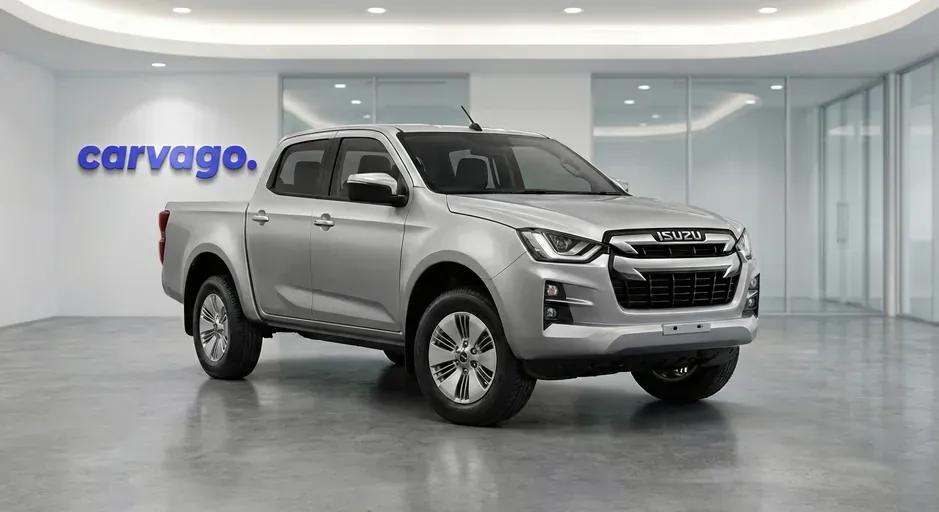
The third-generation Isuzu D-Max is a dedicated body-on-frame pickup truck engineered for heavy utility, commercial transport, and agricultural work, competing directly in the European one-tonne truck segment. This review focuses on the third-generation RG series, which entered global production in October 2019, with European customer deliveries commencing in March 2021.

Across European markets, the Isuzu D-Max has been supplied in three body styles: a two-seat Single Cab, a four-seat Extended Cab, and a five-seat Double Cab. Its primary audience comprises tradespeople, fleet operators, and agricultural buyers who demand genuine off-road capability and high towing capacity, alongside private users requiring a durable hauler.

The model underwent a minor cosmetic and equipment revision in April 2023, followed by a major mid-cycle facelift that debuted in Europe in April 2024, introducing restyled exterior panels and revised driver-assistance systems. The lineup subsequently expanded with new powertrains: an all-electric version was launched in April 2026, with orders opening in May 2026, while an updated turbodiesel engine paired with an eight-speed automatic arrived at European dealerships in July 2026.

Owner Experiences: Common Faults and Recalls

The third-generation Isuzu D-Max has established a standing as a durable workhorse across European markets. Long-term reliability data for the newest updates remains limited, but earlier production years have established clear patterns in maintenance demands and common electronic quirks. The most widely reported issues stem from modern emissions hardware and early calibration of driver-assistance electronics rather than fundamental mechanical flaws.

On 2021 to 2023 pre-facelift models, tests describe and owners report over-sensitive forward collision warnings and abrupt automatic emergency braking interventions from the windscreen-mounted stereo camera system. False triggers occur most frequently on narrow rural roads, tree-lined routes with dappled shadows, or wet tarmac. Furthermore, owners report that replacing the windscreen or altering suspension geometry without an optical recalibration causes warning lights and disables assistance systems. Revised camera logic introduced on the 2024 facelift models substantially reduced these false interventions. In the cabin, owners of 2021 to 2023 models report periodic touchscreen lockups, blank displays, and dropped phone mirroring connections, which workshops typically resolved with USB firmware updates.

Under the bonnet, vehicles fitted with the 1.9-litre diesel engine can suffer from interrupted diesel particulate filter (DPF) regeneration cycles if used primarily for short-distance errands, prolonged site idling, or stop-and-go driving. When cycles are repeatedly aborted, unburned diesel fuel washes past the piston rings into the engine sump. Tests describe rising oil levels above the dipstick limit, accompanied by instrument cluster warnings and reduced power mode. Resolving this requires periodic extended driving runs to complete passive regeneration, manual workshop clearing, and shortening engine oil replacement intervals under demanding duty cycles.

Verified Safety and Emissions Recalls

Two safety and emissions campaigns were registered for the third-generation vehicle across European authorities:

IssueProduction WindowAffected Market & ReachWorkshop Remedy
Steering column connecting bolt tightening torque7 September 2020 – 4 October 2022Worldwide / European Union (1,333 units EU/KBA; 4,302 units UK)Inspection of the connecting bolt; retightening to specified torque
Engine and dosing control unit emissions calibration30 April 2019 – 11 June 2024United Kingdom (19,906 units)Software update to engine management and AdBlue dosing control units

Official safety registers noted that improper tightening torque on the lower steering column connecting bolt could lead to steering failure, creating an accident risk. The remedy involves retightening the bolt at an authorised workshop. The emissions campaign, initiated after market surveillance testing, addresses temporary emissions irregularities under specific driving conditions on the 1.9-litre diesel through engine management software updates. Across the 2025 and 2026 calendar years, zero new safety or emissions campaigns have been registered for this generation in European databases.

Used examples should have their physical condition and service history verified through CarAudit before purchase. Working vehicles that have carried continuous heavy bed loads can show flattened rear leaf springs, while undersides exposed to agricultural chemicals or winter road salt require thorough inspection for chassis rust. On an automatic Isuzu D-Max frequently used for heavy towing, transmission fluid can overheat and degrade, which tests note can cause long-term wear to internal friction plates before an overheating warning lamp illuminates.

🔍 What to check before buying

  • Check the official recall completion status against the vehicle's VIN to verify that the lower steering column connecting bolt was inspected and tightened.
  • Inspect the engine oil dipstick level; an oil level rising above the upper mark indicates fuel dilution from repeatedly interrupted particulate filter regenerations.
  • Check the automatic transmission fluid condition; dark or burnt-smelling fluid indicates thermal stress from continuous heavy towing.
  • Test the driver-assistance systems during the test drive to ensure the forward stereo camera operates without warning lights or unintended braking alerts, especially if the windscreen was replaced.
  • Inspect the underside for flattened rear leaf springs, torn front driveshaft boots, and physical damage or loose wiring on the rear differential lock actuator on models equipped with it.

Engines: Which One to Choose

European deliveries of the third-generation Isuzu D-Max launched in March 2021 with a single four-cylinder turbodiesel, which remained the sole powertrain until July 2026 when an updated turbodiesel and a dual-motor battery-electric variant arrived.

EngineFuelPowerGearboxDrivetrainModel years
1.9 DdiDiesel120 kW (164 hp)6-speed manualRear-wheel drive / All-wheel drive2020–2026
1.9 DdiDiesel120 kW (164 hp)6-speed automaticRear-wheel drive / All-wheel drive2020–2026
2.2 Ddi MaxForceDiesel120 kW (164 hp)6-speed manualRear-wheel drive / All-wheel drive2026–present
2.2 Ddi MaxForceDiesel120 kW (164 hp)8-speed automaticRear-wheel drive / All-wheel drive2026–present
D-Max EVElectric149.3 kWSingle-speed reduction gearAll-wheel drive2026–present

Towing and heavy hauling

For regular trailer work or hauling heavy cargo, the 2.2 Ddi MaxForce is the most capable option. Its increased low-end pulling power gets heavy loads moving with far less effort than its predecessor and maintains momentum on steep gradients without continuous gear hunting. Paired with the eight-speed automatic, it delivers positive converter lockup, eliminating the persistent transmission slip observed on the older six-speed automatic under high loads.

As a used car, the 1.9 Ddi can handle demanding towing duties, but independent tests note that its modest low-rpm pull forces the driver to work the engine hard, resulting in pronounced cabin clatter. Drivers who tow frequently with the smaller diesel often prefer the six-speed manual for direct control over gear selection.

Long motorway journeys and mixed use

For a blend of everyday driving and sustained motorway travel, the 2.2 Ddi MaxForce with the eight-speed automatic is the most refined configuration. The additional ratios keep engine speeds lower at cruising pace, reducing mechanical roar.

On the secondary market, a used diesel Isuzu D-Max with the 1.9 Ddi is functional for general driving, though overtaking requires advance planning due to leisurely acceleration. In all diesel configurations, selecting a diesel Isuzu D-Max 4x4 provides dependable grip across unpaved terrain and adverse winter weather.

Town driving and short trips

Diesel powertrains are fundamentally ill-suited to repeated short urban trips. For urban commercial duties, site-to-site shuttles, and low-emission zones, the electric Isuzu D-Max is the dedicated solution, offering zero tailpipe emissions while retaining all-wheel drive.

For a detailed analysis of engine durability, emissions hardware maintenance, and official recall notices, see the owner experiences section.
Space & Practicality

Body StyleLength (mm)Width (mm)Height (mm)Wheelbase (mm)Boot Volume (seats up / folded)
Single Cab5,305–5,3201,8101,7703,125Not rated (open bed)
Extended Cab5,265–5,2801,8701,7903,125Not rated (open bed)
Double Cab5,265–5,2801,8701,7903,125Not rated (open bed)

Figures exclude specialist wide-body conversions; enclosed boot volume in litres is not officially rated due to the open cargo bed.

The pickup-truck Isuzu D-Max prioritises utilitarian functionality across its cabin layouts. In Double Cab form, the passenger compartment provides upright yet sufficient knee and headroom for adult passengers. Its primary everyday practicality advantage lies in the rear seating arrangement: the split bottom cushions flip upward against the backrests. This mechanism exposes concealed under-seat storage cubbies and creates a tall, dry interior loading area across the flat cabin floor for tools and luggage that require protection from theft or weather. Extended Cab variants use rear-hinged doors to access occasional fold-down jump seats, which offer minimal legroom and suit short journeys or small children, while also concealing lower storage bins. Out back, the open cargo bed easily accommodates boxed freight between the wheel arches, though weatherproofing requires an optional hardtop canopy or load-bed cover.

What the Tests Say

On the road, the unladen Isuzu D-Max pickup behaves like a dedicated commercial tool. Heavy-duty rear leaf springs create a firm, restless low-speed ride that fidgets over broken asphalt and bounces across sharp potholes. It settles down notably with weight over the rear axle or at sustained cruising speeds. Steering is slow and low-geared, requiring considerable wheel turning in tight junctions, and body roll is pronounced through bends. Even so, road testers find directional stability predictable and the brakes reassuringly progressive. Mechanical diesel rumble remains prominent during acceleration, accompanied by noticeable wind and road roar at higher speeds, meaning the cabin is never fully hushed.

Inside, the Isuzu D-Max provides an elevated seating position and supportive front seats designed for long shifts. Testers appreciate the retention of physical switchgear and hard-wearing surfaces that clean up easily after outdoor work, though scratch-prone hard plastics dominate the lower dashboard and door trims. The touchscreen infotainment system draws consistent criticism for sluggish responses, basic graphics, and cumbersome menus.

Testers widely agree that this generation remains an honest, durable workhorse rather than a refined passenger car substitute. Later updates brought a larger-capacity diesel engine paired with an updated automatic gearbox, which reviewers noted operates with less strain at lower revs and delivers noticeably smoother shifts than the earlier diesel powertrain.

Prices and Market Offer

All the market charts in this section are drawn from Carvago's listings across the broader Isuzu D-Max model family, including other generations represented in the data, rather than exclusively the reviewed generation. Because listings span multiple series, this overview does not establish a separate price level for the reviewed generation alone. Today's advertised stock shows a median asking price of €25,900 for 2019 vehicles, reaching €47,900 for 2026 examples. Higher asking prices typically reflect well-equipped double-cab automatics sought for dual commercial and passenger duty, whereas utility-oriented single cabs occupy the lower price brackets.

From April 2026 to September 2026, the number of advertised Isuzu D-Max vehicles tracked each month moved between a high of 899 and a low of 835, as shown in the chart below.

Isuzu D-Max - availability over time

Active listings over time

MonthIsuzu D-Max
2026-04899
2026-05862
2026-06875
2026-07836
2026-08847
2026-09835

Source Carvago

Buyers can expect a broad selection of vehicles on the market, with overall choice shifting each month within the 835 to 899 range across this period.

Among listings advertised today, the median asking price of an Isuzu D-Max built in 2019 is €25,900, while the median asking price of cars advertised today built in 2026 reaches €47,900.

Isuzu D-Max - median price by model year

Median advertised price by year of manufacture

Model yearIsuzu D-Max
201925 900
202028 000
202132 000
202234 900
202341 800
202444 000
202546 400
202647 900

Source Carvago

The largest price step between consecutive build years sits between 2022 models at €34,900 and 2023 models at €41,800. Buyers looking at the latest model years from 2024 to 2026 encounter median asking prices between €44,000 and €47,900.

This depreciation curve traces how the Isuzu D-Max loses value as it ages, showing a modest drop of 6% in residual value over the first two years before reaching a 19% loss by age three.

Isuzu D-Max - value loss by age

Residual value by vehicle age

Vehicle ageIsuzu D-Max
New45 900
1 yr45 300
2 yrs43 300
3 yrs37 000
4 yrs33 200
5 yrs31 500
6 yrs26 600
7 yrs23 200

Source Carvago

Across the seven-year span shown, the vehicle sheds 50% of its residual value overall, retaining roughly 69% through age five before older vehicles experience another sharp loss.

Active listings are broken down by fuel type over recent months, beginning in April 2026 with 668 diesel vehicles and 231 CNG options. The chart below details how available powertrains split across each recorded month.

Isuzu D-Max - supply by fuel over time

Supply composition by fuel type

  • Petrol

  • Diesel

  • CNG

MonthPetrolDieselCNG
2026-040668231
2026-050621241
2026-060624251
2026-070627209
2026-081630216
2026-091620214

Source Carvago

Diesel constitutes the vast majority of the offer, recording 620 listings in September 2026 alongside 214 CNG vehicles and 1 petrol model. Buyers will realistically find their choices limited to diesel or CNG, as other powertrains are effectively absent from the market.

The chart tracks the average asking price for the Isuzu D-Max from April 2026 to September 2026, starting at €48,700 and closing at €49,300.

Isuzu D-Max - price trend over time

Average price development over time

MonthIsuzu D-Max
2026-0448 700
2026-0549 100
2026-0648 900
2026-0748 100
2026-0848 900
2026-0949 300

Source Carvago

Over the six-month period, the average moved within a narrow band between €48,100 and €49,300, shifting by just over one percent overall without a sustained directional trend.

Pros & Cons

Isuzu D-Max

Pros

Practical flip-up rear seat cushions create a secure, flat indoor cargo floor in double-cab models

Durable, easy-to-clean interior surfaces with straightforward physical switchgear

Dependable off-road traction and robust towing capability for heavy commercial work

Cons

Restless, bouncy unladen ride over broken tarmac and slow, low-geared steering

Sluggish touchscreen infotainment and overly sensitive driver-assistance alerts on pre-facelift models

Modest low-end pull and particulate filter clogging on the smaller diesel during short journeys

Frequently asked questions

The Isuzu D-Max proves mechanically durable, though pre-facelift models suffer from over-sensitive driver-assistance alerts and occasional touchscreen freezes. On diesel models, frequent short-distance driving also risks engine oil dilution from interrupted filter regenerations.

The 2.2-litre turbodiesel paired with the eight-speed automatic is the most capable choice, delivering stronger low-end pull without the transmission slip or elevated noise of the earlier 1.9-litre engine. If choosing the smaller diesel on the used market, the manual gearbox provides better control over gear selection under heavy loads.

Repeated short urban journeys and prolonged site idling are ill-suited to a diesel Isuzu D-Max, as the exhaust cannot reach the temperatures needed for particulate filter regeneration. For low-emission zones and urban delivery duties, the electric Isuzu D-Max provides zero tailpipe emissions while retaining all-wheel drive.

Verify by the vehicle's VIN that the official lower steering column bolt recall has been completed, and check the dipstick to ensure the oil level has not risen above the upper mark. For working trucks, inspect the underside for chassis corrosion, flattened rear leaf springs, and burnt transmission fluid from heavy towing.

Sources: isuzu.co.uk, adac.de, europa.eu, autocar.co.uk, autoexpress.co.uk

This article was prepared using artificial intelligence tools. The section guarantor is Petr Dušek.

Related articles

Car battle

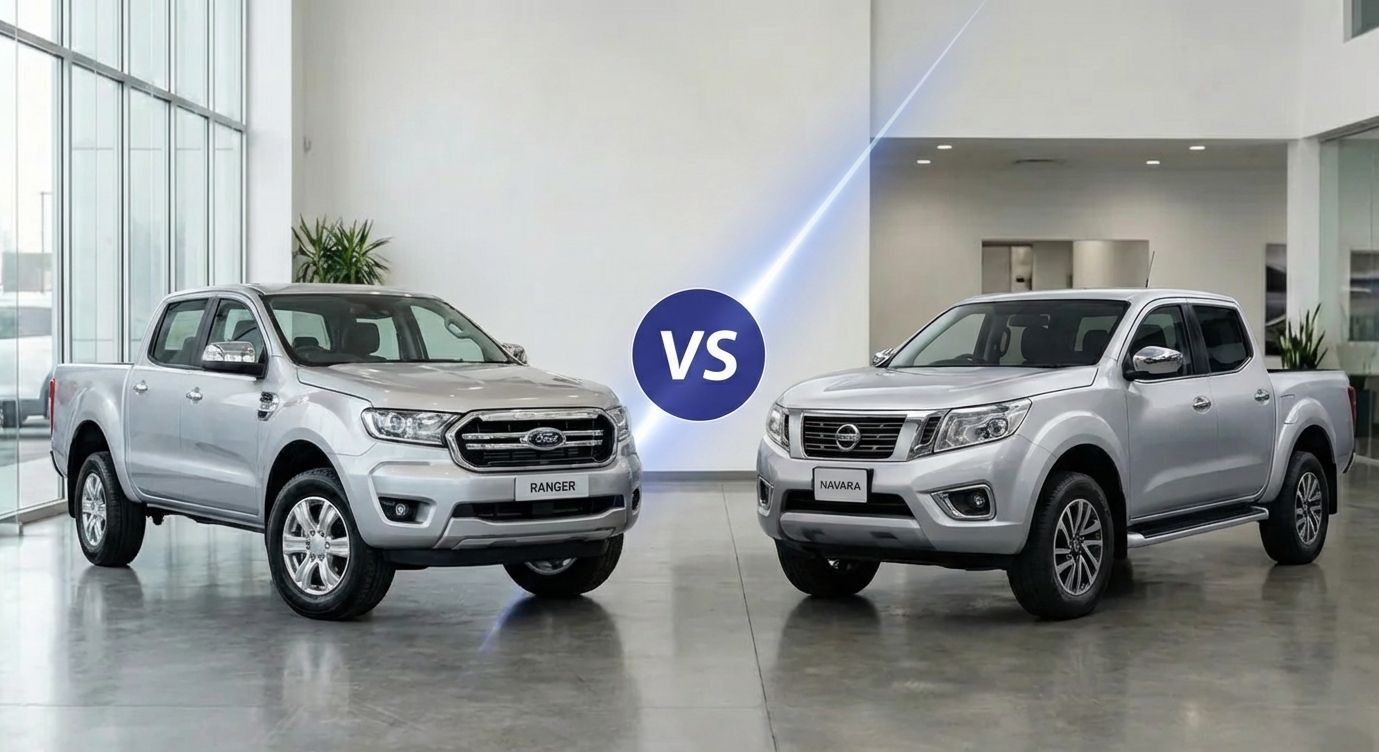
Ford Ranger vs. Nissan Navara: Complete comparison 2026

Ford Ranger vs Nissan Navara (NP300) comparison. We bring real-world experience, a comparison of equipment and driving characteristics. Which used pick-up is the better choice?

Nov 12, 2026

Review

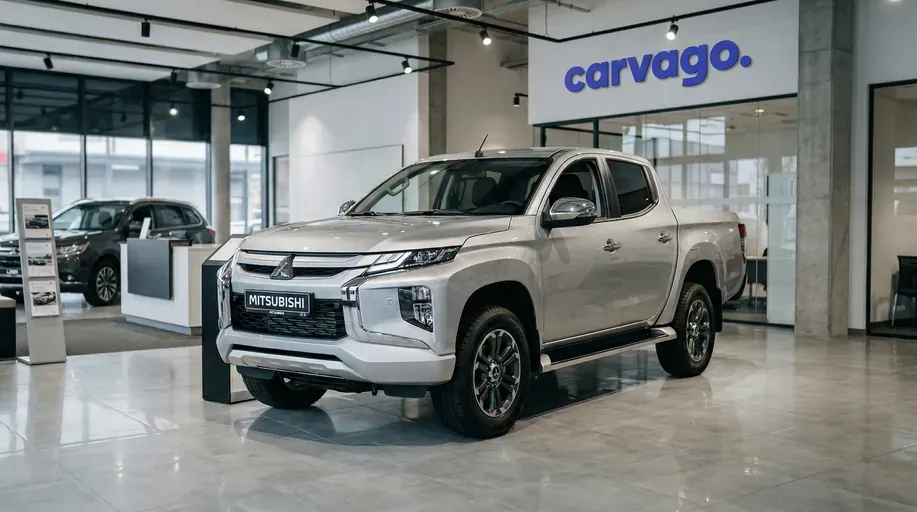
Review Mitsubishi L200: What do owners and experts really say?

Mitsubishi L200 review: real owner experiences, towing and payload specs, running costs, prices, and our definitive expert verdict.

Oct 20, 2026

Car battle

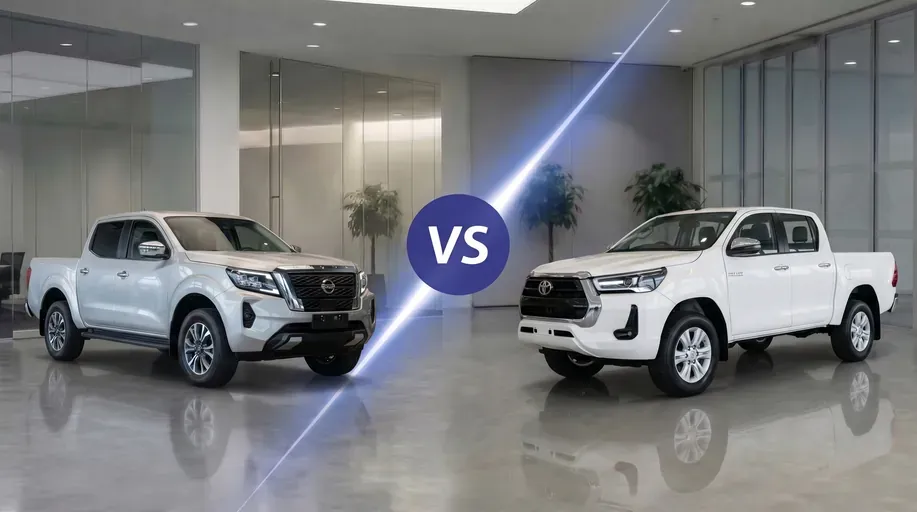
Nissan Navara vs. Toyota Hilux: Complete comparison 2026

Detailed comparison of Nissan Navara (NP300) vs Toyota Hilux. Discover the key differences in performance, towing capacity, and reliability. Read the verdict before you buy!

May 16, 2026

We accept online card payments as well as wire transfers.

visa payment provider logovisa-electron payment provider logomastercard payment provider logomaestro payment provider logodiners-club payment provider logodiscover payment provider logo