Car battle
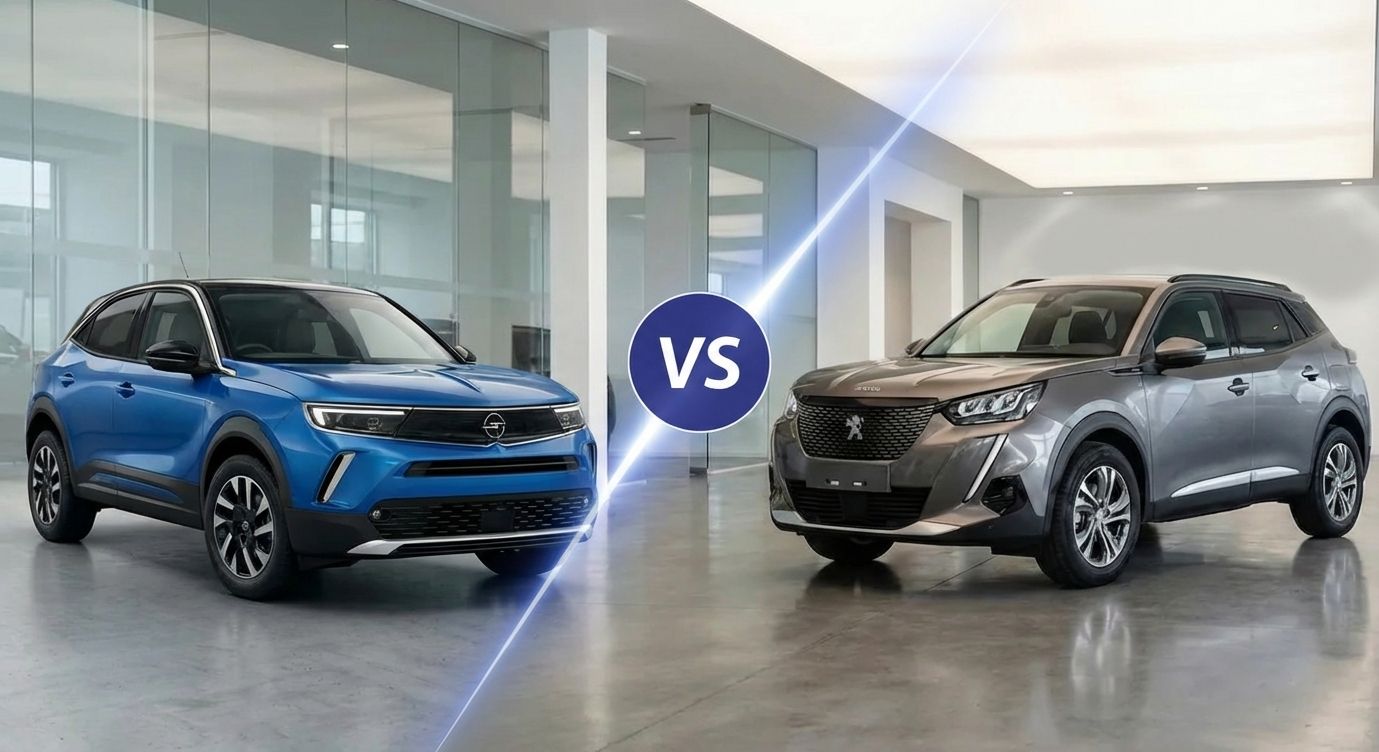
Opel Mokka vs. Peugeot 2008: Complete Comparison 2025
Opel Mokka vs Peugeot 2008. A detailed comparison of engines, design, and practicality. Find out which stylish SUV is the best choice for you.
Apr 14, 2026
Articles
Car battle
Nissan Qashqai vs Peugeot 3008: A major comparison of used SUVs. Find out real-world fuel consumption, reliability, and differences in equipment to help you choose the right car.
April 23, 2026
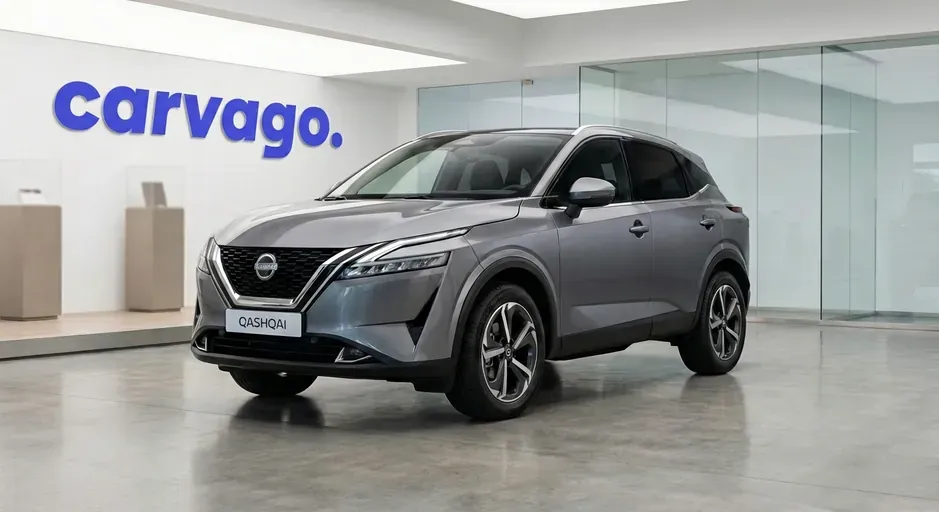
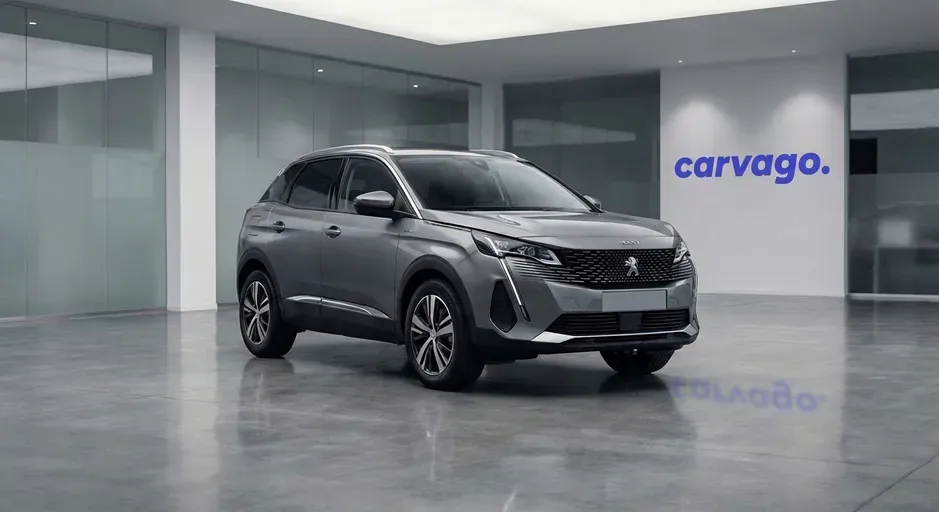
Nissan Qashqai, also known as the Nissan Rogue Sport or Nissan Dualis in some global markets, is a popular pioneer of the compact crossover segment that has long scored points with customers for its versatility and user-friendliness. Its challenger today, the Peugeot 3008, on the other hand, brings unmistakable French charm, avant-garde exterior design, and an innovatively conceived interior to family travel. Let's take a detailed look at how both of these roughly four-year-old SUVs fare in a direct comparison and which of them represents a more rational choice for your garage.
In terms of external dimensions, both models belong to the highly competitive compact SUV (C-SUV) category, where every centimeter counts. If we focus on the cars most frequently requested on the four-year-old used car market – namely the Nissan Qashqai in its current generation (J12) and the Peugeot 3008 after its second-generation facelift – we find that their physical dimensions are exceptionally balanced. Whichever of these two competitors you choose, you will have no trouble maneuvering in tight city streets or typical underground garages.
Upon detailed examination of the technical specifications, the French representative holds a slightly longer end of the rope. The Peugeot 3008 is 22 mm longer than the Nissan Qashqai with a total length of 4,447 mm and also offers a negligibly wider body by 6 mm. The slightly longer build of the Peugeot also reflects favorably in the wheelbase value, which is 2,675 mm. This is 10 millimeters more than in the case of the Japanese model and theoretically creates slightly better conditions for longitudinal space in the rear seats. The height of both cars is practically identical, differing by an absolutely imperceptible one millimeter.
In practice, however, these minor differences in millimeters are so minimal that you won't notice them at all during daily use or when estimating distances while parking. The choice in terms of body size will therefore depend more on the visual impression the cars make. Thanks to its stockier, masculine design with a high-set hood, the Peugeot 3008 tends to deceive the eye and appear as a significantly larger car. The Nissan Qashqai, on the other hand, opts for sharper, sportier lines, which make it look much more compact and dynamic on the road.
| Parameter | Nissan Qashqai SUV | Peugeot 3008 SUV |
|---|---|---|
| Width (mm) | 1835 | 1841 |
| Length (mm) | 4425 | 4447 |
| Height (mm) | 1625 | 1624 |
| Wheelbase (mm) | 2665 | 2675 |
When choosing a family car on the used car market, trunk capacity is often one of the deciding factors. Compact SUVs like the Nissan Qashqai and Peugeot 3008 target families and active drivers for whom everyday practicality is absolutely key. Both models, whose historically most popular generations you will encounter on the four-year-old vehicle market, are very strong players in this regard. Although their basic architectural concepts differ slightly, both cars can offer enough space for a weekend grocery run or a longer holiday.
In its third generation (J12), the Nissan Qashqai offers a trunk with a solid basic capacity of 504 liters. After folding down the rear seatbacks, this space increases to a very generous 1,585 liters, which significantly facilitates the transport of bulkier loads. However, if you are considering the modern e-POWER hybrid powertrain, you must expect a slight reduction in capacity to 479 liters due to the installation of additional components. The practicality of the Qashqai's trunk is significantly enhanced by a clever double-floor system, which allows for flexible arrangement and vertical division of the space, so loose smaller items won't slide from side to side.
The second-generation Peugeot 3008 is slightly better on paper when it comes to traditional conventional engines. Its basic trunk holds an above-standard 520 liters, which results in space for several extra suitcases compared to the overall class average. The maximum volume after folding the rear seats is 1,482 liters. However, you will feel a significant drop in practicality if you are looking at the plug-in hybrid version of this French car. In this version, due to the massive battery module under the floor, the basic volume shrinks to a below-average 395 liters (and 1,357 liters with the seats folded), which can significantly limit family use on longer trips.
| Parameter | Nissan Qashqai SUV | Peugeot 3008 SUV |
|---|---|---|
| Basic capacity (liters) | 504 l | 520 l |
| Max. capacity with seats folded (liters) | 1585 l | 1482 l |
In conclusion, if you are looking for a car with a standard internal combustion engine and prefer maximum usable space in the base without folding the seats, the French representative has a slight edge. Conversely, for those interested in modern electrified technologies, the Nissan Qashqai is a much better compromise, as its hybrid system does not take away nearly as many valuable liters from the overall utility as the plug-in hybrid system in the Peugeot.
The Peugeot 3008 leads in basic trunk capacity for combustion versions, but the Nissan Qashqai is a much more practical choice if you plan to buy an economical hybrid with family usability in mind.
The ability to tow a trailer often plays a key role when choosing a practical family SUV, whether you plan to head off on holiday with a caravan or occasionally need to transport a heavier load. Looking at cars approximately four years old, we encounter several interesting differences between the Nissan Qashqai and the Peugeot 3008. If you are looking for a solid workhorse, the mild-hybrid Nissan Qashqai (J12 generation) offers a towing capacity of 1,650 to 1,800 kg in its more powerful 116 kW version, which is easily enough for even a medium-sized caravan or a horse trailer. The less powerful variant of the same engine (103 kW) can handle a standard 1,400 kg.
For the rival Peugeot 3008 (second generation), the maximum values for popular petrol and diesel engines, such as the 1.2 PureTech or 1.5 BlueHDi, range between 1,150 and 1,500 kg. However, a major pitfall for both brands comes with modern electrified versions. If you opt for the plug-in hybrid Peugeot 3008, the maximum permitted weight of a braked trailer drops to 1,250 kg. But an even more drastic limitation is brought by Nissan's advanced e-POWER hybrid system. This model is allowed to tow a braked trailer weighing only 750 kg. In practice, this means at most space for a few extra suitcases or a light trailer sufficient for a weekend purchase of materials at a DIY store, but you can forget about towing a family caravan.
For those interested in active camping and frequent towing of loads, the classic mild-hybrid Qashqai is a safer choice, standing out in its class. The Peugeot 3008, on the other hand, represents a more balanced compromise, where even the heavy hybrid variants do not lose towing power so drastically.
| Model and engine | Braked trailer weight (kg) | Unbraked trailer weight (kg) |
|---|---|---|
| Nissan Qashqai 1.3 DIG-T MHEV (103 kW) | 1400 | 750 |
| Nissan Qashqai 1.3 DIG-T MHEV (116 kW) | 1650 - 1800 | 750 |
| Nissan Qashqai 1.5 VC-T e-POWER (116 kW) | 750 | 750 |
| Peugeot 3008 1.2 PureTech 130 (96 kW) | 1150 - 1400 | 750 |
| Peugeot 3008 1.5 BlueHDi 130 (96 kW) | 1300 - 1500 | 750 |
| Peugeot 3008 1.6 Plug-In Hybrid (133 - 147 kW) | 1250 | 750 |
The range of powertrains is fundamentally different for both cars, stemming from a different engineering approach to modern trends. In recent years, Nissan has bet on full electrification and innovative technologies for the Qashqai model, while the Peugeot 3008 continues to maintain a wider range of traditional engines and adds high-performance plug-in hybrids to them. For buyers of used cars around four years old (i.e., cars with a production year roughly between 2021 and 2022), this means one thing: at Nissan, they will primarily find petrol mild-hybrids or the completely unique e-POWER system, whereas at Peugeot, they can still easily acquire proven and economical diesel engines or powerful plug-in versions. While the Qashqai will please innovators and drivers looking for quiet smoothness approaching pure electric vehicles, the Peugeot 3008 targets classic highway flyers or high-performance enthusiasts with the option of home charging.
The basis for cars from the monitored four-year period is the modern generation of the car designated J12 (produced since 2021), whose range has completely ditched diesel engines and switched to electrification. The core of the range is the 1.3 DIG-T MHEV (mild-hybrid) four-cylinder petrol engine, which is available on the market in two power versions – 103 kW and 116 kW. It combines above-average reliability with very reasonable fuel consumption. A real attraction for connoisseurs, however, is the innovative e-POWER variant (140 kW). In this, the turbocharged 1.5 VC-T three-cylinder petrol engine serves purely as an independent electricity generator and the wheels are always driven only by the electric motor itself, which brings the linear pull typical of electric vehicles without the need to search for chargers. Anyone who still requires diesel must search for the previous J11 generation, where the 1.5 dCi and 1.7 dCi units were popular. However, these definitively disappeared from the range at the end of 2020. Most used cars sold have front-wheel drive, but for the more powerful mild-hybrid, all-wheel drive was also available.
| Engine type | Fuel | Power (kW) | Torque (Nm) | Transmission |
|---|---|---|---|---|
| 1.3 DIG-T MHEV | Petrol (Mild-hybrid) | 103 / 116 | 240 / 270 | 6-speed manual / Xtronic |
| 1.5 VC-T e-POWER | Hybrid | 140 | 330 | 1-speed reduction |
| 1.3 DIG-T (J11) | Petrol | 103 / 117 | 240 / 270 | 6-speed manual / 7-speed DCT |
| 1.5 dCi (J11)* | Diesel | 85 | 260 | 6-speed manual / 7-speed DCT |
| 1.7 dCi (J11)* | Diesel | 110 | 340 | 6-speed manual / Xtronic |
*The 1.5 dCi and 1.7 dCi engines ended production in the Qashqai in 2020; you will no longer encounter them in four-year-old and newer used cars.
The Peugeot 3008 will please more traditionally-minded motorists because even in the later years of the second generation's production, it retained a diverse range of engines. An excellent standard for four-year-old used cars is the turbocharged 1.2 PureTech 130 three-cylinder or the highly sought-after and quiet 1.5 BlueHDi 130 turbodiesel. Both units produce the same power of 96 kW, but the diesel version benefits from significantly more massive torque (300 Nm compared to 230 Nm for the petrol). This is a difference you will feel especially when fully loaded with family luggage on longer routes. For those interested in a more powerful classic, it should be noted that the brisk 1.6 PureTech 180 petrol engine and the top-of-the-line 2.0 BlueHDi 180 diesel (133 kW and a massive 400 Nm) were only sold until 2020. If you are looking for dynamics in cars around 4 years old, you will exclusively come across plug-in hybrids. These offer 225 horsepower in the front-wheel-drive version, or a breathtaking 300 horsepower (220 kW) and 520 Nm of torque in the HYBRID4 version. Thanks to a dedicated rear electric motor, this is also the only version of the 3008 model with all-wheel drive.
| Engine type | Fuel | Power (kW) | Torque (Nm) | Transmission |
|---|---|---|---|---|
| 1.2 PureTech 130 | Petrol | 96 | 230 | 6-speed manual / 8-speed automatic |
| 1.6 PureTech 180* | Petrol | 133 | 250 | 8-speed automatic |
| 1.5 BlueHDi 130 | Diesel | 96 | 300 | 6-speed manual / 8-speed automatic |
| 2.0 BlueHDi 180* | Diesel | 133 | 400 | 8-speed automatic |
| 1.6 HYBRID 225 | Plug-in Hybrid | 165 | 360 | 8-speed automatic |
| 1.6 HYBRID4 300 | Plug-in Hybrid | 220 | 520 | 8-speed automatic |
*The 1.6 PureTech 180 and 2.0 BlueHDi 180 engines ended production at the turn of 2020/2021 and were no longer available for younger cars.
The Nissan Qashqai will impress with its exceptionally efficient e-POWER technology for suburban traffic, while the Peugeot 3008 attracts with economical diesel engines ideal for long highway journeys and a powerful plug-in hybrid with reliable all-wheel drive.
Choosing the right engine is absolutely crucial for long-term satisfaction with a used car, and our recommendations are based on real-world experience, actual fuel consumption measurements, and detailed owner feedback regarding mechanical reliability. Looking at roughly four-year-old cars, we see a different engineering approach for both models. While Nissan hit the mark with its third-generation Qashqai (J12) with exceptionally successful and reliable petrol four-cylinder engines supported by mild-hybrid technology, Peugeot still dominates the second generation of the 3008 model thanks to its legendarily economical diesels, which represent a much safer and more robust option for a used car than its petrol three-cylinder engines.
This modern petrol four-cylinder, developed in cooperation with Mercedes-Benz, is the absolute foundation of the J12 generation (produced since 2021) and at the same time the best possible choice on the used car market.
For roughly four-year-old second-generation Peugeot 3008 models, the most sensible choice in terms of durability is clearly the 1.5 BlueHDi diesel four-cylinder. The widespread 1.2 PureTech petrol three-cylinder from these years often struggles with the degradation of the oil-immersed timing belt, making it a risky used car purchase.
When choosing a used SUV roughly four years old, real-world fuel consumption plays a key role for most buyers. As is common in the automotive world, official laboratory values provided by manufacturers often differ significantly from actual ones and tend to be overly optimistic. To get an accurate and objective picture of how much the popular Nissan Qashqai and the stylish Peugeot 3008 actually consume in real-world conditions, we have drawn on long-term data from the community platform Spritmonitor.de. There, thousands of everyday drivers meticulously record every refueling, giving us a reliable look at the most common engine options on the used car market (approximately from production years 2019 to 2022).
| Model and engine | Average consumption (l/100 km) |
|---|---|
| Nissan Qashqai 1.3 DIG-T (Petrol) | 6.8 |
| Peugeot 3008 1.2 PureTech (Petrol) | 7.5 |
| Peugeot 3008 1.6 PureTech (Petrol) | 7.8 |
| Nissan Qashqai 1.5 dCi (Diesel) | 5.5 |
| Peugeot 3008 1.5 BlueHDi (Diesel) | 5.5 |
| Peugeot 3008 2.0 BlueHDi (Diesel) | 6.3 |
| Nissan Qashqai 1.7 dCi (Diesel) | 6.7 |
Several important trends can be observed when interpreting the real-world data. The most surprising finding is the behavior of the petrol engines. It is often expected that small turbo engines automatically mean lower consumption. In reality, however, Peugeot's three-cylinder 1.2 PureTech has to work under higher load more often due to the heavier aerodynamic profile of an SUV, which pushes the average up to around 7.5 liters. In contrast, Nissan's more refined and larger-displacement four-cylinder 1.3 DIG-T handles the Qashqai with significantly more ease, which is why it settles for a surprisingly better 6.8 l/100 km.
In the realm of diesel engines, there is a rare consensus between the two cars. The entry-level diesel units, the 1.5 dCi (Nissan) and 1.5 BlueHDi (Peugeot), are excellent examples of highway fuel-savers – both units are capable of long-term real-world driving at a fantastic 5.5 liters. The more powerful two-liter 2.0 BlueHDi in the French car represents the "golden mean"; an average of 6.3 liters is a very acceptable result for such a powerful and torquey engine. The Japanese alternative in the form of the 1.7 dCi engine proves to be a slightly thirstier choice, with an average of 6.7 liters.
For the average user, this carries a clear message. If you are buying a car primarily for running errands, shorter city trips, and weekend outings, petrol engines represent a more logical and maintenance-friendly path. In terms of saving money at the pump, the petrol Nissan Qashqai has the upper hand here. However, long distances and daily highway commuting clearly favor the diesel versions, where both manufacturers are perfectly equal with their entry-level engines and will fully satisfy drivers on a tight budget.
In conclusion, fuel consumption should not be the sole disqualifying factor for either model. While we recommend the Nissan Qashqai for petrol versions in terms of consumption, both models represent a very balanced economic choice for diesel versions. Therefore, the decision should shift more toward the overall condition of the vehicle and personal preferences regarding design and comfort.
When choosing a second-hand family SUV, cars approximately 4 years old (i.e., 2021 and 2022 models) represent the golden middle ground. Both models have already undergone their most significant depreciation, so you avoid the initial massive loss while still getting reliable vehicles offering modern technology and a long service life. In terms of price, both competitors are neck and neck, although the range of engines differs slightly.
For approximately four-year-old Nissan Qashqai vehicles, you will encounter an interesting turning point in the market. The year 2021 marked the transition between the outgoing but extremely popular second generation (J11) and the completely new third generation (J12).
The second generation of the Peugeot 3008 underwent a significant facelift at the end of 2020. As a result, 2021 and 2022 models still look incredibly modern and luxurious. The distinct French charm and the extravagant i-Cockpit interior have a great "wow" effect even on used cars and maintain high popularity among buyers.
| Parameter | Nissan Qashqai (2021–2022) | Peugeot 3008 (2021–2022) |
|---|---|---|
| Estimated price (base) | ~ €16,000 | ~ €16,000 |
| Estimated price (higher trim) | ~ €25,000 | ~ €23,000 |
| Most common engine on the market | 1.3 DIG-T (petrol) | 1.2 PureTech (petrol) |
| Advertising strengths | Introduction of mild-hybrids (from 2021) | Wide range of diesels |
Although both cars start on the used market at almost identical prices around €16,000, the Nissan Qashqai can offer a more modern mild-hybrid solution in the incoming generation, while the Peugeot 3008 counters with an appealing interior and a solid selection of desirable, fuel-efficient diesels.
Both cars boast a maximum five-star rating in Euro NCAP crash tests, but it is absolutely crucial to put these results into the correct context. Testing methodology and protocols are constantly evolving and becoming dramatically stricter over time, meaning that percentage scores from different years cannot be directly compared. Five stars earned many years ago are far from representing the same level of protection as five stars under newer standards. Today's criteria place much greater emphasis not only on passive safety but primarily on modern assistance systems, cyclist detection, and accident prevention in complex intersection situations.
The Nissan Qashqai (third generation) underwent Euro NCAP tests in 2021, meaning it was assessed according to the very strict protocols valid for the 2020–2022 period. These tests already included demanding frontal crash simulations with a moving barrier and advanced autonomous braking tests for pedestrians and cyclists. The Qashqai excelled in these areas, recording 91% for adult and child protection. Its safety assistance systems score is truly exceptional, with an unprecedented 95%. This is thanks to a top-tier array of sensors that closely guard the car even in standard equipment. In terms of passive safety, the car also scored points thanks to the use of an innovative center airbag, which reliably prevents the heads of the driver and passenger from colliding in the event of a side impact.
Conversely, the Peugeot 3008 (second generation) completed its series of Euro NCAP tests back in 2016, when requirements were significantly more lenient. Although it also rightfully earned five stars, its adult protection (86%) and child protection (85%) ratings must be viewed from the perspective of that time. The age gap is even more apparent in the safety assistance systems category (58%). The methodology at the time simply did not penalize the fact that advanced autonomous emergency braking (AEB) systems were missing from the standard equipment of all versions. Furthermore, due to its age, the validity of this rating has officially expired, and from the perspective of currently valid standards, the car logically lags slightly behind more modern competitors.
| Parameter | Nissan Qashqai | Peugeot 3008 |
|---|---|---|
| Year of testing | 2021 | 2016 |
| Adult occupant protection | 91 % | 86 % |
| Child occupant protection | 91 % | 85 % |
| Vulnerable road users protection (pedestrians and cyclists) | 70 % | 67 % |
| Safety assistance systems | 95 % | 58 % |
When comparing these roughly four-year-old used SUVs, the Nissan Qashqai is the clear winner in the field of safety. Thanks to its demonstrably newer construction, it guarantees a huge degree of passive safety, which it enhances with highly sophisticated preventive and assistance technologies. These are mostly found even in the base equipment. The Peugeot 3008 was and still is a solid family car, but for customers who see active assistance systems as priority number one, the nearly ten-year-old architecture with a 58% score in this regard will be a somewhat limiting factor.
Although both cars boast five stars from Euro NCAP tests, the Nissan Qashqai tested in 2021 offers a significantly higher level of modern protection than the older Peugeot 3008, thanks to much stricter methodology and top-tier assistance systems.
Beyond standard equipment, both models offer much more than just basic functions for getting from point A to point B, with each having its own distinct approach to added value and technological innovation.
The third generation of the Japanese crossover focuses primarily on maximum user-friendliness, family ergonomics, and smart assistance systems that make daily life easier.
Following its facelift, the French SUV bets on a strong visual experience, an atypical interior concept, and technologies that usually only appear in the premium segment.
Excellent driver's cockpit ergonomics with physical buttons retained for key functions
Efficient and innovative e-Power hybrid powertrain (on models from 2022 onwards), offering electric vehicle smoothness
Generous safety equipment and advanced ProPILOT assistance systems even in lower trim levels
Well-tuned and comfortable chassis that handles city bumps with ease
Reputation for reliability with long-term reasonable maintenance costs
Slightly smaller luggage compartment (504 litres) compared to direct competitors in its class
More understated and conservative exterior design that doesn't stand out as much on the road
Average driving dynamics for the base 1.3-litre mild-hybrid engines
Outdated graphics and slower infotainment response in vehicles manufactured before the recent facelift
Nissan Qashqai represents a safe bet for pragmatically-minded drivers and families who appreciate reliability, user-friendliness, and a comfortable chassis. It is an ideal companion for daily driving, free from ergonomic blunders, and ensures maximum safety even on long journeys thanks to its highly effective assistance systems.
Attractive, timeless exterior design with a distinctive light signature
Well-crafted and original interior with a premium selection of materials
Excellent cabin soundproofing ensuring a quiet and relaxed ride even on the motorway
Wide range of powerful plug-in hybrid (PHEV) powertrains, with 4x4 drive available on top versions
Spacious boot (520 litres for internal combustion versions) with a regular shape and low loading lip
Specific i-Cockpit ergonomics with a small steering wheel do not suit all body types and can obscure the instrument cluster
Slow and more complex infotainment system, which also controls the air conditioning
Poor rear-quarter visibility due to the sloping roofline and thick C-pillar
Limited rear headroom, especially in versions with a panoramic sunroof
Peugeot 3008 is a great choice for buyers looking for a stylish, comfortable SUV with a touch of the premium segment who value an original look inside and out. Its build quality and range of powerful plug-in hybrids will appeal to more demanding users, but before purchasing, it is important to personally test the specific driving position, which may not suit everyone.
Based on our own data from the CarAudit system, breakdown statistics, and long-term experience from service centers, we have compiled an overview of the most common problems that buyers of roughly four-year-old used cars should watch out for in both models. However, before any purchase, the best prevention is an independent technical inspection of the vehicle, which will help reveal any hidden defects.
For the Nissan Qashqai from around 2021 (the transition between late facelifted J11 generation units and the incoming J12 generation), issues mainly involve software and electronic modules. The mechanics are durable with proper maintenance, but caution is required especially for versions with automatic transmissions.
The Qashqai offers a robust mechanical foundation and a successful 1.3 DIG-T engine, but when choosing a used car, it is crucial to check the smooth operation of the CVT transmission and be patient with occasional infotainment quirks.
The second-generation Peugeot 3008 after the facelift is the embodiment of modern design and comfort. Technically, however, it hides systems under the hood that are extremely susceptible to neglected or delayed maintenance, which applies to both petrol and diesel units.
The stylish French SUV is a pleasant companion only if it has a transparent history with documented shortened oil change intervals for the 1.2 PureTech engine and resolved potential teething troubles of the AdBlue system in the diesel.
When buying a used car, a thorough inspection is key. Here are some specific points to focus on for these two models. For maximum peace of mind before the purchase, the best step is always a detailed and independent used car inspection by a professional mechanic.
Peugeot 3008 offers a larger luggage compartment with a volume of 520 liters in standard internal combustion versions. The Nissan Qashqai has a slightly smaller trunk, with its basic volume ranging between 430 and 504 liters depending on the specific generation and equipment. However, a significant difference occurs with the plug-in hybrid version of the Peugeot, where the trunk capacity shrinks to a below-average 395 liters due to the batteries.
Both cars are great choices for families, however, each model approaches comfort slightly differently. The Peugeot stands out with a smoother chassis and a premium-finished interior with a designer dashboard layout. The Nissan, on the other hand, counters with much better user ergonomics and especially rear doors that open almost to a right angle, which significantly facilitates handling child car seats.
If you frequently drive long highway routes, the Peugeot excels with very economical BlueHDi diesel engines, which are completely missing in newer Nissan model years. For urban and suburban driving, the Nissan is technologically ahead with its refined mild-hybrids or the innovative e-Power system. Typical real-world fuel consumption for pure petrol versions of both rivals is around 6.5 liters per 100 kilometers.
The Nissan is considered a slightly more reliable choice among younger used cars, primarily thanks to the very successful 1.3 DIG-T petrol four-cylinder engine, which does not suffer from serious ailments. With four-year-old Peugeots, pay closer attention to the 1.2 PureTech petrol three-cylinder engines, where there is a risk of degradation of the timing belt immersed in oil. However, if you opt for diesel units from the French manufacturer with a documented maintenance history, you will get a reliable workhorse.
The Peugeot feels more agile thanks to its atypically small i-Cockpit steering wheel and quicker steering ratio, which you will appreciate especially when weaving through city streets. The Nissan, by contrast, bets on a calmer, more mature driving character and boasts better chassis soundproofing at higher speeds. The Nissan's behavior on winding country roads is overall somewhat more predictable, and its classic steering feels more natural to most drivers.
While the Nissan Qashqai scores points primarily for its pragmatic family utility, exemplary ergonomics, and top-tier safety assistance systems, the Peugeot 3008 attracts with its avant-garde design, more premium interior finish, and exceptionally fuel-efficient diesel engines. The Japanese crossover represents an ideal and mechanically reliable choice for daily urban and suburban driving, where its modern mild-hybrid technology or innovative e-POWER drive truly shines. The French competitor, on the other hand, will appeal more to drivers who regularly cover long highway distances, or customers looking for stylish extravagance complemented by powerful plug-in hybrid variants. Whether you ultimately decide on the more rational and practical Nissan or the more emotional and distinctive Peugeot, both approximately four-year-old SUVs represent mature cars on the used market with an excellent price-to-value ratio.
Sources: ADAC, aktualne.cz, auto.cz, motorvize.cz, auto-mania.cz, e-auto.cz
This article was prepared using artificial intelligence tools. The section guarantor is Petr Dušek.
Opel Mokka vs Peugeot 2008. A detailed comparison of engines, design, and practicality. Find out which stylish SUV is the best choice for you.
Apr 14, 2026
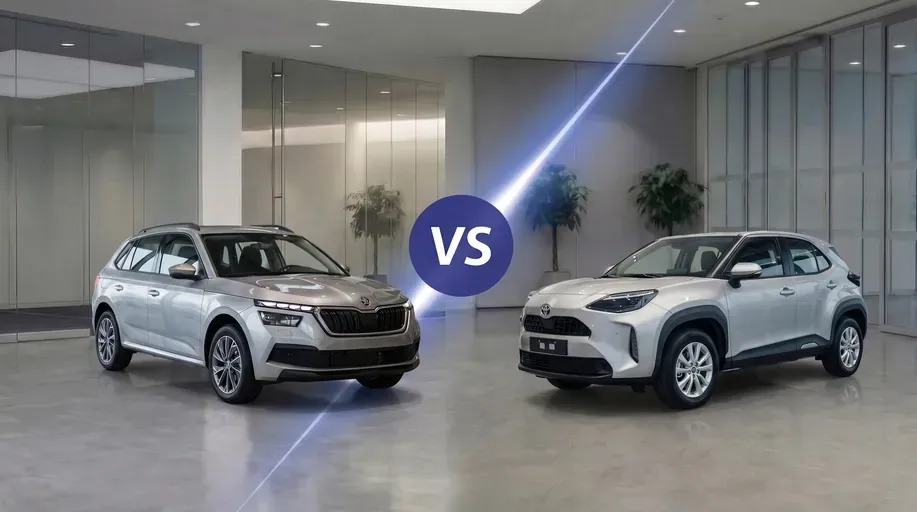
Detailed comparison of Škoda Kamiq vs Toyota Yaris Cross. Discover the differences in space, fuel consumption, and equipment. Our verdict will help you choose the right city SUV.
Apr 14, 2026
Are you torn between the Hyundai Kona and the Suzuki Vitara? Our detailed comparison of used SUVs reveals the differences in engines, features, and fuel consumption. Find out which one to choose!
Apr 15, 2026