Articles

Car battle

Kia EV6 vs. Nissan Ariya: Complete comparison 2026

Detailed comparison of Kia EV6 vs. Nissan Ariya. A detailed look at range, performance, and real-world experience. Find out which electric crossover is the right one for you.

April 14, 2026

VS
Kia EV6

Kia EV6

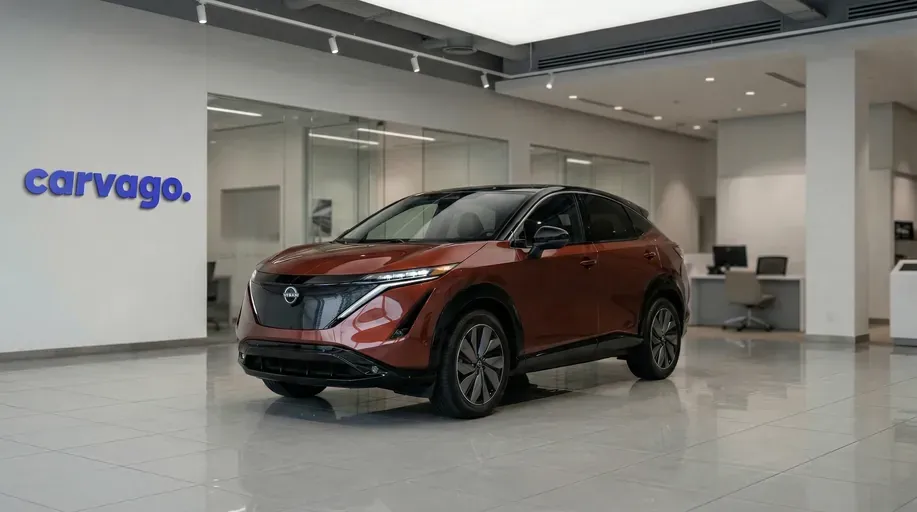
Nissan Ariya

Nissan Ariya

Introduction

Kia EV6, built on the advanced E-GMP platform (also developed under the internal designation CV), represents a breakthrough electric crossover that has gained worldwide attention thanks to its bold design and exceptionally fast 800V charging. On the other hand stands the Nissan Ariya, a fully electric SUV with elegant aerodynamic lines and a spacious futuristic interior, which directly benefits from the automaker's long-standing experience with the pioneering Leaf model. The following comparison will provide a detailed look at the key parameters, equipment, and driving characteristics of both models, helping you discover which of these advanced electric vehicles will better suit your daily needs on the road.

Comparison of External Dimensions

Exterior Proportions and Overall Size

Although both of these vehicles fall into the popular category of electric crossovers and entered the market in a similar period (2021 and 2022), their exterior proportions reveal a different approach to design. Both the Kia EV6 and the Nissan Ariya take advantage of dedicated electric vehicle platforms, yet the Korean and Japanese manufacturers have chosen completely different body formats.

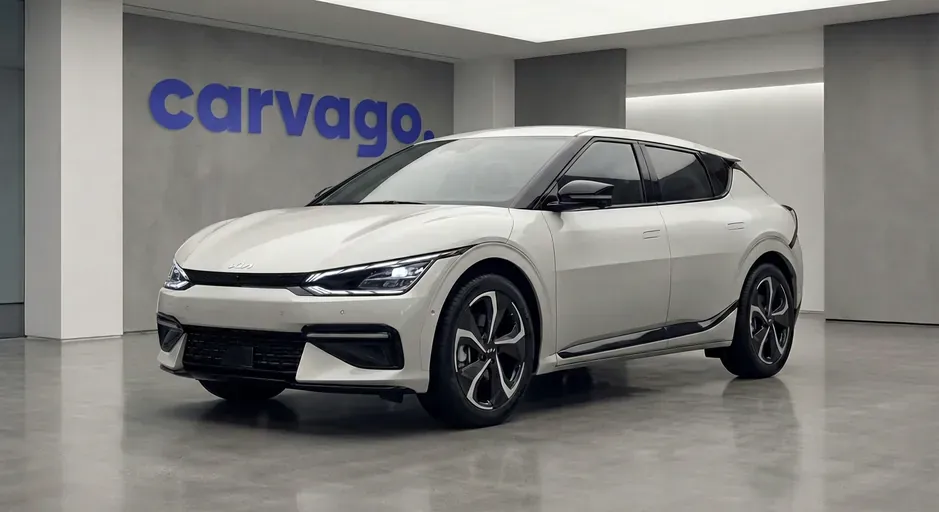
The Kia EV6 catches the eye at first glance with its wider and sportier stance, which resembles a muscular liftback or shooting brake rather than a classic SUV. With a length of up to 4,695 mm and a width of up to 1,890 mm, it takes up more space on the road than its Japanese competitor. A generous wheelbase of 2,900 mm plays an absolutely key role here. This is a full 125 mm more than what the Nissan Ariya offers. In practice, this difference translates into an exceptionally long cabin with ample legroom for rear passengers, while also giving the car smoother and more stable handling at highway speeds.

The Nissan Ariya, on the other hand, follows the path of a more traditional family SUV format. With a length of 4,595 mm, it is almost 100 mm shorter, making it noticeably easier to maneuver and park in tight city garages. However, Nissan's main weapon is its height. The body, measuring 1,650 mm, is a significant 100 to 105 mm taller than the aggressively styled Kia EV6. This difference brings typical SUV benefits: a higher and clearer driving position, a more airy interior with plenty of headroom, and significantly more comfortable entry or handling of child car seats.

In the final decision, lifestyle plays the main role. If you are looking for a dynamic look, a sportier center of gravity, and the absolute maximum longitudinal space for passengers on long journeys, the Kia EV6 is the clear favorite. If, however, you prefer a traditional upright seating position, a better view of city traffic, and more agile exterior dimensions for daily parking, the Nissan Ariya will be a better companion for you.

Dimensions Table
ParameterKia EV6 SUVNissan Ariya SUV
Width (mm)1880 - 18901850
Length (mm)4680 - 46954595
Height (mm)1545 - 15501650
Wheelbase (mm)29002775

Trunk Volume

When choosing a fully electric family car, the size and cleverly designed variability of the luggage compartment play one of the most important roles. Both the Kia EV6 (in its first generation CV, available since 2021) and the Nissan Ariya (generation FE0E, on the market since 2022) are among the sought-after fully electric SUVs on the nearly-new used car market. However, each brand approaches the interior layout slightly differently. While the South Korean model fully benefits from its dedicated E-GMP electric platform, which allows it to distribute storage capacity across multiple locations, the Japanese representative instead tries to use its overall taller and more massive body construction to create a generous main loading area in the rear of the vehicle. These differences can be a key factor for those interested in a spacious family electric car when making their final decision.

Looking at the exact figures, the Kia EV6 offers a standard volume of 520 liters in its main rear trunk, regardless of the chosen drivetrain. This space can also be increased to a maximum of 1,300 liters by folding down the rear seats. A huge advantage of the Kia EV6 is the additional front storage space, the so-called "frunk," the size of which varies depending on the chosen motorization. In the rear-wheel drive (2WD) version, it adds a great 52 liters, while in the more powerful all-wheel drive (AWD) version, it shrinks slightly to 20 liters. In contrast, the Nissan Ariya does not have a front trunk at all. Its rear trunk provides 466 liters in the basic configuration for the front-wheel drive version, but if you choose the e-4ORCE all-wheel drive version, the volume drops to 408 liters due to the additional rear electric motor. After folding down the rear bench, the total capacity of the Nissan Ariya climbs to 1,350 liters for the two-wheel drive, or 1,280 liters for the all-wheel drive version.

In practice, these differences mean that the Kia EV6 offers a cleverly separated storage space for dirty charging cables, freeing up convenient space in the rear for several extra suitcases without technical accessories getting in the way of regular luggage. In contrast, while the Nissan Ariya does not offer front storage capacity and its basic trunk is smaller in the 4x4 version, it pleases with a well-shaped interior and, with the seats folded down, creates a space perfectly sufficient for a weekend shopping trip or a longer vacation. Overall, thanks to the presence of the frunk and a larger, consistent basic rear volume, the Kia EV6 is slightly better prepared for frequent luggage transport with a full cabin, while the Nissan Ariya scores with maximum space after folding the seats in its basic variant.

ParameterKia EV6 SUVNissan Ariya SUV
Base volume (liters)520408 - 466
Max volume with seats folded down (liters)13001280 - 1350

📦 Kia wins with better space utilization

The Kia EV6 offers a more practical overall storage solution thanks to its consistent base volume and added front trunk, while the Nissan Ariya loses valuable liters in the rear trunk in all-wheel drive versions.

Leave it to Carvago CarAudit™

Order CarAudit™

Trailer Weights

The ability to tow a trailer is an increasingly important factor for modern electric vehicles, determining their overall practicality and ability to fully replace traditional internal combustion engine (ICE) vehicles for family or leisure use. Both the Kia EV6 and Nissan Ariya show that battery-powered vehicles are no longer just city runabouts but can also carry a substantial extra load. If you only plan to carry bikes on a tow bar or occasionally hitch a light unbraked trailer, both cars will meet your requirements without issue – all commonly available versions consistently offer a standard unbraked trailer weight of 750 kg. However, significant differences become apparent when you need to hitch a heavier braked trailer.

For the Kia EV6 (CV generation from 2021 to 2024), much depends on the chosen battery capacity. While the base version with the smaller 58kWh battery can only tow a braked trailer weighing 750 kg, the much more sought-after variants with the larger 77.4kWh battery – including the powerful GT sports version – can handle a respectable 1600 kg. The Nissan Ariya (from 2022 to the present) has a similar strategy on the market, though it lags slightly behind its South Korean competitor. The smaller 63kWh battery means a maximum braked weight of 750 kg. For heavier loads, you must opt for the larger 87kWh battery, but beware: the higher maximum towing capacity of up to 1500 kg is primarily reserved for all-wheel-drive versions (e-4ORCE) in this model. For specifications with the larger battery but only single-axle drive, the value can drop back to 750 kg.

In practice, this means that the standard 750 kg limit is fully sufficient for a weekend trip to a DIY store, hauling garden waste, or transporting building materials for smaller home projects. However, if you long for a longer holiday and plan to hitch a caravan or a heavier boat, the versions with larger batteries are an absolute necessity for both models. From the perspective of overall figures and certainty when choosing a used car, the Kia EV6 holds the upper hand. Not only does it offer a 100 kg higher maximum capacity for towing heavy trailers, but on the market for roughly four-year-old used cars, it is also significantly easier to come across popular configurations that can handle this higher load without any problems.

Model and motorizationBraked weight of trailer (kg)Unbraked weight of trailer (kg)
Kia EV6 (58 kWh)750750
Kia EV6 (77.4 kWh) incl. GT1600750
Nissan Ariya (63 kWh)750750
Nissan Ariya (87 kWh)750 - 1500750

Overview of Most Common Motorizations

Comparison of Electric Powertrains and Performance

Both vehicles, the Kia EV6 and the Nissan Ariya, rely exclusively on advanced all-electric powertrains that cover a wide range of needs – from economical variants for daily commuting to extremely high-performance specifications. A fundamental difference between these competitors lies in their basic architecture and powertrain concept. While the Nissan Ariya opts for a calmer front-wheel drive (FWD) for its single-motor versions, the Kia EV6 is built on the E-GMP pure electric platform and sends power to the rear wheels (RWD) as standard, giving it much sportier and more dynamic driving characteristics. Both brands naturally offer advanced all-wheel drive (AWD) variants as well, which add an electric motor to the second axle for maximum traction. When choosing a used car approximately four years old, it is necessary to consider the available generations: with the Kia EV6, you will mainly encounter versions produced between 2021 and 2024 with 58 kWh and 77.4 kWh batteries; for the Nissan Ariya (available since 2022), models with 63 kWh and 87 kWh packs are commonly available on the market. Newer refreshed versions, such as the EV6 with the 84 kWh battery or the sporty 2025 Ariya Nismo, logically cannot yet be found on the four-year-old used car market.

Kia EV6 (2021–2024)

The range of powertrains for the pre-facelift generation Kia EV6 benefits from an exceptionally advanced 800V electrical architecture, which gives the car lightning-fast charging capabilities. The entry-level model is equipped with a 58 kWh battery and a 125 kW electric motor, ensuring solid daily dynamics. The core of the range and likely the best choice for high-mileage drivers is the Long Range version with a larger 77.4 kWh battery and 168 kW of power on the rear axle. For those seeking confidence on slippery surfaces, there is the 4WD version, which produces a strong 239 kW and a massive 605 Nm of torque from two motors. For absolute enthusiasts, Kia created the GT version – an uncompromising electric beast boasting a dazzling 430 kW (585 hp) and 740 Nm of torque. As mentioned, models with 63 kWh and 84 kWh capacities are only available in post-facelift vehicles, so you won't come across them in listings when searching for older model years.

Powertrain TypeFuelPower (kW)Torque (Nm)Transmission
58 kWh (RWD)Electricity1253501-speed
77.4 kWh (RWD)Electricity1683501-speed
77.4 kWh 4WDElectricity2396051-speed
GT 77.4 kWh 4WDElectricity4307401-speed

Nissan Ariya (2022–present)

Unlike the sportier Kia, the Nissan Ariya places a significantly greater emphasis on a smooth, quiet, and unprecedentedly comfortable ride. Single-motor models drive the front axle. The entry-level version combines a battery with a usable capacity of 63 kWh and an electric motor with a respectable 160 kW of power, which reliably satisfies budget-conscious and urban drivers. The more powerful 2WD version with the larger 87 kWh battery offers, in addition to extra range, a slight power increase to 178 kW. The crown jewel for the Ariya is the sophisticated e-4ORCE all-wheel-drive system. This dual-motor system features a 225 kW version, or a top-tier 290 kW specification (Evolve+), and always offers a solid 600 Nm of torque for safe and strong acceleration in all weather conditions. While the extreme Nismo version recently revealed for 2025 will shake things up in the future, the used car market will be dominated exclusively by the standard variants from the table below for a long time.

Powertrain TypeFuelPower (kW)Torque (Nm)Transmission
63 kWh (FWD)Electricity1603001-speed
87 kWh (FWD)Electricity1783001-speed
87 kWh e-4ORCEElectricity2256001-speed
87 kWh e-4ORCE Evolve+Electricity2906001-speed

Electric Performance or Japanese Comfort ⚡

While the Nissan Ariya focuses on a maximally comfortable ride and the smooth power of front-wheel drive or the e-4ORCE all-wheel drive, the Kia EV6 scores with more enthusiastic drivers thanks to its agile rear-wheel drive, 800V charging, and the option to go for the rocket-like GT version.

Choosing the right powertrain is crucial for long-term satisfaction. The following recommendations are based on real-world performance, actual fuel and energy consumption, owner feedback, and mechanical reliability from the used car market for roughly four-year-old vehicles. While the Kia EV6 offers exceptionally fast charging thanks to its 800V architecture and a sportier character, the Nissan Ariya, with its more traditional 400V system, targets customers looking for ultimate family comfort, quiet operation, and uncompromising reliability.

For Kia EV6 we recommend: Electric motor 77.4 kWh RWD, 168 kW (228 hp)

The rear-wheel drive (RWD) version with the 77.4 kWh battery, produced between 2021 and 2024 (before being replaced by the newer 84 kWh specification), is by far the most sensible choice on the nearly new used car market.

  • Why it's the best choice: It represents the ideal compromise between range and price. Compared to the heavier all-wheel drive (AWD) version with two motors, this RWD model has significantly lower consumption, allowing it to easily cover over 400 km in real-world combined driving. The 168 kW power output and 350 Nm of torque are perfectly sufficient for very brisk overtaking.
  • Technical advantages: The biggest trump card of this powertrain (and the EV6 model in general) is the 800V on-board architecture. If you find a compatible ultra-fast DC charger with an output over 240 kW, you can charge the battery from 10 to 80% in a fantastic 18 minutes. The charging curve is one of the best on the market.
  • Risks and what to watch out for: Verify the history of the ICCU unit and the 12V battery. The most common and serious issue for the 2021–2023 model years is the failure of the Integrated Charging Control Unit (ICCU). If it fails, the vehicle stops charging the 12V on-board battery, which sooner or later completely immobilizes the car. When choosing a used car, always ask a mechanic for the service history and check if the car has undergone a factory recall and received patched software or a new unit.
  • Who it's for: This powertrain is made for drivers who regularly drive long distances or highway routes and need to spend as little time as possible at charging stations.

For Nissan Ariya we recommend: Electric motor 87 kWh FWD, 178 kW (242 hp)

For the Ariya model (available on the used market since roughly 2022), the most worthwhile option in the long run is the variant with the larger 87 kWh battery and front-wheel drive (FWD).

  • Why it's the best choice: Compared to the smaller 63 kWh battery, you get significantly more freedom with the larger accumulator. With a real-world range of around 450 km, you won't have to deal with range anxiety even during colder months. Furthermore, front-wheel drive keeps the weight in check, which is reflected positively in the excellent ride comfort – the heavier e-4ORCE (AWD) specification has a slightly stiffer and less supple chassis due to the extra motor.
  • Technical advantages: The 178 kW power delivery is extremely linear, which enhances the sense of tranquility on board. A big draw in terms of usability on the used market is the fact that most of these vehicles in higher trims (e.g., Evolve Pack, Advance Pack from 2023) feature the optional 22 kW on-board AC charger. Thanks to this, you can fully charge the car from a standard city charging post in less than 4.5 hours.
  • Risks and what to watch out for: Be prepared for slower DC charging. The Ariya relies only on 400V architecture with a maximum charging power of 130 kW. Therefore, expect a stop lasting 35–40 minutes at a highway charger. As for the mechanics and battery, the vehicle is bulletproof in terms of reliability, but owners are occasionally bothered by slow infotainment startups or the fact that recuperation (e-Pedal mode) does not bring the vehicle to a complete stop, requiring you to always press the brake at low speeds to stop.
  • Who it's for: An ideal car for calmer drivers and families with children who appreciate superior soundproofing, luxurious comfort, and primarily charge at home, at work, or at city AC stations.

Real Fuel Consumption

For electric vehicles, much like for cars with internal combustion engines, the official consumption values provided by manufacturers often differ from the reality of everyday operation. While the WLTP laboratory homologation cycle often suggests very optimistic figures, actual electricity consumption strongly depends on the route profile, highway speeds, outdoor temperature, and the driver's driving style. To gain a more objective picture of how approximately three- to four-year-old models like the Kia EV6 (CV generation, 2021–2024) and Nissan Ariya (FE0E generation, from 2022) perform on the used car market, we compared available technical data and real-world user experiences from crowdsourcing portals such as Spritmonitor.de.

Data source: Spritmonitor.de and long-term tests

Model and powertrainAverage consumption (kWh/100 km)
Kia EV6 (58 kWh)16.6
Kia EV6 (77.4 kWh)16.9
Nissan Ariya (63 kWh)17.7
Nissan Ariya (87 kWh)19.3
Kia EV6 GT (430 kW)20.6

When interpreting the data above, it is clear that the Kia EV6 is overall more energy-efficient than its Japanese competitor. The Korean model benefits significantly from its low body profile, sophisticated aerodynamics, and advanced battery management. The most efficient variant is the base Kia EV6 with the 58kWh battery, which in practice averages around 16.6 kWh/100 km. The version with the larger battery (77.4 kWh) increases consumption only minimally to an average of 16.9 kWh/100 km due to higher curb weight, which is an excellent result. In contrast, the Nissan Ariya is a noticeably taller and more massive SUV, which is inevitably reflected in its appetite, especially at higher speeds. The base 63kWh version requires an average of 17.7 kWh/100 km, while the popular variant with the larger 87kWh battery approaches the 19.3 kWh/100 km mark in real-world operation. A completely specific category is the extremely powerful Kia EV6 GT, whose consumption safely exceeds 20 kWh/100 km, an understandable trade-off for dynamics approaching purebred supercars.

For everyday drivers, these differences have very specific impacts. If you are a highway traveler or a driver who frequently covers long distances, the more aerodynamic Kia EV6 will offer not only lower overall energy consumption but also significantly faster charging thanks to its advanced 800V architecture. While the Nissan Ariya consumes on average about 1 to 2.5 kWh more per 100 km, it compensates for this with a more traditional and upright driving position. The higher consumption of the Nissan will not pose a major problem for families and drivers who prefer shorter or suburban routes, where differences in aerodynamics almost disappear at lower speeds.

In conclusion, electricity consumption will be a relatively important factor when choosing between these two used electric vehicles. The Kia EV6 (2021–2024) will clearly appeal to more budget-conscious buyers and highway cruisers who care about maximizing range from every charged kilowatt-hour. While the Nissan Ariya (from 2022) requires a bit more energy, the difference is not so vast as to automatically deter those looking for premium comfort and a superbly insulated ride in a family SUV.

Price Range and Used Car Offerings

Used Car Price Comparison: Kia EV6 vs. Nissan Ariya

The market for used electric vehicles from 2021 to 2023 is gradually stabilizing and offers interesting buying opportunities. Since we are roughly four years from the initial launch of the Kia EV6 (late 2021) and slightly less since the arrival of the Nissan Ariya (available at dealers mostly from 2022), these lightly used model years form an attractive alternative to new cars. For both models, the most significant initial drop in value has already occurred, which plays into the hands of second-hand buyers.

Kia EV6: Wide Selection and More Accessible Entry

The South Korean representative has been on the market a bit longer, and significantly more units have been sold in Central Europe. This is directly reflected in a wider selection of used cars and a lower starting price.

  • Base version (58 kWh, rear-wheel drive): Used models from 2021 and 2022 with the smaller battery now start at amounts around €27,000 to €31,000. These are ideal affordable vehicles for daily short and medium routes, with the advantage of ultra-fast 800V charging.
  • Larger battery and higher trim (77.4 kWh): Long-range versions, which are more desirable from a user perspective, can most often be found in the used car market in the range of €33,000 to €41,000. The upper half of this spectrum usually includes all-wheel drive (AWD) versions and the sportier GT-Line package.
  • Top-tier EV6 GT: The extreme performance variant with 430 kW mostly still stays above the €45,000 mark, even as a four-year-old used car.

Nissan Ariya: A Premium for Exclusivity and Newer Model Years

The Japanese Nissan Ariya entered the European market slightly later, which is why the vast majority of used cars come from 2022 and 2023. This crossover is designed to be more luxurious and offers very generous equipment even in the base trim, which pushes its average price higher.

  • Base models (63 kWh, front-wheel drive): Used cars mostly start at €32,000 to €37,000. Despite the smaller battery capacity, these used cars are often very well-equipped, featuring an elegant minimalist interior and the advanced ProPILOT assistance system.
  • Larger battery (87 kWh) and e-4ORCE drive: Variants with long range and intelligent all-wheel drive hold their value very reliably. Prices for younger and attractive model years range from €39,000 to €51,000, partly because you will encounter units with relatively low mileage.

Overview of Estimated Used Market Prices (Model Years 2021–2023)

Model and Battery CapacityTypical DriveEstimated Market Price (EUR)
Kia EV6 (58 kWh)Rear-wheel drive (RWD)€27,000 – €31,000
Nissan Ariya (63 kWh)Front-wheel drive (FWD)€32,000 – €37,000
Kia EV6 (77.4 kWh)Rear (RWD) / All-wheel (AWD)€33,000 – €41,000
Nissan Ariya (87 kWh)Front (FWD) / All-wheel (AWD)€39,000 – €51,000

Evaluation of Depreciation

From a depreciation perspective, the Kia EV6 has suffered a more noticeable initial amortization due to its earlier market entry (late 2021). For buyers with a tighter budget, this represents excellent value for money – you get a very capable and technologically advanced vehicle for a fraction of the original price.

In contrast, the Nissan Ariya feels more exclusive as a used car, and on average, you will come across newer models (often former demonstrator or dealer cars from 2023). Given the premium interior design and the lack of vehicles on the secondary market, the Ariya currently maintains a significantly stronger residual value. However, as this Japanese model ages, it is expected that the price gap between the two vehicles will gradually begin to close.

Used Car Decision: Accessibility vs. Elegance ⚖️

While the Kia EV6 offers a wider selection and a more affordable entry into the world of modern electric vehicles thanks to its earlier market arrival, the Nissan Ariya still maintains a higher value stemming from overall younger model years and a premium interior design.

Safety and Euro NCAP Rating

Both electric vehicles, the Kia EV6 and Nissan Ariya, earned the maximum five-star rating in Euro NCAP safety tests. When assessing the safety of used cars, however, it is always important to consider the broader context and the specific year of testing. The Euro NCAP methodology is constantly becoming stricter and evolving over the years, so percentage results for cars from different years are not directly comparable. In this case, however, we have an ideal situation for a direct comparison – both models underwent crash tests in the same year (2022). Tests from this period already included very strict simulations of frontal impacts into a mobile barrier, more thorough cyclist detection, and detailed evaluation of assistance systems for avoiding collisions at intersections.

The Kia EV6 completed the tests with excellent results in adult occupant protection, achieving a great 90%. The car's construction, built on the E-GMP platform, provides exceptionally robust protection for the cabin and crew in both frontal and side impacts. Child protection in car seats was rated at a solid 86%. However, the EV6 showed a slight weakness in the protection of vulnerable road users (pedestrians and cyclists), where it scored a rather average 64%. In the safety assist systems category, the car received a very good 87%, proving the high level of standard active safety across all trim levels.

The Nissan Ariya demonstrated an exceptionally balanced safety profile in Euro NCAP tests. Although it lags slightly behind the Kia in adult occupant protection with a result of 86%, it compensates with slightly better child protection at 89%. The Ariya has a significant lead in the protection of vulnerable road users, where it reached 74%, indicating a better-designed front end of the car in the event of an accidental collision with a pedestrian. Where Nissan truly excels compared to the competition, however, is in assistance systems with a superior rating of 93%. The advanced ProPILOT Assist system ensures top-tier collision prevention and very smooth operation of safety features.

While the Kia EV6 provides slightly sturdier structural protection for adults during the impact itself, the Nissan Ariya feels like a more balanced and advanced safety package overall. Thanks to significantly better pedestrian protection and top ratings for active safety assistants, Nissan offers a more comprehensive approach to modern safety that is one step better prepared to actively prevent accidents from happening in the first place.

ParameterKia EV6Nissan Ariya
Year of testing20222022
Adult occupant protection90%86%
Child protection86%89%
Vulnerable road user protection64%74%
Safety assist systems87%93%

🛡️ Top-tier Safety

Both models boast a maximum five-star rating, but the Nissan Ariya wins thanks to more advanced assistance systems and better pedestrian protection, while the Kia EV6 offers slightly better structural protection for adults during the impact itself.

Comparison of Interesting Equipment Features

In addition to standard equipment, each of the models offers several unique features that can be decisive for the customer and clearly show that both cars bring their own distinctive approach to added value.

Kia EV6: Technological Sophistication and Lightning-Fast Charging

  • Electronics and charging: The EV6 is built on the E-GMP platform with 800V architecture, which is not common in this price category. It enables ultra-fast charging from 10 to 80% in just 18 minutes. A key innovative feature is V2L (Vehicle-to-Load) technology, which allows the car to be transformed into a mobile power bank with a standard 230V socket for powering common appliances, laptops, or even for charging another electric vehicle.
  • Infotainment and display: The dashboard is dominated by a pair of curved 12.3-inch displays forming one seamless unit. Top trim levels are complemented by an advanced head-up display with augmented reality (AR HUD), which projects navigation instructions and assistance system warnings directly into the driver's field of vision as if they were lying on the road.
  • Smart ergonomics and comfort: A specific design feature is the "floating" center console, under which a huge storage space has been created. Aerodynamics and clean design are complemented by flush door handles. Music lovers will appreciate the optional Meridian audio system with 14 speakers and active noise cancellation technology in higher trims.
  • Sporting spirit and assistance: Kia offers the visually attractive GT-line package or the high-performance GT variant, which complements sharp lines with a sports chassis and extreme performance. From a practical standpoint, the Remote Smart Parking Assist (RSPA) system stands out, allowing the car to be parked and unparked in tight spaces using only the buttons on the key fob while the driver stands outside.

Nissan Ariya: Zen Lounge and Comfort Innovations

  • Unique interior and materials: Nissan designed the Ariya's cabin as a minimalist Japanese Zen lounge. Traditional mechanical climate control buttons are completely absent – replaced by backlit haptic controls that are elegantly and invisibly integrated directly into the wooden dashboard trim. Unique "Zero Gravity" seats, inspired by NASA's weightlessness research, contribute to maximum comfort on longer journeys.
  • Practical storage solutions: The interior features a completely flat floor and an electrically sliding center console, which the driver can move exactly according to their preferences and save the ideal position in its memory. A completely unique feature is the hidden storage compartment in the middle of the dashboard, which can slide out motorized at the touch of a button and serve as a practical table for a laptop or a small picnic.
  • Chassis and e-4ORCE system: The advanced e-4ORCE all-wheel-drive system does not primarily focus only on traction or sporty driving, but influences comfort in a revolutionary way. The system independently controls braking and regeneration on both the front and rear axles, minimizing typical body pitch during acceleration and braking, which significantly reduces motion sickness (nausea) for the occupants.
  • Telematics and assistance systems: The vehicle is equipped with the advanced ProPILOT Assist system, which takes care of smooth lane keeping and handling traffic jams. A matter of course for the modern user is the possibility of over-the-air (OTA) software updates and full integration of the Amazon Alexa voice service for easy connection with a smart home.

Key Advantages and Disadvantages

Kia EV6

Pros

800V architecture enabling extremely fast charging (from 10 to 80% in 18 minutes)

Long real-world range thanks to high efficiency and sophisticated aerodynamics

Fun driving characteristics with sportier tuning and precise steering

Practical V2L (Vehicle-to-Load) function for powering external electrical devices

Above-standard legroom in the rear seats thanks to the long wheelbase

Cons

Sloping roofline slightly limits headroom for taller rear passengers

Stiffer chassis tuning transmits more jolts into the cabin on broken roads

Combined touch panel for climate control and infotainment requires getting used to and distracts attention

Shallower main luggage compartment compared to more conventional SUVs

The Kia EV6 is the perfect choice for tech-savvy drivers who frequently travel long distances and appreciate unrivaled charging speeds. Its dynamic performance and bold design will suit those for whom an electric car is not just a quiet means of transport, but also a source of daily driving fun.

Nissan Ariya

Pros

Exceptionally quiet and luxurious interior creating the feeling of a premium living room

Highly comfortable suspension ideal for calm and smooth travel

Special "Zero Gravity" seats providing excellent body support on long journeys

Elegant and clean dashboard design with controls integrated into the wood trim

Electrically sliding center console maximizing space and airiness in the front of the cabin

Cons

Significantly slower DC charging speed (maximum 130 kW compared to around 240 kW for the EV6)

Smaller luggage capacity, which drops to a below-average 415 liters in the all-wheel-drive version (e-4ORCE)

More cumbersome handling in corners caused by the vehicle's higher weight

Absence of a front trunk (frunk) for storing charging cables

The Nissan Ariya will primarily appeal to families and drivers looking for maximum travel comfort, perfect sound insulation, and a luxuriously crafted cabin. It is an ideal family SUV for those who prefer a smooth, relaxing ride and can tolerate slightly longer stops at fast-charging stations.

Common Problems and Owner Complaints

Based on our independent comprehensive vehicle inspection through the CarAudit service, reliability statistics, and reports from service centers, we have compiled an overview of the most common problems that buyers of these used electric vehicles should watch out for.

Kia EV6

The Kia EV6 (generation from 2021) is generally among the reliable electric vehicles; however, several recurring faults appear in older model years, primarily associated with the charging architecture and the onboard network.

  • Infotainment: Owners often report slower system response, occasional screen freezing during over-the-air (OTA) updates, and minor software bugs. Fortunately, most of these issues are effectively resolved by updating the software to the latest version at a service center.
  • Motor and charging: The electric motor and traction battery themselves perform exemplary, but the most well-known weakness is a failure of the ICCU (Integrated Charging Control Unit). A fault in this component causes a sudden loss of power or makes it impossible to charge the vehicle. Overheating of the charging port when using 11kW AC charging on wallboxes is also common. The manufacturer has issued extensive recalls for these issues, involving both software and hardware solutions.
  • Transmission: The single-speed reduction gear shows no systemic flaws. However, slight jerking from the drivetrain may occasionally occur during sharp acceleration on low-grip surfaces (e.g., wet or gravel), which is due to the calibration of the traction control.
  • Chassis: Mechanically, the chassis is very durable and reliable. However, given the higher weight of the electric vehicle, significantly faster tire wear must be expected. Some owners also occasionally notice creaking of interior plastics when driving over rougher bumps.
  • Electronics: The second most common and very unpleasant problem is the sudden discharge of the standard 12V battery. If the car sits for several days, or if the car constantly "wakes up" when communicating with third-party apps, the battery loses enough capacity that the car cannot be unlocked or started.

Kia EV6: A reliable foundation with charging teething troubles

The car works mechanically perfectly, but before buying a used one, it is essential to check the condition of the 12V battery and verify in the service history whether the ICCU charging unit has been updated or replaced.

Nissan Ariya

The Nissan Ariya (generation from 2022) benefits from the Japanese brand's very long experience in developing electric vehicles, yet even it did not escape faults associated with the low-voltage network and the onboard system in the first production years.

  • Infotainment: A relatively common complaint is the freezing of the onboard computer and occasional inaccuracies in the displayed data for range or when planning routes to chargers. The haptic touch buttons for climate control integrated into the trim can sometimes respond poorly to being pressed, which is usually only resolved by restarting the car.
  • Motor and charging: The powertrain and high-voltage battery have excellent reliability with minimal measured capacity degradation. However, in older 2023 models, software and hardware problems with the inverter occurred, which occasionally led to a sudden loss of power (a recall has already been issued for this problem). Furthermore, system errors rarely occur during fast charging (DC), where the process terminates unexpectedly.
  • Transmission: The single-speed reduction gear system is completely trouble-free and requires no further attention beyond standard service inspections.
  • Chassis: The Ariya's chassis is very robust and primarily tuned for comfort. Aside from prematurely worn tires due to the SUV's higher curb weight, it does not suffer from premature play in the control arms, stabilizer bushings, or shock absorbers.
  • Electronics: By far the biggest stumbling block for this model is a faulty or rapidly weakening standard 12V battery. It is precisely the voltage drop in the onboard network that causes the dreaded general error message "Service EV System" and can completely immobilize the car from one minute to the next. Many owners of the first generation thus replaced the 12V battery within the initial months of operation.

Nissan Ariya: A comfortable SUV betrayed by a small battery

The Ariya is exceptionally quiet and pleases with a robust drivetrain and long traction battery life, but as a precaution against unexpected immobilization of the vehicle, we recommend replacing the standard 12V car battery immediately after purchase.

Tips for Buying a Used Car

When buying a used car, a thorough inspection is key. Here are some specific points to focus on for these two models, which, despite their relative youth, may exhibit typical teething troubles associated with the first years of production.

When choosing a Kia EV6:

  • 12V battery and ICCU unit condition: Early models (2021–2022) experienced issues with the Integrated Charging Control Unit (ICCU). This fault can lead to a complete discharge of the 12V battery, making it impossible to start or charge the vehicle. Check the service history to see if the vehicle has undergone a recall and software update, and test AC charging before purchasing.
  • Infotainment and software functionality: The central display may suffer from occasional freezing or slow responses due to older software. During the test drive, check the system's response speed after starting, phone pairing, and the smoothness of the parking camera feed.
  • Charging port door mechanism: The electronic opening of the charging port tends to stick or fail to respond on the first attempt in some units. Test opening and closing using the dashboard button, by touching the door itself, and using the key fob to ensure the electric motor operates smoothly and without suspicious noises.
  • Heating and air conditioning performance: The E-GMP platform can occasionally suffer from PTC heater failure. During the test drive, set the temperature to maximum and verify that the car starts blowing hot air within a short time. Then, test the maximum cooling as well.
  • Chassis noise: Due to the higher weight of electric vehicles, control arms and bushings take more of a beating. Drive on an uneven road and listen carefully for any knocking or squeaking from the rear or front axle. These and other mechanical ailments are best and most safely identified by a technical inspection of the car directly on a workshop lift.

When choosing a Nissan Ariya:

  • "EV System Off" message and weak 12V battery: Similar to its competitors, early Ariya models can suffer from rapid discharge of the standard 12V battery. This manifests as chaotic error messages (e.g., warnings about a malfunctioning EV system) or the inability to start the vehicle altogether. After starting, carefully monitor the instrument cluster for any unexpected warnings.
  • Traction battery capacity and condition: Although high-voltage battery degradation is usually not dramatic in used cars from 2022 and 2023, it is always better to know its exact condition (SOH – State of Health). A thorough physical inspection of the used car combined with in-depth diagnostics will give you certainty about the actual state of the vehicle's most expensive component.
  • ProPILOT system and capacitive steering wheel functionality: The ProPILOT semi-autonomous driving assistant uses sensors in the steering wheel to detect the presence of hands. In some units, this sensor is hypersensitive or, conversely, does not respond at all, leading to unwanted cruise control deactivation. When driving on the highway, activate the system and verify that it works smoothly and without false alarms.
  • Keyless entry and key detection: Owners often complain about occasional failures in key detection when opening doors using the touch sensor on the exterior handle. During the inspection, lock and unlock the car several times in a row from both sides to detect any potential fault with the car's antenna.
  • On-board heater behavior in colder months: Some software versions in the Ariya model can cause uneven operation of the automatic climate control, manifesting as sudden fogging of the windows from the inside or fluctuating temperatures. During the drive, leave the climate control in automatic mode and observe whether it can stably maintain a comfortable climate.

FAQ: Most Frequently Asked Questions

The Kia EV6 has significantly faster charging thanks to its advanced 800V architecture, capable of charging from 10 to 80% battery capacity in just 18 minutes. The Nissan Ariya uses a standard 400V system, so the same charge takes roughly 30 to 40 minutes at a fast-charging station. In terms of overall real-world range per charge, however, both cars are very similar.

The South Korean model provides a 490-liter trunk in the rear, to which it adds a practical front storage space (frunk) with a volume of up to 52 liters. The Japanese competitor has a slightly smaller rear trunk with a capacity of 468 liters, and in the all-wheel-drive version, only 415 liters. Unfortunately, Nissan does not offer a front storage space at all, making it a slightly less practical choice for storing charging cables.

Overall, the Nissan is tuned more for maximum comfort, offering an excellently soundproofed cabin and a smoother suspension ideal for quiet long-distance travel. In contrast, the Kia has a slightly stiffer and sportier suspension, giving it better driving dynamics and handling in corners. The choice therefore depends on whether you prefer living-room-like comfort or a more driver-focused and sporty feel in a used car.

Both models offer extremely generous space for the crew thanks to a flat floor and a long wheelbase, which is typical for platforms designed purely for electric vehicles. In the Nissan, you will appreciate the completely flat floor in the front and a feeling of extraordinary airiness, while the EV6 boasts a sportier interior with a slightly lower seating position. In the rear seats, both cars provide plenty of legroom and headroom for taller adult passengers.

The Japanese representative relies on the proven ProPILOT system and two large connected screens that are very easy to operate and please with quick response. Kia also offers top-tier assistance systems for highway driving and an elegant curved display, but its infotainment may require more getting used to due to the combined touch panel for the air conditioning. However, both cars reliably support modern smartphone mirroring and regular over-the-air software updates.

Conclusion: Which Model to Choose?

Our Verdict

Choosing between these two advanced used electric cars ultimately depends primarily on your daily priorities and lifestyle. While the Kia EV6 will dazzle tech enthusiasts and highway travelers thanks to its lightning-fast 800V charging, more efficient operation, and sportier driving characteristics, the Nissan Ariya focuses on drivers and families seeking maximum comfort behind the wheel. The Japanese crossover excels with premium ride comfort, a top-tier sound-insulated Zen interior, and a more traditional, taller body structure that makes entry and maneuvering in city traffic easier. If dynamics, fast energy replenishment, and generous legroom for passengers are key for you, the Korean model will be a better companion; however, for relaxed, safe, and exceptionally comfortable travel, the sophisticated Nissan represents the ideal choice.

Find your ideal car

Sources: ADAC, idnes.cz, forbes.cz, smartmania.cz, emobility.cz, autickari.cz

This article was prepared using artificial intelligence tools. The section guarantor is Petr Dušek.

Related articles

Car battle

Audi Q8 vs. Volkswagen Touareg: Complete comparison 2026

They share the same platform, but which one is better? A detailed comparison of the Audi Q8 and Volkswagen Touareg. We have evaluated the features and prices, and we provide a clear final verdict.

Apr 2, 2026

Car battle

Kia EV6 vs. Volkswagen ID.4: Complete Comparison 2025

Kia EV6 vs. Volkswagen ID.4: A detailed comparison of range, charging, and performance. Find out which electric SUV is the better choice for you.

Apr 13, 2026

Car battle

Hyundai Ioniq 5 vs. Volkswagen ID.4: Complete comparison 2026

Detailed comparison of the Hyundai Ioniq 5 and Volkswagen ID.4 electric cars. Find out the real range, equipment details, and our verdict to help you make your choice.

Apr 13, 2026

We accept online card payments as well as wire transfers.

visa payment provider logovisa-electron payment provider logomastercard payment provider logomaestro payment provider logodiners-club payment provider logodiscover payment provider logo