Articles

Car battle

Bentley Continental GT vs. Rolls-Royce Ghost: Complete comparison 2026

Bentley Continental GT vs Rolls-Royce Ghost. A detailed comparison of British luxury. Discover the differences in comfort, equipment, driving characteristics, and our verdict.

April 14, 2026

VS
Bentley Continental GT

Bentley Continental GT

Rolls-Royce Ghost

Rolls-Royce Ghost

Introduction

Bentley Continental GT is an iconic British grand tourer that has earned worldwide acclaim for its perfect balance of breathtaking sporting performance and handcrafted luxury. In contrast, the Rolls-Royce Ghost, which is also offered to customers in its prestigious long-wheelbase variant known as the Ghost Extended (or EWB), represents a majestic limousine embodying the absolute pinnacle of automotive aristocracy and unrivaled ride comfort. The following comparison will reveal in detail which of these two extraordinary jewels of British engineering will better meet your most demanding expectations of a perfect premium vehicle.

Comparison of External Dimensions

Looking at the current market offer of four-year-old used cars, it is evident that although both brands represent the absolute pinnacle of British luxury, their approach to exterior dimensions is completely different. In terms of proportions, we are comparing the fourth generation of the Bentley Continental GT (2018–2024), which is the embodiment of a sportily styled grand tourer (Coupé/Cabriolet), with the second generation of the Rolls-Royce Ghost (2020–2024), which plays the role of a traditional, extremely spacious luxury limousine (Sedan).

The differences in the physical size of both cars are vast. The Rolls-Royce Ghost in its standard version measures an impressive 5546 mm in length, which means it is nearly 70 centimeters longer than the Bentley Continental GT (4850 mm). If you choose the extended Ghost EWB (Extended Wheelbase) version, the difference in length exceeds even 86 centimeters. Rolls-Royce also surpasses Bentley in body width (2148 mm compared to 1966 mm). These dimensions lend the Ghost model an unmistakable majesty and absolute dominance on the road, while the much more compact proportions of the Bentley mean significantly better agility when moving on narrower European roads, in city centers, and when looking for a parking space.

A key figure for determining the primary purpose of both cars is the wheelbase and overall height. While the Bentley Continental GT, with its low silhouette (height 1405 mm) and wheelbase of 2851 mm, aims for a driving experience with a cozier 2+2 configuration cabin, Rolls-Royce focuses almost exclusively on passenger comfort. The Ghost's wheelbase starting at 3295 mm and its more upright build (1571 mm) ensure incomparably more generous legroom and headroom in the rear of the interior. The choice between these cars is thus primarily a choice between a car you want to drive yourself and a car you want to be driven in.

ParameterBentley Continental GT CoupéBentley Continental GT CabrioletRolls-Royce Ghost Sedan
Width (mm)196619642148
Length (mm)485048505546-5716
Height (mm)140513991571
Wheelbase (mm)285128493295-3465

Trunk Volume

When choosing a car in the market for nearly-new and approximately four-year-old used cars of the super-luxury class, practicality plays a surprisingly important role. Although owners of prestigious models such as the Bentley Continental GT (4th generation) and Rolls-Royce Ghost (2nd generation) do not decide primarily based on trunk size, the available luggage space fundamentally determines the car's daily usability. Whether a family is planning a long weekend in the Alps or you need to carry several golf bags, the difference between a sporty grand tourer and a full-fledged limousine is very significant in terms of transport capacity.

The Rolls-Royce Ghost, as a representative of classic sedans, offers the most generous space as expected. Its deep and wide trunk holds a respectable 507 liters in its basic configuration, which represents a comfortable space for several extra suitcases and is easily sufficient even for a longer vacation. In contrast, the Bentley Continental GT is a purebred grand tourer, where the shape of the rear is primarily subordinated to aerodynamics and elegant design. In the Coupé variant, it provides a trunk with a volume of 358 liters. Although this is a significantly lower value, for weekend shopping or the luggage of two adults for a multi-day trip, this volume is still fully sufficient and perfectly usable.

However, the situation changes if you go for the Bentley Continental GT Convertible. The sophisticated folding roof mechanism takes its toll, so the trunk volume drops to 235 liters, which already requires more modest packing for travel. As for the maximum volume after folding the rear seats, in this top class, the transport of oversized cargo is practically not expected. While Bentley allows partial folding of the backrests or the use of a ski hatch in the Coupé version, the automaker does not officially state the maximum volume in liters (moreover, modern plug-in hybrid powertrains tend to have slightly reduced trunk volume due to batteries). The Rolls-Royce Ghost, as a traditional limousine, does not offer folding rear seats at all, in order to maintain absolute body rigidity and perfect acoustic insulation. In the end, the choice depends on your lifestyle: while the Ghost confidently serves more demanding travel with a larger amount of luggage, the Continental GT remains an ideal compromise for dynamic travel for two.

ParameterBentley Continental GT CoupéBentley Continental GT ConvertibleRolls-Royce Ghost Sedan
Basic volume (liters)358 l235 l507 l
Max. volume with folded seats (liters)Not specifiedNot specifiedCannot be folded

Trunk battle in first class 🧳

While the Rolls-Royce Ghost limousine safely accommodates bulkier family luggage thanks to its giant trunk, the sporty Bentley Continental GT offers a smaller but still very practical space for grand touring for two.

Leave it to Carvago CarAudit™

Order CarAudit™

Trailer Weights

When choosing luxury used cars around four years old, such as the Bentley Continental GT (4th generation, 2019–2024) and Rolls-Royce Ghost (2nd generation, 2020–2024), the trailer weight might seem like a completely marginal parameter. However, from the perspective of evaluating the car's overall practicality and versatility, it is a very important figure. If you were by any chance hoping for the possibility of towing and gaining space for a few extra suitcases, or imagined that the towing capacity would be sufficient for a weekend shopping trip for bulkier items or a longer holiday with a heavy trailer, you are in for a quick reality check with both of these rivals.

For both the Bentley Continental GT and the Rolls-Royce Ghost, their standard and maximum weight for braked and unbraked trailers is exactly 0 kg. These aristocratic vehicles simply did not receive homologation from their manufacturers for the installation of any towing device.

This hard technical limitation applies without exception across their entire range, and you will find no differences in capacity. The 0 kg limit remains completely unchanged for the agile Continental GT V8 variant, the extreme W12 Speed version, and the noble Ghost model with its monumental 6.8 V12 engine. There are no different or hybrid versions with reduced capacity – the installation of a towing device is legally and technically excluded across the board for all engine options of both brands.

The practical consequences of this fact are clear. It means that owners must rely exclusively on the internal luggage compartment volume for transport and reach for a more practical SUV from their garage for any towing purposes. In the final sum, this dimension means that when deciding between a Bentley and a Rolls-Royce, trailer weight plays no role at all. Neither car offers the slightest advantage for towing, and the final choice remains purely a matter of personal preference regarding luxury and driving dynamics.

Model and engineBraked trailer weight (kg)Unbraked trailer weight (kg)
Bentley Continental GT00
Rolls-Royce Ghost00

Overview of Most Common Motorizations

Comparing the engine options of the Bentley Continental GT and the Rolls-Royce Ghost reveals two completely different approaches to British pinnacle luxury and performance. While Bentley bets on sporty agility, sharp dynamics, and fast dual-clutch transmissions, Rolls-Royce strictly offers large-displacement V12 engines tuned for absolute smoothness, effortless power, and uncompromising comfort. Both models feature sophisticated all-wheel drive (AWD), but while the Bentley can use its power to attack the driver's senses in corners, the Rolls-Royce is designed to feel calm and effortless for the occupants, even during stunning and rapid acceleration. Understanding the differences between these powertrains is key – the choice of engine defines whether you are buying a supercar in a tailored suit or a mobile castle for maximum relaxation.

Bentley Continental GT

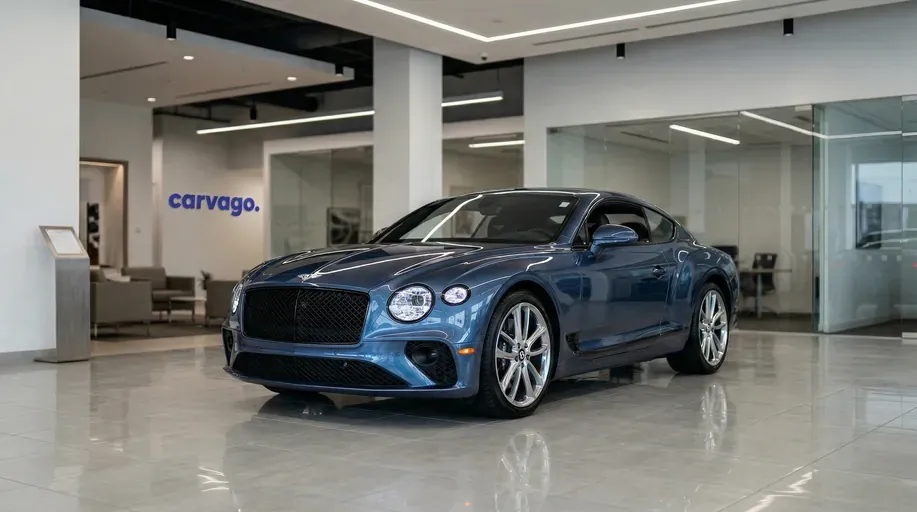
The fourth-generation Bentley Continental GT, which is highly relevant for the current market of approximately four-year-old used cars (production years 2018–2024), offers a more diverse range of power units covering the spectrum from an agile Grand Tourer to a highway interceptor. The entry-level and, from a driver's perspective, most entertaining choice is the twin-turbocharged 4.0 V8 engine. It boasts 404 kW of power and 770 Nm of torque, and thanks to the lower weight on the front axle, it provides the vehicle with more eager turn-in. For purists and lovers of immense pulling power, the iconic 6.0 W12 engine was available, producing 467 kW and a massive 900 Nm. However, it is very important to note that the standard W12 engine was withdrawn from production in March 2021. Since then, the baton has been taken over exclusively by the top-tier W12 Speed version, with power boosted to 485 kW. In all cases, power is transmitted through a lightning-fast eight-speed dual-clutch transmission (DCT).

Engine typeFuelPower (kW)Torque (Nm)Transmission
4.0 V8Petrol4047708DCT
6.0 W12Petrol4679008DCT
6.0 W12 SpeedPetrol4859008DCT

Rolls-Royce Ghost

The second generation of the Rolls-Royce Ghost (produced since 2020) maintains a very conservative yet exceptionally exclusive approach, relying on a single engine block configuration. The heart of the entire car is the twin-turbocharged 6.8 V12 unit, which historically refers to the classic 6.75-liter displacement. It delivers a completely silent 420 kW of power and a massive 850 Nm of torque, available from just 1,600 rpm. For customers seeking a more aggressive visual style and a slightly more dynamic character, the automaker introduced the Black Badge version in the autumn of 2021. This pushed the power to 441 kW with a peak torque of 900 Nm. Both models are paired with a traditional eight-speed automatic transmission, whose gear changes are designed to be completely imperceptible to the occupants.

Engine typeFuelPower (kW)Torque (Nm)Transmission
6.8 V12Petrol4208508AT
6.8 V12 Black BadgePetrol4419008AT

For those interested and drivers with a passion for more active driving and sharper throttle response, the Bentley Continental GT will be a far more suitable choice, specifically when paired with the lighter V8. However, if you are looking for a perfect oasis of silence, isolation from the outside world, and completely uncompromising comfortable transport even in the passenger seat or the rear, the majestic performance of the Rolls-Royce Ghost's V12 will have no competition on the market. The golden mean of heavyweight performance for long-distance travel remains the rare and now hard-to-find W12 engine in the Bentley.

Sharp dynamics versus aristocratic silence 🇬🇧

While Bentley charms passionate drivers with its fantastic V8 and fast transmission, the Rolls-Royce Ghost conquers the market with its absolutely silent, smooth, and velvety V12 designed for maximum luxury.

Choosing the right engine is crucial for long-term satisfaction with a luxury vehicle, especially if you are looking for a car on the secondary market around four years old. Our recommendation is based on performance parameters, real-world fuel consumption, user feedback, and mechanical reliability. An interesting point about these British aristocrats is their completely different engineering approach – while Bentley opted for a weight saving of about 50 kg over the front axle for its V8, making it a surprisingly sharp and agile GT, the second-generation Rolls-Royce Ghost switched to a completely new, purely bespoke aluminum platform and tuned its massive V12 exclusively for perfectly silent pull from idle. Given that both of these recommended engines ended their original production phase in 2024 (before the arrival of modernized generations), they represent the best you can buy on the nearly-new used car market in this category today.

For the Bentley Continental GT, we recommend: 4.0 V8 (404 kW / 550 hp)

While the massive W12 engine is historically iconic for the British brand, for the 4th generation (from 2019 to 2024, which is no longer produced in this specification as new), the twin-turbocharged 4.0 V8 makes the most sense from both a user and service perspective. This engine, with 404 kW (550 hp) and 770 Nm of torque, guarantees excellent acceleration to 100 km/h in exactly 4 seconds. However, its greatest technical advantage is the significantly lightened front end, which gives the heavy car a top-tier willingness to turn, minimizes understeer, and makes it a much more playful driver's car. Thanks to the cylinder deactivation function at low load, it also brings surprisingly reasonable fuel consumption and a real highway range of over 750 km. In terms of overall reliability, the V8 engine is more accessible for mechanics and more service-friendly than the cramped W12 unit, but the main pitfalls in used cars are the complex cooling system and air suspension. How to detect faults: When inspecting the car, always check if the car is leaning to one side after being parked for a long time (a sign of air leaking from the bellows) and if the suspension compressor runs abnormally loudly or for too long after starting. Also, spend time clicking through the infotainment, where the software occasionally glitches. This engine is an absolutely ideal choice for active drivers who love more dynamic driving, want to hear the characteristic exhaust burble, and are looking for a grand tourer built for daily use.

For the Rolls-Royce Ghost, we recommend: 6.8 V12 (420 kW / 571 hp)

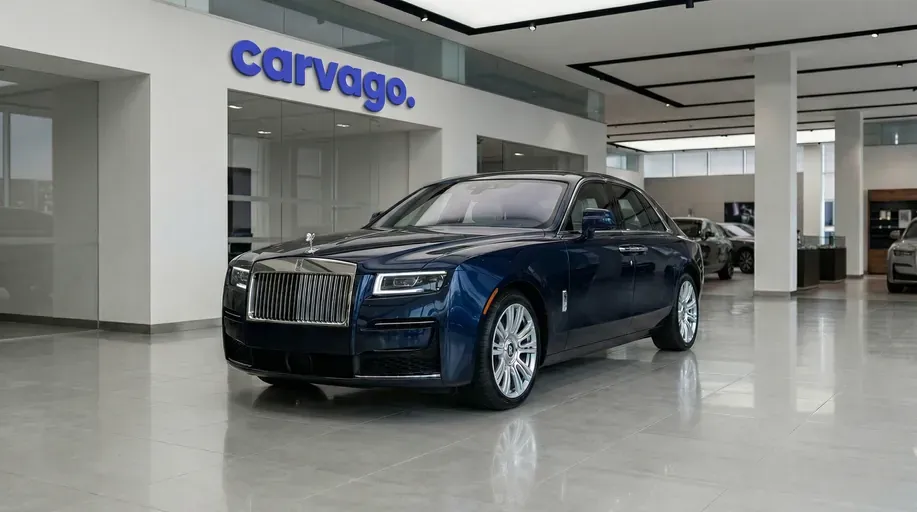
In the case of the second-generation Rolls-Royce Ghost (produced between 2020–2024, followed by the Series II facelift), the uncrowned king of the range is exclusively the twin-turbocharged 6.75-liter twelve-cylinder. This majestic unit provides 420 kW (571 hp) and a crushing 850 Nm of torque, which is available to the crew from just 1600 rpm. Instead of aggressive acceleration, its main weapon is a perfectly smooth torque curve, seamlessly transferred to the all-wheel-drive system. The technical gem of this car is the advanced "Planar" suspension with additional mechanical dampers on the upper wishbones, thanks to which the massive twelve-cylinder can silently swallow the road with the legendary "magic carpet ride" feeling. Although the engine itself is very robust in terms of long-term mechanical reliability and does not suffer from fatal defects, the car as a whole is an extremely complex mechanism riddled with electronics, where any repairs are astronomically expensive. How to detect faults: During a test drive, listen carefully for any unusual noises and watch the instrument cluster – if an error like "level control malfunction" appears or the car feels stiff when driving over bumps, you are in for very expensive air suspension service. Also, thoroughly test whether the rear-axle steering and the electric opening and closing of the heavy doors work flawlessly and quietly. This twelve-cylinder engine is a must for demanding clients who require absolute silence, luxurious majesty, and maximum isolation from the outside world during long highway journeys in total peace.
Real Fuel Consumption

When it comes to official fuel consumption figures, car manufacturers often appear much more optimistic than the subsequent everyday reality. This is doubly true for such luxury cruisers and grand tourers with giant engines. Although owners of these vehicles usually don't worry about every cent spent on petrol, differences in range on a single tank can play a crucial role on longer trips across Europe. To find out the real appetite, we looked at real-world tests and user data from platforms like Spritmonitor.de to see how roughly four-year-old models perform in normal traffic.

Model and engineAverage consumption (l/100 km)
Bentley Continental GT 4.0 V8 (404 kW)13.5
Bentley Continental GT 6.0 W12 (467 kW)16.8
Rolls-Royce Ghost 6.75 V12 (420 kW)17.5
Rolls-Royce Ghost EWB 6.75 V12 (420 kW)17.8

A look at the numbers shows a fairly clear trend. While the V8 engine of the Continental GT (which shares a modern technical base with other premium VW Group vehicles) can operate with relatively reasonable consumption during calm highway driving, the giant twelve-cylinders are in a completely different category. The 6.0 W12 engine in the Bentley actually requires closer to 17 liters, while the Rolls-Royce Ghost with its massive 6.75 V12 engine is even slightly higher. You naturally won't find diesel or small-displacement turbocharged variants that would miraculously bring consumption down to single digits with these brands, as refinement and sufficient power reserves are the absolute priority here.

For the typical user, this means two things in particular. When crawling through the city or standing in traffic jams, expect consumption starting with the number 2 for the twelve-cylinder versions of both brands. If, on the other hand, you plan regular long trips and want to stop at gas stations as little as possible, the Bentley Continental GT in the V8 version is the clear favorite. Thanks to its lower weight and advanced engine management, it offers not only more agile behavior but, above all, a significantly longer range. The extended Ghost EWB, on the other hand, represents the ultimate mobile palace, where twenty-liter consumption in the city is simply tolerated as a necessary tax for absolute acoustic and driving comfort.

In the end, fuel consumption for used cars with a price tag in the range of tens of thousands of euros rarely tends to be the primary deciding factor, but it says quite a lot about the overall character of the car. Those who want a more efficient and sportier grand tourer for every day will confidently reach for the V8 Bentley. Those who, on the other hand, are looking for the absolute aristocratic majesty of the highest automotive league will with a smile forgive the velvety twelve-cylinder in the Rolls and its higher rations of high-octane petrol.

Price Range and Used Car Offerings

When choosing an approximately four-year-old luxury car (2021–2022 models), these two British models represent very different price points. Although both cars belong to the highest exclusive segment, their market value on the used car market clearly reflects the original purchase price, a different target group, and differing depreciation curves.

Bentley Continental GT (3rd Generation)

The third-generation Continental GT is more frequently represented on the used car market and is relatively more affordable. Thanks in part to a steeper initial depreciation, it is an excellent choice in terms of the price-to-luxury-performance ratio.

  • Base price range: Four-year-old models with the proven V8 engine typically start around €150,000 (approx. €156,000).
  • Impact of equipment: Most well-maintained examples range between €160,000 and €190,000. Models enhanced with the optional Mulliner Driving Specification package, featuring diamond-quilted leather, usually stay at the upper end of this spectrum.
  • Top-tier versions: If you are interested in the massive W12 twelve-cylinder or the more sport-oriented Speed version, expect these cars to hold their value very well. You will commonly encounter prices from €200,000 to €250,000.

Rolls-Royce Ghost (2nd Generation)

The Rolls-Royce Ghost entered its second generation in 2020, and thanks to its more minimalist "Post Opulence" design and exclusive aura, it guards its value much more stubbornly. You will find far fewer of them on the market than Bentley cars.

  • Base price range: Even in the case of used cars, the Ghost is in a league of its own. Prices for four-year-old cars with the 6.75 V12 engine mostly start just below the €220,000 (approx. €226,000) mark.
  • Impact of bespoke customization: Models equipped with desirable features from the Bespoke program, such as the famous Starlight Headliner or custom audio systems, easily sell for €230,000 to €270,000.
  • Top-tier versions: For the rarer EWB (Extended Wheelbase) body style or the darkly styled Black Badge variant, buyers on the used market must pay a significant premium, with these specifications often exceeding the €300,000 mark.

Quick Price Overview (approx. 4-year-old cars)

Model (2021-2022)Used Starting PriceTypical Market RangeMost Expensive Variants and Equipment
Bentley Continental GT~ €150,000€160,000 – €190,000W12, Speed version, Mulliner
Rolls-Royce Ghost~ €220,000€230,000 – €270,000Black Badge, EWB version

From a financial perspective, the Bentley Continental GT is a more rational entry point into the world of British grand touring, with a very attractive second-hand price tag. The Rolls-Royce, on the other hand, remains an elite affair that requires a premium budget even after years, but rewards with an inimitable status.

Decision Based on Budget 💰

While a slightly used Bentley Continental GT offers a phenomenal ratio of price to everyday luxury dynamics, the Rolls-Royce Ghost confidently maintains a price tag corresponding to its aristocratic and utterly exclusive nature.

Safety and Euro NCAP Rating

When evaluating the safety of common modern vehicles, we would usually state here that both compared models are likely aiming for a five-star Euro NCAP rating, while emphasizing the need to perceive the context and year of testing. Euro NCAP's independent test protocols are constantly evolving and becoming more stringent across the board – percentage results from different years cannot be directly compared, as newer tests introduce more demanding frontal crash simulations, advanced cyclist detection, and entirely new crisis scenarios at intersections. In the ultra-luxury car category, however, the situation is highly specific: due to enormous acquisition costs and low-volume production, these exclusive models do not undergo official independent crash tests at all.

The Bentley Continental GT (in the context of roughly four-year-old used cars, this is the current third generation) has never been tested by Euro NCAP. For this reason, there are no official percentage results for adult occupant protection, child protection, vulnerable road user protection, or the effectiveness of safety assistants. Passive protection is nevertheless at the absolute top, mainly thanks to the extremely rigid body and the advanced MSB chassis platform, which the car shares with other technological highlights of the Volkswagen Group. The grand tourer is also equipped with a rich arsenal of active safety features. As part of its equipment (often included in the City and Touring packages), it offers advanced autonomous emergency braking with pedestrian detection, precise lane-keeping assist, night vision, and predictive adaptive cruise control.

In the case of the Rolls-Royce Ghost (represented by the second generation introduced in 2020), the situation is identical. Since Euro NCAP does not send cars with this astronomical price tag into test barriers, no standardized percentage ratings can be found for this model, and the safety tables remain blank. However, the car stands on the exceptionally strong "Architecture of Luxury" aluminum architecture. As for smart assistance systems, the Ghost belongs to a narrow technological elite. Modern standards are represented here by a night and day vision system with wildlife and pedestrian warning, a sophisticated high-resolution camera system, collision warning, active lane change assist, and cross-traffic warning.

Although there are no official crash test certifications for these British aristocrats, both provide the absolute pinnacle in terms of occupant security. Both the Bentley Continental GT and the Rolls-Royce Ghost rely on an exceptionally massive and rigid construction, proactively complemented by the most advanced camera and radar systems from their parent groups. In terms of overall sophistication, both cars offer highly modern and comprehensive safety packages corresponding to the highest current market standards.

ParameterBentley Continental GTRolls-Royce Ghost
Year of testingNot testedNot tested
Adult occupant protection (%)--
Child protection (%)--
Vulnerable road user protection (%)--
Safety assistance systems (%)--

🛡️ Safety without stars, yet at the absolute pinnacle

Despite the understandable absence of independent Euro NCAP tests, both models offer uncompromising structural rigidity and the most advanced electronic assistants, making them an exceptionally safe haven for all occupants.

Comparison of Interesting Equipment Features

In addition to standard equipment, each of the models offers several unique features that can be decisive for the customer, and each has its own distinct approach to added value, luxury, and the overall driving experience.

Bentley Continental GT: Rotating Display and Sporting Spirit

  • Infotainment and Dashboard: The most famous and admired feature is the Bentley Rotating Display. It is a unique three-sided rotating panel that gives the driver a choice between a modern 12.3-inch touchscreen, a trio of classic analog gauges (thermometer, compass, and stopwatch), or a clean wood veneer that visually integrates the entire dashboard for an undisturbed, traditional driving experience.
  • Chassis and Electronics: Driving confidence is ensured by the Bentley Dynamic Ride system. This 48-volt active roll stabilization system electronically adjusts the stiffness of the anti-roll bars. Combined with three-chamber air suspension, this means the car can defy its two-ton dimensions in corners and remain perfectly flat without losing compliance and comfort on broken roads.
  • Engine and Transmission: Those interested in roughly four-year-old cars can choose between the more agile and lighter 4.0 V8 or the monumental and smoother 6.0 W12. In both cases, power is transmitted through a fast eight-speed dual-clutch transmission, which underlines Bentley's sportier character compared to a traditional torque-converter automatic.
  • Sound and Unique Equipment: Customers often opt for the top-tier Naim for Bentley audio system with 2,200 W of power, which includes active bass transducers built directly into the seats (so-called "bass shakers"). The sporting touch and incredible attention to detail can be further enhanced with equipment from the Mulliner division, which offers, for example, intricate diamond quilting of the leather upholstery that requires hundreds of thousands of stitches.

Rolls-Royce Ghost: Architecture of Luxury and Absolute Silence

  • Innovative Chassis and Telematics: For the second generation of the Ghost, Rolls-Royce developed the so-called Planar Suspension System. A world first is the upper wishbone damper on the front axle, which absorbs high-frequency vibrations and prevents them from being transmitted to the body. The system works closely with Flagbearer cameras that read the road surface ahead of the car and proactively adjust the air suspension stiffness, perfecting the legendary "magic carpet ride."
  • Comfort Features and Doors: While electric door closing is already a tradition for the brand, the Effortless Doors system in the Ghost has raised the bar. Thanks to sensors and electric motors, the doors not only close themselves but also open smoothly from the inside and outside with exactly the same resistance, even when the car is parked on a slope.
  • Unique Interior Design: The iconic Starlight Headliner, which uses thousands of fiber optics to imitate a starry night sky (including shooting stars), is complemented here by an innovation called Illuminated Fascia. This is an illuminated part of the dashboard in front of the passenger, where 850 stars and the Ghost nameplate elegantly shine through after starting. When the car is off, the panel is perfectly hidden behind high-gloss black wood.
  • Acoustics and Powertrain: The Ghost uses a dedicated aluminum platform (Architecture of Luxury). Engineers used over 100 kg of acoustic insulation materials and created a specific interior noise frequency, the so-called "whisper formula." At its heart is the classic 6.75-liter twin-turbo V12, tuned exclusively for comfort – maximum torque is available from just 1,600 rpm, ensuring effortless and smooth acceleration without the need to rev the engine.

Key Advantages and Disadvantages

Bentley Continental GT

Pros

Excellent driving dynamics and handling thanks to an advanced chassis

Stunning interior craftsmanship with a unique rotating center display (Bentley Rotating Display)

Powerful and characterful V8 and W12 engines ideal for fast cross-continental travel

Significantly more driver-focused and enjoyable to drive than most super-luxury competitors

Available in both coupe and convertible versions

Cons

Cramped rear seat space, suitable more for children or as a storage area

Extreme curb weight exceeding 2.2 tons leads to faster wear of brakes and tires

Rapid depreciation on the used car market

Some technological and onboard features cannot hide their kinship with cheaper VW Group models

Bentley Continental GT is the perfect embodiment of the Grand Tourer category and is designed primarily for the driver's pleasure. It perfectly combines opulent British luxury with surprisingly sporty driving characteristics, making it an ideal choice for those who enjoy driving themselves and often cover long distances in absolute comfort.

Rolls-Royce Ghost

Pros

Unrivaled ride comfort thanks to advanced air suspension (the so-called "Magic Carpet Ride")

Perfectly soundproofed cabin providing absolute isolation from ambient noise

Enormous space and luxury for rear-seat passengers, especially in the Extended wheelbase version

Extremely quiet and velvety smooth operation of the twin-turbocharged twelve-cylinder (V12) engine

An aura of total exclusivity and prestige supported by a minimalist yet top-tier "Post Opulence" design

Cons

Detached steering and chassis setup do not encourage dynamic driving at all

Huge external dimensions and weight make parking and maneuvering in narrow city streets significantly difficult

Astronomical costs for regular service, maintenance, and potential repairs

For some buyers, the car's appearance in public may be too ostentatious and conspicuous

Rolls-Royce Ghost represents the absolute pinnacle in ride comfort and acoustic isolation, with maximum attention paid to a relaxed and quiet ride. It appeals to an exceptionally demanding clientele who are not looking for sporty performance but desire a stress-free and representative journey reminiscent of a flight in a private jet, whether with a personal chauffeur or behind the wheel.

Common Problems and Owner Complaints

Based on our own independent vehicle condition audits, breakdown statistics, long-term user experience, and service records, we have compiled a detailed overview of the most common problems that buyers of these luxury used cars should watch out for.

The third-generation Bentley Continental GT (from 2018) benefits from the modern MSB platform shared with Porsche models, which has brought a significant improvement in mechanical reliability. However, as an extremely complex vehicle, it still faces several typical issues.

  • Air Suspension: One of the most common and expensive problems is air spring leaks and compressor wear. The fault typically manifests as the front of the car sagging after being parked, knocking from the front axle when driving over bumps, or warning messages on the display.
  • False Electronic Warnings: Owners very often report random warning lights appearing on the dashboard (e.g., tire pressure error, check engine light). In most cases, these are not mechanical faults but software bugs that require a diagnostic reset or a control unit update.
  • Window Regulator Mechanism: A known pain point is failing electric window motors. The problem is often preceded by an unnatural hissing or grinding sound. Replacement is quite costly, as each motor has its own electronic control unit (ECU) and the entire part must be replaced.
  • Brakes and Exterior Lighting: The third brake light located above the rear window is prone to failure and often requires an expensive replacement of the entire LED module. Furthermore, extreme power and weight mean faster wear of brake hoses and linings, which Bentley recommends replacing at shorter intervals.
  • Engine and Fluid Leaks: In the massive and tightly packed W12 (and V8) engines, valve cover gasket leaks or problems with the turbocharger oil lines can occur at higher mileages. A precise physical inspection of a used car on a lift is an absolute necessity for such a complex powertrain.

Bentley Continental GT: Surprisingly robust, but demanding

Although the technology shared with the group has brought better overall durability, the Continental GT still requires meticulous and expensive maintenance, with the delicate air suspension and minor electronic glitches causing the most headaches.

The second-generation Rolls-Royce Ghost (from 2020) moved to the exclusive "Architecture of Luxury" aluminum platform, but it also carries some ailments primarily associated with the car's massive weight and extreme amount of onboard technology.

  • Complex Chassis System: The Ghost utilizes a sophisticated suspension with the Planar system, which ensures a "magic carpet ride." Failures of height sensors, loss of pressure in the air springs, or compressor wear lead to the car leaning to one side. Any repair of this system involves astronomical sums.
  • Extreme Brake Wear: A colossal weight exceeding 2.5 tons takes a heavy toll on brake discs and pads. Owners must expect the braking system to wear out much faster than in conventional luxury sedans, and its replacement is very expensive.
  • Power-Closing Doors (Coach Doors): The iconic rear-hinged doors open and close using electric motors. Sensors that monitor obstacles and the opening angle can fail due to wear or software errors, requiring professional intervention and calibration.
  • Electrical Systems and Batteries: The car features dozens of control units with massive power consumption even in standby mode. If the Ghost is not connected to a trickle charger during long periods of inactivity, there is a risk of rapid discharge and battery damage. A weak battery then triggers a cascade of error messages, including freezing of the iDrive infotainment system.
  • Twelve-Cylinder Engine: For the twin-turbocharged V12 unit, it is absolutely crucial to adhere to short oil change intervals. Neglected care can lead to clogging of the lubrication lines to the turbochargers, ignition coil failures, and occasional coolant leaks. Every comprehensive vehicle inspection must focus on the service history and the flawless operation of this engineering masterpiece.

Rolls-Royce Ghost: The King requires luxury care

The Ghost is mechanically and engine-wise advanced and generally very reliable; however, its enormous weight puts extreme strain on consumable parts, and the complex electronics do not forgive long periods of standing without being connected to a trickle charger.

Tips for Buying a Used Car

When buying a used car, a thorough inspection is key. Here are several specific points to focus on for these two luxury models, ideally as part of a comprehensive vehicle check.

When choosing a Bentley Continental GT:

  • Air suspension condition: Given the weight exceeding 2.2 tons, the air suspension components take a significant beating. During the test drive, listen for any dull knocking sounds from the front axle, and visually check if the car starts to sag to one side after parking.
  • Brake system condition: Extreme performance and weight mean that brake components wear out very quickly. Check the thickness of the brake discs (a prominent lip indicates the need for an expensive replacement). Pay special attention to the optional carbon-ceramic brakes, where replacement is astronomically expensive.
  • Window regulator motor functionality: A strange and surprisingly common fault that appears on the Continental GT is failing window motors. If you hear unusual hissing or grinding when operating the window, the entire unit is likely nearing the end of its life (the motor has its own electronics and must be replaced as a whole).
  • Rotating display mechanism: On models equipped with the optional three-sided panel (Bentley Rotating Display), test its operation in detail. The mechanism must rotate completely smoothly and quietly; any sticking means a complex repair deep inside the dashboard.
  • Engine bay tightness: Both W12 and V8 engines are literally packed into the engine bay. Carefully look for signs of oil or coolant leaks. Even a seemingly trivial resealing can require pulling the entire engine out of the car due to zero working space.

When choosing a Rolls-Royce Ghost:

  • Absolutely silent V12 operation: The heart of the Ghost (a twin-turbocharged twelve-cylinder sharing part of its architecture with BMW) must have a velvety and completely silent idle. Blue smoke on a cold start (worn valve stem seals) or prolonged cranking (a failing high-pressure fuel pump) are clear signals of impending massive investments.
  • Planar suspension system: The second-generation Ghost uses the unique Planar system, which proactively reads the road and ensures the iconic "magic carpet ride" effect. The ride must not feel wallowy like a boat, nor should jolts penetrate the cabin. Check the infotainment for any warnings regarding suspension height calibration.
  • Smooth operation of electric doors: All Ghost doors feature a fully electric closing and opening system. They must respond immediately to the press of a button and move completely smoothly. Any hesitation can mean a failure of sensitive tilt sensors or servomotors.
  • Condition of the "Starlight" headliner and displays: Luxury electronics tend to act up occasionally. Focus on the flawless operation of the onboard system and carefully check the famous Starlight Headliner. A burnt-out or flickering optical fiber is extremely difficult to repair and requires a demanding specialized intervention.
  • Cosmetics of exclusive materials: Even the finest scratches on open-pore veneer, damage to the hand-painted coachline, or defects in the special leather represent a huge problem. Repair using conventional methods is impossible, and custom replacement parts directly from the factory in Goodwood are very expensive.

FAQ: Most Frequently Asked Questions

The Bentley Continental GT is a grand tourer designed primarily for driving pleasure, offering a sportier chassis and much sharper steering. While the Rolls-Royce Ghost is very pleasant to drive, its main goal is maximum comfort and soundproofing, making it ideal for a calm and smooth ride. For active drivers, the Bentley is clearly the better choice.

The Rolls-Royce Ghost is a large four-door limousine that provides immense space and maximum luxury for rear-seat passengers. In contrast, the Bentley Continental GT is a two-door coupe (or convertible) where the rear seats are more for occasional use and suitable only for smaller individuals or shorter trips. If you plan to carry adult passengers in the back often, the Ghost is the only logical choice.

The Bentley Continental GT is a significantly more dynamic car, which, for example, in the W12 engine version, can accelerate from 0 to 100 km/h in just 3.7 seconds and reaches speeds over 330 km/h. The Rolls-Royce Ghost also features a powerful twelve-cylinder engine, but its performance is intentionally tuned for imperceptible, smooth acceleration, and its top speed is limited to 250 km/h. In a direct comparison of overall dynamics, agility, and top speed, the Bentley clearly wins.

The Rolls-Royce Ghost is the absolute pinnacle of ride comfort thanks to its famous "Magic Carpet Ride" air suspension and unrivaled cabin soundproofing. The Bentley Continental GT offers exceptional comfort for a luxury coupe, but it does not reach the same level of absolute isolation from road imperfections as the Rolls-Royce. In terms of pure comfort and a sense of undisturbed peace, the Ghost has the upper hand.

The Rolls-Royce Ghost is significantly more exclusive and expensive even when new, which means it commands a premium price tag even as a roughly four-year-old used car. The Bentley Continental GT appears on the market in larger numbers and experiences a slightly steeper initial price drop. When buying a slightly used car, the Bentley offers a much more attractive ratio of purchase price to performance and equipment, while the Ghost remains more of a symbol of ultimate status regardless of price.

Conclusion: Which Model to Choose?

Our Verdict

The choice between the Bentley Continental GT and the Rolls-Royce Ghost is ultimately a decision between an active driving experience and absolute passenger comfort. While the more compact and agile Bentley represents the ideal choice for individuals who want to fully enjoy sporty grand touring behind the wheel and appreciate a more favorable purchase price on the pre-owned market, the majestic Rolls-Royce targets a completely different clientele. This aristocratic limousine unrivaledly dominates in terms of acoustic insulation, rear-seat space, and incredible ride smoothness, making it the perfect sanctuary for buyers seeking ultimate luxury regardless of budget. If you prefer exciting dynamics for long-distance travel for two, reach for the Continental GT; if, on the other hand, you long for a heavenly quiet oasis of calm and the highest possible social status, only the Ghost will fulfill your most demanding expectations.

Find your ideal car

Sources: ADAC, lidovky.cz, svetmotoru.cz, automagazin.cz, fdrive.cz, carfans.cz

This article was prepared using artificial intelligence tools. The section guarantor is Petr Dušek.

Related articles

Car battle

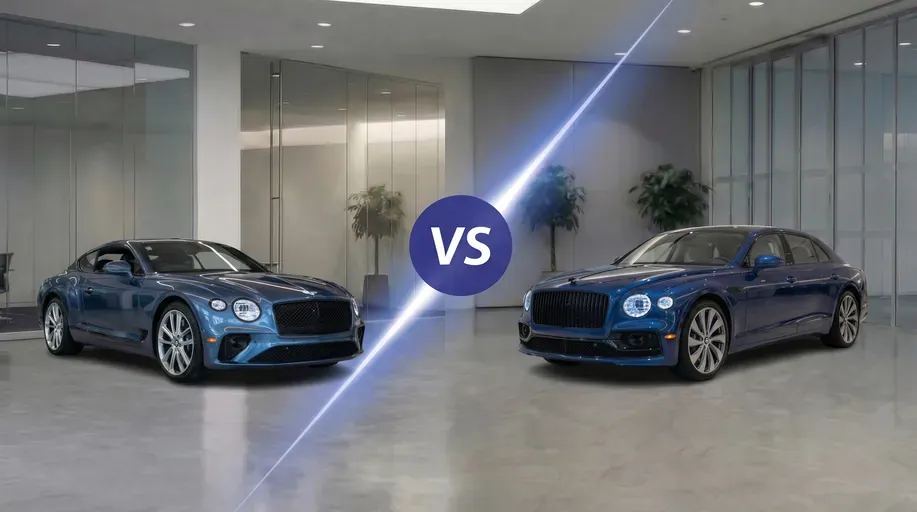
Bentley Continental GT vs. Bentley Flying Spur: Complete comparison 2026

Detailed comparison of Bentley Continental GT vs Bentley Flying Spur. Discover the differences in performance, comfort, and equipment and choose the right luxury car for you.

Apr 13, 2026

Car battle

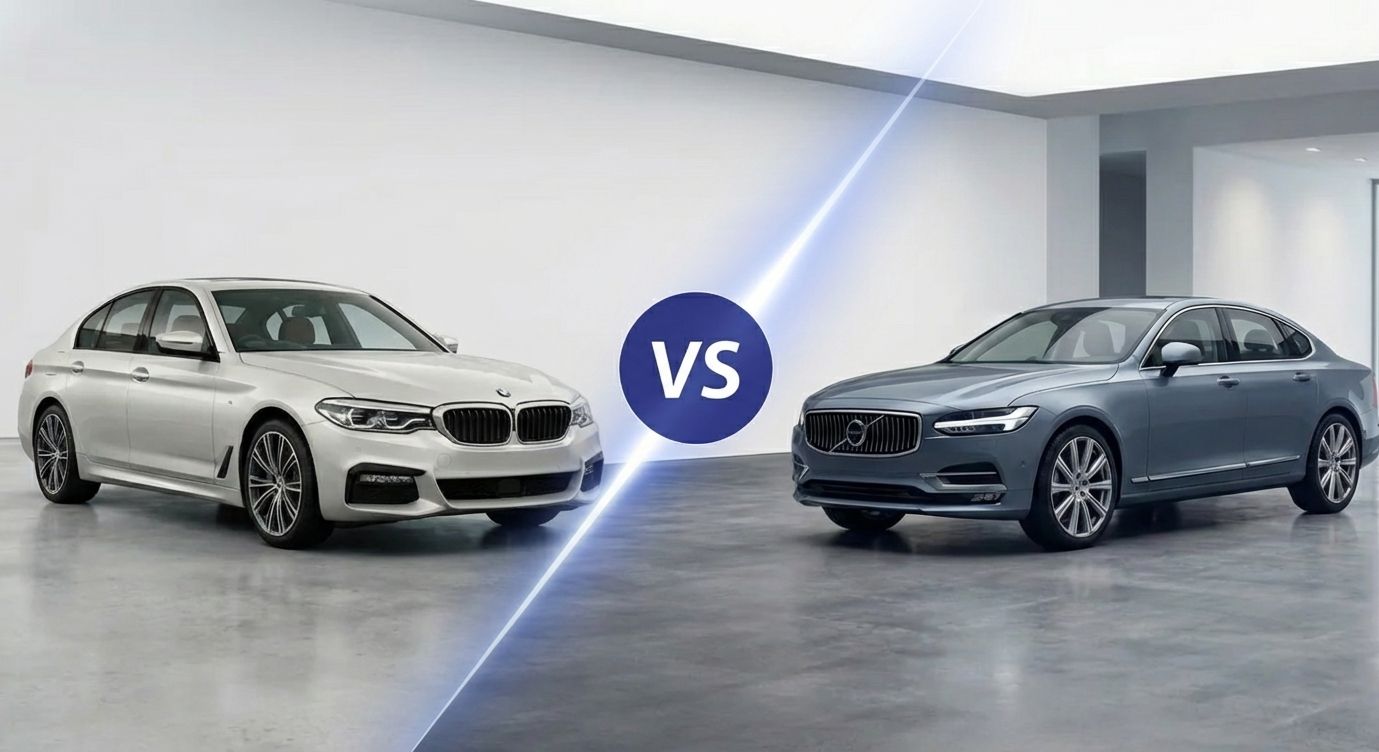
BMW řady 5 vs. Volvo S90: Complete comparison 2026

Detailed comparison of the BMW 5 Series and Volvo S90. Discover the differences in comfort, performance, and reliability of used cars. Read our verdict and choose the best sedan.

Apr 14, 2026

Car battle

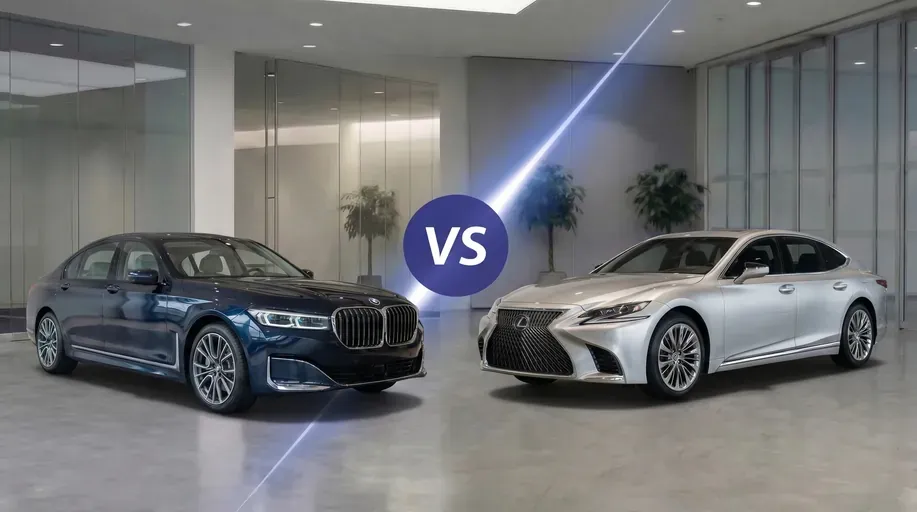
BMW řady 7 vs. Lexus LS: Complete comparison 2026

Comparison of used BMW 7 Series vs Lexus LS luxury sedans. Discover key differences in comfort, equipment, and reliability. Read our clear verdict before you buy!

Apr 14, 2026

We accept online card payments as well as wire transfers.

visa payment provider logovisa-electron payment provider logomastercard payment provider logomaestro payment provider logodiners-club payment provider logodiscover payment provider logo