Car battle
Hyundai i30 vs. Peugeot 308: Complete comparison 2026
Used car comparison: Hyundai i30 vs Peugeot 308: We compared engines, equipment and reliability. Read our verdict and find out which hatchback to choose.
May 8, 2026
Articles
Car battle
Detailed comparison of used Renault Mégane vs Seat Leon. Find out which hatchback offers better driving characteristics, reliability, and equipment. Read our verdict!
May 10, 2026
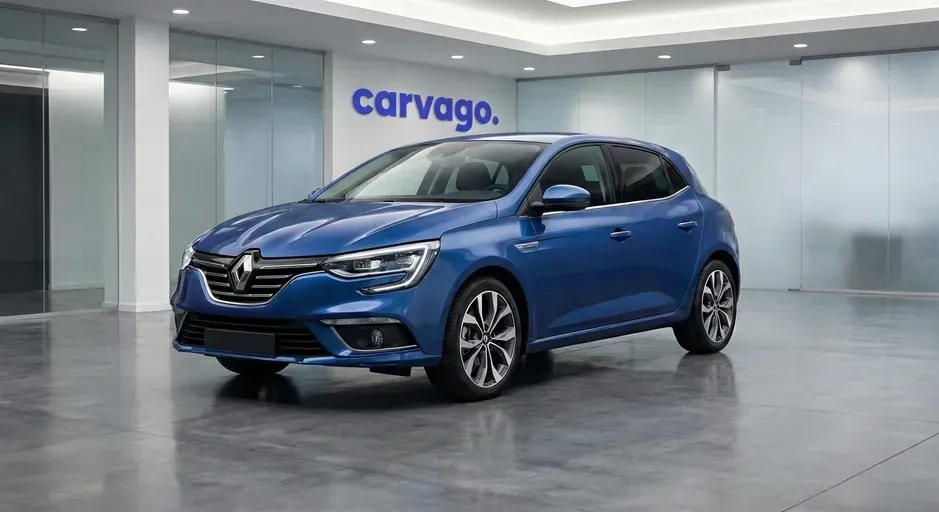
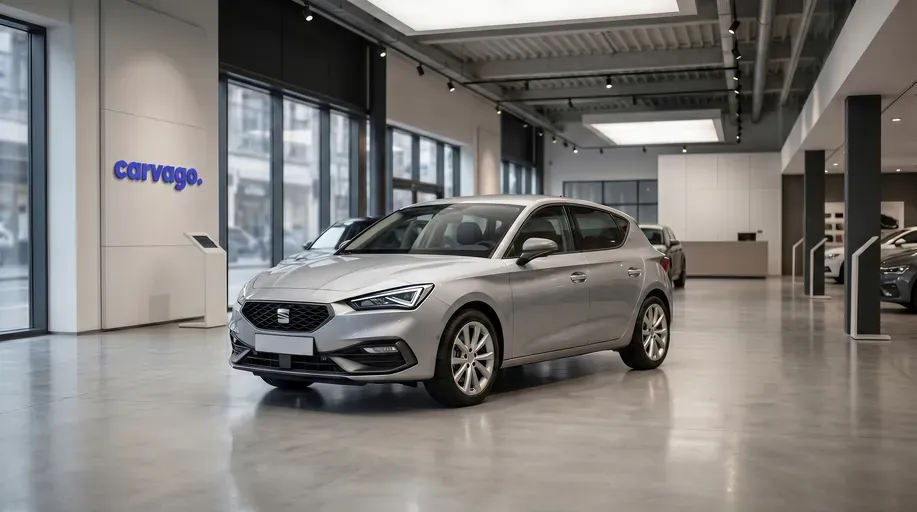
Renault Mégane, which you can also find on the market in a practical estate version under the name Mégane Grandtour or as an elegant sedan called the Grandcoupé, is a popular French representative of the lower-middle class that relies primarily on smooth comfort and unmistakable charm. Standing against it is the spirited Seat Leon, whose extended variant can be found under the Sportstourer designation and sharp sports versions under the independent Cupra Leon brand, which brings a sharper design and advanced German group technology to the same segment. Let's take a detailed look at which of these two attractive and highly sought-after compact cars on the used car market represents the smarter choice for your daily journeys.
When looking at the exterior dimensions of the Renault Mégane (fourth generation) and Seat Leon (KL generation) models, which currently rank among the most popular representatives on the nearly-new used car market, we encounter several interesting differences. The base five-door Seat Leon is, at 4368 mm, 9 mm longer than the standard version of the Mégane (4359 mm). On the other hand, the French representative counters with a 15 mm wider body (1814 mm compared to 1799 mm for the Leon). Regarding the wheelbase, the Seat has a slight edge, offering up to 2686 mm, while the standard version of the Mégane tops out at 2670 mm. While the Renault's wider body provides a bit more airiness and shoulder room, the Leon, thanks to its longer wheelbase, better suits buyers who frequently carry adult passengers in the back and need more longitudinal legroom for them.
The situation repeats with the popular family estates, albeit with slightly different absolute values. The Seat Leon in the Sportstourer version has stretched to an impressive 4642 mm, exceeding the rival Renault Mégane Grandtour with a length of 4626 mm by 16 mm. The width of both models remains the same as their shorter siblings, meaning the Spanish car maintains a slightly slimmer profile. In terms of height, the Renault, at a constant 1449 mm, is very similar to the Leon, whose roofline sits between 1437 and 1456 mm depending on the engine. The Seat Leon's greater overall length and slimmer profile make it an ideal candidate for those seeking maximum longitudinal space for family trips, while the slightly more compact and wider Mégane may suit drivers who prefer a visually more robust and planted estate.
In daily use and city maneuvering, these millimeter differences determine how nimbly the car behaves in tight conditions. The Mégane's wider stance and slightly shorter wheelbase give the car a sense of bulk, but in narrow underground garages or near curbs, they require a bit more attention and precision. Conversely, the Seat Leon's narrower build makes parking between tightly packed cars and opening doors somewhat easier, making it a more practical and user-friendly choice for daily city traffic.
| Parameter | Renault Mégane Hatchback | Seat Leon Hatchback | Renault Mégane Estate | Seat Leon Estate |
|---|---|---|---|---|
| Length (mm) | 4359 - 4364 | 4368 | 4626 | 4642 |
| Width (mm) | 1814 - 1875 | 1799 | 1814 | 1799 |
| Height (mm) | 1428 - 1438 | 1442 - 1460 | 1449 | 1437 - 1456 |
| Wheelbase (mm) | 2669 - 2670 | 2682 - 2686 | 2669 - 2712 | 2682 - 2686 |
When choosing a compact car, trunk capacity often plays a key role, not only for families but also for active individuals with space-intensive hobbies. A properly sized trunk determines the vehicle's daily practicality – it decides whether you can easily load a stroller, bulky sports equipment, or a weekend's worth of groceries for the whole family. In the context of the market for roughly four-year-old used cars, the fourth-generation Renault Mégane and the current-generation Seat Leon (KL) go head-to-head. Each of these models approaches interior space layout slightly differently, which can play a crucial role in the final choice.
In the traditional hatchback category, the Seat Leon offers a very usable base capacity of 380 liters, which increases to 1,301 liters when the rear backrests are folded down. Its space is symmetrical and perfectly sufficient for daily errands as well as longer holidays for two. The Renault Mégane is slightly more generous in this body style – for classic internal combustion engines, its base capacity ranges from 402 to 473 liters (depending on the specific version and model year), with the maximum cargo capacity growing up to 1,367 liters. In practice, for the owner of the French car, this means welcome space for a few extra suitcases, which can be very handy when packing for a long weekend.
However, if you require the car to play the role of a family hauler, both popular estate versions change the rules of the game. Here, the Spanish Seat Leon Sportstourer excels, overshadowing the competition in many respects with an impressive base capacity of 620 liters (up to 1,600 liters when folded). The Renault Mégane Grandtour (Estate), however, lags only slightly behind, providing a solid 507 to 563 liters, with a ceiling of 1,543 liters. When choosing, it is also necessary to pay attention to the chosen powertrain. If you opt for the popular plug-in hybrid engines, you must expect a significant reduction in space due to the batteries. For example, in the Leon e-HYBRID, the hatchback's capacity drops to a below-average 270 liters (470 liters for the estate version), while in the Mégane E-Tech estate, the base value stops at 447 liters.
| Parameter | Renault Mégane Hatchback | Seat Leon Hatchback | Renault Mégane Estate | Seat Leon Estate |
|---|---|---|---|---|
| Base capacity (liters) | 402 - 473 | 380 | 507 - 563 | 620 |
| Max. capacity with seats folded (liters) | 1247 - 1367 | 1301 | 1504 - 1543 | 1600 |
While the Renault Mégane provides more extra liters in the popular hatchback category, the Seat Leon in its estate version is an absolute leader with a massive 620 liters, swallowing even the most demanding family holiday without hesitation.
Differences in braked towing capacity represent a key parameter for drivers who plan to actively use a tow bar, whether for family holidays with a caravan or for transporting heavier materials. Towing capacity fundamentally affects the overall practicality of the car and can easily determine whether the vehicle will serve you only for a small weekend trip to the recycling center or if you can head to the seaside with a family boat or caravan without worry.
When looking at cars typical for the four-year-old used car market, specifically the Renault Mégane fourth (IV) and fifth (V) generation versus the Seat Leon KL generation (2020 and newer), we find surprisingly significant differences under the hoods of both rivals. For standard combustion versions, both models perform excellently. The Renault Mégane IV with the popular TCe 140 petrol engines or BLUE dCi diesels can standardly tow trailers weighing from 1,650 to 1,700 kg. The maximum ceiling for this generation is formed by the older, powerful ENERGY dCi diesels (130 and 165), which could tow up to 1,850 kg. The Seat Leon KL starts with the basic 1.0 TSI three-cylinder at a more modest 1,100 to 1,300 kg. However, the more popular and versatile 1.5 TSI and eTSI engines easily handle a solid 1,500 kg. The absolute peak for the Spanish car is the 2.0 TDI diesel engine, which (especially in the Sportstourer estate version) can tow up to an excellent 2,000 kg, noticeably outperforming its French competitor.
A major turning point in the decision-making process occurs when you focus on modern hybrid and purely electric variants. If you purchase a plug-in hybrid Seat Leon 1.4 e-HYBRID, you retain a full towing capacity of 1,500 kg. In contrast, the competing Renault Mégane IV E-Tech Plug-in 160 is significantly limited due to a different powertrain design and can tow only 750 kg of braked weight. This sharp drop continues with the purely electric fifth-generation Mégane E-Tech, where the basic battery variant can only tow 500 kg and the more powerful EV60 version a maximum of 900 kg.
In practice, these values mean that while with a plug-in hybrid Leon you can easily take a medium-sized caravan with you on a longer family holiday, the electrified Mégane offers space at most for a smaller light trailer for hauling garden waste or serves primarily just for installing a rear bike rack. (Note: Data for unbraked trailer weight for these specific models are not precisely specified in the available database, so we mark them as N/A in the table. However, based on the physical limits of cars in this category, a load capacity for unbraked trailers between 600 and 750 kg is realistically expected.)
Final Verdict: If you are choosing a classic powerful diesel and looking for a reliable workhorse, both models will serve perfectly, with the Seat 2.0 TDI handling even more extreme loads. However, if you prefer modern plug-in hybrid technology but still don't want to give up a large caravan or a bulky trailer, the Seat Leon becomes the absolutely clear and unrivaled choice.
| Model and engine | Braked towing capacity (kg) | Unbraked towing capacity (kg) |
|---|---|---|
| Renault Mégane IV 1.3 TCe 140 | 1650 - 1700 | N/A |
| Renault Mégane IV 1.5 BLUE dCi 115 | 1650 - 1700 | N/A |
| Renault Mégane IV E-Tech Plug-in 160 | 750 | N/A |
| Renault Mégane V E-Tech Electric EV60 | 900 | N/A |
| Seat Leon KL 1.5 TSI / eTSI | 1300 - 1500 | N/A |
| Seat Leon KL 2.0 TDI (incl. Sportstourer) | 1500 - 2000 | N/A |
| Seat Leon KL 1.4 e-HYBRID | 1500 | N/A |
Renault Mégane and SEAT Leon offer a very diverse range of engines in their generations that are currently attractive on the market for roughly four-year-old used cars. However, each brand approaches the powertrain differently, which also defines their target group. The SEAT Leon (in its fourth generation, KL) relies on advanced Group technology shared with VW models, which means widespread use of mild-hybrid systems (engines labeled eTSI), alternative natural gas drive (TGI), and the legendary 2.0 TDI diesel engines. In contrast, the Renault Mégane (fourth generation after the facelift) bets on extremely refined 1.3 TCe petrol engines, developed in cooperation with Mercedes-Benz, and the time-tested, economical 1.5 Blue dCi diesel engine. Both cars also feature modern plug-in hybrid versions, which will please corporate fleets and those with home charging options. While the Leon, with its precise DSG dual-clutch transmissions and rev-happy engines, appeals more to dynamic drivers and highway mile-munchers, the Mégane is tuned more for a calmer ride and comfort, with its unique multi-mode gearbox in the plug-in hybrid working exceptionally smoothly, especially in city traffic.
Thanks to the facelift of the fourth generation, the Renault Mégane appears on the used car market with very advanced power units. The absolute base is the 1.0 TCe three-cylinder petrol engine, but the market is dominated by the more powerful 1.3 TCe four-cylinders with 103 kW (140 hp) or 118 kW (160 hp), which can be combined with a seven-speed EDC dual-clutch automatic. Diesel fans can rely on the exceptionally economical 1.5 Blue dCi unit. A major technological pride of the brand is the E-Tech Plug-in 160 version, which combines a naturally aspirated 1.6-liter engine with a pair of electric motors and an innovative clutchless gearbox. True enthusiasts swear by the Mégane R.S. hot hatch with its turbocharged 1.8-liter engine producing nearly 300 horsepower. When choosing a used car, it's good to keep in mind that the offering changed over time – for example, plug-in hybrid versions disappeared from price lists during 2023, followed by the Blue dCi diesel engine in 2024. Note: Under the name Mégane E-Tech Electric, the automaker also sells a completely new fifth generation, but in this case, it is a purely electric crossover whose technology is entirely different from the hatchback/estate discussed here.
| Engine type | Fuel | Power (kW) | Torque (Nm) | Transmission |
|---|---|---|---|---|
| 1.0 TCe 115 | Petrol | 85 | 200 | 6MT |
| 1.3 TCe 140 | Petrol | 103 | 240 | 6MT / 7EDC |
| 1.3 TCe 160 | Petrol | 118 | 260 / 270 | 7EDC |
| 1.5 Blue dCi 115 | Diesel | 85 | 260 | 6MT / 7EDC |
| 1.6 E-Tech Plug-in 160 | Plug-in Hybrid | 118 | 144 + 205 | Multi-Mode (A) |
| 1.8 TCe 300 (R.S.) | Petrol | 221 | 400 / 420 | 6MT / 6EDC |
The SEAT Leon KL generation brought the most comprehensive range of powertrains in its history at its debut. Users can choose from a range of turbocharged TSI engines; if you choose a version with a DSG automatic transmission, you always get a unit labeled eTSI, which features a 48V mild-hybrid system. This allows coasting with the engine off and smooths out the start-stop system's reactions. The range starts with the base 1.0 TSI three-cylinder and continues with the very popular and reliable 1.5 TSI four-cylinder with cylinder deactivation technology. For more demanding travelers, a 2.0 TSI with 140 kW was available, or the robust and legendary 2.0 TDI diesel four-cylinder in two power levels. We must also mention the 1.4 e-HYBRID plug-in hybrid, which offers a decent electric range of around 50 kilometers. However, here too, the market is changing rapidly. Available data shows that the 1.5 TGI compressed natural gas (CNG) engine and the more powerful 2.0 TSI petrol engine were dropped from the range during 2023, making them relatively exclusive, though sought-after, items on the four-year-old used car market.
| Engine type | Fuel | Power (kW) | Torque (Nm) | Transmission |
|---|---|---|---|---|
| 1.0 TSI / eTSI | Petrol / MHEV | 66 / 81 | 175 / 200 | 6MT / 7DSG |
| 1.5 TSI / eTSI | Petrol / MHEV | 96 / 110 | 200 / 250 | 6MT / 7DSG |
| 2.0 TSI | Petrol | 140 | 320 | 7DSG |
| 1.5 TGI | CNG / Petrol | 96 | 200 | 6MT / 7DSG |
| 1.4 e-HYBRID | Plug-in Hybrid | 150 | 350 | 6DSG |
| 2.0 TDI | Diesel | 85 / 110 | 300 / 360 | 6MT / 7DSG |
While the SEAT Leon attracts with its dynamic properties, advanced mild-hybrids, and reliable two-liter diesels ideal for the highway, the Renault Mégane responds with the velvety operation of TCe four-cylinders and a unique plug-in hybrid system better suited for urban and suburban traffic.
Choosing the right engine is absolutely crucial for long-term satisfaction, reliability, and maintaining reasonable service costs. The following recommendations are based on performance parameters, real-world fuel consumption, owner feedback, and documented mechanical reliability from the market of approximately four-year-old used cars. While Renault gradually refined its offering in the fourth generation to several very reliable units and switched to purely electric drive (E-Tech Electric) with the arrival of the fifth generation (from 2022), Seat relies on an exceptionally wide and technologically advanced range of internal combustion and mild-hybrid engines from the parent VW Group for its current model (from 2020).
This petrol four-cylinder, developed in cooperation with Mercedes-Benz, represents the absolute ideal for the fourth generation of the Mégane model. It excels with excellent flexibility from low revs, refined quiet operation, and in real-world driving, it pleases with fuel consumption that stays around 6 liters per 100 km. It eliminated all the shortcomings of the older, problematic 1.2 TCe engines and ranks among highly reliable units mechanically. If you are choosing a used car, remember that every direct-injection engine is prone to engine oil dilution with fuel and carbon deposit formation on the valves during very frequent city driving. Check the service history – the best prevention is shortening the oil change interval to 10,000 to 15,000 km and occasionally warming up the engine during longer highway drives. It is an exceptionally versatile choice for drivers who combine suburban traffic with weekend trips. However, if you cover tens of thousands of kilometers a year across Europe, the exceptionally economical 1.5 Blue dCi 115 diesel will be an excellent choice. For the newer, purely electric fifth generation (E-Tech), take into account the range reduction in winter and choose the model only if you have reliable home charging secured.
In the current fourth generation (designated as KL, from 2020), the more powerful version of the 1.5 TSI four-cylinder is the most sensible choice from the perspective of driving dynamics and operating costs. Its mild-hybrid variant, the eTSI, which comes standard with a DSG dual-clutch transmission, is particularly interesting. The 150 hp output provides the Leon with confident flexibility even under full load, and thanks to the Active Cylinder Technology (ACT) system, it can often achieve impressive fuel consumption just below 6 liters. The engine itself is very robust and reliable. When inspecting a car from the first years of production (2020–2021), however, focus more on the electronics than the mechanics. Carefully test the speed and stability of the infotainment system, as freezing was a known pain point in the beginning – although it can be elegantly resolved by installing updated software at an authorized service center, it's better to know about it beforehand. During a test drive with the eTSI version, the engine's shutdown and restart should be completely smooth and imperceptible. The engine suits both calmer city drivers and more sport-oriented motorists. The traditional diesel alternative, the 2.0 TDI, remains a great choice for long highway commutes; however, for the average user, the 1.5-liter petrol engine offers a more pleasant character and a lower initial investment.
Official fuel consumption figures obtained under laboratory conditions are often more optimistic than the values achieved in real-world driving. For used car buyers, it is therefore much more beneficial to follow actual data from the owners themselves. The following comparison, which focuses on roughly four-year-old vehicles (the fourth-generation Renault Mégane and the KL generation of the Seat Leon), is based on real-world averages from the independent community portal Spritmonitor.de, where hundreds of thousands of drivers from across Europe regularly enter their actual refueling records.
| Model and engine | Average consumption (l/100 km) | news_site |
|---|---|---|
| Diesel engines | ||
| Renault Mégane 1.5 Blue dCi 85 kW | 4.8 | Spritmonitor.de |
| Seat Leon 2.0 TDI 110 kW | 5.2 | Spritmonitor.de |
| Petrol engines | ||
| Seat Leon 1.0 TSI 81 kW | 5.8 | Spritmonitor.de |
| Renault Mégane 1.3 TCe 103 kW | 6.4 | Spritmonitor.de |
| Seat Leon 1.5 TSI 110 kW | 6.5 | Spritmonitor.de |
Very interesting trends emerge from the interpretation of the above data. Diesel engines clearly dominate overall efficiency on long-distance trips. The proverbial gem in this regard is the proven French 1.5 Blue dCi four-cylinder, which is among the most fuel-efficient diesels in its class and easily stays below the five-liter mark in real-world driving. The rival Seat Leon relies on the larger 2.0 TDI unit, which, while slightly thirstier (5.2 l/100 km), guarantees great efficiency alongside significantly higher performance. In the petrol versions, the well-known phenomenon of downsizing is fully evident – the smaller 1.0 TSI three-cylinder can be economical on paper, but in reality, it averages 5.8 l/100 km. This finding is all the more surprising because the difference compared to the more powerful and refined four-cylinders (the excellent 1.3 TCe in the Mégane or the 1.5 TSI in the Leon) is not nearly as striking in practice. These engines consume around 6.4 to 6.5 liters, which is a very solid result given the much safer and more flexible dynamics.
For the average user, clear conclusions can be drawn from these figures. If you spend a lot of time on the highway and, as a "mileage eater," require low operating costs, both diesel engines are an excellent choice, with the Mégane offering an even slightly more favorable fuel bill. However, for drivers with lower annual mileage, typically in urban and suburban traffic, a more complex diesel is not worth it. This is where the petrol versions reign supreme, with Renault's 1.3 TCe and Seat's 1.5 TSI representing the golden mean. In conclusion, although the Renault Mégane with the dCi engine is the absolute winner in terms of thriftiness, overall real-world consumption values for both cars and comparable engines are very close to each other. Consumption should therefore definitely not be the sole and primary deciding factor between these two attractive used cars.
When looking for a roughly four-year-old car (in the context of today's market, 2021 to 2022 models), the different depreciation curves of both models become fully apparent. The fourth-generation Renault Mégane after the facelift is one of the most affordable and sensible compacts on the market, thanks to a steeper initial loss in value. In contrast, the fourth-generation SEAT Leon, which shares a modern platform with the Volkswagen Golf, holds its price significantly more confidently.
| Used Car Category | Renault Mégane | SEAT Leon |
|---|---|---|
| Base engine and trim | €12,000 – €14,000 | €12,000 – €14,000 |
| The golden mean (e.g., 1.3 TCe / 1.5 TSI) | €14,000 – €16,000 | €15,000 – €18,000 |
| Higher trims (R.S. Line / FR) and powerful diesels | €17,000 – €19,000 | €19,000 – €23,000 |
Both models make a lot of sense on the used car market, but each targets a slightly different buyer:
Note: Prices for specific and top-tier versions (such as the hot Mégane R.S. or sister models under the separate Cupra brand) naturally move in completely different, significantly higher spheres. The fully electric Mégane E-Tech is then market-wise completely separate from classic internal combustion hatchbacks.
While you can get a used Renault Mégane for an unbeatable price and get a great utility-to-value ratio, the SEAT Leon requires a higher investment, which it compensates for with slower aging and more reliable price retention upon resale.
Both compared vehicles received the maximum five-star rating in their crash tests from the independent Euro NCAP organization. However, when buying a used car, it is crucial to put these results into the context of the time when the testing took place. Euro NCAP's methodology and protocols are constantly evolving and becoming stricter every year. Percentage scores from different years cannot be directly compared, as newer tests place significantly higher demands on active accident prevention and more complex crash scenarios.
The fourth-generation Seat Leon underwent testing in 2020 under what were then completely new, much stricter rules. The methodology newly included a frontal impact test with a moving barrier (which more faithfully simulates a collision between two vehicles), and protection during an impact on the opposite side of the car was carefully evaluated. The Leon achieved excellent results in these disciplines, largely thanks to the standard center airbag, which reliably prevents the heads of the driver and front passenger from colliding.
In the case of the Renault Mégane, we must distinguish between the combustion and electric versions on the four-year-old car market. The standard fourth generation with combustion engines received five stars back in 2015, but the validity of this certification expired at the beginning of 2022. To provide the most up-to-date and relevant comparison of modern platforms, we will look at data from 2022. At that time, Euro NCAP tested the new, fully electric Renault Mégane E-Tech, which represents the current pinnacle of safety for this French model range. It also received five stars and demonstrated highly advanced safety packages. These include, for example, autonomous braking with sophisticated cyclist detection at intersections or a modern system that warns the occupants against dangerously opening doors into the path of an approaching car.
Overall, both models represent very safe vehicles. The Seat Leon offers an extremely rigid structure and a comprehensive safety standard from 2020, making it a top choice among traditional combustion-engine hatchbacks. The Renault Mégane, in its 2022 electric iteration, is a more than worthy competitor, bringing the latest level of active assistants. However, if you are considering purchasing an older combustion version of the Mégane, remember that its safety standard was defined by the milder 2015 regulations and may not fully meet current requirements like its Spanish competitor.
| Parameter | Renault Mégane | Seat Leon |
|---|---|---|
| Year of testing | 2022 | 2020 |
| Adult occupant protection | 85 % | 92 % |
| Child occupant protection | 88 % | 88 % |
| Vulnerable road users protection | 65 % | 71 % |
| Safety assist systems | 79 % | 80 % |
Whether you choose the exceptionally stable Seat Leon or the progressive Renault Mégane, both cars provide excellent protection in their class for adult passengers and children in the rear seats.
In addition to standard equipment, each model offers several unique features that can be decisive for the customer and demonstrate the different approach of both manufacturers to added value. While the French representative bets on unique chassis technologies and elegance, the Spanish competitor scores with modern minimalism and advanced electrification.
The fourth-generation Renault Mégane (in its facelifted form) brings features to the compact segment that were until recently reserved for premium vehicles. The French carmaker focused on smooth operation and unique technical solutions.
The fourth generation of the SEAT Leon (built on the modern MQB Evo group platform) is aimed at drivers looking for a dynamic look, modern powertrains, and absolute digitalization of the interior.
Very comfortable suspension tuning that filters out bumps excellently
Attractive and elegant exterior design with a distinctive light signature
More favorable purchase price on the used car market and rich standard equipment
Economical and reliable dCi diesel engines and a successful E-Tech plug-in hybrid version
Cramped space in the rear seats, especially in the knee area
The hatchback's trunk has a higher loading sill and slightly below-average volume
Slower infotainment response and overall older interior architecture
Faster depreciation of residual value compared to VW Group rivals
The Renault Mégane is a great choice for drivers looking primarily for everyday driving comfort, a stylish look, and an excellent price-to-value ratio. On the four-year-old used car market, it makes great sense as an affordable and reliable car, provided that record-breaking space in the second row of seats is not your absolute priority.
Excellent driving characteristics and precise, sporty steering
Above-average interior space thanks to a long wheelbase, excellent rear legroom
Huge and highly usable trunk in the estate version (Sportstourer)
Modern MQB Evo platform with a wide range of efficient engines including mild-hybrids (eTSI)
Great cabin soundproofing at highway speeds
Complicated ergonomics due to moving buttons into the infotainment and an unlit touch bar for climate control
Stiffer suspension tuning can reduce comfort on broken roads when equipped with larger wheels
Higher purchase price for used cars and more expensive service tasks
Seat Leon will appeal to more demanding drivers who want to enjoy a more dynamic ride while requiring a modern and highly practical family car. It successfully combines advanced VW Group technology with attractive Spanish design, but buyers must come to terms with purely touch-based interior controls.
Based on our own data, breakdown statistics, long-term user feedback, and insights from the comprehensive car audit service, we have compiled an overview of the most common problems that used car buyers should watch out for.
The fourth-generation Renault Mégane is considered a relatively reliable car, yet it experiences recurring faults mainly associated with minor electronics and the chassis.
Although the engines in newer models are very durable and proven, expect occasional software errors in the onboard system and a slightly shorter lifespan for some consumable chassis parts.
The fourth generation of the Seat Leon pays the price in used cars around four years old primarily for the initial troubles of the group's electronic platform, while the mechanical foundation is very robust.
Most mechanical parts and engines are above-average reliable, but before buying, unconditionally check the software update history and test the flawless functionality of all onboard electronics.
When buying a used car, a thorough inspection is key. Here are some specific points to focus on for these two models, although they are relatively young used cars. A thorough independent technical inspection of the car before the final decision can save you significant future expenses.
The fourth-generation Seat Leon offers a luggage capacity of 380 liters in the hatchback body style. The Renault Mégane is practically identical with a volume of 384 liters for standard internal combustion versions, but for the plug-in hybrid variant, the value drops to 261 liters. Both extended estate versions (Grandtour and Sportstourer) provide a generous 600+ liters and fully satisfy even more demanding family needs.
The Seat Leon shares the MQB Evo chassis platform with the Volkswagen Golf, which guarantees more precise steering, excellent stability, and more agile cornering behavior. The Renault Mégane, on the other hand, is tuned much more for comfort, softer damping of bumps, and comfortable long-distance travel. So, if you are looking for a more driver-focused feel and more confident cornering in standard versions, the Leon will clearly be the better choice.
The Seat Leon scores with a modern, highly minimalist interior with a large touchscreen, although the complete absence of physical buttons for climate control can be distracting. Following its facelift, the Renault Mégane has retained a more traditional interior layout with practical physical temperature controls, making it easier to operate while driving. However, in terms of overall speed, display resolution, and connectivity, the VW Group infotainment solution in the Leon is more advanced.
Both cars are considered very solid choices, with the Seat Leon benefiting from proven VW Group technology, though it is necessary to monitor timely oil changes for the DSG transmissions. The fourth-generation Renault Mégane after the facelift is exceptionally reliable with 1.3 TCe petrol engines and does not suffer from any serious chronic defects. Operating costs are comparable, but the Seat holds its residual value slightly better on the used car market.
The Seat Leon benefits from its longer wheelbase, which results in significantly more generous legroom for rear-seat passengers. The Renault Mégane is a bit more cramped and less airy in the back row, which will be felt especially by older children or adult passengers. For daily family travel with older children, the Leon thus emerges as the more practical and airy option.
The final decision between these two popular compacts depends primarily on your personal priorities and daily needs. Renault Mégane represents a more affordable choice that scores with excellent ride comfort, reliable engines, and more traditional ergonomics, which will be appreciated especially by more relaxed drivers looking for a great price-to-value ratio. In contrast, the Seat Leon will appeal to more demanding motorists and families thanks to its unrivaled interior space, sportier driving characteristics, and a wide range of advanced powertrains. While the French representative is an ideal partner for comfortable travel with a lower initial investment, the Spanish model makes sense for those who are willing to pay extra for modern Group technologies, maximum practicality, and slower depreciation on the used car market.
Sources: ADAC, svetmotoru.cz, aktualne.cz, techfocus.cz, autojournal.cz, roadblog.cz
This article was prepared using artificial intelligence tools. The section guarantor is Petr Dušek.
Used car comparison: Hyundai i30 vs Peugeot 308: We compared engines, equipment and reliability. Read our verdict and find out which hatchback to choose.
May 8, 2026
Detailed comparison of Mazda 3 (Mazda3) vs Volkswagen Golf (VW Golf). Explore the equipment, real-world driving experiences, and read our verdict before making your choice.
May 5, 2026
Detailed comparison of Citroën C4 vs Peugeot 308. Real-world driving experience, equipment comparison, and a detailed verdict for the right choice of your next car.
Apr 19, 2026