Opel Astra vs. Peugeot 308: Complete comparison 2026

Detailed comparison of Opel Astra vs. Peugeot 308. Which hatchback has better engines, spaciousness, and reliability? Read our review and final verdict!

May 1, 2026

VS
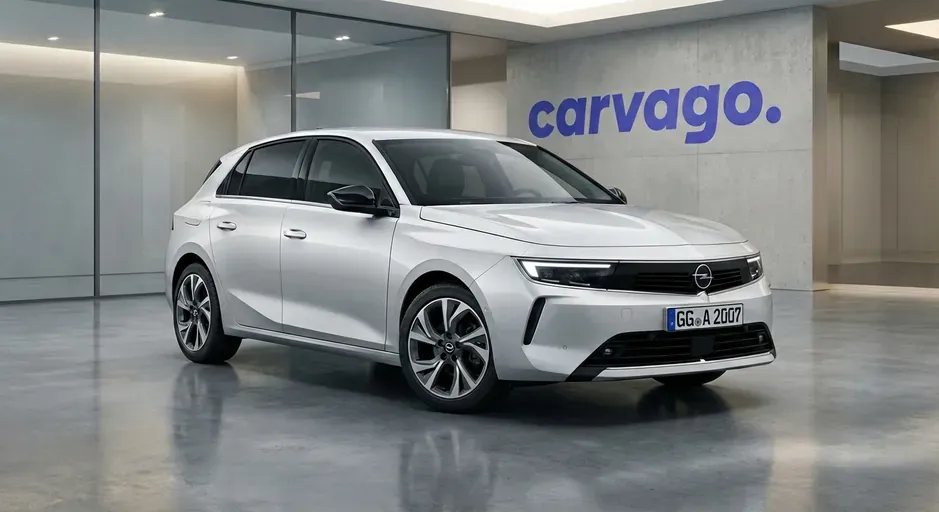
Opel Astra

Opel Astra

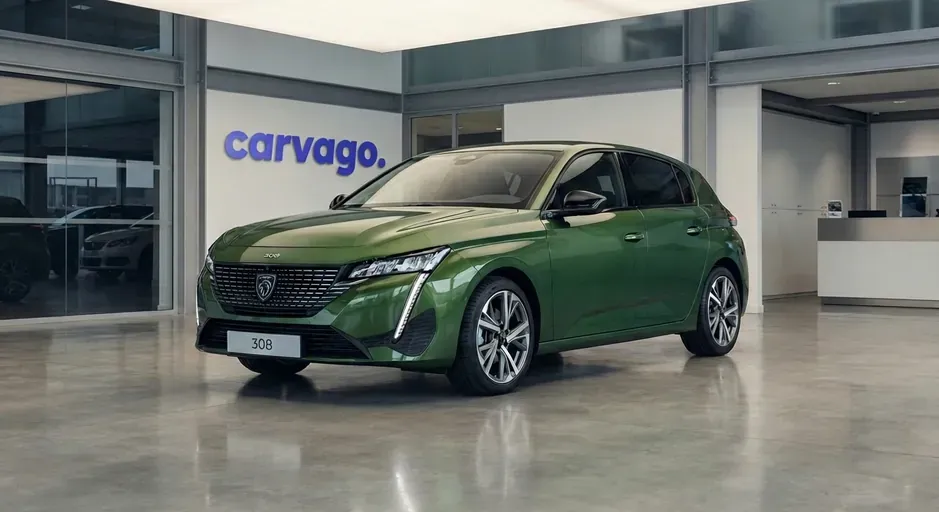
Peugeot 308

Peugeot 308

Introduction

Opel Astra, also sold as the Vauxhall Astra in selected markets, is a traditional and proven representative of the compact class, appealing to drivers primarily with its balanced driving characteristics and pragmatic emphasis on everyday practicality. Its direct challenger is the Peugeot 308, a confident French model that brings unmistakable design, avant-garde style, and an innovative interior layout to the same segment. Let's take a detailed look at which of these two exceptionally popular European rivals represents a smarter and more advantageous choice for you in a direct comparison.

Comparison of External Dimensions

When looking at the market for roughly four-year-old used cars, we encounter the modern iterations of both rivals – the Opel Astra generation L and the third-generation Peugeot 308, which share a common pedigree within the Stellantis group. This fact is key to understanding their external dimensions. Both models are built on the improved EMP2 modular platform, meaning their physical proportions and overall footprint are very similar. In terms of overall size, you won't go wrong with either, yet the design departments have given both cars subtle millimetre differences.

In the case of five-door hatchbacks, the Opel Astra is, at 4374 mm, a completely negligible 7 mm longer than the Peugeot 308 (4367 mm). The German representative is also 8 millimetres wider (1860 mm compared to 1852 mm for the Peugeot). However, what is absolutely crucial for interior space is the identical wheelbase of 2675 mm. In practice, this means that both models offer comparable longitudinal legroom for rear-seat passengers while maintaining excellent agility and easy maneuverability when parking in cramped city streets. For hatchbacks, the choice is more about whether you prefer the sharp-edged design of the Astra or the more muscular and rounded bodywork of the Peugeot.

For the popular and more practical estate variants (Astra Sports Tourer and Peugeot 308 SW), similar rules apply. The wheelbase for both siblings has been identically extended to a respectable 2732 mm. Thanks to this, both cars become very capable family vehicles that can comfortably carry a crew even on longer holidays. The Astra Sports Tourer, with a length of 4642 mm, again slightly exceeds its French competitor, but the 6 mm difference has no impact on the real-world use of the car. The width remains the same as the shorter versions. From the perspective of daily use, you get plenty of space with both estates; on the other hand, it is necessary to keep in mind that a length exceeding 4.6 metres requires a bit more practice and attention when looking for a parallel parking spot.

ParameterOpel Astra HatchbackPeugeot 308 HatchbackOpel Astra EstatePeugeot 308 Estate
Width (mm)1860185218601852
Length (mm)4374436746424636
Height (mm)1441 - 14881438 - 14411443 - 14981438 - 1442
Wheelbase (mm)2675267527322732

Trunk Volume

Trunk space is one of the most critical criteria when choosing a used car, especially for family purposes or an active lifestyle. In this comparison, we focus on the current generations of both models, which represent an ideal choice in the market for approximately four-year-old used cars – the Opel Astra L and the third-generation Peugeot 308 (both models share a 2022 launch year). Since both cars use the same EMP2 group platform, their practical capabilities are very similar. Nevertheless, there are minor differences resulting from the different shaping of the rear sections and the overall design concept of the bodywork.

In the standard five-door hatchback version, the Opel Astra offers a basic trunk volume of 422 liters, which increases to 1339 liters after folding down the rear backrests. The competing Peugeot 308 is very similar, with 412 liters in the base and 1323 liters after folding. However, the real battle takes place in the extremely popular family estate versions (Sports Tourer for Opel, SW for Peugeot). The Peugeot 308 SW holds an impressive 608 liters of luggage, while the Opel Astra Sports Tourer lags very closely behind with 597 liters. After completely folding the rear seats, both cars are identical at an excellent value of 1634 liters. Both of these estates thus provide space for several extra suitcases and are sufficient for weekend shopping and longer vacations without any compromises.

When choosing a used car, it is also necessary to take into account the increasingly common plug-in hybrid powertrains (PHEV) on the market, which take a toll on interior space due to the placement of the traction battery under the floor. For the hatchback, the basic trunk volume of the Opel Astra decreases to 352 liters, and for the Peugeot 308 to 361 liters. A significant reduction in capacity also awaits those interested in the estate, where the base of the French SW model drops to 548 liters and the German Sports Tourer even to 516 liters. A potential buyer must therefore consider whether the absolute maximum transport capacity is more important to them, or if they prefer the advantages of more economical electrified driving.

ParameterOpel Astra HatchbackPeugeot 308 HatchbackOpel Astra EstatePeugeot 308 Estate
Basic volume (liters)422412597608
Max. volume after folding seats (liters)1339132316341634

Although the differences in the standard versions with conventional internal combustion engines are not abysmal, the Peugeot 308 in the estate version managed to squeeze 11 liters more out of the shared platform in the basic configuration, which may please the most demanding families when loading luggage to the window line. The Opel Astra, on the other hand, leads slightly in the shorter hatchback version, where it offers a slightly better liter capacity for versatile everyday use.

Estate for the family, hatchback for the city 🧳

While the Opel Astra wins by a hair in the short hatchback segment, the Peugeot 308 in the estate version offers a slightly more voluminous and usable trunk in the base, ideal for long family travel.

Trailer Weights

Trailer weight, i.e., total towing capacity, is a practical and often decisive parameter for many buyers. Especially if you plan to transport heavier loads or a caravan, this value plays a crucial role. Since the current Opel Astra (generation L, from 2022) and Peugeot 308 (3rd generation, from 2021) share the same platform within the Stellantis group, their real-world capabilities as towing vehicles are very similar, yet there are minor nuances.

The basic petrol engines of both compact cars provide a solid standard. The Opel Astra with the 1.2 Turbo petrol engine can tow a braked trailer weighing 1250 to 1400 kg. The Peugeot 308 with its comparable 1.2 PureTech unit then allows a weight of 1200 to 1300 kg. However, if you are looking for the best possible towing power, the economical diesel versions remain the ideal choice in both cases. The Peugeot 308 in the 1.5 BlueHDi variant has a maximum towing capacity of up to 1600 kg for the hatchback (and 1500 to 1550 kg for the more practical SW estate version). The Opel Astra powered by the 1.5 Diesel unit follows closely with a maximum of 1500 to 1550 kg (the same for both hatchback and estate). From the perspective of an average motorist, these parameters are quite sufficient for a family summer holiday with a medium-sized caravan or for hauling a fully loaded trailer with building materials during a weekend cottage renovation.

Minor differences appear in the heavier, fully electrified variants. Due to the batteries, the plug-in hybrid concept increases the curb weight of the vehicles themselves, which to some extent adjusts the towing capacities. The Opel Astra 1.6 Turbo Hybrid can handle a trailer weighing 1330 to 1450 kg (with the Sports Tourer estate version having a slightly lower bottom limit). Its French competitor, the Peugeot 308 with the 1.6 Plug-In Hybrid powertrain, maintains a relatively generous range from 1315 to 1500 kg, even considering the higher power specifications (180 or 225 hp). Unfortunately, manufacturers do not explicitly state data on the approved load for unbraked trailers for these models in their statistics; however, in practice and according to European legislation, this value is capped at 750 kg for the vast majority of passenger cars for safety reasons.

Although the Peugeot 308 has a slight advantage on paper for the diesel variants with up to 1600 kg of towing capacity and its PHEV version reaches a slightly higher maximum, the 50 kg difference will play almost no role in real life. Both used cars represent above-average capable models on the market that will cover your logistical and travel needs without hesitation.
Model and engineBraked trailer weight (kg)Unbraked trailer weight (kg)
Opel Astra 1.2 Turbo (81/96 kW)1250 - 1400Not specified
Opel Astra 1.5 Diesel (96 kW)1500 - 1550Not specified
Opel Astra 1.6 Turbo Hybrid (110/132 kW)1330 - 1450Not specified
Peugeot 308 1.2 PureTech (96 kW)1200 - 1300Not specified
Peugeot 308 1.5 BlueHDi (96 kW)1500 - 1600Not specified
Peugeot 308 1.6 Plug-In Hybrid (110/133 kW)1315 - 1500Not specified

Overview of Most Common Motorizations

When choosing a roughly four-year-old used car, we come to the current generations of both models – the Opel Astra L and the Peugeot 308 III (both introduced at the turn of 2021 and 2022). Since both carmakers now fall under the wings of the Stellantis group and both cars share the modern EMP2 V3 platform, the range of powertrains under the hood is practically identical. For used car buyers, this is great news, as shared mass-market technology means excellent spare parts availability and transparent service support. The fundamental difference lies mainly in the marketing designation – while Peugeot uses its traditional French names PureTech and BlueHDi, Opel simply names its engines Turbo and Diesel. A fascinating and often overlooked detail for used car buyers, however, is the previous generational transition at Opel. If you come across a slightly older Astra of the previous generation K (available until 2021/2022) with the 1.2 DI Turbo engine, keep in mind that this is a completely different three-cylinder from General Motors' development at the time, which uses a timing chain. In contrast, the current Astra L and Peugeot 308 III rely on an updated group 1.2-litre engine with a specific timing belt. Whether you are looking for an economical diesel for the motorway or a powerful plug-in hybrid for city hopping, both cars will offer you top-notch and absolutely identical parameters as four-year-old used vehicles.

Opel Astra (Generation L)

The Opel Astra generation L covers all common needs of European drivers with its portfolio, from budget-oriented ones to more sportily-inclined enthusiasts. The basis of the petrol range is the turbocharged 1.2 Turbo three-cylinder, which entered the used car market in 81 kW and 96 kW versions. The entry-level 81 kW engine gradually disappeared from the range, so most used car buyers will encounter the much more widespread and versatile more powerful version. In addition to a precise six-speed manual, this can also be paired with a very comfortable eight-speed automatic. Drivers with a high annual mileage will certainly appreciate the proven 1.5 Diesel four-cylinder, whose 300 Nm of torque ensures smooth motorway driving with excellent fuel consumption. For connoisseurs and proponents of electrification, advanced 1.6 Turbo Hybrid plug-in hybrids have been available from the start. Opel scores here primarily by reviving its legendary GSe sports badge, which hides a top-of-the-line hybrid with a very brisk system output of 165 kW. In very recent used cars, both fully electric Astra Electric versions and the latest economical 48V mild-hybrids (1.2 DI Turbo Hybrid) with a dual-clutch transmission are also starting to appear.

Engine typeFuelPower (kW)Torque (Nm)Transmission
1.2 TurboPetrol81 / 96205 / 2306MT / 8AT
1.5 DieselDiesel963006MT / 8AT
1.2 DI Turbo Hybrid 48VPetrol MHEV1002306-eDCT
1.6 Turbo HybridPetrol PHEV133 / 1653608AT
Astra ElectricElectricity1152701AT

Peugeot 308 (3rd Generation)

Technically, the third-generation Peugeot 308 uses the same range of engines as the Astra, but wraps it in typical French charm with a different equipment structure. The main petrol engine here bears the traditional 1.2 PureTech designation, and for Peugeot too, you will most often find the more powerful 96 kW specification in used car dealerships, while the weaker variants are a real rarity. The transmissions are structurally the same as in its German sibling, but Peugeot traditionally refers to its precise eight-speed automatic by the acronym EAT8. The diesel alternative for long-distance travellers remains the exceptionally refined 1.5 BlueHDi, which is a sought-after choice for corporate fleets thanks to minimal fuel costs. If you have the possibility of regular home charging, the 1.6 Plug-In Hybrid makes huge sense as a used car. While Peugeot does not use any specific sports sub-brand like Opel, it successfully hides the top-of-the-line plug-in hybrid with a system output of 165 kW in the top-equipped and attractively styled GT trim. The purely electric e-308 version and updated mild-hybrid units with the new e-DSC6 automatic have also recently found their way into the 308 model, gradually replacing the purely petrol predecessors in the range of nearly-new cars.

Engine typeFuelPower (kW)Torque (Nm)Transmission
1.2 PureTechPetrol81 / 96205 / 2306MT / 8AT (EAT8)
1.5 BlueHDiDiesel963006MT / 8AT (EAT8)
1.2 HybridPetrol MHEV100 / 1072306-eDSC
1.6 Plug-In HybridPetrol PHEV133 / 1653608AT (e-EAT8)
e-308Electricity1152701AT

Twins with a different approach 👯‍♂️

Thanks to shared group technology, you get mechanically identical, economical, and dynamic engines with good parts availability in both four-year-old models. You can therefore base your final choice with a clear conscience solely on personal preference for exterior design, interior ergonomics, and specific equipment.

Choosing the right engine is crucial for long-term satisfaction, with our recommendations based on real-world performance, actual fuel consumption, owner feedback, and mechanical reliability. The Opel Astra generation L and the third-generation Peugeot 308 share the advanced EMP2 platform, which in practice means that under the hood of both models, you will find a practically identical range of powertrains from the Stellantis group. For roughly four-year-old used cars, we have therefore intentionally selected two different engines to cater to both short-distance commuters and highway cruisers. Although diesel units have been slowly giving way to electrified variants at both brands in recent years, they still have a strong presence in the market for approximately four-year-old used cars and represent a very sensible choice.

For the Opel Astra, we recommend: 1.2 Turbo, 96 kW (130 hp)

The turbocharged 1.2 Turbo petrol three-cylinder (which carries the PureTech designation in its French sibling) is a light and agile engine that perfectly suits the sharp-edged design and driver-friendly Astra.

  • Why it's the best choice: This unit harmonizes perfectly with the Astra's slightly sportier chassis setup. It warms up to operating temperature very quickly, doesn't burden the front axle with heavy weight like the diesel versions, and offers an attractive compromise between a favorable purchase price and low operating costs.
  • Technical advantages: A key advantage is the engine's excellent flexibility from the lowest revs, thanks to 230 Nm of torque available from just 1750 rpm. In normal daily use, a real-world average consumption of around 6 liters per 100 km can be achieved without much effort.
  • Known risks and weaknesses: A design risk of this engine is the timing belt immersed in engine oil. If short service intervals are not followed or unsuitable oil is used, the belt can degrade, shedding particles that subsequently clog the oil channels and the pump strainer. This can lead to fatal lubrication failure. How to detect and solve the risk: When choosing a used car, demand a transparent service history and visually check the structure and edges of the belt through the oil filler cap (ideally with a mechanic). After purchase, preventively shorten oil change intervals to a strict 10,000 to 15,000 km, or a maximum of 1 year.
  • Who it's best for: The petrol version is ideal for users with an annual mileage of up to 15,000 km, for city commuting, or for relaxed travel on country roads, where the light front end contributes to safe and fun handling.

For the Peugeot 308, we recommend: 1.5 BlueHDi, 96 kW (130 hp)

The 1.5 BlueHDi four-cylinder diesel, on the other hand, is an exceptionally refined, economical engine that perfectly matches the French-style soft and more luxuriously conceived approach of the new Peugeot 308.

  • Why it's the best choice: For a four-year-old used car facing long highway stretches, this diesel powertrain is a staple and a guarantee of maximum efficiency. Unlike its petrol counterpart, it does not suffer from such significant fluctuations in consumption at higher speeds and offers a long range without the need for frequent refueling.
  • Technical advantages: The biggest trump card of the 1.5 BlueHDi engine is its top-tier fuel consumption. At highway speeds and on country roads, the trip computer easily stays well below the 5 liters per 100 km mark. The combination with 300 Nm of torque ensures that the car doesn't run out of breath even with a full trunk, while also pleasing with excellent on-board soundproofing.
  • Known risks and weaknesses: Every modern diesel suffers from short trips, which cause clogging of the diesel particulate filter (DPF) and excessive fouling of the EGR valve. The most well-known weakness specifically of 1.5 BlueHDi engines manufactured until roughly early 2023 is the stretching of the 7mm connecting chain between the camshafts, which can snap and irreversibly damage the engine (later, the manufacturer switched to a more robust 8mm chain). Minor faults can also affect the AdBlue system pump. How to detect and solve the risk: Ask the seller to start the vehicle when the engine is completely cold. Listen for a clearly audible metallic rattling or rustling sound coming from the top of the engine. If so, it is recommended to invest in the installation of an improved timing kit with a modified chain.
  • Who it's best for: A perfect choice for highway mile-munchers, fleet and corporate users, and simply for anyone whose total annual mileage comfortably and calmly exceeds the 20,000 km mark.

Real Fuel Consumption

When choosing a used car, real-world fuel consumption is often one of the most important parameters, as laboratory figures can often differ significantly from everyday driving. For an objective comparison of approximately four-year-old cars from our range, we have used independent data from drivers themselves on the community portal Spritmonitor.de, where accurate records of their long-term use can be found.

Model and engineAverage consumption (l/100 km)
Opel Astra 1.2 Turbo 96 kW5.4
Opel Astra 1.4 DI Turbo 110 kW5.8
Peugeot 308 1.2 PureTech 96 kW6.5
Opel Astra 1.5 Diesel 90 kW4.8
Peugeot 308 1.5 BlueHDi 96 kW5.1

A detailed look at the real-world data reveals several very interesting trends. While modern turbocharged three-cylinder engines promise excellent fuel economy on paper, in practice, these smaller engines do not automatically translate into the massive savings one might expect. A typical example is the popular 1.2 PureTech petrol engine in the Peugeot 308, which averages 6.5 l/100 km in normal driving, as drivers have to push the engine harder to maintain brisk dynamics. In contrast, the Opel Astra scores significantly better in terms of efficiency – both its 1.2 Turbo three-cylinder and the slightly older 1.4 DI Turbo four-cylinder are noticeably more economical. In the case of diesel engines, the situation is much more balanced. Both manufacturers confirm that modern diesels firmly maintain their inherent economic advantage, and in practice, they can be driven around the five-litre mark without major compromises.

For the average user, these data points lead to fairly clear recommendations. If you are a driver who commutes shorter distances and primarily drives in urban or suburban environments, petrol versions make sense. In this regard, running a petrol Astra will be significantly cheaper in the long run, as you will save roughly one full litre per hundred kilometres compared to its French rival. Conversely, for those who cover huge distances mainly on motorways, the 1.5 Diesel and 1.5 BlueHDi engines represent the perfect choice for maximum range and the lowest possible fuel bills. In this category of long-distance runners, both cars are extremely close in terms of consumption.

In conclusion, fuel consumption will be a major deciding factor primarily if you are looking for a used car with a petrol engine. There, the Opel Astra has a clear design advantage thanks to significantly better real-world figures and lower consumption. In the diesel segment, however, the fuel efficiency of both competitors is so evenly matched that the scales are likely to be tipped by other factors, such as interior build quality, personal brand preference, or the technical condition of the specific used car.

Current offers Peugeot 308

View full offer

Price Range and Used Car Offerings

The market for used cars around four years old (2021–2022 models) is very specific for both models. Both manufacturers were at a generational turning point during this period, which significantly affects the used car market. Older generations at the end of their life cycle can be found today for much more affordable prices than the first units of their direct successors.

Opel Astra (2021–2022 models)

For roughly four-year-old Astras, you will mainly find the facelifted Generation K in used car listings. These cars benefit from refined technology and very reasonable purchase costs.

  • Base models (higher mileage): Prices start at approximately €9,000. Typically, these are former company cars in estate body style with the 1.5 CDTi diesel engine.
  • Well-maintained units with better equipment: Models with lower mileage or 1.2 Turbo petrol engines usually range from €11,000 to €14,000.
  • New Generation L: If you are aiming for the more modern and sharp-edged Generation L from the first months of production, be prepared for prices starting above €16,000.

Peugeot 308 (2021–2022 models)

The Peugeot 308 underwent a massive design and technological overhaul at the turn of 2021 and 2022. The market for four-year-old used cars is therefore divided into two completely different price categories.

  • Second generation (T9): Most affordable used cars fall into this category. Economical 1.5 BlueHDi diesel versions can be found in the range of €8,000 to €11,000.
  • Third generation (P5): A radical transformation of the exterior design and a more luxurious interior concept have driven used car prices sharply upwards. If you want a used car in this newer look, expect a minimum amount around €14,000. For better-equipped plug-in hybrid variants (PHEV), prices easily exceed €21,000.

Used Car Price Overview (Age ~4 Years)

ModelPrevailing generation in used car marketsTypical price rangePrice of successor generation from the same period
Opel AstraGeneration K (facelift)€9,000 – €14,000from €16,000 (Gen L)
Peugeot 308Generation II (T9)€8,000 – €11,000from €14,000 (Gen III)

Generation is the deciding factor 🚙

When choosing a roughly four-year-old used car, the chosen generation plays a crucial role for both models – outgoing versions offer an excellent price-to-value ratio, while their successors require a relatively hefty premium.

Safety and Euro NCAP Rating

Evaluation and Evolution of Safety Standards

Although older generations of both vehicles regularly earned prestigious five-star Euro NCAP ratings in the past, when choosing modern used cars, it is crucial to consider the context and the exact year of testing. The protocols of the independent Euro NCAP organization are constantly evolving and becoming significantly stricter. While in the past, the key to success was almost exclusively excellent passive safety and the robustness of the bodywork itself, today's methodologies primarily favor active accident prevention. Tests now include stricter frontal impact simulations with a mobile barrier, advanced cyclist detection, or emergency scenarios at intersections. For this reason, percentage scores from different years cannot be directly compared – a full five-star rating from 2015 is far from matching the rigor of current four-star standards.

Opel Astra

The current generation of the Opel Astra underwent a series of modern crash tests in 2022 and earned a strong four-star result. Due to new and stricter rules, the car lost its fifth star mainly because of the absence of a center airbag (which protects passengers from colliding with each other during a side impact) and strict limits within certain active assistants. Nevertheless, the car demonstrated exceptionally robust passive protection: adult occupant protection reached 80% and child occupant protection 82%. In the areas of vulnerable road user protection (67%) and safety assist systems (66%), the Astra showed a solid response from features such as autonomous braking with pedestrian detection, though it wasn't enough for the top mark this time.

Peugeot 308

The Peugeot 308, built on the same chassis platform as the Astra, underwent Euro NCAP tests in the same year (2022) and, unsurprisingly, achieved the same overall four-star rating. The French representative scored 76% in the adult occupant protection test, but slightly outperformed its German counterpart in the child occupant area with an excellent 84%. Pedestrian and cyclist protection (68%) and the safety assist rating (65%) confirm that the car possesses a wide range of effective collision-avoidance features. However, the Peugeot also suffered from the lack of a center front airbag and the newly applied strict methodology for evaluating autonomous braking in complex situations.

Final Safety Summary

A direct comparison clearly shows that both cars offer a highly modern and comprehensive safety package that meets current demands and standards. The Opel Astra has a slight advantage in adult protection, while the Peugeot 308 offers slightly better child protection. Given the shared technological architecture, both models are equivalent in terms of real-world daily safety and both represent a highly advanced and safe choice on the nearly-new used car market.

ParameterOpel AstraPeugeot 308
Year of testing20222022
Adult occupant protection80 %76 %
Child occupant protection82 %84 %
Vulnerable road user protection67 %68 %
Safety assist systems66 %65 %

Modern and Reliable Protection 🛡️

Although stricter 2022 rules limited their overall score to four stars, both cars sharing the same platform offer an excellent level of real-world safety and are among the top choices in this used car category.

Comparison of Interesting Equipment Features

In addition to standard equipment, both models offer much more than just basic functions for daily commuting, with each approaching added value and technological innovation in a completely specific way.

Opel Astra: German Ergonomics and Cutting-Edge Lighting Technology

The Astra focuses primarily on clean design, user-friendliness, and technologies that significantly ease long journeys.

  • Infotainment and Controls (Pure Panel): The interior is dominated by the so-called Pure Panel, which visually connects the digital instrument cluster and the main touchscreen into one elegant unit. A huge advantage for daily use is the retention of physical buttons for key functions, such as climate control or volume, which minimizes driver distraction.
  • Seats and Comfort (AGR Certification): An iconic feature of the Opel brand is the ergonomic front seats with the AGR quality seal (Aktion Gesunder Rücken – Campaign for Healthier Backs). In higher trim levels, they offer not only heating and ventilation but also a massage function and adjustable side bolsters, which significantly reduces fatigue on long highway trips.
  • Electronics and Lighting (Intelli-Lux LED Pixel Light): The Astra stands out in its class with advanced adaptive matrix headlight technology. Each headlight consists of 84 LED segments (168 in total), which can seamlessly and with maximum precision "cut out" oncoming vehicles while continuously illuminating the rest of the road with high beams.
  • Design and Smart Features (Opel Vizor): The front grille, called the Opel Vizor, not only gives the car a modern and wide stance but also cleverly and aesthetically hides radars and sensors for assistance systems under a single dark panel.
  • Chassis and Sporting Spirit: Although both cars share the same platform, the Astra is tuned more for German highways ("Autobahn-proof"). It offers a slightly stiffer and more stable chassis at high speeds.

Peugeot 308: Avant-Garde i-Cockpit and Digital Innovation

Peugeot, on the other hand, targets drivers looking for bold design, a futuristic interior concept, and a premium feel on board.

  • Interior and Ergonomics (i-Cockpit): The most striking feature is the i-Cockpit architecture with its characteristically small, sporty steering wheel and an instrument cluster positioned almost at eye level. In higher trims, this cluster is equipped with unique 3D technology that optically brings important information (such as warnings or navigation instructions) to the foreground.
  • Infotainment and Customization (i-Toggles): Below the main ten-inch display is a touch panel with so-called i-Toggles. These are digital shortcuts that the owner can fully configure. You can save a favorite radio station, home navigation, or a specific temperature setting for the driver's side – all with one quick touch.
  • Comfort and Audio (Focal Premium): For audiophiles, Peugeot offers a top-tier Focal audio system with ten speakers and a powerful amplifier in higher versions. Combined with laminated acoustic glass for the front windows, the 308 provides exceptionally quiet and premium acoustic insulation for its class.
  • Electronics and Telematics (Drive Assist 2.0): Peugeot places great emphasis on advanced driving assistants. The system allows for semi-automatic lane changes, predictive speed adjustment before curves, or active lane keeping with regard to traffic flow.
  • Design and Iconic Features: The car's body is complemented by a characteristic light signature resembling lion's fangs (daytime running lights) and claws (rear LED lights). These are visual elements that make the car unmistakable on the road, day or night.

Key Advantages and Disadvantages

Opel Astra

Pros

More intuitive control ergonomics with physical buttons for air conditioning and basic functions

Excellent AGR-certified orthopedic seats that significantly reduce fatigue on long journeys

Top-of-the-line Intelli-Lux LED matrix headlights with excellent luminosity and selective dimming for surrounding traffic

Clean and minimalist exterior design with the characteristic Opel Vizor grille

Clearer dashboard layout (Pure Panel) that suits drivers who prefer a classic seating position

Cons

Slightly less premium-feeling interior materials compared to its French sibling

Stiffer chassis tuning, which doesn't provide as much smoothness on broken roads

More cramped space in the rear seats of the hatchback version

Known risk of timing belt issues in older model years of the 1.2 Turbo engine (structurally it is the 1.2 PureTech)

The Opel Astra is an ideal choice for drivers who appreciate modern German design and advanced technology but also require traditional and logical ergonomics. Thanks to the great AGR seats and the retention of physical buttons, it represents an exceptionally rational and user-friendly car for daily commuting and longer trips.

Peugeot 308

Pros

Extremely attractive and dynamic design, making the car immediately stand out on the road

More premium interior craftsmanship with higher-quality materials and precise details

Excellent cabin soundproofing and an overall higher level of acoustic comfort during the drive

Wide and efficient range of plug-in hybrid powertrains with a smooth transition between electric and internal combustion power

Innovative i-Cockpit with an attractive 3D instrument display and adjustable virtual buttons (i-Toggles)

Cons

The specific ergonomics of the i-Cockpit won't suit everyone; the small steering wheel can obscure the dials for drivers of certain builds

Most functions, including the air conditioning, are controlled primarily via the touchscreen, which is distracting

Less legroom for rear passengers, especially if taller passengers are sitting in the front

For used cars with the 1.2 PureTech petrol engine, it is necessary to thoroughly check the condition of the timing belt immersed in oil

The Peugeot 308 targets customers looking for a premium feel, avant-garde style, and maximum comfort in the compact class. If your build adapts well to the specific seating position behind the small steering wheel, the car will reward you with an exceptionally quiet, comfortable, and stylish environment.

Common Problems and Owner Complaints

Based on the findings from our Independent Car Audit, and based on long-term workshop statistics or reports from owners themselves, we have compiled an overview of the most common faults of both compared models on the used car market.

For roughly four-year-old Opel Astra cars (transition between generations K and L) with Stellantis Group technology, typical problems focus primarily on infotainment teething troubles and the maintenance of more delicate petrol engines.

  • Engine and timing: For 1.2 Turbo petrol three-cylinders, problems appear with the degradation of the timing belt, which is immersed in oil. Belt debris can clog the oil strainer, leading to a drop in lubrication pressure and, in extreme cases, serious engine damage. Occasional coolant leaks also occur.
  • Electronics and software: In newer model years, users quite often complain about infotainment freezing, dropouts in wireless connection via Apple CarPlay or Android Auto, and false error messages from assistance systems (e.g., lane keeping or false signaling of open doors).
  • Transmission and chassis: The eight-speed automatic transmission (EAT8) can start to jerk or hesitate when downshifting as mileage increases, especially at low speeds in traffic jams. On the chassis, a relatively common ailment is creaking of the front axle when driving over bumps and wear of the stabilizer bushings.

Opel Astra: Reliable basis with electronic quirks

A used Opel Astra will please with very good handling and a modern look. For petrol versions, however, it is absolutely crucial to strictly monitor the condition of the timing belt and prepare for occasional software outages of the onboard system.

The Peugeot 308 from the same period shares a number of key technological units with the Astra and therefore has similar mechanical weaknesses, to which, however, it adds problems with emission systems in the popular diesels.

  • 1.2 PureTech engine risks: Similar to its sister Opel, the biggest bogeyman is the crumbling timing belt and the risk of clogging the lubrication system. This ailment is also sometimes associated with increased engine oil consumption, where it is necessary to closely monitor the level between service intervals.
  • Exhaust gas cleaning systems (BlueHDi): In popular diesel versions, a well-known message often appears on the onboard computer indicating an emission system fault. This is often a failure of the pump in the AdBlue tank, which often requires an expensive replacement of the entire tank. With frequent short trips, there is also a risk of faster clogging of the particulate filter (DPF).
  • Electronics and transmission: Infotainment in 2021–2023 models suffers from occasional touchscreen freezing or delays after startup. Similar to the Opel, automatic transmissions may experience rougher jolts when crawling, while in more worn-out units with manual transmissions, owners face faults with the brake switch or a sticking electronic parking brake.

Peugeot 308: Comfortable Frenchman demanding on maintenance

The Peugeot 308 offers great driving comfort and economical engines, but for reliable operation, it necessarily needs honest maintenance. Especially crucial is careful servicing of emission systems for diesels and shortened oil and timing belt change intervals for petrol versions.

Tips for Buying a Used Car

When buying a used car, a thorough inspection is key. Here are several specific points to focus on for these two models so that hidden defects don't surprise you later. Moreover, a thorough physical car inspection before the purchase itself can save you a lot of worry and money.

When choosing an Opel Astra:

  • Timing belt condition (1.2 Turbo): The 1.2-liter three-cylinder petrol engines use an oil-immersed timing belt. Check the service book to see if the oil was changed at most every 15,000 km or one year. Degraded oil causes the belt to crumble, which can clog the oil pump pickup. Checking the belt condition through the oil filler neck should be standard.
  • Intelli-Lux LED headlight functionality: Advanced matrix headlights are great for visibility, but replacing them after an accident or failure is extremely expensive. Carefully check if the headlights are fogged from the inside and verify during a night test drive that individual segments turn off and on smoothly.
  • Infotainment and display behavior: The Pure Panel system in early models (around 2021/2022) may suffer from slow responses or occasional freezing. Test the response speed, navigation smoothness, and wireless connection via Apple CarPlay or Android Auto. A software update at a dealer solves most of these issues, but it's better to detect them beforehand.
  • Motor synergy in the Plug-in Hybrid (PHEV): If you are considering an electrified version, focus on the transition between electric and combustion modes during the test drive. Jerking, unnatural jolts from the eight-speed automatic transmission, or delays in pull can indicate a need for a transmission software update or worse wear of the system.
  • Front axle noise: Take the car on an uneven road, cobblestones, or over speed bumps. Listen for dull thuds or squeaking from the front axle. A shorter lifespan of stabilizer links or shock absorber mounts is common in used cars and requires early investment in the chassis.

When choosing a Peugeot 308:

  • Emission system and timing on the 1.5 BlueHDi: With this popular diesel engine, watch out for two common ailments. The first is the AdBlue system (urea injection), where there is a risk of crystallization and pump or tank failure – watch for any emission warnings on the dashboard. The second risk is the chain connecting the camshafts in older revisions of this engine. Focus on whether there is a sharp metallic rattling from the top of the engine after a cold start.
  • Manual clutch wear: In versions with the 1.2 PureTech petrol engine and manual transmission, focus on the clutch pedal operation during the test drive. If it bites too high, starts are jerky, or if the RPMs shoot up but the car doesn't accelerate when accelerating hard on a highway incline (clutch slipping), a relatively expensive repair will soon be necessary.
  • Fit and finish and interior rattles: The i-Cockpit concept is very modern, but owners of the first units of the third generation (from 2021) occasionally complained about poorer fit of some plastics. Listen for rattles from the center console or door panels when driving over bumps. This is not a mechanical problem, but it can be an annoyance in terms of comfort.
  • Digital instrument cluster (3D i-Cockpit): Peugeot uses a unique layered 3D display in front of the driver. Verify that information is displayed sharply, the display doesn't flicker, and that it doesn't go into emergency display mode. Replacing this complex digital cluster out of warranty is very costly.
  • PHEV battery condition and charging: Just like with the sister model, verify the smoothness of the drive for the hybrid. However, with the Peugeot, also carefully look at the condition of the charging connector. Some owners handle cables roughly, which can lead to a loose socket and charging errors. Before buying, test if the car actually accepts energy from the grid.

When in doubt about a used car of these modern model years, it is always worth considering a comprehensive car inspection that includes both mechanical and software diagnostics.

FAQ: Most Frequently Asked Questions

Peugeot uses a specific i-Cockpit layout with a small, low-set steering wheel and instruments near the windshield, which takes some getting used to and may not suit everyone ergonomically. The Opel Astra, on the other hand, relies on a traditional driving position and offers more intuitive controls, retaining physical buttons for the air conditioning and other basic functions.

Since both cars are built on the same chassis platform, the differences in spaciousness are minimal. The hatchbacks offer an identical trunk volume of 412 liters. In the more practical estate versions, the Peugeot 308 SW with its 608 liters has only a slight paper lead over the Opel Astra Sports Tourer, which holds 597 liters.

In their current generations, both cars share identical group technology from Stellantis. Under the hood of both cars, you will find the same 1.2 gasoline engines, economical 1.5 diesels, and identical plug-in hybrid systems. Therefore, the level of reliability and the cost of routine servicing are comparable for both models.

The Peugeot 308 is tuned noticeably softer and primarily focuses on more comfortable damping of city potholes and bumps. The Opel Astra, on the other hand, has a stiffer "German" suspension and steering setup. As a result, it provides the driver with better feedback and confidence during faster driving in corners or on the highway.

Thanks to shared powertrains and similar aerodynamics, fuel consumption is practically identical for both cars. In practice, gasoline versions can be driven at around 6 l/100 km, while diesel variants easily maintain consumption around 5 l/100 km. Final fuel costs will therefore be primarily influenced by your driving style, not the choice of brand.

Conclusion: Which Model to Choose?

Sources: ADAC, svetmotoru.cz, e15.cz, fdrive.cz, autoweb.cz, rallylife.cz

This article was prepared using artificial intelligence tools. The section guarantor is Petr Dušek.

Related articles

Car battle

Kia Ceed vs. Peugeot 308: Complete comparison 2026

Detailed comparison of the Kia Ceed (Cee'd) vs Peugeot 308. Find out which used hatchback offers better engines, equipment, and real-world reliability. Choose the right one for you!

Apr 20, 2026

Car battle

Opel Astra vs. Škoda Octavia: Complete comparison 2026

Detailed comparison of Opel Astra vs. Škoda Octavia. We evaluated real-world driving characteristics, equipment, and space. Read our verdict and make the right choice!

Apr 25, 2026

Car battle

Mazda 3 vs. Peugeot 308: Complete comparison 2026

Mazda 3 vs. Peugeot 308: A detailed comparison of engines, interior, and reliability. Find out which stylish hatchback is the best choice for you.

Oct 16, 2026

We accept online card payments as well as wire transfers.

visa payment provider logovisa-electron payment provider logomastercard payment provider logomaestro payment provider logodiners-club payment provider logodiscover payment provider logo