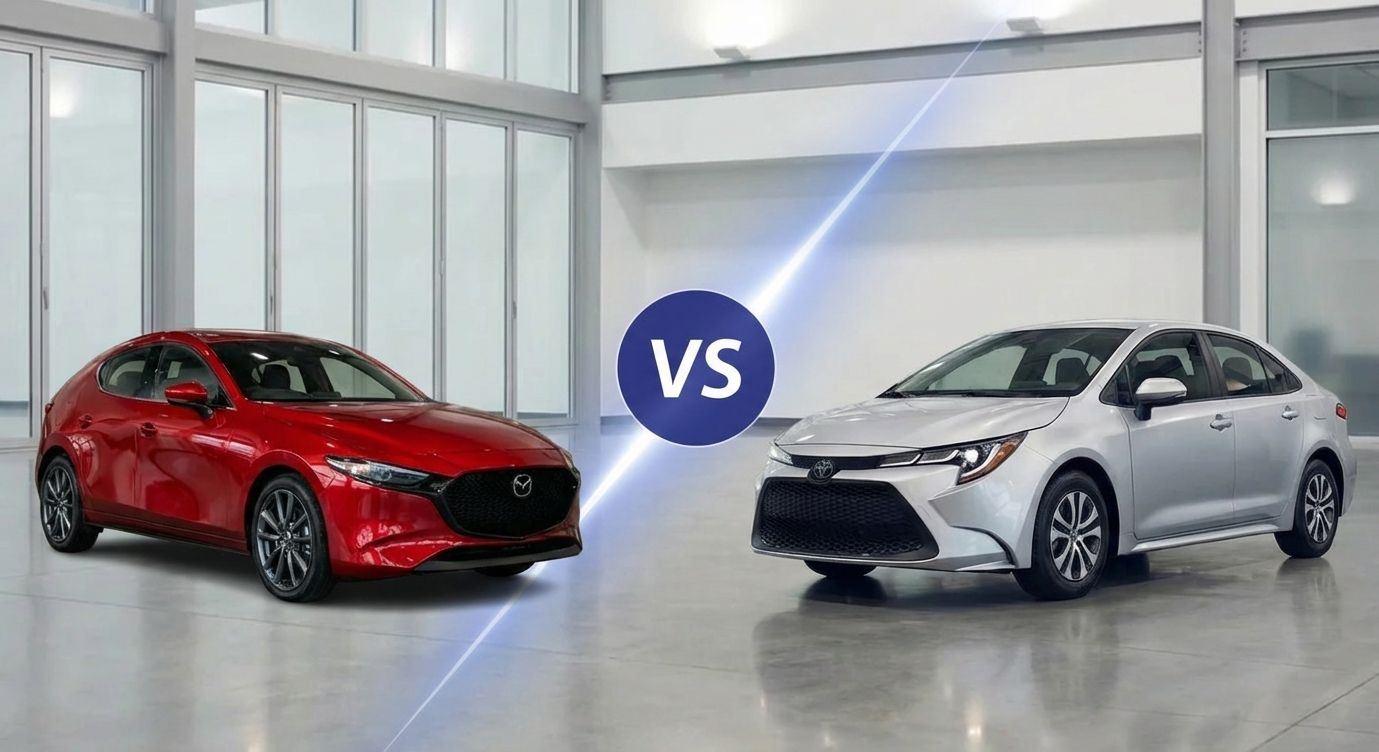
Car battle
Mazda 3 vs. Toyota Corolla: Complete Comparison 2026
Mazda 3 vs. Toyota Corolla: Which bestseller is better? Our detailed comparison of engines, features, and handling will help you make your final choice.
Oct 23, 2026
Detailed comparison of Mazda 3 (Mazda3) vs. Seat Leon. Discover real-world experiences, a comparison of engines and equipment, and read our verdict. Which hatchback to choose?
October 16, 2026
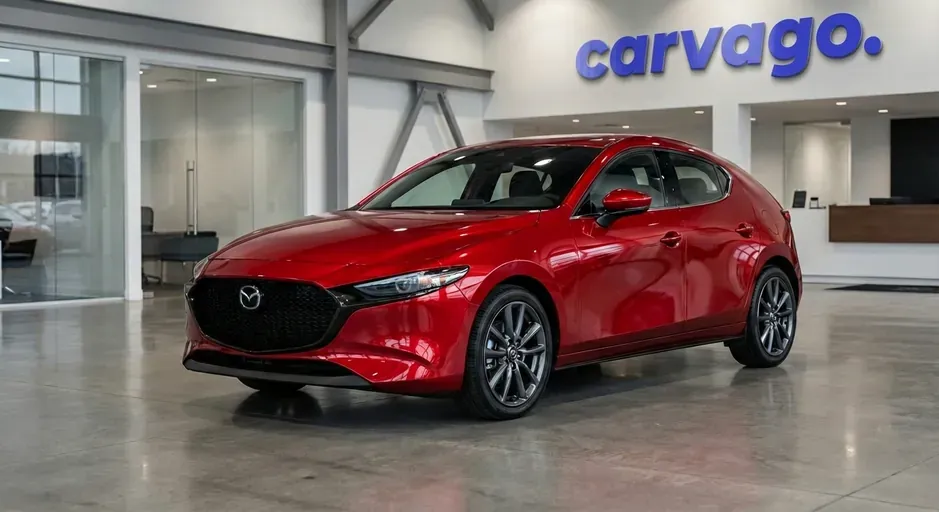
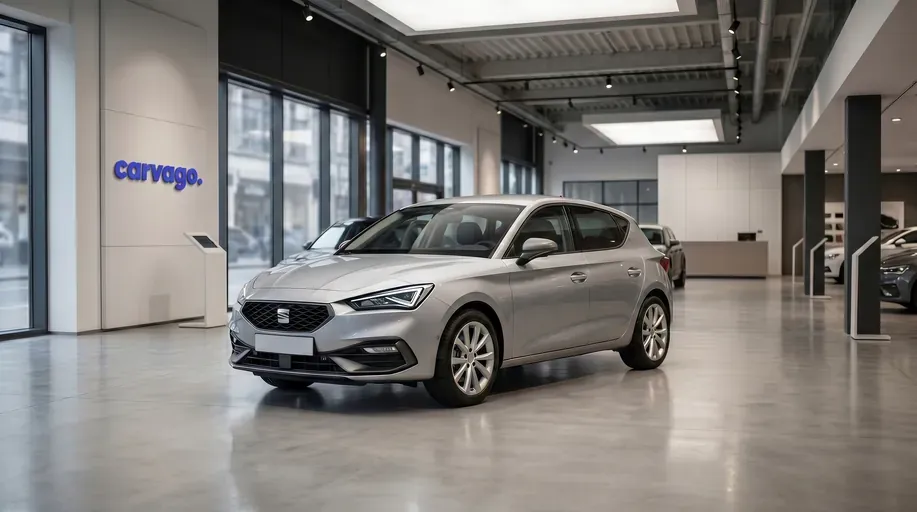
Mazda 3, also known as the Mazda Axela in some global markets, has won the hearts of drivers with its beautiful minimalist design and a strong focus on a premium driving experience. Standing against it is the Spanish Seat Leon, a spirited technical sibling of the Volkswagen Golf, which scores points with customers for its excellent practicality, advanced technologies, and dynamic appearance. Let's take a detailed look at which of these two attractive compact cars offers better overall value on the used car market and becomes the ideal choice for your garage.
When comparing approximately four-year-old used cars, we focus on the latest generations of both models – the Mazda 3 (BP generation, from 2019) and the Seat Leon (KL generation, from 2020). Both cars target drivers looking for style and dynamics, but they approach external dimensions differently. While Mazda offers a traditional five-door hatchback and an elegant sedan (referred to as Fastback), Seat counters with a more compact hatchback and a highly practical estate (Sportstourer). This choice of body styles determines which type of use each model is better suited for.
The differences are most apparent when looking at the overall length of the base versions. The Mazda 3 hatchback measures 4460 mm, which is a full 92 mm more than the five-door Seat Leon, which measures 4368 mm in length. In practice, this means the Spanish representative, thanks to shorter overhangs and an overall more compact build, weaves through narrow city streets slightly better and makes parallel parking easier. The Japanese model, on the other hand, uses its above-standard length to create a dramatic, visually very low and elongated silhouette that attracts well-deserved attention on the road. The decision between these two hatchbacks therefore largely depends on whether you prefer everyday agility in the city center or favor an elegant design with a longer hood.
The width of both cars is almost identical (1795 mm for the Mazda versus 1799 mm for the Seat), but interesting differences can be found in the wheelbase and the longer body variants. The Mazda 3 boasts a generous wheelbase of 2725 mm, which is about 40 mm more than the Leon (2682–2686 mm depending on the engine). Although a longer wheelbase should theoretically mean more legroom for rear passengers, Mazda uses it primarily to achieve sporty proportions and push the cabin further back. Seat, on the other hand, benefits from the excellent space packaging of the latest MQB Evo group platform. Furthermore, if you opt for the practical versions, the Seat Leon estate (4642 mm) offers huge family potential, while the slightly longer Mazda 3 sedan (4660 mm) serves more as a stylish miniature of executive limousines.
| Parameter | Mazda 3 Hatchback | Seat Leon Hatchback | Mazda 3 Sedan | Seat Leon Estate |
|---|---|---|---|---|
| Length (mm) | 4460 | 4368 | 4660 | 4642 |
| Width (mm) | 1795 | 1799 | 1795 | 1799 |
| Height (mm) | 1435 | 1442-1460 | 1440 | 1437-1456 |
| Wheelbase (mm) | 2725 | 2682-2686 | 2725 | 2682-2686 |
When choosing a five-door car on the nearly-new used car market (roughly four-year-old models), luggage capacity often plays a key role, especially if you are looking for a practical vehicle for family purposes. While the Mazda 3 (BP generation) focuses primarily on design, a sporty silhouette, and driving pleasure, the Spanish Seat Leon (KL generation) places much more emphasis on everyday family usability. This different approach is clearly reflected in the size and accessibility of the boot, where the Leon scores with better proportions and overall versatility.
Looking at the basic five-door hatchbacks of both brands, the Seat Leon offers a standard boot capacity of 380 litres, which grows to 1,301 litres with the rear seats fully folded. This is a luggage compartment easily sufficient for weekend shopping or a longer holiday for two. The competing Mazda 3 hatchback offers a slightly more modest 351 litres, with a maximum usable volume of 1,026 litres after folding the backrests. However, the Japanese carmaker also offers an extended Fastback (sedan) body style as an alternative, which improves the base capacity to a very solid 450 litres, though you have to account for poorer access through the smaller lid typical of sedan-type vehicles.
For families with greater space requirements, Seat has a clear trump card in the form of the estate version, known as the Sportstourer. It features a massive luggage compartment with 620 litres of base volume and up to 1,600 litres with the seats folded, which easily provides space for several extra suitcases, the safe transport of a large pram, or sports equipment. The Mazda 3 does not offer a more practical estate version at all. When buying a nearly-new Seat Leon, however, be very careful with the popular plug-in hybrid powertrains (e-HYBRID). In these, the large traction battery takes up a significant portion of the space – the hatchback's boot shrinks to a below-average 270 litres, and the estate's volume drops to 470 litres. Conversely, the mild-hybrid (eTSI) versions from Seat and the M Hybrid models from Mazda retain their standard luggage capacities without restriction.
| Parameter | Mazda 3 Hatchback | Seat Leon Hatchback | Mazda 3 Fastback (Sedan) | Seat Leon Sportstourer (Estate) |
|---|---|---|---|---|
| Base volume (litres) | 351 | 380 | 450 | 620 |
| Max. volume with seats folded (litres) | 1,026 | 1,301 | - | 1,600 |
Space-conscious buyers with families will clearly appreciate the huge boot and estate body style of the Seat Leon, while the Mazda 3 will better suit those who care about premium style and can make do with a more average cargo space.
When we focus on towing capacity, we find that there are quite significant differences between these two cars, which can play a crucial role for buyers. The ability to tow heavier loads directly affects the overall practicality of the car – whether you need to transport materials to a cottage, hitch up a trailer with a motorcycle, or a large caravan. The Mazda 3 in its current generation (BP, available since 2019) takes a very conservative and essentially uniform approach to towing capacity. Whether you go for the e-SKYACTIV-G petrol engines and the innovative e-SKYACTIV-X, or choose the 1.8 SKYACTIV-D diesel unit, the maximum braked trailer weight is always limited to exactly 1300 kg. In the case of an unbraked trailer, the limit is 600 kg. This standard parameter is easily sufficient for a weekend purchase of building materials or transporting smaller loads, but for full-scale camping, it can represent an inconvenient limit.
Conversely, the fourth-generation Seat Leon (KL, available since 2020) is much more versatile and overall significantly stronger in terms of towing capabilities. While for the basic 1.0 TSI three-cylinder, the braked trailer capacity ranges from 1100 to 1300 kg, the popular 1.5 TSI and eTSI engines can handle values between 1300 and 1500 kg. It often happens that hybrid variants have reduced capacity due to the higher weight of the batteries, but the Leon successfully defies this rule. The 1.4 and 1.5 e-HYBRID plug-in hybrid powertrains can tow heavy trailers weighing 1500 to 1700 kg. The highest maximum limits are brought by the 2.0 TDI diesel versions. For these, the standard braked trailer weight ranges between 1500 and 1600 kg; however, with the estate body (Sportstourer) and appropriate specification, the Leon can tow up to an excellent 2000 kg. Limits for unbraked trailers for the Seat range from 650 to 750 kg depending on the engine. In practice, this means that the Spanish compact can easily tow a family caravan, providing room for several extra suitcases and a margin that is sufficient for both weekend shopping and longer holidays. In conclusion, if towing capacity is key for you when choosing, the Seat Leon offers much broader options and significantly more confident performance.
| Model and motorization | Braked weight of trailer (kg) | Unbraked weight of trailer (kg) |
|---|---|---|
| Mazda 3 2.0 e-SKYACTIV-G (90-110 kW) | 1300 | 600 |
| Mazda 3 2.0 e-SKYACTIV-X (132-137 kW) | 1300 | 600 |
| Mazda 3 1.8 SKYACTIV-D (85 kW) | 1300 | 600 |
| Seat Leon 1.0 TSI / eTSI (66-81 kW) | 1100-1300 | 650-680 |
| Seat Leon 1.5 TSI / eTSI (85-110 kW) | 1300-1500 | 650-710 |
| Seat Leon 1.4 / 1.5 e-HYBRID (110-150 kW) | 1500-1700 | 750 |
| Seat Leon 2.0 TDI (85-110 kW) | 1500-2000 | 700-750 |
When choosing a used car around four years old, you will encounter two completely different technical approaches with the Mazda 3 and the Seat Leon, each catering to a different target group. Mazda stubbornly bets on naturally aspirated petrol engines with larger displacement, which meet modern emission standards with the assistance of mild-hybrid technology and a unique ignition principle (e-Skyactiv X). This brings an exceptionally reliable design, smooth power delivery without so-called turbo lag, but it doesn't utilize massive low-end pull. In contrast, the Seat Leon benefits from the proven modular range of the Volkswagen Group. It is dominated by dynamic turbocharged units (TSI) and traditional, highly efficient diesel engines (TDI). While purists will appreciate the linear characteristics of Mazda's engines, the Leon offers broader flexibility for every buyer – from corporate fleets with high motorway mileage to fans of modern plug-in hybrids or versions running on compressed natural gas (CNG).
The engine range for the Mazda 3 (BP generation, available since 2019) is relatively narrow and focuses almost exclusively on advanced two-litre e-Skyactiv G petrol engines with 90 kW or 110 kW. These engines are equipped with a mild-hybrid system and can deactivate two cylinders at steady speeds to reduce fuel consumption. The real pride is the innovative, more powerful e-Skyactiv X 186 unit with 137 kW, which promises the efficiency of a diesel engine while maintaining the refinement of a petrol one. A fundamental difference compared to the Seat is the fact that with the most powerful petrol version, you can also choose all-wheel drive (AWD), which is quite a rarity for hatchbacks in this class. The offering for drivers preferring diesel is very limited – the 1.8 Skyactiv-D engine was only offered in most markets until 2021, so you will rarely come across it in four-year-old used cars.
| Engine type | Fuel | Power (kW) | Torque (Nm) | Transmission |
|---|---|---|---|---|
| 2.0 e-Skyactiv G 122 | Petrol (Mild-hybrid) | 90 | 213 | 6MT / 6AT |
| 2.0 e-Skyactiv G 150 | Petrol (Mild-hybrid) | 110 | 213 | 6MT / 6AT |
| 2.0 e-Skyactiv X 186 | Petrol (Mild-hybrid) | 137 | 240 | 6MT / 6AT |
| 1.8 Skyactiv-D | Diesel | 85 | 270 | 6MT / 6AT |
With the fourth-generation Seat Leon (KL designation, production from 2020), the choice on the used car market is incomparably richer. The standard engine is the reliable 1.5 TSI four-cylinder or the more modest 1.0 TSI three-cylinder. Interestingly, if you prefer an automatic when buying this model, you get versions designated as eTSI. These engines are paired with a seven-speed dual-clutch DSG automatic and are also equipped with a mild-hybrid circuit allowing frequent engine shutdown during "coasting". Unlike the Mazda, the Seat can satisfy even very demanding long-distance "travellers" thanks to exceptionally economical 2.0 TDI diesel units, of which the more powerful version (110 kW) pleases with a massive torque of 360 Nm. Urban-oriented and environmentally conscious buyers might be attracted by the highly efficient model burning CNG (1.5 TGI) or the brisk plug-in hybrid (1.4 e-HYBRID) featuring a combined output of 150 kW and the possibility of driving purely on electricity.
| Engine type | Fuel | Power (kW) | Torque (Nm) | Transmission |
|---|---|---|---|---|
| 1.0 TSI / eTSI | Petrol / Mild-hybrid | 66 / 81 | 175 / 200 | 6MT / 7DSG |
| 1.5 TSI / eTSI | Petrol / Mild-hybrid | 96 / 110 | 200 / 250 | 6MT / 7DSG |
| 2.0 TSI | Petrol | 140 | 320 | 7DSG |
| 1.4 e-HYBRID | Plug-in hybrid | 150 | 350 | 6DSG |
| 2.0 TDI | Diesel | 85 / 110 | 300 / 360 | 6MT / 7DSG |
| 1.5 TGI | Petrol / CNG | 96 | 200 | 6MT / 7DSG |
If you are looking for a robust diesel engine for daily motorway commuting, the Seat Leon offers the classic 2.0 TDI, which Mazda can hardly compete with. But if you enjoy driving and appreciate the reliable mechanics of naturally aspirated engines, the larger two-litre petrol engine in the Mazda 3 will surely charm you.
Choosing the right engine is absolutely crucial for long-term satisfaction with a car. Both manufacturers approach efficiency quite differently – while Mazda, with its BP generation (since 2019), stubbornly and likeably bets on naturally aspirated larger displacement (so-called rightsizing) complemented by reliable mild-hybrid technology, Seat, with the current KL generation (since 2020), dominates with advanced turbocharged engines relying on proven downsizing and cylinder deactivation. The following recommendations are based on real-world experience, fuel consumption in normal traffic, mechanical durability, and overall user satisfaction with roughly four-year-old used cars.
This naturally aspirated two-litre with mild-hybrid assistance, mostly available in listings from 2020 to 2024, is the most sensible choice for the current generation of the Mazda 3 (BP). It offers an ideal compromise between the weaker 122-hp version and the structurally very complex (and significantly more expensive to purchase) e-SKYACTIV-X engine. Its main weapon is absolute mechanical robustness, a beautifully linear power delivery, and the absence of a turbocharger, which in the long run means a much lower risk of expensive service interventions. In real-world driving, fuel consumption easily stays around an excellent 6 litres per 100 km.
When inspecting a used car, carefully check compliance with service intervals and insist that the oil has been changed ideally every 15,000 km or once a year. Direct-injection naturally aspirated engines can suffer from oil dilution by petrol during very frequent cold starts in city traffic. Therefore, check the oil dipstick when buying – if the level is suspiciously above the maximum mark or the oil smells strongly of fuel, the car has mostly been driven on unsuitable short trips. This engine is ideal for drivers who appreciate longevity, natural throttle response, and don't mind downshifting to higher revs for more dynamic overtaking.
In the fourth generation of the Leon (KL, available since 2020), the turbocharged 1.5-litre with 150 hp is the absolute favourite of the entire portfolio. If you prefer manual shifting, look for versions labelled 1.5 TSI; if you want an automatic, go for the excellent 1.5 eTSI mild-hybrid variant equipped with a DSG gearbox. This engine excels with exceptionally strong pull from low revs, excellent refinement, and real-world fuel consumption often attacking the 5.5 litres per 100 km mark. Efficiency is handled by the ACT system, which imperceptibly deactivates two cylinders under low load.
In roughly four-year-old cars, this engine is mechanically highly reliable, and the manufacturer has already ironed out the ailments of earlier years (e.g., cold-start jerking). Therefore, look for weak points more in the gearbox – if you are buying the eTSI version with the DSG automatic, focus carefully on the smoothness of starts and crawling at a walking pace during the test drive. Under no circumstances should the gearbox jerk, shudder, or make any metallic sounds when changing gears. Any jerking would indicate worn dry clutches, which is a relatively expensive service repair. This is an exceptionally versatile and highly comfortable engine that will easily satisfy families on long motorway journeys as well as drivers who prefer a more spirited, dynamic driving style.
Official fuel consumption figures provided by car manufacturers in brochures often differ from reality in everyday use. Laboratory tests simply cannot always faithfully simulate real road conditions, vehicle load, or individual driving styles. To get the most accurate picture possible, we looked at data from the independent community portal Spritmonitor.de, where hundreds of thousands of drivers from across Europe regularly record their actual refuelling. For comparison, we focused on the most popular engines from the generations relevant to the market for approximately four-year-old used cars, namely the Mazda 3 BP generation (from 2019) and the Seat Leon KL generation (from 2020).
news_site: Spritmonitor.de
| Model and engine | Average consumption (l/100 km) |
|---|---|
| Seat Leon 2.0 TDI 110 kW | 4,5 |
| Mazda 3 1.8 SKYACTIV-D 85 kW | 5,3 |
| Seat Leon 1.0 TSI 81 kW | 5,5 |
| Seat Leon 1.5 TSI 110 kW | 5,7 |
| Seat Leon 1.5 eTSI 110 kW | 5,8 |
| Mazda 3 2.0 e-SKYACTIV-G 90 kW | 5,8 |
| Mazda 3 2.0 e-SKYACTIV-X 137 kW | 5,9 |
Looking at the real-world data, several interesting trends are apparent, reflecting the different technical approaches of the two brands. The most economical engine in the entire selection is, understandably, the 2.0 TDI diesel four-cylinder under the hood of the Seat Leon, which, with an average of 4,5 l/100 km, represents the benchmark for efficiency on long routes. The diesel Mazda 3 with the 1.8 SKYACTIV-D engine requires nearly a litre more. From the perspective of petrol engines, however, comes a surprising finding: the small turbocharged 1.0 TSI three-cylinder in the Seat Leon does not save as much fuel in the real world as one might expect. Its average of 5,5 l/100 km is only a few tenths of a litre lower than that of the more powerful 1.5 TSI four-cylinder. What's more, Mazda's naturally aspirated 2.0-litre e-SKYACTIV-G, which is characterised by a more refined character and larger displacement, can manage an excellent 5,8 l/100 km in real-world traffic. This easily keeps pace with its Spanish rival and its mild-hybrid 1.5 eTSI version. While Mazda's innovative e-SKYACTIV-X unit brings higher power, its real-world consumption hovers around 5,9 l/100 km, making it more of a dynamic choice than a purely more economical one.
For typical users, this means only one thing. If you are a highway flyer swallowing tens of thousands of kilometres a year, the diesel Seat Leon 2.0 TDI will be the clear choice with unbeatable running costs. For drivers who mostly move around the city and on shorter or suburban routes, the petrol variants make more sense. Here, the Seat Leon scores with the excellent 1.5 TSI unit, but the Mazda 3, with its honest 2.0-litre engine, confidently shows that even with a classic naturally aspirated engine, you don't have to fear high fuel bills. The basic 1.0-litre three-cylinder in the Seat will thus make more sense for those who have a very calm driving style or are trying to save as much as possible when purchasing the used car itself.
In the end, fuel consumption itself will likely not be the main deciding factor if you are choosing between the petrol versions of these two cars. Differences in the order of tenths of a litre will not be noticeable for a typical family budget. The main role in the selection will thus be played more by the preferred driving style, requirements for dynamics, and personal preference for whether you prefer the punchy turbo pull of the Seat or the linear, smooth, and mechanically pure delivery of the larger naturally aspirated engine from Mazda.
In the market for roughly four-year-old used cars (2021 and 2022 models), the Mazda 3 and Seat Leon represent two very different price worlds. While the Spanish representative benefits from shared group technology and a diverse range of engines for various budgets, the Japanese hatchback profiles itself more as a premium product, which is clearly reflected in its higher residual value.
| Model (2021–2022) | Starting price (approx.) | Average price for nice units | Price of top-tier versions |
|---|---|---|---|
| Mazda 3 (gen. BP) | €15,000 | €18,000 – €20,000 | €21,000 and more |
| Seat Leon (gen. KL) | €12,000 | €15,000 – €17,000 | €19,000 and more |
The current generation Mazda 3 (BP) holds its original price very well on the used car market. This is primarily due to its attractive design, high-quality interior craftsmanship, and a reputation for highly reliable naturally aspirated engines without unnecessarily complex turbochargers.
In contrast, the fourth-generation Seat Leon (KL) benefits massively from its popularity in corporate fleets. This brings a huge range of specifications to the secondary market – from basic "workhorses" with a three-cylinder engine to highly attractive, sporty FR versions.
When deciding on a purchase, it is always wise to consider how well the car will sell in a few years. In this regard, clear rules apply:
While the Seat Leon attracts buyers with a significantly lower starting price and a wide selection of former fleet cars, the Mazda 3 requires a higher initial investment, which it compensates for with more premium craftsmanship and much better value retention for potential future resale.
Both the Mazda 3 and the Seat Leon earned the maximum possible five-star rating in independent Euro NCAP crash tests. However, when choosing a used car, it is important to understand the overall context and the specific year in which the test was conducted. The Euro NCAP methodology is constantly evolving, with rules becoming significantly stricter roughly every two years. Therefore, percentage results from different years cannot always be directly compared. Newer testing protocols include more demanding scenarios, such as a collision with a mobile barrier, stricter side-impact assessments, or more detailed testing of assistance systems that recognize pedestrians and cyclists.
The fourth-generation Mazda 3 underwent Euro NCAP testing in 2019. Under the standards of that time, it achieved a phenomenal result in adult occupant protection, scoring an impressive 98%, which indicates an extremely rigid and robust body structure. It also performed excellently in protecting children and vulnerable road users. Its slightly lower score in the safety assist category reflects the somewhat older calibration of active safety features from the period just before the new regulations came into effect.
The fourth-generation Seat Leon, on the other hand, was tested in 2020, when Euro NCAP introduced significantly stricter criteria across the entire methodology. Despite these tougher conditions, the Spanish car passed with flying colors. It was significantly aided by the innovation of a standard center airbag between the front seats, which effectively prevents the heads of the driver and passenger from colliding during a serious side impact. As a result, the Leon brings a slightly more comprehensive set of active features to the used car market, which was deservedly reflected in a higher rating in the safety assist category.
| Parameter | Mazda 3 | Seat Leon |
|---|---|---|
| Year of testing | 2019 | 2020 |
| Adult occupant protection | 98 % | 92 % |
| Child occupant protection | 87 % | 88 % |
| Vulnerable road users | 81 % | 71 % |
| Safety assist systems | 73 % | 80 % |
In conclusion, while the Mazda 3 offers almost bulletproof passive protection for the occupants and excels in the rigidity of its body, the Seat Leon benefits from its later market launch. Meeting the stricter 2020 testing standards means the Spanish hatchback offers a slightly more modern calibration of safety assistants and features that prevent accidents from occurring in the first place. For four-year-old cars of this generation, however, both offer a top-tier level of safety that easily meets the requirements for family use.
While the Mazda 3 dazzles with its excellent passive body safety and a 98% rating, the Seat Leon possesses a slightly more modern arsenal of assistance systems corresponding to the stricter 2020 standards. Nevertheless, both cars guarantee that you and your family will be in excellent hands on the road.
In addition to standard equipment, each of the models offers several unique features that can be decisive for the customer. Both cars bring much more than just basic equipment, and each chooses its own distinctive approach to added value, innovation, and user comfort.
Premium exterior and interior design with excellent craftsmanship
Great driving characteristics, precise steering, and an engaging driving experience
Excellent ergonomics thanks to the retention of physical buttons for the air conditioning and a rotary infotainment controller
Reliable naturally aspirated engines (Skyactiv-G) and innovative Skyactiv-X units
Superior acoustic comfort and cabin soundproofing
Cramped space in the rear seats, especially in the leg and head area
Below-average luggage compartment volume (358 liters for the hatchback)
Significantly limited rear-quarter visibility due to massive C-pillars
Lack of torque at low RPMs – the engines need to be revved more for performance
Mazda 3 is an ideal choice for drivers who appreciate a luxurious atmosphere on board, top-tier design, and enjoy the act of driving itself. Although it doesn't impress with interior space or trunk size, it fully compensates with reliable technology, flawless ergonomics without unnecessary touch surfaces, and the feel of a car from a higher category.
Above-average spacious interior with generous room for rear-seat passengers
Wide and flexible range of engines (efficient petrol TSI, diesel TDI, mild-hybrids, and plug-in eHybrid)
Very practical luggage compartment, especially in the estate version (Sportstourer) with a volume of 620 liters
Balanced mix of comfort and a more sportily tuned chassis within the VW Group
Modern connectivity and advanced assistance systems
Strong focus on touch controls, which compromises user ergonomics while driving
Absence of a physical air conditioning panel and the use of an unlit touch slider
Older used cars (2020 and 2021 models) often exhibit slower responses and infotainment freezing
The interior contains more hard plastics and does not feel as premium as the Mazda's
The Seat Leon will appeal to rational buyers and families looking for a practical, spacious car with modern technology and an attractive, dynamic look. Thanks to efficient turbocharged engines and the option of a huge estate, it is an excellent car for daily use; however, owners must be patient when getting used to the almost exclusively touch-based infotainment.
Based on long-term user experience, service reports, and detailed inspections such as CarAudit, we have compiled an overview of the most common problems you should watch out for with both models.
The fourth-generation Mazda 3 is generally considered a very reliable car; however, there are a few typical weak points, especially in the cosmetics and electronics of the early production years.
Most typical problems concern the delicate paint and early electronic "teething" issues, while mechanically and engine-wise, it is a highly reliable car with a minimum of expensive defects.
The fourth generation of the Seat Leon brought a huge technological leap towards digitalization, which unfortunately was significantly reflected in the frequency of software problems, especially in cars from the beginning of production.
The mechanical foundation of the car is time-tested and solid, but used cars from the start of production can trouble buyers with extensive shortcomings in the infotainment software and assistance systems.
When buying a used car, a thorough inspection is key, and both cars have their specifics that you need to watch out for. Whichever of these models you decide on, a comprehensive car inspection before the purchase itself is the best way to avoid expensive service surprises. Here are some specific points to focus on during the test drive and inspection.
Seat Leon offers significantly more space; its hatchback has a boot capacity of 380 litres and the practical estate version (Sportstourer) even a generous 620 litres. Mazda 3 as a hatchback has a smaller luggage compartment with a capacity of 358 litres and does not offer an estate version at all, it is represented only by an elegant sedan with 450 litres. For family use and moving larger loads, the Spanish car is thus a much more practical choice.
The Japanese representative is often considered one of the best-driving cars in its class thanks to excellent steering and precise manual shifting. While the Seat Leon shares an excellently tuned chassis with the Volkswagen Golf and drives very confidently, the Mazda offers a more mechanical and emotional connection with the driver. On the other hand, the Leon feels a bit more relaxed and comfortable during normal travel and at highway speeds.
Mazda 3 traditionally scores with high mechanical reliability, especially thanks to robust naturally aspirated engines without complex turbochargers. In the fourth generation of the Seat Leon from the first years of production (around 2020 and 2021), teething troubles and software bugs in the infotainment appeared, which need to be carefully tested in used cars. From the perspective of long-term mechanical durability and trouble-free operation, the Japanese model is therefore generally a safer bet.
The Seat Leon benefits from the wide range of engines from the VW Group, including proven and extremely economical TDI diesel engines, which are ideal for frequent highway travel. The Mazda 3 relies on unique petrol and innovative e-Skyactiv units, which have decent fuel consumption but lack a more significant torque pull at lower revs. The choice depends on driving style, however, in terms of absolute economy on long distances, the Leon with a diesel engine has the upper hand.
The cabin of the Mazda 3 is very close to the premium segment with excellent soft-touch materials and traditional intuitive control using physical buttons. The Seat Leon, on the other hand, follows the path of minimalist digital design with an almost complete absence of buttons, where most functions, including the air conditioning, are controlled via the touchscreen. In terms of overall ergonomics and a sense of luxury, the Mazda wins in the interior, while the Leon primarily targets fans of modern touch trends.
Sources: ADAC, idnes.cz, lidovky.cz, autojournal.cz, autozive.cz, autosport.cz
This article was prepared using artificial intelligence tools. The section guarantor is Petr Dušek.
Mazda 3 vs. Toyota Corolla: Which bestseller is better? Our detailed comparison of engines, features, and handling will help you make your final choice.
Oct 23, 2026
Detailed comparison of Renault Mégane vs Volkswagen (VW) Golf. Evaluation of equipment, engines, and reliability. Find out which used hatchback is the better choice.
May 14, 2026
Detailed comparison of used Citroën C4 vs Opel Astra. Find out which hatchback offers better engines, equipment, and driving comfort. Read our test and verdict.
Oct 16, 2026