Although modern premium vehicles are generally expected to achieve a maximum five-star rating in Euro NCAP tests (and in the context of passive safety, both vehicles are spoken of as providing above-standard protection), when comparing in detail, it is absolutely crucial to know the correct context and the year of testing. Euro NCAP methodology and testing protocols are constantly evolving and becoming stricter over time. Percentage scores from different years cannot be directly compared, as modern tests now include more demanding frontal impact simulations against a mobile barrier, detailed cyclist detection, or crisis scenario solutions at intersections, which were not standard a few years ago.
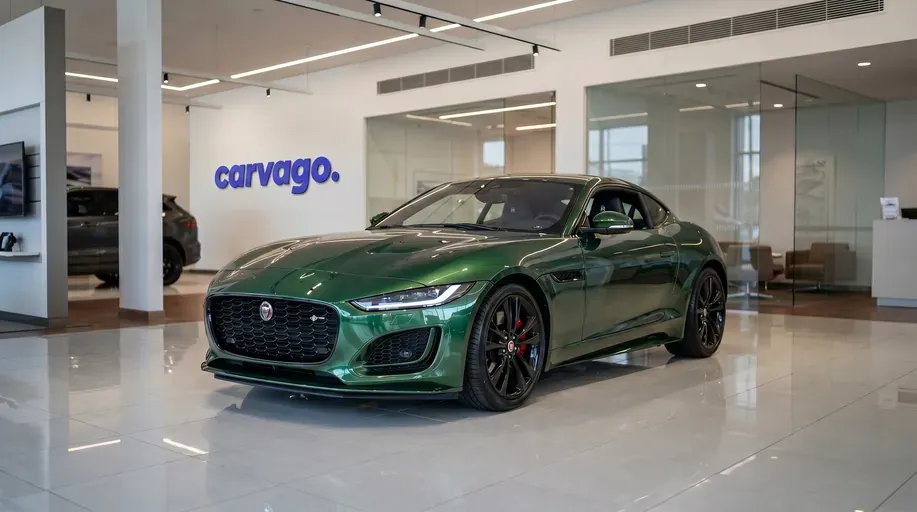
In the case of the British Jaguar F-Type, the situation is complicated from a numerical perspective. Due to its narrow focus and very low production volumes, this car was never officially tested by Euro NCAP during its entire life cycle. Although the car does not have a certified rating, it offers a solid safety foundation in terms of daily usability. Its available features include an active hood protecting pedestrians, the necessary number of airbags, and an autonomous emergency braking (AEB) system. However, since there is absolutely no independent data to confirm its safety, the columns in the table for this model remain empty.
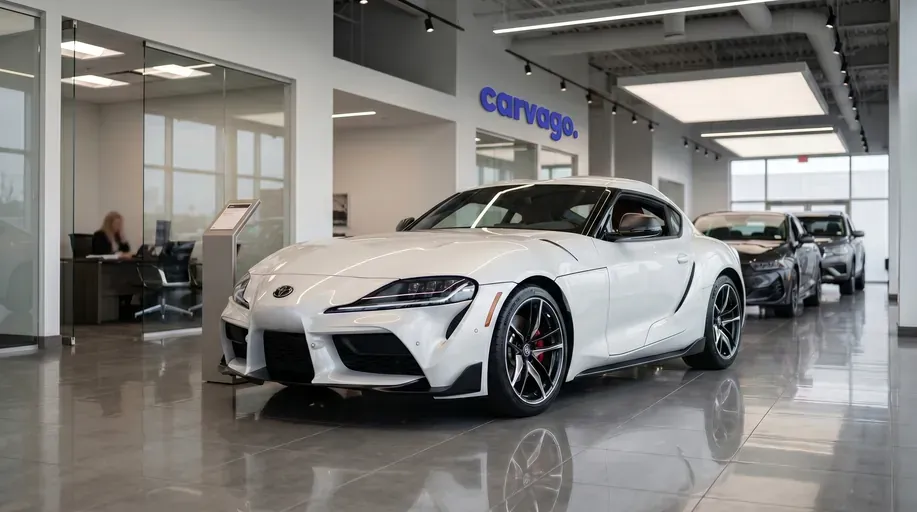
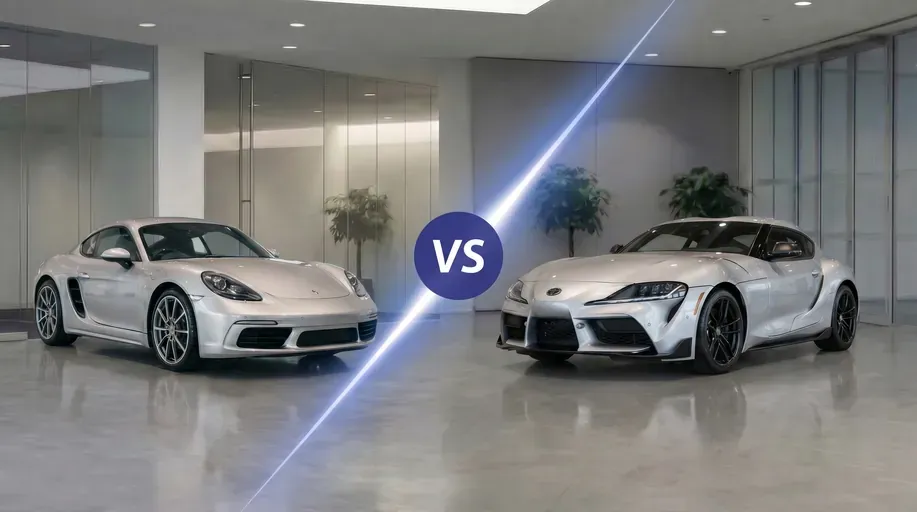
The Japanese Toyota Supra also did not undergo Euro NCAP crash tests under its own name. However, it shares its complete architecture, safety structure, and the vast majority of its technology with the BMW Z4 (G29 generation). This Munich-born sibling underwent official testing in 2019, where it earned a full five-star rating. Although the 2019 testing protocol did not yet include the latest intersection and fully advanced pre-collision methodologies, it still delivered an absolutely excellent 97% adult protection and highly above-average (91%) protection for vulnerable road users. A vehicle from this period already features a modern suite of active assistants, including a pre-collision system with pedestrian and cyclist detection, blind spot monitoring, and precise lane departure warning.
In terms of demonstrable safety and modern driver assistance architecture, the Toyota Supra emerges as the winner of the comparison. While the Jaguar F-Type relies on an older platform and provides used car buyers with no independent crash test data, the Supra (thanks to its technological link with BMW) offers the assurance of an excellent level of occupant protection backed by real-world tests. Furthermore, these meet the requirements of most of today's drivers' daily demands.