Articles

Car battle

Hyundai Kona vs. Seat Arona: Complete comparison 2026

Detailed comparison of Hyundai Kona vs. Seat Arona. Find out which used city SUV to choose. Practical experience, equipment comparison, and a clear verdict before buying.

April 30, 2026

VS
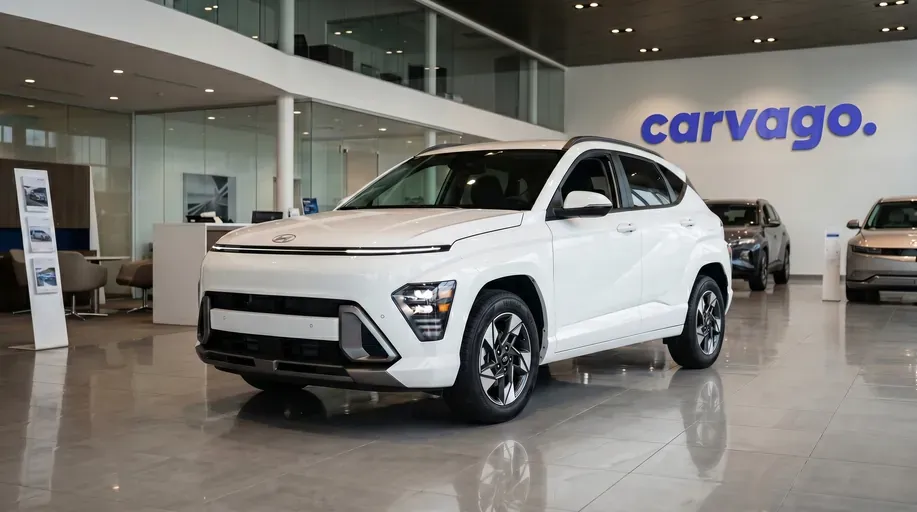
Hyundai Kona

Hyundai Kona

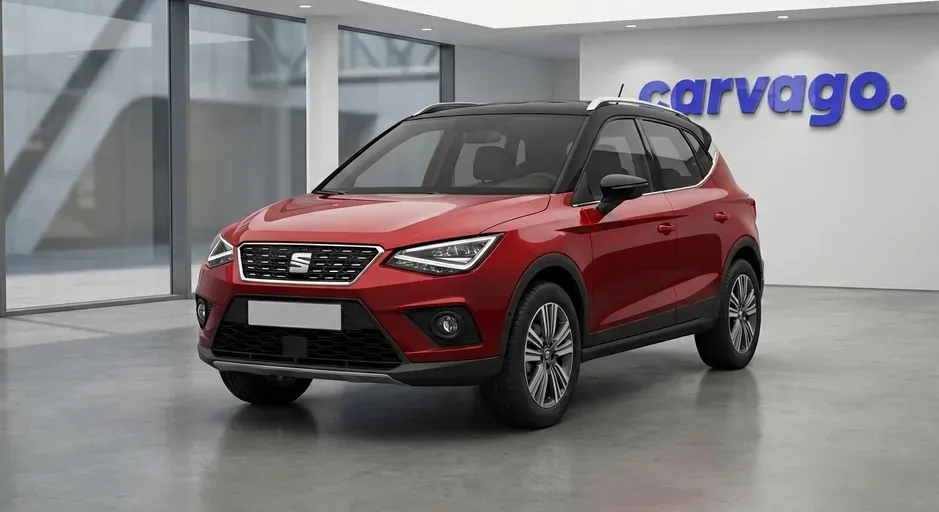
Seat Arona

Seat Arona

Introduction

The Hyundai Kona, also sold in some global markets under the names Hyundai Kauai or Encino, represents a distinctive and technologically advanced compact SUV that attracts drivers with its bold design and a wide range of available powertrains. In contrast, the Seat Arona brings sharp Spanish lines, excellent agility, and reliable technology shared within the Volkswagen Group to the city crossover segment. In the following comparison, we will focus in detail on the strengths and weaknesses of both models to help you find out which of these popular cars will be the better choice for your daily journeys.

Comparison of External Dimensions

Exterior dimensions and proportions

Focusing on models roughly four years old (around the 2022 model year), both vehicles fall into the highly competitive segment of city crossovers (B-SUV). Although both models appear similarly compact from the outside, the Hyundai Kona is slightly more robust compared to the Seat Arona. While the Spanish Arona measures 4153 mm in length after its update, the first-generation Kona (also after a facelift) reaches a length of 4205 mm. The difference of 52 mm in length and another 20 mm in width (1800 mm for the South Korean representative versus 1780 mm for the Seat) gives the Kona a more muscular stance and a more pronounced footprint on the road. In practice, this means slightly more generous interior shoulder room, but when parking daily in narrow city streets or older underground garages, you will appreciate the Arona's slightly more compact and predictable dimensions.

The wheelbase has a fundamental influence on the distribution of interior space and the stability of driving characteristics. Here, the Hyundai Kona offers exactly 2600 mm, surpassing the Seat Arona's 2566 mm by 34 mm. In terms of height, the Kona ranges from 1565 to 1570 mm, while the Arona stays slightly closer to the ground with a maximum of 1552 mm. While this difference in wheelbase doesn't seem dramatic on paper, from a physics standpoint, it helps keep the car more stable at highway speeds and adds valuable millimeters for rear-seat passengers' knees. Overall, the Seat Arona emerges from this comparison as a more agile and nimble city car with a more traditional profile for easy maneuvering, while the wider and longer Hyundai Kona, thanks to its more generous wheelbase, presents itself as a slightly more mature vehicle that feels more confident even on longer out-of-town trips.

ParameterHyundai Kona SUVSeat Arona SUV
Width (mm)18001780
Length (mm)4165 - 42154138 - 4153
Height (mm)1550 - 15701537 - 1552
Wheelbase (mm)26002566

Trunk Volume

Luggage space often plays a decisive role in the compact city SUV segment, especially if the vehicle serves as the main family car. Although both the Seat Arona and the Hyundai Kona are relatively compact in their exterior dimensions and easy to maneuver, they offer slightly different values in terms of interior spaciousness and practicality. For buyers on the used car market looking for a reasonable compromise, choosing a trunk sufficient for weekend shopping and longer holidays is key. In this practical comparison, both manufacturers have approached the use of interior space differently.

In a direct comparison of the classic internal combustion versions, the Spanish representative comes out as more spatially generous. The Seat Arona SUV offers a basic trunk volume of 400 liters, which is a very solid value in the small crossover class. The competing Hyundai Kona SUV (in the first generation relevant for used cars) has a slightly more modest luggage compartment with a volume of 361 liters. The difference is also noticeable when a larger load needs to be transported; after folding down the rear seats, the Arona offers a maximum volume of 1280 liters, while the Kona holds 1143 liters. The larger capacity of the Spanish car thus represents valuable space for a few extra suitcases in real life, which families will clearly appreciate when packing for longer summer trips.

However, it is necessary to pay close attention to the choice of a specific engine, as there are alternative versions of both models with limited trunk capacity. For the South Korean model, the fully electric Hyundai Kona Electric variant loses some space due to the placement of the traction battery under the floor and offers a slightly reduced basic volume of 332 liters (1114 liters after fully folding the seats). A far more significant concession, however, is the eco-oriented Seat Arona with the 1.0 TGI engine. Due to the full installation of compressed natural gas (CNG) tanks, its basic trunk volume has shrunk to a below-average 282 liters and to 1162 liters after folding the seats, making it a noticeably less practical choice for frequent moving of larger items.

ParameterHyundai Kona SUVSeat Arona SUV
Basic volume (liters)361400
Max. volume with seats folded (liters)11431280

Family Ideal 🎒

Thanks to its larger basic and total trunk volume, the Seat Arona is a significantly more practical choice for families, while the Hyundai Kona will appeal more to couples and individuals who don't mind a slightly smaller, but still sufficient, transport capacity.

Discover the true condition of the car thanks to an independent inspection

Order CarAudit™

Trailer Weights

When choosing a compact SUV, towing capacity might not be the first parameter you look at, but for many drivers, it is absolutely essential for everyday practicality. Whether you plan to mount a bike rack on the tow bar, haul garden waste on weekends, or tow a small caravan, the capabilities of both cars in the generations available as roughly four-year-old used vehicles (model years 2021–2023) differ quite significantly. The Hyundai Kona offers overall more robust parameters and will serve better for more demanding use.

The base engine of the Seat Arona (1.0 TSI with 70 kW) can handle a braked trailer weighing 1000 kg, while the more powerful version (81 kW) can tow 1100 kg. The absolute maximum for the Arona is the top-of-the-line 1.5 TSI (110 kW) engine, which can handle a 1200 kg trailer. In contrast, the Hyundai Kona can tow 1200 kg even in its base petrol version, the 1.0 T-GDI (88 kW). The more powerful 1.6 T-GDI variant can handle 1250 kg, and for the popular full-hybrid 1.6 GDI Hybrid model, the permitted weight even reaches 1300 kg. An absolute extreme in this class is the sporty Kona N Performance version, which boasts a towing capacity of up to 1600 kg. The unbraked trailer weight for conventional engines of both cars ranges around the usual 590 to 600 kg.

Electrified versions are an interesting chapter where you encounter significant structural limits:

  • Seat Arona does not offer any hybrid or fully electric variants, relying exclusively on traditional internal combustion engines.
  • Hyundai Kona Electric from 2021–2023 has a significantly limited capacity. Regardless of whether it has the smaller or larger battery, it can tow a maximum of 300 kg (both braked and unbraked trailer).

In practice, this means that while with the electric Kona you will use the tow bar essentially only as a rack for a few bicycles, with the internal combustion engines of this Korean model, you can already hitch up a medium-weight caravan. The Kona's higher towing capacity provides significant capacity for several extra suitcases, trouble-free moving of heavier furniture, and a sufficient reserve for a long active holiday. The Arona can handle light weekend shopping from DIY stores or hauling leaves, but it simply isn't enough for heavier building materials or caravanning.

Final verdict on towing capacity:
If regular trailer towing is a priority for you and your family is used to traveling actively with a larger load, the Hyundai Kona, thanks to its more powerful engines and higher weight limits, represents a significantly more capable workhorse. The Seat Arona is an ideal choice for lighter recreational purposes where you do not expect any performance extremes.

Trailer Weight: Comparison of Popular Engines (2021–2023)
Model and engineBraked trailer (kg)Unbraked trailer (kg)
Seat Arona 1.0 TSI (70 kW)1000590
Seat Arona 1.0 TSI (81 kW)1100590
Seat Arona 1.5 TSI (110 kW)1200590
Hyundai Kona 1.0 T-GDI (88 kW)1200600
Hyundai Kona 1.6 T-GDI (146 kW)1250600
Hyundai Kona 1.6 GDI Hybrid (77 kW)1300600
Hyundai Kona N Performance (206 kW)1600600
Hyundai Kona Electric (64 kWh)300300

Overview of Most Common Motorizations

Comparison of Engines and Drivetrains

When choosing a roughly four-year-old used car, the range of engines plays a crucial role, and it is in this area that the two manufacturers have taken diametrically different paths. Differences in power units directly affect not only performance and fuel consumption but also future service costs and the overall reliability of the vehicle. Hyundai Kona bets on an exceptionally wide technological diversity that appeals to both more conservative drivers and fans of eco-friendly drives or sporty driving. In contrast, the Spanish Seat Arona utilizes a narrower but time-tested group technology from the Volkswagen Group. While the Kona offers every conceivable variant from the classic 1.0 T-GDI petrol engine through sophisticated mild-hybrids and the economical full-hybrid 1.6 GDI version to pure electric vehicles, the Arona relies almost exclusively on efficient TSI petrol units and the 1.0 TGI compressed natural gas variant during the period under review.

Hyundai Kona: From Efficient Hybrids to Asphalt Shredders

The range of engines for the Hyundai Kona from the facelifted first generation (typically for cars from 2021 to 2022) is impressive. The standard engine is a turbocharged one-liter three-cylinder 1.0 T-GDI with 88 kW, which is commonly found on the market in conjunction with 48V mild-hybrid technology and the innovative iMT manual transmission with an electronic clutch. For more dynamic drivers, an agile 1.6 T-GDI four-cylinder tuned to a respectable 146 kW (130 kW before the facelift) is available, often complemented by all-wheel drive. A huge attraction for the city is the exceptionally economical 1.6 GDI Hybrid version and also the pure electric Kona Electric offering two battery capacities. Although the table below includes the 1.6 CRDi diesel engine, the generation availability data clearly shows that these units were definitively withdrawn from sale after 2021 and are no longer found in younger used cars. An absolute extreme in the range is the hot Kona N with a turbocharged two-liter engine producing 206 kW.

Engine TypeFuelPower (kW)Torque (Nm)Transmission
1.0 T-GDI (incl. MHEV)Petrol / Mild-hybrid881726MT / 6iMT / 7DCT
1.6 T-GDIPetrol130 / 1462657DCT
1.6 GDI HybridHybrid1042656DCT
1.6 CRDi (incl. MHEV)Diesel / Mild-hybrid100280 / 3206iMT / 7DCT
Electric (39.2 / 64 kWh)Electric100 / 1503951-speed
2.0 T-GDI (Kona N)Petrol2063928DCT

Note: 1.6 CRDi diesel engines were gradually withdrawn from the European market and are no longer found in models after 2021.

Seat Arona: A Rational and Affordable Classic

While the Kona impresses with electrification, the Seat Arona takes the path of rational simplicity. For used cars around four years old, the exceptionally popular 1.0 TSI petrol three-cylinder forms the absolute basis of the market. It is available either in a weaker 70 kW version with a five-speed manual or in a more flexible and versatile 81 kW variant, which could be combined with a six-speed manual or a seven-speed DSG automatic. Buyers with access to CNG filling stations can choose the more eco-friendly 1.0 TGI version with 66 kW. The role of the most powerful unit is filled by the 1.5 TSI four-cylinder with 110 kW (exclusively with DSG), which offers much better flexibility for motorway travel. If you were looking for a diesel Arona for high mileage, you would run into a problem. Although the 1.6 TDI engine (with 70 kW or 85 kW) was originally in the KJ generation range, Seat quietly withdrew it during 2020. In modern four-year-old used cars, the Arona is thus a purely petrol vehicle.

Engine TypeFuelPower (kW)Torque (Nm)Transmission
1.0 TSIPetrol701755MT
1.0 TSIPetrol812006MT / 7DSG
1.5 TSIPetrol1102507DSG
1.0 TGICNG / Petrol661606MT
1.6 TDIDiesel70 / 852505MT / 7DSG

Note: Production of the Arona model with the popular 1.6 TDI diesel engine ended during 2020, and you will not find it in younger models.

To summarize, the strength of the Hyundai Kona is its huge range of variants without any compromises – you will appreciate the economical full-hybrid versions in heavy stop-and-go traffic, while the powerful 1.6 T-GDI unit and electric versions will please more demanding drivers and fans of new technologies. The downside here, however, may be concerns about the future service costs of electrified systems. Conversely, the Seat Arona benefits from technical straightforwardness. The absence of expensive hybrid technologies or all-wheel drive makes the Arona a favorite for drivers who strictly monitor the family budget and are looking for cheap, well-predictable service. The proven 1.0 TSI group engine will be a safer and sufficient choice for undemanding users.

Electric Diversity ⚡ vs. Petrol Certainty ⛽

While the Hyundai Kona satisfies those interested in ultra-economical hybrids and fierce performance, the Seat Arona is the ideal rational partner for those looking for a cheap-to-service, purely petrol group classic.

Choosing the right engine is a key step for long-term satisfaction with a used car, and our recommendations are based on real-world performance experience, actual fuel consumption, owner feedback, and overall mechanical reliability. When comparing these two compact crossovers, we encounter different philosophies: while the Seat Arona relies on traditional, lightweight, and structurally refined internal combustion technology from the VW Group, the Hyundai Kona excels with a wide range of electrified powertrains. For the used car market at around four years of age (predominantly post-2021 facelift models), these represent two completely different but top-tier approaches to propulsion in their class.

For the Hyundai Kona, we recommend: 1.6 GDI Hybrid (104 kW / 141 hp)

The full hybrid powertrain is an absolute trump card for the Kona. In the four-year-old used car market (especially the generation covering 2021–2023 in trims like Prime, Select, or Trend), it represents an exceptionally rational and trouble-free choice.

  • Why it's the best choice: The hybrid variant perfectly combines high reliability with very low operating costs. Unlike pure petrol turbocharged engines, it doesn't suffer as much from the specifics of stop-and-go traffic, and compared to fully electric versions, it still has a very affordable purchase price.
  • Technical advantages: At the heart of the system is a 1.6-liter naturally aspirated four-cylinder engine assisted by a powerful electric motor. Real-world consumption in urban and suburban traffic typically ranges between 4.5 and 5 L/100 km. A major advantage is the use of a dual-clutch transmission (DCT) instead of the CVT common among competitors, which gives the car much more natural dynamics and sound during acceleration.
  • What to watch out for: The engine uses direct fuel injection, and although assisted by an electric motor, long-term neglect of maintenance can lead to carbon buildup. It is crucial to change the engine oil no later than every 15,000 km or 1 year. On early used models, check the smoothness of transitions between electric and combustion modes – jerking may indicate a need for a transmission software update or worn clutches.
  • Who it's best for: It is an ideal car for calmer drivers who spend most of their time in the city and on suburban roads. They are looking for maximum reliability, require an automatic transmission, and appreciate quiet operation without the need to charge the car from the grid.

For the Seat Arona, we recommend: 1.0 TSI (81 kW / 110 hp)

If you are choosing an Arona from the years 2021 to 2024, the version with the turbocharged 1.0-liter three-cylinder engine producing 81 kW (110 hp) is the uncrowned king of the range, easily overshadowing both the weaker 70 kW variant and the more expensive and rarer 1.5 TSI four-cylinder.

  • Why it's the best choice: This engine represents the perfect intersection of a reasonable purchase price, great fuel economy, and unexpectedly good dynamics. Compared to the weaker version, it is standardly paired with a six-speed manual transmission (or a seven-speed DSG automatic), which significantly reduces RPMs and noise at highway speeds.
  • Technical advantages: The power unit from the EA211 family has already overcome its "teething troubles" and is considered mechanically very robust. It scores points with 200 Nm of torque, which is available from low RPMs, making the car feel quite lively. Real long-term consumption can be kept around 5.5 L/100 km with a light foot.
  • What to watch out for: Since it is a direct-injection engine with a gasoline particulate filter (OPF), exclusively urban operation over very short distances (where the engine doesn't have time to warm up) carries the risk of oil dilution with petrol and OPF clogging. Prevention involves taking the car on a brisker highway trip at least twice a month and shortening the oil change interval from the often-prescribed "long-life" 30,000 km to a more sensible 15,000 km. When choosing a version with DSG, watch out for hill starts – if the car jerks noticeably when the accelerator is pressed smoothly, you are likely facing an early replacement of the dry clutches.
  • Who it's best for: This engine is tailor-made for universal use. It will please individuals and small families alike who use the car as an "all-rounder" – it can nimbly navigate the city and won't disappoint even when you head to the mountains for a holiday with a full load.

Real Fuel Consumption

Official fuel consumption tables from car manufacturers often promise unrealistically low values that are difficult to achieve in normal daily operation. This is doubly true for small crossovers, which have a higher body structure and the associated higher aerodynamic drag. Therefore, when comparing the real-world consumption of used cars approximately four years old (especially generations from 2020 to 2022), we focused on verified user data from the reliable community portal Spritmonitor.de. This very accurately reflects the actual experiences and fuel bills of thousands of ordinary drivers.

Model and EngineAverage consumption (l/100 km)
Hyundai Kona 1.0 T-GDI 88 kW6.1
Hyundai Kona 1.6 T-GDI 146 kW7.0
Hyundai Kona 1.6 GDI Hybrid 104 kW5.4
Hyundai Kona 1.6 CRDi 100 kW5.4
Seat Arona 1.0 TSI 81 kW6.1
Seat Arona 1.5 TSI 110 kW6.4
Seat Arona 1.6 TDI 85 kW5.0
Seat Arona 1.0 TGI 66 kW (CNG)4.0 (kg/100 km)

A detailed look at the real-world figures reveals several very interesting trends and surprising findings:

  • Small turbo engines are not a cure-all: The basic turbocharged three-cylinder engines (1.0 T-GDI in the Hyundai and 1.0 TSI in the Seat) show an absolutely identical real-world consumption of 6.1 l/100 km. The frequently cited assumption that a small displacement automatically means a significantly lower appetite simply does not hold true for heavier crossovers.
  • Surprising efficiency of more powerful engines: If you opt for the more dynamic 1.5 TSI four-cylinder in the Seat Arona, you will pay only a minimal extra amount at the filling stations (averaging 6.4 l/100 km). The top-of-the-line Kona with the potent 1.6 T-GDI engine is slightly thirstier, requiring an average of 7 liters of petrol.
  • Diesel and alternative powertrains: The most economical options for long distances are the older diesel units (1.6 TDI in the Seat and 1.6 CRDi in the Hyundai), which in practice stay close to the five-liter mark. Furthermore, the Arona offers a unique compressed natural gas (CNG) version on the secondary market (1.0 TGI), whose operating costs are very low with a consumption of 4 kg of CNG.

The above data clearly leads to recommendations for typical used car buyer profiles:

  • City drivers: Here, the Hyundai Kona in the 1.6 GDI Hybrid version reigns supreme. Thanks to its sophisticated electric assistance, it can crawl smoothly in traffic jams, recuperate effectively, and keep consumption exceptionally low even where petrol engines struggle.
  • Highway travelers: If you drive tens of thousands of kilometers a year, mostly on highways, it makes sense to try and find a used diesel (TDI or CRDi). The 1.5 TSI four-cylinder under the hood of the Spanish model is also a great and unexpectedly economical petrol alternative for highway journeys.
  • Budget-conscious buyers: For normal daily commuting and mixed driving, both basic three-cylinder engines (1.0 TSI and 1.0 T-GDI) represent a happy medium. Fuel expenses won't ruin you; just don't expect the miracles promised on paper.

Overall, it can be stated that fuel consumption may not be a deciding factor at all between the Hyundai Kona and Seat Arona if you are comparing the basic petrol versions – they show almost identical operating costs. However, fundamental differences emerge when you are looking for a specific type of powertrain for your daily routine. If you are looking for a car for purely urban use, the Kona with its excellent and smooth full-hybrid stands out significantly over the Arona. Conversely, if you insist on a dynamic petrol four-cylinder with reasonable consumption even on country roads and highways, you will hardly find anything more efficient than the Seat Arona with the 1.5 TSI engine.

Price Range and Used Car Offerings

Used Car Prices: Hyundai Kona vs. Seat Arona (2021–2022 Models)

Looking at the market for roughly four-year-old used cars (which for both models means attractive versions from the period after their first major facelift), you will find that the pricing policy of both vehicles exactly mirrors their technical focus. While the Seat Arona sticks to traditional internal combustion engines, which keeps its prices in relatively low and affordable ranges, the Hyundai Kona, thanks to its wide range of alternative powertrains, covers a much broader – and at its peak, significantly more expensive – price spectrum.

Hyundai Kona: From Affordable Petrol to Advanced Electric Vehicles

The South Korean representative from 2021 and 2022 (facelifted 1st generation) scores points with its diverse range of power units. The used car market here clearly separates those interested in classic petrol engines from fans of advanced electromobility.

  • Base petrol engines (1.0 T-GDI): The cheapest four-year-old used cars start at roughly €14,000. This is an ideal compromise for daily commuting.
  • Higher trims and more powerful engines (1.6 T-GDI / Hybrid): Slightly used cars with a more powerful engine, automatic transmission, or fuel-efficient hybrid technology mostly range between €16,000 and €18,000.
  • Purely electric version (Kona Electric): Electric variants with the popular larger battery (64 kWh) represent a significant price jump and dominate the upper end of the range. Here, you should expect amounts from €18,000 up to the €27,000 mark for perfect examples with maximum equipment.

Seat Arona: Spanish Efficiency and Exceptionally Low Running Costs

The crossover from the Seat stable, sharing the MQB A0 chassis platform, attracts buyers in its post-facelift generation (from 2021) with highly favourable purchase costs. These are supported by the exclusive use of traditional power units and the presence of an interesting natural gas alternative.

  • Base and eco-friendly engines (1.0 TSI / 1.0 TGI): The most affordable units, often powered by compressed natural gas (CNG), can be found in used car lots starting between €10,000 and €11,000. This makes the Arona a very affordable entry point into the world of modern crossovers.
  • The golden mean (1.0 TSI 81 kW): Most of the market supply is concentrated around the more powerful three-cylinder one-litre engine in mid-level trims (Style or Xcellence), where prices typically oscillate between €12,000 and €16,000.
  • Sporty style and dynamics (1.5 TSI in FR trim): The top-of-the-line four-cylinder engine and the popular sporty FR versions hold their value better and represent the model's ceiling. They usually sell for between €16,000 and €19,000.

Quick Comparison of Average Prices

Model (2021–2022)Starting PriceMost Common Used VersionTop Engine / EV
Hyundai Kona~€14,000~€16,000 (1.0 T-GDI)€18,000 – €27,000 (Electric)
Seat Arona~€10,000~€14,000 (1.0 TSI)~€18,000 (1.5 TSI FR)

When comparing these two models, it is clear that if your primary metric is the lowest possible initial investment, the Arona will be a significantly more welcoming choice in the world of nearly-new used cars. The Kona, on the other hand, provides technically more advanced powertrains and an overall more mature car, which is naturally reflected in its higher average price.

The Verdict at the Dealership 🛒

The Seat Arona will please your wallet with a significantly lower starting price and a wide range of traditional and economical CNG engines, while the Hyundai Kona will satisfy more demanding buyers with a more diverse palette, including top-tier hybrid or electric variants, for which you will, however, pay a corresponding premium on the used car market.

Safety and Euro NCAP Rating

To begin with, it is worth noting that both of these models have achieved the prestigious five-star Euro NCAP rating in their history. However, it is absolutely crucial to view this result in a broader context and take into account the year the testing itself took place. Euro NCAP crash test methodologies and protocols are constantly evolving and becoming significantly stricter. Percentage results from different years cannot be directly compared. While a robust vehicle structure was once enough for an excellent result, today's tests include very complex scenarios – from new simulations of frontal collisions with a moving barrier to advanced cyclist detection and emergency braking at blind intersections.

For used Hyundai Kona vehicles from around 2020 to 2021, the original five-star result from 2017 applied. However, the validity of this certificate expired at the beginning of 2024 because the standards of the older version no longer met current requirements. If we focus on the most recent evaluation of the new generation from 2023, the Kona received four stars. This slight drop is not due to weak passive occupant protection, but rather to the aforementioned, significantly stricter requirements for active systems. The vehicle missed out on valuable points for advanced autonomous emergency braking (AEB) functions in the event of an impending collision at an intersection.

On the other hand, the Seat Arona underwent a major re-evaluation in the autumn of 2022 after its initial debut, which ideally corresponds to models that are roughly four years old on the used car market today. The automaker integrated a reinforced structure and updated assistance system software into this facelifted model. As a result, the Arona confidently defended its full five stars even under modern and extremely strict protocols. Tests confirmed that its radar and cameras for recognizing vulnerable road users still meet the strictest standards today.

From the perspective of current standards, the Seat Arona thus offers a slightly more modern and more comprehensively evaluated safety package. While with a used Hyundai Kona you have to account for either an older and already expired homologation or a four-star result for the more modern generation, the Arona maintains its maximum five-star shield even in the current, significantly more demanding era of testing.

ParameterHyundai KonaSeat Arona
Year of testing20232022
Adult occupant protection80 %83 %
Child occupant protection83 %83 %
Vulnerable road user protection64 %65 %
Safety assistance systems60 %70 %

🛡️ Seat keeps pace with modern standards

While the Hyundai Kona suffered from the tightening of rules and relies on an already invalid certificate for used cars, the Seat Arona successfully passed strict tests in 2022 thanks to key updates and thus represents a total safe bet from a safety perspective.

Comparison of Interesting Equipment Features

In addition to the standard equipment, each of the models offers several unique features and technological solutions that go beyond the basic foundation and bring specific added value for everyday use.

Hyundai Kona: Extreme Variety of Powertrains and Advanced Telematics

The South Korean crossover has always scored points for its boldness and technological sophistication, making it a very versatile choice for a diverse range of drivers.

  • Variety under the hood: In its category (especially after the first-generation facelift), the Kona absolutely excels with its choice of engines. Used car buyers can choose from classic petrol engines, mild-hybrids, full hybrid versions (HEV), all the way to a pure electric vehicle (Kona Electric). The absolute pinnacle is the uncompromising sporty Kona N version with 280 hp.
  • Advanced infotainment and telematics: Higher trim levels feature a large 10.25-inch infotainment display paired with a digital instrument cluster. A key feature is the Bluelink system, which allows remote access to the vehicle via a phone app – for example, you can check if the doors are locked, send a destination to the navigation, or manage charging for the electric version.
  • Features from higher classes: The Kona can offer equipment that is not common at all in the small SUV segment. Available features can include a premium Krell audio system, a head-up display (pop-up glass), or even front seats that are not only heated but also ventilated.
  • N Line sports edition: For drivers who want a dynamic look without having to buy the hardcore "N" version, Hyundai offers the N Line trim with more aggressive bumpers, dual exhaust tips, and sports seats with red stitching.
  • Advanced assistance systems: The Hyundai SmartSense package integrates adaptive cruise control with Stop & Go functionality and active lane keeping, making the car a very capable companion even for long motorway journeys.

Seat Arona: Youthful Style and Sporty Handling

The Spanish model builds on proven Volkswagen Group technology but adds unmistakable temperament, sharper design lines, and cleverly designed details.

  • Design and personalisation: The Arona relies heavily on style. A big draw for customers is the option of two-tone paint with a different colour for the roof and pillars. In the post-facelift interior (around 2021), you'll appreciate the soft-touch dashboard and a completely unique feature in the form of colour-backlit air vents, which enhance the modern atmosphere in the cabin.
  • Infotainment and wireless connectivity: The Seat Connect system keeps the car online and provides real-time traffic information. For tech lovers, the Full Link system is key, providing wireless connectivity for both Apple CarPlay and Android Auto.
  • Premium sound: City commutes can be made more pleasant by the optional BeatsAudio premium sound system with a digital amplifier and a powerful subwoofer located in the luggage compartment.
  • Sporty spirit and chassis: The Arona features some of the best driving characteristics in its class. In the FR (Formula Racing) sports trim level, it offers not only visual enhancements but also the Seat Drive Profile system (driving mode selection) and a stiffer suspension setup. Excellent cornering handling is aided by the XDS electronic differential lock.
  • An alternative for the budget-conscious: While the Kona scores with electricity, during the period in question, the Arona offered an interesting and very economical factory engine option, the 1.0 TGI, which is adapted to run on compressed natural gas (CNG), something drivers with high annual mileage looking for low running costs will appreciate.

Key Advantages and Disadvantages

Hyundai Kona

Pros

Wide range of powertrains including full hybrid and pure electric versions

Option of all-wheel drive (AWD), which is a rarity in the small SUV class

Distinctive and original design that ages slowly

Intuitive multimedia system with fast response and retained physical buttons

Standard five-year factory warranty with unlimited mileage

Cons

Smaller luggage compartment volume (374 liters for combustion versions) compared to competitors

Limited legroom for rear-seat passengers

Firmer suspension tuning, which can reduce comfort on broken roads

Greater presence of cheap-feeling hard plastics in lower trim levels

The Hyundai Kona is an ideal choice for drivers looking for a stylish and technologically advanced city crossover with the option of advanced electrified engines. Thanks to optional 4x4 drive and a long factory warranty, it is an attractive car for individuals or couples who don't mind a slight compromise in trunk and rear-seat space.

Seat Arona

Pros

Excellent and agile driving characteristics, among the best in its class

Very practical and excellently packaged interior space despite compact dimensions

Larger and more usable luggage compartment with a volume of 400 liters

Logical driver's cockpit ergonomics, especially after the 2021 facelift

Traditionally better value for money on the used car market

Cons

Complete absence of electrified versions (no full-hybrid or pure electric vehicle)

All-wheel drive is completely missing from the range

Slightly more conservative design that doesn't stand out as much in the flood of small SUVs

Poorer cabin soundproofing from the chassis at highway speeds

The Seat Arona will primarily appeal to pragmatically-minded drivers who appreciate above-average interior space, great everyday usability, and a more confident driving performance on country roads. It is a perfect compact SUV for smaller families and users who do not need all-wheel drive and prefer proven, economical combustion engines with lower service costs.

Common Problems and Owner Complaints

Based on our own data from the CarAudit service, long-term user feedback, and available service statistics, we have compiled an overview of the most common problems that buyers of these used cars should watch out for.

The first-generation Hyundai Kona (including the facelift) is generally considered a reliable car, yet it has specific ailments associated with on-board electronics and certain types of powertrains that occur most frequently in operation.

  • Transmission (7DCT): In the seven-speed dual-clutch transmission with dry clutches, faster wear occurs during frequent stop-and-go traffic in jams and in the city. The fault usually manifests as jerking or shaking when starting off.
  • Engines (1.0 T-GDi): If the three-cylinder petrol engine is driven mainly on short trips, there is a risk of the gasoline particulate filter (GPF) clogging, and slower warming up can cause engine oil dilution with petrol. Sometimes this engine also exhibits rough idling.
  • Electric versions (Kona Electric): Although the well-known recall for traction battery replacement mostly concerned older pre-facelift models, for four-year-old used cars, a comprehensive vehicle inspection focused on the battery's condition (State of Health) and checking the history of BMS (Battery Management System) software updates is still absolutely essential.
  • Infotainment and electronics: A common complaint from owners is occasional freezing of the center display and unstable connections or dropouts of Apple CarPlay and Android Auto systems. However, most of these problems are solved by installing a newer software version at a service center.

Hyundai Kona: Watch out for clutches and city traffic

The Hyundai Kona is a solidly built crossover where it pays to check especially the smoothness of the 7DCT dual-clutch transmission and the condition of the particulate filter in petrol engines. With proper maintenance, it is an above-average reliable car with minimal mechanical defects.

The Seat Arona shares group technology (MQB-A0 platform) with other models of the Volkswagen family, which brings excellent parts availability, but also the typical quirks of group vehicles from this period.

  • Electronics and infotainment (MIB3): Facelifted versions (from 2021) equipped with the newer infotainment system suffered in the early years from display freezing, spontaneous system restarts, and parking camera image dropouts. When buying, verify that the car has the latest stable software installed.
  • Transmission (DSG): Similar to its Korean competitor, the seven-speed DSG (DQ200) unit with dry clutches here also pays the price for heavy city traffic. Jerking, rough shifting, or unusual noises mean the necessity of an expensive repair of worn clutches or mechatronics.
  • Engines (1.0 TSI and 1.5 TSI): In the widely represented 1.0 TSI three-cylinder engines, coolant leaks around the water pump can occur more rarely. In the more powerful 1.5 TSI version, a typical ailment in older models was the so-called "kangaroo effect" (jerking when starting cold), but for used cars around four years old, this problem should already be resolved by a factory update of the control unit.
  • Interior and chassis: The Arona struggles with occasional creaking of harder plastics in the interior, especially during large temperature changes or on poor-quality roads. As for the chassis, play in the stabilizer links may occur earlier, which a detailed physical inspection of the car will easily reveal.

Seat Arona: A group classic with software quirks

The Seat Arona sometimes pays for the initial instability of the MIB3 on-board systems and the typical wear of dual-clutch transmissions in city mode. Mechanically, however, it shares robust and time-tested group technology, which, with regular servicing, hides no treacherous defects.

Tips for Buying a Used Car

When buying a used car, a thorough technical inspection of the car is key, because even though both are generally reliable small SUVs, both models have their specifics that are worth paying close attention to.

When choosing a Hyundai Kona:

  • DCT automatic transmission: For petrol versions (e.g., 1.6 T-GDi) equipped with a dual-clutch transmission, focus on low-speed crawling and parking maneuvers during the test drive. The transmission should engage and shift smoothly; significant jerking or strong jolts may indicate worn clutches, which are quite expensive to repair.
  • Traction battery condition for Electric and Hybrid versions: If you are considering an electrified variant, always request a diagnostic report of the battery's State of Health (SOH). Also, don't forget to physically check the charging port for any mechanical damage and look under the car to see if the battery cover has been damaged by curbs.
  • 1.0 T-GDi engine behavior after a cold start: The base three-cylinder unit may run slightly rough immediately after starting. However, if you notice strong vibrations, irregular idling, or delayed throttle response, it could signal excessive carbon deposits or injector problems.
  • Chassis and rear axle condition: Heavier electric versions or all-wheel-drive (4x4) models feature a more advanced multi-link rear axle. While driving over potholes or speed bumps, listen for dull thuds indicating worn control arm bushings or tired shock absorbers.
  • Infotainment and on-board system responsiveness: Take the time to click through the on-board system. Some earlier model years experienced screen freezing or connectivity issues (Apple CarPlay / Android Auto). Slow responses are often resolved by a software update, but it's good to verify that the display doesn't suffer from permanent touchscreen defects.

When choosing a Seat Arona:

  • DSG automatic transmission smoothness: The seven-speed automatic transmission with dry clutches (DQ200) can be sensitive to how the previous owner treated it. During the test drive, watch for uncomfortable vibrations and "slipping" between first and second gear when starting off or in slow traffic, which indicates worn clutch linings.
  • 1.5 TSI engine performance when cold: In older model years of this popular four-cylinder (around 2018–2020), the so-called "kangarooing effect" often occurred – unpleasant jerking and hopping when starting off with a completely cold engine. Make sure the car accelerates smoothly right after starting, or check if the official ECU software update has already been applied.
  • Coolant leaks in 1.0 TSI engines: Carefully check the coolant level in the expansion tank under the hood and inspect the area around the timing belt and water pump. These VW Group three-cylinder engines occasionally suffer from premature water pump leaks, which must be addressed by immediate replacement of the part.
  • Build quality and interior fit and finish: The Arona uses a larger amount of harder plastics in the cabin, which are durable but can move over time. Therefore, during a test drive on cobblestones or broken country roads, listen carefully for excessive rattles, squeaks, or resonances coming from the dashboard or door panels.
  • Multimedia system functionality and screen freezing: On-board systems from this generation of VW Group models can occasionally tend to load slowly or restart spontaneously. Try to stress the system – navigate the menus quickly, pair your phone, and start the navigation to detect any software glitches in time.

FAQ: Most Frequently Asked Questions

Seat Arona offers a slightly larger luggage compartment with a volume of 400 liters compared to 374 liters for the 2017–2023 Kona model. The difference is not dramatic, but the Arona benefits from a more regular trunk shape, which overall makes it easier to load larger and bulky items. For regular family shopping or a stroller, the Spanish representative may be more practical.

Hyundai Kona provides a significantly wider range of powertrains because, in addition to gasoline engines, it is commonly sold as an economical full-hybrid or a pure electric vehicle. The Seat Arona, on the other hand, relies exclusively on traditional TSI gasoline units, for which it alternatively offers only an economical version running on compressed natural gas (CNG). So, if you are looking for an electrified and more modern powertrain, the South Korean model is the only choice.

The Hyundai Kona is one of the few exceptions in the small crossover class, as it offers optional all-wheel drive in conjunction with the more powerful 1.6 T-GDi engine. The Seat Arona, by contrast, is designed as a purely city car and was manufactured strictly with front-wheel drive. For frequent driving in mountainous areas or poor grip conditions, the Kona is clearly the better candidate.

Both cars belong to the B-SUV category, which means that the space in the rear seats is ideal primarily for children or two adults on shorter trips. Despite a shorter wheelbase, the Seat Arona managed to package the interior space better and offers passengers slightly more legroom and headroom. The Hyundai Kona counters with a slightly wider cabin, which provides somewhat better shoulder comfort.

Both cars are considered relatively reliable representatives of their class with a minimum of serious and expensive chronic defects. For the Seat, a major advantage is the huge availability of affordable spare parts thanks to its membership in the VW Group and the popular TSI engines. However, Hyundai scores with its long five-year factory warranty with no mileage limit, which may still protect cars purchased four years ago.

Conclusion: Which Model to Choose?

Our Verdict

Choosing between roughly four-year-old Hyundai Kona and Seat Arona models ultimately depends on whether you prefer technological versatility or rational practicality. The Seat Arona represents an ideal choice for smaller families and pragmatic drivers looking for an affordable car who appreciate excellent driving characteristics, a larger luggage compartment, and low maintenance costs for proven internal combustion engines. Conversely, the Hyundai Kona perfectly satisfies more demanding buyers who require advanced full-hybrid or electric powertrains, optional all-wheel drive, and a more robust construction suitable even for towing heavier trailers. While the Spanish crossover thus scores on the used car market with an excellent price-to-value ratio, the South Korean representative confidently justifies its slightly higher purchase price with a more mature character, rich equipment, and absolute dominance in the field of alternative powertrains.

Find your ideal car

Sources: ADAC, idnes.cz, lidovky.cz, autorevue.cz, autozive.cz, nabijecka.cz

This article was prepared using artificial intelligence tools. The section guarantor is Petr Dušek.

Related articles

Car battle

Renault Austral vs. Seat Ateca: Complete comparison 2026

Detailed comparison of Renault Austral vs Seat Ateca. Discover the differences in equipment, driving characteristics, and fuel consumption. Our verdict will make it easier for you to choose the right SUV!

Apr 13, 2026

Car battle

Citroën C5 Aircross vs. Peugeot 3008: Complete comparison 2026

Detailed comparison: Citroën C5 Aircross vs Peugeot 3008. Find out which used SUV offers better comfort, reliability, and equipment. We have a clear verdict!

Apr 29, 2026

Car battle

Ford Kuga vs. Renault Austral: Complete comparison 2026

Used SUV comparison: Ford Kuga vs. Renault Austral. Find out which model offers better engines, equipment, and real value. Read our final verdict!

Apr 18, 2026

We accept online card payments as well as wire transfers.

visa payment provider logovisa-electron payment provider logomastercard payment provider logomaestro payment provider logodiners-club payment provider logodiscover payment provider logo