Articles

Car battle

Opel Corsa vs. Renault Clio: Complete comparison 2026

Opel Corsa vs. Renault Clio: A detailed comparison of popular hatchbacks. Find out everything about equipment, driving characteristics, and fuel consumption, and choose the right one for you.

May 13, 2026

VS
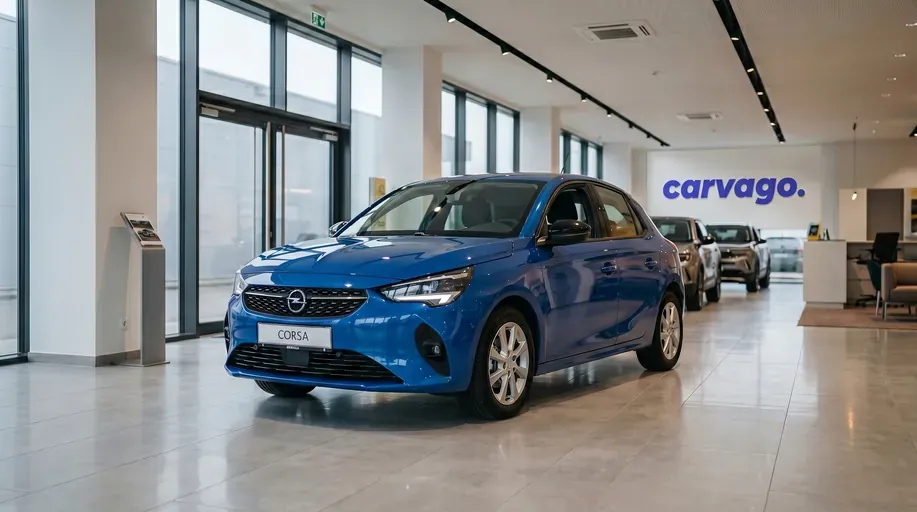
Opel Corsa

Opel Corsa

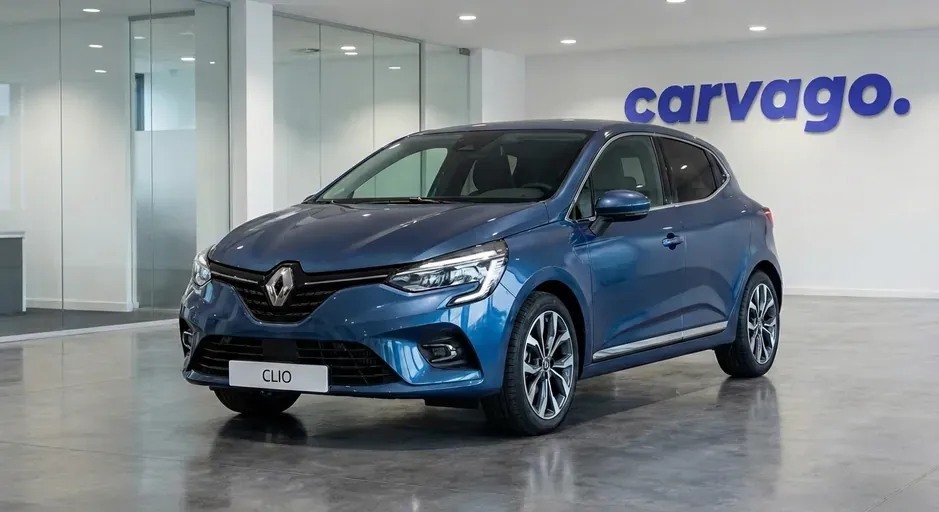
Renault Clio

Renault Clio

Introduction

Opel Corsa, also known as the Vauxhall Corsa on the British market, is a proven city hatchback that has long scored points with drivers for its practicality, reliability, and modern technology. Its challenger today is the traditional French bestseller, the Renault Clio, sold in Japan as the Renault Lutecia for licensing reasons, which attracts customers primarily with its comfortable chassis, above-average interior craftsmanship, and elegant appearance. Let's take a detailed look at how these two very strong European competitors from the small car segment fare in a direct comparison and which of them represents the better choice for your daily journeys.

Comparison of External Dimensions

Exterior Dimensions and Proportions

When choosing the ideal city car, exterior dimensions play a crucial role. In the market for four-year-old used cars, you will most often encounter the Opel Corsa generation F and the fifth-generation (V) Renault Clio. Both cars share the typical concept of a modern B-segment hatchback, yet they approach it with different philosophies. While the Corsa is slightly longer (measuring up to 4061 mm compared to 4053 mm for the Clio), its French rival significantly dominates in width. The Clio offers a width of 1798 mm, which is 33 mm more than the German representative. In daily traffic, this means slightly better shoulder room in the Clio's interior and a more mature stance on the road, while the narrower Corsa maneuvers more easily through tight alleys and smaller parking spaces.

Another key parameter is the wheelbase, which often determines interior spaciousness and driving stability. The Renault Clio features a value of 2583 mm, surpassing the Corsa's 2538 mm by a relatively significant 45 mm. This difference will be appreciated especially by rear-seat passengers, where the Clio offers noticeably more generous legroom. A longer wheelbase also contributes to a smoother and more stable ride on the highway. The Opel Corsa, on the other hand, has a slightly lower silhouette (its height is 1433 to 1435 mm, while the Clio is 1440 mm tall). This characteristic gives the Corsa sportier shapes and a lower center of gravity, but it may mean a slight reduction in headroom for taller passengers. In practice, it depends on whether you prefer a more dynamic seating position and center of gravity, or a more comfortable spatial offering.

Overall, both cars handle the challenges of heavy city traffic excellently and certainly do not lack agility. Thanks to its wider stance and extended wheelbase, the Renault Clio will appeal to drivers looking for an optically and realistically more mature vehicle approaching cars a class larger. The Opel Corsa, conversely, bets on more athletic proportions and a slightly more modest profile, which favors nimble handling in the city center.

Overview of Exterior Dimensions

ParameterOpel Corsa HatchbackRenault Clio Hatchback
Width (mm)17651798
Length (mm)4060–40614050–4053
Height (mm)1433–14351440
Wheelbase (mm)25382583

Trunk Volume

Luggage space is often a key parameter when choosing a small city car, especially if it is to serve as the only car in the family. While in the past these cars were seen more as simple shopping bags, today's B-segment representatives can surprise with their everyday practicality. When comparing approximately four-year-old used cars, namely the Opel Corsa (generation F) and the Renault Clio (generation V), we encounter interesting differences in the philosophy of both brands. The French representative traditionally places a bit more emphasis on family use and clever interior versatility, while the German model bets more on a sportier body silhouette, which is noticeably reflected in the available trunk space.

In terms of specific numbers, the standard five-door Renault Clio hatchback of the fifth generation with internal combustion engines offers an above-average basic volume of 340 liters (some versions even state up to 391 liters). After folding down the rear seats, the usable space increases to 1069 liters. The Opel Corsa F with a standard internal combustion engine provides 309 liters in its basic configuration, but after completely folding down the backrests, it reaches a volume of 1081 liters – slightly surpassing its rival in maximum capacity. However, it is very important to pay attention to the choice of powertrain, as electrified variants of both cars see a significant reduction in capacity due to the placement of battery cells. The fully electric Corsa Electric thus drops to 267 liters, while the hybrid Renault Clio E-Tech has only 246 to 254 liters available. This storage space will be perfectly sufficient for weekend shopping, but for a longer vacation, it will require significant compromises in your packing.

A significant competitive advantage for Renault in the used car market is the existence of a family-oriented estate version, traditionally designated as Grandtour. Although the current fifth generation of the Clio did not receive this variant, in the age category of around four to five years, one can still successfully come across models from the outgoing fourth generation. The Renault Clio Grandtour provides a generous basic volume of 443 liters and, after folding down the rear bench, creates a space of 1380 liters. You thus gain valuable space for several extra suitcases and the trouble-free transport of a stroller. In contrast, the Opel Corsa does not offer an estate body style at all in its modern iterations and relies purely on the hatchback.

ParameterOpel Corsa HatchbackRenault Clio HatchbackRenault Clio Estate
Basic volume (liters)309340443
Maximum volume with seats folded (liters)108110691380

Capacity for every day 🧳

The Renault Clio offers better basic luggage space in the five-door hatchback and also scores on the used car market with its practical estate variant. The Opel Corsa, on the other hand, slightly wins in the overall usability of the trunk after folding the seats, but with both cars, pay close attention to the smaller volume in electric and hybrid motorizations.

Discover the true condition of the car thanks to an independent inspection

Order CarAudit™

Trailer Weights

The ability of a car to tow a trailer represents an unexpectedly important factor for many buyers, even in the compact city hatchback segment, as it significantly expands the overall flexibility and utility of the car. If we compare roughly four-year-old used cars belonging to the latest generations of both vehicles (Opel Corsa generation F and Renault Clio generation V), we encounter two completely different approaches to towing capacity.

While the fifth-generation Renault Clio stands out for its maximum consistency and maintains a standard and maximum braked trailer weight of exactly 900 kg across all its engine options, the Opel Corsa shows much greater extremes. The basic naturally aspirated versions of the 1.2 petrol engine in the Opel allow for towing a braked trailer with a very modest weight of just 500 kg. However, the maximum value for the Corsa rises steeply to an excellent 1200 kg the moment you choose the more powerful turbocharged 1.2 DI Turbo version or the economical 1.5 Diesel unit under the hood. Both competitors handle unbraked trailers in a similar range, from 500 to approximately 630 kg depending on equipment and engine.

The cars also offer an interesting comparison from the perspective of modern alternative powertrains. In the fully hybrid Renault Clio E-Tech Hybrid model, engineers have maintained the standard limits, and it can tow the classic 900 kg without any restrictions. In the case of the Opel, while the mild-hybrid versions share the higher limits of their internal combustion siblings, if you are considering the fully electric Corsa Electric derivative, approved data for a full-fledged trailer is completely missing. Any fitted tow bar on the electric version is therefore only homologated for carrying a load, typically a bicycle rack.

In everyday practice, these differences very clearly define the vehicle's purpose. While the weaker naturally aspirated Corsa is limited by its 500 kg to at most hauling light grass clippings from the garden, the more powerful turbocharged variants of the Opel have no problem moving a heavier cargo trailer with their 1200 kg, which brings a huge benefit and space for several extra suitcases or building materials for a cottage. On the other hand, the stable 900 kg in the case of the Renault Clio represents a very rational golden middle ground – this weight is perfectly sufficient for weekend shopping as well as a longer holiday with a small tent or a light caravan.

Summary: From the perspective of choosing a used car, the clear winner for more demanding "towers" is the turbocharged Opel Corsa with a reserve of up to 1200 kg, which serves as a full-fledged workhorse. However, if you do not plan on moving extreme weights and are looking for certainty without compromise regardless of the chosen powertrain, the Renault Clio will certainly not disappoint you with its consistent capacity.

Comparison Table

Model and EngineBraked trailer weight (kg)Unbraked trailer weight (kg)
Opel Corsa F 1.2500500
Opel Corsa F 1.2 DI Turbo1200580-610
Opel Corsa F 1.5 Diesel1200580-610
Renault Clio V SCe 65900555-580
Renault Clio V TCe 90 / 100900580-630
Renault Clio V BLUE dCi900630
Renault Clio V E-Tech Hybrid900630

Overview of Most Common Motorizations

When choosing a used car approximately four years old (representing the popular Opel Corsa F and Renault Clio V generations), you will encounter two very different powertrain philosophies, which has a key impact on operating costs and the overall driving experience. The entry-level engines for both brands are modest naturally aspirated three-cylinder units, which are cheap to maintain but their dynamics are suitable exclusively for city traffic. The Opel Corsa benefits significantly from shared Stellantis Group technologies and offers customers well-tuned 1.2 DI Turbo petrol three-cylinder engines as well as completely emission-free driving with the pure electric Corsa-e variants. In contrast, the Renault Clio dominates with its bet on a unique factory-fitted LPG system and the technologically advanced E-Tech full hybrid system with a sequential gearbox designed using Formula 1 know-how. Furthermore, if you are considering buying a small car with a diesel engine for long commutes, you should look for older model years (up to approximately 2022 and 2023), as 1.5 Diesel and BLUE dCi units have gradually disappeared from price lists due to stricter emission limits.

Opel Corsa

The sixth generation of the Opel Corsa (F), produced since 2019, offers a wide and clear range of engines, with the successful 1.2-litre petrol engines being the most common. The entry-level engine is a naturally aspirated three-cylinder (55 kW), but much better everyday dynamics are guaranteed by the turbocharged 1.2 DI Turbo versions tuned to 74 kW or 96 kW. These engines deserve praise not only for their solid soundproofing but especially for the possibility of combining them with a premium eight-speed torque-converter automatic transmission. In newer vehicles on the market, you can also find a mild-hybrid version with a 48V system (1.2 DI Turbo Hybrid) supplied with an eDCT dual-clutch automatic transmission. Used Corsas from the beginning of production (until roughly spring 2023) could also be purchased with a 1.5 Diesel engine (75 kW). A great advantage for future owners of locally emission-free vehicles is the fully electric Corsa-e variant, featuring a battery with a usable capacity of 50 kWh (an updated 54 kWh version was offered later).

Engine typeFuelPower (kW)Torque (Nm)Transmission
1.2Petrol551185MT
1.2 DI TurboPetrol74 / 96205 / 2306MT / 8AT
1.2 DI Turbo Hybrid 48VMild-hybrid74 / 100205 / 2306AT (eDCT)
1.5 DieselDiesel752506MT
Corsa-e / Electric (50 kWh)Electricity1002601AT
Corsa Electric (54 kWh)Electricity1152601AT

Renault Clio

The fifth generation of the Renault Clio (V) offers huge engine variability on the used car market with a focus on achieving the lowest possible running costs. Naturally aspirated SCe 65 and SCe 75 three-cylinder engines (48 and 55 kW) will suffice for undemanding city drivers, but the 1.0 TCe turbo engines (66 and 74 kW) offer significantly more confidence when overtaking outside of town. However, the model's extraordinary trump card is the Eco-G 100 engine (often labeled as TCe 100 LPG), with which the car runs safely and cheaply on liquefied petroleum gas thanks to a top-tier, durable factory conversion. More demanding buyers seeking highway dynamics will appreciate the 1.3-litre four-cylinder units (TCe 130 and TCe 140), which work smoothly with the EDC dual-clutch transmission. The absolute pinnacle is the economical E-Tech full hybrid model. It uniquely combines a 1.6-litre naturally aspirated engine, two electric motors, and a clutchless automatic transmission (Multi-mode). In vehicles from the beginning of the production run, the previously popular BLUE dCi diesel four-cylinder engines with manual shifting also appeared; however, these variants permanently left Renault's range during 2023.

Engine typeFuelPower (kW)Torque (Nm)Transmission
SCe 65 / SCe 75Petrol48 / 55955MT
TCe 90 / 100 / 115Petrol66 / 74 / 85160 / 2005MT / 6MT / CVT / 7EDC
TCe 130 / TCe 140Petrol96 / 103240 / 2606MT / 7EDC
Eco-G 100 (LPG)Petrol/LPG741705MT / 6MT
BLUE dCi 85 / 100 / 115Diesel63 / 74 / 85220 / 2606MT
E-Tech Hybrid 140 / 145Hybrid103 / 105144 (combustion) + 205 (elec.)Multi-mode AT

Summary and Recommendation

Which engine will suit you? If you are the type of driver who commutes long distances daily and carefully watches every penny spent at the petrol station, the economical Renault Clio Eco-G version burning cheap LPG has virtually no real competition among young used cars on the market. Similarly, the Clio will appeal to drivers often stuck in morning traffic jams with its advanced E-Tech system, which can cover a large part of a city route purely on electricity. The Opel Corsa, on the other hand, proves its strength for drivers who require the smooth performance of a standard internal combustion engine – the combination of the lively 1.2 DI Turbo turbocharged engine and the smooth, classic eight-speed automatic is truly a premium feature in this segment. For customers looking for an entry into the world of full electromobility, the electric Corsa-e should definitely not be missed, as its range and performance perfectly complement the versatility of a compact hatchback.

Tailored to every driver 🎯

The Opel Corsa impresses with a perfect combination of petrol engines with a smooth eight-speed automatic or full electromobility, while the Renault Clio counters with unbeatably low operating costs in LPG versions and a top-tier full hybrid powertrain for city traffic jams.

Choosing the right engine is absolutely crucial for long-term satisfaction with a used car, which is why our recommendations are based on real-world dynamics, actual fuel consumption, owner feedback, and documented mechanical reliability. Although both Opel and Renault rely on modern turbocharged three-cylinder engines in this class, their technical approaches differ diametrically, resulting in completely different maintenance requirements for generations of used cars roughly four years old.

For the Opel Corsa, we recommend: 1.2 DI Turbo (74 kW / 100 hp)

  • Why it's the best choice: Within the current F generation (offered since 2019), the 100-horsepower turbo engine represents the ideal compromise. The base naturally aspirated version is noticeably weaker and suitable only for undemanding city traffic, while the more powerful variant (130 hp) is rarer and unnecessarily expensive on the used market. Our chosen "golden mean" offers excellent flexibility and more than enough power even for highway travel.
  • Technical advantages: This engine, developed by the Stellantis group (also known as PureTech), scores points with massive low-end pull thanks to its 205 Nm of torque. The car feels very agile and light on its feet with this unit. Real-world fuel consumption can easily be kept between 5.5 and 6 liters of petrol per 100 kilometers with a relaxed driving style.
  • Risks and what to watch out for: This is where a used car buyer must be vigilant. This engine uses a timing belt that runs directly in the engine oil (a "wet belt"). If you drive short distances with a cold engine, unburnt fuel dilutes the oil and aggressively attacks the belt's structure, causing it to degrade. Loose particles then clog the oil pump's intake screen, leading to a drop in oil pressure and the risk of fatal engine seizure. When choosing a car, always open the oil filler cap and check if the belt shows signs of peeling or swelling. Effective prevention includes shortening the oil change interval to 10,000–15,000 km, using the precisely specified lubricant, and proactively replacing the timing belt around 60,000 kilometers.
  • Who it's suitable for: This is a great and efficient engine for drivers who cover mixed routes (country roads and highways), allow the engine to warm up properly, and are diligent about precise and timely maintenance. However, due to the described risk of oil degradation, this unit is unsuitable for exclusively short city trips and stop-and-go traffic.

For the Renault Clio, we recommend: 1.0 TCe 90 (66 kW / 90 hp)

  • Why it's the best choice: If you're looking for a roughly four-year-old fifth-generation Clio, the turbocharged 1.0 TCe 90 three-cylinder is the absolute benchmark for reliability. The pure petrol 100 hp version gradually disappeared from European markets during 2020 (remaining primarily as a very popular factory LPG version) and was replaced by this agile 90-horsepower variant, which clearly dominates the used car market.
  • Technical advantages: The greatest triumph of this engine is the use of indirect fuel injection (MPI). In practice, this means that fresh petrol naturally washes the intake valves, preventing the engine from suffering from carbon deposits—the "cancer" of modern direct-injection competitors at the time. The car's dynamics are perfectly adequate, and real-world fuel consumption reliably stays below the 6 L/100 km mark.
  • Risks and what to watch out for: The engine uses a timing chain, which promises lifetime durability but can stretch over time if oil change intervals are exceeded (or if the engine is treated harshly when cold). During a test drive after a cold start, listen carefully for any typical metallic rattling from the engine bay. Experienced mechanics recommend proactively replacing the timing chain kit around 120,000 to 150,000 km for peace of mind. Additionally, the engine does not have hydraulic lifters, so it's necessary to have the valve clearances checked and adjusted if needed roughly every 60,000 km.
  • Who it's suitable for: An absolute ideal for city dwellers, commuters, and drivers looking for the least problematic used car possible. Thanks to indirect injection, the engine isn't bothered by frequent cold starts or crawling in traffic jams, so unlike the Opel, it rewards the owner with worry-free and inexpensive operation even under demanding short-distance use.

Real Fuel Consumption

Official fuel consumption figures provided by manufacturers under laboratory conditions often represent an unattainable ideal that is difficult to achieve in real-world driving. A vehicle's actual appetite is strongly influenced by a variety of factors – from your driving style to the profile of your daily routes. For the most accurate comparison of used cars, where we focus on models approximately four years old (representatives of the current generations Opel Corsa F and Renault Clio V), it is therefore crucial to monitor data directly from operation. In this comparison, we draw on independent statistics from the popular community portal Spritmonitor.de, where thousands of drivers regularly enter their actual fuel receipts.

Model and EngineAverage Consumption (l/100 km)
Renault Clio 1.5 Blue dCi 100 (74 kW)4.2
Opel Corsa 1.5 Diesel (75 kW)4.6
Renault Clio E-Tech Hybrid 140 (103 kW)4.8
Renault Clio SCe 65 (48 kW)5.4
Renault Clio TCe 90 (66 kW)5.8
Opel Corsa 1.2 DI Turbo (74 kW)6.0
Opel Corsa 1.2 (55 kW)6.2
Renault Clio TCe 100 LPG (74 kW)6.8

Looking closer at the measured data sorted by powertrain types, we encounter several interesting trends. The most fuel-efficient vehicles are naturally diesels, where Renault with its agile 1.5 Blue dCi engine narrowly beats the diesel Corsa 1.5 Diesel. Regarding the dominant petrol powertrains, it may come as a surprise that modern small three-cylinder engines do not save as much fuel in the real world as theoretical assumptions would suggest. While Renault manages to keep its very popular TCe 90 engine just below the six-litre mark, the rival Opel Corsa 1.2 DI Turbo already averages 6.0 l/100 km. For the basic naturally aspirated version of the Opel (1.2 / 55 kW), consumption paradoxically rises towards 6.2 litres, as the weaker engine must be revved more for a brisker pace. Furthermore, Renault's major technological trump card is the extremely efficient E-Tech Hybrid powertrain, which can cover a significant portion of urban routes on electricity and maintains an excellent average of 4.8 l/100 km, a rare advantage for used cars in this segment.

But what does this mean for the typical user? If you are a commuter who spends most of your time on long country roads or motorways, it still makes sense to opt for diesel units, with the French car offering slightly better efficiency. For those who primarily move around the city and are looking for a bulletproof compromise for the family budget, the factory-fitted TCe 100 LPG version is a fantastic choice for a used Clio. Its higher average consumption resulting from the nature of LPG combustion (6.8 l/100 km) is easily offset by the almost half-price cost at the fuel pump. The Opel Corsa, on the other hand, scores with drivers for its bolder design and a slightly more composed chassis, and even if its pure petrol versions consume a few tenths of a litre more than the comparable Clio, a typical user with an annual mileage of up to 15,000 kilometres will not feel it significantly in the end.

From an overall perspective, fuel consumption plays a crucial role mainly when you are looking for a specific tailored solution. The Renault Clio demonstrates its strengths thanks to a noticeably more diverse and efficient range of powertrains, making it the clear winner for budget-conscious drivers targeting technologies like LPG or full-hybrid. However, if you are looking for a completely conventional four-year-old petrol hatchback, the slight difference in consumption of fractions of a litre will most likely not be a decisive factor for you – both competing cars can be driven long-term with very reasonable and sustainable operating costs.

Price Range and Used Car Offerings

The used car market offers attractive options for those interested in a reliable compact hatchback. When looking at cars approximately four years old (2020–2022 models), the Opel Corsa Generation F and the Renault Clio fifth generation (Clio V) go head-to-head. Both cars at this age represent a solid choice for city driving and longer trips, maintain good residual value, and feature modern technologies.

Opel Corsa (Generation F)

Roughly four-year-old used Opel Corsa models start at prices around €9,000. For this amount, you usually get the basic naturally aspirated 1.2 engine with 55 kW and lower equipment. The most sought-after units with the 1.2 Turbo engine and more attractive equipment (such as the sporty GS-Line version) commonly sell in the range of €10,300 to €12,300.

  • Interesting fact: The Corsa F is also available on the used market as a pure electric vehicle (e-Corsa). However, those interested in electric drive must prepare a larger budget, as prices for these versions start above €14,400.

Renault Clio (Generation V)

The fifth generation of the Renault Clio traditionally scores with an excellent price-to-value ratio. The cheapest used cars from 2020–2022, often with the naturally aspirated 1.0 SCe or turbocharged 1.0 TCe engine, start at amounts around €8,600. The middle ground, which includes popular trim levels like Intens or R.S. Line, ranges from €9,900 to €11,900.

  • Interesting fact: Unlike the fully electric Corsa, Renault opted for E-Tech full-hybrid technology for the Clio. These four-year-old hybrid versions can be found on the secondary market from roughly €13,600.

Price Comparison

The table below clearly shows the approximate price ranges for four-year-old used cars of both models:

Model (2020–2022)Starting Price (Base)Average Price (High Trim)Alternative Drive (Electric/Hybrid)
Opel Corsa Ffrom ~€9,000€10,300 – €12,300from ~€14,400
Renault Clio Vfrom ~€8,600€9,900 – €11,900from ~€13,600

In terms of depreciation, both models perform very similarly. However, the Renault Clio has the advantage of a wider base of sold vehicles on the local market, which brings a slightly more diverse selection and slightly friendlier starting prices to dealerships. The Opel Corsa, on the other hand, benefits from German design with Stellantis group technology, which attracts customers looking for a different, rather more conservative styling.

Money Decision 💰

While both models are almost equal competitors in terms of price, the Renault Clio offers a slightly better price-to-equipment ratio as a four-year-old used car, especially if you have a budget around €10,300.

Safety and Euro NCAP Rating

The Importance of Context in Euro NCAP Results

When looking at safety ratings, you may often encounter information about both of these cars earning five Euro NCAP stars. However, it is always absolutely crucial to emphasize the context and the year in which the testing took place. The testing protocols of this independent organization are constantly evolving and becoming significantly stricter over the years. Today, these crash tests include new frontal simulations, improved cyclist detection, or complex intersection scenarios. Therefore, percentage results from older years are not directly comparable with newer ones, and the validity of old certifications expires after a certain period.

Opel Corsa: A Solid Foundation with Gaps in Electronics

The current generation of the Opel Corsa (Generation F), which you will most often encounter on the market as an approximately four-year-old used car, underwent testing in 2019. In its standard equipment, the car achieved a solid four stars. The detailed scores confirmed a solid structural foundation of the bodywork:

  • Adult occupant protection: 84%
  • Child occupant protection: 86%

However, the car recorded slightly lower ratings in the protection of vulnerable road users (66%) and in the safety assist category (69%). These lower percentages primarily reflect the absence of some modern active safety features in the standard equipment at that time.

Renault Clio: Class Leader Without Compromise

In the same year (2019) and according to identically strict protocols, the fifth-generation five-door Renault Clio was also tested. It excelled in the crash tests and took home a full five stars, placing it at the absolute top of its segment at the time.

  • Adult occupant protection: 96%
  • Child occupant protection: 89%

The Clio also scored significantly well in electronic assistants – earning 75% for safety assist systems and 72% for the protection of vulnerable road users. The car benefited primarily from an advanced autonomous emergency braking system, which responded reliably to both pedestrians and vehicles, and from more comprehensive safety equipment even in the base version.

Final Safety Comparison

From the perspective of overall active and passive safety, the Renault Clio comes out better in this used car battle. Although both models came under the scrutiny of the testing laboratory at the same time, the French representative provides more comprehensive protection and a more modern assistance package even in its standard version, which was reflected in the excellent adult protection score. For a buyer looking for a safe compact car, the Renault Clio represents a more modern and comprehensive safe bet.
ParameterOpel CorsaRenault Clio
Year of testing20192019
Adult occupant protection84%96%
Child occupant protection86%89%
Vulnerable road user protection66%72%
Safety assist systems69%75%

🥇 Renault Clio Reigns Supreme in Safety

Thanks to significantly better results in occupant protection and a more comprehensive standard range of assistance systems, the Renault Clio as a used car offers overall more robust protection than its German competitor.

Comparison of Interesting Equipment Features

In addition to standard equipment, each of these models offers several unique features and technological solutions that go far beyond the usual standards of their class and help define their unique character for everyday use.

Opel Corsa: Innovative Lighting and Sporting Spirit

  • Technology and electronics: Clearly the biggest trump card of a used Corsa is the optional IntelliLux LED Matrix adaptive headlights. In the small car segment (especially for cars around four years old), this is a complete rarity. Thanks to its segments, the system actively masks oncoming vehicles, allowing you to drive with high beams on at all times, which radically increases safety and comfort during night drives.
  • Powertrains and platform: The Corsa cleverly utilizes shared group technology. It offers very efficient petrol engines, an economical diesel, but also a fully electric variant, the Corsa-e. This is an ideal solution for suburban commuting thanks to the possibility of locally emission-free driving and instant torque.
  • Infotainment and ergonomics: Although the Corsa features a fully digital instrument cluster and a modern touchscreen, unlike many competitors, it retains a separate hardware panel for climate control. These classic buttons and rotary dials make everyday life behind the wheel much easier and safer.
  • Sporty variants: The GS Line trim level visually transforms the car beyond recognition. It includes sports seats with better lateral support, black headlining, aluminum pedals, and more pronounced bumpers. It's not just about looks; the seats hold the body very well in corners.

Renault Clio: Premium Interior and Hybrid Revolution

  • Infotainment and connectivity: The centerpiece of the dashboard in higher trims is the vertically oriented 9.3-inch display of the Easy Link multimedia system. The system evokes smartphone operation, allows for remote over-the-air (OTA) updates, and provides excellent connectivity with both Apple CarPlay and Android Auto.
  • Engines and smart hybrid: A true innovation under the hood is the E-Tech full hybrid system. It uses a unique multi-mode gearbox without a traditional clutch, the principles of which engineers adopted from Formula 1. A Clio with this system can drive up to 80% of the time in the city purely on electricity, resulting in a stunning reduction in real-world fuel consumption without the need to charge the car from a socket.
  • Architecture and materials: The "Smart Cockpit" concept has made the current generation of the Clio a class leader in terms of interior quality. Extensive use of soft-touch materials on the dashboard, doors, and center console creates a sense of coziness and premium luxury that still feels very upscale even after several years of use.
  • Advanced assistants and parking: Renault has brought technologies from higher classes to the supermini segment. An excellent example is the availability of a 360° camera system. Four cameras compose a bird's-eye view of the car, giving the driver maximum confidence when parking in narrow city streets.
  • R.S. Line sporty look: For drivers who want the family genes of the Renault Sport division, there is the R.S. Line version. This enhances the exterior with the iconic F1 aerodynamic blade in the front bumper and a specific rear diffuser, giving the Clio a more aggressive and much more dynamic stance.

Key Advantages and Disadvantages

Opel Corsa

Pros

Sporty and attractive exterior design

Fun and agile driving characteristics

Availability of a fully electric version (Corsa-e) alongside proven internal combustion engines

Intuitive ergonomics with physical buttons for climate control preserved

Low fuel consumption for turbocharged three-cylinder petrol engines

Cons

Less space in the rear seats, especially in the knee and head area

Smaller luggage capacity (309 liters) compared to competitors

Duller interior appearance with a higher proportion of hard dark plastics

Simple and less detailed digital instrument cluster

The Opel Corsa is a great choice for individuals or couples looking for a stylish, driver-focused city car with intuitive controls. Thanks to its agile chassis and wide range of powertrains, it will satisfy those who prioritize design and driving pleasure behind the wheel over maximum rear-seat practicality.

Renault Clio

Pros

One of the most spacious trunks in its class (up to 391 liters)

Excellent build quality and premium-feeling materials in the interior

Very high level of passive safety and excellent Euro NCAP rating

Comfortably tuned chassis that absorbs bumps excellently

Availability of an advanced and highly efficient E-Tech hybrid powertrain

Cons

Poorer rear-quarter visibility due to massive rear pillars

Occasional slower responses and more complex navigation in the Easy Link infotainment system

Very weak dynamics in the base naturally aspirated SCe engines

Limited headroom for taller passengers in the rear seats

The Renault Clio represents an ideal choice for drivers looking for a mature-feeling small car with top-tier comfort and a high-quality interior. Thanks to its above-average trunk size and emphasis on safety, it also serves very well as a reliable primary car for a small family that appreciates fuel-efficient engines for daily use.

Common Problems and Owner Complaints

Based on our own breakdown statistics, CarAudit reports from professional inspections, data from service networks, and long-term user experience, we have compiled an overview of the most common problems for approximately four-year-old models from current generations. Before any used car purchase, a thorough Independent Technical Inspection should always play a crucial role, as it safely reveals the actual condition and upcoming investments for a specific vehicle.

Opel Corsa (Generation F)

The sixth-generation Opel Corsa benefits from shared Stellantis Group technology, which brought it modern features, but the car also inherited some well-known design weaknesses from its French siblings.

  • Engines (1.2 PureTech): The most discussed weakness in the widely used three-cylinder engines is the wet timing belt (belt-in-oil). If shortened service intervals are not followed and with frequent cold short trips, the belt degrades and its particles clog the oil pickup strainer. This can lead to fatal engine failure as early as around the 60,000 km mark.
  • Engines (1.5 Diesel): Diesel units are quite often plagued by premature timing gear wear, which often manifests as a noisy rattling as early as 40,000 km. There are also issues with EGR valves clogging quickly, especially in vehicles used purely in city traffic.
  • Electronics and Infotainment: Very common owner reports include screen freezing or spontaneous reboots of the onboard system. There are also occasional complaints about central locking failures or power window issues.
  • Chassis and Gearbox: Physical inspections of used cars often point to average front axle durability, where play can develop early. Additionally, with manual transmissions, issues with synchromesh and harder shifting appear over time and with higher mileage.

Opel Corsa: Technology requiring care

Although the Corsa is a modern and lively car, its petrol versions in particular require absolutely strict and uncompromising maintenance. The key is not to delay oil changes and to regularly check the condition of the timing belt.

Renault Clio (Generation V)

The fifth-generation Renault Clio has seen a huge leap in material quality and overall reliability compared to its predecessors, and mechanically it ranks among the best in its class.

  • Petrol Engines (1.0 TCe): These are exceptionally robust units; however, some cars may exhibit slight hesitation and jerking during cold starts. In most cases, the manufacturer has successfully eliminated this phenomenon with a software update for the ECU.
  • Diesel Engines (1.5 Blue dCi): This long-proven and reliable diesel has only a few known risks in this generation. Occasional failures of the AdBlue system pump occur, and service technicians also note a more vulnerable manual gearbox with this engine.
  • Electronics: Like Opel, Renault also struggled in the first years of production with the Easy Link infotainment system, which occasionally suffered from crashes and freezing. Issues with faster 12V battery discharge (due to smart charging) and occasional false airbag sensor warnings are also known.
  • Chassis: Dull thuds and knocking can occasionally be heard from the front axle when driving over bumps. The cause is usually play in the stabilizer links, more frequently in better-equipped versions (such as R.S. Line) that wear larger and heavier wheels.

Renault Clio: A surprisingly reliable companion

The fifth Clio has taken a big step forward and ranks above average in terms of reliability. Most of the ailments that appear in used cars are minor electronic issues and can be solved easily and cheaply.

Tips for Buying a Used Car

When buying a used car, a thorough inspection is key. Although both the Opel Corsa and Renault Clio are modern and popular cars, both have their specifics and weak points that need to be focused on during selection and a test drive. Remember that the basis of a successful purchase should always be a thorough independent technical inspection of the car, which will reveal even hidden defects.

When choosing an Opel Corsa:

  • Condition of the timing belt in 1.2 Turbo engines: Three-cylinder engines (originally from PSA) have a timing belt immersed in oil. If the previous owner did not follow strict oil change intervals, the belt can start to crumble and clog the oil pump. During the inspection, open the oil filler cap and visually check if the back of the belt is fraying, cracking, or swollen.
  • Automatic transmission behavior: If you are considering a version with an eight-speed automatic, focus on the smoothness of shifting during the test drive, especially when cold. The transmission should not jerk, kick, or hesitate unnecessarily long when changing gears. Any hesitation can indicate wear of the friction plates or old oil in the transmission.
  • Clutch engagement on manual versions: For versions with a manual transmission, test the clutch under load. Its engagement point is usually set quite high from the factory on this model, which is normal. However, if the engine RPMs shoot up without adequate acceleration of the car during sharp acceleration uphill in third or fourth gear, the clutch is already slipping and an expensive repair awaits you soon.
  • Infotainment responsiveness and electronics: During the test drive, try all the functions of the onboard system. In the first production years, there may be noticeable delays, screen freezing, or problems with phone pairing via Bluetooth. Check the software version in the settings menu and ask if the system has been regularly updated at an authorized service center.

When choosing a Renault Clio:

  • Cold starts of TCe engines: If you have the opportunity, insist that the engine (especially the more powerful 1.3 TCe four-cylinder) be completely cold before your inspection. After starting, listen carefully for a significant metallic rattling of the timing chain for a few seconds or if the engine runs unevenly. Although these engines are generally very reliable, neglected service and delayed oil changes will manifest themselves in this way.
  • Smoothness of the E-Tech hybrid system: For hybrid powertrains, test the smoothness of the transition between electric and combustion drive. The specific clutchless multi-mode transmission can occasionally be jerky in cars with outdated software. Also, monitor the car's behavior when crawling in traffic jams and make sure the car does not jerk at low speeds and smoothly recuperates braking energy.
  • Noises from the front axle: During the test drive, intentionally look for a bumpy road, cobblestones, or speed bumps. On the fifth-generation Clio, prematurely worn stabilizer links or upper strut mounts occasionally appear. If you hear a dull knocking or creaking from the front wheel arches, expect a necessary investment in the chassis.
  • Stability of the Easy Link system: The infotainment in the Clio was occasionally plagued by teething problems in the early stages of production in the form of spontaneous restarts or freezing of the rear parking camera. During the drive, leave the navigation on, try switching menus, connect a phone, and see if the system responds briskly and the camera image appears immediately without black flickers when shifting into reverse.

FAQ: Most Frequently Asked Questions

Renault has a clear advantage in this regard with a basic trunk capacity of 391 liters. The competing model from Opel offers only 309 liters, which is a rather average value in this class. The French car is thus significantly more practical for family shopping or traveling with more luggage.

The fifth-generation Clio boasts one of the highest-quality interiors in its class, with soft-touch materials and excellent ergonomics. While the Corsa has a sportier driving position, it offers less head and legroom in the rear seats. For more frequent travel with adult passengers in the back, the French representative is more comfortable and airier.

Yes, but both manufacturers have chosen completely different approaches to eco-friendly propulsion for these generations. Opel offers a fully electric variant with a range of over 300 kilometers on a single charge. Renault, on the other hand, relies on the E-Tech full hybrid system, which does not require external charging and excels with great fuel economy in the city.

Renault scores points with its very reliable and durable 1.0 TCe engines, which are characterized by low service costs. Opel uses technology from the Stellantis group (1.2 PureTech engines), where it is important to closely monitor regular oil changes and the condition of the timing belt. Overall, routine maintenance for both cars is very affordable and comparable to the class average.

Both vehicles have an almost identical length of just over four meters, making them ideal companions for narrow city streets. The Corsa pleases with slightly more agile steering and lower weight, making it easier to weave through heavy traffic. The Clio, on the other hand, offers slightly better rear visibility and more comfortable suspension on rough city roads.

Conclusion: Which Model to Choose?

Our Verdict

The duel between approximately four-year-old used cars clearly shows that although both of these European competitors belong to the top of the small car segment, their characteristics target different types of drivers. Renault Clio represents a more mature and practical choice, which, thanks to its more spacious and premium-finished interior, larger trunk, and exceptionally reliable and economical engines, will appeal to those looking for maximum comfort for a small family and low operating costs. Opel Corsa, on the other hand, will thrill individuals and couples longing for a more athletic look and more agile driving characteristics, scoring points with advanced technologies, a lively petrol turbo engine with a smooth automatic transmission, and the option of a purely electric drive. While the more spacious and safer French representative makes more sense for everyday family tasks and carefree, highly efficient operation, the more agile German hatchback will be the ideal companion for driving pleasure and dynamic style in cramped city streets.

Find your ideal car

Sources: ADAC, denik.cz, aktualne.cz, autoweb.cz, autoservis.cz, mesec.cz

This article was prepared using artificial intelligence tools. The section guarantor is Petr Dušek.

Related articles

Car battle

Suzuki Swift vs. Toyota Yaris: Complete comparison 2026

Detailed comparison of the Suzuki Swift and Toyota Yaris. Which city hatchback should you choose? Discover the differences in fuel consumption, equipment, and reliability. Read our verdict.

Apr 16, 2026

Car battle

Toyota Aygo X vs. Volkswagen up!: Complete comparison 2026

Toyota Aygo X vs Volkswagen up! (VW Up): Detailed comparison of city cars. Discover the differences in space, fuel consumption and equipment, and read our verdict.

Apr 13, 2026

Car battle

Suzuki Swift vs. Volkswagen Polo: Complete comparison 2026

The Big Comparison: Suzuki Swift vs. Volkswagen Polo. Which hatchback to choose? We reveal the differences in fuel consumption, equipment, and reliability, and provide a clear verdict.

Apr 23, 2026

We accept online card payments as well as wire transfers.

visa payment provider logovisa-electron payment provider logomastercard payment provider logomaestro payment provider logodiners-club payment provider logodiscover payment provider logo