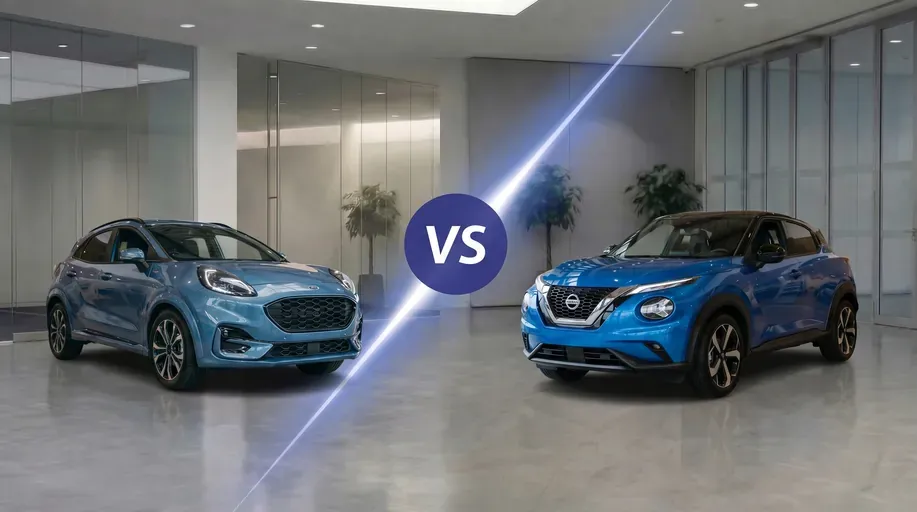
Choosing the right engine for used city crossovers is key not only for long-term reliability but also for overall satisfaction with operating costs. In recent years (especially for generations available around 2021 and 2022), both automakers have significantly modernized their powertrains and eliminated many of the shortcomings of their predecessors. While Hyundai excels with sophisticated electrification that gives the car refinement and efficiency, Nissan opted for effective downsizing and simplification for the second-generation Juke. Our recommendations are based on real-world service experience, mechanical durability, and feedback from long-term owners.
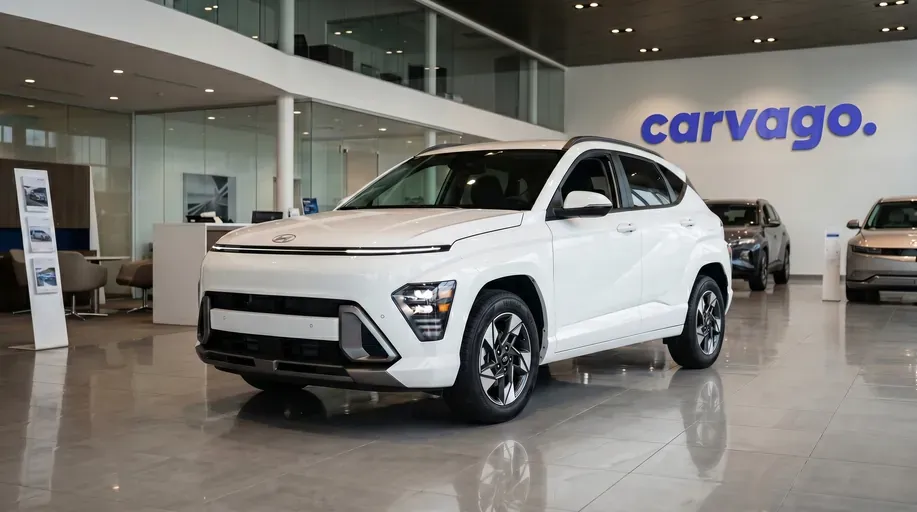
For the Hyundai Kona, we recommend: 1.6 GDI Hybrid, 104 kW (141 hp)
The hybrid variant from 2020 to 2023 represents the best in terms of reliability and everyday usability that you can find in the Kona model range (1st generation facelift). Unlike the 1.0 T-GDI three-cylinder petrol engines, which struggled with more complex technology and required careful monitoring of the timing chain in older models, the hybrid relies on a much simpler naturally aspirated four-cylinder engine without a sensitive turbocharger.
Why it's the best choice:
- The powertrain offers very smooth operation and excellent response. In real-world city and suburban driving, you can easily achieve an excellent fuel consumption of around 5 liters per 100 km.
- The hybrid uses a reliable six-speed dual-clutch transmission (DCT). Any potential jerkiness during take-off (a common issue in purely petrol versions) is very elegantly and smoothly smoothed out here by the immediate assistance of the electric motor.
Risks and what to watch out for:
- This powertrain is not built for highway high-speed chases. Above 130 km/h, the electric motor's involvement is minimal, the small battery depletes quickly, fuel consumption rises noticeably, and acoustic comfort decreases.
- In terms of maintenance, strictly adhere to regular engine oil changes (maximum every 15,000 km or 1 year). This will reliably prevent carbon buildup. Occasional software messages or 12V battery drainage in early units were usually permanently resolved by a free update at an authorized service center.
This engine is perfect for commuters heading to the city center, for regular family use, and for drivers who want the benefits of efficient automatic driving without the need to deal with charging cables.
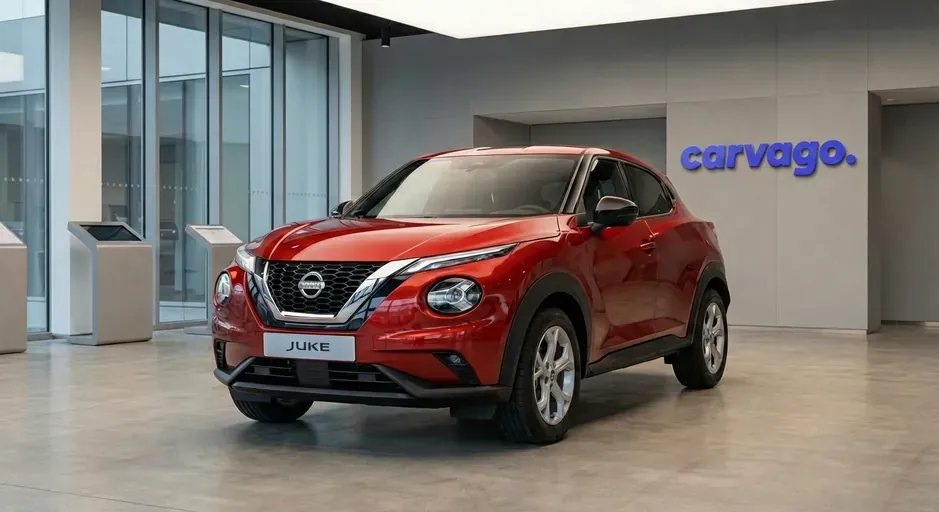
For the Nissan Juke, we recommend: 1.0 DIG-T 114, 84 kW (114 hp)
For the second-generation Nissan Juke (internally designated as F16), the clear and most sensible choice is the turbocharged one-liter three-cylinder engine. This engine (available in used cars in 114 and 117 hp versions) is a significantly safer bet for a roughly four-year-old vehicle, as it replaced the chronically problematic older 1.2 DIG-T four-cylinder engines from the previous generation.
Why it's the best choice:
- In practice, the engine shows excellent mechanical reliability and a huge improvement over the last decade. It does not suffer from timing chain failures, and its turbocharger is very durable with regular care.
- Despite its modest power on paper, it offers very decent torque from low RPMs. Thanks to this, the car feels pleasantly lively in city traffic and also pleases with solid fuel consumption.
Risks and what to watch out for:
- Due to direct fuel injection, the valves tend to suffer from carbon buildup during long-term "stop-and-go" city driving. The solution is simple: give the car an occasional longer and more spirited drive on the highway and preventively add high-quality fuel additives (PEA) to the petrol.
- Key buying advice: Look for vehicles with a six-speed manual transmission. The optional seven-speed dual-clutch automatic in this model often hesitates or jerks unpleasantly during slow take-offs and crawling. By avoiding the automatic, you will save money on servicing and gain a smoother driving experience. Additionally, owners recommend turning off the Start-Stop system after starting, as it unnecessarily "strains" the engine.
The one-liter Juke with a manual gearbox is a stylish workhorse that isn't afraid of any urban jungle. It represents an ideal choice for individuals and young couples for whom interesting design, a modern interior, and a low risk of expensive repairs are important.