Articles

Car battle

Citroën C3 vs. Renault Clio: Complete comparison 2026

Detailed comparison of Citroën C3 vs. Renault Clio. Find out which used hatchback offers better fuel economy, comfort, and equipment. Read our final verdict!

May 20, 2026

VS
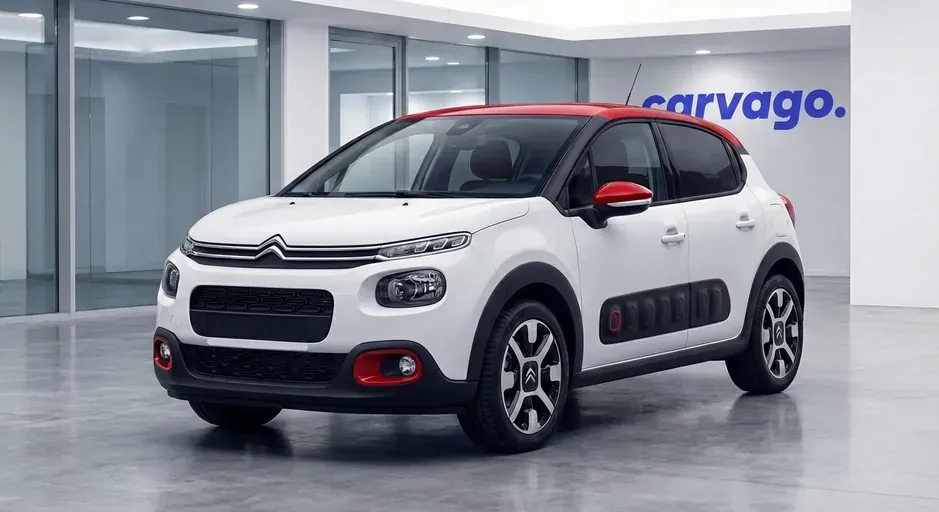
Citroën C3

Citroën C3

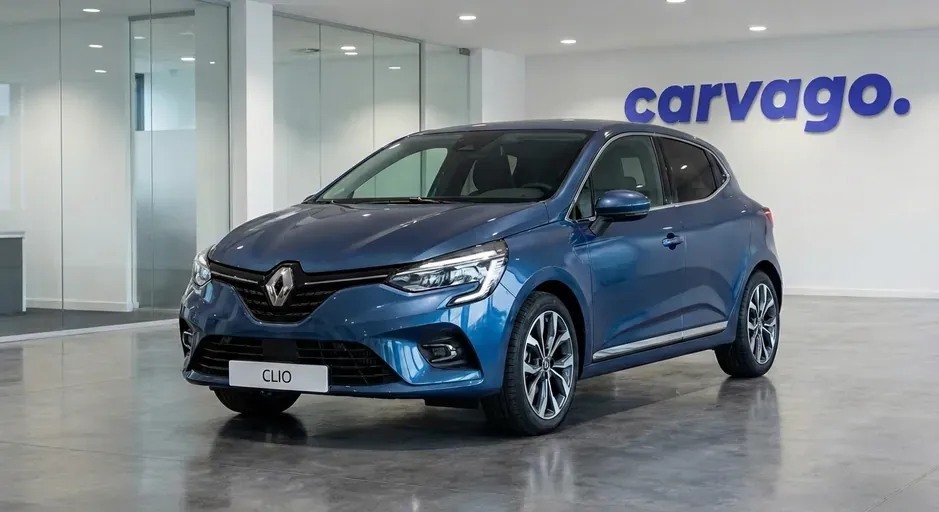
Renault Clio

Renault Clio

Introduction

The Citroën C3 is a stylish city hatchback that has gained popularity thanks to its unmistakable design and a strong emphasis on maximum driving comfort for the occupants. Its traditional rival is the Renault Clio, also sold under the name Renault Lutecia in some overseas markets (such as Japan), which, on the other hand, has long scored points with more confident driving characteristics, a high-quality interior, and a mature appearance. If you are currently choosing a reliable car from the range of approximately four-year-old used vehicles and are hesitating between these two French bestsellers, the following detailed comparison will help you find out which one will become the ideal choice for your daily journeys.

Comparison of External Dimensions

When looking at the exterior dimensions of four-year-old used cars on the market, typically represented by the third-generation Citroën C3 (2017–2024) and the fifth-generation Renault Clio (2019–2025), we encounter different approaches to proportions and space utilization in the B-segment. While Renault has taken the path of maximizing interior spaciousness and stability, Citroën deliberately maintains more compact, city-oriented shapes.

The Renault Clio, with its length of 4050 to 4053 mm, is approximately 54 mm longer than the Citroën C3, which measures 3996 mm. A significant difference can also be found in the overall width, where the Clio, at 1798 mm, exceeds the C3 by a noticeable 49 mm. In practice, this means that the Renault feels more mature and planted on the road, offering passengers more shoulder room. The Clio's longer wheelbase of 2583 mm (44 mm more than the C3) also contributes to better rear legroom and overall highway stability.

On the other hand, the Citroën C3 has a clear advantage in narrow city streets and during parallel parking. Its narrower and shorter body makes it a very agile car. Furthermore, the Citroën is taller than its rival – at 1474 mm, it is 34 mm higher than the sloping Clio. This provides not only a more airy feel overhead but also a slightly higher seating position, which makes entry a bit easier and improves outward visibility.

Dimensional differences thus very clearly define the strengths of both cars for future owners. If you are looking for a full-fledged car that approaches higher-class vehicles in its parameters and offers more confidence even on longer journeys, the proportions of the Renault Clio are a clear advantage. However, if you are looking for a nimble car for daily city driving where every centimeter counts when parking, the more compact build of the Citroën C3 will be much more user-friendly.

ParameterCitroën C3 HatchbackRenault Clio Hatchback
Width (mm)17491798
Length (mm)39964050-4053
Height (mm)14741440
Wheelbase (mm)25392583

Trunk Volume

Luggage capacity is a key parameter for daily practicality and weekend travel. Whether you need space for a bulky family shop, a stroller, or simply room for a few extra suitcases, the differences between these French competitors are quite significant. While both cars fall into the small city car category, their approach to interior space utilization differs noticeably, which can play a major role when choosing a used car.

In a direct comparison of more recent used cars, i.e., roughly four-year-old vehicles, the fifth-generation five-door Renault Clio offers a significantly larger trunk. Its basic capacity ranges from 340 to 391 liters depending on the version, and after folding down the rear seats, the space increases to up to 1069 liters. This volume is easily sufficient for a weekend shop or a longer holiday for two. In contrast, the third-generation Citroën C3 has a more modest basic volume of 300 liters and offers a maximum of 922 liters after folding the seats. A practical bonus for the Renault is the option to look for the slightly older Estate body version (station wagon labeled Grandtour), which was sold until 2020 and provides 443 liters as standard, or a full 1380 liters with the backrests folded down.

When choosing, however, it is also necessary to pay attention to the selected engine. If you go for the full hybrid Renault Clio E-Tech version, you must expect a noticeable reduction in the trunk due to battery storage – the basic capacity here drops to 246 to 301 liters. Despite these concessions in the electrified variant, the Clio offers better overall variability. While the Citroën C3 lags behind in the overall liter comparison, it excels on the other hand with its regularly shaped luggage compartment and convenient access, which fully meets the needs of everyday city driving.

ParameterCitroën C3 HatchbackRenault Clio HatchbackRenault Clio Estate
Basic volume (liters)300 l340 - 391 l443 l
Max. volume with seats folded (liters)922 l1069 l1380 l

The Clio is a better choice for luggage 🧳

Thanks to its larger trunk volume and available estate version, the Renault Clio offers substantially better practicality for those who frequently transport bulkier loads. The Citroën C3, on the other hand, will appeal to drivers who only need a smaller but regularly shaped luggage compartment, which is more than enough for normal city use.

Discover the true condition of the car thanks to an independent inspection

Order CarAudit™

Trailer Weights

When choosing a compact car, the ability to tow a trailer often plays a surprisingly important role, whether for practicality when moving house or for leisure activities. When comparing approximately four-year-old used examples of these two French models, we encounter quite fundamental differences. The fifth-generation Renault Clio (V) acts as an unexpected all-rounder in this regard, while the third-generation Citroën C3 is designed more for less demanding urban and suburban tasks.

Renault Clio offers a consistent and, for its class, very solid value across its engine range. Whether you opt for the common turbocharged one-liter TCe engine or the modern full-hybrid E-Tech variant, the standard and maximum braked trailer weight is 900 kg. In contrast, the Citroën C3 has significantly more limited towing capacities, which are also highly dependent on the chosen power unit. The standard braked weight for weaker petrol versions, such as the PureTech 83 model, is just 450 kg. Only with the more powerful PureTech 110 petrol engine or the BlueHDi 100 diesel does this value reach its maximum of 600 kg. Data for unbraked trailers are not specified in the official technical parameters for these generations, so the braked limits play the primary role for safe towing.

In practice, these differences mean that with the Renault Clio, you can transport a heavier trailer with building materials or hitch up a small folding caravan without much trouble—a capacity quite sufficient for weekend shopping or longer holidays. With its limits, the Citroën C3 is more likely to provide space for just a few extra suitcases in a small trailer, or perhaps serve for hauling garden waste. The conclusion is therefore clear: if you plan to use a tow bar realistically and versatilely, the Renault Clio represents a significantly more capable choice.

Model and engineBraked trailer weight (kg)Unbraked trailer weight (kg)
Citroën C3 PureTech 83 Stop&Start (61 kW)450-
Citroën C3 BlueHDi 100 Stop&Start (75 kW)600-
Renault Clio TCe 90 (67 kW)900-
Renault Clio E-Tech Hybrid 145 (69 kW)900-

Overview of Most Common Motorizations

When choosing a used car roughly four years old (models around 2022), the biggest difference between these two popular hatchbacks is found in the range of powertrains. Both manufacturers naturally rely exclusively on front-wheel drive, but their overall approach to engines differs dramatically. While the third-generation Citroën C3 chooses a more conservative path with a narrow range of proven internal combustion engines focused on low service costs, the fifth-generation Renault Clio brings an exceptionally diverse selection to the used car market. This includes not only economical three-cylinders but also a highly sought-after factory LPG conversion, advanced full-hybrid drive, and powerful four-cylinders. Thus, the Clio gives customers much wider options to tailor the car exactly to their driving style.

Citroën C3 Engines (3rd Generation)

The engine range for the Citroën C3 in models around 2022 revolves exclusively around the 1.2 PureTech petrol three-cylinder and the 1.5 BlueHDi diesel four-cylinder. The base variant for calmer drivers and suburban traffic is the naturally aspirated 1.2 PureTech engine with 61 kW (83 hp) paired with a five-speed manual transmission. For more versatile use and highway driving, however, the turbocharged 1.2 PureTech version with 81 kW (110 hp) makes much more sense. With this engine, customers could choose between a six-speed manual and a classic torque converter automatic (EAT6). Although interest in diesel in small city cars is steadily declining, Citroën kept the reliable 1.5 BlueHDi (75 kW) diesel in its range for a long time, which is ideal on the used market for high-mileage drivers. The 3rd generation portfolio completely lacks any mild-hybrid or full-hybrid variants (electrification was only introduced with the new 4th generation from 2024).

Engine TypeFuelPower (kW)Torque (Nm)Transmission
1.2 PureTech 83Petrol611185MT
1.2 PureTech 110Petrol812056MT / 6EAT
1.5 BlueHDi 100Diesel752505MT / 6MT

Renault Clio Engines (5th Generation)

The fifth-generation Renault Clio is the unwritten king of its class in terms of engine diversity. For the least demanding trips, there is the naturally aspirated 1.0 SCe three-cylinder (49 kW). Much more popular, however, are the turbocharged 1.0 TCe (67 kW) units, which can be found with both a manual and a continuously variable transmission (CVT, branded as X-tronic by Renault). A huge sales trump card is the availability of the 1.0 TCe LPG version (later branded as Eco-G 100). This factory-adapted compressed gas engine has 74 kW and can reduce operating costs to an absolute minimum. For more dynamic drivers, the agile 1.3 TCe four-cylinder (96 to 103 kW) with a responsive dual-clutch EDC automatic was initially available. The showcase, however, is the 1.6 E-Tech full-hybrid system (103 to 105 kW), which connects a naturally aspirated 1.6-liter engine with two electric motors and a unique clutchless multi-mode transmission. If you prefer diesel in a used car, the Clio offered the excellent 1.5 Blue dCi four-cylinder; while the weaker versions (63 and 85 kW) disappeared from price lists as early as 2021, the hundred-horsepower compromise 1.5 Blue dCi 100 (74 kW) was sold until the summer of 2023.

Engine TypeFuelPower (kW)Torque (Nm)Transmission
1.0 SCe 65Petrol49955MT
1.0 TCe 90Petrol671606MT / CVT
1.0 TCe 100 / Eco-GPetrol / LPG741705MT / 6MT
1.3 TCe 130 / 140Petrol96 / 103240 / 2606MT / 7EDC
1.6 E-Tech 140/145Hybrid103 / 105144 + 205 (electric)Multi-mode aut.
1.5 Blue dCi 85-115Diesel63 - 85220 - 2606MT

Strengths, Weaknesses, and Final Recommendation

The main advantage of the Citroën C3 is its bet on structural simplicity. In particular, the combination of the more powerful turbocharged 1.2 PureTech petrol engine with the traditional torque converter automatic EAT6 makes it an extremely comfortable car for crawling in congested cities without the jerking that some modern gearboxes can be prone to. The disadvantage is the narrowed range of powerful versions and the complete absence of modern "green" technologies within the third generation.

Renault Clio counters this with immense technological versatility. It has a clear answer to the demand for extremely low-cost operation (LPG version), eco-friendly quiet commuting with exemplary fuel consumption (E-Tech hybrid), and sportier driving (1.3 TCe four-cylinders). The dual-clutch EDC automatic works excellently during fast driving; however, during very slow parking and starts, it does not achieve the same smoothness as the torque converter in the Citroën.

Who is it for? If you are a more budget-conscious buyer looking for a simple, clear, and comfort-oriented car, the Citroën C3 with one of the classic internal combustion units will convince you with its reliability and soft suspension. For drivers who cover very high annual mileages with a requirement for low costs (Eco-G with LPG), like technical innovations (hybrid), or simply require more dynamic driving characteristics with more horses under the hood, the fifth-generation Renault Clio represents a much more mature and versatile option.

Diversity vs. French Simplicity 💡

While the Citroën C3 offers a calm and economical classic, the Renault Clio absolutely rules in terms of choice – from the amazingly efficient factory LPG to the great four-cylinder petrol and the top-tier full-hybrid system.

While both car manufacturers rely primarily on small-displacement three-cylinder engines for roughly four-year-old used cars in the small car segment, their technological approaches differ fundamentally. The third-generation Citroën (sold between 2017–2024) benefits from its high-revving PureTech engine family, which, however, requires a significantly more careful service approach and brings specific mechanical peculiarities. In contrast, Renault, with its fifth-generation Clio (since 2019), bet on an excellent one-liter engine with indirect injection, which, in combination with the factory LPG system, is a real hit on the used car market. Choosing the right engine is critical for long-term satisfaction, which is why our recommendations are based primarily on real-world experience, performance characteristics, actual fuel consumption, owner feedback, and documented mechanical reliability.

For Citroën C3 we recommend: 1.2 PureTech 110 (81 kW)

For roughly four-year-old examples of the third-generation C3, the best all-around choice is the turbocharged three-cylinder 1.2 PureTech 110 (81 kW). In a small and light body, this engine offers very lively dynamics and a solid turbocharger pull in the mid-rev range, making the car feel confident not only in the city but also during highway commutes. Real-world fuel consumption stays within a favorable range of 5.5 to 6 liters per 100 kilometers without much trouble. While you can also find the basic naturally aspirated 1.2 PureTech 83 version, the turbocharged 110 variant provides significantly more driving comfort and power reserves for safe overtaking.

Risks and maintenance:
This otherwise very successful engine has one major design weakness – a timing belt immersed in an oil bath (wet belt). If maintenance is neglected or the driving profile is unsuitable (where fuel dilutes the engine oil), the belt tends to degrade, crumble, and its particles then clog the oil pump pickup screen, which can lead to fatal engine seizure.

  • How to check it: When choosing a used car, first remove the oil filler cap and shine a flashlight on the timing belt. If you see cracks, fraying, or if it appears swollen, stay away, or immediately demand a discount equivalent to the cost of a timing belt replacement and oil pan cleaning.
  • How to extend its lifespan: After purchase, shorten the oil change interval to a strict 10,000 km or 1 year (whichever comes first) and use only oil of the prescribed Stellantis specification.

Who it is suitable for:
This engine will please dynamically oriented drivers who, in addition to daily commuting, often head out on highways or weekend trips. However, owners who only drive two-kilometer trips around town should avoid it entirely – the cold engine won't have time to warm up, gasoline will degrade the oil, and the belt will suffer. For purely urban "stop-and-go" driving, it is better to choose the older, less powerful naturally aspirated PureTech 83 version.

For Renault Clio we recommend: 1.0 TCe 90 or 100 LPG (66 – 74 kW)

In the fifth generation of the Clio (on the used market from 2019 to the present), the uncrowned king is the one-liter three-cylinder labeled 1.0 TCe 90 (66 kW), or its highly sought-after factory variant 1.0 TCe 100 LPG (74 kW). Compared to its competitors, this unit brings one huge trump card – it uses indirect fuel injection. In practice, this means absolute resistance to carbon buildup on the intake valves and great durability even with constant operation on short, cold trips. The torque curve is nice and smooth, and the consumption of the standard gasoline version oscillates around 5.5 liters. The LPG version, thanks to factory integration with modified hardened valve seats, represents the most economical driving possible in this class.

Risks and maintenance:
Mechanically, this is one of the most durable small engines of recent years. The turbocharger has reliable electronic regulation, the timing is driven by a sturdy maintenance-free chain, and the engine does not suffer from oil consumption.

  • How to check it: For TCe 100 LPG versions with a mileage of around 60,000 km (which roughly corresponds to four years of age), check whether the previous owner followed the replacement of the gaseous and liquid phase LPG filters. The test drive must include switching between gasoline and gas, which must be perfectly smooth without any jerking. Also, lift the hood and check the coolant level – some 1.0 TCe units tend to have minor leaks around the thermostat housing.

Who it is suitable for:
A truly universal workhorse for the general public. It handles daily school runs in the city (thanks to indirect injection, it doesn't mind the cold or short trips) and doesn't get lost at highway speeds. The TCe 100 LPG variant is then a real treasure for thrifty drivers or people who commute longer distances to work and appreciate the absurdly low cost per kilometer.
Real Fuel Consumption

It is widely known that official fuel consumption figures provided by manufacturers often differ significantly from real-world driving conditions. Laboratory tests simply cannot fully simulate the effects of weather, traffic jams, or different driving styles. To get the most accurate picture of the actual appetite of both models, we focused on real-world user data from the independent community portal Spritmonitor.de, where tens of thousands of drivers from across Europe regularly log their refueling. For the most relevant comparison in the market for roughly four-year-old used cars, we analyzed vehicles manufactured around 2022, which corresponds to the 3rd generation Citroën C3 and the 5th generation Renault Clio.

The following table clearly summarizes the average real-world fuel consumption of the most common engine options for both cars (values are sorted by powertrain type from diesel to hybrid to petrol units):

Model and engineAverage consumption (l/100 km)
Renault Clio 1.5 Blue dCi 1004.4
Citroën C3 1.5 BlueHDi 1004.5
Renault Clio E-Tech Hybrid 1404.6
Renault Clio 1.0 SCe 655.6
Renault Clio 1.0 TCe 905.8
Citroën C3 1.2 PureTech 835.8
Citroën C3 1.2 PureTech 1106.2

Several interesting trends clearly emerge from the collected data. First and foremost, it is once again confirmed in practice that small turbocharged petrol engines – whether it's the PureTech from Citroën or the TCe from Renault – cannot always save as much fuel as their paper specifications promise. While they can be relatively economical during calm driving, their consumption rises noticeably under heavier loads or during highway travel, often exceeding the six-liter mark. In contrast, diesel engines (BlueHDi and Blue dCi) absolutely excel, reliably staying around 4.5 l/100 km. The most pleasant surprise is the full-hybrid powertrain of the Renault Clio E-Tech, which in the real world can achieve fuel consumption comparable to a diesel, an exceptionally attractive result.

For the average user, clear recommendations follow. If you are looking for a car primarily for the city and shorter suburban routes, the basic naturally aspirated or less powerful three-cylinder petrol engines will be fully sufficient and won't break the bank. However, customers who mostly drive in heavy city traffic and congestion should definitely consider the hybrid Clio, which can use purely electric drive for a large part of stop-and-go traffic. Conversely, for highway drivers who regularly cover long distances, the modern diesel units in both French representatives still make a great deal of sense.

Overall, for standard petrol versions, fuel consumption should not be a major decision-making factor, as real-world values are very similar for both French rivals. However, the fifth-generation Renault Clio gains a significant advantage thanks to its more modern range of powertrains, led by the highly efficient full-hybrid. Unfortunately, the older concept of the third-generation Citroën C3 simply cannot fully compete with this technological advancement.

Price Range and Used Car Offerings

If you are looking for a reliable French hatchback about four years old (ideally 2021–2022 models), you will come across both the Citroën C3 (third generation after facelift) and the Renault Clio (fifth generation) on the used car market. Both cars target a similar audience, but their pricing policies on the used market differ slightly.

Citroën C3 (2021–2022)

Citroën C3 has always bet on affordability and a stylish, unconventional design focused on maximum comfort. Thanks to its lower original purchase price, it is a very attractive choice on the used market today for buyers with a more limited budget.

  • Price range: Common four-year-old vehicles with the proven 1.2 PureTech engine can be found on the Czech market from approximately €7,000 to €10,000.
  • Depreciation: The C3 model suffers from a slightly steeper decline in value in the first years, making it a great catch from a buyer's perspective. For a price around €9,000, you will very often find perfectly maintained units in the rich Shine trim with mileage well under 50,000 km.

Renault Clio (2021–2022)

The fifth generation of the Clio, on the other hand, is often considered the benchmark of the B-segment, mainly due to the quality of interior materials and mature driving characteristics. The Clio is slightly more in demand on the used market, which is naturally reflected in its average price.

  • Price range: A four-year-old Clio with the popular 1.0 TCe engine, or in the highly sought-after version with factory LPG, most often sells today in the range of €10,000 to €13,000.
  • Depreciation: Renault holds its value much better than its competitor with the double chevron logo. While you will pay significantly more for it at purchase, you can expect more premium craftsmanship and a slower decline in value for potential resale in the future.

Summary of average market prices (2021–2022 models)

ModelGenerationEstimated price fromEstimated price toResidual value
Citroën C33rd gen (facelift)€7,000€10,000Lower
Renault Clio5th generation€10,000€13,000Higher

Note: Prices depend on specific mileage, chosen engine (e.g., full hybrid E-Tech versions of the Renault are naturally significantly more expensive), and the overall technical condition of the vehicle.

Battle for your wallet 💰

While the Citroën C3 will please bargain hunters with its exceptionally attractive price and playful character, the Renault Clio represents a more mature car, for whose better craftsmanship and more stable residual value you will rightly pay extra on the used market.

Safety and Euro NCAP Rating

When looking for a safe used car, buyers often target the maximum five-star Euro NCAP ratings. Although the modern Renault Clio boasts this prestigious score, safety standards must always be put into the correct context, taking the year of testing into account – the Citroën C3 only received four stars in its standard equipment at the time of its testing. Euro NCAP testing protocols are constantly evolving and becoming stricter over time, which is why percentage scores from different years cannot be directly and fully compared. Tests from more recent years include much more demanding frontal impact simulations and stricter testing of advanced assistants, such as cyclist detection and emergency scenario solutions at intersections.

The third-generation Citroën C3 underwent crash tests in 2017 and earned a solid four-star rating. The car offers very good protection for adult occupants (88%) and children (83%), however, it loses more ground in the areas of vulnerable road user protection and the safety assistants category. The lower score for electronic assistants is a direct result of the car's older architecture, which lacked the most advanced automatic emergency braking functions with precise pedestrian detection at the time of homologation. For those interested in a used car, it is also important to know that the 2017 certification is now considered expired from the perspective of modern and much stricter safety standards.

In contrast, the fifth-generation Renault Clio underwent Euro NCAP tests in 2019 and, despite the more demanding methodology, achieved the maximum five-star rating. The car excelled in the tests, particularly in adult occupant protection, where it scored a top-tier 96%. An entirely new modular platform allowed engineers to equip the Clio with a much more comprehensive active safety package. As a result, the car features an improved automatic emergency braking system with pedestrian and cyclist detection and a better lane-keeping system as standard. Although Renault faced tougher criteria, it beat the Citroën C3 in terms of percentage gains in practically all measured disciplines.

In terms of overall passive and active safety, the Renault Clio emerges as the clear winner of the comparison. It offers not only more modern safety assistants but also more robust occupant protection, backed by a five-star result from newer and stricter tests. While the Citroën C3 represents a sufficiently safe car for everyday use, its older technological foundation simply means it falls behind its rival in real-world safety.

ParameterCitroën C3Renault Clio
Year of testing20172019
Adult occupant protection88 %96 %
Child occupant protection83 %89 %
Vulnerable road user protection59 %72 %
Safety assist systems58 %75 %

Modern technology wins 🛡️

Thanks to its newer platform and significantly better results in stricter tests, the Renault Clio represents a much safer choice for you and your family, while the Citroën C3 pays the price for its older generation of safety assistants.

Comparison of Interesting Equipment Features

In addition to standard equipment, each model offers several unique features and innovations that can be decisive for the customer during the final selection, with both cars approaching added value and everyday use in their own unique way.

Citroën C3: Maximum Comfort and Extravagant Style

With the C3 model, Citroën focuses primarily on everyday comfort, a relaxed atmosphere on board, and a distinctive French design that isn't afraid to stand out from the crowd.

  • Advanced Comfort Seats: A brand specialty, these wide seats feature a reinforced layer of special high-density foam. Their shape and softness resemble comfortable living room armchairs and help prevent body fatigue on longer journeys.
  • Airbump Protective Elements: These iconic polyurethane air pockets on the sides of the body not only visually widen the car and give it a slight SUV touch but, more importantly, protect the doors from typical dings caused by inconsiderate drivers in narrow parking lots.
  • ConnectedCAM Dashcam: A very rare feature is the built-in Full HD camera located behind the interior rearview mirror. Through a mobile app, it allows the driver to take photos or videos of their travels. However, its safety function is crucial – in the event of sudden braking or an accident, the camera automatically saves a recording of the situation in front of the car.
  • Extensive Personalization: The C3 gives customers immense freedom in terms of appearance. It allows for dozens of combinations thanks to different roof colors, various decals, and Color Packs that change the fog light surrounds or details on the Airbump panels.
  • Comfort-Oriented Chassis: Instead of chasing sporty lap times, Citroën offers an exceptionally supple and softly tuned chassis that excellently filters out city cobblestones, potholes, and speed bumps.

Renault Clio: Technological Sophistication and Hybrid Innovation

The fifth-generation Renault Clio has taken the path of maturity. It focuses on precise interior craftsmanship, advanced driver assistance systems, and sophisticated technologies that were previously the domain of higher-class vehicles.

  • E-Tech Hybrid Powertrain: The Clio offers an innovative full-hybrid system inspired by Formula 1 technology. It uses a multi-mode clutchless automatic transmission and two electric motors, allowing a large portion of smooth city driving to be done purely on electricity, resulting in significant fuel savings.
  • Smart Cockpit and Easy Link Infotainment: The centerpiece of the higher-trim interiors is a vertically oriented touchscreen (up to 9.3 inches) angled toward the driver. The system supports over-the-air (OTA) updates, smartphone-like quick searching, and is complemented by a configurable digital instrument cluster.
  • Multi-Sense System: The driver can customize the car's character according to their current mood. The system adjusts throttle mapping, steering weight, and also changes the color of the ambient LED interior lighting, visually and experientially transforming the cabin.
  • R.S. Line Sport Edition: For those interested in a more dynamic look, Renault offers the R.S. Line trim level (or the newer Esprit Alpine). This brings more aggressively shaped bumpers, distinctive alloy wheels, and, inside, top-tier sports seats with better lateral support and specific stitching.
  • Highway & Traffic Jam Companion: The Clio boasts advanced driver assistance systems. By combining adaptive cruise control with Stop & Go functionality and active lane centering, it provides Level 2 semi-autonomous driving, which significantly eases driving in traffic jams and on the highway.

Key Advantages and Disadvantages

Citroën C3

Pros

Exceptionally comfortable chassis and soft seats (Advanced Comfort technology)

Distinctive and original design with practical Airbump body protection elements

Economical PureTech petrol engines ensuring low operating costs

Wide range of exterior and interior personalization options on the used car market

Usually a slightly more favorable purchase price compared to direct competitors

Cons

Slow response and less intuitive control of the multimedia system

Limited legroom and headroom for passengers in the rear seats

More pronounced body roll in faster corners due to softer suspension

Absence of physical buttons for climate control (everything is handled via the touchscreen)

The Citroën C3 is an ideal choice for drivers who prioritize maximum driving comfort, a relaxed ride, and want to stand out from the crowd thanks to its playful design. It will perfectly suit as a comfortable and stylish city car for couples or small families who don't mind a less sporty driving performance.

Renault Clio

Pros

One of the highest quality and best-crafted interiors in the small car segment

Top-tier luggage capacity (up to 391 liters for standard internal combustion versions)

Great driving characteristics offering an ideal compromise between comfort and agility

Excellent safety rating and massive occupant protection (5 Euro NCAP stars)

Availability of a highly efficient E-Tech full hybrid powertrain with smooth operation in the city

Cons

Reduced rear-quarter visibility due to massive rear C-pillars and a smaller window

Significantly reduced luggage space in the E-Tech hybrid version due to battery placement

Rear legroom for adult passengers is rather average for the class

Occasional software glitches in the Easy Link infotainment system in earlier years of the fifth generation

The fifth-generation Renault Clio represents a mature and exceptionally versatile car that excels in its category with a high-quality interior, a huge trunk, and excellent safety. It will appeal to rational buyers and young families looking for a reliable, practical, and great-driving hatchback for daily use as well as occasional longer trips.

Common Problems and Owner Complaints

Based on long-term owner experience, service reports, recalls, and findings from our inspections, such as the certified CarAudit which includes a physical inspection of the used car, we have compiled an overview of the most common problems that potential buyers of these roughly four-year-old used cars should watch out for.

For the third-generation Citroën C3, problems most often revolve around the onboard electronics and the specifics of particular power units.

  • Engines (1.2 PureTech): The most well-known weakness is the timing belt immersed in engine oil. If it begins to crumble, it clogs the oil pump pickup, causing a drop in oil pressure and potentially leading to engine destruction. Checking the oil change history is very important.
  • Engines (1.5 BlueHDi): In diesel versions, problems with the AdBlue system regularly occur. Urea crystallization can damage the pump module and often requires an expensive replacement of the entire tank.
  • Electronics and infotainment: Users often complain about slow touchscreen response, occasional freezing, or image dropouts from the rear parking camera. This problem is often solved by a software update.
  • Chassis: The softer, comfortable chassis setup takes its toll on broken roads in the form of faster wear of the stabilizer links, tie rod ends, and front lower control arms.

Citroën C3: Watch out for timing belts and AdBlue

When choosing a Citroën C3, focus on a thorough check of the 1.2 PureTech engine's service history and the functionality of the AdBlue system in diesel variants. While the electronics can be glitchy at times, careful maintenance will help you avoid the most serious risks.

The fifth-generation Renault Clio represents a significant leap in quality and reliability, yet typical operational shortcomings and electronic faults can still occur.

  • Electronics and infotainment: The Easy Link onboard system suffers from occasional software freezes, spontaneous restarts, or Bluetooth connection reliability issues. Failures in reading the keyless hands-free card have also been reported.
  • Transmission: EDC dual-clutch automatic transmissions sometimes tend to jerk unpleasantly when crawling in traffic jams and at low speeds. In some cases, updating the transmission control software helps.
  • Interior: In the early years of the fifth generation, there are complaints about rattles and various noises from the dashboard or door panels when driving over bumps, which spoils the otherwise good impression of the cabin.
  • Engines: The 1.0 TCe and 1.3 TCe petrol units are among the most reliable. With the 1.5 Blue dCi diesel unit, there is a risk of diesel particulate filter (DPF) clogging or EGR valve failure during frequent and short city trips.

Renault Clio: Reliable engines, minor electronic glitches

The fifth-generation Renault Clio primarily suffers from minor infotainment software issues and occasional rattling of interior plastics. On the other hand, the petrol engines themselves are highly mechanically durable and represent a very safe choice.

Tips for Buying a Used Car

When buying a used car, a thorough inspection is key. Here are a few specific points to focus on for these two models, and that is exactly why an independent comprehensive car inspection is worth it before making a final decision.

When choosing a Citroën C3:

  • Condition of the timing belt (1.2 PureTech engines): These petrol engines use a belt submerged in oil, which tends to crumble if maintenance is neglected. The crumbled particles can then clog the oil pickup screen. During the inspection, look through the oil filler neck at the belt itself (to see if it's cracked) and make sure the oil pressure warning light doesn't flicker even for a fraction of a second after starting.
  • Infotainment response and climate control: The Citroën C3 has the vast majority of functions, including ventilation control, integrated into the central touchscreen. Test the response speed during the test drive. Screen freezing or long delays when changing the temperature may mean a software update is necessary.
  • Noises from the front axle: The chassis of the French car is tuned for maximum comfort, but play in the suspension often appears early in used cars from city traffic. During the test drive, look for a speed bump or a series of bumps and listen – a dull metallic knocking from the front reveals worn stabilizer links or faulty upper shock mounts.
  • Condition of Airbump protective elements and plastics: If the specific car is equipped with Airbump side panels, carefully check their surface and the firmness of their attachment. Due to weather conditions, they can turn grey, loosen, or crack, and replacing them on a used car represents an unexpected financial expense.
  • Manual transmission operation: The gear shift linkage of both the five-speed and six-speed manuals is somewhat loose even from the factory. However, gears must engage smoothly and without snagging. If you feel resistance or hear "gear grinding" during a quick shift from second to third, the car may have worn synchronizers from rough handling.

When choosing a Renault Clio:

  • Smoothness of the automatic transmission (EDC and E-Tech): For the EDC dual-clutch automatic and the E-Tech hybrid system, focus on smoothness when crawling. Find a slight hill or simulate driving in a traffic jam. Jerking, significant hesitation after pressing the accelerator, or hard jolts during the transition from electric to combustion power in the hybrid can indicate worn clutches or the need for control unit calibration.
  • Electronics and EasyLink system restarts: Test the onboard system, the instrument cluster display, and all physical "piano" buttons. The infotainment system in the fifth-generation Clio (especially from the early years of production) occasionally suffered from unexpected parking camera failures or screen blackouts. Any system restart during the test drive is a warning sign.
  • Cold engine performance (TCe): For the most popular petrol engines, insist on starting the car completely cold. Watch if the idle fluctuates and if the engine jerks during the first few meters of driving. This behavior can indicate carbon buildup on the valves from lugging the engine or an old version of the control unit software.
  • Particulate filter clogging in diesels (Blue dCi): If you are considering an economical diesel, the car's technical inspection should strictly focus on the condition of the DPF. The Clio is often used for short city trips, where the diesel doesn't have a chance to regenerate the filter. Look for warning messages on the instrument cluster or have the soot level read via diagnostics.
  • Build quality and interior noises: Although the Clio's interior offers high-quality soft-touch materials and feels more luxurious than its competitors, listen carefully when driving over cobblestones. A common ailment is squeaking or resonance in the area of the B-pillars and front door panels. If the interior is too noisy, the car has likely experienced very harsh city traffic.

FAQ: Most Frequently Asked Questions

The fifth-generation Renault Clio dominates this class with a boot capacity of 391 litres for petrol versions. The Citroën C3 offers a more modest 300 litres, which is still sufficient for everyday shopping, but falls short when packing for a family holiday. Furthermore, if you choose a diesel or full hybrid variant of the Clio, the volume decreases slightly due to additional components.

The Citroën C3 is the absolute king of comfort thanks to its exceptionally soft-tuned chassis and excellent Advanced Comfort seats. The Renault Clio offers a stiffer but still very pleasant suspension that is better balanced and holds its line much more confidently in corners. For maximum smoothness over potholes, choose the C3; for a more fun and confident driving feel, go for the Clio.

The Renault Clio with the 1.0 TCe engine (often supplemented by factory LPG) is considered a very reliable used car because it uses indirect injection and does not suffer from carbon buildup. With the Citroën C3 and its 1.2 PureTech engines, more attention must be paid to the condition of the timing belt, which runs in an oil bath and can crumble if maintenance is neglected. In general, the fifth-generation Clio represents a safer and less risky choice in terms of serious mechanical failures.

The fifth-generation Renault Clio has made a huge leap forward, offering almost premium materials including soft-touch plastics and a fast, modern infotainment system. The interior of the Citroën C3 relies more on an extravagant and playful design with many interesting details, but it uses significantly more hard and cheaper plastics. In terms of overall build quality, soundproofing, and ergonomics, the Renault clearly has the upper hand.

Both cars are very economical with standard petrol engines, and in real-world driving, you can easily achieve a combined fuel consumption of between 5 and 6 litres per 100 kilometres. However, the Renault Clio has the advantage of a wider range, which includes the efficient E-Tech hybrid and a factory LPG version with unbeatably low running costs. On the other hand, the Citroën C3 is one of the few small cars on the used market to offer a 1.5 BlueHDi diesel engine, which will be appreciated by drivers covering high motorway mileages.

Conclusion: Which Model to Choose?

Our Verdict

Choosing between approximately four-year-old used examples of these two French models depends primarily on your priorities, as each car approaches the small car segment quite differently. The more affordable Citroën C3 bets on an unmistakable design and an exceptionally supple chassis, making it an ideal choice for budget-oriented buyers looking for a relaxed and maximally comfortable car for city driving. In contrast, the slightly more expensive fifth-generation Renault Clio represents a more mature, spacious, and demonstrably safer car, which scores points with its more premium interior finish and a diverse range of reliable engines, including the highly sought-after factory LPG or an economical hybrid. So, if you prefer a playful character, soft seats, and an attractive purchase price, choose the Citroën; but if you are looking for a versatile and sure-footed hatchback that can easily handle highway trips and family outings thanks to its qualities, the Renault Clio will represent a significantly better long-term investment for you.

Find your ideal car

Sources: ADAC, denik.cz, auto.cz, auto-mania.cz, autoservis.cz, autosport.cz

This article was prepared using artificial intelligence tools. The section guarantor is Petr Dušek.

Related articles

Car battle

Kia Rio vs. Renault Clio: Complete comparison 2026

Detailed comparison of Kia Rio vs. Renault Clio. Discover the differences in equipment, fuel consumption, and reliability. Our verdict will help you choose the best used hatchback.

May 3, 2026

Car battle

Kia Picanto vs. Volkswagen up!: Complete comparison 2026

Comparison of Kia Picanto vs Volkswagen up! (VW up!). Discover real-world experiences, differences in fuel consumption and equipment, and find out which city car is the better choice.

Apr 15, 2026

Car battle

Citroën C3 vs. Mazda 2: Complete comparison 2026

Detailed comparison of Citroën C3 vs. Mazda 2 (Mazda2). We offer real-world driving experiences, an equipment overview, engine comparison, and a clear verdict for the right choice.

Apr 13, 2026

We accept online card payments as well as wire transfers.

visa payment provider logovisa-electron payment provider logomastercard payment provider logomaestro payment provider logodiners-club payment provider logodiscover payment provider logo