Articles

Car battle

Audi Q5 vs. Mercedes-Benz GLC: Complete comparison 2026

Audi Q5 vs Mercedes-Benz GLC: A detailed comparison of premium SUVs. Read real-world experiences, engine and equipment comparisons, and find out which one to choose.

May 15, 2026

VS
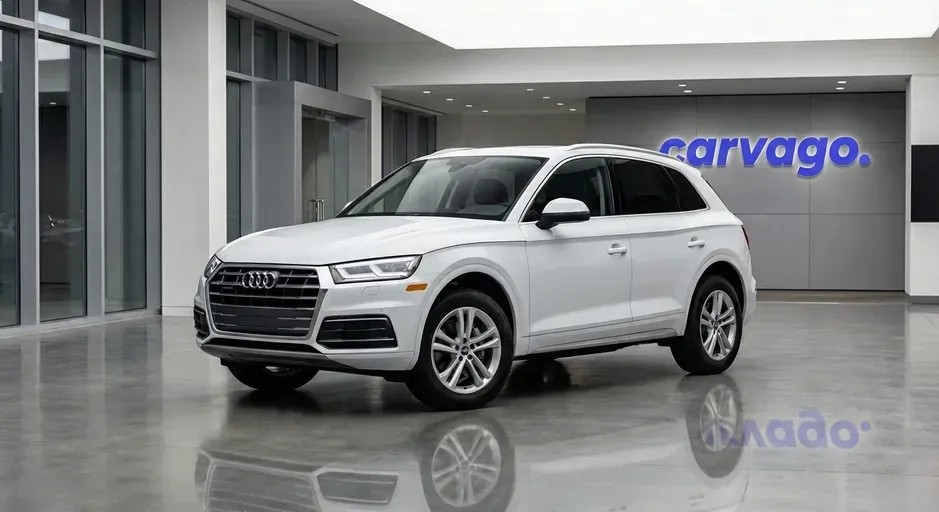
Audi Q5

Audi Q5

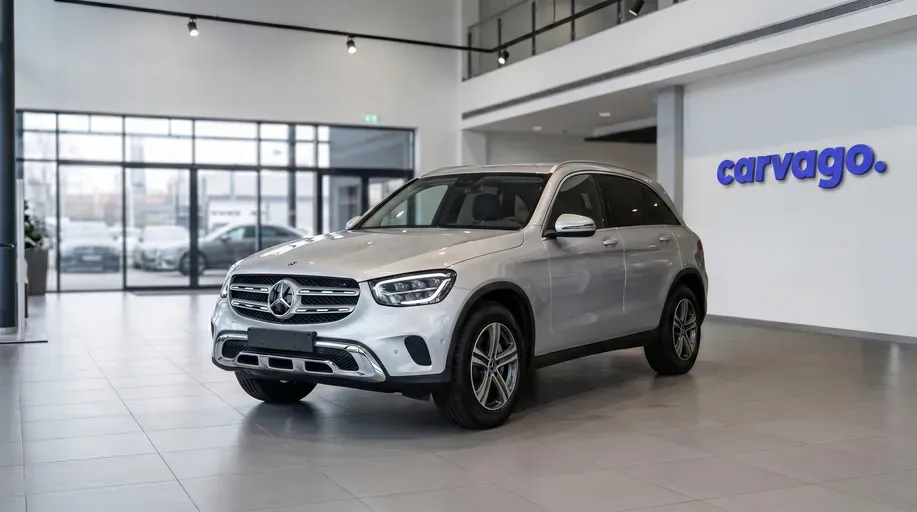
Mercedes-Benz GLC

Mercedes-Benz GLC

Introduction

Audi Q5 has long been one of the main pillars of the mid-size premium SUV category, scoring points with drivers primarily for its timeless design and perfectly balanced driving characteristics. On the other side of the barricade stands its arch-rival, the Mercedes-Benz GLC, the direct successor to the former GLK model, which attracts customers with its typically sophisticated level of luxury, innovative technologies, and maximum emphasis on travel comfort. Let's take a detailed look together at which of these two exceptionally popular German rivals represents a smarter and overall more attractive choice on the current market for four-year-old used cars.

Comparison of External Dimensions

When comparing premium mid-size SUVs on the four-year-old used car market, we focus primarily on the Audi Q5 (code name FY) and Mercedes-Benz GLC (generation 253 after facelift) generations. In terms of overall body length, the Audi Q5 is slightly larger. With a length ranging from 4663 to 4682 mm (or 4689 mm for the more stylish Sportback version), it surpasses the Mercedes-Benz GLC, which measures 4655 to 4656 mm. The difference of less than three centimeters is almost imperceptible in practice when parking or maneuvering in tight urban spaces. The width of both cars is then practically identical – the Audi offers 1893 mm, while the Mercedes-Benz offers 1890 mm.

More significant differences can be found when looking at the height and wheelbase. The Audi Q5, at 1662 mm, is slightly taller than the GLC (1639 mm), giving it a visually more robust and traditional SUV look. This can also mean a few millimeters more generous headroom for passengers. Mercedes-Benz, on the other hand, clearly dominates in the wheelbase category. Its value is 2873 mm, while the Audi has to settle for a shorter wheelbase of 2819 mm.

This 54 mm difference in favor of the Mercedes brings a significant practical advantage. A longer wheelbase combined with a slightly shorter overall length means the GLC has its wheels pushed further to the corners of the body. This usually brings slightly better longitudinal stability at highway speeds and, above all, more efficient use of legroom for rear-seat passengers. The Audi Q5, conversely, has slightly longer body overhangs. Nevertheless, both cars easily fit the standards of modern mid-size SUVs and safely fit into standard European parking spaces and underground garages.

ParameterAudi Q5 SUVMercedes-Benz GLC SUVAudi Q5 Sportback SUV
Length (mm)4663 - 46824655 - 46564689
Width (mm)189318901893
Height (mm)1659 - 166216391660
Wheelbase (mm)281928732819

Trunk Volume

Luggage capacity is often a deciding factor when choosing a premium SUV, as these vehicles typically serve as the primary family car. A spacious trunk brings greater everyday practicality and means fewer compromises when packing. When comparing the Audi Q5 and Mercedes-Benz GLC models, we find that although both cars offer excellently accessible trunks with high-quality finishes, one of them has a noticeable edge in terms of numbers and provides valuable space for a few extra suitcases.

Looking at models approximately four years old, the standard Audi Q5 (FY generation) offers a base trunk volume of 520 liters, which is sufficient for weekend shopping or a longer vacation. For those interested in a more stylish silhouette with a sloping roofline, the Q5 Sportback version is available, which opts for a slightly reduced 510 liters. It is important to note that if you choose a plug-in hybrid powertrain (TFSI e), the battery installation takes up additional liters, reducing capacity to 465 liters (or 455 liters for the Sportback version). The competing Mercedes-Benz GLC is significantly more generous in this discipline. The very popular 253 generation (offered until 2022) pleases with a base volume of 550 liters. Its successor, the 254 generation from 2022 onwards, which is also becoming well-established on the used car market, pushes the bar of spaciousness even higher with an excellent 620 liters.

These differences become fully apparent when there is a need to transport larger loads, where the maximum cargo capacity after folding down the rear seats comes into play. The Audi Q5 can offer a maximum volume of 1520 liters (or 1480 liters for the Sportback model). In contrast, the Mercedes-Benz GLC can accommodate from 1600 to 1680 liters of cargo depending on the chosen generation. In practice, these figures lead to a clear conclusion: while the Audi's dimensions will easily satisfy the vast majority of common needs, the Mercedes-Benz clearly scores as a more utilitarian choice overall for those who require the uncompromising maximum of interior space.

ParameterAudi Q5 SUVMercedes-Benz GLC SUVAudi Q5 Sportback
Base volume (liters)520550 - 620510
Max volume with seats folded down (liters)15201600 - 16801480

📦 Mercedes-Benz GLC as the master of space

Although the Audi Q5 offers enough space for an average family, the Mercedes-Benz GLC represents a significantly more practical and spacious choice thanks to its higher base and maximum volume figures.

Discover the true condition of the car thanks to an independent inspection

Order CarAudit™

Trailer Weights

The ability to tow a heavy trailer is a crucial parameter for mid-size premium SUVs. For many buyers, this is the deciding factor, whether they plan to tow a caravan, a horse trailer, or need maximum practicality for transporting heavy materials. If we focus on models approximately four years old – i.e., attractive used cars from the Audi Q5 (FY) generation and the breakthrough years of the Mercedes-Benz GLC (generations 253 and 254) – we find relatively clear differences in what both manufacturers allow you to hitch up.

The Mercedes-Benz GLC is an uncompromising workhorse in this regard. Its most common and highly sought-after diesel version, the GLC 220 d, offers excellent towing capacity, easily handling a braked trailer weighing up to 2,500 kg. In contrast, the Audi Q5 is somewhat more conservative, and its values depend on the chosen engine. Common entry-level diesel versions, such as the 35 TDI, can handle 2,000 kg. However, if you opt for more powerful engines like the 40 TDI, 45 TFSI, or 50 TDI, you reach a value of 2,400 kg, making it a full-fledged competitor for most situations.

A completely specific chapter that requires great care when buying second-hand is plug-in hybrids. Due to the weight of the batteries themselves located in the vehicle, the maximum braked trailer weight is reduced in the Audi Q5 (for example, the 50 TFSI e or 55 TFSI e versions). For these models, the permitted load drops to 2,000 kg, and for slightly older versions from 2019–2020, even to just 1,750 kg.

In practice, these differences mean that if you are looking for a reliable vehicle purely for towing heavy twin-axle trailers, yachts, or large motorhomes, the Mercedes-Benz GLC offers absolute peace of mind and a larger margin. The Audi Q5 is still perfectly sufficient for average users for weekend shopping of larger items or longer holidays with a boat, but it requires a more careful choice of engine, especially if you are considering buying the popular hybrids. Mercedes offers a step more confidence in this discipline, regardless of which (internal combustion) generation you currently choose.
Model and engineBraked trailer weight (kg)Unbraked trailer weight (kg)
Mercedes-Benz GLC 220 d (143 kW, gen. 253)2500750
Mercedes-Benz GLC 220 d (145 kW, gen. 254)2500750
Audi Q5 40 TDI (150 kW, gen. FY)2400750
Audi Q5 45 TFSI (195 kW, gen. FY)2400750
Audi Q5 35 TDI (120 kW, gen. FY)2000750
Audi Q5 50 TFSI e (195 kW, gen. FY)2000750
Audi Q5 50 TFSI e (185 kW, gen. FY)1750750

Overview of Most Common Motorizations

When choosing a roughly four-year-old premium mid-size SUV, the range of engines plays an absolutely key role. Both the Audi Q5 (FY generation after the 2020 facelift) and the Mercedes-Benz GLC (X253 generation after the facelift and the newer X254 from 2022) rely on extensive electrification in the form of mild-hybrids (MHEV) and plug-in hybrids (PHEV), which in both cases brings a noticeable reduction in real-world fuel consumption and smoother throttle response. Both manufacturers cover a wide range of needs, from extremely efficient two-liter diesels for managers spending their lives on the highway to high-performance variants attacking the 400-horsepower mark and beyond. While the Audi Q5 builds on the refined units of the TDI and TFSI families with top-tier quattro all-wheel drive, the Mercedes-Benz GLC impresses with its unrivaled nine-speed transmission and a completely unique combination of a diesel engine with a plug-in hybrid system on the market.

Audi Q5: MHEV as standard and a superb V6 in reserve

Looking at the databases, you will find that with the arrival of the FY generation facelift in 2020, older non-electrified internal combustion versions completely disappeared from Audi's lineup. Today, on the young used car market, you will exclusively encounter engines equipped with mild-hybrid technology. The cornerstone is the exceptionally efficient 35 TDI diesel, which is one of the few on the market that you can purchase with front-wheel drive only in certain model years. However, the absolute king of the used car market and the "golden mean" is the 40 TDI model paired with a seven-speed dual-clutch S tronic transmission and the quattro system. It provides an excellent balance between dynamics and low operating costs. For those who don't care for diesel, the 40 TFSI or the more powerful 45 TFSI are the go-to models. For those interested in high performance, Audi has prepared a pair of plug-in hybrids (50 and 55 TFSI e) with surprisingly impressive dynamics. The sporty SQ5 TDI version maintains a touch of true exclusivity – a powerful V6 diesel which, unlike the four-cylinder models, logically relies on a more robust eight-speed tiptronic planetary transmission.

EngineFuelPower (kW)Torque (Nm)Transmission
35 TDIDiesel (MHEV)1203707-speed S tronic
40 TDIDiesel (MHEV)1504007-speed S tronic
50 TDIDiesel (MHEV)2106208-speed tiptronic
SQ5 TDIDiesel (MHEV)2517008-speed tiptronic
40 TFSIPetrol (MHEV)1503207-speed S tronic
45 TFSIPetrol (MHEV)1953707-speed S tronic
50 TFSI ePlug-in hybrid (Petrol)220 (system)4507-speed S tronic
55 TFSI ePlug-in hybrid (Petrol)270 (system)5007-speed S tronic

Mercedes-Benz GLC: Diesel plug-in hybrid and a silky-smooth automatic

The GLC model (facelifted X253 and X254 generations) is characterized by the fact that, with almost no exceptions, you get confident 4MATIC all-wheel drive and the excellent 9G-TRONIC torque converter transmission in every specification, which shifts extremely smoothly and defensively. The backbone of the used car market offering is the indestructible four-cylinder GLC 220 d, which saw its torque increase to an excellent 440 Nm after the generational update, benefiting from light electrification (EQ Boost) to smooth out the start-stop system. The technological gem of the Mercedes range, which is completely missing in the Q5, is the GLC 300 de version – a plug-in hybrid built, unusually, on a diesel base. For people commuting in the city on pure electricity who also take weekend trips to the coast, there is no more economical choice. For lovers of raw emotion, the eight-cylinder carnage in the form of the AMG GLC 63 S (375 kW) is still available among 4–5-year-old used cars; however, it has disappeared for good from the latest generation's lineup, replaced by a more strictly emission-regulated plug-in hybrid four-cylinder, making the older V8 models a rare commodity.

EngineFuelPower (kW)Torque (Nm)Transmission
GLC 200 dDiesel1203609G-TRONIC
GLC 220 dDiesel (MHEV)143 / 145400 / 4409G-TRONIC
GLC 300 dDiesel (MHEV)1805009G-TRONIC
GLC 200Petrol (MHEV)1453209G-TRONIC
GLC 300Petrol (MHEV)190370 / 4009G-TRONIC
GLC 300 ePlug-in hybrid (Petrol)235 (system)7009G-TRONIC
GLC 300 dePlug-in hybrid (Diesel)225 (system)7009G-TRONIC
AMG GLC 43Petrol2875209G-TRONIC
AMG GLC 63 SPetrol375700AMG SPEEDSHIFT 9G

The type of route and your heart decide 🏁

While the Audi Q5 scores with top-tuned TDI units led by the characterful V6 diesel in the SQ5, the Mercedes-Benz GLC counters with a rare diesel plug-in hybrid and the vanishing V8 powerhouses of the AMG division. In the "golden mean" of two-liter diesels (40 TDI and 220 d), however, you are choosing between a great and an even better highway mile-muncher.

Choosing the right engine is crucial for long-term satisfaction, and our recommendations for these used cars are based on a combination of ideal performance, real-world efficiency, user feedback, and proven mechanical reliability.

Both premium SUVs have undergone a significant evolution of power units in recent years, which today define the market for four-year-old used cars. While Audi, with its popular FY generation (available until approximately the turn of 2023 and 2024), bet on the intelligently disconnectable quattro ultra all-wheel drive for maximum fuel consumption reduction on the highway, Mercedes-Benz introduced the top-tier all-aluminum OM654 engine as part of the facelift for the generation codenamed 253. This replaced the aging, significantly heavier, and noisier 2.1-liter unit, giving the car incomparably more refined operation. Although both of these proven engines have already been replaced by more modern generations in the new car market (designated as GU for Audi and 254 for Mercedes), for those interested in a used car around four years old, they represent the very best that can be purchased on the secondary market in terms of price-to-performance ratio and durability.

For the Audi Q5, we recommend: 40 TDI quattro (150 kW / 204 hp)

This two-liter diesel with mild-hybrid technology from 2020–2023 (FY generation) represents the absolute golden mean for a heavy SUV. It offers a generous 400 Nm of torque, which, in conjunction with the lightning-fast S tronic dual-clutch transmission, guarantees safe and brisk overtaking, while real-world consumption stays between 6.5 and 7 liters per 100 km under normal use. A big advantage for the wallet is the quattro drive with "ultra" technology, which mechanically disconnects the rear propshaft during steady driving. In terms of maintenance, pay close attention to following service intervals – both the S tronic gearbox and the all-wheel-drive clutch require an oil change every 60,000 km, otherwise there is a risk of expensive mechatronics failures. A mechanical weakness of these engines is often a leaking water pump. When inspecting a used car, you can detect this problem by checking the coolant level and shining a flashlight on the front of the engine block to see if there are any dried pinkish traces of a leak. With purely city driving, the DPF system traditionally suffers here, needing regular highway trips to burn off soot. This version is ideal for families and more dynamically minded drivers who spend most of their time on country roads and highways.

For the Mercedes-Benz GLC, we recommend: 220 d 4MATIC (143 kW / 194 hp)

In the case of the GLC model from 2019–2022 (facelift of the 253 generation), the clear favorite is the two-liter diesel engine from the OM654 family. Compared to its predecessor, it is noticeably quieter, more efficient, and thanks to its modern architecture, has a much more favorable power delivery. The 143 kW output and 400 Nm of torque work perfectly and very smoothly with the nine-speed 9G-TRONIC torque-converter automatic. This combination makes the GLC an incredibly smooth highway cruiser with average consumption safely below 7 liters per hundred kilometers. Furthermore, the 4MATIC permanent all-wheel drive is exceptionally robust in the long term. Pay increased attention to the maintenance history of the automatic transmission when buying – the oil must be changed here after 100,000 kilometers at the latest; jerking when shifting from first to second gear during a test drive clearly indicates worn oil or neglected service. A more common ailment is sensitive NOx sensors in the exhaust system; a fault is signaled by the yellow engine light, and the only prevention is purchasing high-quality AdBlue additive. The 220 d engine will most please calmer drivers for whom absolute comfort, trouble-free trailer towing, and reliability on long highway routes across Europe are priorities.

Real Fuel Consumption

When choosing a used premium SUV, it is important to keep in mind that the official fuel consumption figures provided by the manufacturer often differ from everyday reality. Especially for heavy all-wheel-drive vehicles with a higher body profile, such as the Audi Q5 and Mercedes-Benz GLC, aerodynamics, route profile, and driving style play a key role. For the most accurate comparison, we analyze real-world data directly from the drivers themselves on the independent crowdsourcing portal Spritmonitor.de. We focused on the vehicle generations that are currently among the most sought-after on the used car market – roughly four-year-old models (Audi Q5 generation FY and Mercedes-Benz GLC generation X253 facelift).

Model and engineAverage consumption (l/100 km)
Audi Q5 35 TDI (120 kW)6.2
Mercedes-Benz GLC 220 d (143 kW)6.6
Audi Q5 40 TDI (150 kW)7.0
Mercedes-Benz GLC 300 d (180 kW)7.3
Mercedes-Benz GLC 300 (190 kW)9.6
Audi Q5 45 TFSI (195 kW)9.8
Audi Q5 50 TFSI e (220 kW)5.9
Mercedes-Benz GLC 300 e (235 kW)6.0

Several key trends clearly emerge from the collected data. In this category of family and highway cruisers, diesel is still the undisputed king. Entry-level and mid-range diesel versions (GLC 220 d or Q5 40 TDI) offer an excellent balance of performance and running costs, with their real-world average ranging between 6 and 7 liters per 100 kilometers. Moving to more powerful diesel engines (such as the GLC 300 d) results in only a slight increase in consumption but brings significantly better flexibility.

An interesting, yet unpleasant surprise for some buyers might be the fuel consumption of turbocharged four-cylinder gasoline engines. Models like the Q5 45 TFSI and GLC 300 commonly demand nearly 10 liters per 100 km in the real world. Smaller turbo engines simply do not offer great fuel savings in such heavy SUVs because they struggle more with the vehicle's high weight and must operate at higher RPMs more frequently. Plug-in hybrids are a chapter of their own. An average of around six liters sounds tempting, but in the real world, this value depends entirely on how often the battery is charged from a socket. As soon as you rely solely on the internal combustion engine, consumption skyrockets to the level of standard gasoline versions.

What does this mean for the typical user?

  • Highway drivers and families: If you regularly drive long distances, a modern, efficient diesel (Q5 40 TDI or GLC 220 d) will be by far the best choice for your wallet.
  • City driving and low mileage: Gasoline engines make sense primarily for drivers with lower annual mileage who are not at risk of the particulate filter issues typical of city driving.
  • Budget-conscious purchase: Plug-in hybrids are financially viable only if you have access to regular home or workplace charging and can cover most of your daily routes purely on electricity.

When making the final decision between the Audi Q5 and Mercedes GLC, fuel consumption will likely not be the deciding factor. Both premium SUVs show a very similar appetite when equipped with comparable engines, and differences of a few tenths of a liter will hardly be felt in reality. Your choice should therefore be guided more by the overall technical condition of the specific used car, brand preference, and driving character – the Audi Q5 offers a slightly sportier and more precise feel, while the Mercedes-Benz GLC focuses on maximum wafting comfort.

Price Range and Used Car Offerings

Price range of used vehicles

When looking for a roughly four-year-old premium SUV (models produced around 2021 and 2022), you will encounter a very diverse range from both manufacturers. For the Audi Q5, you will mostly be choosing from the second generation (FY) facelift, which was introduced at the end of 2020. For the brand with the three-pointed star, 2022 was a year of generational change – in used car dealerships, you will find both the outgoing first generation (X253 facelift) and the then-incoming second generation (X254), which has a significant impact on the price range.

Audi Q5 (2nd generation FY, facelift)

Prices for used Audi Q5 models from 2021–2022 are relatively favorable for buyers in the premium segment.

  • Base engines and higher mileage: Popular diesel versions (e.g., 40 TDI) with mileage over 150,000 km can be found on the market today starting from approximately €25,000.
  • The sweet spot: Units with a clear service history, average mileage around 60,000–80,000 kilometers, and solid equipment (S line package, better infotainment, Matrix LED headlights) usually range between €31,000 and €37,000. Plug-in hybrid variants (50 TFSI e or 55 TFSI e) are priced very similarly.
  • Top-tier specifications: Powerful six-cylinder engines (50 TDI) or cars with demonstrably minimal mileage hold their value significantly better and often approach the €41,000 mark in listings.

Mercedes-Benz GLC (Transition between X253 and X254)

For Mercedes, the price level is heavily influenced by which specific generation from the pivotal 2022 model year you choose. The Stuttgart SUV has historically held its value slightly better than its Ingolstadt competitor.

  • First generation facelift (X253): Models produced just before the end of production with proven engines like the 220 d or 200 4MATIC can be purchased in the range of €29,000 to €39,000, depending on equipment (the AMG Line package is often sought after) and documented mileage.
  • Second generation (X254): If you opt for the newer generation, which brought a completely new interior inspired by the S-Class and more advanced technology, you will have to pay significantly more. Models from the first year of production (2022) on the used market mostly start above €43,000 and, in the case of more powerful engines or luxury equipment, commonly climb to €53,000.

Summary and depreciation

In general, the Mercedes-Benz GLC experiences slower depreciation. This is doubly true if you choose the more modern X254 generation, for which there is huge demand on the nearly-new used car market. Conversely, the Audi Q5 offers a slightly more attractive entry price into the world of four-year-old premium SUVs, especially if you forgo the expensive six-cylinder and settle for the reliable and economical 2.0 TDI four-cylinder engine.

Model (Production years 2021–2022)Typical starting priceAverage price for a nice unitMarket value retention
Audi Q5 (FY Facelift)From approx. €25,000€31,000 – €37,000Average
MB GLC (X253 Facelift)From approx. €29,000€33,000 – €39,000Above average
MB GLC (X254 – 2022+)From approx. €43,000€47,000 – €53,000Excellent

Price favors Audi, value favors Mercedes ⚖️

While a roughly four-year-old Audi Q5 offers a more friendly purchase price and represents great value for money, the Mercedes-Benz GLC (especially the newer X254 generation) holds its price much better and acts as a significantly more desirable item on the used market.

Safety and Euro NCAP Rating

Both of these premium SUV models earned the maximum five-star rating from the independent Euro NCAP organization. However, when evaluating the safety of used vehicles, it is crucial to put these results into the correct context and consider the year the specific model was tested.

Euro NCAP crash test methodology and protocols are constantly evolving and becoming stricter. While the emphasis was previously primarily on passive safety and occupant protection during the impact itself, newer standards place much greater weight on active safety, accident prevention, cyclist detection, and handling crisis situations at intersections. For this reason, percentage scores from different years cannot be directly and simply compared – a car tested in 2022 had to meet much more demanding criteria for the same rating than a car tested five years earlier.

The Audi Q5 (in its second generation, which is very common on the used car market) underwent crash tests in 2017. It showed excellent body rigidity and great protection for both adult (93%) and child (86%) passengers. However, because the evaluation was conducted according to an older and more lenient methodology, the result for assistance systems (58%) reflects the level of technology and Euro NCAP requirements at that time. Back then, these did not yet require nearly as complex autonomous braking and lane-keeping systems as standard equipment. Although the Q5 is a structurally exceptionally durable car, its safety profile in terms of assistance technologies does not fully correspond to the very latest trends.

The Mercedes-Benz GLC underwent testing in 2022 with the arrival of its modernized generation. This year was already subject to very strict testing protocols that examined advanced frontal collision simulations, sophisticated detection of vulnerable road users, and complex active braking scenarios. The scores of 92% for adult protection and 90% for children are therefore extremely impressive given the stricter criteria. The most striking difference is seen in the assistance systems, where the GLC achieved an excellent 84% thanks to advanced automatic post-collision braking, a top-tier eCall system, and highly sensitive detection of pedestrians and cyclists.

Comparison of Euro NCAP Results

ParameterAudi Q5Mercedes-Benz GLC
Year of testing20172022
Adult occupant protection93%92%
Child protection86%90%
Vulnerable road user protection73%74%
Safety assistance systems58%84%

When comparing safety, structural protection is at a top level for both vehicles. However, in terms of active assistance systems and readiness for modern and unexpected crisis situations in traffic, the Mercedes-Benz GLC offers a more comprehensive and technologically advanced package, which is clearly confirmed by the newer and significantly stricter tests.

Modern technology takes the lead 🛡️

Although both SUVs provide excellent passive protection in the event of an impact, the Mercedes-Benz GLC offers a demonstrably higher level of active safety thanks to newer technologies and stricter testing methodology.

Comparison of Interesting Equipment Features

Both models offer much more than just basic equipment, and each approaches added value, technology, and innovation in its own distinctive way. While one bets on sharp-edged technological precision and lighting innovations, the other counters with an emphasis on a premium user experience and maximum travel comfort.

Audi Q5: Technological Precision and Lighting Innovations

  • Lighting technology: In this generation (especially after the facelift), Audi introduced innovative rear lights with digital OLED technology. These not only allow the light signature to change according to the selected driving mode but also feature a proximity sensor – if another car approaches from behind within less than two meters, all OLED segments light up preventively to alert the vehicle and maximize safety.
  • Drivetrain and chassis: The intelligent quattro with ultra technology all-wheel drive can instantly disconnect the rear axle during steady driving, which realistically saves fuel. However, if a loss of traction is detected, it reconnects it within a fraction of a second. The optional adaptive air suspension also offers a practical feature: lowering the loading lip of the trunk using a button directly in the luggage compartment, which significantly facilitates the loading of heavy items.
  • Interior variability: Most well-equipped units on the used car market feature "plus" rear seats. This bench is longitudinally adjustable and has an adjustable backrest angle. This allows owners to flexibly choose between more legroom for rear passengers and increasing the trunk volume according to current family needs.
  • Infotainment and displays: The sophisticated Audi virtual cockpit plus offers one of the best and clearest digital instrument clusters on the market with a 12.3-inch diagonal. The central MMI touch system provides acoustic feedback when clicked, aiming to make operation easier while driving without the need to look away from the road for long.
  • Sporting variants: For drivers seeking dynamics, the Q5 range offers the SQ5 model with a powerful diesel V6. It uses a unique electrically powered compressor (EPC) that helps eliminate turbo lag when starting from a standstill, ensuring an immediate and smooth power delivery.

Mercedes-Benz GLC: Voice Intelligence and Wellness on Wheels

  • Infotainment and connectivity: The revolutionary MBUX (Mercedes-Benz User Experience) multimedia system stands out on the market with its advanced voice assistant. It is activated with the command "Hey Mercedes" and easily understands natural conversational speech (e.g., the command "I'm cold" automatically increases the temperature). A huge practical benefit in higher trim levels is the augmented reality navigation, which projects moving navigation arrows and street labels directly onto the live image from the front camera.
  • Comfort and ergonomics: The unique Energizing Comfort package connects various onboard systems – climate control, ambient lighting, audio system, and seat massage functions – into preset wellness programs. During long journeys, the car can specifically refresh or relax the driver, which realistically delays fatigue behind the wheel.
  • Powertrains: A major competitive advantage for Mercedes in this generation is the range of plug-in hybrid powertrains. Furthermore, Mercedes is one of the few manufacturers to offer an electric motor paired not only with a gasoline engine but also with a diesel engine (designated 300 de). This diesel plug-in hybrid is an excellent choice on the four-year-old used car market for those who want to commute in the city purely on electricity but require unbeatably low fuel consumption on long highway trips during weekends.
  • Chassis and off-road: The optional Air Body Control suspension uses multi-chamber air springs that continuously adapt to driving conditions, providing the "wafting" comfort typical of the brand's larger models. If the car is equipped with the Off-Road Engineering package, it features, among other things, additional underbody protection and special driving modes to facilitate movement off asphalt roads.
  • Sporting variants: The top versions from the AMG division (especially the GLC 63 S) hide a full-blooded V8 bi-turbo under the hood. In this day and age and in this class of mid-size SUVs, it is an absolute and highly valued rarity, offering a unique sound profile and extreme dynamics.

Key Advantages and Disadvantages

Audi Q5

Pros

Excellent build quality and fit of premium materials in the interior

Legendary quattro all-wheel drive providing maximum confidence in all conditions

High travel comfort and top-tier cabin soundproofing at highway speeds

User-friendly and responsive MMI infotainment system

Wide range of reliable and fuel-efficient TDI diesel engines

Cons

Conservative exterior design that doesn't change much across generations

Less engaging driving experience compared to sportier-tuned competitors

Significantly reduced luggage capacity in plug-in hybrid (TFSI e) versions

Disappointment in the form of fake exhaust tips on the rear bumper

The Audi Q5 is an ideal choice for drivers looking for understated luxury, perfect ergonomics, and precise craftsmanship. Thanks to its advanced all-wheel drive and great soundproofing, it is a confident and safe family SUV that excels especially on long journeys and winter trips to the mountains.

Mercedes-Benz GLC

Pros

Exceptionally luxurious, elegant, and prestigious interior design

Top-tier MBUX multimedia system with very advanced voice control

Optional air suspension providing unrivaled comfort

Very refined operation and solid dynamics of diesel engines

High overall prestige of the car and excellent resale value retention

Cons

Higher purchase price on the used car market and expensive potential repairs of technological features

Occasional use of cheaper hard plastics in the lower part of the dashboard in the previous generation

Impractical step and limited trunk space in older plug-in hybrid variants

Steering lacks feedback and discourages more dynamic driving in corners

The Mercedes-Benz GLC will primarily appeal to customers who prioritize maximum comfort, image, and the latest onboard technologies. It is an exceptionally prestigious SUV that can pamper its occupants on every kilometer thanks to its advanced chassis and assistance systems.

Common Problems and Owner Complaints

Based on our own statistics, long-term feedback from owners, and detailed physical inspections of used cars, we have compiled an overview of the most common problems that buyers of both models should watch out for.

Audi Q5 (generation 80A after facelift)

The second-generation Audi Q5 is generally considered a very reliable premium SUV, but it requires strict adherence to service intervals and increased attention to certain specific components.

  • Electronics and mild-hybrid system: In mild-hybrid versions (with both 12V and 48V onboard networks), starter-generator failure occurs quite frequently. This problem leads to an immediate loss of charging, disabling of onboard systems, and warnings on the dashboard. The MMI infotainment system can also be troublesome, occasionally freezing or losing wireless connection with a smartphone.
  • Engine units (2.0 TDI and 2.0 TFSI): In 2.0 TDI diesel engines, clogged EGR valves or problems with injectors and a sensitive turbocharger can appear at higher mileages. In 2.0 TFSI petrol versions, a known weakness is coolant leakage around the water pump and thermostat housing.
  • S tronic transmission: The dual-clutch seven-speed transmission is extremely sensitive to regular oil changes every 60,000 km. If this service task is neglected, the gearbox manifests hesitation when starting, slower response, or jerking when downshifting.
  • Chassis and body: At higher mileages over 100,000 km, worn bushings appear on the front axle. A common complaint for cars equipped with a panoramic sunroof is unpleasant creaking or, in worse cases, leaks into the interior if the previous owner did not have the drain channels cleaned regularly.

Audi Q5: Technological certainty with a condition

The Audi Q5 represents a reliable choice provided that the previous owner strictly followed the maintenance of the dual-clutch transmission and any issues with the mild-hybrid starter-generator have already been resolved through warranty or recall actions.

Mercedes-Benz GLC (generation X253 after facelift)

The first-generation Mercedes-Benz GLC in its modernized form offers top-tier comfort, but it brings with it design elements and systems where a potential post-warranty repair can become unpleasantly expensive.

  • AIRMATIC air suspension: If the car is equipped with this optional suspension, it is among the riskiest parts of the car after crossing the 100,000 km mark. Air spring leaks or compressor failure manifest as the car sagging to one side and represent a highly costly repair item.
  • Diesel engines and emission systems: In popular diesel engines (especially from the OM654 family), sensitive NOx sensors and AdBlue system pumps can fail. With higher vehicle wear, tired engine mounts also appear more frequently, transmitting undesirable harsh vibrations into the cabin.
  • 9G-Tronic transmission: The nine-speed automatic is hardware-robust, but some units may exhibit rougher and hesitant shifting, especially when transitioning between second and third gear. This imperfection is often solved by adaptation, a software update, or a thorough flush with a transmission oil change.
  • Interior and MBUX infotainment: Despite the visually luxurious finish, owners occasionally complain about creaking plastics in the center console or door panels. The modern MBUX infotainment can then suffer from software bugs such as delayed response, sound dropouts, or spontaneous screen restarts during driving.

Mercedes-Benz GLC: Comfort that costs something

The GLC model is an exceptionally comfortable and quiet SUV; however, potential buyers should be wary of expensive air suspension faults and always carefully check the flawless operation of complex emission systems in diesel versions.

Tips for Buying a Used Car

When buying a used car, a thorough inspection is key. Although these are premium SUVs with high build quality, both models have their specifics and weak points that need to be focused on. Here are several specific points worth checking before purchase, or ideally, let the car go through a process such as an independent technical inspection of the car.

When choosing an Audi Q5:

  • S tronic (DSG) gearbox behavior: During the test drive, focus on the smoothness of starts and behavior when crawling in traffic jams. Jerking, hesitant shifting at low speeds, or jolts during gear changes can indicate worn clutches or an impending problem with the mechatronics, which represents a very expensive repair.
  • Air suspension and compressor: If the selected vehicle is equipped with air suspension, test changing all driving modes. The car should rise and fall smoothly and without loud compressor noises. If the car "sags" on one wheel after standing overnight, it indicates a leak in the air bellows.
  • MMI infotainment and software: On facelifted models (from 2020) that already rely fully on a touchscreen, check the system's response speed after starting. An outdated software version can cause screen freezing, Apple CarPlay/Android Auto connection drops, or a malfunctioning parking camera.
  • DPF and AdBlue system status (TDI engines): After the engine has warmed up, watch for any warnings on the dashboard. If the car was driven mainly on short city routes, the diesel particulate filter (DPF) may be clogged. An AdBlue system failure warning often means a problem with the dosing pump or a faulty NOx sensor.
  • Battery capacity for TFSI e versions (Plug-in hybrid): Check the estimated pure electric range on the trip computer with a fully charged battery. If it is significantly lower than the declared values, it may indicate battery degradation. Also test the smoothness of the internal combustion engine's engagement when the battery is depleted.

When choosing a Mercedes-Benz GLC:

  • 9G-Tronic automatic transmission: During a cold start and subsequent drive, closely monitor the shifts from first to second and third gear. Rough or jerky shifting is a relatively common ailment with this transmission – sometimes a software update helps, in worse cases, it's wear on the hydraulic valve body.
  • 4MATIC all-wheel drive and differentials: Try maneuvering the vehicle at low speed at full steering lock (for example, when parking). If you feel slight wheel hopping, tension, or hear humming from the chassis, it could be a worn transfer case or degraded oil in the differential, the replacement of which the previous owner neglected.
  • MBUX system and electronics: Thoroughly click through the multimedia system menus, try the "Hey Mercedes" voice control, and visually inspect the central display. On some units, delamination of the display layers occurs (formation of bubbles or matte spots) or random restarts, which is solved by replacing the entire module.
  • Air Body Control suspension: Similar to the Audi, the air suspension is prone to wear, especially on vehicles with higher mileage. Listen for any hissing while driving over bumps. If the car wallows excessively on the road, the shock absorbers have lost their effectiveness, and that is exactly the time for a thorough inspection of the used car on a lift.
  • Plug-in hybrid powertrain behavior (e / de): Whether it's a petrol or diesel plug-in hybrid, focus on the smoothness of the transition from pure electric driving to the internal combustion engine. Any noticeable jerk or metallic sounds when starting the combustion engine while driving can indicate a worn clutch separating the electric motor from the rest of the powertrain. Also check the functionality and securing of the charging port door, which occasionally seizes up.

FAQ: Most Frequently Asked Questions

Both vehicles offer an identical basic trunk volume of 550 liters for the standard internal combustion versions. With the rear seats folded down, the Mercedes-Benz GLC provides a slight advantage with a total volume of 1,600 liters compared to 1,520 liters for the Audi Q5. For plug-in hybrid powertrains, expect a significant reduction in space for both models due to the traction batteries being stored under the trunk floor.

Both premium SUVs perform above average in reliability rankings, but the Audi Q5 (80A generation) has shown slightly fewer minor defects over the long term. For four-year-old Mercedes GLCs (end of the X253 generation), there are occasional complaints about interior creaking and intermittent infotainment software glitches. However, for both vehicles, timely oil changes in the automatic transmissions and all-wheel-drive systems are crucial for trouble-free operation.

The Mercedes-Benz GLC is tuned more for comfort from the ground up and, especially with the optional air suspension, filters out most bumps perfectly. The Audi Q5 has a slightly stiffer and more neutral chassis setup, which you will appreciate during more dynamic cornering, where it feels more composed. For maximum comfort on rough roads, the GLC is the better choice, while the Q5 offers a more balanced compromise between comfort and sportiness.

The Mercedes-Benz GLC dominates thanks to its advanced MBUX system, which offers excellent voice control and visually attractive graphics. The Audi Q5 relies on the proven MMI system with haptic feedback, which, while it cannot match the Mercedes' visual effects, has clearer menus and is ergonomically slightly easier to operate while driving. The choice primarily depends on whether you prefer the latest technological gadgets (GLC) or more conservative and intuitive controls (Q5).

When choosing the most popular two-liter diesel engines (40 TDI for Audi and 220d for Mercedes), the real-world combined fuel consumption for both cars ranges between 6.5 and 7 liters per 100 km. Spare parts prices and hourly rates at authorized service centers are practically identical and relatively high for both German premium brands. However, the Audi Q5 tends to hold its value slightly better on the used car market in the long run, which can slightly reduce the total cost of ownership.

Conclusion: Which Model to Choose?

Our Verdict

Although both premium SUVs represent the pinnacle of their class, each targets a slightly different customer. Audi Q5 is the ideal choice for more pragmatic drivers who, in the used car market, will appreciate a more favorable purchase price, precise craftsmanship, and balanced, slightly sportier driving characteristics with the proven quattro drive. Mercedes-Benz GLC, on the other hand, reigns supreme in the disciplines of uncompromising travel comfort, interior spaciousness, and advanced technology, making it an unbeatably comfortable highway cruiser. If you are looking for understated luxury and versatile everyday reliability, go for the Audi, while for maximum comfort, a prestigious appearance, and excellent residual value retention, the Mercedes-Benz will be the smarter investment.

Find your ideal car

Sources: ADAC, mdcr.cz, denik.cz, automagazin.cz, autoweb.cz, motorsportrevue.cz

This article was prepared using artificial intelligence tools. The section guarantor is Petr Dušek.

Related articles

Car battle

Jaguar F-Pace vs. Volvo XC60: Complete comparison 2026

Detailed comparison: Jaguar F-Pace vs Volvo XC60. Which premium SUV from the used car market is better? Discover the differences in equipment and engines, and read our clear verdict.

Apr 24, 2026

Car battle

Škoda Kodiaq vs. Volkswagen Tiguan Allspace: Complete Comparison 2025

Škoda Kodiaq vs. VW Tiguan Allspace: Which 7-seater SUV is better? Our detailed comparison, real-world insights, and verdict will help you choose.

Apr 13, 2026

Car battle

Alfa Romeo Stelvio vs. Audi Q5: Complete comparison 2026

Detailed comparison: Alfa Romeo Stelvio vs Audi Q5. Find out which used premium SUV to choose. We compared engines, driving, equipment and added a clear verdict.

May 14, 2026

We accept online card payments as well as wire transfers.

visa payment provider logovisa-electron payment provider logomastercard payment provider logomaestro payment provider logodiners-club payment provider logodiscover payment provider logo