Car battle
Ford Mondeo vs Toyota Camry: Complete Comparison 2025
Ford Mondeo vs. Toyota Camry: Detailed comparison, tests, data, and verdict. Find out which sedan is the best choice for you on the used car market.
Apr 13, 2026
Articles
Car battle
Škoda Superb vs. VW Passat: A detailed comparison, real-world experience, and a verdict to help you choose the right car for 2024.
April 13, 2026
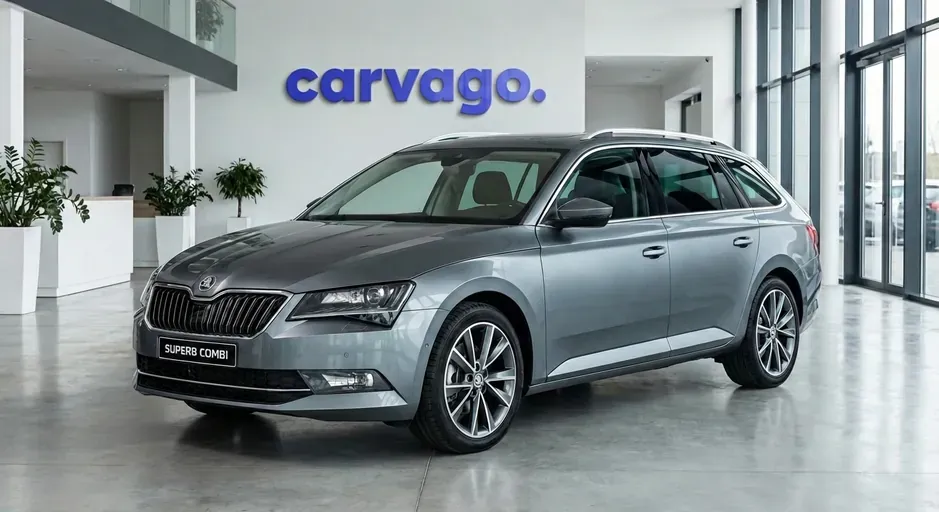
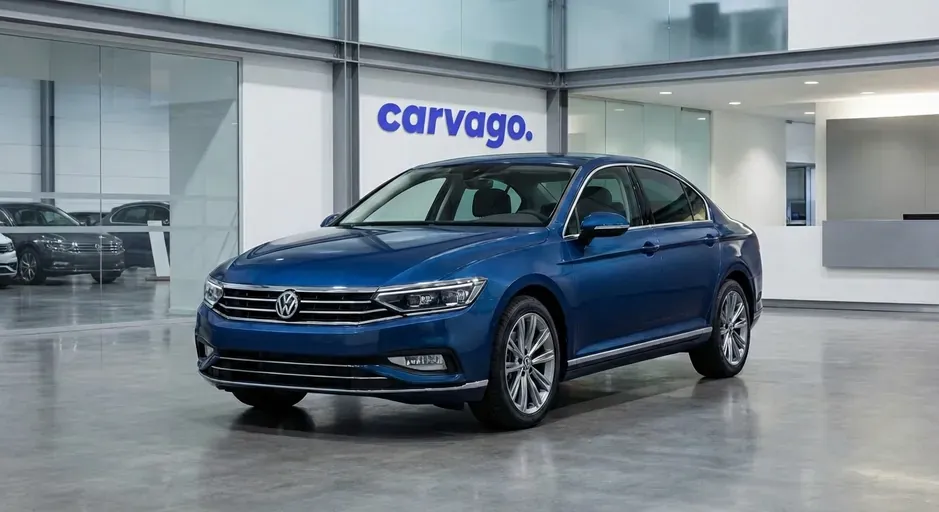
The Škoda Superb has long been the flagship of the Czech car manufacturer, priding itself on exceptional interior space and practical solutions. Standing against it is the Volkswagen Passat, a German icon and the benchmark of the mid-size class, renowned for its build quality and advanced technology. Although both models are close corporate siblings sharing many components, in our comparison, we will take a detailed look at the key differences that will help you decide which one is right for you.
Even at first glance, it is clear that the Škoda Superb is the larger of the two cars. Although both models share the same technical foundation in the form of the MQB platform, the Mladá Boleslav representative uses an extended version, which is reflected in almost all exterior dimensions. This difference is not just cosmetic – it defines the character of both cars and is a key factor when choosing between them.
The most significant difference is found in the length and wheelbase. The Superb liftback measures 4869 mm, which is a noticeable 9.4 cm more than the Passat sedan (4775 mm). The estate version maintains a similar lead. However, the key is the wheelbase, where the Superb, with a value of 2841 mm, surpasses the Passat by 5.5 cm. It is this parameter that is responsible for the legendary rear passenger legroom for which the Superb is famous and where it clearly dominates. On the other hand, the greater length and wheelbase mean slightly worse manoeuvrability in narrow streets and more challenging parking, where the more compact Passat performs slightly better.
The Superb is also a noticeable 3.2 cm wider (1864 mm vs. 1832 mm), which has a positive effect on the interior space in the shoulder area. This gives both front and rear passengers more room and comfort, which you will appreciate especially when the car is occupied by three people in the back seats. In terms of height, the cars are very similar, with differences in the order of millimetres that play almost no role in practice. The choice here, therefore, depends on the priority between maximum interior width (Superb) and more compact exterior dimensions for easier movement in the city (Passat).
| Parameter | Škoda Superb Liftback | Volkswagen Passat Saloon | Škoda Superb Estate | Volkswagen Passat Variant |
|---|---|---|---|---|
| Length (mm) | 4869 | 4775 | 4862 | 4773 |
| Width (mm) | 1864 | 1832 | 1864 | 1832 |
| Height (mm) | 1469 - 1476 | 1476 - 1483 | 1476 - 1477 | 1516 - 1521 |
| Wheelbase (mm) | 2841 | 2786 | 2841 | 2786 |
For cars like the Škoda Superb and Volkswagen Passat, the volume and practicality of the luggage compartment are often one of the main reasons for purchase. Both corporate siblings excel in this discipline, but the Škoda Superb has long maintained its reputation as the class leader, and this battle is no different. It offers not only more volume but, in the case of the basic body style, a smarter solution as well.
The fundamental difference between the base models lies in their concept. While the Passat is a classic saloon with a smaller boot lid, the Superb counters with a liftback body style, which allows access to the luggage compartment through a huge fifth door that includes the rear window. This alone makes loading bulky items much easier. The Superb also surpasses the Passat in sheer numbers – its basic volume of 625 litres is a significant 39 litres more than the Passat's 586 litres. A vast difference occurs after folding down the rear seats, where the Superb offers a cavernous 1760 litres, while the Passat, due to its design, offers only 1152 litres.
With the more practical estate versions, the Superb Estate and the Passat Variant, the differences are less dramatic but still favour the car from Mladá Boleslav. The third-generation Superb Estate has a basic boot volume of 660 litres, which is 10 litres more than the Passat Variant (650 l). Škoda pulls even further ahead of its rival after folding down the rear backrests, offering a massive 1950 litres compared to the Passat's still excellent, but smaller, 1780 litres. This 170-litre difference can mean space for several extra suitcases or sports equipment in practice and may be a deciding factor for many families. It should also be noted that the plug-in hybrid versions (Superb iV, Passat GTE) have a slightly smaller boot due to the batteries – the Superb Estate's volume drops to 510 litres, and the Passat Variant's to 483 litres.
| Parameter | Škoda Superb Liftback | Volkswagen Passat Sedan | Škoda Superb Estate | Volkswagen Passat Estate |
|---|---|---|---|---|
| Basic capacity (l) | 625 | 586 | 660 | 650 |
| Maximum capacity (l) | 1760 | 1152 | 1950 | 1780 |
The ability to tow a heavy trailer is crucial for many mid-size car owners. Whether it's a caravan for a holiday, a trailer with building materials, or a boat trailer, both the Škoda Superb and Volkswagen Passat are at the top of their class in this discipline. Their towing capacity is almost identical, which only underscores their common technical foundation. Differences only appear with specific engine and drive types.
With basic petrol engines, such as the 1.5 TSI with 110 kW of power, both models can handle a braked trailer weighing a solid 1600 kg. This is more than enough for most recreational needs. The less powerful diesel versions, such as the 1.6 TDI or the basic 2.0 TDI, are similar, with capacities around 1500 to 1600 kg.
However, the real strength is shown in the more powerful two-litre engines, especially when combined with all-wheel drive. Both the Superb 2.0 TDI 4x4 and the Passat 2.0 TDI 4MOTION can handle a trailer weighing up to 2200 kg. Such a value allows for towing even very large caravans or heavy loads without any compromises. Be careful with the plug-in hybrid variants – the Superb iV and the Passat GTE have their capacity reduced to a still very good 1600 kg due to the additional weight of the batteries.
As a result, both cars are equal partners in terms of towing power. The choice depends more on the specific unit and the available engine. For those who plan to regularly use the towing hitch to its maximum, the clear choice is a powerful diesel or petrol two-litre with all-wheel drive, which will offer confidence and a performance reserve in every situation.
| Model and Engine | Braked trailer weight (kg) | Unbraked trailer weight (kg) |
|---|---|---|
| Škoda Superb 1.5 TSI (110 kW) | 1600 | 750 |
| Volkswagen Passat 1.5 TSI (110 kW) | 1600 | 750 |
| Škoda Superb 2.0 TDI (110 kW) | 2000 | 750 |
| Volkswagen Passat 2.0 TDI (110 kW) | 2000 | 750 |
| Škoda Superb 2.0 TDI 4x4 (147 kW) | 2200 | 750 |
| Volkswagen Passat 2.0 TDI 4MOTION (147 kW) | 2200 | 750 |
| Škoda Superb 2.0 TSI 4x4 (206 kW) | 2200 | 750 |
| Volkswagen Passat 2.0 TSI 4MOTION (206 kW) | 2200 | 750 |
| Škoda Superb iV (Plug-in Hybrid) | 1600 | 750 |
| Volkswagen Passat GTE (Plug-in Hybrid) | 1600 | 750 |
Although the Škoda Superb and Volkswagen Passat share the same MQB group platform, their engine offerings differ in detail, reflecting the slightly different focus of the two cars. In both cases, the basis is a modern portfolio of turbocharged petrol (TSI) and diesel (TDI) engines, complemented by plug-in hybrid variants. While the Superb has historically positioned itself as a car offering maximum utility and powerful petrol versions, the Passat has long focused on fleet customers with a wide range of diesel engines, including the unique but now discontinued twin-turbocharged 2.0 BiTDI. For the used car buyer, this means that although the basic and most popular engines are virtually identical, interesting differences can be found in the top specifications.
The range of engines for the modernised third-generation Superb is truly broad and can satisfy almost everyone. The offer includes economical diesels, refined petrol units, and for the first time in the model's history, a plug-in hybrid drive. The basis is reliable and proven engines that we know from the entire Volkswagen Group. For drivers with high annual mileage, the key engine is the 2.0 TDI, available in several power variants. The top of the range is the powerful petrol two-litre with all-wheel drive, which gives the Superb the dynamics of a sports-tuned car.
Note: The 1.6 TDI (88 kW) engine was replaced in 2020 by the new generation 2.0 TDI Evo engine with 90 kW. The original more powerful versions 2.0 TDI (140 kW) and 2.0 TSI (200 kW) were replaced by modernised variants with 147 kW and 206 kW.
| Engine Type | Fuel | Power (kW) | Torque (Nm) | Transmission |
|---|---|---|---|---|
| 1.5 TSI | Petrol | 110 | 250 | 6MT / 7DSG |
| 2.0 TSI | Petrol | 140 | 320 | 7DSG |
| 2.0 TSI 4x4 | Petrol | 206 | 400 | 7DSG |
| 1.6 TDI | Diesel | 88 | 250 | 7DSG |
| 2.0 TDI Evo | Diesel | 90 | 300 | 7DSG |
| 2.0 TDI Evo | Diesel | 110 | 340-360 | 6MT / 7DSG |
| 2.0 TDI | Diesel | 140 | 400 | 7DSG / 7DSG 4x4 |
| 2.0 TDI Evo | Diesel | 147 | 400 | 7DSG / 7DSG 4x4 |
| 1.4 TSI iV | Plug-in Hybrid | 160 (system) | 400 | 6DSG |
The Volkswagen Passat B8 after its modernisation offers a very similar range of engines to the Superb, which is due to the shared technology. The main role is played by the "Evo" series engines, especially the 2.0 TDI, which are a popular choice for company fleets due to their efficiency and reliability. The Passat was primarily distinguished by the existence of the unique 2.0 BiTDI engine with 176 kW, which was, however, removed from the offer with the arrival of the facelift and stricter emission standards. On the used car market, it is therefore a sought-after but no longer produced speciality. Like the Superb, the Passat also offered a GTE plug-in hybrid variant, which was modernised and received a higher capacity battery for a longer electric range.
Note: The 1.6 TDI engine was replaced in 2020 by the 2.0 TDI Evo (90 kW) unit. The earlier 2.0 TDI version with 140 kW was replaced by the modernised 2.0 TDI Evo engine with 147 kW. The unique 2.0 BiTDI engine (176 kW) was no longer offered after the 2019 facelift.
| 1.5 TSI | Petrol | 110 | 250 | 6MT / 7DSG |
|---|---|---|---|---|
| 2.0 TSI | Petrol | 140 | 320 | 7DSG |
| 2.0 TSI 4MOTION | Petrol | 206 | 400 | 7DSG |
| 1.6 TDI | Diesel | 88 | 250 | 7DSG |
| 2.0 TDI Evo | Diesel | 90 | 300 | 7DSG |
| 2.0 TDI Evo | Diesel | 110 | 340-360 | 6MT / 7DSG |
| 2.0 TDI | Diesel | 140 | 400 | 7DSG / 7DSG 4MOTION |
| 2.0 TDI Evo | Diesel | 147 | 400 | 7DSG / 7DSG 4MOTION |
| 1.4 TSI GTE | Plug-in Hybrid | 160 (system) | 400 | 6DSG |
Choosing the right engine is key to long-term satisfaction with your car. In this section, we bring you recommendations based on a combination of performance, real-world fuel consumption, owner feedback, and mechanical reliability. For both cars, we are focusing on the generations relevant to the used car market for vehicles around four years old, i.e., the 3rd generation Škoda Superb post-facelift (from 2019) and the Volkswagen Passat B8 post-facelift (also from 2019).
For Škoda's flagship, the 2.0 TDI engine with 110 kW in the Evo generation (EA288 Evo), fitted since the 2019 facelift, is a safe bet. It represents the ideal compromise between sufficient power for a large and heavy car, running costs, and proven reliability. This engine can easily handle long motorway journeys and a fully loaded car, while its refinement is of a high standard. The torque of 340 Nm (or 360 Nm in newer versions with the DSG gearbox) is available at low revs, ensuring pleasant flexibility without the need for frequent gear changes.
It's no surprise that we recommend a virtually identical engine for the Volkswagen Passat. The 2.0 TDI unit with 110 kW from the EA288 Evo series is as natural and logical a choice for the Passat as it is for the Superb. The technical basis of both cars is the same, and therefore the same advantages and disadvantages apply. The Passat is often perceived as a slightly more premium car, which is reflected in the excellent sound insulation of the engine and its harmony with the chassis, making it an exceptionally comfortable mile-eater.
The official fuel consumption figures provided by manufacturers are one thing, but the reality of everyday driving often shows completely different numbers. That's why we looked at real-world data shared by drivers themselves, for example, on the German portal Spritmonitor.de. This data gives us a much more accurate picture of the actual running costs you can expect from both corporate siblings – the third-generation Škoda Superb (post-2019 facelift) and the Volkswagen Passat B8 (also post-facelift).
Comparison of real-world fuel consumption for the most common engines:
| Model and Engine | Average Real-World Consumption (l/100 km) |
|---|---|
| Škoda Superb 1.5 TSI (110 kW) | 6.5 - 7.2 |
| Volkswagen Passat 1.5 TSI (110 kW) | 6.6 - 7.3 |
| Škoda Superb 2.0 TDI (110 kW) | 5.6 - 6.1 |
| Volkswagen Passat 2.0 TDI (110 kW) | 5.5 - 6.0 |
| Škoda Superb 2.0 TDI (140 kW) | 6.2 - 6.8 |
| Volkswagen Passat 2.0 TDI (140 kW) | 6.1 - 6.7 |
| Škoda Superb iV (Plug-in Hybrid) | 2.5 - 4.5* |
| Volkswagen Passat GTE (Plug-in Hybrid) | 2.4 - 4.4* |
_\The real-world consumption of plug-in hybrid versions is extremely dependent on charging frequency. With daily charging and short trips, petrol consumption can be minimal, whereas driving with a depleted battery results in consumption between 6.5 and 7.8 l/100 km._*
As is clear from the table, the differences between the two models with the same engine are absolutely minimal, which was to be expected given their shared technology. The most economical choice for drivers who cover long distances on the motorway is clearly the 2.0 TDI engine in its less powerful 110 kW version. With it, you can easily drive with an average consumption of under six litres of diesel per 100 km. The more powerful 140 kW version will require about half a litre to a litre more, which is the price for noticeably better dynamics.
The 1.5 TSI petrol engine is an excellent choice for those who drive shorter routes, frequently travel in the city, and don't race on the motorway. Its real-world consumption is around seven litres. With calm driving, you can get close to six litres, while more dynamic motorway driving can easily push it to the eight-litre mark.
A special chapter is the plug-in hybrid versions, the Superb iV and the Passat GTE. Their fantastically low official consumption figures are only achievable in the real world if the owner diligently charges the battery and completes most journeys on electric power. The electric range on a single charge is around 55 km. However, if you embark on a longer journey with a depleted battery, expect consumption that surpasses even the purely petrol 1.5 TSI variant, due to the car's higher weight.
Ultimately, fuel consumption is not the deciding factor when choosing between the Superb and the Passat. Both cars are very economical in their respective classes, and the differences between them are negligible. The choice will therefore depend more on personal preferences regarding design, interior space, and minor differences in equipment or pricing policy.
When deciding between a used Škoda Superb and a Volkswagen Passat, price plays a key role. Although both cars share the same corporate technology, their price tags on the used car market can differ. As a general rule, the Škoda Superb tends to be slightly more affordable than its German sibling, making it an attractive option for drivers looking for maximum value for their money.
For four-year-old models, i.e., cars from 2021 and 2022, the prices of both models overlap depending on the engine, equipment, mileage, and overall condition. Nevertheless, general trends can be observed.
The price difference isn't just about the logo on the bonnet. Several factors come into play that can tip the scales one way or the other.
Ultimately, for the same engine, equipment, and mileage, the Volkswagen Passat will most likely be a few thousand euros more expensive. The Škoda Superb thus represents a slightly more economical path to a spacious and comfortable mid-size car, without having to compromise on quality or technology.
Safety has traditionally been the highest priority for Škoda and Volkswagen cars, a fact confirmed by the results of independent Euro NCAP tests. Although the latest generations of both the Superb and Passat models have received the maximum five-star rating, it is important to look at the details. The testing methodology is constantly becoming stricter, and therefore, results from different years cannot be directly compared. A rating from 2024 is significantly more stringent than one from 2015, for example, placing greater emphasis on active safety systems and the protection of vulnerable road users.
The latest generation of the Škoda Superb underwent Euro NCAP tests in 2024 and came away with a full five stars. Its rating is based on the technically related Volkswagen Passat model, as both cars share an identical platform and safety structure. The Superb achieved excellent results in all key areas: 93% for adult occupant protection, 87% for child protection, and 82% for the protection of vulnerable road users. In the assistance systems category, it scored 80%, which attests to a modern and comprehensive suite of active aids that help prevent accidents.
The ninth-generation Volkswagen Passat, also tested in 2024, set the benchmark for the Superb. It too received five stars and demonstrated a top-tier level of safety according to the latest and strictest criteria. The passenger compartment remained stable in a frontal impact, and the protection of all critical body parts of the dummies was rated as good. With scores of 93% for adult protection, 87% for child protection, 82% for pedestrian and cyclist protection, and 80% for safety assistants, the Passat ranks at the absolute top of its class.
Looking at the latest Euro NCAP data from 2024, it is clear that both cars offer a practically identical and top-tier level of safety. Since the Škoda Superb shares its technical basis with the Volkswagen Passat, their results are the same. Both models represent the best available in their class in terms of occupant protection and accident prevention. Whichever you choose, you will get one of the safest cars on the market, tested according to the latest and strictest standards. Buyers of used previous-generation cars (tested in 2014 and 2015) can also be assured of five-star protection, although the latest models bring more advanced assistance systems.
| Parameter | Škoda Superb | Volkswagen Passat |
|---|---|---|
| Year of testing | 2024 | 2024 |
| Adult Occupant Protection | 93% | 93% |
| Child Occupant Protection | 87% | 87% |
| Vulnerable Road User Protection | 82% | 82% |
| Safety Assist Systems | 80% | 80% |
In addition to the standard equipment, each model offers several unique features that may be decisive for the customer, and each approaches this in its own way.
The Škoda Superb prides itself on smart details and maximum use of space, which make daily use of the car more pleasant.
The Volkswagen Passat focuses more on advanced technologies, a digital environment, and the feel of a premium car that is close to the Audi brand.
Advantages:
€400.
* In the first years of production, there was criticism of weaker brake performance and longevity, which Škoda later addressed with a modification.
Summary for Škoda Superb: Most of the Superb's problems are of a more minor nature or relate to specific engine versions (especially the 1.8 TSI with the DQ200). The key is to check the used car, focusing on its service history, especially the DSG oil changes.
The Volkswagen Passat B8 shares its technology with the Superb, and therefore its problems are very similar. However, there are minor differences in the frequency of some faults.
Summary for Volkswagen Passat: The Passat B8 is a very reliable car whose problems are almost identical to its corporate sibling. Greater emphasis should be placed on checking the functionality of the electronic assistants and the onboard system. Here too, a comprehensive vehicle inspection before purchase is key.
When buying a used car, a thorough inspection is crucial and should not be underestimated, even with such reliable models. Here are a few specific points to focus on with the third-generation Superb and the B8 Passat to avoid potential problems.
The Škoda Superb liftback version offers more practical access to its 625-litre boot thanks to its fifth door, while the Passat saloon has 586 litres. In the latest generations (Superb IV and Passat B9), the boot capacity of the estate body style has been unified at an identical 690 litres. In older generations (Superb III vs. Passat B8), the Superb Estate had a slight edge with 660 litres compared to the Passat Estate with 650 litres.
The Škoda Superb has long been known for its superior rear-seat knee room, where the Passat lags slightly behind. However, in terms of overall interior space and airiness, the cars are very similar. In the latest generation, both models have the same wheelbase, which minimises the differences in space.
Both cars share the same chassis platform and most of the engine options, so their driving performance is very similar. The Passat is often perceived as having a slightly stiffer and more sportily tuned chassis, while the Superb places a greater emphasis on comfort. The engine range is virtually identical, including petrol TSI and diesel TDI engines, often in the same power variants.
Both models use the same group technology, so their reliability is at a very comparable level. For used cars, it depends mainly on the specific engine, regular servicing, and the car's history. It is recommended to check the service history, especially the oil changes in the DSG automatic gearboxes.
The Passat's interior is often perceived as being of slightly higher value and better crafted, with higher-quality materials used in the details. The Superb, however, offers smarter and more practical solutions in the spirit of the "Simply Clever" motto. In the latest generations, the differences are narrowing, but the Superb retains the advantage of more intuitive physical climate controls.
Historically, the Škoda Superb has offered a slightly lower purchase price than the Volkswagen Passat for a comparable engine and equipment level. This often makes it the choice with a better price-to-utility ratio. The Superb is also generally more affordable on the used car market.
The choice between Skoda Superb and Volkswagen Passat is a matter of personal priorities, as both corporate siblings offer top-notch technology and quality. Skoda Superb is ideal for those who seek maximum space for passengers and luggage, appreciate practical solutions, and the best value for money. Conversely, Volkswagen Passat will appeal to drivers desiring a more premium interior feel, higher quality materials, and more agile driving characteristics. While the Superb offers more "car for the money," the Passat brings a more mature character and better sound insulation for a slight premium. Both models are an excellent choice in the mid-size segment, and the final decision should therefore be determined by a test drive and personal preferences.
Sources: ADAC, pistonheads.com, topgear.com, automotive-fleet.com, jalopnik.com, evobsession.com
This article was prepared using artificial intelligence tools. The section guarantor is Petr Dušek.
Ford Mondeo vs. Toyota Camry: Detailed comparison, tests, data, and verdict. Find out which sedan is the best choice for you on the used car market.
Apr 13, 2026
Ford Mondeo vs. Volkswagen Passat: Detailed comparison, reviews, engines, and verdict. Find out which of these popular cars is the better choice for you.
Apr 13, 2026
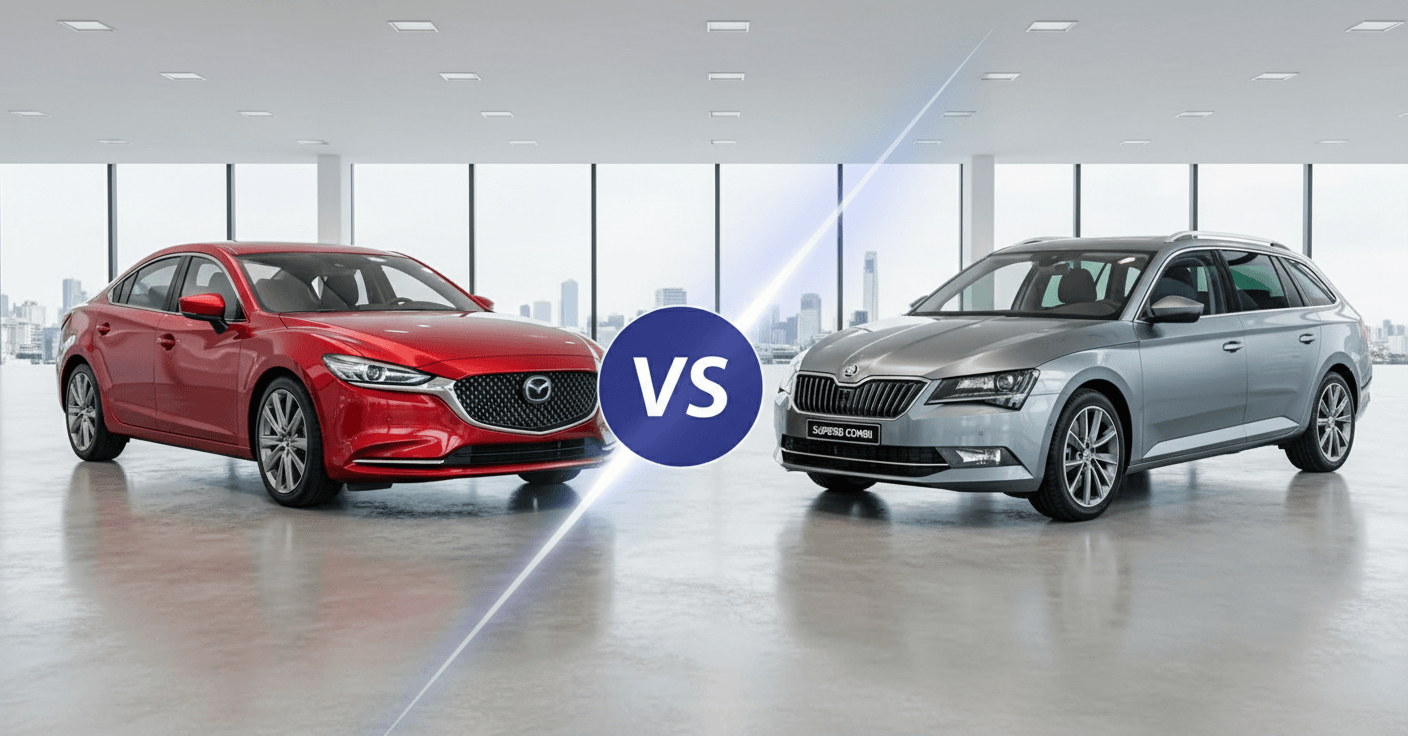
Detailed comparison of used Mazda 6 vs. Škoda Superb. We reveal real-world experiences, fuel consumption, and spaciousness, and provide a clear verdict to help you make the right choice.
Apr 2, 2026