Articles

Car battle

Nissan Juke vs. Peugeot 2008: Complete comparison 2026

Big Comparison: Nissan Juke vs. Peugeot 2008. Which city SUV is the better choice? Discover the real differences in equipment and reliability, and read our verdict.

May 12, 2026

VS
Nissan Juke

Nissan Juke

Peugeot 2008

Peugeot 2008

Introduction

Nissan Juke, an extravagant pioneer of the small urban crossover category, whose earlier version was also known in some markets under the premium designation Infiniti ESQ, offers an exceptionally bold design and sportier driving characteristics in its second generation. Standing against it is the elegant French competitor, the second-generation Peugeot 2008, also widely offered in a purely electric variant under the name Peugeot e-2008 (more recently written as E-2008), which seeks to impress primarily with its comfortable tuning and futuristic interior concept featuring the i-Cockpit architecture. In the following detailed comparison, let's find out which of these popular, approximately four-year-old representatives of the B-SUV segment represents a better and more practical choice on the used car market.

Comparison of External Dimensions

Both models belong to the very popular segment of small city crossovers, but they approach the overall body proportions somewhat differently. If we focus on the generations current for the four-year-old used car market (Nissan Juke generation F16 and second-generation Peugeot 2008), we find that the French representative is noticeably longer at first glance. With an overall length ranging from 4300 to 4304 mm, it surpasses the Nissan Juke (4210 mm) by about 9 centimeters. In practice, this difference manifests not only in the Peugeot's more elongated silhouette but also in slightly better space utilization in the trunk area. The Japanese model, on the other hand, counters with a wider body, pitting its 1800 mm against the Peugeot's 1770 mm. The wider stance gives the Nissan a sportier and visually more stable appearance on the road, while the Peugeot's 30 mm narrower body can be a slight advantage when parking in very tight city garage spaces. In terms of the footprint itself, the Peugeot is a longer and narrower car, which favors better trunk usability, while the more athletically poised Juke aims for a more aggressive look.

A comparison of overall height and wheelbase also brings an interesting contrast. With a height of up to 1595 mm, the Nissan Juke stands significantly taller than the more crouched Peugeot 2008, whose roof ends at a maximum of 1530 mm. This difference of nearly 6.5 centimeters means that the Juke provides a more traditional, upright seating position typical of the SUV category and potentially slightly more comfortable entry. However, the wheelbase itself is a surprise. Although the Nissan Juke is a shorter car overall, its wheels are positioned more towards the corners of the body, allowing it to offer a 31 mm longer wheelbase (2636 mm versus 2605 mm for the Peugeot). A longer distance between the axles theoretically brings more stable behavior on the highway and more efficient use of longitudinal space for the passengers, even though the rear overhang itself remains very short on the Nissan. In the final selection, the choice will depend on your priorities: if you prefer an overall longer car oriented towards cargo capacity, the Peugeot 2008 will be more suitable, but if you require higher seat mounting and maximum wheelbase utilization relative to a compact length, the Nissan Juke will serve you better.

ParameterNissan Juke SUVPeugeot 2008 SUV
Width (mm)18001770
Length (mm)42104300 - 4304
Height (mm)1593 - 15951523 - 1530
Wheelbase (mm)26362605

Trunk Volume

When choosing a compact city crossover, trunk capacity often plays a surprisingly important role. Although models like the Nissan Juke and Peugeot 2008 attract buyers on the used car market primarily with their fresh design and agile driving characteristics, for many buyers – typically young families or active couples – everyday practicality is absolutely key. Sufficient trunk volume determines whether the car can comfortably handle just routine city duties or easily swallow a bulky stroller and a pile of gear for a longer vacation.

From the perspective of four-year-old used cars, we are looking at the second generation of the Nissan Juke (internally designated F16), which has taken a huge step forward compared to its predecessor and offers a solid base capacity of 422 liters. This space is more than enough for a large weekend shopping trip and luggage for a family outing. After folding the rear backrests, the capacity increases to 1305 liters, making the car a surprisingly capable helper. However, it is necessary to point out the hybrid powertrains (commonly available since 2022), where the battery installation has taken up valuable liters – the base capacity in these versions drops to a below-average 354 liters and the maximum capacity to 1237 liters.

The second-generation Peugeot 2008 approaches this discipline with slightly different cards. In the basic five-seat configuration, four-year-old used cars mostly offer 405 liters (for some younger or differently specified versions, the manufacturer states up to 434 liters), which is slightly less than the standard gasoline Juke, but its trunk boasts an exceptionally regular shape. However, the true strength of the Peugeot is revealed when you need to transport bulkier cargo. After fully folding the seats, you have a respectable 1467 liters at your disposal. In practice, this means comfortable space for several extra suitcases, or completely trouble-free transport of longer items such as large sports equipment or flat furniture boxes.

ParameterNissan Juke SUVPeugeot 2008 SUV
Base capacity (liters)422405
Maximum capacity with seats folded (liters)13051467

While the standard gasoline Nissan Juke narrowly wins in base capacity with the car fully occupied, the Peugeot 2008 scores with a clear lead in excellent overall capacity after folding the seats. For buyers, this means a simple choice – if you travel as a group of four and only fill the trunk, the Nissan offers space for an extra small backpack. But if you fold the seats more often and transport bulky items, the Peugeot will be a significantly more practical all-rounder.

Peugeot wins with maximum space 📦

The Nissan Juke pleases with a great base capacity of 422 liters, but the Peugeot 2008, thanks to its huge capacity of 1467 liters after folding the seats, serves much better for those who occasionally need to substitute for a moving van.

Discover the true condition of the car thanks to an independent inspection

Order CarAudit™

Trailer Weights

When choosing a compact city SUV, the trailer weight is often an overlooked but key parameter for everyday practicality. The ability to hitch a trailer opens up entirely new horizons for the car – from transporting garden waste to weekend shopping for bulky building materials or towing a smaller caravan for a summer holiday. In terms of overall towing capacity, both roughly four-year-old models perform very similarly in their standard internal combustion versions, but with the increasing share of electrification, fundamental differences are beginning to emerge.

Internal combustion engines tow confidently

If you are looking for a reliable workhorse, traditional internal combustion versions will not disappoint. Among the roughly four-year-old used cars on the market, these capacities dominate:

  • Nissan Juke (F16 generation): With the most common 1.0 DIG-T petrol engine, the car can handle a standard unbraked trailer weighing up to 648 kg on the hitch. The maximum weight of a trailer equipped with its own brakes then reaches a very respectable 1,250 kg for this engine version.
  • Peugeot 2008 (2nd generation): Both the 1.2 PureTech petrol and 1.5 BlueHDi diesel engines offer almost identical figures. The car can handle a standard unbraked trailer weighing approximately 633 to 680 kg depending on the equipment, and it can tow a maximum braked trailer up to a weight of 1,200 kg.

In practice, this slight fifty-kilogram difference in towing capacity does not play a major role. Both cars will easily serve to transport everything necessary for which the trunk space is simply no longer sufficient.

Capacity decreases for hybrids and electric vehicles

However, a completely different situation arises with alternative powertrains, where the total payload and the additional weight of the batteries come into play:

  • Nissan Juke 1.6 Hybrid: Here, with newer or nearly new used cars, expect a radical limitation. The maximum braked trailer weight drops to just 750 kg, which limits the car to only light recreational or small garden trailers.
  • Peugeot 2008 1.2 Hybrid: The French representative is significantly more versatile in terms of partial electrification and still offers a solid maximum towing capacity of 1,100 kg.
  • Peugeot e-2008: Be extremely cautious with the fully electric used car – this version does not support a towing device for trailers at all, and the manufacturer officially states a capacity of 0 kg.

What is the verdict?

If you are among the drivers who hitch a trailer regularly, the classic petrol and diesel versions of both models offer completely sufficient power and balanced practicality for common tasks. However, a major turning point in favor of Peugeot comes with the hybrids, where the Peugeot 2008 provides significantly more flexibility for heavier loads, while the Nissan Juke must take a back seat due to its limits. However, if you are considering a fully electric car, you must expect zero towing capacity for these compact crossovers.

Model and motorizationBraked weight of trailer (kg)Unbraked weight of trailer (kg)
Nissan Juke 1.0 DIG-T (F16)1250648
Nissan Juke 1.6 Hybrid (F16)750500 - 750
Peugeot 2008 1.2 PureTech1200633 - 680
Peugeot 2008 1.5 BlueHDi1200633 - 680
Peugeot 2008 1.2 Hybrid1100633 - 680

Overview of Most Common Motorizations

Engine concepts and who they make the most sense for

When comparing the engine options of the Nissan Juke and the Peugeot 2008, we encounter two completely different approaches, which is a crucial factor for those interested in a roughly four-year-old used car. While the Japanese Nissan, in its second generation (designated F16), bet on maximum simplification of the range and relies primarily on the basic turbocharged 1.0 DIG-T three-cylinder petrol engine, the French Peugeot plays a much more diverse game in its second generation. Its palette is built on 1.2 PureTech turbocharged engines in various power levels, but unlike Nissan, it also makes room for economical 1.5 BlueHDi diesel engines and an advanced fully electric version, the e-2008. An interesting fact is that both manufacturers completely abandoned all-wheel drive (4x4) in these generations, and the cars rely exclusively on front-wheel drive. From the perspective of the ideal customer, the Nissan Juke with its one-liter engine is a great, low-maintenance, and more budget-friendly choice for calmer drivers who mostly travel on suburban routes. Conversely, the Peugeot 2008, with its wide range, better suits more diverse needs – more powerful petrol units will be appreciated by more dynamic drivers, while its economical diesels are an unbeatable tool for highway cruisers.

Nissan Juke: A bet on Japanese minimalism

If we focus on the second generation of the Nissan Juke, which is the most relevant choice among four-year-old used cars today, the selection under the hood is surprisingly modest. The absolute base and peak for the vast majority of buyers is the turbocharged 1.0 DIG-T three-cylinder. This unit was initially offered between 2019 and 2020 with a slightly higher output of 86 kW (117 hp), but due to tightening emission standards, it was soon and permanently replaced by an optimized variant with 84 kW (114 hp). The engine could be paired with either a precise six-speed manual transmission or a seven-speed dual-clutch automatic (DCT), which increases comfort in the city. It wasn't until 2022 that Nissan refreshed the range with the advanced 1.6 Hybrid powertrain with a combined output of 105 kW. This model cleverly combines a classic naturally aspirated 1.6-liter engine with an electric motor using an innovative clutchless multi-mode transmission (4AMT). If you are looking for a more powerful or perhaps even a diesel performance in a nearly-new Juke, you will find that the Japanese automaker completely removed these variants in the F16 generation.

Engine typeFuel typePower (kW)Torque (Nm)Transmission
1.0 DIG-T 117Petrol862006MT / 7DCT
1.0 DIG-T 114Petrol842006MT / 7DCT
1.6 HybridPetrol/Electric (HEV)105148 + 2054AMT

Peugeot 2008: French freedom and a rich selection

The second generation of the Peugeot 2008 approaches engine options diametrically differently and leaves out almost no type of propulsion. The backbone of the range among nearly-new used cars is the extremely popular 1.2 PureTech turbocharged three-cylinder. Its entry-level version offers a decent 74 kW (100 hp) with a manual, but the most popular middle ground is the 96 kW (130 hp) variant, which often features a smooth-shifting eight-speed torque converter automatic (EAT8). A key find for lovers of more spirited driving is the powerful 1.2 PureTech version with 114 kW (155 hp), though it should be noted that its production ended in 2022. A similar fate, unfortunately, befell the diesel engines, which are rare in this class. Those interested in maximum operational savings could opt for the 1.5 BlueHDi diesel units (74 kW and 96 kW) with a generous torque of up to 300 Nm; however, these diesel engines mostly remained in price lists only until 2023 and today can be found exclusively on the used car market. At the same time, Peugeot is one of the few in this age and class to offer a purely electric, locally emission-free version, the e-2008, which was joined at the end of 2023 by the latest petrol mild-hybrids paired with the e-DSC6 dual-clutch automatic.

Engine typeFuel typePower (kW)Torque (Nm)Transmission
1.2 PureTech 100Petrol742056MT
1.2 PureTech 130Petrol962306MT / 8AT (EAT8)
1.2 PureTech 155Petrol1142408AT (EAT8)
1.5 BlueHDi 100Diesel742506MT
1.5 BlueHDi 130Diesel963008AT (EAT8)
1.2 Hybrid 136Petrol/Electric (MHEV)1002306DCT (e-DSC6)
e-2008 136Electric (EV)1002601AT

Which powertrain to choose? 🤔

While the Nissan Juke scores with its clarity and proven petrol base, which is great for short daily city trips, the Peugeot 2008 dominates with its extraordinary versatility. Thanks to a wide range of more dynamic petrol, but also unbeatably economical diesel and emission-free electric versions, it is the perfect solution for both highway travelers and technology-oriented enthusiasts.

Choosing the right engine is crucial for long-term satisfaction, and our recommendations are based on real-world experience, dynamics, actual fuel consumption, and the mechanical reliability of used cars. Looking at the market for roughly four-year-old vehicles, we encounter an interesting contrast: while the Peugeot 2008 (2nd generation) offered a very diverse range from the start, including petrol, diesel, and purely electric powertrains (e-2008), Nissan chose a relatively minimalist approach for the Juke (F16 generation). In the first years of production, this stylish Japanese model was available exclusively with a single turbocharged one-liter three-cylinder engine, with the full-hybrid alternative arriving on the market somewhat later. With the Peugeot, you have significantly broader options in the used car market, whereas with the Nissan, you are essentially only deciding on the type of transmission and trim level. However, both models fully reflect the downsizing trend and demonstrate that modern three-cylinder turbo engines can handle vehicles in this category without any problems.

For the Nissan Juke, we recommend: 1.0 DIG-T 114 (84 kW)

For the current F16 generation (available since 2020), the choice of engine on the used market is quite straightforward; however, the updated version with 84 kW (114 hp) represents by far the most widespread and ideal variant on the used car market. In terms of reliability and everyday usability, it is a great compromise.

  • Why it's the best choice: The 1.0 DIG-T engine is perfectly adequate for the character of the Nissan Juke. It offers plenty of pep, and because the car is relatively light, it doesn't lose its breath even on twisty backroads. In the segment of roughly four-year-old cars, it is by far the most affordable variant, and you will have no trouble finding your dream color or trim.
  • Technical advantages: This unit pleases with a nice torque curve that kicks in at lower RPMs, which you'll appreciate when pulling away from intersections. Real-world combined fuel consumption consistently hovers around a solid 6 liters per 100 km.
  • Risks and what to watch out for: Since this is a direct-injection petrol engine, its main enemy is carbon buildup on the intake valves. This is a risk primarily if the car is used exclusively for short city trips where the engine doesn't have time to fully warm up. How to prevent problems? The car needs to be "stretched" regularly on the highway at higher RPMs. It is also absolutely crucial to ignore the factory 30,000 km interval and change the oil every 10,000 to 15,000 km at most. The DCT dual-clutch automatic can jerk slightly in stop-and-go traffic; for maximum long-term durability, the well-tuned manual transmission is a safe bet.
  • Who it's for: Ideal for city drivers and suburban commuters looking for a stylish, easy-to-handle car with reasonable running costs, but who don't spend every weekend on long highway hauls.

For the Peugeot 2008, we recommend: 1.2 PureTech 130 (96 kW)

Although the 1.5 BlueHDi diesel engines might tempt you with lower consumption, they don't make much sense for a compact city SUV on the used market (considering the sensitivity of DPF filters on short trips). The weaker petrol version, the 1.2 PureTech (100 hp), can feel a bit sluggish when the car is fully loaded, while the more powerful one (155 hp) is rare. The "golden mean" is thus the 96 kW (130 hp) unit.

  • Why it's the best choice: The 130 hp variant offers the best possible balance of dynamics, consumption, and travel comfort for the 2nd generation Peugeot 2008. It is among the most sought-after in used car dealerships and is widely available. Furthermore, it pairs brilliantly with the smooth-shifting EAT8 eight-speed automatic.
  • Technical advantages: The turbocharged three-cylinder scores with fantastic flexibility and responds very confidently to the throttle. In real-world combined driving, consumption stays between 6 and 6.5 liters per 100 km, which is an excellent result for the more mature proportions of the 2008 model.
  • Risks and what to watch out for: The well-known technological bugbear of this engine is the timing belt immersed in an oil bath. During short-distance driving, unburned fuel gets into the oil, which aggressively degrades the belt. Peeled-off particles can then clog the oil pickup screen and cause the entire engine's lubrication to fail. How to identify and manage the risk? When inspecting a used car, open the oil filler cap and visually check the condition of the belt – it must not be frayed, have cracks, or look swollen. If you buy the car, change the oil uncompromisingly every year or at most after 15,000 km, and ensure you use the exact oil specification approved by the manufacturer.
  • Who it's for: A perfect choice for families, versatile drivers, and everyone who combines a daily city routine with more frequent highway trips. It is on the highway where you will fully appreciate the very decent power reserve and excellent cabin soundproofing of this specification.

Real Fuel Consumption

Standardized (paper) fuel consumption figures provided by manufacturers often differ quite significantly from what you, as a driver, see on the trip computer in real-world traffic. To get the best and most accurate picture of real operating costs, it is always worth looking at long-term user databases. For our comparison of roughly four-year-old used cars, we used aggregated data from thousands of regular drivers on the world-renowned community portal Spritmonitor.de. We focused exclusively on the car generations that are most relevant to the nearly-new used car market today – specifically the second-generation Nissan Juke (F16) and the Peugeot 2008, also from its second generation.

Model and EngineAverage Consumption (l/100 km)
Peugeot 2008 1.2 PureTech 100 (Petrol)5.4
Peugeot 2008 1.2 PureTech 130 (Petrol)5.7
Nissan Juke 1.0 DIG-T 114 (Petrol)5.8
Nissan Juke 1.6 Hybrid (Hybrid)4.9
Peugeot 2008 1.5 BlueHDi 130 (Diesel)4.8

Several very clear and interesting trends can be read from the collected values. For the base petrol engines, the French representative wins slightly in terms of efficiency. Its 1.2 PureTech three-cylinder engines can run about a few tenths of a litre more efficiently than the competing 1.0 DIG-T unit under the hood of the Nissan Juke. At the same time, the data shows a slightly surprising but many times proven finding in practice – small turbocharged petrol engines in SUV category vehicles are not automatically a guarantee of extremely low consumption, as they have to work significantly harder when stronger acceleration is needed or when the car is fully loaded. A thorough comparison also reveals the strengths of non-petrol powertrains: while the modern full-hybrid Nissan Juke shines with a fantastic consumption of 4.9 l/100 km in urban and suburban modes, the diesel Peugeot 2008 bets on motorway reliability and, with the 1.5 BlueHDi engine, offers an average of 4.8 l/100 km more or less regardless of the difficulty of the route profile.

These real-world figures help to clearly profile the ideal choice for different types of users:

  • Urban and suburban drivers: If you mostly travel shorter distances on regular roads, the base petrol Peugeot 2008 1.2 PureTech will offer budget-conscious buyers slightly better economy than the comparable internal combustion Nissan.
  • Drivers in heavy traffic and queues: For daily commuting to a big city, the Nissan Juke 1.6 Hybrid is extremely effective, minimizing consumption through recuperation and frequent silent driving purely on electricity.
  • Long-distance drivers: For weekend trips to the countryside, long routes, and motorways, nothing else in this comparison makes sense but the diesel Peugeot 2008 1.5 BlueHDi, which reliably maintains its very low consumption even at a higher pace.

In conclusion, it can be stated that fuel consumption itself is unlikely to be the absolute and only deciding factor between these two models for the most common petrol versions, as the differences are only in the range of tenths of a litre. However, real-world consumption data should serve as the best possible guide when considering which type of powertrain is most worthwhile for your lifestyle and your typical routes.

Price Range and Used Car Offerings

Price comparison on the used car market: Roughly four-year-old models

When searching the used car market in the popular category of small city SUVs, roughly four-year-old models (especially the 2021 and 2022 model years) from both manufacturers enjoy significant attention from buyers. In this age range, both vehicles are in their second generation, which both arrived on the market in 2019. With both cars, you can count on a very modern design, advanced assistance systems, and up-to-date equipment, while their purchase prices have already dropped attractively since their first registration.

Price range and the situation at used car dealerships
While the Nissan Juke offers practically exclusively one engine option on the used market from this period, the Peugeot 2008 has a much wider range of powertrains, which is directly reflected in the overall price spread of the advertised vehicles.

Model (2021–2022 models)Starting price of a used carAverage price of better-equipped unitsDominant engine options on the market
Nissan Jukefrom approx. €14,000€18,000 – €20,000Petrol (1.0 DIG-T)
Peugeot 2008from approx. €14,000€16,000 – €19,000Petrol, Diesel, Electric

Nissan Juke: Japanese style with a clear choice under the hood

For roughly four-year-old used second-generation Nissan Jukes, prices in dealerships most often range between €14,000 and €15,000 for more basic equipment versions with a manual transmission. If you prefer richer equipment (such as the N-Connecta or Tekna trim levels) or a comfortable seven-speed DCT automatic transmission, expect a price approaching the €18,000 to €20,000 mark.

In terms of choice, the situation with the Juke is very simple – the market is dominated by the turbocharged 1.0 DIG-T three-cylinder petrol engine. Although the manufacturer also introduced a full hybrid version in 2022, it appears only sporadically among four-year-old used cars and maintains a significantly higher residual value exceeding €21,000.

Peugeot 2008: French charm with a wide selection

The competitor with the lion emblem starts with very similar prices. You can get a well-maintained Peugeot 2008 with the popular 1.2 PureTech petrol engine from roughly €14,000. However, the French model scores points with drivers who have different powertrain requirements. It is common to come across economical 1.5 BlueHDi diesel engines, which stay at a comparable price level, usually just slightly higher depending on the specific mileage and equipment level (often the attractive Allure lines or the sporty-looking GT).

A fundamental difference is the presence of the fully electric e-2008 version. This significantly extends the upper price limit of the model. Used electric models from 2021 and 2022 most often start around €16,000, but for well-maintained vehicles with low mileage, they easily reach the €21,000 mark and above.

Summary of acquisition costs

Both cars hold their value quite firmly after about four years of operation. Nissan benefits from its reputation as a design staple with a single reliable and proven engine. Peugeot gives used car buyers huge variability and also targets those looking for a highway diesel or zero-emission city operation. However, if we compare purely basic internal combustion versions, the differences in the potential buyer's wallet are almost negligible.
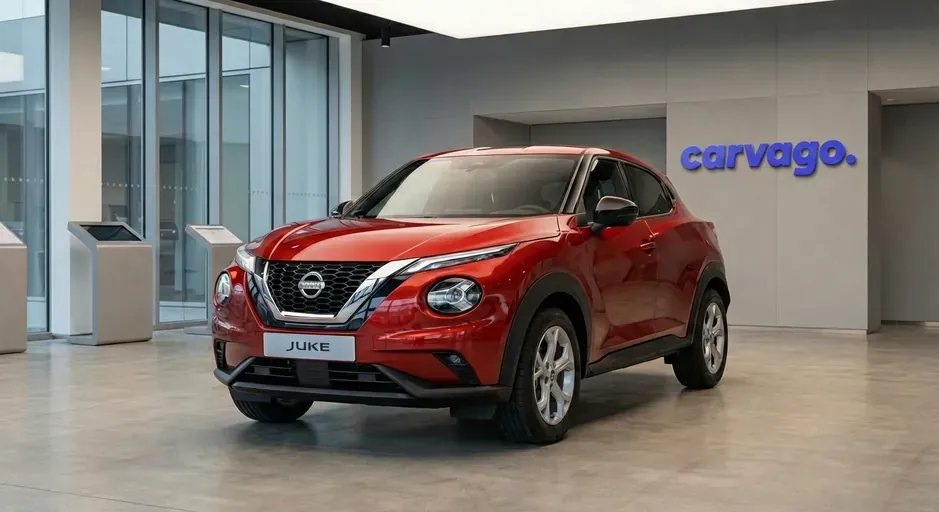
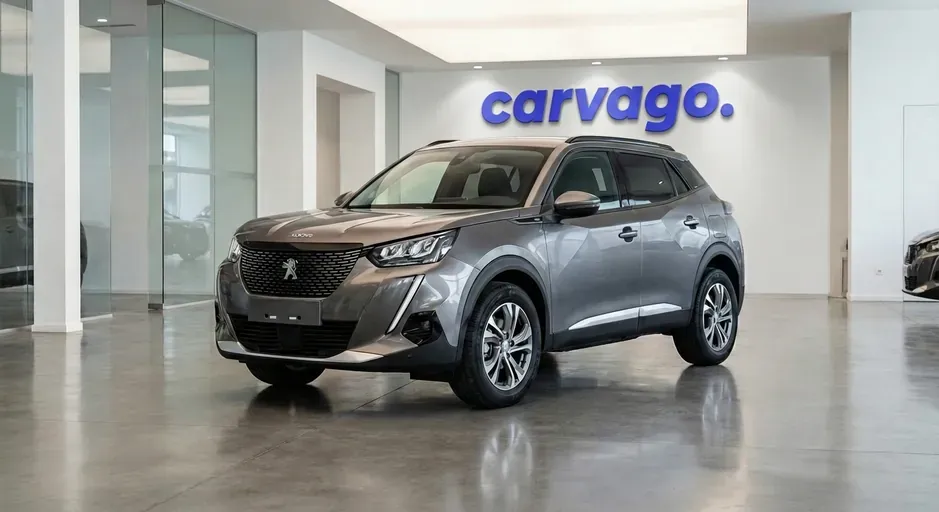
The variety of the offer will decide 🚗

In terms of price, roughly four-year-old models of both cars are very similar, so the main factor in choosing on the used market will be which specification and type of powertrain you prefer.

Safety and Euro NCAP Rating

When evaluating the safety of both vehicles, it is important to note that both the Nissan Juke and the Peugeot 2008 (in their second generations) underwent testing by the independent Euro NCAP organization in the same year. Euro NCAP testing methodology is constantly evolving and becoming stricter, which is why percentage ratings from different years cannot be directly compared. In this case, however, we have an ideal starting position – both models completed identical testing protocols in 2019, which already included stricter frontal crash simulations, cyclist detection, and advanced scenarios for autonomous emergency braking.

Nissan Juke immediately earned a full five-star rating from the 2019 Euro NCAP tests, even in its standard base equipment. The car excels particularly in adult occupant protection, where it achieved an exceptionally high score of 94%. Another strength of the Nissan is the excellent protection of vulnerable road users, i.e., pedestrians and cyclists (81%), and a reliably functioning package of active assistance systems (73%). The Juke owes this result to its very rigid body and modern sensors that actively prevent accidents even from the lowest trim levels.

The Peugeot 2008 underwent the same tests at the end of 2019, but its certification is divided into two levels. With standard safety equipment, the car received a solid four stars. It offers excellent protection for adults (91%) and children (84%), however, it achieved a slightly weaker result in the base version for the protection of vulnerable road users (62%) and safety assistants (68%). This is due to the fact that some more advanced emergency braking functions were missing from the standard equipment. However, if the Peugeot was factory-equipped with the optional safety package (Safety Plus Pack), it achieved the maximum five stars in the tests.

In terms of safety, both models offer robust protection at a very high level according to modern standards. However, the Nissan Juke comes out slightly better in this comparison because it offers a comprehensive set of advanced active assistants even in the base equipment. For those interested in a used Peugeot 2008, it is therefore highly recommended to prefer specific units equipped with the optional safety package, which elevates the protection of the crew and surroundings to the level of the best competitors.

ParameterNissan JukePeugeot 2008
Year of testing20192019
Adult occupant protection94 %91 %
Child occupant protection85 %84 %
Vulnerable road user protection81 %62 %
Safety assistance systems73 %68 %

🛡️ Confidence even in the base model

The Nissan Juke brings top-tier five-star safety straight from the standard trim, while with the Peugeot 2008, it pays to look for a unit with the optional safety package.

Comparison of Interesting Equipment Features

Both models offer more than just basic equipment, and each approaches driver value in its own very distinctive way.

Nissan Juke: Extravagant style and tailored audio

  • Infotainment and audio system: The most unique feature of this model is the Bose Personal Plus premium audio system. It doesn't just use conventional door speakers but integrates UltraNearfield speakers directly into the front seat headrests. This provides an immersive 360-degree surround sound experience for both the driver and the passenger.
  • Design and personalization: Nissan builds on a striking look that can be fully individualized in the N-Design version. Customers can combine two-tone body paint with colorful interior accents, featuring soft-touch materials and premium Alcantara or leather on the dashboard—something not common in this class.
  • Assistance systems and safety: For smooth and safe travel, the Juke is equipped with the ProPILOT system. This advanced assistant provides adaptive cruise control and distance maintenance from the vehicle ahead, keeps the car centered in its lane, and can bring the car to a complete stop and restart smoothly in traffic jams.
  • Connectivity and smart apps: The NissanConnect onboard system offers a Wi-Fi hotspot for passengers. Additionally, with the NissanConnect Services mobile app, you can remotely check the vehicle's status, lock and unlock doors, verify tire pressure, or send a planned route directly to the car's navigation system.

Peugeot 2008: Futuristic cockpit and freedom of choice in powertrains

  • Ergonomics and interior innovation: The main technological highlight is the Peugeot i-Cockpit 3D architecture. It combines a compact, low-set steering wheel with a digital instrument cluster that displays information not flatly, but as a holographic 3D projection. Dynamic display brings important data (e.g., warnings or speed) to the foreground closer to the driver's eyes, which, according to the manufacturer, shortens reaction time by valuable fractions of a second.
  • Smart design features: The interior evokes an aircraft cockpit. The center console is fitted with elegant "piano keys" for quick and intuitive access to basic climate control, audio, or navigation functions. From the outside, the model is easily recognizable thanks to its iconic daytime running lights, which resemble lion fangs and claws.
  • Powertrain variability: With this generation, Peugeot follows the "Power of Choice" strategy. The Peugeot 2008 is built on the flexible CMP platform, which allows for the installation of gasoline engines (PureTech), diesel units (BlueHDi), and a fully electric powertrain (e-2008). Furthermore, the batteries in the electric version are cleverly stored in the floor, so the electric variant does not take up space in the cabin or the luggage compartment.
  • Advanced electronics: The Drive Assist Plus package brings semi-autonomous driving, which is a huge benefit for driver comfort on highways or in traffic jams. The system is further complemented by extended traffic sign recognition, which identifies not only speed limits but also Stop signs or no-overtaking signs and displays them on the screen.

Key Advantages and Disadvantages

Nissan Juke

Pros

Distinctive and sporty exterior design that stands out in a crowd

Agile driving characteristics and confident cornering

Very generous standard equipment of assistance and safety systems

High-quality workmanship and premium materials in the interior of higher trim levels

Cons

Very limited range of engines (the used car market is dominated by the 1.0 DIG-T three-cylinder)

More cramped space for rear passengers and poorer rear visibility

Stiffer chassis tuning, which, combined with 19-inch wheels, reduces comfort

Occasional jerking and slower reactions of the seven-speed dual-clutch transmission when starting off

The second-generation Nissan Juke is ideal for drivers looking for a stylish city crossover with a sporty character and agile handling. It is a great choice for individuals or couples who don't mind a slight compromise in rear-seat practicality in exchange for an attractive look and confident driving characteristics.

Peugeot 2008

Pros

Excellent suspension comfort and overall ride smoothness even on poorer roads

Large and easily accessible luggage compartment with a capacity of 434 liters

Wide range of powertrains, including the successful fully electric e-2008 version

Unique and premium-feeling dashboard architecture with the 3D i-Cockpit

Cons

The specific position behind the small steering wheel (i-Cockpit) may not ergonomically suit drivers of all statures

Almost all vehicle controls, including the air conditioning, are operated via the touchscreen, which is distracting

Outdated graphics and slower response of the onboard infotainment system

Usually a higher purchase price on the used car market compared to direct competitors

The Peugeot 2008 will primarily appeal to smaller families and buyers who prefer superior comfort, above-average practicality, and French elegance. Its avant-garde cabin concept is a major draw for lovers of modern design, especially if they find the specific control ergonomics comfortable once behind the wheel.

Common Problems and Owner Complaints

Based on service reports, breakdown statistics, and detailed practical insights, such as a comprehensive car inspection, we have compiled an overview of the most common problems that buyers of roughly four-year-old used cars should watch out for.

Nissan Juke

The second generation of the Nissan Juke (code name F16, from 2019) is significantly more reliable technically than its predecessor, yet it still exhibits typical teething troubles and operational specifics.

  • Transmission and drivetrain: The seven-speed dual-clutch automatic transmission (DCT) paired with the 1.0 DIG-T engine often shows hesitation or slight jerking during slow starts and crawling. The manufacturer has mitigated this phenomenon in many units with software updates. In hybrid versions, some owners occasionally complain that the control unit holds an unnecessarily low gear (e.g., revving the engine too high at city speeds).
  • 1.0 DIG-T engine: Although the one-liter three-cylinder is mechanically robust, due to direct injection, it is prone to carbon buildup on the intake valves and gradual clogging of the injectors. The fault typically manifests as rough running and slightly increased fuel consumption in cars with mileage over 60,000 km, which primarily serve short city routes.
  • Leaking into the trunk: A known design weakness of early F16 generation models is water leaking into the luggage compartment. Moisture usually collects in the spare wheel well and under the rear seat carpet, which can be easily detected during a detailed physical inspection.
  • Electronics and infotainment: The most common complaints include freezing of the infotainment system's touchscreen or its reluctance to respond to commands. In most cases, the problem is solved by a so-called hard restart or a firmware reflash at the dealer.

Nissan Juke: Minor flaws, but a reliable foundation

The second generation Juke successfully avoided the expensive problems of its predecessor. When buying, pay attention especially to the smoothness of the DCT automatic when cold and don't forget to check if there is standing water under the carpet in the trunk.

Peugeot 2008

The second generation of the Peugeot 2008 crossover (from 2019) scores with great design, but its long-term reliability stands and falls with the type of powertrain chosen and a flawless service history.

  • 1.2 PureTech engine (petrol): By far the most discussed risk is the timing belt immersed in an oil bath. If oil change intervals are not followed (or stretched too far) or if the car is frequently driven on short cold trips, the oil is diluted with gasoline, causing the belt to crumble. Small loose rubber particles reliably clog the oil pump pickup screen, leading to a dangerous loss of oil pressure and the risk of total engine seizure.
  • 1.5 BlueHDi engine (diesel): Diesel four-cylinders even in newer models struggle with the selective catalytic reduction (AdBlue) system. Clogging or faults in the urea injector occur, generating software error messages regarding increased NOx emissions. Vehicles from 2020 to 2022 also had problems with a thinner camshaft timing chain.
  • Air conditioning and electrical system: Limited air conditioning functionality is addressed quite often. Refrigerant leaks, compressor failures, and defective electrical connectors appear, which required recall actions for early years of the second generation. Complaints about false readings from tire pressure sensors (TPMS) also recur.

Peugeot 2008: The key is a careful maintenance history

The Peugeot 2008 offers excellent comfort and style, but the mechanics do not forgive neglected service. For the gasoline three-cylinders, a documented history of timely oil changes is absolutely crucial, as it is the basic prevention against expensive failures of the entire engine.

Tips for Buying a Used Car

When buying a used car, a thorough inspection is crucial, as both of these models have specific weak points to watch out for. If you don't have extensive experience with buying used cars, an independent technical inspection should always be your assurance before signing the contract.

When choosing a Nissan Juke:

  • DCT automatic transmission behavior: In models equipped with the seven-speed dual-clutch automatic, focus on the smoothness of pull-offs during the test drive. If the car jerks, hesitates, or stutters when crawling in traffic or during slow parking, it may signal excessive wear on the clutch plates or, at the very least, the need for a software update and recalibration of the transmission.
  • 1.0 DIG-T engine cold start performance: Insist on starting the car when it is completely cold. While the three-cylinder engine has a naturally rougher sound, if the RPMs fluctuate significantly after starting, or if the engine misfires or loses power during sharp acceleration, it could indicate carbon buildup in the intake or failing ignition coils.
  • NissanConnect system responsiveness: Before driving off, test all the functions of the onboard infotainment. Some software versions are known for slow operation, long loading times, or spontaneous screen restarts. In most cases, installing new software at a service center will help, but it's good to be aware of this issue beforehand.
  • Chassis condition and front axle thumping: The Juke has a stiffer and sportier suspension setup, which sometimes suffers on rougher roads. During the test drive, specifically look for speed bumps or cobblestones. Dull thuds, metallic clicking, or distinct squeaking indicate worn ball joints, stabilizer links, or tired bushings on the front axle.
  • Manual clutch engagement: For used cars around four years old that have primarily served in city traffic, pay attention to the condition of the clutch. If the pedal engages at the very top and you have to work it very carefully to pull off smoothly, an expensive clutch kit replacement awaits you soon.

When choosing a Peugeot 2008:

  • Crucial timing belt inspection (1.2 PureTech engines): This is the absolute most important point for internal combustion versions. Peugeot uses a timing belt located in an oil bath, and if the previous owner exceeded oil change intervals, the belt can begin to crumble and fatally clog the oil pickup strainer. Check the service history (shortened oil change intervals of 10,000–15,000 km are ideal) and remember that a detailed physical inspection of a used car must include a visual check of the belt's condition through the oil filler neck.
  • i-Cockpit and touch surface stability: In the Peugeot 2008, almost everything, including the climate control temperature, is operated via the central display. Ensure the panel responds quickly, doesn't flicker, and doesn't turn off unexpectedly. Also, check the attractive 3D digital instrument cluster (if the car is equipped with it) behind the steering wheel to see if it displays correctly and without anomalies in all modes.
  • Battery capacity of the electric e-2008: If you are considering buying the purely electric variant, a decreasing range depending on battery wear is logical. Therefore, always ask for a diagnostic report of the traction battery's actual health (the so-called State of Health – SOH). Furthermore, carefully inspect the charging port – the pins must not be oxidized or otherwise damaged from rough handling of the cables.
  • EAT8 automatic shifting smoothness: The eight-speed transmission with a hydrodynamic torque converter behaves differently than the dual-clutch in the Nissan, and its shifting must be velvety smooth under all circumstances. If the car noticeably kicks when shifting under load or when downshifting uphill, it often means degraded transmission oil that requires immediate replacement (ideally with a flush).
  • Steering play and seat condition: Peugeot's small steering wheel means very direct and sensitive steering. Any "dead" play during slight steering wheel movement or clicking in the steering column is a warning sign. Also, look at the heavily profiled outer bolsters of the front seats, which can unpleasantly crease and crack on 3–4 year old cars due to frequent entry and exit in city use.

FAQ: Most Frequently Asked Questions

Peugeot 2008 has an overall more spacious interior and a larger trunk with a basic volume of 434 liters. The Nissan Juke offers a slightly smaller luggage compartment with a capacity of 422 liters, while in its hybrid version, this volume drops to 354 liters. For family use and transporting bulkier items, the French model is thus the more practical choice.

The Nissan Juke stands out with a sportier and overall stiffer chassis, which ensures great stability in corners and confidence during faster driving. In contrast, the Peugeot 2008 is tuned significantly more for comfort and filters out bumps on broken roads much better. The choice therefore depends primarily on whether the driver prefers dynamic performance or rather comfortable and soft travel.

Both cars offer efficient three-cylinder gasoline engines, which in practice can be driven with a consumption of around 6 l/100 km. Nissan offers an economical full-hybrid powertrain that can significantly reduce consumption, especially in heavy city traffic. Peugeot, on the other hand, offers a purely electric version, the e-2008, as an alternative, which makes sense for those with the possibility of cheap home charging.

The Peugeot 2008 impresses with its avant-garde i-Cockpit layout featuring an atypically small steering wheel and raised digital instruments, which some drivers may need to get used to. The interior of the Nissan Juke is conceptually much more traditional, scoring points for excellent ergonomics and the retention of useful physical buttons for climate control. Both cars offer very high-quality materials and good workmanship for their class.

As approximately four-year-old used cars, both models rank as solidly reliable vehicles without catastrophic chronic defects. For the PureTech gasoline engines in the Peugeot, it is absolutely crucial to adhere to regular oil changes to protect the timing belt. The 1.0 DIG-T engine in the Nissan is generally considered a very reliable choice, requiring only adherence to the standard scheduled service.

Conclusion: Which Model to Choose?

Our Verdict

Choosing between an approximately four-year-old Nissan Juke and a Peugeot 2008 depends primarily on whether you prefer sporty flair or everyday spatial practicality. The extravagant Japanese crossover scores points with its confident driving characteristics, excellent ergonomics, and a proven petrol base, making it an ideal choice for individuals or couples looking for an agile and stylish city car. In contrast, the French Peugeot 2008 counters with an exceptionally comfortable chassis, a larger boot, and a diverse range of engines including economical diesels or pure electric power, making it much better suited for small families and those who cover many motorway miles. While the Juke will win you over with its more aggressive character and more traditional controls, the elegant Peugeot will win over anyone who requires a technologically advanced interior and maximum transport versatility.

Find your ideal car

Sources: ADAC, e15.cz, novinky.cz, emobility.cz, autoweb.cz, autickari.cz

This article was prepared using artificial intelligence tools. The section guarantor is Petr Dušek.

Related articles

Car battle

Renault Austral vs. Seat Ateca: Complete comparison 2026

Detailed comparison of Renault Austral vs Seat Ateca. Discover the differences in equipment, driving characteristics, and fuel consumption. Our verdict will make it easier for you to choose the right SUV!

Apr 13, 2026

Car battle

Ford Puma vs. Suzuki Vitara: Complete comparison 2026

Detailed comparison of the Ford Puma and Suzuki Vitara. Find out which crossover is the right one for you. We bring real-world experience, equipment comparisons, and a clear verdict.

May 2, 2026

Car battle

BMW X1 vs. Mercedes-Benz GLB: Complete comparison 2026

Detailed comparison of the BMW X1 and Mercedes-Benz GLB. Real-world experience, specifications, equipment comparison, and a clear verdict to help you choose your SUV.

Apr 26, 2026

We accept online card payments as well as wire transfers.

visa payment provider logovisa-electron payment provider logomastercard payment provider logomaestro payment provider logodiners-club payment provider logodiscover payment provider logo