Car battle
Suzuki Vitara vs. Volkswagen T-Cross: Complete comparison 2026
Suzuki Vitara vs Volkswagen T-Cross: Which city SUV to choose? Read our detailed comparison, real-world experiences, equipment overview, and our final verdict.
Apr 25, 2026
Articles
Car battle
Detailed comparison of the premium SUVs Mercedes-Benz GLA vs. Volvo XC40. We reveal real-world experiences, differences in equipment, reliability, and our clear verdict.
April 27, 2026

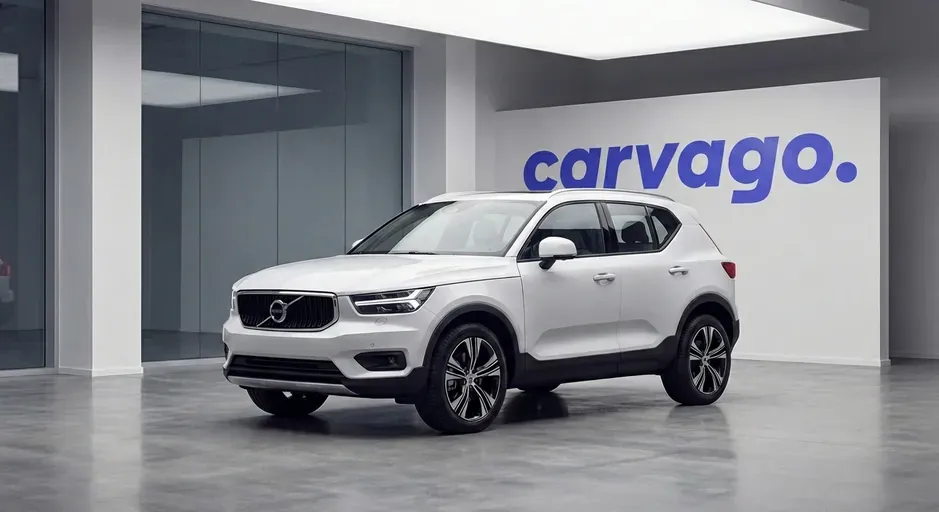
Mercedes-Benz GLA, often also referred to as the GLA Class, is a popular premium compact SUV that perfectly blends first-class German luxury with dynamic urban style. Its main challenger is the stylish Volvo XC40, an award-winning Swedish crossover characterized by its robust design, clever spaciousness, and legendary emphasis on maximum safety. In this comparison, we take a detailed look at the key features of both models to help you decide which one better suits your daily needs and becomes the more sensible choice.
When looking at the exterior dimensions of both premium compact SUVs, it is immediately apparent that each manufacturer has taken a slightly different approach. The Volvo XC40 gives a somewhat more robust and boxy impression on the road, while the second-generation Mercedes-Benz GLA (which is absolutely ideal from the perspective of the market for roughly four-year-old used cars) opts for a more elegant and aerodynamic silhouette. In practice, this different design direction means that the Volvo will appeal to drivers looking for the traditional look of a solid vehicle in a smaller package, while the Mercedes will please those who prefer more dynamic lines closer to a raised hatchback.
Diving into the specific numbers, the Volvo XC40, at 4,425 to 4,440 mm, is slightly longer than the Mercedes-Benz GLA, which measures 4,410 to 4,412 mm in length. However, the most significant difference can be found in height and width. The Swedish representative is 1,863 mm wide and up to 1,652 mm high, giving it a significant advantage of 29 mm in width and more than 35 mm in height compared to its German rival. For everyday use, this means that in the Volvo, you will feel you have a better view of what's happening in front of you, and the wider body can provide more comfort for the occupants in the shoulder area.
On the other hand, the Mercedes-Benz GLA hides one very important and often overlooked trump card in the form of its wheelbase. Despite a shorter overall body length, it boasts a wheelbase of 2,729 mm, which is 27 mm more than what the Volvo XC40 offers (2,702 mm). This difference is positively reflected not only in a calmer and more stable driving performance at highway speeds but, above all, in more generous legroom for rear-seat passengers. Mercedes-Benz thus clearly demonstrates that thanks to a smarter use of the chassis platform, it can squeeze generous interior space out of a smaller exterior footprint.
In terms of maneuverability in the city, both cars will perform their roles excellently. However, the slightly narrower and overall more compact proportions of the Mercedes GLA mean a small advantage when parking in tight spots at shopping centers or navigating narrow underground garages. It purely depends on your personal priorities whether, when choosing a used car, you prefer the more pronounced SUV stance and sense of command in the Volvo, or rather bet on the agility and better longitudinal cabin space of the Mercedes.
| Parameter | Mercedes-Benz GLA SUV | Volvo XC40 SUV |
|---|---|---|
| Length (mm) | 4410 - 4412 | 4425 - 4440 |
| Width (mm) | 1834 | 1863 |
| Height (mm) | 1611 - 1616 | 1647 - 1652 |
| Wheelbase (mm) | 2729 | 2702 |
When choosing a premium compact SUV, trunk capacity plays a crucial role, especially if you plan to use the vehicle as the main family car for both daily commutes and weekend trips. Both the Mercedes-Benz GLA (second generation H247, sold since 2020) and the Volvo XC40 (1st generation) represent extremely popular choices on the market for roughly four-year-old used cars. Although both cars target a similar group of customers, their approach to interior space utilization differs slightly. The Swedish Volvo relies on a typically boxy and practical shape, while the German Mercedes prefers a slightly more dynamic silhouette, which logically affects the size and shape of the trunk itself.
In terms of pure numbers, the Volvo XC40 with a standard internal combustion engine offers a base trunk capacity of 460 liters, which is fully sufficient for a large family grocery shop or packing luggage for a longer holiday. The competing Mercedes-Benz GLA in purely petrol and diesel versions lags slightly behind in its basic configuration with 435 liters. In practice, a difference of less than thirty liters can mean space for one extra sports bag or backpack. However, the situation reverses when you fold down the rear seats and need to load, for example, smaller pieces of furniture. In such a case, the Mercedes-Benz GLA provides a total trunk capacity of up to 1,430 liters compared to 1,336 liters for the Volvo. Here, the Mercedes fully benefits from its overall length and provides a slightly longer loading area.
However, it is also necessary to consider electrified versions, which you will encounter more and more often among four-year-old vehicles. The plug-in hybrid Mercedes-Benz GLA 250 e has to sacrifice space due to the placement of batteries under the trunk floor, and its base capacity thus drops to a more modest 385 liters (1,385 liters when folded). For its electrified versions and models with a second electric motor, Volvo reduces the rear trunk capacity to approximately 419 to 452 liters depending on the variant, but fully electric versions add a very practical 31-liter storage space under the front hood (the so-called "frunk") as an excellent bonus, ideal for storing dirty charging cables. While Volvo excels in cleverness – offering an adjustable double floor and integrated hooks that prevent shopping bags from rolling around – Mercedes scores with better accessibility and total volume after folding the backrests.
| Parameter | Mercedes-Benz GLA SUV | Volvo XC40 SUV |
|---|---|---|
| Base capacity (liters) | 435 | 460 |
| Maximum capacity with seats folded (liters) | 1430 | 1336 |
The Volvo XC40 scores with a larger base trunk and smarter everyday storage solutions, while the Mercedes-Benz GLA saves the day with a significantly larger total capacity after folding the rear backrests.
The ability to tow a trailer is a key parameter for many prospective buyers of compact premium SUVs, whether it's for transporting building materials or towing a caravan on holiday. Looking at roughly four-year-old used cars, the Mercedes-Benz GLA (generation 247) and the Volvo XC40 (1st generation) offer very respectable figures, albeit with noticeable differences depending on the chosen engine.
Mercedes-Benz GLA is characterized by very consistent and high values. Standard versions with internal combustion engines, such as the popular GLA 250, can handle a braked trailer weighing up to 2,000 kg on the tow bar. However, if you opt for the more economical plug-in hybrid variant, the GLA 250 e, the maximum permissible weight of a braked trailer drops slightly to 1,800 kg, which is a common occurrence with battery-weighted versions.
The Volvo XC40, on the other hand, provides a much wider range of values, which is closely linked to its extensive palette of powertrains. Entry-level engines like the B3, T2, or T3 can tow 1,600 kg. More powerful internal combustion versions (e.g., B4, B5, or the older D4 diesel) can tow up to an impressive 2,100 kg. The XC40 plug-in hybrid models (T4, T5) match the hybrid Mercedes exactly with a value of 1,800 kg. The pure electric Recharge variants then offer a towing capacity of 1,500 kg for the Single Motor version, or 1,800 kg for the more powerful Twin Motor all-wheel drive.
In practice, these differences mean that both cars can handle common family needs without any problems. The value of around 1,800 kg, shared by the hybrid versions of both rivals, is perfectly sufficient for a weekend trip to the DIY store for heavy items, as well as for towing a medium-sized caravan on a longer holiday. However, if you plan to regularly tow heavier loads, such as horse trailers or larger boats, the more powerful combustion versions of the Volvo with a 2,100 kg limit will provide a useful reserve and greater confidence.
In conclusion, while the Mercedes-Benz GLA offers a very stable standard across the range (1,800–2,000 kg), the Volvo XC40 can raise the bar slightly higher (up to 2,100 kg) thanks to its most powerful engines. For the most demanding users, the Volvo is thus a slight favorite, but for the vast majority of everyday and recreational purposes, both premium SUVs will serve excellently.
| Model and engine | Braked trailer (kg) | Unbraked trailer (kg) |
|---|---|---|
| Mercedes-Benz GLA 250 | 2000 | 750 |
| Mercedes-Benz GLA 250 e (PHEV) | 1800 | 750 |
| Volvo XC40 B3 / T2 / T3 | 1600 | 750 |
| Volvo XC40 B4 / B5 / D4 | 1800 - 2100 | 750 |
| Volvo XC40 T4 / T5 (PHEV) | 1800 | 750 |
| Volvo XC40 Single Motor (EV) | 1500 | 750 |
| Volvo XC40 Twin Motor (EV) | 1800 | 750 |
The range of engine options for both of these premium compact SUVs has changed significantly in recent years, which has a major impact on the choice of a used car approximately four years old (around the 2022 model year). While Mercedes-Benz maintains a traditional split for the GLA model with an emphasis on powerful yet efficient turbocharged four-cylinder engines complemented by a plug-in hybrid alternative, Volvo undertook a radical electrification of the XC40 during this period. The Swedish carmaker completely abandoned diesel engines and replaced conventional internal combustion versions with mild-hybrids or extremely powerful pure electric variants, where the top version offers a dazzling 300 kW (408 hp). For used car buyers, this means the GLA offers a refined classic and highway confidence suitable for drivers who prefer conventional powertrains, while the XC40 is an ideal choice for those seeking advanced zero-emission technology or smooth city driving with mild-hybrid support.
In the second generation of the Mercedes GLA, the range of engines available on the nearly-new used car market primarily revolves around efficient petrol units and an advanced plug-in hybrid. Traditional internal combustion power is very well represented here by the GLA 250 version with a turbocharged two-liter four-cylinder producing 165 kW (224 hp) and 350 Nm of torque. This variant is available with front-wheel drive or the more sure-footed 4MATIC all-wheel drive. For drivers looking for a compromise between zero emissions in the city and a long driving range, there is the GLA 250 e, which combines a 1.3-liter petrol engine with an electric motor (system output 160 kW / 218 hp) and achieves a massive torque of 450 Nm. As production history data directly shows, pure petrol GLA 250 variants without electric assistance were produced until May 2023, after which they disappeared from the range. In contrast, the successful sales of the plug-in hybrid GLA 250 e model continue seamlessly. Both variants use a very fast and smooth eight-speed dual-clutch transmission (8G-DCT) as standard.
| Engine type | Fuel | Power (kW) | Torque (Nm) | Transmission |
|---|---|---|---|---|
| GLA 250 | Petrol | 165 | 350 | 8-speed auto (8G-DCT) |
| GLA 250 4MATIC | Petrol | 165 | 350 | 8-speed auto (8G-DCT) |
| GLA 250 e | Petrol / PHEV | 160 | 450 | 8-speed auto (8G-DCT) |
The Volvo XC40 stands out in the four-year-old used car market with an exceptionally wide, yet predominantly electrified, range of powertrains. Looking closely at the available production year data, it is important to note that older diesel engines (D3 and D4), as well as conventional petrol engines (e.g., T2, T3, and T5 without hybrid support), were gradually phased out, with most ending production as early as the turn of 2020 and 2021. The core of the modern 2022 offering therefore consists of petrol mild-hybrids designated as B3 and B4, which have outputs of 120 kW (163 hp) and 145 kW (197 hp) respectively, and use a 48V starter-generator to smooth out the power curve. More advanced electrification is represented by the T4 and T5 Recharge plug-in hybrids. At the very technological peak are the fully electric versions (BEV), of which the Recharge Twin Motor variant delivers a total of 300 kW (408 hp) and a crushing 660 Nm of torque to both axles, making the XC40 a very brisk SUV.
| Engine type | Fuel | Power (kW) | Torque (Nm) | Transmission |
|---|---|---|---|---|
| B3 | Petrol / MHEV | 120 | 265 | 7-speed auto (DCT) |
| B4 / B4 AWD | Petrol / MHEV | 145 | 300 | 7-speed auto (DCT) |
| T4 Recharge | Petrol / PHEV | 155 | 400 | 7-speed auto (DCT) |
| T5 Recharge | Petrol / PHEV | 193 | 425 | 7-speed auto (DCT) |
| Recharge Single Motor | Electricity (BEV) | 170 | 330 | 1-speed auto |
| Recharge Twin Motor | Electricity (BEV) | 300 | 660 | 1-speed auto |
While the Mercedes-Benz GLA will please more conservative customers with its excellent internal combustion engines and efficient plug-in hybrid, the 2022 Volvo XC40 will primarily appeal to those looking for sophisticated mild-hybrids or uncompromising full electric performance.
Choosing the right engine is key to long-term satisfaction, which is why our recommendations are based on real-world performance, actual fuel consumption, owner feedback, and mechanical reliability. When comparing these two premium compact SUVs, an interesting trend in the market for roughly four-year-old used cars can be observed: while the Volvo XC40 no longer offers the once-popular and exceptionally reliable D3 and D4 diesel engines (production and availability of which ended in mid-2020), the market is now clearly dominated by refined petrol mild-hybrids. In contrast, the Mercedes-Benz GLA has maintained a very wide range of powertrains, but when buying a used model from around 2022, it is definitely worth looking for second-generation models (internally designated H247, available since 2020), which brought a significant leap in ride quality and replaced the older seven-speed transmissions with more modern and smoother 8G-DCT automatics.
For a roughly four-year-old Mercedes-Benz GLA, the optimal choice is the powerful two-litre petrol engine from the M260 family, which perfectly underscores the car's premium character. This engine represents the ideal balance in the range – unlike the smaller 1.3-litre units (e.g., the GLA 200 version), it doesn't struggle when the car is fully loaded and provides confident dynamics in all circumstances. The main technical advantage is the effortless 350 Nm of torque available from just 1,800 rpm and perfect synchronization with the modern eight-speed 8G-DCT dual-clutch transmission. Thanks to this synergy, the car can coast at low revs, and real-world fuel consumption ranges between a very acceptable 7.5 to 8 litres per 100 km. A certain risk with direct-injection petrol engines is carbon buildup on the intake valves, which occurs primarily if the car is used only for short city hops with a cold engine. This is fundamentally important because carbon deposits choke the engine, limit its performance, increase consumption, and can lead to valve destruction. To detect this potential problem in time, focus carefully on the engine's idle during the test drive – once warmed up, it must be absolutely smooth, without any fluctuations in RPM or subtle vibrations transmitted to the steering wheel. Excellent prevention includes buying a car with a clear history of regular oil changes, occasional refueling with premium fuel, and regular motorway trips to "burn off" the engine. This engine will be appreciated primarily by more demanding drivers who prefer a dynamic driving style and use the car as a versatile companion for both the city and long journeys.
In the case of the Volvo XC40, the clear favorite on the market for younger used cars is the petrol mild-hybrid labeled B4. Since the older classic diesel versions have completely given way to more modern solutions, the B4 represents an absolutely ideal compromise. The two-litre four-cylinder with 145 kW (197 hp) has much less work to do with the relatively heavy and aerodynamically robust Volvo than the weaker B3 version, thus ensuring a safe power reserve for motorway overtaking. A huge technical advantage is the integration of the 48V mild-hybrid system. This not only manages to bring real combined fuel consumption down to a reasonable 7.5 l/100 km but, above all, fantastically smooths out the operation of the start-stop system, which is quiet and completely imperceptible here. The mechanics of the two-litre engine itself are renowned for their robustness, but a potential weakness in used cars can be the complexity of the added 48V electrical system and the condition of its secondary battery. This is a key element, as a potential failure of this mild-hybrid circuit can disable smooth energy recuperation and lead to more expensive diagnostics or battery replacement. When buying a used car, you can reliably detect this ailment by simulating stop-and-go traffic or stopping at a traffic light during the test drive; the engine must shut off and then restart lightning-fast, without the slightest jerk or delay when pressing the accelerator, and the digital instrument cluster must not show any electrical system error messages. This engine is perfect for families and calmer drivers who value top-tier safety, maximum comfort, and are looking for an exceptionally reliable car for everyday worry-free use.
Official fuel consumption figures provided by manufacturers offer a good theoretical basis for comparison, but real-world road traffic often tells a somewhat different story. Especially with premium compact SUVs like the roughly four-year-old Mercedes-Benz GLA (H247 generation) and Volvo XC40 (1st generation), aerodynamics, driving style, and, in the case of plug-in hybrid versions, charging frequency play a huge role. To get the most accurate picture possible, we used user data from the independent community portal Spritmonitor.de, where hundreds of drivers diligently record their actual refueling and consumption.
Data source: Spritmonitor.de
| Model and engine | Average consumption (l/100 km) |
|---|---|
| Petrol engines | |
| Mercedes-Benz GLA 200 (120 kW) | 6.8 |
| Mercedes-Benz GLA 250 4MATIC (165 kW) | 7.6 |
| Volvo XC40 B3 (120 kW) | 6.9 |
| Volvo XC40 B4 AWD (145 kW) | 7.5 |
| Diesel engines | |
| Mercedes-Benz GLA 200 d (110 kW) | 5.5 |
| Volvo XC40 D3 (110 kW) | 6.0 |
| Plug-in hybrids | |
| Mercedes-Benz GLA 250 e (160 kW) | 3.8 |
| Volvo XC40 T4 Recharge (155 kW) | 4.5 |
When interpreting the collected data, it is clear that diesel engines (such as the GLA 200 d or the XC40 D3 in older model years) remain the uncrowned kings of efficiency for long distances. Mercedes-Benz comes out significantly better in the diesel comparison because, thanks to its sleeker bodywork and lower air resistance, it can push the average about half a liter lower than the Volvo. For petrol mild-hybrids (B3 and B4 for Volvo), real-world consumption for both competitors stays at comparable values safely below the eight-liter mark. Plug-in hybrid versions (GLA 250 e and XC40 T4 Recharge) are a completely specific category. Paper promises of consumption around two liters hit hard reality – if you don't charge the cars diligently and ideally daily from a socket, you will easily exceed the seven-liter mark in both, with the boxy Volvo taking slightly more after the battery is depleted due to worse aerodynamics.
What does this mean for typical used car buyers? If you spend most of your time in the city and on shorter suburban routes, you will practically not feel the differences in consumption between the two models – both cars benefit greatly from the advantages of modern mild-hybrid systems or pure electric range in PHEV versions. However, for highway mile-munchers and business travelers, the diesel Mercedes-Benz GLA is a much more sensible choice. It maintains exemplary efficiency even at higher highway speeds, while the more majestic and taller build of the Volvo XC40 will mean more frequent trips to the pump at highway speed limits.
Can fuel efficiency therefore be considered a decisive factor when choosing between these two attractive SUVs? For most average drivers who opt for the middle ground in the form of petrol mild-hybrids with an output of around 120 kW, it won't play an absolute role. But if you are looking for a car primarily for long trips across the country or are very sensitive to operating costs, the more aerodynamic and overall more economical Mercedes-Benz GLA emerges as the clear winner from this duel.
Both premium compact SUVs maintain a very solid position in the used car market. If you are looking for a car roughly four years old (especially 2021 and 2022 models), be prepared for the fact that the steepest drop in value is already behind these cars and their prices are beginning to stabilize. In this regard, they represent a rational entry point into the premium segment.
| Model | Starting price of used car (approx.) | Average price | Well-equipped unit / PHEV |
|---|---|---|---|
| Mercedes-Benz GLA (2021–2022) | €25,000 | €30,000 | €39,000 + |
| Volvo XC40 (2021–2022) | €22,000 | €27,000 | €35,000 + |
A used second-generation Mercedes-Benz GLA currently ranges in price from approximately €25,000 for base models with higher mileage exceeding 100,000 kilometers. The middle ground consists of averagely equipped units with reasonable mileage and popular engines (e.g., petrol GLA 200 or economical diesel GLA 200 d), which you can purchase for around €30,000.
With the Stuttgart brand, it is necessary to take into account that original optional equipment – such as the visually attractive AMG package or advanced MBUX dual infotainment displays – significantly increases the price of a used car. Full-fledged sports versions from the AMG division (GLA 35 or GLA 45) can also be found on the market, but their purchase price easily exceeds the €41,000 mark.
The Volvo XC40 is somewhat more affordable on the secondary market, making it a very attractive choice for rational buyers. Prices for well-maintained four-year-old models start at around €22,000, even in the case of the previously popular D3 and D4 diesel versions, which gradually disappeared from the range in newer model years.
The most sought-after versions with reliable petrol mild-hybrid engines (B3, B4) in Momentum or Inscription trim levels can be found for an average of €27,000. Furthermore, Volvo sold quite a few purely electric (Recharge) and plug-in hybrid versions during this period, which can be purchased in perfect condition for around €33,000 to €35,000. Compared to an equivalently powered Mercedes, the Swedish representative represents a more financially friendly choice with similarly rich safety equipment.
The Volvo XC40 offers a better overall price-to-value ratio in the nearly-new used car market, while the Mercedes-Benz GLA maintains higher prestige but will require a significantly higher initial investment from you.
Both the Mercedes-Benz GLA and the Volvo XC40 achieved the maximum possible five-star rating in the prestigious Euro NCAP safety assessment. When choosing a used car, however, it is crucial to view this score in the context of its time. The methodology and testing protocols of the independent Euro NCAP organization are constantly evolving and becoming stricter every year. Percentage scores from older tests cannot be directly compared with today's models, as modern standards place much greater emphasis on complex intersection scenarios, detection of oncoming vehicles, or stricter protection for cyclists.
The second-generation Mercedes-Benz GLA underwent crash tests in 2019, with its certification largely based on structural tests of the related B-Class. At the time, the car demonstrated an excellent level of occupant protection. It earned an outstanding 96% for adult protection and a highly above-average 90% for child occupant protection. It was significantly aided by the installation of an active hood, which pops up instantly in a collision with a pedestrian, creating an additional crumple zone and cushioning the head impact. Combined with autonomous emergency braking with early detection of vulnerable road users, it achieved a strong 79% in this discipline. Although from today's perspective the validity of this specific rating under older methodologies is expiring, the GLA's safety arsenal remains exceptionally effective.
The Swedish Volvo XC40 passed through the Euro NCAP sieve a year earlier, in 2018. Volvo has historically been considered a benchmark and leader in active and passive safety innovations, which the XC40 confirmed by earning an extraordinary 97% for adult occupant protection. At the time of testing, the model was among the absolute best-rated cars on the market. Despite the older test date, the Volvo was already standardly equipped with a robust pedestrian and cyclist detection system as well as emergency lane-keeping assist. The ratings for vulnerable road user protection (71%) and safety assists (76%) slightly reflect an older generation of some test scenarios compared to the Mercedes; however, the body rigidity is completely uncompromising.
| Parameter | Mercedes-Benz GLA | Volvo XC40 |
|---|---|---|
| Year of testing | 2019 | 2018 |
| Adult occupant protection | 96% | 97% |
| Child occupant protection | 90% | 87% |
| Vulnerable road user protection | 79% | 71% |
| Safety assist systems | 75% | 76% |
Both compact SUVs represent the absolute top of their generational class in terms of safety and still guarantee excellent protection today. The Volvo XC40 scores with its traditionally indestructible cabin architecture, achieving a nearly perfect score in adult protection. The Mercedes-Benz GLA, which benefited from a year-newer testing protocol, on the other hand, offers slightly more balanced and modern results in child and vulnerable road user protection, aided by its advanced active hood. From the perspective of the comprehensive functionality of all features, the Mercedes-Benz GLA feels like a slightly more cohesive system; however, you won't be making a compromise with either of these vehicles for your family's daily transport.
While the Volvo XC40 impresses with ultimate body rigidity for adult passengers, the Mercedes-Benz GLA provides slightly better protection for children and pedestrians thanks to a newer generation of active features.
In addition to standard equipment, each model offers a range of unique features and innovations that add everyday value and can be decisive for the customer during the final selection. While the German representative bets on a hi-tech approach and a luxurious atmosphere, the Swedish competitor scores with thoughtful practicality and an emphasis on sustainability.
Top-tier MBUX multimedia system with advanced voice control and great graphics
Luxurious interior craftsmanship using premium materials
More aerodynamic shape resulting in overall lower fuel consumption at highway speeds
Wide range of powertrains, including efficient plug-in hybrids and sporty AMG versions
More agile and refined driving performance, closer to a classic hatchback
Higher purchase price on the used car market and more expensive regular service costs
Smaller basic trunk capacity, which is even more limited by the battery in plug-in hybrid versions
Due to the sloping roofline, there is slightly less headroom in the rear seats
Touch control surfaces on the steering wheel can be accidentally activated while driving and feel less intuitive
Mercedes-Benz GLA will primarily appeal to drivers looking for a premium driving feel, top-tier digital technologies, and a more dynamic look. It is an ideal choice for those who prefer a luxurious interior and agile driving characteristics over raw utility and maximum interior space.
Exemplary level of active and passive safety supported by a robust construction (5 Euro NCAP stars)
Practical "boxy" body shape ensuring great use of interior space and plenty of headroom
Ingenious storage solutions and a very clever trunk organizer
Higher driving position providing excellent visibility and a sense of security
Exceptionally comfortable orthopedic seats, ideal for long highway journeys
Higher fuel consumption for gasoline engines due to higher weight and poorer aerodynamics
The older generation Sensus infotainment system (in most cars until 2022) may feel slower and outdated compared to MBUX
Stiff chassis combined with large wheels (especially in R-Design trim) can mean poorer filtering of sharp bumps
Less communicative steering and an overall more cumbersome performance in corners
The Volvo XC40 is the perfect compact SUV for customers who prioritize safety, practicality, and everyday comfort. Its robust design, higher seating position, and cleverly designed interior make it an unmatched family companion for both the city and longer trips.
Based on our own data, the results of independent expert inspections such as CarAudit, long-term user experience, and service reports, we have compiled an overview of the most common problems of both cars that you should focus on when buying a used one. Always remember that a thorough, comprehensive inspection of the car by an experienced mechanic is absolutely crucial for uncovering hidden defects before purchase.
The second-generation Mercedes-Benz GLA (H247) is a mechanically reliable car overall, but it often suffers from several teething problems typical of modern vehicles full of advanced electronics.
Although the GLA is mechanically quite robust, used car buyers should be prepared for occasional software glitches and carefully check the smoothness of the dual-clutch automatic transmission during a test drive.
The Volvo XC40 has long scored well for its above-average safety and cleverly designed interior, but in service centers, owners most often encounter problems related to the braking system, chassis, and onboard systems.
The Volvo XC40 is an excellent and safe car for everyday use, but before buying a used unit, we strongly recommend checking the condition of the brakes, testing highway driving for vibrations, and verifying the clear passage of the sunroof drains.
When buying a used car, a thorough inspection is key, and for sophisticated premium compact SUVs, this is doubly true. Here are some specific points to focus on for these two models to avoid unpleasant surprises.
Volvo XC40 has a basic trunk capacity of 452 liters, while its German competitor offers 435 liters. The Swedish SUV pleases with a more regular trunk shape and smarter storage spaces directly in the cabin. However, Mercedes scores with optional sliding rear seats, which significantly increase overall interior variability.
The Swedish representative is tuned primarily for comfort and, thanks to a softer suspension, filters out common city bumps excellently. The competitor with the three-pointed star has a slightly stiffer setup, which brings more confidence and a sportier feel during dynamic cornering. Volvo is thus a better choice for quiet family travel, while Mercedes makes more sense for more active drivers.
For the base gasoline engines, real-world consumption for both cars ranges roughly between 6.5 and 7.5 l/100 km. Volvo tends to have slightly higher fuel demands at highway speeds due to its boxier shape and slightly worse aerodynamics. Conversely, the economical diesel engines of both brands can easily manage an average of under 6 liters per hundred kilometers.
The German SUV uses the advanced MBUX system, which is at the absolute top thanks to excellent graphics and flawless voice control. The competitor from the north employs a vertical display with an integrated Google system, which excels primarily in perfect online navigation and app connectivity. It is therefore purely a matter of taste; one offers a futuristic technological experience, the other focuses on Nordic minimalism and simplicity.
As roughly four-year-old used cars, both models are considered very reliable if they have a documented and regular service history. In the Swedish model, minor software screen freezes occasionally occur, but in most cases, these are quickly resolved by over-the-air updates. For the Stuttgart car, it is crucial to check the completely smooth operation of the dual-clutch transmission, which requires timely oil changes for trouble-free performance.
Choosing between these two premium compact SUVs depends primarily on your lifestyle and daily priorities. Volvo XC40 represents an ideal choice for families and more relaxed drivers who, in a nearly new used car, will appreciate unrivaled safety, maximum driving comfort, a cleverly designed interior space, and an overall more favorable purchase price. Conversely, the Mercedes-Benz GLA will perfectly suit more demanding motorists looking for more agile driving characteristics, luxurious digital technologies led by the MBUX system, and higher aerodynamic efficiency for frequent highway travel. Whether you ultimately decide on Swedish pragmatism or German dynamic elegance, with a roughly four-year-old vehicle, you will get an advanced and reliable car that meets the demands of the premium segment without compromise.
Sources: ADAC, lidovky.cz, e15.cz, smartmania.cz, autohome.cz, autowork.cz
This article was prepared using artificial intelligence tools. The section guarantor is Petr Dušek.
Suzuki Vitara vs Volkswagen T-Cross: Which city SUV to choose? Read our detailed comparison, real-world experiences, equipment overview, and our final verdict.
Apr 25, 2026
Peugeot 3008 vs Renault Austral. Which SUV is better? Detailed comparison, real-world data, and the final verdict will help you choose.
Apr 13, 2026
Ford Kuga vs. Škoda Karoq: Which SUV is better? A detailed comparison, tests, and a clear verdict will help you choose the right car for you.
Apr 13, 2026