Articles

Car battle

Hyundai Kona vs. Peugeot 2008: Complete comparison 2026

Complete comparison: Hyundai Kona vs Peugeot 2008. Find out which city SUV is better! Equipment details, real-world engine experiences, and a clear final verdict.

April 30, 2026

VS
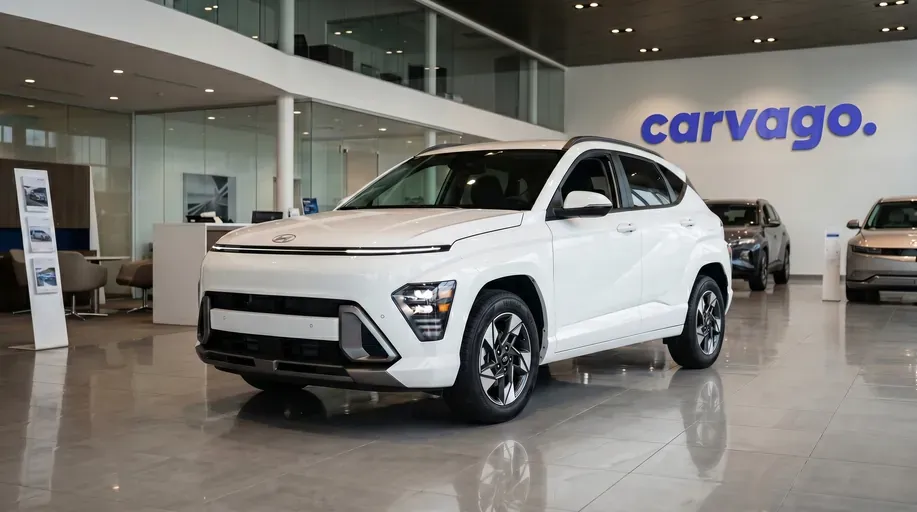
Hyundai Kona

Hyundai Kona

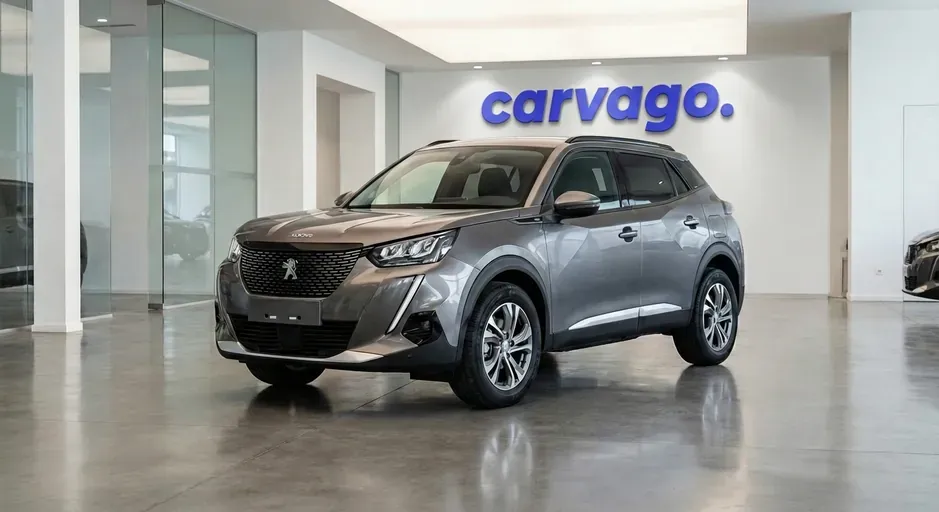
Peugeot 2008

Peugeot 2008

Introduction

The South Korean compact SUV Hyundai Kona, which is also sold under the alternative names Hyundai Kauai or Hyundai Encino in selected foreign markets, attracts drivers with its bold exterior design and a wide range of modern technologies and diverse powertrains. Its confident French challenger, the popular city crossover Peugeot 2008, on the other hand, bets primarily on renowned Parisian elegance, superior driving comfort, and an innovative interior concept with a characteristic dashboard layout. The following detailed comparison will clearly explain the strengths and weaknesses of both these popular models and help you easily determine which one will be the smarter choice for your daily needs.

Comparison of External Dimensions

When choosing a compact crossover on the used car market, typically for cars around four years old (i.e., production from 2021 and 2022), the first-generation Hyundai Kona after its extensive facelift and the second-generation Peugeot 2008 face off against each other. In terms of external dimensions, we encounter quite fundamental differences. At 4,300 mm, the Peugeot 2008 is a significant 95 mm longer than its South Korean competitor, whose standard length is 4,205 mm. In practice, this means that the French representative visually appears much more like a mature family SUV, and the longer rear overhang adds valuable centimeters to the bodywork. Conversely, the Hyundai excels in heavy city traffic, where its noticeably shorter body is easier to maneuver and much better for parallel parking. In terms of overall length, the Peugeot will thus appeal more to drivers looking for a more full-fledged primary car, while the Kona remains an ideal and nimble city companion.

An interesting turn occurs when comparing the width and height of both models. Although the Peugeot 2008 is longer overall, the Hyundai Kona surpasses it in width by 30 mm (1,800 mm compared to 1,770 mm for the Peugeot). This wider stance gives the Kona not only a more confident and stable appearance on the road but, above all, promises more shoulder room for adult passengers in the interior. At 1,565 to 1,570 mm, the South Korean car is also about 35 mm taller than its French rival (1,530 mm), which subjectively makes entry easier and enhances the typical crossover driving experience. The wheelbase, which primarily dictates interior legroom, is surprisingly comparable in both vehicles – 2,605 mm for the Peugeot and 2,600 mm for the Hyundai. This proves that although the Peugeot is significantly longer on the outside, it offers only a minimal amount of extra space in the cabin in the longitudinal direction. When choosing based on physical proportions, it very much depends on your priorities: if a sense of width and an overall taller build are key for you, the Hyundai Kona represents an ergonomically smarter choice. For those who, on the other hand, prefer a sportier, more elongated, and lower silhouette with a sense of greater overall vehicle volume, the Peugeot 2008 will be clearly more attractive.

ParameterHyundai Kona SUVPeugeot 2008 SUV
Width (mm)18001770
Length (mm)4205 - 42154300
Height (mm)1565 - 15701530
Wheelbase (mm)26002605

Trunk Volume

When choosing a compact city crossover, the size of the luggage compartment often plays a key role, especially if the car serves as a daily family vehicle. In this regard, the Hyundai Kona and Peugeot 2008 differ quite significantly on the used car market at approximately four years of age (i.e., the first generation of the Kona and the second generation of the Peugeot 2008). While the South Korean representative relies primarily on a dynamic appearance and great driving characteristics, the French model offers a significantly higher degree of practicality. A larger trunk thus facilitates not only regular weekend shopping but also noticeably helps when packing for a longer holiday.

Looking at the specific figures, the difference in transport capacity is clearly evident. The first-generation Hyundai Kona has a standard trunk volume of 374 liters. For everyday needs, this value is sufficient, but within its class, it ranks rather average. In contrast, the second-generation Peugeot 2008 scores with a more generous basic volume of 434 liters. In practice, this 60-liter difference represents space for one extra small suitcase or more comfortable storage for a stroller. After folding down the rear backrests, the gap widens even further – the Kona can accommodate up to 1 156 liters of cargo, while the Peugeot provides an impressive 1 467 liters, which you will greatly appreciate when transporting bulky furniture or sports equipment.

It is also important to remember that the chosen engine can also come into play for both models. For example, the fully electric version, the Hyundai Kona Electric, has a slightly reduced basic trunk volume of 332 liters because part of the space gave way to the battery installation. In the Peugeot e-2008, on the other hand, French engineers managed to keep the trunk almost unchanged compared to the internal combustion versions (405 liters of usable space above the double floor and another 29 liters below it). In terms of pure transport capacity and family use, the Peugeot 2008 is objectively a more versatile and spacious choice, while the Hyundai Kona will better suit those who do not require moving ambitions and prefer more compact maneuverability.

ParameterHyundai Kona SUVPeugeot 2008 SUV
Basic volume (liters)374434
Max. volume with seats folded (liters)11561467

📦 Peugeot clearly leads in practicality

For those interested in a more spacious used crossover, the Peugeot 2008 is the clear winner, as it offers a substantially larger trunk for family travel than the somewhat more cramped Hyundai Kona.

Discover the true condition of the car thanks to an independent inspection

Order CarAudit™

Trailer Weights

The ability to tow a trailer is a key parameter for many buyers, especially if you are looking for a compact SUV to serve as a versatile and practical companion. Looking at models around four years old (often sought after on the used car market), we find that the two manufacturers have approached this discipline differently. The first-generation Hyundai Kona and early second-generation models offer a towing capacity of 1,200 kg for their standard internal combustion versions (such as the 1.0 T-GDI). However, the numbers increase for more powerful versions: the 1.6 CRDi diesel can handle up to 1,250 kg, and the 1.6 GDI Hybrid surprisingly pulls up to 1,300 kg. The absolute extreme is the sporty Kona N version with a capacity of 1,600 kg. A specific chapter is the fully electric first-generation models, which are homologated for only a minimum of 300 kg, a value primarily intended for mounting a bicycle rack. In contrast, the second-generation Peugeot 2008 focuses on maximum simplicity and consistency. For the vast majority of internal combustion versions – whether the 1.2 PureTech three-cylinder petrol engines (in various power levels) or the economical 1.5 BlueHDi diesels – a uniform maximum limit of 1,200 kg for a braked trailer applies. A slight exception is the newer hybrid variants, where the value drops to 1,100 kg. The manufacturer does not commonly state towing capacity data for the electric e-2008 versions, which means they are often not homologated for towing a trailer at all.

In practice, these values mean that both cars can handle a standard unbraked trailer or a light braked trailer without any issues. A capacity of around 1,200 kg is perfectly sufficient for weekend shopping of bulkier materials, hauling branches from the garden, or attaching a smaller cargo space for a few extra suitcases. However, if your goal is to hitch up a family caravan and head out on a longer holiday, the Hyundai Kona in Hybrid or N variants will provide a welcome capacity reserve and, with it, a more relaxed drive.

In summary, the Peugeot 2008 safely covers the needs of standard family use with its uniform approach. However, thanks to its more diverse range of weight limits and higher maximum values, the Hyundai Kona is a better choice for drivers who require slightly higher utility flexibility from their compact SUV.

Model and engineBraked trailer (kg)Unbraked trailer (kg)
Hyundai Kona 1.0 T-GDI (1st generation)1200Not specified*
Hyundai Kona 1.6 CRDi (1st generation)1200 - 1250Not specified*
Hyundai Kona 1.6 GDI Hybrid (1st generation)1250 - 1300Not specified*
Hyundai Kona N Performance (1st generation)1600Not specified*
Hyundai Kona Electric 64 kWh (1st generation)300Not specified*
Peugeot 2008 1.2 PureTech 100/130 (2nd generation)1200Not specified*
Peugeot 2008 1.5 BlueHDi 100/130 (2nd generation)1200Not specified*
Peugeot 2008 1.2 Hybrid 136 (2nd generation)1100Not specified*

*Note: The manufacturer often does not explicitly state the exact homologated weight of an unbraked trailer in the available technical data for this market segment; however, in practice, for these vehicle categories, it standardly ranges around the legal and technical limit of 600 to 750 kg, depending on the curb weight of the specific specification.

Overview of Most Common Motorizations

The differences in engine options between the Hyundai Kona and Peugeot 2008 are quite fundamental and demonstrate two distinct approaches, which is key for those interested in a roughly four-year-old used car. While the Peugeot 2008 relies exclusively on front-wheel drive, efficient 1.2 PureTech three-cylinder engines, and economical 1.5 BlueHDi diesels, the Hyundai Kona offers a much more diverse selection with the highly sought-after option of all-wheel drive (4x4). The standard engine for the Hyundai is the turbocharged 1.0 T-GDI three-cylinder with 88 kW, which is countered in the French model by the base 1.2 PureTech with 74 kW. If performance and maximum dynamics are your priority, the Kona is the clear winner thanks to its powerful 1.6 T-GDI four-cylinder (146 kW), while the top of Peugeot's combustion range is "only" the 1.2 PureTech three-cylinder tuned to 114 kW. However, both manufacturers also keep efficiency and low operating costs in mind: Hyundai scores with its excellent 1.6 GDI Hybrid full-hybrid system (104 kW) and two variants of pure electric drive, while Peugeot, alongside its electric e-2008 version, benefits from great diesel engines, which remain the best choice for those who cover long highway distances.

Hyundai Kona Engines

When looking for a used Hyundai Kona, ideally the facelifted version of the first generation (from 2021), you will encounter one of the widest ranges of powertrains in the segment. The petrol base consists of the agile 1.0 T-GDI (88 kW) three-cylinder, which was also available with advanced 48V mild-hybrid technology to reduce urban fuel consumption. However, the real draw of the model is the powerful 1.6 T-GDI engine, which after the update reaches an impressive 146 kW, is standardly paired with a seven-speed dual-clutch automatic (7DCT), and as one of the few in this class, could power all four wheels. An excellent choice for smooth suburban driving is the economical 1.6 GDI Hybrid. Special attention should be paid to the 1.6 CRDi diesel engines – as data from various model years shows, these power units (often in combination with a mild-hybrid and optional 4x4) definitively disappeared from the range during 2021. Therefore, you will only encounter them sporadically on the market for four-year-old used cars. Purely electric variants available with two battery capacities have also become a very popular choice.

Engine typeFuelPower (kW)Torque (Nm)Transmission
1.0 T-GDI (incl. 48V)Petrol881726MT / 7DCT / 6iMT
1.6 T-GDIPetrol1462657DCT
1.6 CRDiDiesel100280 / 3206iMT / 7DCT
1.6 GDI HybridPetrol + Electric1042656DCT
Electric (39.2 kWh)Electricity1003951AT
Electric (64 kWh)Electricity1503951AT

Peugeot 2008 Engines

The second generation of the Peugeot 2008 has a significantly more rational engine palette, focused on everyday efficiency and driving comfort with front-wheel drive only. The excellent 1.2 PureTech petrol three-cylinders play a dominant role in the used car market. The base 74 kW version will satisfy calmer drivers and is only available with a manual. The "golden middle ground," which can be highly recommended, is the 96 kW variant, where you can choose between a manual transmission and the very smooth-shifting EAT8 eight-speed automatic. The top of the petrol range for sportier trim levels was the 114 kW version. Unlike Hyundai, Peugeot still held a strong position in diesel engines with the 1.5 BlueHDi four-cylinder in the model years around 2021 and 2022. However, it is good to know that the weaker 74 kW version with a manual transmission was withdrawn from the range in mid-2022, so you will find newer cars exclusively in the more powerful 96 kW specification with an automatic. For emission-free driving, there is the fully electric e-2008 variant equipped with a 50kWh battery.

Engine typeFuelPower (kW)Torque (Nm)Transmission
1.2 PureTech 100Petrol742056MT
1.2 PureTech 130Petrol962306MT / 8AT
1.2 PureTech 155Petrol1142408AT
1.5 BlueHDi 100Diesel742506MT
1.5 BlueHDi 130Diesel963008AT
e-2008 (50 kWh)Electricity1002601AT

All-wheel drive and driving style are the deciding factors ⚙️

The Hyundai Kona is the ideal choice for those who require higher performance or desire the security of all-wheel drive, while the Peugeot 2008 impresses with the exemplary harmony of its efficient engines and smooth eight-speed automatic for a calm drive in the city and on the highway.

Choosing the right engine is absolutely crucial for long-term satisfaction with a used car, and our recommendations are based on a balance of performance, real-world fuel consumption, owner feedback, and documented mechanical reliability.

While the 1st generation Hyundai Kona relies on a wider range for roughly four-year-old used cars, including mechanically robust three-cylinders, powerful four-cylinders, and very efficient full hybrid versions, the 2nd generation Peugeot 2008 bets on a cohesive family of PureTech petrol engines and successful BlueHDi diesel units. Interestingly, while the more powerful petrol versions of the Kona used the 7DCT dual-clutch automatic (which can jerk unpleasantly in stop-and-go traffic and be costly to service), Peugeot opted for the exceptionally smooth EAT8 eight-speed torque-converter automatic from Japan's Aisin for its more powerful versions, which perfectly suits the character of a small SUV. As the database of available model years shows, the popular diesel engines (1.6 CRDi) in the Kona ended during 2021, so you will practically not come across them on the market for four-year-old used cars, whereas the 1.5 BlueHDi versions remained commonly available for a bit longer at Peugeot.

For the Hyundai Kona, we recommend: 1.0 T-GDI (88 kW)

The basic turbocharged one-liter three-cylinder is the most widespread on the market for roughly four-year-old used cars and represents the best possible choice in the Kona range in terms of long-term reliability. Compared to the more powerful 1.6 T-GDI four-cylinder, which occasionally suffers from prematurely stretched timing chains and worn dual-clutch transmissions, the one-liter unit is mechanically above-average in durability and avoided fatal design blunders. Its main advantage is pleasantly deliverable power in the mid-range and very solid real-world consumption of around 6.5 liters per 100 km. When inspecting a used car, pay close attention to the clutch operation on the manual transmission. Since these cars often serve exclusively in the city, the clutch lining may be burnt. You can tell quite easily by jerky starts or if the clutch pedal bites at the very top of its travel. Checking the service book is also essential to see if the previous owner shortened the factory oil change interval to an ideal 10 to 15 thousand kilometers – this is important prevention against carbon deposits on the intake valves, which all direct-injection engines suffer from when frequently lugged. This engine is ideal for drivers moving primarily in the city and on country roads who require a mechanically simple car with minimal service risk and are satisfied with a calmer driving style.

For the Peugeot 2008, we recommend: 1.2 PureTech 130 (96 kW)

In the case of the second-generation Peugeot 2008, we recommend going for the 1.2 PureTech turbocharged three-cylinder in the 130 hp (96 kW) power version, ideally in combination with the aforementioned EAT8 eight-speed automatic transmission. This engine offers excellent pull from very low revs and precise soundproofing, which makes the car feel much more mature, while real-world combined consumption can easily be kept around 6 to 6.5 l/100 km. However, it is necessary to mention its notorious weakness, which is the timing belt immersed in an oil bath. When service intervals are exceeded or during frequent short-trip operation (when unburned fuel dilutes the oil), the belt material degrades and crumbles. These particles can clog the oil pump intake screen, which can lead to fatal damage to the engine lubrication. Therefore, when buying, it is absolutely critical to check the maintenance history – the oil must be changed after 15,000 km at the latest, ideally after 10,000 km, using the strictly prescribed 0W-20 specification. A starting problem can often be easily detected even by a layperson: after unscrewing the oil filler cap, shine a flashlight on the visible belt. If you see signs of blistering, swelling, or cracks on its back, an immediate replacement will be necessary. The 1.2 PureTech 130 version is most suitable for families and drivers who prefer the smooth and exceedingly comfortable performance of an automatic transmission, who also take the car out for longer distances regularly and do not neglect prevention in the form of timely engine oil changes.
Real Fuel Consumption

When choosing a used car, it is important to keep in mind that official fuel consumption values provided by manufacturers often differ from the reality of daily operation. For the most accurate comparison of roughly four-year-old used cars (generations from 2021–2023), we therefore base our findings on aggregated data from independent community platforms, such as the globally recognized portal Spritmonitor.de. This data reliably reflects the daily experiences of thousands of ordinary drivers and provides a clear picture of how fuel-efficient the Hyundai Kona (1st generation after facelift) and Peugeot 2008 (2nd generation) models really are in the real world.

Source:

Model and engineAverage consumption (l/100 km)
Peugeot 2008 1.5 BlueHDi 100 (74 kW)4.4
Peugeot 2008 1.5 BlueHDi 130 (96 kW)5.0
Hyundai Kona 1.6 GDI Hybrid (104 kW)5.4
Hyundai Kona 1.6 CRDi 48V (100 kW)5.4
Peugeot 2008 1.2 PureTech 100 (74 kW)5.4
Peugeot 2008 1.2 PureTech 130 (96 kW)5.7
Hyundai Kona 1.0 T-GDI (88 kW)6.1
Hyundai Kona 1.6 T-GDI (146 kW)6.7

Several interesting trends emerge from the collected data. It turns out that small turbocharged three-cylinder engines – in this case, the 1.0 T-GDI in the Kona and the 1.2 PureTech in the 2008 – do not bring such fuel savings in the heavier bodies of modern SUVs as one might expect from their small displacement. In real-world operation, their average consumption most often ranges from 5.4 to 6.1 liters per 100 km. Diesel engines, represented mainly by the 1.5 BlueHDi units in the Peugeot, on the other hand, prove their dominance in absolute efficiency, with an average reliably below the five-liter mark. An excellent technological response from Hyundai is the 1.6 GDI Hybrid full-hybrid system, which in practice can drive with very similarly low consumption as the previously highly sought-after diesel engines.

What this means for typical users:

  • City drivers: For daily weaving through heavy city traffic and crawling in traffic jams, the Hyundai Kona with the 1.6 GDI Hybrid engine is the unrivaled choice from this pair. Thanks to the help of the electric motor, the car can crawl perfectly smoothly, effectively recuperate braking energy, and keep average consumption at a minimum where pure internal combustion engines struggle.
  • Long-distance travelers: If you cover tens of thousands of kilometers a year, mainly on highways and first-class roads, it pays to focus your attention on a well-maintained Peugeot 2008 in one of the 1.5 BlueHDi diesel versions. Although these engines have gradually disappeared from the range, they are hard to beat in the discipline of highway fuel consumption for long-distance trips.
  • Buyers on a tighter budget: The basic gasoline engines in both models (1.0 T-GDI and 1.2 PureTech) represent the proverbial golden middle ground. Although their average consumption is about a liter higher, they benefit from usually more affordable purchase prices and represent a very rational basis for common shorter or suburban routes.

In conclusion, real fuel consumption will be a relatively strong argument when choosing between these two used models. While the used Peugeot 2008 has a clear advantage in pleasing highway drivers thanks to its exceptionally efficient diesel units, the competing Hyundai Kona clearly reigns supreme in suburban and urban areas, where it can fully rely on the indisputable advantages of its sophisticated full-hybrid technology.

Price Range and Used Car Offerings

Both models are among the most popular representatives of the urban crossover segment (B-SUV) and represent highly sought-after goods on the used car market for vehicles roughly four years old (2021–2022 model years). In terms of price, both cars move in similar ranges, but differences can be found especially in equipment levels and available engines, which significantly influence the final average price of a used car.

Price Range and Market Supply

When looking for approximately four-year-old models with an average mileage between 30,000 and 60,000 km, prices on the market develop roughly as follows:

Category / ConditionHyundai Kona (1st generation facelift)Peugeot 2008 (2nd generation)
Basic models (petrol)from €13,500from €13,900
Mid-range choice (better equipment)€15,600 – €17,200 (e.g., N-Line)€15,600 – €17,600 (Allure / GT Line)
Alternative powertrains (Hybrid/EV)€17,600 – €22,600+€16,400 – €20,500+ (e-2008)

Note: The prices listed are indicative and depend on current market supply, history, mileage, and the overall condition of the vehicle.

Market Specifics and Value for Money

  • Hyundai Kona (2021–2022): In this age category, you will encounter the sophisticated facelifted version of the first generation. Models with the reliable 1.0 T-GDi three-cylinder engine appear most frequently in advertisements. The main draw when buying a used Kona is the five-year unlimited mileage factory warranty – in practice, this means that 2022 models may still be protected directly by the manufacturer for more than a year. The market demands a premium for the popular sporty N-Line trim and especially for the full hybrid (HEV) or electric versions (Kona Electric). Thanks to its highly efficient powertrain and above-standard range, the electric Kona holds its value significantly better.
  • Peugeot 2008 (2021–2022): The second generation of the French crossover benefits from a very attractive and timeless design. The interior architecture with the i-Cockpit layout ages very slowly, so the car still feels more premium from the inside even after years. The used car market is dominated by 1.2 PureTech petrol engines. Models with richer equipment such as Allure or even the dynamically styled GT Line are among the most desirable, which is why their price depreciation slows down with age. The fully electric Peugeot e-2008 is often priced comparably (or even slightly cheaper) than the Kona Electric as a used car, which is influenced by its somewhat shorter paper and real-world range compared to its Korean competitor.

Who Holds Their Value Better?

In terms of long-term depreciation, the battle between these two popular models is very close. The Peugeot 2008 benefits significantly from its exceptionally attractive exterior, which attracts design-oriented buyers regardless of whether they are buying a new or used car. Conversely, a used Hyundai Kona scores strongly with practicality and the argument of the remaining factory warranty, which gives the new owner peace of mind. If you are looking for the most affordable way into the world of modern urban SUVs, basic petrol variants of both competitors can, with a bit of luck, be purchased at prices starting below the €14,400 mark.

💰 Kona scores with warranty, Peugeot with design

Both cars represent an attractive and comparably priced choice on the used car market, with a used Kona giving buyers a sense of security thanks to its five-year factory warranty, and the Peugeot justifying its price with higher-quality materials and a timeless appearance.

Safety and Euro NCAP Rating

Both of these compact crossovers boast a maximum five-star rating in independent Euro NCAP tests; however, it must be noted that for the French representative, the full star count is conditional on the presence of an optional safety package. When evaluating used cars that are approximately four years old, it is crucial to consider the broader context and the specific year these models underwent testing.

Euro NCAP's testing methodology is constantly evolving and becomes more stringent every year. Consequently, percentage scores from different years cannot be directly compared. Over time, tests introduce new frontal collision scenarios, more detailed simulations of cyclist detection, or emergency situations at intersections. A score that easily sufficed for five stars a few years ago may no longer meet more modern, demanding criteria.

The first-generation Hyundai Kona (on which approximately four-year-old models on the used market are based) was tested in 2017. At the time, the car comfortably achieved a full five stars, but the tests were conducted under much more lenient protocols than those in place today. Structurally, it is a very rigid and safe car in a crash with excellent adult protection (87%); however, its assistance systems only scored 60%. By today's standards, the active electronics feel somewhat basic, further evidenced by the fact that the 2017 five-star certification for this model has officially expired.

In contrast, the second-generation Peugeot 2008 was tested in 2019, meaning it faced a slightly newer and more rigorous methodology. With standard equipment, the car received a solid four stars. However, if you find a used model equipped with the Safety Plus package (which adds advanced radar recognition of cyclists and pedestrians, even at night), you get a vehicle with the maximum five-star rating. The slightly more modern architecture is reflected in better adult protection and a higher score for safety assistants.

Comparison of Euro NCAP Test Results

(The values listed for the Peugeot 2008 reflect the variant with standard equipment)

ParameterHyundai KonaPeugeot 2008
Year of testing20172019
Adult occupant protection87%91%
Child occupant protection85%84%
Vulnerable road user protection62%62%
Safety assistance systems60%68%

The results and historical context above show that while both models provide excellent passive protection against injury, the difference in testing dates is key to the overall assessment. The Peugeot 2008, certified under stricter rules, offers more advanced adult protection and slightly more comprehensive active safety features compared to the first-generation Kona. If road safety is your top priority, the French model currently appears to be the more modern and forward-looking choice in terms of driver assistance.

The French model leads in modern protection 🛡️

While both cars ensure reliable structural integrity in a collision, the Peugeot 2008—thanks to its more recent testing year and more advanced electronics—offers more comprehensive safety equipment for used car buyers, especially when opting for models with the extended safety package.

Comparison of Interesting Equipment Features

In addition to standard equipment, each model offers several unique features that can be decisive for customers in daily use. Both automakers approach added value and technological innovation in their own unmistakable way.

Hyundai Kona: Modern Connectivity and Sporting Spirit

  • Advanced Infotainment and Telematics: Hyundai offers the Bluelink system, which allows for a remote connection between the car and a smartphone. Users can remotely check vehicle status, lock or unlock doors, or send a route directly to the integrated navigation in advance.
  • Innovative Driver Assistance Systems (ADAS): In higher trim levels, the Kona stands out with its Blind-Spot View Monitor. When the turn signal is activated, a live feed from the side camera is displayed in the digital instrument cluster, significantly increasing safety when changing lanes.
  • Extremely Wide Range of Powertrains: The Kona offers unprecedented variability in its class. Customers can choose from efficient petrol engines to a full hybrid (HEV) or a purely electric version with excellent efficiency and range.
  • Sporting Emotions with N Line and N Versions: For drivers seeking dynamics, the N Line package is available, adding more aggressive bumpers and sporty details. A true rarity in the small crossover segment is the full-blooded Kona N version, which offers an adaptive chassis and 280 horsepower.
  • Superior Comfort: The Hyundai Kona scores points with equipment features more common in higher segments. Not only heated but also ventilated front seats and heated outer rear seats can be available.

Peugeot 2008: Extravagant Design and Innovative i-Cockpit

  • Unique i-Cockpit with 3D Display: The i-Cockpit architecture represents a completely different approach to ergonomics, featuring a low-set compact steering wheel and elevated instruments. In GT versions, the digital cluster also uses holographic 3D technology, projecting important warnings and speed data visually closer to the driver, which the manufacturer claims shortens reaction time.
  • Piano Keys (Toggle Switches): To maintain a clean design while ensuring intuitive control, Peugeot uses stylish keys in the center console. These serve as quick shortcuts to the most important functions of the onboard menu, such as air conditioning, navigation, or radio.
  • Iconic Light Signature: The Peugeot 2008 is unmistakable on the road thanks to its striking LED headlights. The front daytime running lights evoke "lion's fangs" reaching deep into the bumper, while the rear lights with triple graphics resemble claw marks.
  • Electric Variant Without Compromise: The e-2008 model utilizes a flexible platform, ensuring the electric version loses no interior or luggage space. Furthermore, it retains an almost identical and popular design to the internal combustion engine versions.
  • Premium Interior Craftsmanship: Peugeot places great emphasis on the feeling of luxury on board. It uses soft-touch materials, carbon decors, and atmospheric ambient lighting. Top trims offer seats upholstered in a combination of leather and premium Alcantara with distinctive colored stitching.

Key Advantages and Disadvantages

Hyundai Kona

Pros

Wide range of reliable powertrains (petrol engines, a successful hybrid, and a very efficient electric version)

Intuitive interior ergonomics with physical buttons for air conditioning and basic functions

More confident driving characteristics and sharper chassis response in corners

Excellent reputation for long-term mechanical reliability

Reliable and smooth-functioning safety and assistance systems

Cons

Below-average luggage capacity (base volume of 361 liters, even slightly less for the electric version)

Cramped legroom for adult passengers in the rear seats

Use of harder plastics in the interior, especially in lower trim levels

Extravagant, complex front-end design that may not appeal to everyone

The Hyundai Kona is a great choice for individuals or couples looking for a reliable, more engaging to drive, and easy-to-operate compact SUV. Thanks to its excellent range of electrified engines and practical controls, it is the perfect car for trouble-free daily life, provided you don't need to transport large amounts of luggage frequently.

Peugeot 2008

Pros

Attractive, modern, and premium-looking exterior and interior design

Very practical and deep luggage compartment with a volume of 434 liters

Highly comfortable and compliantly tuned chassis that absorbs city bumps excellently

Airier cabin with more space for rear passengers

High-quality dashboard craftsmanship using soft-touch and stylish materials

Cons

Specific i-Cockpit layout with a small steering wheel obscures the instrument cluster for some drivers

Slow and less intuitive infotainment, which makes even adjusting the climate control temperature complicated

Higher risk of expensive failures in 1.2 PureTech three-cylinder engines due to the degrading timing belt submerged in oil

More body roll and less precise steering during more dynamic driving

The Peugeot 2008 will primarily appeal to buyers who prioritize elegance, driving comfort, and above-average interior space in its class. It is an ideal and stylish family SUV for calmer drivers, though buying a used one requires a more thorough check of the service history, especially regarding oil change intervals and timing belts for petrol engines.

Common Problems and Owner Complaints

Based on our own CarAudit inspections, breakdown statistics, service bulletins, and long-term user experiences, we have compiled an overview of the most common problems that used car buyers should watch out for.

The first-generation Hyundai Kona (especially facelifted models) is generally considered a relatively reliable and mechanically robust car, but even it has specific faults associated with particular engines.

  • Transmission (7DCT): In models with the more powerful 1.6 T-GDi petrol engine, owners sometimes complain about the seven-speed dual-clutch transmission jerking in stop-and-go traffic and faster wear of the clutches themselves. In some cases, calibration or a software update helped.
  • Petrol engines (1.0 T-GDi): Frequent short city trips lead to faster carbon buildup in the intake tract and on the valves. It is recommended to use high-quality fuel with additives and occasionally drive the engine at higher RPMs.
  • Electric version (Kona Electric): Older model years were subject to a large-scale recall due to the risk of the traction battery catching fire (problematic cells from LG Chem were replaced). Some units also experience humming or clicking from the electric motor bearings, which requires professional service intervention.
  • Interior and electronics: Infotainment screen freezes occur rarely. Owners also often complain about the use of cheaper hard plastics in the interior, which are very prone to scratching and visual wear.
  • Chassis: Knocking from the front axle may occur, most often caused by prematurely worn stabilizer links or control arm bushings.

Hyundai Kona: Mechanically robust, watch out for DCT and carbon

The Hyundai Kona is generally a solidly built car without fatal systemic flaws; the biggest risk with used cars is neglected maintenance of the dual-clutch transmission and the potential battery condition in older EV versions.

The second generation of the Peugeot 2008 is very attractive in terms of design, but from a technical and long-term maintenance perspective, it requires a significantly more careful approach. Before buying a used one, a comprehensive vehicle inspection is strongly recommended for this model, especially due to known engine weaknesses.

  • Petrol engines (1.2 PureTech): The most famous and serious problem is the timing belt running in oil. If shortened service intervals are not followed, the vehicle is used for short trips (oil dilution with petrol), or the wrong oil is used, the belt crumbles. Debris then clogs the oil pump pickup screen, which can lead to fatal engine seizure.
  • Diesel engines (1.5 BlueHDi): Expensive faults in the AdBlue system are quite common (pump failure, injector clogging, or deformation of the tank itself due to crystallizing urea). Some versions of this engine also had problems with the 7mm camshaft timing chain snapping.
  • Electric version (e-2008): Occasionally, the onboard three-phase charger (OBC) fails, or there are problems with the air conditioning compressor, which is crucial for the heat pump and battery cooling.
  • Electronics and i-Cockpit: User complaints about slow response of the entire onboard system, connection drops via Apple CarPlay/Android Auto, and occasional freezing of the digital instrument cluster are relatively common.
  • Chassis and brakes: Compared to the competition, we often encounter excessively fast wear of brake pads and discs on this French model.

Peugeot 2008: Requires strict maintenance and vigilance

The car suffers primarily from the delicate 1.2 PureTech engine and its timing belt in oil; a documented service history and timely oil changes are an absolute necessity when buying this used car.

Tips for Buying a Used Car

When buying a used car, a thorough inspection is key. Although both models are relatively reliable and modern cars, there are specific areas and behaviors you should watch out for. To avoid being surprised by hidden defects after purchase, a comprehensive car inspection before buying is an ideal step.

When choosing a Hyundai Kona:

  • DCT automatic transmission behavior: For petrol engines (1.0 T-GDI and 1.6 T-GDI) with a seven-speed automatic transmission, focus on the smoothness of starts and crawling in traffic. Jerking, hesitant shifting at low speeds, or vibrations can signal worn clutches or the need for a transmission software update.
  • Traction battery condition and recalls (Kona Electric): The electric Kona is extremely popular on the used car market, but vehicles from 2019–2020 underwent a major recall to replace the traction battery due to a short-circuit risk. Always check the VIN to see if the vehicle has had this replacement and request a current State of Health (SOH) measurement of the battery.
  • Knocking from the front axle and steering: During the test drive over speed bumps and cobblestones, listen for any unusual noises from the front wheels. This model occasionally experiences wear in the shock absorber mounts or play in the rack-and-pinion steering. If you hear dull thuds, an independent physical inspection of the car on a lift will help identify the fault precisely.
  • Infotainment and navigation response: Test all functions of the onboard system. Older software versions occasionally experienced screen freezing, sound dropouts, or spontaneous restarts. It's usually a software issue, but the system should respond smoothly and without crashing.

When choosing a Peugeot 2008:

  • Timing belt on 1.2 PureTech engines: This popular three-cylinder has a timing belt bathed in oil. If the previous owner exceeded service intervals or used the wrong oil, the belt can start to crumble, and its fragments clog the oil pickup screen or the vacuum pump. Check the visual condition of the belt through the oil filler cap and insist on a flawless service history.
  • AdBlue system on 1.5 BlueHDi diesel versions: If you are buying a diesel variant, focus on error messages regarding the emission system. Stellantis group cars from this era occasionally suffer from urea crystallization and failure of the pump integrated directly into the AdBlue tank, which represents a relatively expensive repair.
  • i-Cockpit ergonomics and display visibility: The Peugeot 2008 uses the unconventional i-Cockpit with a small, low-set steering wheel and raised instrument cluster. During the test drive, carefully check if you can find a comfortable position without the steering wheel rim obstructing your view of the instrument panel. Also, check the response of the central touchscreen, which also controls the air conditioning – the system can be noticeably slower immediately after starting.
  • Onboard charger on the electric e-2008: In the battery-powered e-2008 version (and also plug-in hybrids from the Stellantis family), the onboard AC charger (OBC) is often a weak point. Ideally, during the test drive, connect the car to a public AC pillar or wallbox for a moment to verify that charging starts without problems and doesn't show an error.

FAQ: Most Frequently Asked Questions

The second-generation Peugeot 2008 offers a boot capacity of 434 litres, which is significantly more than the first-generation Hyundai Kona with its 374 litres. The French model thus serves families or users with higher luggage transport requirements better. After folding the rear seats, the space advantage remains clearly on Peugeot's side.

The Hyundai Kona consistently scores well in reliability rankings and benefits on the used car market from robust technology and the original five-year factory warranty. The Peugeot 2008 with 1.2 PureTech petrol engines requires more careful maintenance, especially due to the more sensitive oil-immersed timing belts. In terms of long-term durability without the need for increased care, the Hyundai is generally the safer choice.

The basic petrol engines of both cars have very similar real-world consumption, which is around 6 to 6.5 l/100 km. The Peugeot benefits from a slightly lighter construction and efficient aerodynamics. However, the Hyundai scores with its top-tier full hybrid powertrain (Kona Hybrid), which can push consumption below 5 litres, especially in city traffic.

The Peugeot 2008 is longer overall and, thanks to its extended wheelbase, offers rear passengers significantly more legroom. The first-generation Hyundai Kona feels more cramped in the second row of seats, which may limit taller passengers. If you plan to carry adults in the back seats often, the Peugeot will provide incomparably higher comfort.

The Hyundai Kona Electric is among the most efficient electric cars on the market and, with the larger 64kWh battery, offers a real-world range well over 400 kilometres. The Peugeot e-2008 with the older 50kWh battery manages roughly 250 to 300 kilometres in real-world use, making it more suitable for the city. If you are looking for an electric car with confidence for longer trips and excellent energy consumption, the Kona is the clear winner.

Conclusion: Which Model to Choose?

Our Verdict

Hyundai Kona and Peugeot 2008 represent two different yet very attractive approaches to the popular compact crossover segment. While the French Peugeot 2008, with its larger luggage compartment, more spacious cabin, and premium interior, is an ideal choice for smaller families seeking elegance and above-average driving comfort, it requires a more careful check of the service history when buying used. On the other hand, the South Korean Hyundai Kona makes sense primarily for drivers who appreciate top-notch mechanical reliability, city agility, and an exceptionally diverse range of powertrains, including an excellent hybrid or the option of all-wheel drive. The final choice thus depends on your personal priorities: the spacious and stylish Peugeot will serve perfectly as a comfortable car for longer journeys, while the technologically more advanced and driver-confident Kona remains an unmatched urban all-rounder, where you can also benefit from the remaining five-year factory warranty.

Find your ideal car

Sources: ADAC, svetmotoru.cz, forbes.cz, autojournal.cz, elektromobil.cz, autotrip.cz

This article was prepared using artificial intelligence tools. The section guarantor is Petr Dušek.

Related articles

Car battle

Ford Kuga vs. Seat Ateca: Complete comparison 2026

Are you looking for the ideal used SUV? A detailed comparison of the Ford Kuga vs. SEAT Ateca reveals differences in space, equipment, and fuel consumption. Read our final verdict!

Apr 8, 2026

Car battle

Škoda Karoq vs. Volkswagen Tiguan: Complete comparison 2026

Detailed comparison of Škoda Karoq vs. Volkswagen Tiguan. Discover the differences in spaciousness, equipment, and price. Read our verdict before choosing a used car.

Apr 24, 2026

Car battle

Kia Stonic vs. Škoda Kamiq: Complete comparison 2026

Kia Stonic vs. Škoda Kamiq: Which used city SUV is better? Discover the differences in equipment, fuel consumption, and space. Read our detailed verdict.

Apr 28, 2026

We accept online card payments as well as wire transfers.

visa payment provider logovisa-electron payment provider logomastercard payment provider logomaestro payment provider logodiners-club payment provider logodiscover payment provider logo