Car battle
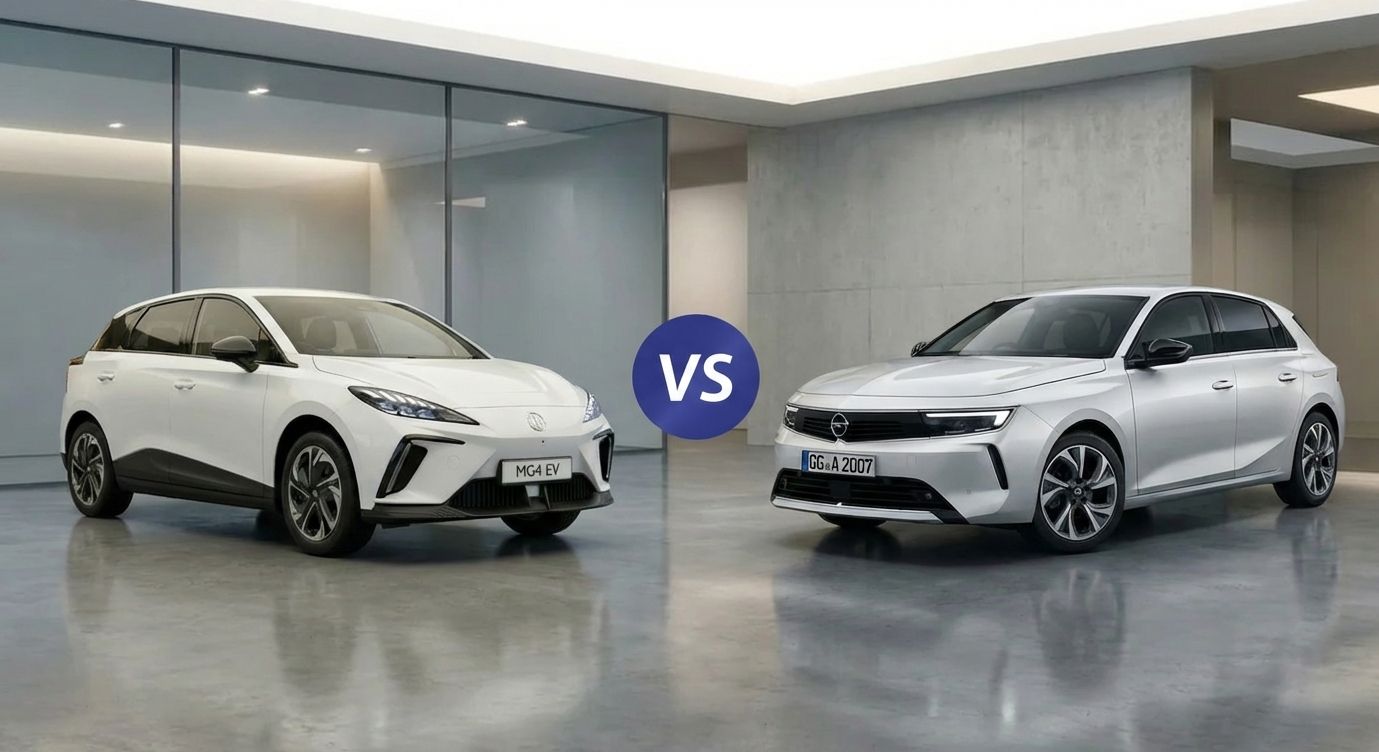
MG4 vs. Opel Astra Electric: Complete comparison 2026
Deciding between the MG4 and the Opel Astra Electric? Our detailed comparison of range, price, and equipment will help you choose the right electric hatchback for you.
Apr 14, 2026
Articles
Car battle
Cupra Born vs Renault Mégane E-Tech: Which electric car to choose? A detailed comparison of range, performance, and equipment, including a detailed verdict for your purchase.
May 10, 2026
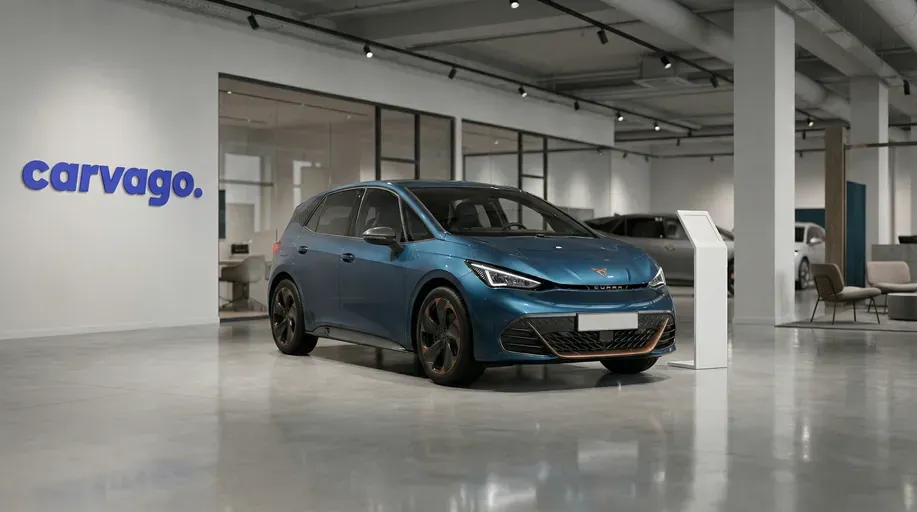
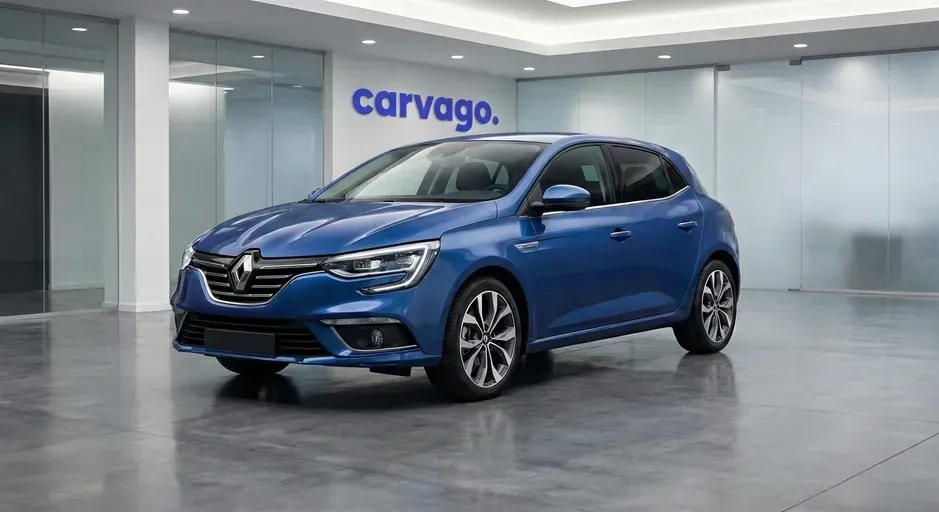
The Spanish electric hatchback Cupra Born bets on sporty emotions and aggressive design, proving with its character that eco-friendly driving doesn't have to be boring at all. Its French rival is the innovative crossover Renault Mégane E-Tech, often sold under the full name Renault Megane E-Tech Electric, which brings futuristic elegance and top-tier onboard technology to the segment. Let's take a detailed look at how these two attractive European representatives of modern electromobility fare in a direct comparison and which one offers a better overall package for daily life and driving fun.
When comparing the exterior dimensions of these two models, we encounter an interesting contrast in the approach to building modern electrified vehicles. While the Spanish Cupra Born, available exclusively as a hatchback, measures 4324 to 4336 mm in length, the all-electric fifth-generation Renault Mégane E-Tech is noticeably shorter at 4200 mm – a fairly significant difference of 120 mm. This more compact body gives the Renault a non-negligible advantage when maneuvering and parallel parking in crowded city streets. On the other hand, if you were considering the slightly older fourth-generation plug-in hybrid Mégane E-Tech, you would get a significantly longer car (4359 mm for the hatchback and 4626 mm for the estate variant), which you will appreciate when carrying bulkier family loads. So, if you are primarily fighting for every centimeter in a cramped housing estate, the shorter electric Renault will be a much more accommodating choice, while the Cupra Born represents a more traditional compromise between compactness and utility.
The Cupra Born benefits from the advantages of a purely electric platform that pushes the wheels to the very corners of the body, boasting a generous wheelbase of 2766 mm. The competing fifth-generation electric Renault Mégane E-Tech has a wheelbase of 2685 mm. In practice, the difference of more than 80 mm in favor of the Cupra means significantly more knee room for rear-seat passengers. Although the older plug-in hybrid Mégane in the estate version can reach up to 2712 mm, the interior space in the newer electric Renault is somewhat more modest for adult passengers. Thanks to a more efficient use of its footprint, the Cupra Born represents a much more sensible choice for drivers who plan to regularly carry adults or fast-growing teenagers in the back.
Looking at the width and height, the different concepts of the two manufacturers are confirmed even more. At 1809 mm, the Cupra Born is nearly three centimeters wider than the electric Mégane (1783 mm), adding valuable millimeters of shoulder room for the occupants. The Spanish hatchback is also roughly 35 mm taller (1540 to 1543 mm) than its French rival (1505 mm). This taller build provides a subjectively much airier interior and a slightly higher, more comfortable seating position, whereas the electric Mégane maintains a much more crouched silhouette, which helps it better resist air resistance. Furthermore, the Renault's narrower profile helps when opening doors in older and narrower garages. So, if your priority is airiness and the feeling of a large interior space with higher seat mounting, the Cupra Born will better satisfy your requirements. However, if you prefer a car with a more dynamic look and a narrower footprint for easier weaving through heavy traffic, the Renault Mégane E-Tech will be a more appealing option for daily commutes.
| Parameter | Cupra Born Hatchback | Renault Mégane E-Tech Hatchback | Renault Mégane E-Tech SUV | Renault Mégane E-Tech Estate |
|---|---|---|---|---|
| Length (mm) | 4324 - 4336 | 4359 | 4200 | 4626 |
| Width (mm) | 1809 | 1814 | 1783 | 1814 |
| Height (mm) | 1540 - 1543 | 1438 | 1505 | 1449 |
| Wheelbase (mm) | 2766 | 2669 | 2685 | 2712 |
When choosing a compact car on the used car market, the luggage compartment volume is often a deciding factor, as it directly determines daily usability and overall practicality. While both compared cars target drivers looking for modern design and agile driving, their approach to interior space differs slightly depending on the chosen body style and powertrain technology.
The purely electric Cupra Born (1st generation, available since 2021) sticks to the classic five-door hatchback body and offers a standard trunk volume of 385 liters. After folding the rear seatbacks, the luggage compartment increases to 1,267 liters. A big advantage of the Cupra is that this space is completely consistent across all versions and has not suffered even in models with a larger battery capacity. For Renault, the situation in the roughly four-year-old used car market is significantly more diverse. On one hand, there is the fully electric Mégane E-Tech model (5th generation, since 2022), which we classify as a crossover/SUV. With a volume of 389 liters (1,332 liters when folded), it narrowly beats the rival Cupra. On the other hand, however, you may also come across the outgoing 4th generation E-Tech plug-in hybrid models. In the hybrid hatchback, the battery installation unfortunately reduced the volume to a below-average 308 liters, but the estate body version can provide a generous 447 liters as standard and a respectable 1,408 liters after folding the seats.
In practice, this means that if you pit both fully electric rivals against each other, you will hardly notice the difference of just 4 liters between the Renault and the Cupra. The luggage space of both cars is sufficient for weekend shopping and shorter holidays for a couple, although you might struggle for space with larger items such as a stroller. Conversely, buying a plug-in hybrid hatchback from Renault means you will have to significantly limit yourself in terms of luggage. On the other hand, families who need space for a few extra suitcases and are looking for a car for longer holidays will find a clear favorite in the practical Renault Mégane E-Tech estate version.
| Parameter | Cupra Born Hatchback | Renault Mégane E-Tech Hatchback | Renault Mégane E-Tech Estate | Renault Mégane E-Tech SUV |
|---|---|---|---|---|
| Base volume (l) | 385 | 308 | 447 | 389 |
| Max. volume with seats folded (l) | 1267 | 1202 | 1408 | 1332 |
While the purely electric Cupra Born and the electric Renault Mégane E-Tech offer almost identical space ideal for regular city and weekend use, families requiring maximum practicality will be best served by the plug-in hybrid Renault Mégane in the estate body style.
Towing capacity is often a limiting factor for modern electrified vehicles, yet it plays a key role for buyers seeking maximum versatility and practicality. The ability to hitch a trailer significantly expands a car's daily utility, and although these vehicles usually do not reach the towing capacity of traditional diesel models, the differences between direct competitors can be vast.
Looking at the fifth generation of the Renault Mégane E-Tech Electric (produced since 2022), we see a commendable effort to maintain utility. The basic pure electric version with 130 hp (EV40) can tow a braked trailer weighing 500 kg. If you opt for the more powerful variant with a larger battery and 220 hp (EV60), the maximum load value increases to a solid 900 kg. Furthermore, on the market for roughly four-year-old used cars, you can commonly find the previous fourth generation in the Mégane E-Tech Plug-in 160 version (2020–2023). This plug-in hybrid offers a compromise towing capacity of exactly 750 kg.
In contrast, the Spanish Cupra Born falls significantly behind in terms of towing equipment. This electric model (available since 2021) is not homologated for towing a conventional trailer in any of its specifications – whether it's the 58 kWh, 60 kWh versions, or the top-of-the-line VZ version with 77 kWh. The manufacturer does not provide any trailer weight data for this car at all, as the platform's design itself does not allow for a legal connection. Owners must therefore accept that only a special carrier designed exclusively for vertical loads (for example, for transporting several bicycles) can be installed on the vehicle.
From a practical standpoint, this is a massive difference. While the Renault Mégane E-Tech will easily serve you for transporting smaller loads – which is perfectly sufficient for a weekend trip to a DIY store, hauling garden waste, or even for hitching a light camping trailer – the Cupra Born remains strictly a passenger car for moving with cargo inside the cabin.
Final Summary
If a tow bar is a necessity for you and you are looking for a companion that can handle occasional work with a trailer, the Renault Mégane E-Tech is the clear and essentially only possible winner in this comparison. The Cupra Born, on the other hand, targets sport-oriented drivers who are willing to sacrifice these utility features in exchange for the car's more aggressive character.
(Note: The Cupra Born model is not factory-homologated for towing a trailer, which is why it does not appear in the table.)
| Model and powertrain | Braked trailer weight (kg) | Unbraked trailer weight (kg) |
|---|---|---|
| Renault Mégane E-Tech EV40 130hp (Gen V) | 500 | 500 |
| Renault Mégane E-Tech EV60 220hp (Gen V) | 900 | 750 |
| Renault Mégane E-Tech Plug-in 160 (Gen IV) | 750 | 750 |
The duel between the Cupra Born and Renault Mégane E-Tech represents an interesting clash of two different approaches to modern compact electromobility and electrification. While the Spanish Cupra Born was designed from the start exclusively as a battery electric vehicle (BEV) with rear-wheel drive and obvious sporting ambitions, the French Renault offers under the Mégane E-Tech name not only a fully electric fifth-generation model with front-wheel drive but also, on the market for roughly four-year-old used cars, a plug-in hybrid variant of the fourth generation. For potential buyers, this difference is key: Cupra appeals to drivers looking for "hot hatch" style dynamics and agility, while the Mégane attracts with elegant French comfort, lower weight, and much broader options for a smooth transition to electric driving thanks to the available hybrid. In both cases, however, buyers can look forward to advanced battery management and modern propulsion systems.
The engine range of the Cupra Born focuses exclusively on fully electric drive with the electric motor traditionally located on the rear axle. The base of the offer for cars available on the 4-year-old used car market consists of older versions with a battery capacity of 58 kWh, which has an output of 150 kW, or 170 kW for the more dynamic e-Boost variant. A heavier but range-focused 77 kWh battery with the same 170 kW output is also available. According to current data, these capacities were replaced after 2024 by modernized versions with capacities of 60 kWh and 79 kWh, which is why you will encounter almost exclusively the original specifications in used car dealerships for now. The pinnacle of the updated range from 2024 is the VZ (Veloz) model, which, with an output of 240 kW and a brutal torque of 545 Nm, gives the car the parameters of a true sports car.
| Engine type | Fuel | Power (kW) | Torque (Nm) | Transmission |
|---|---|---|---|---|
| 58 kWh | Electricity | 150 / 170 | 310 | 1-speed automatic |
| 60 kWh | Electricity | 170 | 310 | 1-speed automatic |
| 77 kWh e-Boost | Electricity | 170 | 310 | 1-speed automatic |
| 79 kWh | Electricity | 170 | 310 | 1-speed automatic |
| VZ 79 kWh | Electricity | 240 | 545 | 1-speed automatic |
In the case of the Renault Mégane E-Tech, two completely different concepts overlap on the market for roughly four-year-old used cars. The dominant innovation for pure electromobility is the fifth generation (produced since 2022), where the electric motor is always located at the front. Customers can choose from a lightweight version with a 40 kWh battery (EV40) with 96 kW of power, or the more popular 60 kWh battery (EV60), which is available in 96 kW and 160 kW power levels. The most powerful electric motor (220 hp) stands out with very flexible acceleration and 300 Nm of torque. For drivers who require the independence of an internal combustion engine, a plug-in hybrid variant (E-Tech Plug-in 160) was produced concurrently under the Mégane name, available in hatchback and estate versions between 2020 and 2023. It combines a naturally aspirated 1.6-liter petrol engine with two electric motors and a unique multi-mode clutchless transmission, creating a perfect transition alternative on the used car market.
| Engine type | Fuel | Power (kW) | Torque (Nm) | Transmission |
|---|---|---|---|---|
| EV40 130hp | Electricity | 96 | 250 | 1-speed automatic |
| EV60 130hp | Electricity | 96 | 250 | 1-speed automatic |
| EV60 220hp | Electricity | 160 | 300 | 1-speed automatic |
| Plug-in Hybrid 160 | Petrol / Electricity | 118 | 144 (combustion) + 205 (el.) | Multi-mode automatic |
Summary and Recommendation
The choice between these two cars depends primarily on your driving priorities. With its playful rear-wheel drive and stiffer setup, the Cupra Born is a safe bet for enthusiastic drivers who love sporty driving and dynamic cornering. The electric Renault Mégane E-Tech (EV60) counters with refined comfort, excellent aerodynamics, and overall lower weight. However, if you often drive long distances or do not have the possibility of regular home charging, a used Renault Mégane E-Tech Plug-in Hybrid will reliably do the job of a versatile family car, unlike the strictly electric Cupra.
While the playful rear-wheel-drive Cupra Born will thrill drivers looking for agility and dynamics behind the wheel, the Renault Mégane E-Tech counters with more relaxed comfort and, in addition to purely electric variants, will also please used car buyers with a flexible plug-in hybrid.
Choosing the right electric motor and battery capacity is crucial for long-term satisfaction with a used electric car, and our recommendations are based on real-world experience, range, reliability, and everyday usability. These roughly four-year-old models show completely different approaches to the powertrain – Cupra relies on a rear-wheel-drive platform for a sportier feel, while Renault uses front-wheel drive with a strong emphasis on smooth power delivery and an overall very slim vehicle design.
For the first-generation Cupra Born (2021–2024), the most rational and driver-focused choice is the version with the mid-sized battery with a usable capacity of 58 kWh and an output of 150 kW (204 hp).
For the fifth generation of the Renault Mégane E-Tech (equipped with electric drive only), we clearly recommend going for the 2022–2024 variant with the larger 60 kWh battery and the more powerful 160 kW (220 hp) electric motor, ideally in the "optimum charge" specification.
When evaluating consumption – or in this case, rather electrical energy – we often encounter significant differences between official laboratory data and everyday reality. Car manufacturers state values measured according to the standardized WLTP cycle, which are usually quite optimistic and do not fully account for winter months or fast highway driving. Since both compared representatives from the roughly four-year-old used car market, namely the Cupra Born (1st generation) and the Renault Mégane E-Tech (5th generation), are pure electric vehicles, we replace classic liters with the only relevant unit, kWh per 100 km. To get the most accurate picture, we looked at real data directly from users of these vehicles, which has been collected long-term by the independent crowdsourcing platform Spritmonitor.de.
| Model and engine | Average consumption (kWh/100 km) |
|---|---|
| Renault Mégane E-Tech EV40 130hp (96 kW) | 16.5 |
| Renault Mégane E-Tech EV60 220hp (160 kW) | 17.4 |
| Cupra Born 58 kWh (150 kW) | 17.8 |
| Cupra Born e-Boost 77 kWh (170 kW) | 18.5 |
From the collected real-world data, it is clear that the French representative performs slightly better in terms of overall energy efficiency. The Renault Mégane E-Tech benefits from its aerodynamics, lower overall body height, and slightly lower overall weight. Although we cannot compare traditional diesel and gasoline engines here, an interesting finding for both electric cars is the fact that choosing a more powerful electric motor with a larger and heavier battery does not bring a drastic increase in consumption, as might be expected in practice. In terms of overall figures, the Renault most often stays in the range of 16.5 to 17.4 kWh. The sportier-tuned Cupra takes about 1 kWh more from the battery for every hundred kilometers, contributed to by wider tires and the driver's occasional desire to utilize the dynamic potential of the rear-wheel-drive architecture.
For the typical user, these numbers bring a clear message. If you are looking for an electric car primarily for city driving and suburban commuting, both vehicles offer excellent efficiency and agility. For budget-conscious drivers who regularly use paid public charging, the Mégane E-Tech will provide a bit more relief. The difference in efficiency also begins to widen slightly on the highway during long trips, where the higher build and weight of the MEB platform under the Cupra's hood reduces the available range slightly faster. However, if you rely mainly on home charging with a favorable night tariff, the difference of one kilowatt-hour per hundred kilometers will be completely negligible in your final monthly bill.
In conclusion, it can be summarized that although the slightly more economical Renault Mégane E-Tech narrowly wins in pure numbers, the difference between the two electric models is not so vast that energy consumption should play the role of the main and only decision-making factor. The choice between these attractive used cars should therefore depend more on your priorities – whether you prefer the sleek design and higher efficiency of the French style, or the sharper look and more playful driving characteristics of the Spanish school.
Looking at the used electric vehicle market roughly four years after their launch (focusing primarily on production years around 2022), we can observe a typical depreciation curve characteristic of modern battery-powered cars. At the time, both vehicles represented a step into a new era for their respective brands, but their pricing and attractiveness on the secondary market differ slightly.
Prices for four-year-old cars depend primarily on the chosen battery capacity, optional equipment, and current mileage:
| Model | Approximate price | Battery capacities | Market residual value |
|---|---|---|---|
| Renault Mégane E-Tech | €21,000 – €27,000 | 40 kWh / 60 kWh | Faster depreciation for basic versions |
| Cupra Born | €23,000 – €31,000 | 58 kWh / 77 kWh | Higher price, especially for e-Boost versions |
Differences in price are not only due to the attractiveness of the design but also technological nuances that play a crucial role when buying second-hand:
For buyers with a more limited budget, a used Renault Mégane E-Tech makes a bit more sense, especially if you don't need the largest battery and are satisfied with mid-range equipment. The Cupra Born, on the other hand, is an attraction for drivers looking for a more engaging driving experience who don't mind paying a bit extra on the used market for vehicles with the optional e-Boost and the large 77kWh battery.
While a used Renault Mégane E-Tech offers a more affordable entry price, the Cupra Born holds its value slightly better on the secondary market thanks to its sporty image and the availability of larger batteries.
Both of these electric vehicles received the maximum five-star rating in independent Euro NCAP crash tests. However, when evaluating overall safety, it is absolutely essential to take into account the context and the specific year the cars were tested. Euro NCAP test methodologies and protocols are constantly evolving and becoming stricter over time, which means that percentage scores obtained in different years cannot be directly compared. While older models were rated according to more lenient rules, newer testing protocols place disproportionately greater emphasis on complex frontal crash simulations, cyclist and pedestrian detection, or advanced crisis scenarios at intersections.
The Cupra Born model recently underwent re-evaluation according to the latest and strictest standards for 2025. In this modern testing cycle, the car performed excellently and confidently confirmed its full five-star result. It achieved an impressive 89% in adult protection and 87% for child passengers. It scored a very solid 76% for both the protection of vulnerable road users and for intelligent assistance systems, which successfully handle the currently required and significantly stricter reactions to pedestrians and cyclists.
On the other hand, the Renault Mégane E-Tech completed its homologation tests in 2022. According to the protocols at that time, it also took home great results – 85% for adult protection and an above-average 88% for child protection. Active safety systems at that time reached 79%, but the protection of vulnerable road users was only 65%. However, the French automaker scores with this model through extremely practical innovations for real life. It stands out especially with the Fireman Access function, which is a special QR code located on the windshield. In the event of a serious accident, this allows rescue services to quickly scan the car's structure, immediately determine the location of the high-voltage battery and airbags, and thus shorten the time for safe extrication of the crew by up to 15 minutes.
In conclusion, although both electric vehicles offer a high level of protection and a very strong body for everyday family travel, the Cupra Born offers a slightly more comprehensive safety guarantee thanks to its fresh 2025 certification, which fully meets the strictest current standards. Nevertheless, the Renault Mégane E-Tech remains an excellent and exceptionally safe choice thanks to its robust architecture and clever rescue features.
| Parameter | Cupra Born | Renault Mégane E-Tech |
|---|---|---|
| Year of testing | 2025 | 2022 |
| Adult occupant protection | 89% | 85% |
| Child occupant protection | 87% | 88% |
| Vulnerable road users protection | 76% | 65% |
| Safety assist systems | 76% | 79% |
Although both cars provide your family with maximum five-star safety, the Cupra Born represents a step more modern choice with better protection for vulnerable road users, thanks to its successful completion of significantly stricter tests from 2025.
In addition to standard equipment, each model offers several unique features that can be decisive for the customer and demonstrate the different approaches of both brands. While the Spanish representative bets primarily on sporty emotions and a more aggressive look, the French model excels in top-tier digital connectivity and thoughtful integration of technology into everyday life.
Fun driving characteristics and great handling thanks to rear-wheel drive and a low center of gravity
Attractive and aggressive sporty exterior design that sets the car apart from more conservative competitors
Excellent interior spaciousness of the MEB platform provides plenty of room for rear-seat passengers
Great body support thanks to the standard and comfortable sports seats
Solid real-world range for versions with larger battery capacities (58 kWh and 77 kWh)
Slow infotainment and occasional software glitches, which is a typical shortcoming of the first model years of Group vehicles
Unlit touch sliders for volume and temperature control make them difficult to use in the dark
Stiffer suspension tuning (especially on larger wheels) can reduce overall comfort on rough Czech roads
Lack of a front trunk (frunk) for practical storage of charging cables
The Cupra Born is an ideal choice for drivers looking for a fully electric hatchback with an emphasis on an emotive sporty look and fun driving characteristics. Thanks to its spacious interior, it also serves excellently for daily family use, provided you are willing to accept compromises in the form of all-touch controls and a stiffer suspension.
Top-notch and lightning-fast OpenR Link infotainment with full integration of Google services (Maps, Assistant)
Premium-feeling interior with innovative and eco-friendly materials
Very agile cornering behavior thanks to an unusually low weight for an electric vehicle (around 1.6 tonnes)
An on-board 22 kW charger is available on selected specifications for very fast AC charging in the city
Above-average cabin soundproofing even at highway speeds
Limited space in the rear seats, where adult passengers will suffer from a lack of legroom and headroom
Poor rear-quarter visibility and a very narrow rear window due to massive C-pillars
The high loading lip of the deep trunk makes handling heavy objects difficult
Under hard acceleration, the front-wheel drive can struggle with power delivery and loss of traction in the wet
The Renault Mégane E-Tech will primarily appeal to lovers of modern technology, elegant French design, and high-quality interiors. It is a perfect car for individuals or couples who frequently travel in and around the city, for whom a top-notch multimedia user experience and agility are more important than maximum space for rear passengers.
Based on our own CarAudit inspections, long-term owner experiences, service reports, and insights provided by a detailed Independent car technical condition inspection, we have compiled an overview of the most common problems that potential buyers of these approximately four-year-old used electric cars should watch out for.
The Cupra Born from the first years of production (especially 2021 and 2022 models) suffers mainly from the teething troubles of the group's MEB platform, which mostly concern software and onboard electronics.
The electric hatchback offers excellent driving characteristics, but it pays the price for unrefined software and unfortunate touch controls from early production. When buying a used car, always carefully check the service history of the high-voltage battery.
The Renault Mégane E-Tech is considered a more reliable and mechanically very durable electric car on the used market, where extensive or expensive defects occur only exceptionally.
The French electric car scores with a perfectly tuned system and exemplary mechanical quality; with older used cars, watch out especially for occasional quirks when communicating with home chargers.
When buying a used car, a thorough inspection is key, and for modern electric vehicles, this is doubly true. To avoid expensive surprises after the purchase, it's wise not to underestimate anything. Here are several specific points to focus on for these two models. To be sure you're not buying a pig in a poke, a detailed physical inspection of the used car is always worth it.
Cupra Born offers a range exceeding 540 km according to the WLTP standard thanks to its optional larger battery with a usable capacity of 77 kWh. The Renault Mégane E-Tech has a maximum battery capacity of 60 kWh, which in practice is enough for approximately 450 to 470 km. For frequent and long motorway journeys, the Cupra is therefore the more suitable choice.
On paper, the Renault has a larger luggage compartment with a volume of 440 litres, but its disadvantage is a relatively high loading sill and less space in the rear seats. While the Cupra offers a smaller boot (385 litres), thanks to its dedicated electric platform and longer wheelbase, it provides much more legroom. The Born is thus overall more spacious and comfortable for adult passengers.
The Cupra Born uses a rear-wheel-drive platform, which provides a more balanced centre of gravity, better traction during acceleration, and a classic driving feel. The Renault Mégane E-Tech is conceptually a "front-wheel drive" car, but it benefits from very sharp steering and an overall lower weight, allowing it to turn with extraordinary ease. Both cars are exceptionally agile, but the Cupra's character is closer to traditional hot-hatches.
The Renault Mégane E-Tech is the clear winner here, having deployed the top-tier Android Automotive system with integrated Google services. This on-board system is lightning fast, intuitive, and offers unrivalled navigation with precise charging stop planning. Conversely, the infotainment in the Born model is often criticised in older used cars for slower response times and the lack of backlighting for the touch sliders.
At fast-charging stations (DC), the Cupra Born leads, handling up to 170 kW in the version with the larger battery, while the Mégane reaches a maximum of 130 kW. However, Renault has a major trump card for city charging in the form of an excellent on-board charger with a power of 22 kW (AC). The Cupra only offers the standard 11 kW for alternating current, so you will spend more time at a public charging post without fast charging.
Choosing between a used Cupra Born and a Renault Mégane E-Tech depends primarily on whether you prefer sporty emotions or technological sophistication and relaxed comfort. The Spanish Cupra, with rear-wheel drive, more generous rear-seat space, and an aggressive design, represents the ideal choice for enthusiastic drivers who demand agile and fun driving characteristics from an electric car. Conversely, the innovative electric Renault excels with its top-tier Google-based infotainment, great maneuverability, and for fans of maximum practicality, it also offers a versatile plug-in hybrid estate version with towing capability on the used car market. While the Born makes more sense for lovers of driving fun and interior airiness, fans of lightning-fast onboard technology, quick urban charging, and elegant French style will find the perfect companion in the Mégane.
Sources: ADAC, auto.cz, denik.cz, autotechnik.cz, autosalon.tv, autoemotion.cz
This article was prepared using artificial intelligence tools. The section guarantor is Petr Dušek.
Deciding between the MG4 and the Opel Astra Electric? Our detailed comparison of range, price, and equipment will help you choose the right electric hatchback for you.
Apr 14, 2026
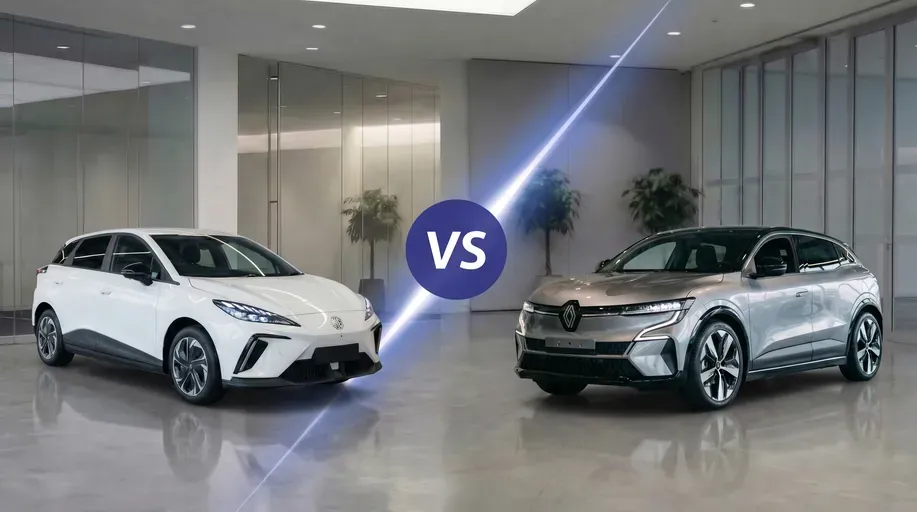
MG4 EV vs Renault Mégane E-Tech Electric comparison. A detailed look at range, equipment, and real-world experience. Read our verdict and make your choice easier!
Apr 13, 2026
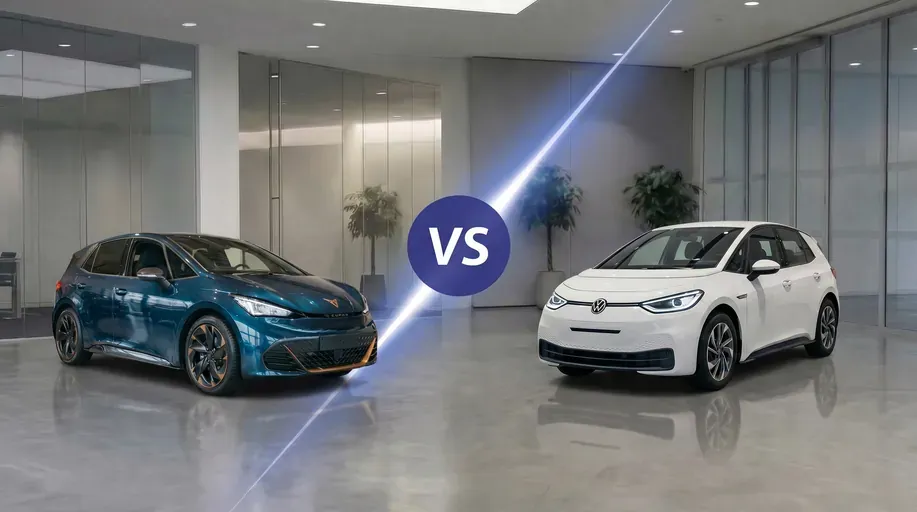
Detailed comparison of Cupra Born vs Volkswagen ID.3. Discover the key differences in performance, range, and equipment of these electric vehicles. Read our final verdict!
Apr 26, 2026