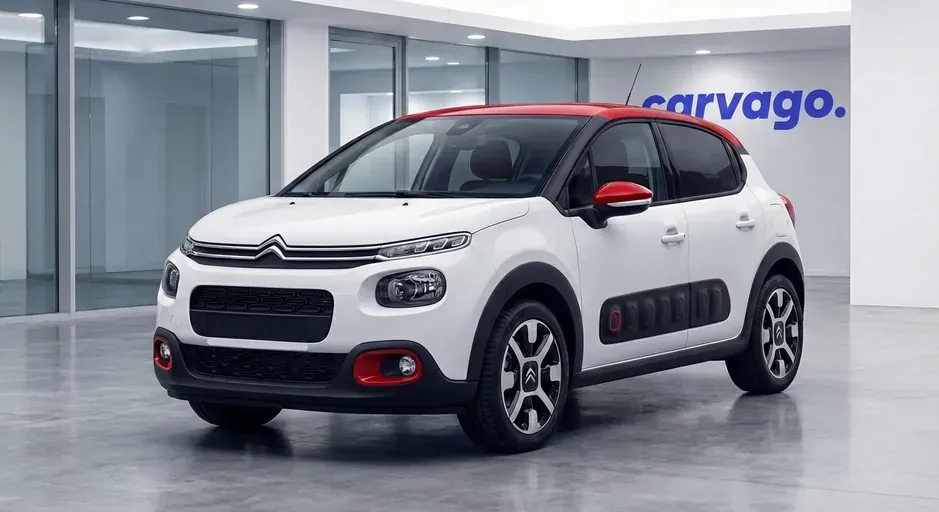
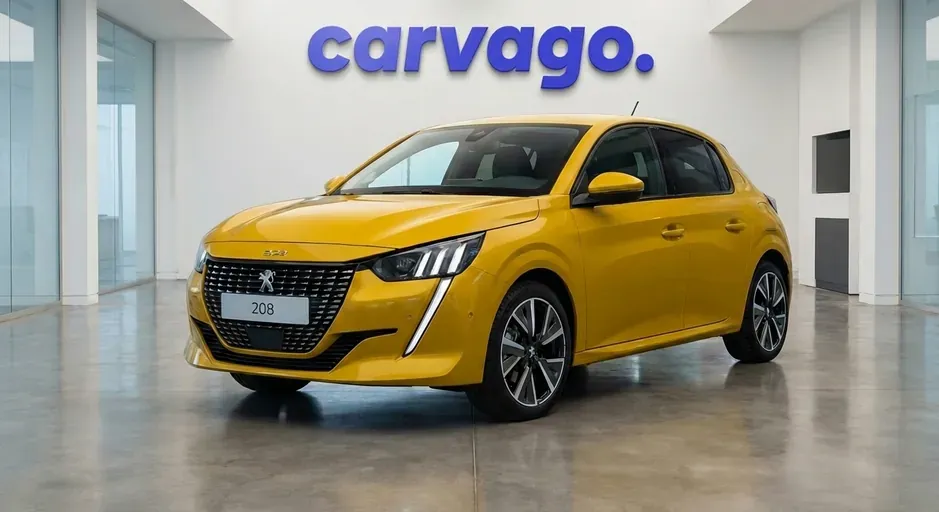
Choosing the right engine is crucial for long-term satisfaction with a car, and our recommendations are based on real-world experience, actual fuel consumption, and mechanical reliability. Since both cars, which typically fall into the used car category at around four years old (specifically the third-generation Citroën C3 and the second-generation Peugeot 208), share Stellantis Group technology, you will find very similar PureTech family power units under their hoods. However, the difference lies in how the cars deliver their performance on the road. While Citroën has historically focused on French comfort and a softer setup ideal for the city, the second-generation Peugeot 208 has a stiffer body, a wider track, and aims for a more driver-oriented and dynamic feel that suits a slightly more aggressive engine.
For the Citroën C3, we recommend: 1.2 PureTech, 61 kW (83 hp)
In the case of the third-generation Citroën C3, which serves perfectly as a comfortable suburban car, the naturally aspirated 1.2 PureTech three-cylinder with 61 kW (83 hp) is an absolute safe bet in terms of long-term reliability. This engine lacks a turbocharger and direct fuel injection, making it a very durable unit that does not suffer from carbon buildup even during very frequent short trips and driving with a cold engine. In terms of performance, it is fully sufficient for city and suburban traffic and will reward you with very low real-world fuel consumption of around 5 to 5.5 liters per 100 km. The biggest technical weakness of this power unit is the timing belt immersed in oil (wet belt). To prevent it from crumbling and subsequently clogging the oil pump pickup, we, as experienced mechanics, recommend shortening the oil change interval to a maximum of 10,000 to 15,000 km (or one year) and having the belt's condition visually inspected through the filler neck during every service. For calmer drivers and shorter commutes, however, it is an unrivaled choice.
For the Peugeot 208, we recommend: 1.2 PureTech 100, 74 kW (100 hp)
For the second-generation Peugeot 208, which features a significantly more agile and stiffer chassis, the turbocharged 1.2 PureTech 100 version with 74 kW (100 hp) is much more suitable. This engine represents the perfect middle ground in the range. It offers much better dynamics, strong torque available from low RPMs, and excellent flexibility that you will appreciate when overtaking or on longer highway journeys. Real-world fuel consumption remains at a very favorable level below 6 liters per 100 km. This engine perfectly complements the sportier character of the "208". Regarding maintenance, the same rule applies to the timing belt immersed in oil – regular and timely oil changes are an absolute necessity. Furthermore, since this engine has direct injection unlike the weaker version, it is advisable to use high-quality fuel with additives and regularly "stretch its legs" on longer routes at higher RPMs, thereby minimizing the risk of carbon deposit formation on the valves. This specification is ideal for universal use and will please drivers who enjoy a more spirited drive.