Car battle
Nissan Ariya vs. Škoda Enyaq iV: Complete comparison 2026
Nissan Ariya vs. Škoda Enyaq iV Comparison: Which electric SUV is better? We reveal real-world range, spaciousness, and equipment. Read our final verdict!
Apr 14, 2026
Articles
Car battle
Mercedes-Benz EQA vs Volvo XC40 Recharge: A detailed comparison of electric SUVs. Find out which electric car offers better real-world range, performance, and equipment.
April 29, 2026
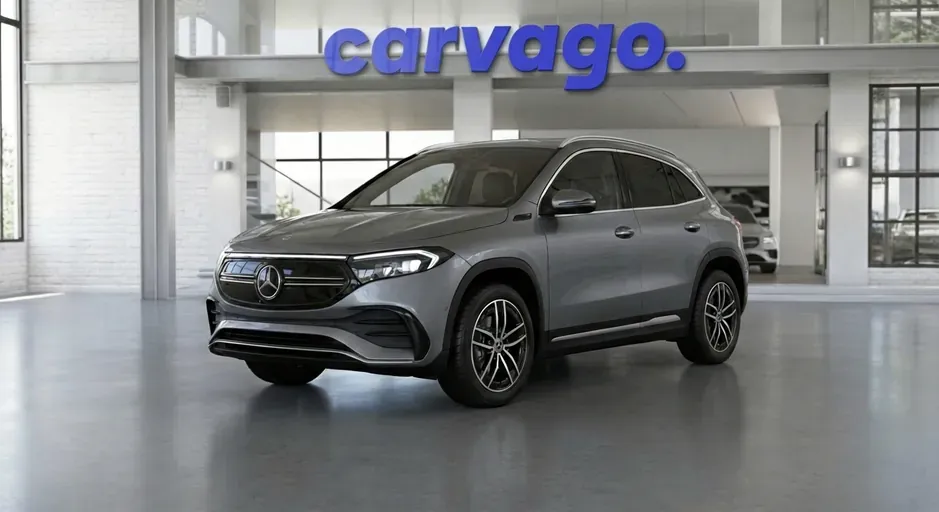
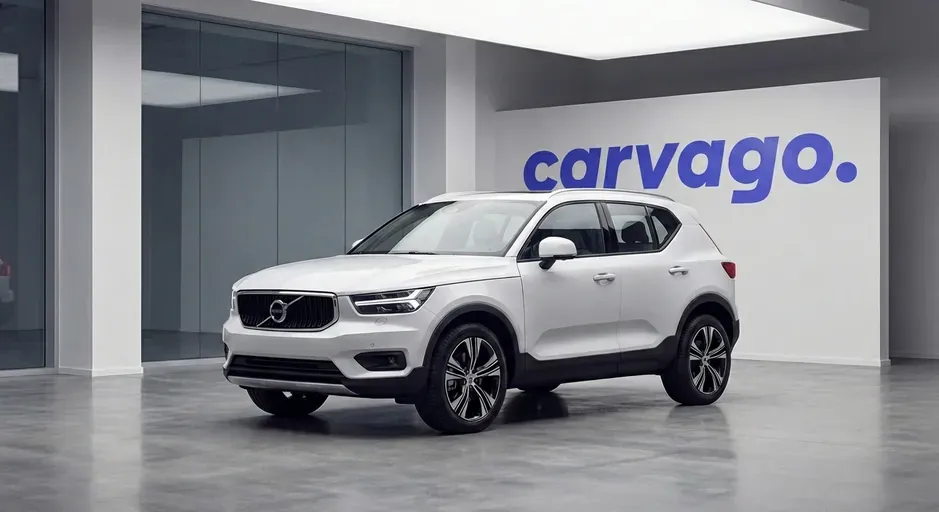
Mercedes-Benz EQA represents a luxury electric alternative to the popular GLA model, attracting buyers with its top-tier craftsmanship and renowned driving comfort. Standing against it is the popular Swedish Volvo XC40 Recharge, which you may also encounter on the market under the newer designation Volvo EX40, and which instead bets on minimalist Scandinavian design and uncompromising safety. Let's take a detailed look at how these two advanced compact electric SUVs fare in a direct comparison and which one makes more sense when choosing from the market of nearly-new used cars.
Although the Mercedes-Benz EQA and Volvo XC40 Recharge compete for customers' favor in the same category of premium compact electric SUVs, they approach exterior dimensions and overall proportions differently. While Mercedes bets on more aerodynamic and fluid shapes derived from its internal combustion engine sibling, the GLA model, Volvo sticks to its typical robust and boxy silhouette. In terms of the overall concept, this means that with the Mercedes you get a visually more elegant crossover, while the Volvo's appearance much more clearly signals a tougher affiliation with traditional SUVs, which often appeals to more conservative drivers.
Looking closely at the longitudinal dimensions, the Mercedes-Benz EQA has a slight edge. With a fixed length of 4463 mm, it is roughly 2 to 4 centimeters longer than its Swedish competitor, which measures from 4425 to 4440 mm depending on the model year and electric motor version. The German car also offers a longer wheelbase of 2729 mm, which is 27 mm more than the Volvo (2702 mm). These more generous longitudinal dimensions in the Mercedes thus represent an advantage for those who often carry adult passengers in the rear seats, while the longer wheelbase also brings slightly more confident directional stability during long highway journeys.
The Volvo XC40 Recharge, on the other hand, clearly dominates in the remaining dimensions, specifically in body width and height. With a width of 1863 mm, it is just under 3 centimeters wider than the EQA (1834 mm), and a similar difference can be found in height, where the Swedish SUV reaches up to 1652 mm compared to a maximum of 1620 mm for the Mercedes. These specific proportions make the Volvo a more airy car with excellent shoulder and head room, while the taller build ensures a better view of the surrounding traffic. On the other hand, the narrower body of the Mercedes represents a major advantage for city drivers, for whom it will be significantly easier to squeeze through narrow streets or maneuver without worry in tight underground garages.
| Parameter | Mercedes-Benz EQA SUV | Volvo XC40 Recharge SUV |
|---|---|---|
| Length (mm) | 4463 | 4425 - 4440 |
| Width (mm) | 1834 | 1863 |
| Height (mm) | 1608 - 1620 | 1647 - 1652 |
| Wheelbase (mm) | 2729 | 2702 |
When choosing a premium compact electric car – typically a roughly four-year-old used car – everyday practicality and trunk size play an absolutely key role. Especially if you plan to use the vehicle as the main family car for weekend trips and regular shopping, the trunk becomes one of the main decision criteria. Although the Mercedes-Benz EQA (generation 243) and Volvo XC40 Recharge (1st generation) share similar external proportions, the installation of heavy batteries into the floor platform required different compromises in the internal layout for both models. In this regard, the Swedish representative handled the task slightly better and offers families a generally more usable capacity.
The Mercedes-Benz EQA has a trunk with a basic capacity of 340 liters. The battery module itself takes up a relatively significant 100 liters compared to its internal combustion sibling (the GLA-Class). After folding down the rear backrests, which are practically split in a 40:20:40 ratio, you get a maximum space of 1320 liters. Although this volume is perfectly sufficient for a regular weekend shop or transporting sports equipment, packing for a longer family vacation may require more planning. A significant disadvantage of the Mercedes is also the complete absence of a front trunk (the so-called frunk). You therefore have to store charging cables in a dedicated space under the floor of the rear trunk, which can block access when the trunk is already fully loaded.
Conversely, the fully electric Volvo XC40 Recharge offers a noticeably better 413 liters in its basic configuration (older plug-in hybrid variants from the same generation even have 460 liters). After completely folding down the seats, the maximum volume increases to 1281 liters, which slightly lags behind the Mercedes in absolute numbers, but Volvo more than compensates for this minor paper deficiency in practice. The trunk has a very regular shape, and it doesn't lack clever bag hooks, tie-downs, or a sophisticated floor divider system. However, the main advantage is primarily the additional front luggage compartment with a volume of 31 liters located under the front hood. This represents an ideal hiding place for dirty charging cables or mandatory equipment, ensuring you always have free space in the back for a few extra suitcases. From the perspective of everyday usability, the Volvo is thus a more flexible choice for active families.
| Parameter | Mercedes-Benz EQA SUV | Volvo XC40 Recharge SUV |
|---|---|---|
| Basic volume (liters) | 340 | 413 |
| Maximum volume after folding seats (liters) | 1320 | 1281 |
Thanks to its significantly larger basic volume and the useful presence of a front trunk for cables (frunk), the Volvo XC40 Recharge offers a much more practical and overall better-usable solution for everyday family needs than the competing EQA.
When choosing a premium compact SUV, the maximum trailer weight plays an important role, especially if you plan on using the vehicle actively. Towing capacity determines not only how heavy a load you can hitch behind the car but also expands its overall practicality for leisure activities. For electrified and pure electric models on today's used car market (for vehicles approximately four years old), these values can vary significantly depending on the specific powertrain.
In the case of the Mercedes-Benz EQA (generation 243, model years 2021–2023), the basic towing capacity for the EQA 250 and EQA 250+ front-wheel-drive versions is limited to just 750 kg for a braked trailer. However, if you opt for the more powerful all-wheel-drive variants, the EQA 300 or EQA 350, the maximum permitted weight for a braked trailer rises to a very respectable 1,800 kg.
The competing Volvo XC40 Recharge (1st generation) offers slightly more confident and balanced base values in this regard. Pure electric variants with a single electric motor (Single Motor from 2022–2024), as well as older P8 models, can easily tow a braked trailer weighing 1,500 kg. More powerful Twin Motor electric versions with two electric motors, as well as the T4 and T5 plug-in hybrid powertrains, offer a maximum capacity of 1,800 kg, matching the top-tier Mercedes variants.
The differences in these figures have a fundamental impact on everyday usability. The basic 750 kg for the Mercedes is ideal for a small utility trailer, sufficient for a weekend trip to a DIY store or for mounting a tow-bar-mounted cargo box that easily provides space for several extra suitcases. In contrast, the higher capacity of 1,500 to 1,800 kg, which the electric Volvo offers even in its lower versions and the Mercedes in its top-spec models, is perfectly adequate for a longer holiday with an average-sized caravan, transporting heavier building materials, or towing a boat.
Conclusion:
While the maximum for both families of electrified vehicles is 1,800 kg for four-year-old used cars, the Volvo XC40 Recharge has a slight edge with its less powerful and more affordable powertrains. If you don't need all-wheel drive but still want to tow heavier trailers up to 1,500 kg, the Volvo will serve you reliably even in the single-motor version. For the Mercedes-Benz EQA from the same period, for anything heavier than 750 kg, you would have to go straight for the more powerful models equipped with the 4MATIC system.
| Model and powertrain | Braked trailer weight (kg) | Unbraked trailer weight (kg) |
|---|---|---|
| Mercedes-Benz EQA 250 / 250+ (2021–2023) | 750 | 750 |
| Mercedes-Benz EQA 300 / 350 4MATIC | 1800 | 750 |
| Volvo XC40 Recharge Single Motor / P8 | 1500 | 750 |
| Volvo XC40 Recharge Twin Motor | 1800 | 750 |
| Volvo XC40 Recharge T4 / T5 (PHEV) | 1800 | 750 |
Let's start with a comparison of the powertrains, which is absolutely crucial for many used car buyers. While the Mercedes-Benz EQA is positioned exclusively as a pure electric SUV with a diverse range of performance versions, the Volvo XC40 Recharge offers both fully electric and plug-in hybrid (PHEV) variants on the market for roughly four-year-old used cars. This conceptual difference plays an important role: Mercedes will appeal to drivers who are already prepared for a full transition to electromobility, benefiting from a sophisticated system and outputs ranging from 140 kW to a brisk 215 kW. Volvo, on the other hand, caters to a much wider audience with its range. While the high-performance pure electric Twin Motor versions attack with an impressive output of up to 300 kW, the presence of plug-in hybrids (T4 and T5 Recharge) represents an ideal compromise for more conservative users. They can easily combine daily electric commuting to work with worry-free weekend trips using the internal combustion engine.
The Mercedes-Benz EQA is available on the used car market exclusively as a pure electric vehicle (BEV). The range starts with the standard EQA 250 powertrain, which provides 140 kW of power and front-wheel drive only. In terms of practicality, the EQA 250+ version (introduced in 2022) is particularly attractive on the market for roughly four-year-old vehicles. It offers the same power but, thanks to lower consumption and optimizations, provides a significantly longer real-world range on a single charge. For more demanding drivers looking for better traction in poor weather conditions, the 4MATIC all-wheel-drive versions are available – the EQA 300 and the top-of-the-line EQA 350. Interestingly, the dual-motor models use a unique combination: an asynchronous electric motor on the front axle and a permanently excited synchronous motor at the rear. This gives the top EQA 350 version a sporty system output of 215 kW and a massive torque of 520 Nm, making the EQA a surprisingly nimble car for both the city and the highway. All variants use an efficient single-speed transmission.
| Motor type | Fuel | Power (kW) | Torque (Nm) | Transmission |
|---|---|---|---|---|
| EQA 250 | Electric | 140 | 375 | 1-speed automatic |
| EQA 250+ | Electric | 140 | 385 | 1-speed automatic |
| EQA 300 4MATIC | Electric | 168 | 390 | 1-speed automatic |
| EQA 350 4MATIC | Electric | 215 | 520 | 1-speed automatic |
The Volvo XC40 Recharge provides a significantly more diverse palette on the four-year-old used car market. A crucial fact to consider when buying a used car is that the 1.5 T4 Recharge and 1.5 T5 Recharge plug-in hybrid powertrains were permanently withdrawn from the market in early 2024 following the end of production of this generation, and the automaker switched exclusively to pure electric drive for the XC40 model line (now renamed EX40). However, within the used car market, plug-in hybrids are a great choice – both variants combine a three-cylinder combustion engine with an electric motor and rely on a smooth-shifting seven-speed dual-clutch transmission (7DSG). While the standard T4 offers 155 kW of combined power, the T5 pushes the limits to a more dynamic 192 kW. If you prefer a pure electric vehicle, you have a choice between the basic Single Motor version (with 170 kW) and the brutally powerful Twin Motor all-wheel drive (often referred to by the older P8 designation). With its 300 kW and an incredible 660 Nm of torque, the Twin Motor leaves the top Mercedes models in the dust and gives the compact family SUV acceleration worthy of sports cars.
| Motor type | Fuel | Power (kW) | Torque (Nm) | Transmission |
|---|---|---|---|---|
| 1.5 T4 Recharge | Plug-in Hybrid | 155 | 405 | 7-speed dual-clutch |
| 1.5 T5 Recharge | Plug-in Hybrid | 192 | 425 | 7-speed dual-clutch |
| Single Motor | Electric | 170 | 330 | 1-speed automatic |
| Twin Motor (P8) | Electric | 300 | 660 | 1-speed automatic |
If you want a high-performance electric car, the dual-motor Volvo XC40 Recharge leaves the competition in the dust, but for drivers uncertain about range, its now-discontinued plug-in hybrid is a true gem of the used car market. Mercedes, on the other hand, excels with finely tuned recuperation and the maximum real-world range of the efficient front-wheel-drive EQA 250+.
Both of these premium compact SUVs share an interesting fact – neither of them was built on a purely electric platform. Mercedes adapted its MFA2 architecture, originally intended for internal combustion engines, while Volvo used the CMA platform. For both cars, this resulted in a higher curb weight and minor compromises in interior packaging (for example, the battery placed under the floor in the EQA does not allow the rear seats to slide, a feature the internal combustion GLA version offers). Choosing the right powertrain is therefore absolutely crucial for long-term satisfaction. We focused on real-world performance, electricity consumption, owner feedback, and mechanical durability to select the most rational specifications for the market of roughly four-year-old used cars.
The base front-wheel-drive version with 140 kW represents the most logical choice in the EQA model range. The battery with a usable capacity of 66.5 kWh provides a real-world range of around 350 to 400 km, which, combined with a practical consumption between 17 and 19 kWh/100 km, is more than enough for daily use. The 190 hp output creates a smooth acceleration curve and perfectly suits the calm and comfortable chassis tuning that characterizes the electric Mercedes. While the more powerful EQA 300 and 350 versions with 4MATIC all-wheel drive offer better traction, they come at the cost of a further increase in the already high weight and noticeably worse efficiency, which unnecessarily takes away precious kilometers of range.
When choosing a used EQA 250 from 2021 and 2022, pay close attention to the condition of the chassis and tire wear. A curb weight significantly exceeding 2 tons takes a heavy toll on the front axle, especially during frequent stop-and-go driving in congested cities and careless parking on curbs. Due to the intensive use of regenerative braking, we also strongly recommend checking the condition of the brake discs – if the previous owner did not brake sharply from time to time, the discs may be affected by deep corrosion and will require complete replacement. This powertrain is ideal for calmer drivers operating primarily in suburban environments who appreciate a quiet ride, a top-tier premium interior, and do not plan to tackle long highway routes with the car.
Although the first purely electric Volvo XC40s impressed the market with the Twin Motor version boasting a brutal 408 hp, from the perspective of buying a used car and daily practicality, we clearly recommend the more civil Single Motor version with front-wheel drive, which was added to the range at the turn of 2021 and 2022. The 170 kW (231 hp) output still ensures very brisk dynamics with instant torque delivery but is significantly easier on the wallet. With a battery of 69 kWh usable capacity, the car consistently covers over 350 kilometers in practice, has lower electricity consumption, and saves you unnecessary bills for frequent tire replacements, which the extremely powerful and heavy all-wheel-drive version suffers from.
When buying a used XC40 Recharge, pay attention primarily to the onboard software. The system built on the Android Automotive platform occasionally suffered from teething problems in the first years of production, such as internet connection dropouts and screen freezing. Before buying, make sure the infotainment runs smoothly and the car has undergone all available over-the-air (OTA) updates. Just like with the Mercedes, notice the tread depth of the front tires – the instant transfer of torque (330 Nm) exclusively to the front axle can wear down the tires very quickly during more aggressive starts. Overall, the Single Motor version is an excellent and reliable choice for families and daily commuting, offering the highly above-average passive safety we are accustomed to from the Swedish brand.
Official fuel or electricity consumption figures in manufacturer brochures often differ significantly from what drivers experience in daily operation. While laboratory tests have brought partial improvements in accuracy, the true reality is revealed only by mass data from users themselves. For an objective comparison, we have therefore used real-world values from the community portal Spritmonitor.de, where thousands of drivers log their refueling and charging over the long term. Given that the used car market is most interested in vehicles around four years old, we focused exclusively on the generations and powertrains of both premium models available between 2020 and 2022.
| Model and powertrain | Average consumption (l/100 km / kWh/100 km) |
|---|---|
| Mercedes-Benz EQA 250 (140 kW) | 19.5 kWh/100 km |
| Mercedes-Benz EQA 300/350 4MATIC | 21.2 kWh/100 km |
| Volvo XC40 Recharge T4/T5 (PHEV) | 4.6 l/100 km |
| Volvo XC40 Recharge Single Motor | 21.5 kWh/100 km |
| Volvo XC40 Recharge Twin Motor (P8) | 24.0 kWh/100 km |
Looking at user data, it is clear that the Mercedes-Benz EQA is more efficient in terms of electricity consumption than its Swedish competitor. In practice, the base EQA 250 model stays below the 20 kWh per 100 km mark, making it a very solid and efficient companion from a cost perspective. In contrast, the Volvo XC40 Recharge, especially in its earlier dual-motor version (Twin Motor or P8) from 2020–2022, pays the price for its less aerodynamic body shape and immense power – real-world consumption here often approaches the 24 kWh/100 km mark.
An interesting comparison is provided by the plug-in hybrid versions of the Volvo (T4 and T5 Recharge). Although official figures often promise an extremely optimistic consumption of just over 2 liters, the user average on the Spritmonitor portal shows a real value of around 4.6 l/100 km. However, the well-known pitfall of all plug-in hybrids applies here: if you do not charge the car regularly at home or at work, the petrol engine will easily consume over 7 liters per 100 km with the relatively heavy SUV.
In conclusion, overall operational efficiency should play a key role when choosing between these premium four-year-old used cars. If absolute electricity savings and more favorable operating costs in pure electric mode are your top priority, the Mercedes-Benz EQA emerges from the comparison as the clearly more rational choice. The Volvo XC40 Recharge counters with more aggressive dynamics and the presence of versatile plug-in hybrid powertrains, but its robust shape and power take a fairly clear toll in the form of a noticeably higher appetite for both types of fuel.
The used electric vehicle market has seen dynamic development in recent years, and premium compact SUVs are no exception. Focusing on roughly four-year-old cars (model years 2021 and 2022), both models represent a very attractive alternative to buying a brand-new vehicle, primarily due to the natural depreciation of their original value. But how do these two premium models compare in a direct comparison of purchase costs?
The price range for a used EQA from 2021–2022 on the Czech and European markets most often falls between €27,000 and €36,000, depending on mileage, battery condition, and trim level.
The Swedish representative attracts buyers on the used market with an even more aggressive pricing policy. Vehicles from 2021–2022 can currently be purchased for an average of €23,000 to €31,000, which is noticeably lower than its German competitor.
| Model | Estimated Price Range | Most Common Version in Listings | Nature of Price Depreciation |
|---|---|---|---|
| Mercedes-Benz EQA | €27,000 – €36,000 | EQA 250 (Front-wheel drive) | More stable value retention for a premium brand |
| Volvo XC40 Recharge | €23,000 – €31,000 | Single Motor and Twin Motor (4x4) | Extremely advantageous buy for the Twin Motor version |
Even though Mercedes-Benz may initially appeal with its traditional elegance and, for some, greater luxury, the used Volvo XC40 Recharge is a strong challenger on the secondary market thanks to its more favorable price tag and much more attractive performance offering. For those interested in a four-year-old compact electric SUV, the XC40 Recharge is a pragmatic choice that will please the wallet at the time of purchase.
While the Mercedes EQA maintains a higher residual value, a used Volvo XC40 Recharge in the Twin Motor version offers an almost unbeatable purchase cost-to-performance ratio thanks to its steep price drop.
Both models, the Mercedes-Benz EQA and the Volvo XC40 Recharge, earned the maximum five-star rating in rigorous Euro NCAP crash tests. However, it is important to view these results in the context of the year the vehicles were tested. Euro NCAP methodology and testing protocols are constantly evolving and becoming stricter every year. For this reason, percentage scores from different years cannot be directly compared, even though both cars clearly demonstrate excellent structural strength and advanced active safety on par with modern premium vehicles.
The Mercedes-Benz EQA uses a 2019 rating, which was originally established during testing of the related B-Class and subsequently verified and approved specifically for the electric version. The car excels with phenomenal adult occupant protection, scoring 97%. It is also very strong in child protection (90%) and protection of vulnerable road users (81%), significantly aided by an active bonnet that mitigates the consequences of a potential collision with a pedestrian or cyclist. It received 75% for the functionality of its safety assistance systems.
The Volvo XC40 Recharge shares its 2018 rating with the conventional combustion version of the XC40, but with additional structural tests specific to the all-electric model. The Swedish brand, globally regarded as a pioneer in safety, also achieved 97% for adult occupant protection. Child protection was rated at 87% and protection of vulnerable road users at 71%. In terms of assistance systems, the car scored 76%, benefiting from robust autonomous braking that reliably detected pedestrians and cyclists even by the updated standards of that time.
In conclusion, both vehicles offer comprehensive and very modern safety equipment that easily meets the standards expected of roughly four-year-old used cars. The Mercedes-Benz EQA shows slightly better percentage scores in pedestrian and child occupant protection, while the Volvo XC40 Recharge maintains its strong position thanks to its traditional emphasis on accident prevention and advanced lane-keeping systems. In terms of overall safety, both SUVs are at the top of their class.
| Parameter | Mercedes-Benz EQA | Volvo XC40 Recharge |
|---|---|---|
| Year of testing | 2019 | 2018 |
| Adult occupant protection | 97 % | 97 % |
| Child protection | 90 % | 87 % |
| Protection of vulnerable road users | 81 % | 71 % |
| Safety assistance systems | 75 % | 76 % |
Whether you choose a Mercedes or a Volvo, you get a top-rated vehicle that is among the absolute safest choices for a family on the used compact electric SUV market.
In addition to standard equipment, each model offers several unique features that can be decisive for the customer, with both brands approaching added value and technological innovation in their own way. While the German representative bets on a luxurious atmosphere and artificial intelligence, the Swedish competitor scores with exemplary practicality and deep integration of smart systems.
Premium interior craftsmanship with the excellent MBUX system
Very quiet and comfortable ride thanks to superb soundproofing
Advanced driver assistance systems and reliable active safety
Decent aerodynamics aiding a solid range in suburban traffic
Significantly smaller luggage compartment (only 340 liters) due to battery placement
Slow fast charging in older models (DC limited to max. 100 kW)
Less legroom and overall more cramped space in the rear seats
Higher curb weight worsening overall driving dynamics
The Mercedes-Benz EQA will primarily appeal to drivers looking for maximum driving comfort, a luxurious interior, and top-tier on-board technology on the used car market. It is ideal as a prestigious compact SUV for daily commuting, provided a large trunk or lightning-fast charging on long trips is not your priority.
Significant power surplus, especially in the Twin Motor dual-motor version (408 hp)
Great infotainment built directly on the Google system with integrated maps
More practical body offering more interior space and a front trunk (frunk) under the hood
Traditionally top-tier level of passive and active safety typical of the Swedish brand
Higher electricity consumption due to the boxy body shape and poorer aerodynamics
Weaker real-world highway range compared to more efficient competitors
Slightly firmer suspension tuning, which loses the touch of absolute comfort on large wheels
In an otherwise premium interior, cheaper hard plastics appear in places
The Volvo XC40 Recharge represents a perfect choice for users who appreciate a high level of dynamics, great practicality, and minimalist Nordic design. It will serve smaller families looking for cleverly designed storage space and unrivaled safety well, while forgiving the car's slightly higher energy consumption.
Based on independent user reports, breakdown statistics, and findings from our own inspections carried out via comprehensive car check using the CarAudit service, we have compiled an overview of the most common problems that buyers of these used electric cars should watch out for.
Mercedes-Benz EQA benefits from overall good workmanship and a proven concept, yet specific issues arise due to the shared platform with combustion vehicles and complex electronics.
Mercedes-Benz EQA is an overall mechanically reliable car with robust technology; its biggest issues are software inaccuracies, moody sensors, and higher energy consumption in cold weather.
For the fully electric Volvo XC40 Recharge from the first years of production, major hardware failures occur rarely, but owners are quite often troubled by teething problems with the onboard systems and charging infrastructure.
The electric Volvo offers great occupant protection and a minimum of serious powertrain failures, but buyers must prepare for more frequent infotainment strikes and the need for a careful inspection of the front axle and brakes.
When buying a used car, a thorough inspection is key. Here are some specific points to focus on for these two models, which is why a comprehensive car inspection is always worthwhile before purchasing.
Volvo XC40 Recharge offers a larger luggage compartment with a capacity of 419 liters in the rear and adds a useful front trunk (frunk) with a volume of 31 liters for charging cables. The Mercedes-Benz EQA has a smaller 340-liter trunk due to its shared platform with the GLA combustion version and completely lacks a front storage space. The Swedish SUV is therefore significantly more practical for families and transporting luggage.
In real-world operation, both models from roughly four-year-old production are very similar; however, the Mercedes-Benz EQA is overall slightly more efficient. The base EQA 250 version with a battery of usable capacity 66.5 kWh offers a catalog range of over 420 km. The Volvo XC40 Recharge (especially in the original Twin Motor version with a larger 75kWh battery) has a higher battery capacity, but due to poorer aerodynamics and higher consumption, the real-world range is slightly shorter.
The Volvo XC40 Recharge in the popular dual-motor Twin Motor version dominates thanks to an output of 408 hp, which guarantees lightning acceleration from 0 to 100 km/h in just 4.9 seconds. The top-of-the-line Mercedes EQA 350 4MATIC version offers 292 hp and acceleration to 100 km/h in exactly 6 seconds. The Volvo is thus the clear choice for drivers looking for a more dynamic and sportier ride.
Volvo uses an innovative system built directly on the Google Android Automotive platform, which means native integration of Google Maps and seamless connection with your Google account. Mercedes-Benz, on the other hand, relies on its own award-winning MBUX system with perfect graphics, touchpads on the steering wheel, and an advanced voice assistant. The choice here depends more on personal preference, as both infotainment systems are among the best in their class.
Both premium compact SUVs support fast DC charging, but with slightly different maximum outputs. The Volvo XC40 Recharge can handle a charging power of up to 150 kW, which allows for a quick recharge of the battery from 10 to 80% in approximately 40 minutes. The Mercedes-Benz EQA has a maximum charging power limited to 100 kW; however, thanks to a very stable charging curve, charging to 80% in practice takes almost the same time as its Swedish competitor.
While the Mercedes-Benz EQA appeals to those looking for a roughly four-year-old used car primarily with its excellent aerodynamics, quiet operation, and luxurious interior with the top-tier MBUX system, the Volvo XC40 Recharge scores with much more generous family practicality, including a useful front trunk. Thanks to its lower real-world consumption and comfort-tuned chassis, the German electric SUV makes the most sense for a calm daily commute, while its Nordic competitor attracts with the crushing performance of its dual-motor versions and overall better towing capabilities. If premium elegance and more economical operation are your absolute priorities, a used Mercedes will be the ideal choice, but for active families and drivers looking for maximum utility at a more attractive purchase price, the robust Volvo represents an objectively more versatile option.
Sources: ADAC, svetmotoru.cz, forbes.cz, hybrid.cz, autozive.cz, transport.cz
This article was prepared using artificial intelligence tools. The section guarantor is Petr Dušek.
Nissan Ariya vs. Škoda Enyaq iV Comparison: Which electric SUV is better? We reveal real-world range, spaciousness, and equipment. Read our final verdict!
Apr 14, 2026
Kia EV6 vs. Volkswagen ID.4: A detailed comparison of range, charging, and performance. Find out which electric SUV is the better choice for you.
Apr 13, 2026
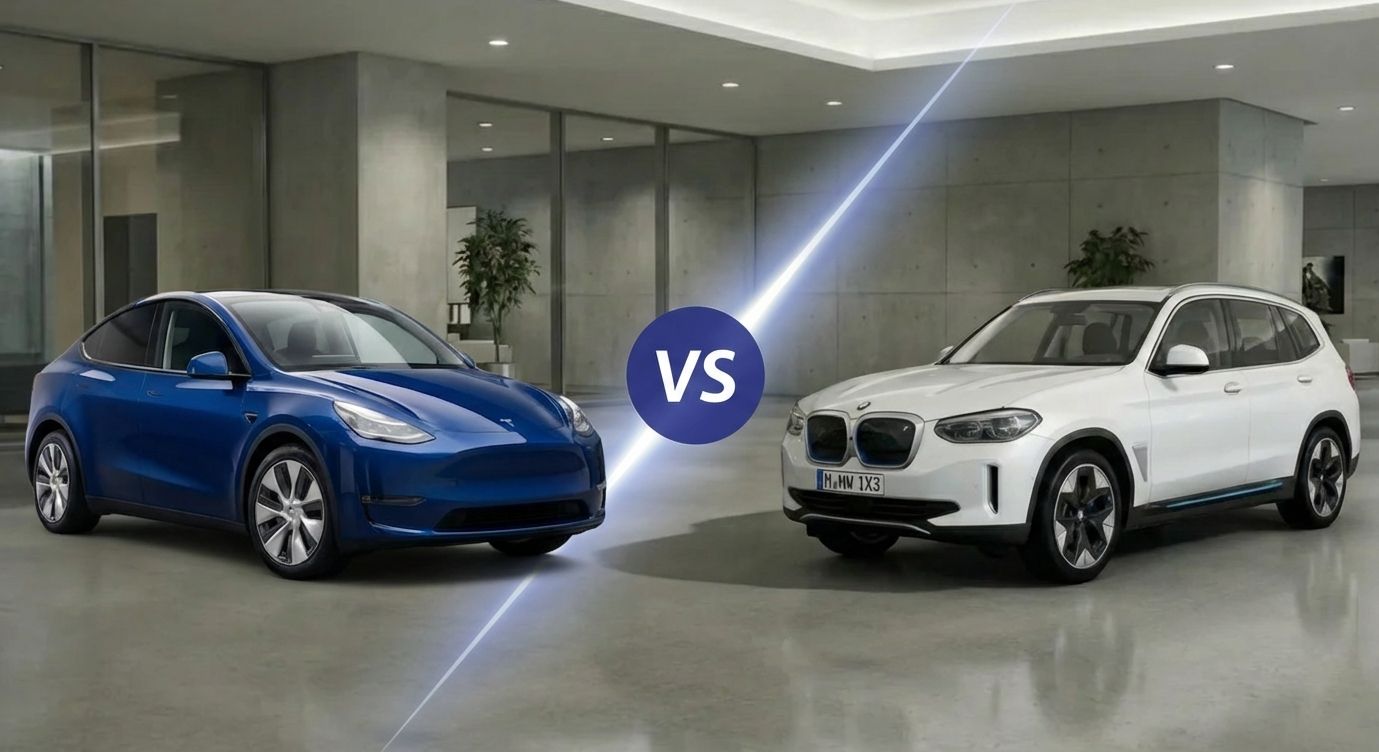
Tesla Model Y vs. BMW iX3: A detailed test of real-world range, features, and a verdict to help you choose the right electric SUV.
Apr 14, 2026