Car battle
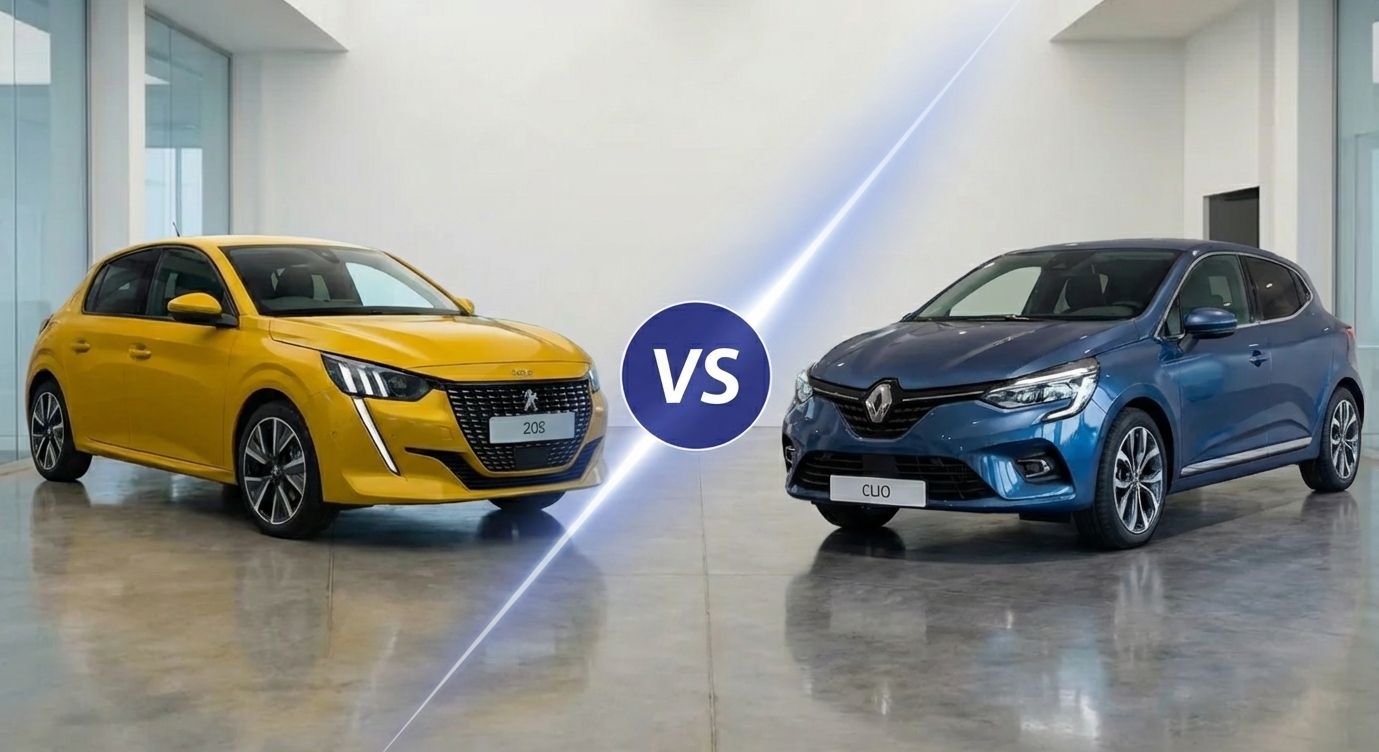
Peugeot 208 vs. Renault Clio: Complete comparison 2026
Detailed comparison of Peugeot 208 vs Renault Clio. Find out which French hatchback has better equipment, fuel consumption, and reliability. Read our verdict!
Apr 8, 2026
Articles
Car battle
Detailed comparison of the Hyundai i20 vs. Peugeot 208. Which city hatchback to choose? Discover the differences in equipment, fuel consumption, and read our final verdict.
April 26, 2026
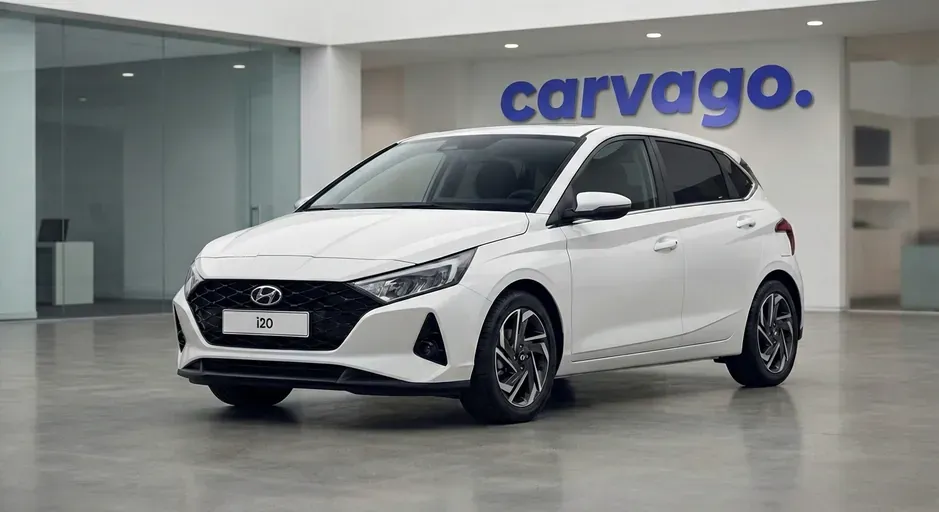
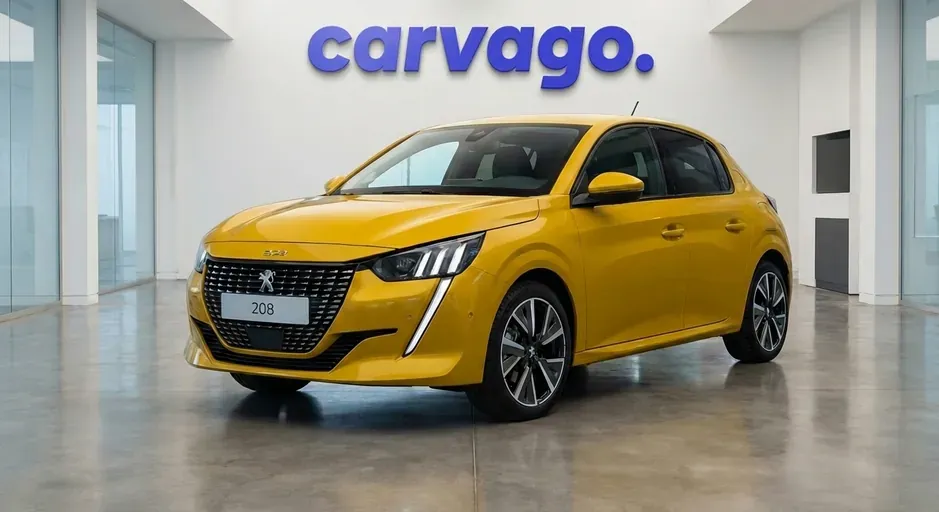
The Hyundai i20, previously also known as the Elite i20 in selected markets, is a rationally designed hatchback that attracts buyers on the used car market primarily with its above-standard spacious interior and advanced technological equipment. Standing against it is the attractive Peugeot 208, also available in the fully electric e-208 variant, which instead targets emotions with its bold French design and specific i-Cockpit dashboard layout. Let's take a detailed look at which of these popular city cars represents the smarter choice in terms of daily life, driving characteristics, and total operating costs.
When looking at the market for roughly four-year-old used cars, where the third generation of the Hyundai i20 and the second generation of the Peugeot 208 stand against each other, we find cars with a different approach to the use of exterior space. In terms of overall length, both cars are very similar. While the Peugeot 208 measures exactly 4055 mm, the standard Hyundai i20 reaches a length of 4040 mm (or up to 4075 mm for sporty versions like the i20 N). However, the Korean representative has a noticeable advantage in width, offering 1775 mm compared to 1745 mm for the Peugeot. These extra 30 mm result in slightly more generous shoulder room in the interior, although this advantage may be slightly offset when parking in tight city streets.
More significant differences can be found in the wheelbase, which is an absolutely key indicator of interior spaciousness, especially for rear passengers. The Hyundai i20 has a wheelbase of 2580 mm, which is a full 40 mm more than the Peugeot 208 (2540 mm). Adult passengers in the rear seats will feel this difference, where the Hyundai provides more generous knee room and generally feels airier. The French model, on the other hand, bets on a sportier, lower-slung silhouette with a height of 1430 mm. The Hyundai, at 1440 to 1450 mm, is slightly taller, which helps provide slightly better headroom.
In the final decision, it primarily depends on your daily needs. If you are looking for a stylish car with dynamic proportions where rear passengers sit only occasionally, the Peugeot 208 will reliably meet your requirements and offer a slightly more compact driving feel. However, if you often carry family or adult passengers and demand maximum use of the enclosed space from a small city hatchback, the Hyundai i20 will serve as a more practical choice thanks to its longer wheelbase and wider body.
| Parameter | Hyundai i20 Hatchback | Peugeot 208 Hatchback |
|---|---|---|
| Length (mm) | 4040 - 4075 | 4055 |
| Width (mm) | 1775 | 1745 |
| Height (mm) | 1440 - 1455 | 1400 - 1430 |
| Wheelbase (mm) | 2580 | 2540 |
When choosing a used city hatchback, such as the Hyundai i20 or Peugeot 208 (ideally from the highly sought-after generations around the 2022 model year), trunk volume often plays a decisive role. Although these cars are primarily designed for agile maneuvering through city streets, a cleverly designed trunk determines whether the car will also stand up as a primary vehicle for a smaller family. The practicality of the trunk in these compacts doesn't just mean easy transport of everyday small items. It's mainly about whether the luggage compartment provides space for a few extra suitcases and whether it will be sufficient for weekend shopping and longer vacations. The differences between these two rivals are quite noticeable and reflect their different technological approaches.
The third-generation South Korean Hyundai i20 offers one of the most generous luggage spaces in its class. In the standard configuration, it provides a great 352 liters. After folding the rear seats, the capacity increases to an impressive 1165 liters, making it a surprisingly capable helper when transporting bulkier items. However, it is essential to pay attention to the chosen engine when buying a used car. If you go for the version with 48V mild-hybrid technology, the battery hidden under the floor reduces the basic trunk capacity to 262 liters and the maximum to 1075 liters. In real-world use, this represents a fairly noticeable compromise that can limit your daily flexibility.
The second-generation French Peugeot 208 takes a slightly more lifestyle and elegant approach, which is also slightly reflected in the rear of the car. The basic volume for purely internal combustion versions is 311 liters. While this is slightly less than the standard i20, it is still a solid and well-usable value for common life situations. By folding the rear backrests, you get a maximum capacity of 1163 liters, which almost matches its Korean competitor. A big advantage of the Peugeot's design, however, is that the fully electric e-208 version, thanks to the clever integration of batteries into the floor platform, maintains exactly the same basic trunk volume (311 liters) as the conventional internal combustion models, while the maximum value after folding the seats drops only slightly to 1118 liters.
In conclusion, while Hyundai offers significantly more practical space for family use in its purely internal combustion versions, Peugeot will please those buyers who want to switch to electric drive and do not want to be punished for this choice by a reduction in luggage space.
| Parameter | Hyundai i20 Hatchback | Peugeot 208 Hatchback |
|---|---|---|
| Basic volume (liters) | 352 | 311 |
| Max. volume after folding seats (liters) | 1165 | 1163 |
While the internal combustion Hyundai i20 offers an overall larger and more practical trunk for family trips, the Peugeot 208 scores with a great layout where its purely electric version doesn't take away a single liter from the basic luggage space.
While trailer weight is not usually the main selection criterion for compact hatchbacks, for many drivers it represents a key factor in the car's overall utility. You will appreciate the option to attach a trailer when you gain space for a few extra suitcases, or when looking for a solution sufficient for both weekend shopping and longer holidays. When comparing roughly four-year-old used cars from the current generations of both vehicles (third-generation Hyundai i20 and second-generation Peugeot 208), you will encounter very different approaches from the manufacturers.
In its more powerful internal combustion engine versions (for example, the 1.2 PureTech 100 / 130 petrol or the 1.5 BlueHDi diesel), the Peugeot 208 can offer an excellent maximum braked trailer weight of up to 1,200 kg. An unbraked trailer for these engines can weigh from 580 to 615 kg depending on the version. However, caution is advised with the standard base 1.2 PureTech 75 engine, which is technically limited to just 500 kg for both braked and unbraked trailers. Furthermore, if you were considering the fully electric version (e-208), a tow bar for pulling a trailer is not homologated for it, and towing is not expected at all.
In contrast, the Hyundai i20 provides somewhat more balanced values across the entire range, albeit with a slightly lower absolute maximum. The standard naturally aspirated 1.2 four-cylinder from the early years of the third generation (2020–2023) can tow a braked trailer with a solid weight of 910 kg – although it is worth knowing that for newer models after the 2024 facelift, this capacity dropped to just 610 kg. The more powerful turbocharged one-liter three-cylinders (1.0 T-GDI), even in their mild-hybrid variants (48V), can handle a maximum of 1,110 kg. The sporty i20 N version maintains the same value. The unbraked trailer weight for the South Korean model is limited across the board to 450 kg.
This parameter clearly shows the strengths and weaknesses of both cars. If you occasionally need to tow a heavier load and opt for a more powerful engine, the Peugeot 208 is a much better workhorse. The Hyundai i20, on the other hand, represents a more stable choice with the assurance of reasonable towing power even in cheaper versions, making it a reliable all-rounder for everyday use.
| Model and engine | Braked trailer (kg) | Unbraked trailer (kg) |
|---|---|---|
| Hyundai i20 1.2 (62 kW) | 910 | 450 |
| Hyundai i20 1.0 T-GDI incl. 48V-Hybrid (74 - 88 kW) | 1110 | 450 |
| Hyundai i20 N (150 kW) | 1110 | 450 |
| Peugeot 208 1.2 PureTech 75 (55 kW) | 500 | 500 |
| Peugeot 208 1.2 PureTech 100 / 130 (74 - 96 kW) | 1200 | 580 - 615 |
| Peugeot 208 1.5 BlueHDi 100 (75 kW) | 1200 | 580 - 615 |
| Peugeot 208 Electric (100 - 115 kW) | Not available | Not available |
The engine range for both cars differs significantly and directly influences which target group each model suits best. While Hyundai focuses mainly on petrol and mild-hybrid units with 1.2 and 1.0 T-GDI displacements, Peugeot covers absolutely all conceivable needs with the second generation of the 208 model thanks to 1.2 PureTech three-cylinder petrol engines, an economical 1.5 BlueHDi diesel engine, and fully electric e-208 variants. Basic naturally aspirated engines start at 55 kW for Peugeot (1.2 PureTech 75) and 62 kW for Hyundai (1.2 MPi), making them an ideal choice for carefree driving primarily in the city. The golden middle ground is represented by the turbocharged 1.0 T-GDI units (74 kW or 88 kW) for the i20 and the 1.2 PureTech 100 (74 kW) for the 208, which offer a great balance of performance and fuel consumption. Hyundai uses a responsive seven-speed dual-clutch DCT gearbox for its automatics, while Peugeot relies on a smoother eight-speed EAT8 torque converter automatic. If you're looking for maximum performance on backroads, Hyundai triumphs hands down with the uncompromising i20 N sports model and its 1.6 T-GDI four-cylinder engine with an impressive 150 kW. In contrast, Peugeot will appeal to tech enthusiasts and long-distance drivers, for whom an economical diesel version or the aforementioned electric drive was available for a long time. Budget-oriented used car buyers will most appreciate the simple basic petrol engines, motorway mile-munchers will go for the diesel 208, and fans of sharp starts will clearly choose the hot hatch from South Korea.
The third generation of the Hyundai i20 has completely abandoned diesel engines and relies on petrol variants, which fit perfectly into the context of the used car market. The base is a 1.2-litre four-cylinder naturally aspirated engine with 62 kW paired with a five-speed manual, which will be appreciated by fans of the simplest and most reliable technology. However, most of the market offer consists of modern turbocharged 1.0 T-GDI three-cylinder engines available in 74 kW and 88 kW versions. These can be equipped with an advanced 48V mild-hybrid system that reduces fuel consumption. An interesting feature of this solution is the combination with the innovative iMT manual transmission with an electronic clutch, which allows automatic coasting with the engine off, or a traditional 7DCT automatic transmission. The pinnacle of the entire range, intended exclusively for driving enthusiasts, is the sporty Hyundai i20 N powered by a powerful 1.6 T-GDI four-cylinder with 150 kW and a six-speed manual transmission. Those interested in this top model on the used car market should not hesitate too long, as its attractive production for Europe was definitively ended at the end of 2024.
| Engine type | Fuel type | Power (kW) | Torque (Nm) | Transmission |
|---|---|---|---|---|
| 1.2 | Petrol | 62 | 118 | 5MT |
| 1.0 T-GDI | Petrol | 74 / 88 | 172 / 200 | 6MT / 7DCT |
| 1.0 T-GDI 48V-Hybrid | MHEV Petrol | 74 / 88 | 172 / 200 | 6iMT / 7DCT |
| 1.6 T-GDI (i20 N) | Petrol | 150 | 275 | 6MT |
In its second generation, the Peugeot 208 offers an unprecedented variety of powertrains, which is also reflected in the rich selection of used cars with production dates around 2021 and 2022. The absolute base is the 1.2 PureTech three-cylinder with 55 kW without a turbo. Much more common, however, are its turbocharged versions with 74 kW and the more powerful 96 kW version, which was perfectly complemented by the precise EAT8 eight-speed automatic. For the most powerful petrol version, however, it must be taken into account that its production was ended at the end of 2023 after a major facelift. For long-distance commuting, Peugeot offered the excellently economical 1.5 BlueHDi diesel unit with 75 kW until 2023, which subsequently gave way in the price list to the new electrified 1.2 Hybrid models. These new hybrids are combined with the brand-new e-DSC6 transmission. A significant differentiator from its Korean competitor is the purely electric Peugeot e-208. In roughly four-year-old used cars, this electric car usually has 100 kW paired with a 50kWh battery, while in the future (after 2023), the electric range has grown significantly with an improved version providing a higher output of 115 kW.
| Engine type | Fuel type | Power (kW) | Torque (Nm) | Transmission |
|---|---|---|---|---|
| 1.2 PureTech 75 | Petrol | 55 | 118 | 5MT |
| 1.2 PureTech 100 | Petrol | 74 | 205 | 6MT / 8EAT |
| 1.2 PureTech 130 | Petrol | 96 | 230 | 8EAT |
| 1.2 Hybrid 100 / 136 | MHEV Petrol | 74 / 100 | 205 / 230 | 6e-DSC |
| 1.5 BlueHDi 100 | Diesel | 75 | 250 | 6MT |
| e-208 136 / 156 | Electric | 100 / 115 | 260 | 1AT |
While the Hyundai i20 is a fantastic choice for fans of traditional and exceptionally sporty petrol engines, the Peugeot 208 triumphs with its complexity and will also appeal to those interested in extremely economical diesel or agile electric driving experience.
Choosing the right engine is crucial for long-term satisfaction. Both manufacturers, for their used cars around four years old (3rd generation Hyundai i20 and 2nd generation Peugeot 208), rely on turbocharged three-cylinder engines in the mainstream, which combine decent dynamics with favorable fuel consumption. While the South Korean Hyundai followed the path of more robust mechanics, where one must primarily keep in mind minor issues associated with direct fuel injection, the French Peugeot offers a very driver-friendly unit that, however, requires absolutely flawless and timely maintenance of its delicate timing belt for long-term reliability. The following recommendations are based on real-world experience, average fuel consumption, mechanical durability, and owner feedback from operation.
This turbocharged one-liter three-cylinder is the best compromise between performance, running costs, and overall reliability within the 3rd generation i20. With 100 hp, it offers the car plenty of pep not just for the city, but it won't lose its breath even during safer overtaking on the highway. Real-world fuel consumption with a light foot typically hovers around an excellent 5.5 l/100 km, and the flat torque curve ensures a smooth pull from low revs. Mechanically, it is a very durable unit, but due to direct fuel injection, there is a risk of oil dilution with gasoline. This typically occurs when the car is used exclusively for very short city trips and the engine does not have time to warm up sufficiently. You can easily prevent this issue by shortening the oil change interval to 10,000 or a maximum of 15,000 kilometers and occasionally "stretching the car's legs" on a longer distance. From a used car perspective, this engine is ideal for drivers with a varied route profile looking for versatility. (Note: You will also find the naturally aspirated 1.2 MPi four-cylinder on the market, which is great for strictly city driving, but quickly runs out of steam outside of it.)
In the diverse range of the 2nd generation Peugeot 208, the 1.2 PureTech 100 hp version represents an absolutely optimal choice, giving the small hatchback pleasant agility. The engine easily handles even a fully loaded car and, in combination with a manual or the very reliable eight-speed EAT8 automatic transmission, can achieve fuel consumption of just around 6 liters per 100 km. However, the unit has one very significant technical peculiarity that used car buyers must be extremely careful about – the timing belt is "wet," meaning it runs directly in the engine oil. If the previous owner neglected maintenance, missed deadlines, or used an oil type other than the one strictly specified by the manufacturer's network, the belt can start to crumble. Its loose particles then clog the oil pump intake strainer, leading to a loss of oil pressure and potentially resulting in fatal engine failure. When buying a used car, it is an absolute necessity to carefully verify the documented service history and check the physical condition of the belt (its condition is usually visible to an experienced mechanic after unscrewing the oil filler cap). As a preventive measure, it is strongly recommended to shorten the oil change interval to a maximum of 10,000 km. In return, you get a very quiet, economical, and rev-happy engine that will be appreciated especially by drivers who prefer a dynamic and comfortable driving experience with occasional longer journeys.
Official fuel consumption figures provided by manufacturers often differ significantly from reality in the automotive world, especially in the era of strict emission standards and the installation of small-displacement engines. To get a more accurate picture of the actual appetite of the compared vehicles, we used real-world driving data from thousands of regular drivers on the community portal Spritmonitor.de. In our comparison, we focused exclusively on the generations that are crucial for today's buyers of four-year-old used cars – namely the 3rd generation Hyundai i20 (from 2020) and the 2nd generation Peugeot 208 (from 2019).
Below you will find average real-world fuel consumption values for the most common engine variants, clearly organized by powertrain type.
| Model and Engine | Engine Type | Average Consumption (l/100 km) | Source |
|---|---|---|---|
| Hyundai i20 1.2 MPI (62 kW) | Naturally aspirated petrol | 5.9 | Spritmonitor.de |
| Peugeot 208 1.2 PureTech 75 (55 kW) | Naturally aspirated petrol | 5.6 | Spritmonitor.de |
| Hyundai i20 1.0 T-GDI (74 kW) | Turbocharged petrol | 6.1 | Spritmonitor.de |
| Peugeot 208 1.2 PureTech 100 (74 kW) | Turbocharged petrol | 5.8 | Spritmonitor.de |
| Hyundai i20 1.0 T-GDI 48V (88 kW) | Turbocharged petrol MHEV | 5.8 | Spritmonitor.de |
| Peugeot 208 1.5 BlueHDi 100 (75 kW) | Diesel | 4.6 | Spritmonitor.de |
Several interesting findings clearly emerge from the collected data. The biggest surprise is the finding that a small turbocharged engine does not always save fuel in practice. The 1.0 T-GDI three-cylinder in the Hyundai i20 shows higher consumption in the real world – especially on the highway or when attempting more dynamic driving – than the reliable base 1.2 MPI naturally aspirated four-cylinder. Only the inclusion of 48V mild-hybrid assistance can push the average safely below the six-liter mark thanks to energy recovery and more frequent "coasting" with the internal combustion engine switched off.
On the other hand, the Peugeot 208 offers a very efficient solution with the 1.2 PureTech (100 hp) turbo engine, which combines brisk dynamics with a pleasant consumption of around 5.8 liters. The ultimate king of long distances and maximum efficiency remains the 1.5 BlueHDi diesel from the French stable, which easily runs well below five liters per hundred kilometers. The third-generation Hyundai i20 no longer provides a direct diesel alternative for the European market.
Overall Verdict: When comparing the most popular petrol variants, the differences in average consumption between the two rivals are in the range of two to three tenths of a liter. Consumption, therefore, will likely not be the deciding factor that should settle the duel between the Hyundai i20 and the Peugeot 208. Your wallet will feel the benefit of a smooth driving style far more than the mere fact of whether you carry a Korean or French brand logo on the hood.
When looking at the used car market for vehicles around four years old (predominantly 2021 and 2022 models), the third-generation Hyundai i20 and the second-generation Peugeot 208 represent exceptionally attractive choices in the B-segment. While the former attracts with generous interior space and reliability, the latter appeals to emotions with its unmistakable design. This differing philosophy is directly reflected in their residual value and second-hand purchase prices.
The South Korean representative profiles itself on the used car market as a vehicle with a great price-performance ratio. A crucial argument for purchasing a four-year-old unit is the five-year factory warranty with no mileage limit. For most of these cars, the buyer still receives at least a year of full factory coverage, providing peace of mind.
Cars with the naturally aspirated 1.2 MPI four-cylinder engine depreciate slightly faster, making them an ideal and affordable choice for calmer drivers. Conversely, the sporty N Line versions hold their value very well.
The French lion bets on extravagance and a more premium interior finish (the so-called i-Cockpit). Thanks to this, it maintains a very strong position on the used car market, and those interested must pay a slight premium for the stylish look. The average starting price is significantly higher compared to the Hyundai.
A specific feature of the 208 model is the offering of a purely electric variant, the e-208. For roughly four-year-old models, prices for the battery version are significantly higher and usually start between €18,000 and €21,000 depending on battery wear and equipment.
| Model (approx. 4 years old) | Starting Price | Depreciation | Strongest Selling Point of the Used Car |
|---|---|---|---|
| Hyundai i20 | from approx. €9,000 | Average | Five-year factory warranty (often still active) |
| Peugeot 208 | from approx. €11,000 | Low | Attractive, timeless design and better materials |
Peugeot holds its price more stubbornly, especially thanks to the popular GT Line trim, which appeals strongly to second-hand buyers. Hyundai, on the other hand, will please those with a tighter budget looking for a modern, reliable car for a price under €10,000.
The Hyundai i20 scores in the used car market with a more favorable starting price and a transferable factory warranty, while for the avant-garde design and sophisticated interior of the Peugeot 208, buyers on the market are happy to pay extra.
Although it is common in the automotive world to begin a safety evaluation by stating that a model has achieved five-star Euro NCAP ratings (which previous generations of these models easily achieved in the past), when choosing a roughly four-year-old used car, it is absolutely essential to emphasize the context and the actual year of testing. This is because crash test methodologies and protocols are constantly evolving and becoming much stricter over time. This leads to a key rule – percentage results from different years cannot be directly compared. Furthermore, both models earned very good four-star ratings in their respective years, which accurately reflect the reality of the stricter tests.
The Peugeot 208 demonstrated its qualities in Euro NCAP tests in the autumn of 2019. At that time, the methodology focused primarily on static rigid and offset deformable barriers. The French hatchback showed exceptionally strong structural protection of the cabin, as evidenced by very high percentage ratings for both adult and child protection. However, a certain weakness was found in the protection of vulnerable road users. In 2019, Peugeot's standard autonomous emergency braking (AEB) system relied only on a simpler camera-based system. While it reacted reliably to other vehicles and pedestrians, it hit noticeable limits when detecting fast-moving cyclists, which significantly contributed to a lower rating in this category.
The Hyundai i20, on the other hand, did not receive its official rating until 2021. In this case, after extensive data analysis, Euro NCAP applied the results from the technically identical Hyundai Bayon model. This gap of less than two years meant a huge difference in the strictness of the protocols used. Hyundai thus had to undergo more demanding frontal crash tests with a mobile progressive deformable barrier and was newly tested on complex emergency scenarios directly at intersections. Despite these significantly tougher tests, it maintained solid protection for the occupants themselves and, conversely, scored significantly well in the area of active safety. Its more modern and sensitive assistance sensors handled collision prevention much better and were more capable of detecting problematic cyclists.
| Parameter | Hyundai i20 | Peugeot 208 |
|---|---|---|
| Year of testing | 2021 | 2019 |
| Adult occupant protection | 76 % | 91 % |
| Child occupant protection | 82 % | 86 % |
| Vulnerable road user protection | 76 % | 56 % |
| Safety assist systems | 67 % | 71 % |
While Peugeot's 2019 safety certification is already aging in light of the rapid development of active assistants, Hyundai provides a picture that much more faithfully reflects the demands of today's roads. Although the Peugeot 208 offers fantastic and exceptionally robust protection for the occupants inside the car according to the charts, the Hyundai i20 represents an overall more modern and comprehensive safety package. Its ability to react more accurately and promptly to pedestrians and cyclists, verified by recent and stricter standards, makes it a more suitable choice for safe movement in today's dense and unpredictable urban traffic.
Although both cars guarantee excellent passive protection for the occupants, the Hyundai i20 has the upper hand in active safety thanks to its more recent testing date and handles the detection of pedestrians and cyclists much better.
In addition to standard equipment, each of the models offers several unique features that can be decisive for the customer, with both cars approaching added value in completely different and distinctive ways.
In the generation from around 2022, Hyundai emphasizes top-tier electronics, extensive connectivity options, and clever mechanical innovations that facilitate daily operation.
The French representative bets on emotions, a premium interior concept, and unconventional design solutions, thanks to which it stands out in a crowd and gives the occupants the feeling of a much more luxurious car.
Excellent interior space, especially rear legroom
Great dashboard ergonomics with physical buttons for climate control
Five-year unlimited mileage factory warranty (often still valid on nearly-new used cars)
Availability of a reliable and low-maintenance naturally aspirated 1.2 MPi four-cylinder engine
Above-average base trunk capacity (352 liters)
Extensive use of hard plastics in the interior feels cheaper compared to competitors
Stiffer suspension tuning, which reduces ride comfort on broken roads
On mild-hybrid versions, the trunk space is reduced by nearly 90 liters due to the battery
Specific, sharp-edged exterior design may not appeal to everyone
Hyundai i20 is a pragmatic and exceptionally practical choice in the small car segment, excelling in user-friendliness and overall spaciousness. It will primarily appeal to rational drivers looking for a reliable car for daily commuting who appreciate the remaining factory warranty on four-year-old used cars.
Very attractive and timeless exterior design complemented by a distinctive light signature
High-quality interior craftsmanship with premium materials creating a more upscale feel
Very supple and comfortable suspension that absorbs city bumps excellently
Wide range of powertrains including the economical 1.5 BlueHDi diesel and the all-electric e-208 version
The specific i-Cockpit with a small steering wheel may not suit every body type (the steering wheel rim often obscures the instrument cluster)
Cramped rear seat space and more difficult entry through narrow rear doors
Heavy reliance on the infotainment touchscreen, which suffers from occasional freezing and slow response times
Smaller trunk capacity (311 liters) compared to the class average
Peugeot 208 clearly targets emotion and style, offering the occupants a luxurious-feeling cabin and very pleasant ride comfort. It is an ideal hatchback for individuals or couples who, when buying a nearly-new used car, prioritize design, craftsmanship, and French charm over maximum utility in the rear seats.
Based on long-term user experience, service reports, recall campaigns, and findings from CarAudit inspections, we have compiled a detailed overview of the most common problems that buyers of roughly four-year-old used cars should watch out for. A thorough, comprehensive vehicle inspection can reveal most risky and hidden defects in both models in advance.
The third-generation Hyundai i20 (produced since 2020) is considered a mechanically very reliable car; however, even it exhibits some typical teething troubles and specific issues, primarily related to electronics.
The third-generation Hyundai i20 represents a mechanically robust car that mostly suffers only from ailments in the area of onboard electronics and infotainment. From a mechanical standpoint and with regular servicing, it is a very safe purchase.
The second-generation Peugeot 208 (produced since 2019) brought highly attractive design and premium technologies to the market, but its powertrains and more complex onboard systems require significantly more attention when choosing a used car.
The stylish Peugeot 208 offers top-tier driving comfort; however, for trouble-free ownership, it requires a documented and absolutely flawless service history – this applies especially to preventing timing belt issues in internal combustion engines.
When buying a used car, a thorough inspection is key, and for both of these models, there are specific areas you should focus on so that you aren't surprised by expensive repairs after the purchase.
When choosing a Hyundai i20:
When choosing a Peugeot 208:
Hyundai i20 is one of the most spacious cars in this class, offering a boot capacity of 352 liters. Peugeot 208 lags slightly behind with a capacity of 311 liters, which can play a role during family trips or larger shopping runs. Furthermore, the South Korean model scores points with a more practical boot shape and a slightly more favorable loading sill.
Peugeot bets on the specific i-Cockpit with a small steering wheel and high-mounted dials, which looks very attractive but may not suit every driver's physique. Hyundai, on the other hand, brings a more traditional dashboard layout with excellent ergonomics and the retention of very useful physical buttons for climate control. Your decision should therefore primarily depend on which car you find a more comfortable driving position in.
Both manufacturers have approached the electrification of these models in completely different ways. With the French representative, you can opt for the purely electric e-208 version, while the i20 model relies on petrol engines supplemented only by mild-hybrid technology to reduce consumption. For those looking for locally emission-free operation fully on electricity, Peugeot is the only available choice.
Hyundai attracts with a factory five-year warranty with no mileage limit, so many four-year-old used cars currently on sale still have active factory coverage. For Peugeot, the basic warranty is two years, so any defects in older used cars are usually financed directly by the owner. The general reliability of both cars is high; however, for Peugeot petrol engines, it is necessary to ensure correct and timely timing belt replacements.
The French hatchback stands out with an overall softer suspension setup, which filters out city obstacles perfectly and makes for an exceptionally comfortable ride. Hyundai i20, by contrast, prefers stiffer and sportier characteristics focused on stability and confidence on country roads, which can reduce comfort on rough cobblestones. In terms of maneuverability and trouble-free parking in narrow streets, however, both compact models perform excellently.
Choosing between a roughly four-year-old used Hyundai i20 and a Peugeot 208 represents a classic decision between rational practicality and emotion-filled style. The South Korean Hyundai i20 is an ideal choice for pragmatically-minded drivers or small families, offering above-standard interior spaciousness, a larger trunk, and the valued peace of mind of an often still-valid five-year factory warranty. On the other hand, the attractive Peugeot 208 will appeal to those looking for avant-garde French design, a more premium cabin finish with the unique i-Cockpit, and a highly comfortable chassis, while also scoring points with a wide range of powertrains, including an economical diesel or the purely electric e-208 version. While the Hyundai serves as a versatile and mechanically reliable companion for daily use with a maximum emphasis on utility value, the Peugeot represents a more luxuriously tuned hatchback for individuals or couples who, when choosing second-hand, are happy to sacrifice a bit of rear-seat space for an exceptional feeling behind the wheel.
Sources: ADAC, aktualne.cz, lidovky.cz, autorevue.cz, autoexpress.cz, retroauta.cz
This article was prepared using artificial intelligence tools. The section guarantor is Petr Dušek.
Detailed comparison of Peugeot 208 vs Renault Clio. Find out which French hatchback has better equipment, fuel consumption, and reliability. Read our verdict!
Apr 8, 2026
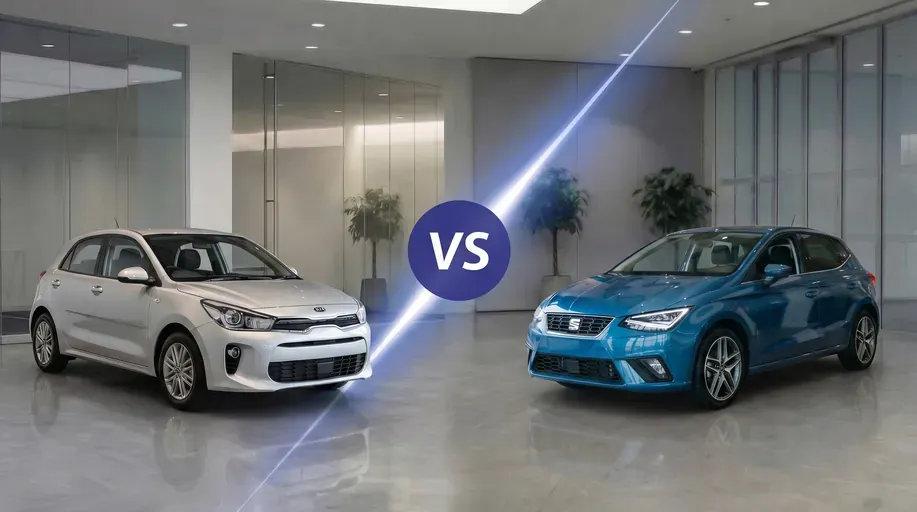
Detailed comparison: Kia Rio vs Seat Ibiza. Discover the differences in driving characteristics, reliability, and space. Read the verdict before choosing a used car!
Apr 15, 2026
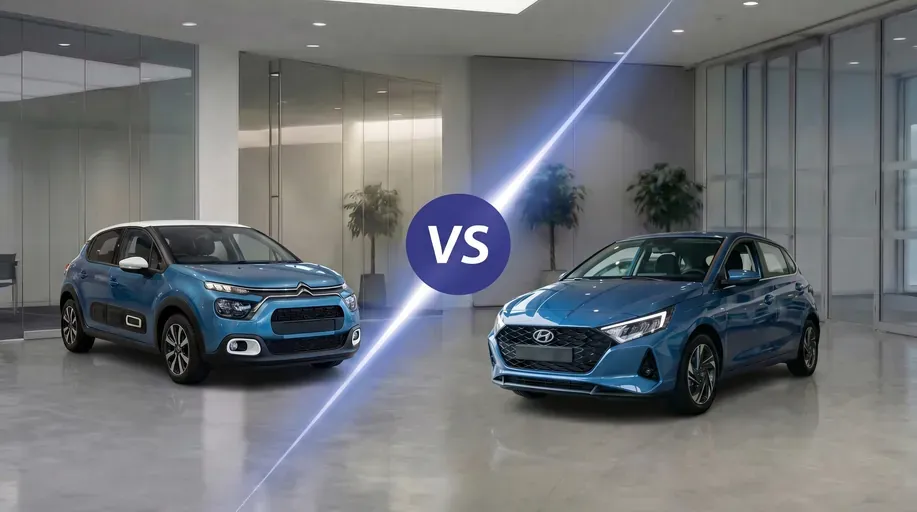
Citroën C3 vs. Hyundai i20 Comparison: Which hatchback is better? Read a detailed comparison of equipment, engines, and driving characteristics with a final verdict.
Apr 15, 2026